Possible Greenland: Greenland’s climate, resources, and a shifting Arctic future
Exhibition
Aug 29 - Nov 25, 2012
The Possible Greenland exhibition at the Danish Architecture Center in 2012 focused on Greenland as a global turning point shaped by climate change, demographics, and new resource access.
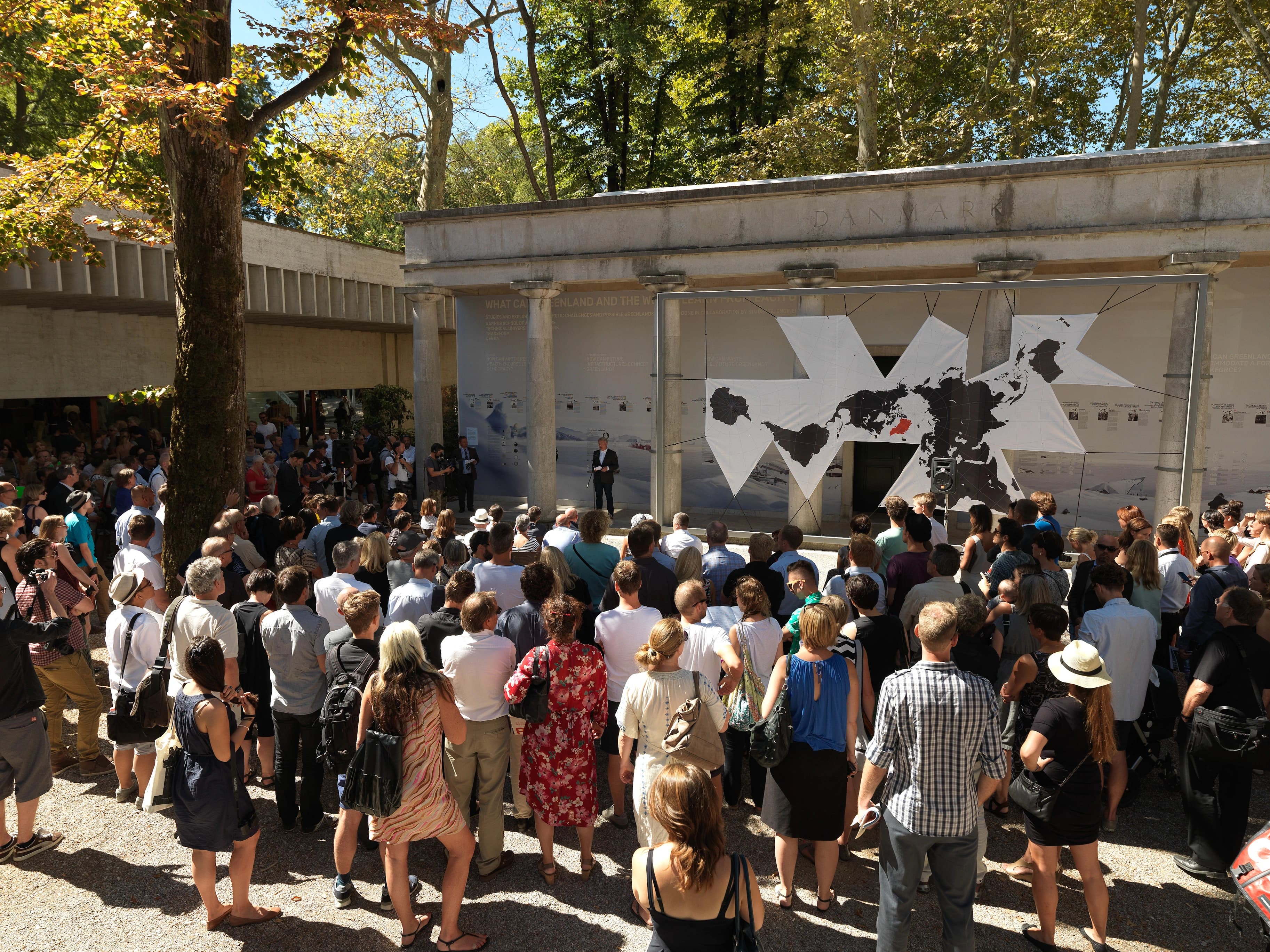
A project developing new visions for the future of Greenland. The results will be exhibited at the Danish Pavilion at the 13th International Architecture Exhibition at the Venice Biennale in 2012.
Greenland is a new fulcrum of the world
The current development in the Arctic region positions Greenland as a new geopolitical fulcrum of the world. Greenland is also faced with a paradigm shift, driven by a political development towards independence, internal demographic challenges and dramatic climate change. Possible Greenland was a cultural and business-oriented knowledge and communication project latches on to a highly topical agenda. It focused on the challenges and opportunities that Greenland faces as the ice melts, vast mineral resources become accessible, and new industries and urban cultures emerge. “Possible Greenland” focused on the solutions that Greenlanders have realised they need to develop, solutions that the global community and business communities can help to bring to fruition; those who take part also help to set the agenda.
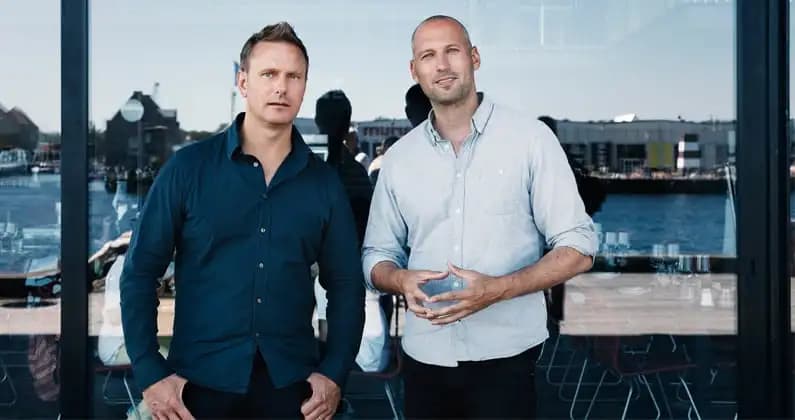
Possible Greenland was the first collaborative project of its kind between Greenland and Denmark. Teams of architects, engineers, urban planners and strategists raise essential strategic questions, while creating positive, concrete scenarios to inspire and qualify the debate on the future sustainable development of Greenland in a global context. Taking into account the unique nature of Greenland’s history and culture, the teams – headed by curator Minik Rosing, the internationally renowned Professor in Geology at the University of Copenhagen, and co-curator NORD Architects Copenhagen – have developed innovative and sustainable visions for economic, social and cultural development in Greenland.
How can architecture contribute?
The aim of the Possible Greenland exhibition was to give the audience – architects, urban planners, investors, politicians and others – an insight into Greenland as having great political, cultural and business value in a globalized context.
As we move from the Holocene to the Anthropocene geological era, the human effect on the Earth and its ecosystems have been recognised. It was the ambition of Possible Greenland to explore how architecture can contribute to the positive development of Greenland and of the Greenlandic society.
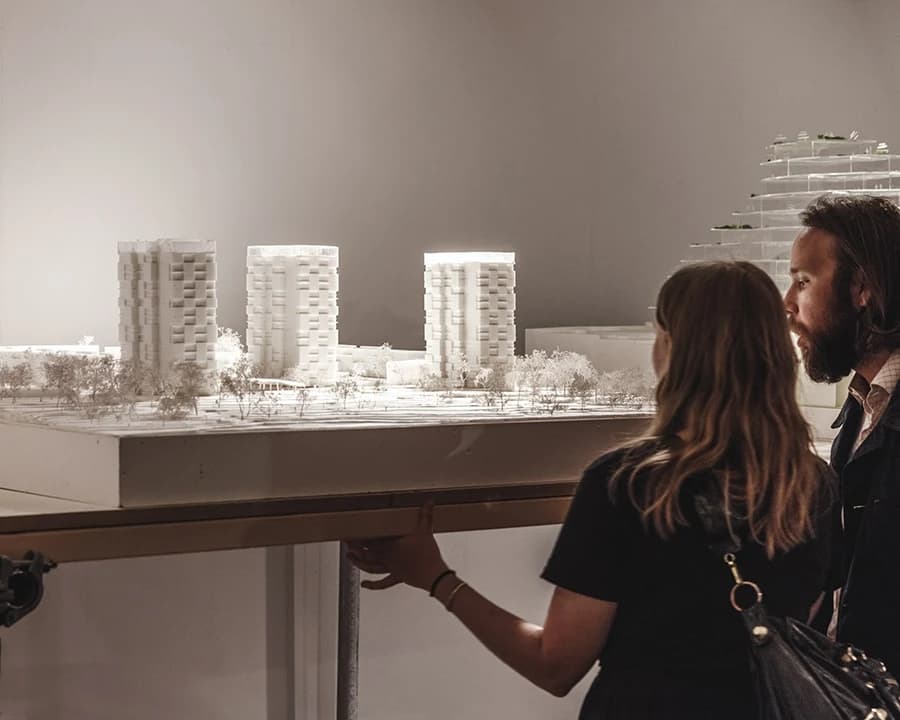
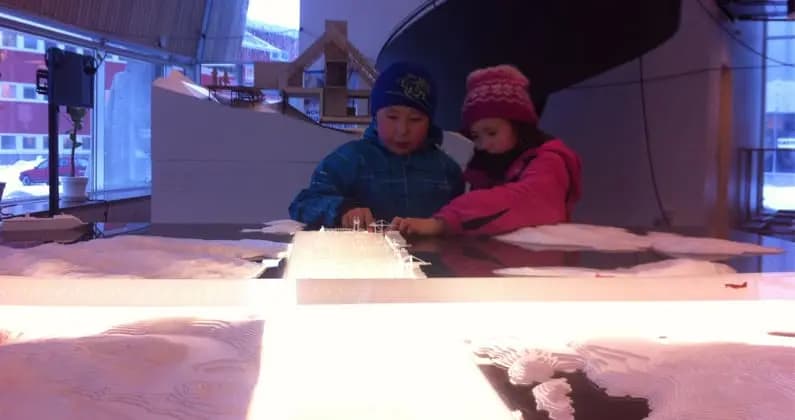
The exhibition provided a spectacular experience of ‘Greenlandness’ through images, film, models and artefacts. In a variety of sections, representing central perspectives, Possible Greenland explored the main challenges and opportunities that Greenland is facing.
Exhibitions Today
See Our Current Exhibitions
What was Possible Greenland?
Possible Greenland was a cross-cultural, business-oriented knowledge and communication project presented as an exhibition, built around a timely agenda about Greenland’s development.
When did the Possible Greenland exhibition take place?
The Possible Greenland exhibition at the Danish Architecture Center ran from 29 Aug to 25 Nov 2012.
What was the exhibition about?
The Danish Architecture Center framed it around Greenland in 2012 as a global turning point shaped by climate change, demographic challenges, and newly accessible natural resources.
Who were the key curators and collaborators?
The project was developed with chief curator Minik Rosing (University of Copenhagen) and co-curator NORD Architects Copenhagen.
What themes did the exhibition focus on?
The exhibition highlighted development opportunities in areas such as infrastructure, settlement, urbanity, migration, organisation, and cultivation of Greenland and Greenlandic society.
What should I know if I only read one thing?
Possible Greenland at DAC (29 Aug–25 Nov 2012) used architectural expertise to explore sustainable development visions for Greenland and the Arctic amid climate change and resource shifts.