Shifts: The financial crisis and architecture’s role
Exhibition
Feb 7 - May 25, 2014
The exhibition Shifts in 2014 examined how the global financial crisis since 2008 has reshaped architects’ and architecture’s societal role. It questioned architectural responsibility after the crisis, including the claim that only 5% of new buildings are designed by architects.
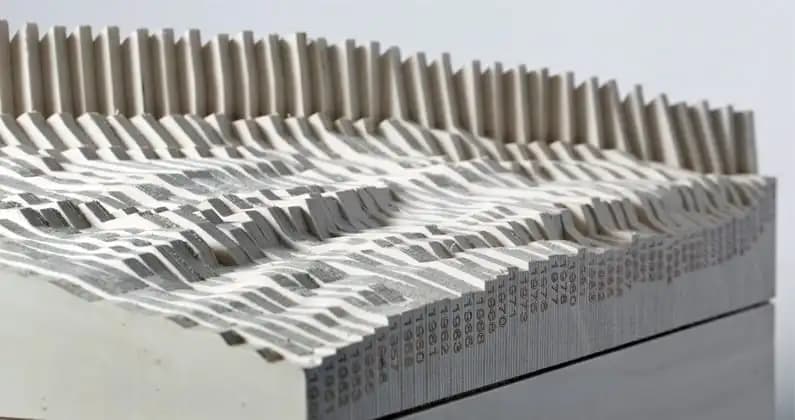
The Danish/Dutch Powerhouse Company, in collaboration with the renowned architecture critic, Hans Ibelings, have created the exhibition “Shifts”, which looked at the influence of the financial crisis on architects and architecture’s social role in modern society.
The exhibition Shifts spotlighted how the global financial crisis of 2008 has affected architecture; what was going on prior to the crisis; and what effect did the crisis have on architects and how they work. For example, when architects have designed only 5 per cent of our buildings, is it still relevant to claim that architects are responsible for the way, in which we live and work? And how does the crisis affect architects’ future responsibilities?
Exhibitions Today
See Our Current Exhibitions
What was the Shifts exhibition?
Shifts explored how the economic crisis influenced architects’ and architecture’s societal role.
When did Shifts take place?
Shifts ran from 7 Feb to 25 May 2014.
Who created the Shifts exhibition?
Shifts was created by the Danish/Dutch Powerhouse Company together with Dutch architecture critic Hans Ibelings.
What did the exhibition ask about the financial crisis and architects?
It asked how the global financial crisis since 2008 has affected architecture, what preceded the crisis, and how the crisis has left architects.
What key point about architects’ role is mentioned?
The key point is that only 5% of new buildings are designed by architects.
What should I know if I only read one thing?
Shifts (7 Feb–25 May 2014) used the financial crisis to question what role architects and architecture play in society today.