The Banality of Good: Social sustainability and New Towns
Exhibition
Feb 7 - May 25, 2014
The exhibition The Banality of Good in 2014 examined sustainability from a social perspective in urban planning through seven post-war New Towns, including Albertslund in Denmark.
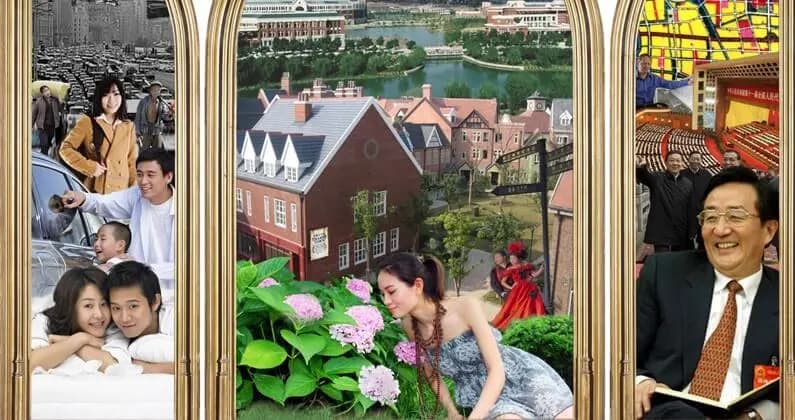
The exhibition approached the concept from a social angle, in the context of urban planning. It was based on the so-called “New Towns”, ideal towns from seven different cities scattered across the world, including Albertslund in Denmark.
The creation of social equality
The ideal, which inspired New Towns, was the common good – the creation of social equality, equal rights and opportunities for the average working population.The towns were built throughout the world in the aftermath of World War II.
New Towns and social problems
The exhibition revealed that today many historic New Towns are undergoing major social problems. They have become ghettos, while resources are disappearing from them.
The stories of the seven New Towns have been designed allegorically in the form of wooden triptychs, resembling ancient altarpieces, and inspired by Venetian painting.
The Banality of Good was the creation of Dutch Crimson Architectural Historians in cooperation with The International New Town Institute.
The Banality of Good provided visitors with a different perspective on sustainability. The exhibition approached the concept from a social angle, in the context of urban planning.
Exhibitions Today
See Our Current Exhibitions
What was The Banality of Good exhibition?
The Banality of Good approached sustainability from a social perspective in relation to urban planning.
When did The Banality of Good take place?
The exhibition ran from 7 Feb to 25 May 2014.
What were the exhibition’s case studies?
The exhibition was based on seven “New Towns” (ideal towns) from cities around the world, including Albertslund in Denmark.
What was the original ideal behind New Towns?
The ideal was to create social equality and equal rights and opportunities for working-class communities, and many were built after World War II.
What issue did the exhibition highlight about New Towns today?
It argued that many historic New Towns now face major social problems, can become ghettos, and may lose resources as people move away.
What should I know if I only read one thing?
The Banality of Good (7 Feb–25 May 2014) highlighted that sustainability in urban planning also means building fair and inclusive societies—not only reducing environmental impact.