The City
Exhibition
from Oct 5
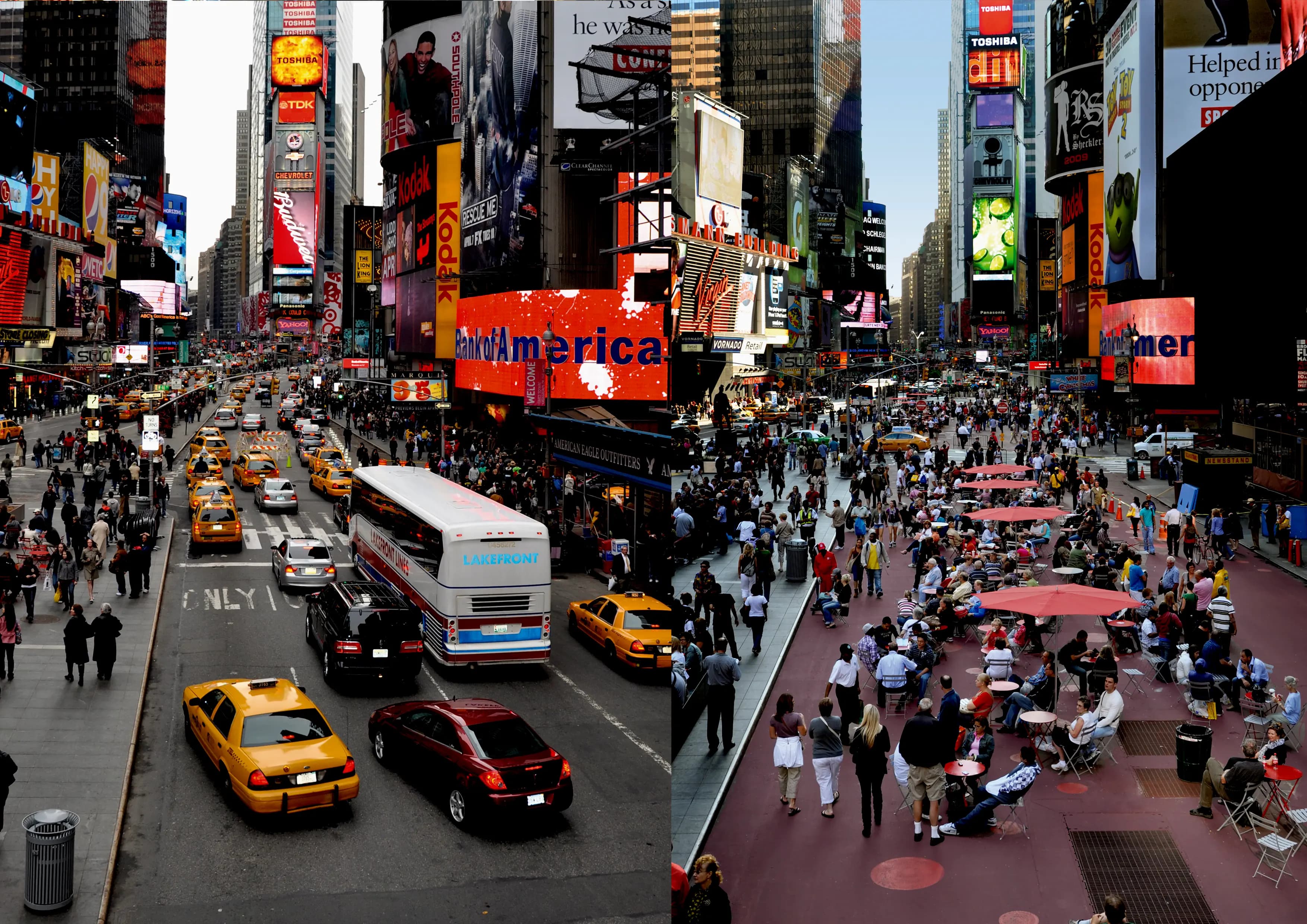
The City at the Danish Architecture Center (DAC) in Copenhagen explores the city at a human scale — and how urban spaces shape urban health, wellbeing and community.
Cities shape everyday life more than we often realize.
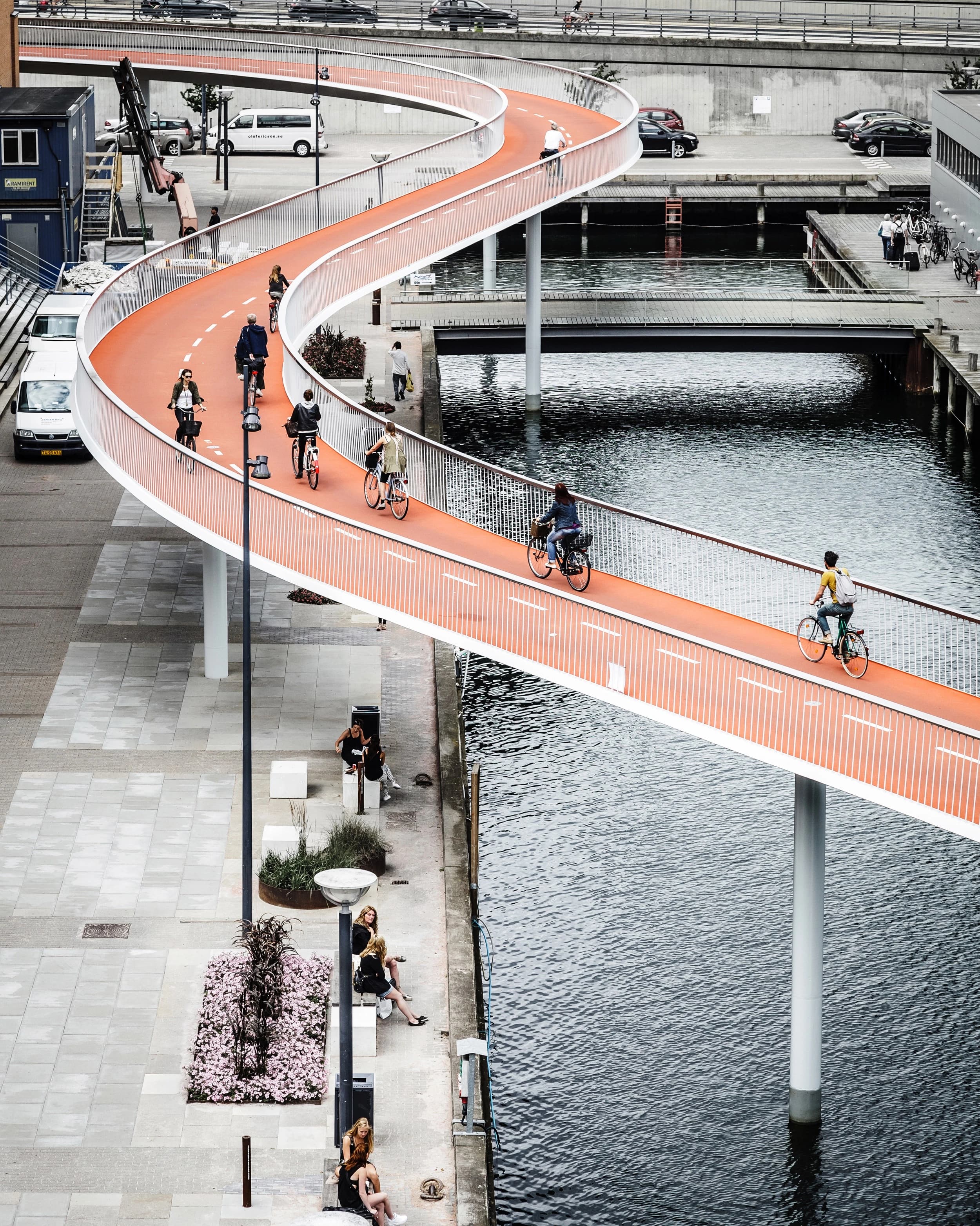
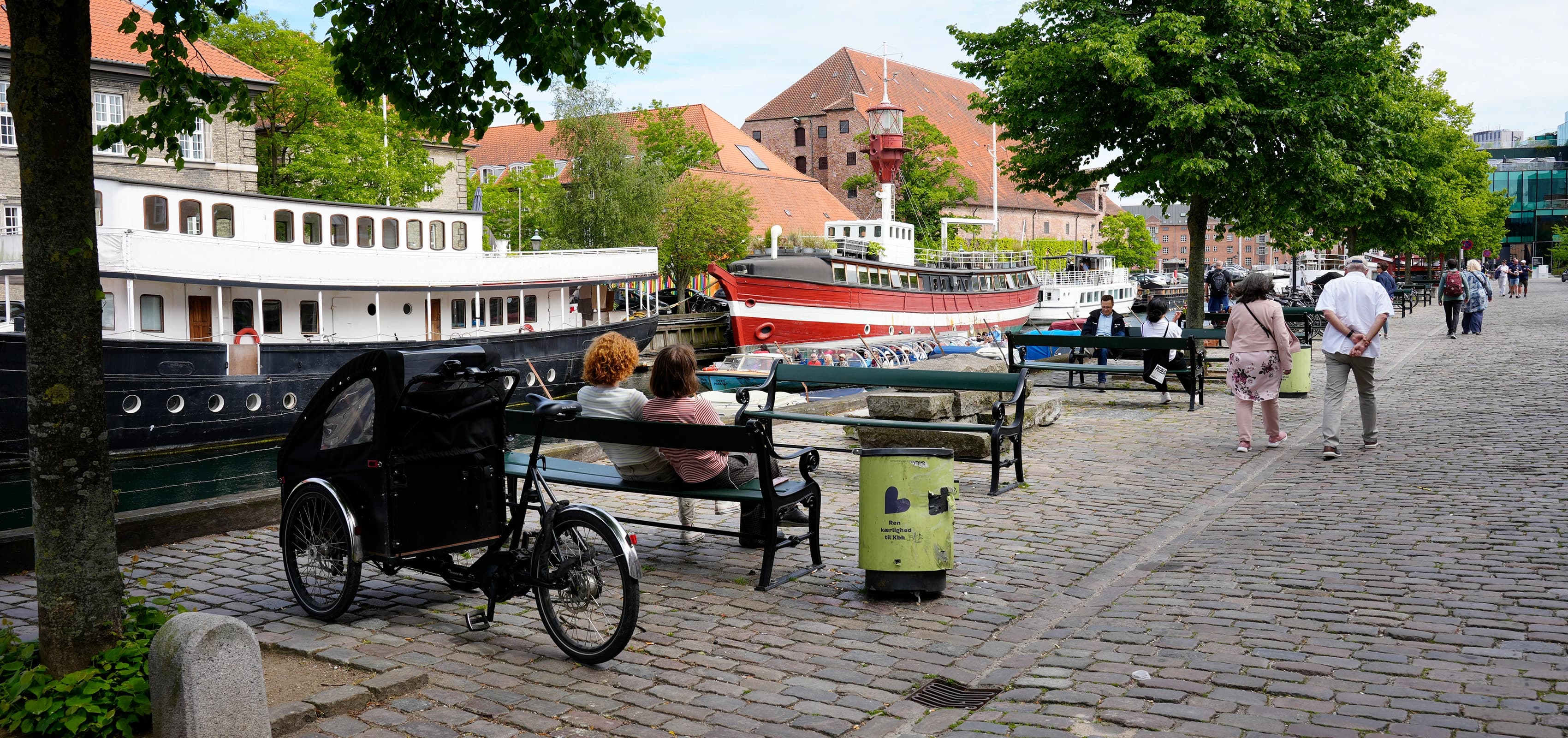
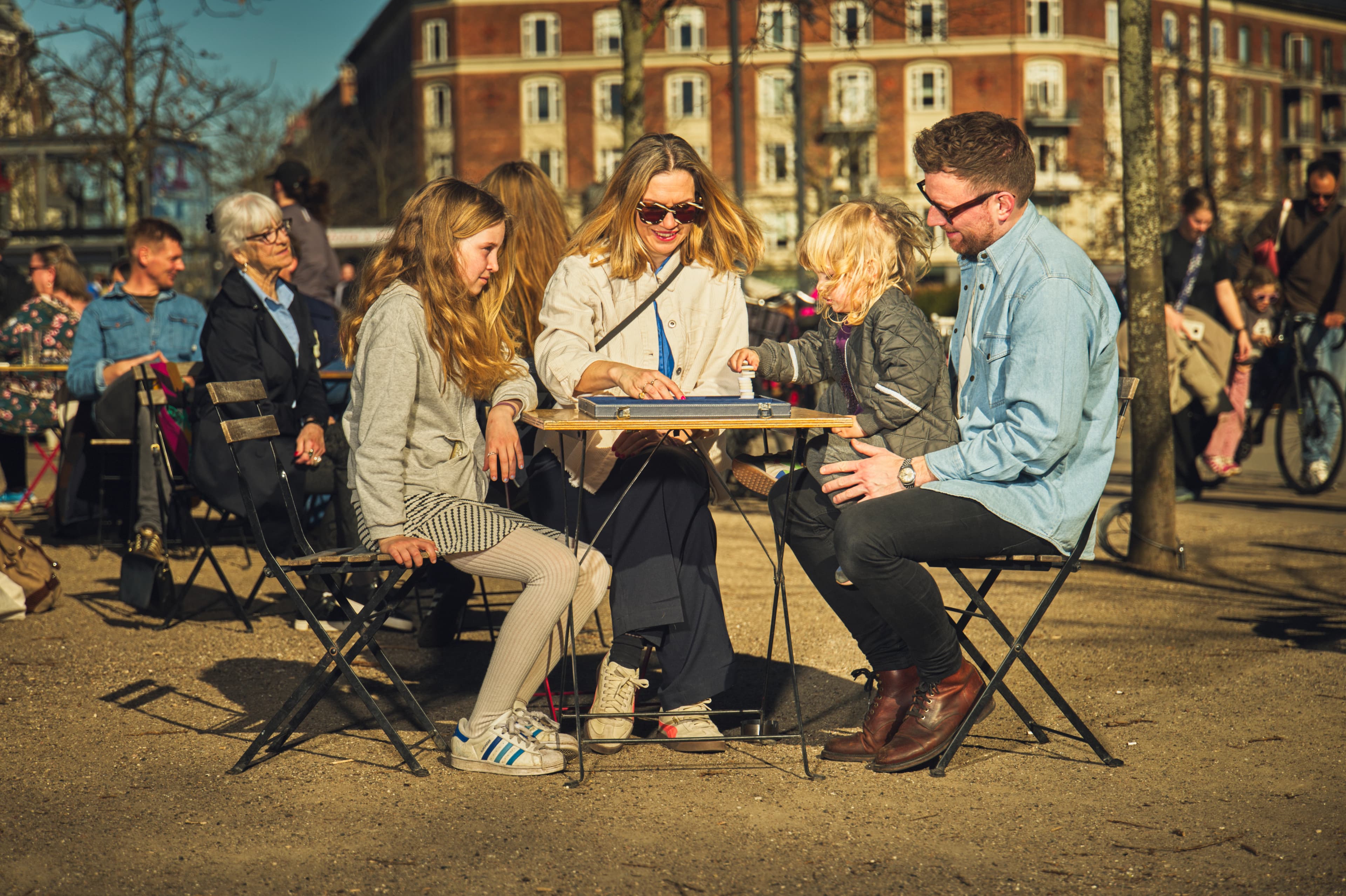
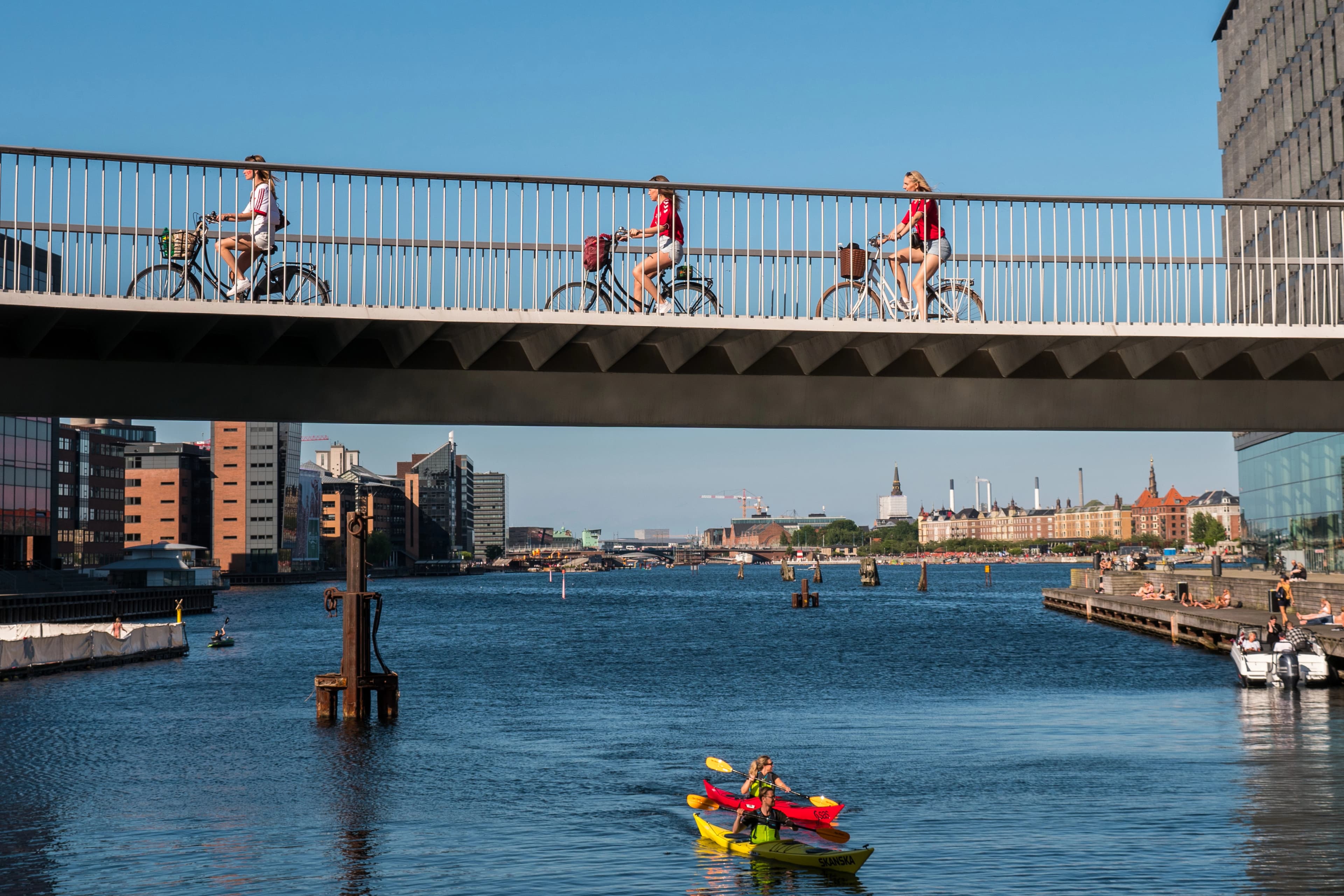
Copenhagen is internationally known as a livable city. Its harbor baths have become gathering places for thousands of people who swim in the middle of the city. Its bike lanes make it possible to move through daily life quickly and healthily. Its parks, squares, and public spaces create places where people can meet across age groups and backgrounds.
But the work of designing cities for people is not happening only in Copenhagen. Around the world, cities are experimenting with greener streets, car-free areas, and new forms of public life, all in an effort to create healthier, more walkable, and more human-centered cities shaped by urban health.
The city as opportunity — and challenge
We are drawn to the city, and we are challenged by it.
The city offers community, opportunity, and energy — but also stress, loneliness, and insecurity.
Today, more than half of the world’s population lives in cities, and according to the UN, nearly 70 percent will do so by 2050. At the same time, the WHO points to mental ill health and loneliness as global health challenges.
The city has become the setting for modern life, which makes it crucial to human well-being, health, and the future we share. But how do urban spaces actually affect us? How do they shape our movement, our relationships, and our sense of belonging?
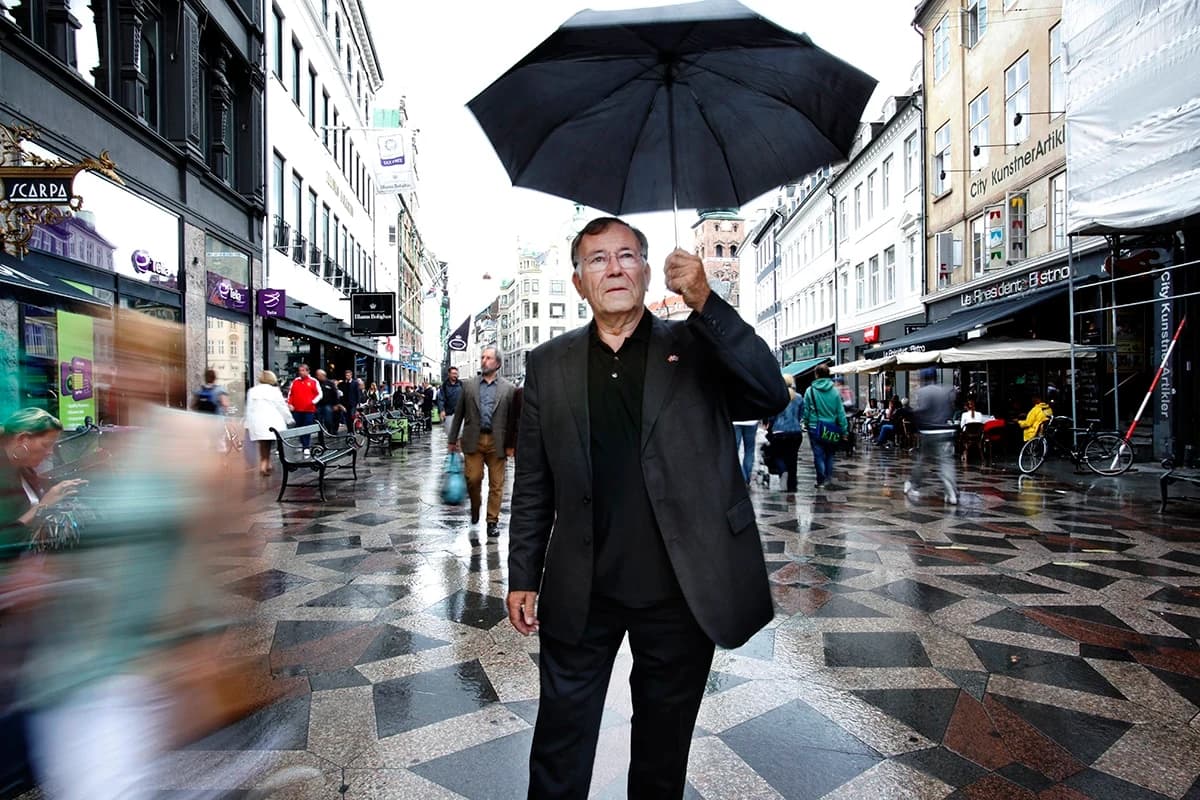
"A good city is like a good party – people stay longer than really necessary because they are enjoying themselves."
Putting people first
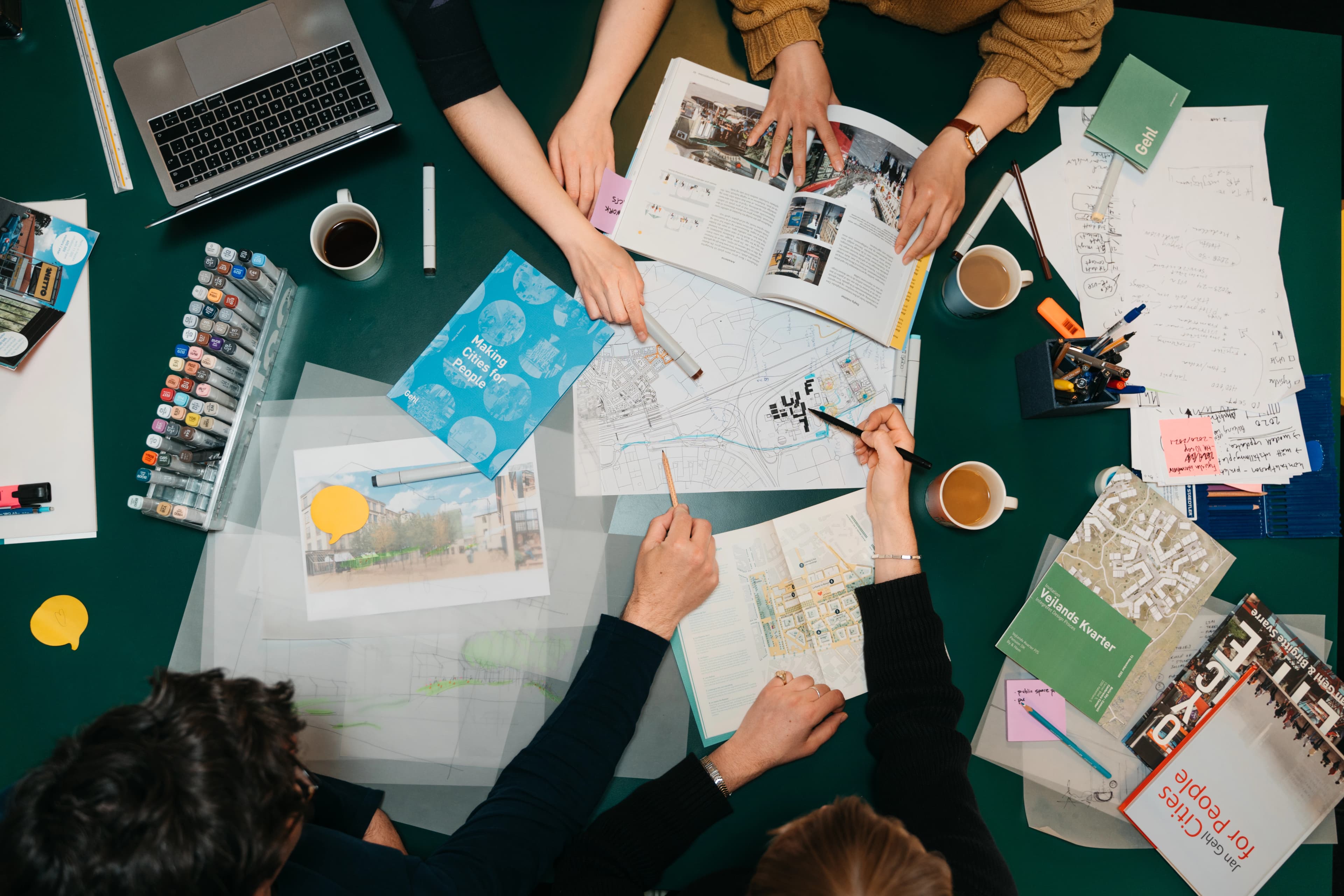
Photo: Joakim Züger For more than 25 years, Gehl People has worked to develop human-scale cities in urban areas around the world. The exhibition shows how public space and urban design can support life, health, and community when planning begins with people’s everyday lives — before streets are drawn and buildings are built.
This approach builds on the principles developed by Jan and Ingrid Gehl in the 1960s and 1970s and presented in the groundbreaking book Life Between Buildings (1971).
The city as a framework for wellbeing and health
You will see your own city with new eyes because cities are shaped not only by planners and architects, but also by the people who use them every day.
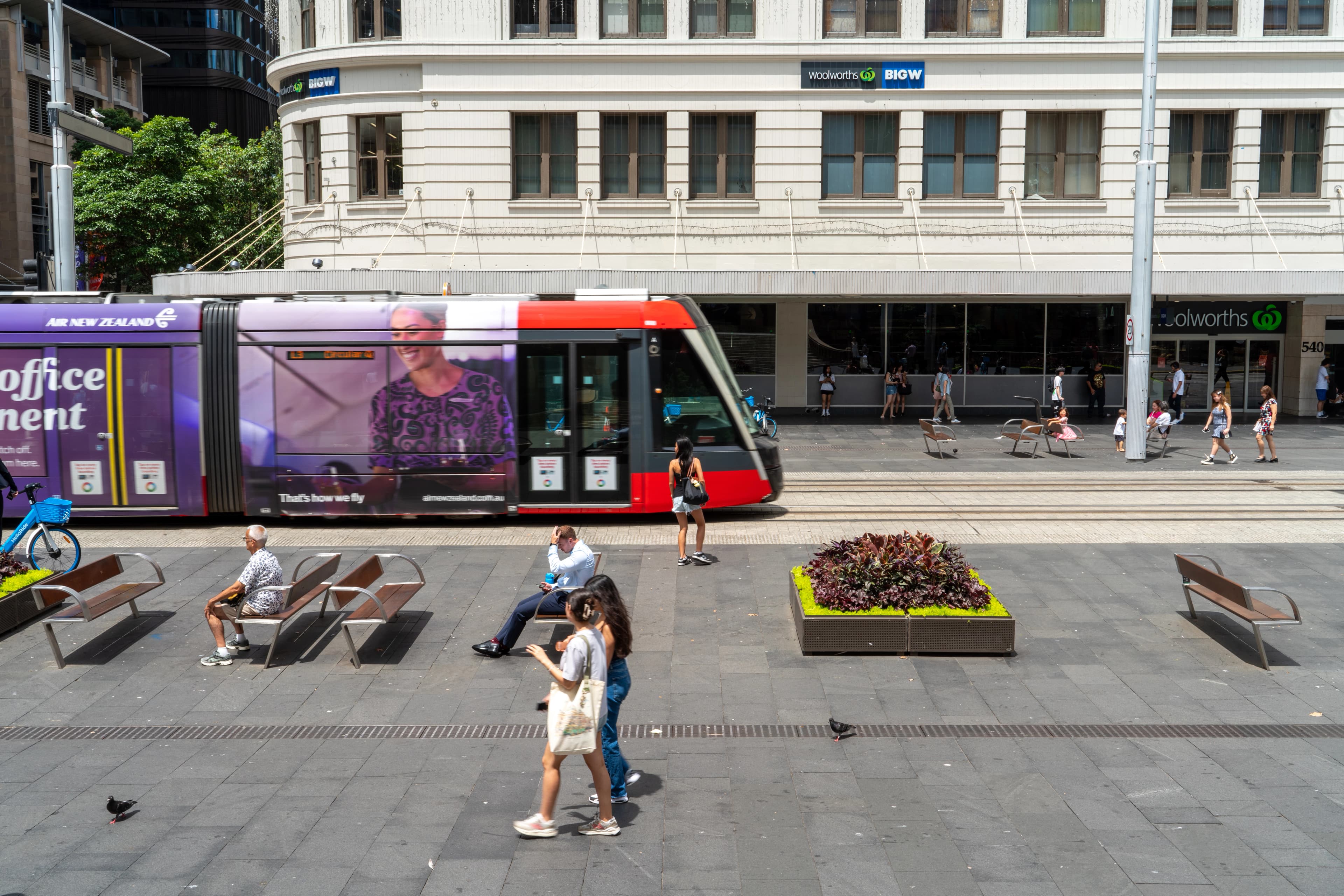
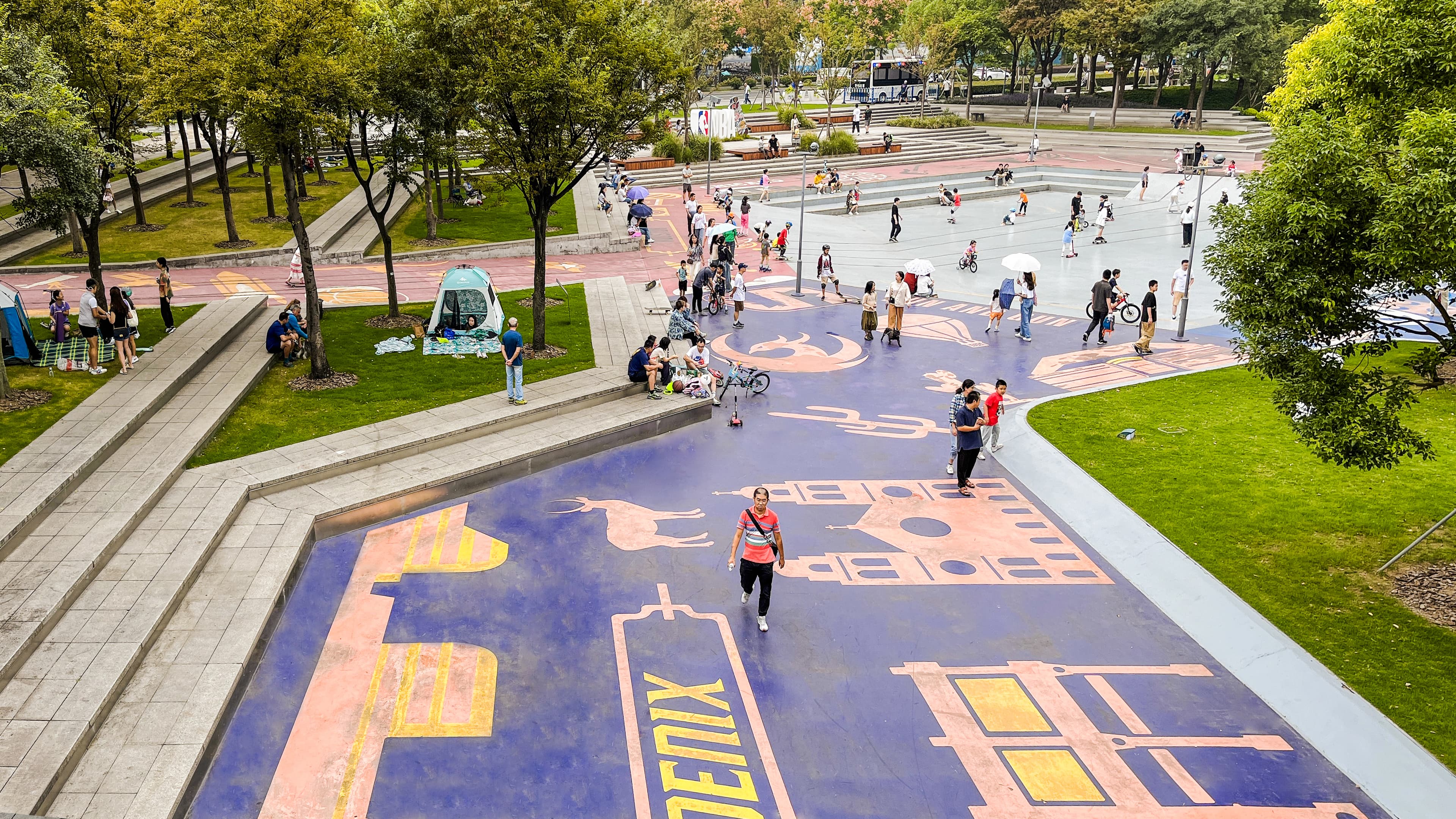
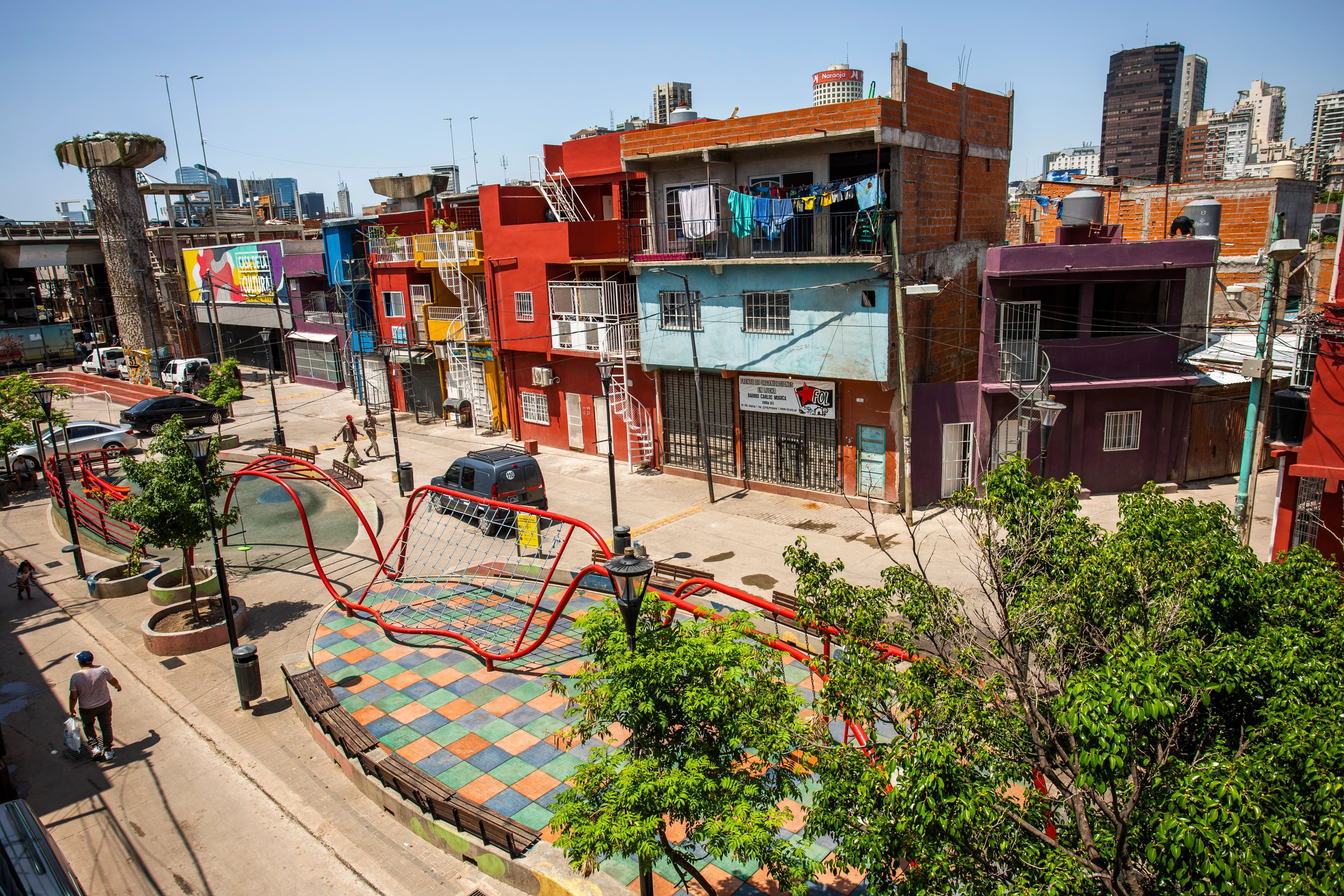
Discover what works — and what does not — in cities including Copenhagen, New York, Sydney, Seattle, Buenos Aires, and Shanghai.
Through key principles, well-being studies, data, and real-life examples, the exhibition shows how urban spaces and public squares affect the way we live — from physical activity and mental well-being to air quality, food, social contact, and inclusion.
With examples of public space design, mobility, and social meeting places, the exhibition explores how cities can support both individual and collective health.
You will see your own city with new eyes because cities are shaped not only by planners and architects, but also by the people who use them every day.
Discover what works — and what does not — in cities including Copenhagen, New York, Sydney, Seattle, Buenos Aires, and Shanghai.
Through key principles, well-being studies, data, and real-life examples, the exhibition shows how urban spaces and public squares affect the way we live — from physical activity and mental well-being to air quality, food, social contact, and inclusion.
With examples of public space design, mobility, and social meeting places, the exhibition explores how cities can support both individual and collective health.
You will see your own city with new eyes because cities are shaped not only by planners and architects, but also by the people who use them every day.
Discover what works — and what does not — in cities including Copenhagen, New York, Sydney, Seattle, Buenos Aires, and Shanghai.
Through key principles, well-being studies, data, and real-life examples, the exhibition shows how urban spaces and public squares affect the way we live — from physical activity and mental well-being to air quality, food, social contact, and inclusion.
With examples of public space design, mobility, and social meeting places, the exhibition explores how cities can support both individual and collective health.
You will see your own city with new eyes because cities are shaped not only by planners and architects, but also by the people who use them every day.
Discover what works — and what does not — in cities including Copenhagen, New York, Sydney, Seattle, Buenos Aires, and Shanghai.
Through key principles, well-being studies, data, and real-life examples, the exhibition shows how urban spaces and public squares affect the way we live — from physical activity and mental well-being to air quality, food, social contact, and inclusion.
With examples of public space design, mobility, and social meeting places, the exhibition explores how cities can support both individual and collective health.
What You’ll Experience
In the exhibition, you can feel — in your own body — when a place feels safe or unsafe. You’ll discover how the same public space can feel very different depending on age, gender, and life situation.
You are invited to explore how we can create cities with room for both community and freedom, energy and calm — cities that support urban health and include everyone, even those who today feel excluded.
You can also share your own ideas about the kind of public space that brings you the greatest joy.