Women in Architecture: Untold stories in architecture
Women in Architecture in 2022 presented untold stories of women’s roles in architecture—from everyday building culture to contemporary voices—framed by Virginia Woolf’s “A Room of One’s Own”.
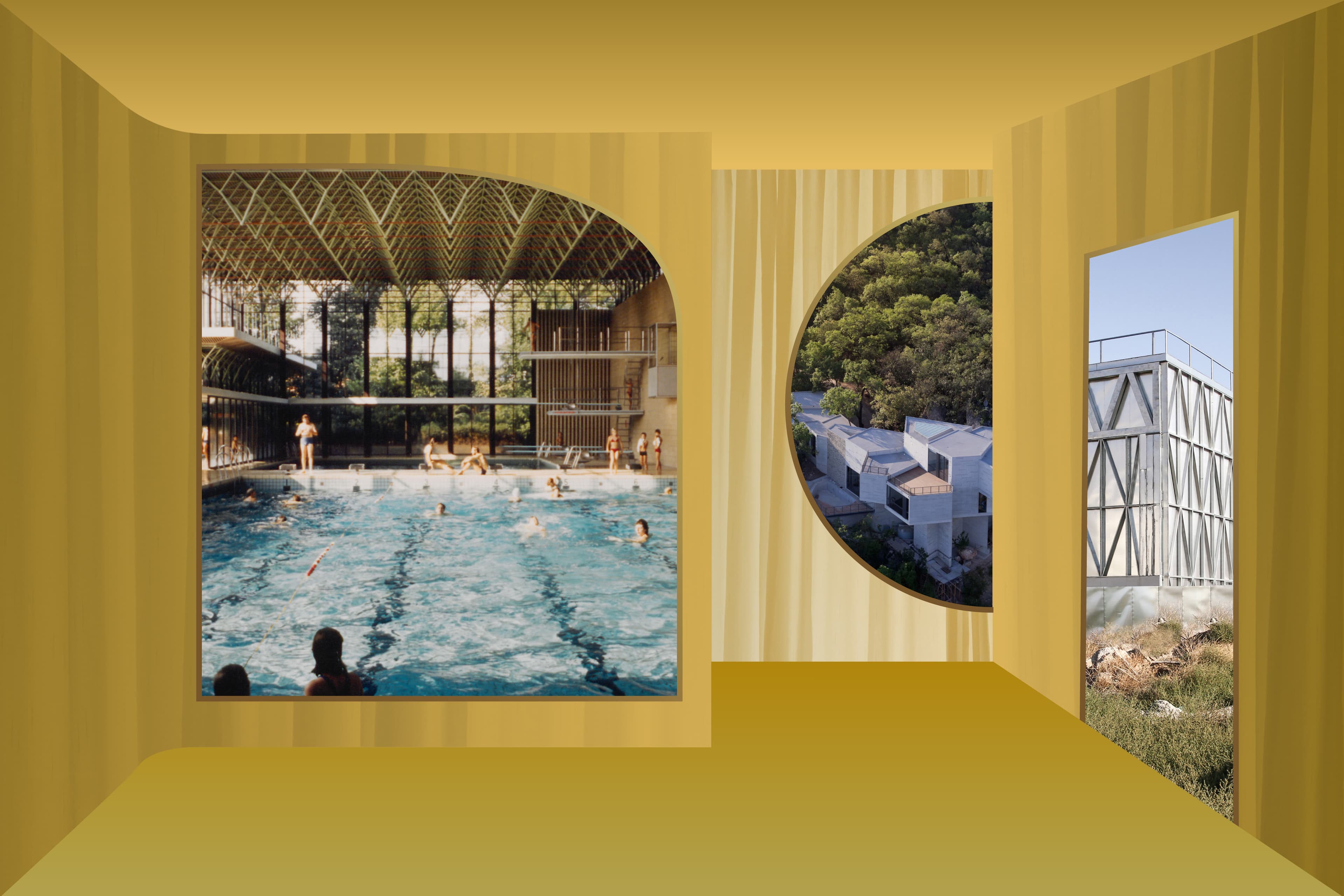
Did you know that architects Ragna Grubb, Karen Hvistendahl and Ingeborg Schmidt were among the first to speak out in support of the idea that every member of the family should have their own room? Or that Ulla Tafdrup opened the dividing walls between kitchen and dining room, paving the way for the now familiar open-plan kitchen and dining area? Or that it was Hanne and not Poul Kjærholm who designed the couple’s iconic home in Rungsted?
Women architects have been relatively difficult to find in the annals of architecture history. They have not put their names on as many large and spectacular projects as their male colleagues, nor have they designed our city halls, banks and churches. Nonetheless, the architectural achievements and breakthroughs of women architects have greatly shaped society and the world we live in today.
Explore the exhibition
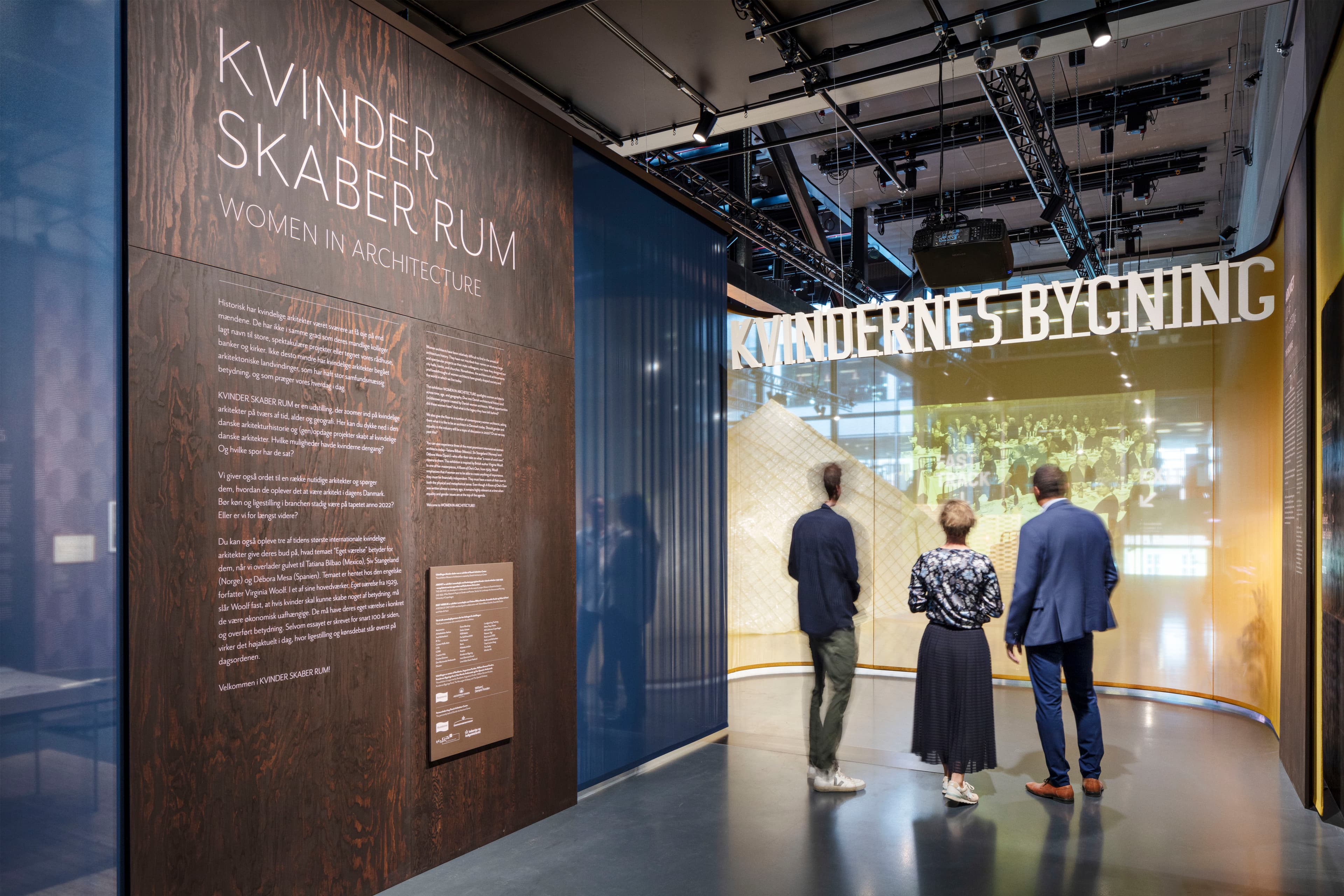
Photo: Laura Stamer
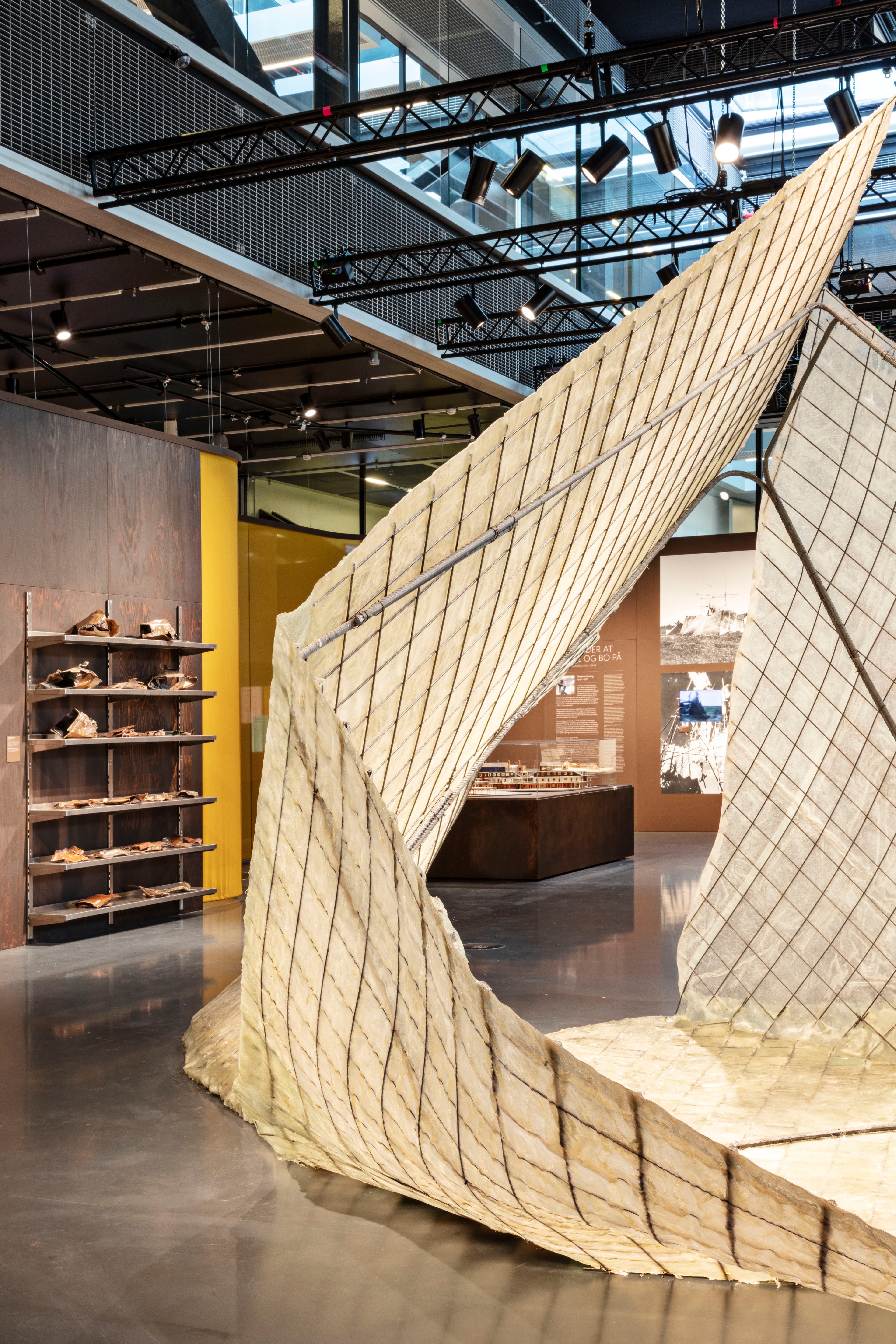
Photo: Laura Stamer 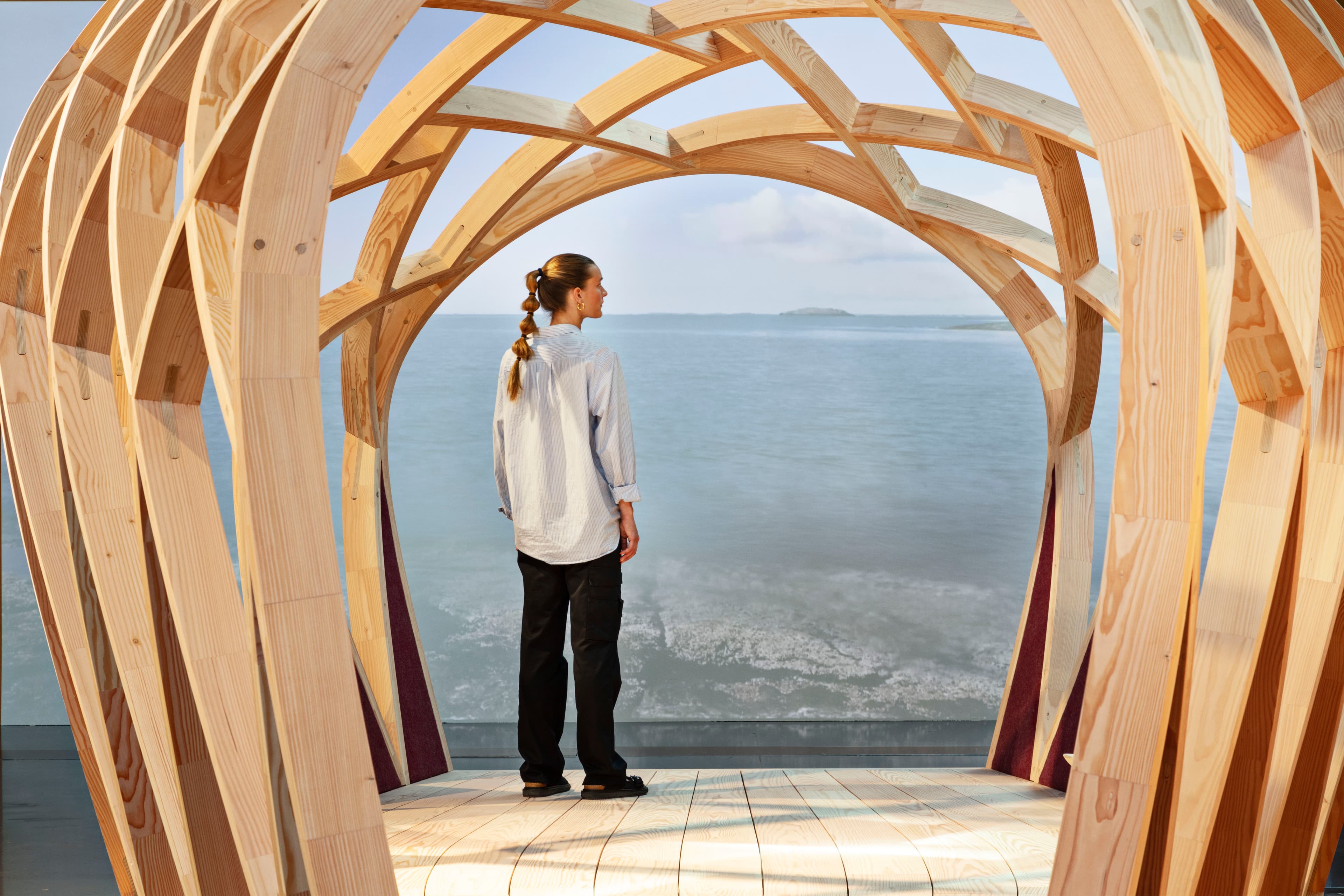
Photo: Laura Stamer
Take a tour
Meet curator Sara Hatla Krogsgaard and hear her talk about the exhibition.
Meet the architects
Déborah Mesa Molina
Ensamble Studio
Siv Helene Stangeland
Helen & Hard Architects
Tatiana Bilbao
Tatiana Bilbao Estudio
A Room of One’s Own
This exhibition was inspired by author Virginia Woolf’s masterpiece “A Room of One’s Own” from 1929. Woolf’s main theme is that if women are to be able to create anything of importance, they must be financially independent. They must have a room of their own, in both a physical and metaphorical sense – and not just for the sake of women, but for the good of all.
In the exhibition, three of the most prominent international women architects of today offered their take on what “A Room of One’s Own” meant to them. You could check out the spectacular installations by three distinctly different studios: Tatiana Bilbao (Mexico), Siv Stangeland (Norway) and Débora Mesa (Spain).
Voices from Today
You could join us as we gave the floor to some of the women architects who were designing Denmark today. Some preferred not to be referred to as women architects, but simply as architects. Others engaged in the public debate on gender issues and demanded equality. In the exhibition you could hear them share their stories and experiences in the architectural profession. What inspired them? What challenges did they see? And what were their hopes and dreams for the future?
Untold Stories
The exhibition comprised a series of spaces – or rooms – where you could delve into Danish architectural history and (re)discover projects created by women Danish architects. What opportunities did these women have? And what is the legacy they left behind?
In the exhibition, we spotlighted some of the women through history who played a pivotal role in conceptualizing, designing and building Denmark. Here you could discover fascinating, never-before-told stories, exquisite architecture and an overarching societal narrative about how gender roles have evolved over time and how architecture always reflects its present.
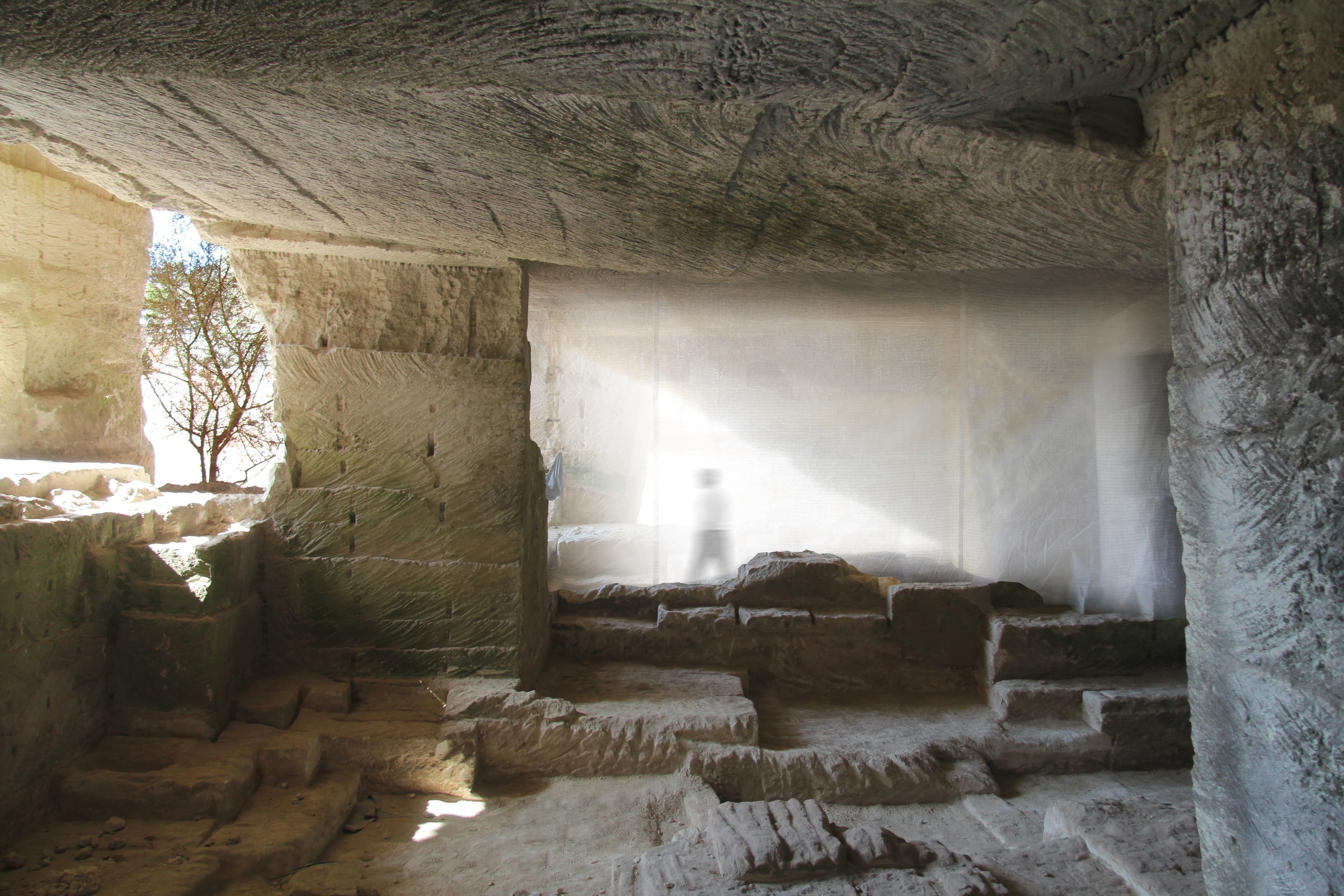
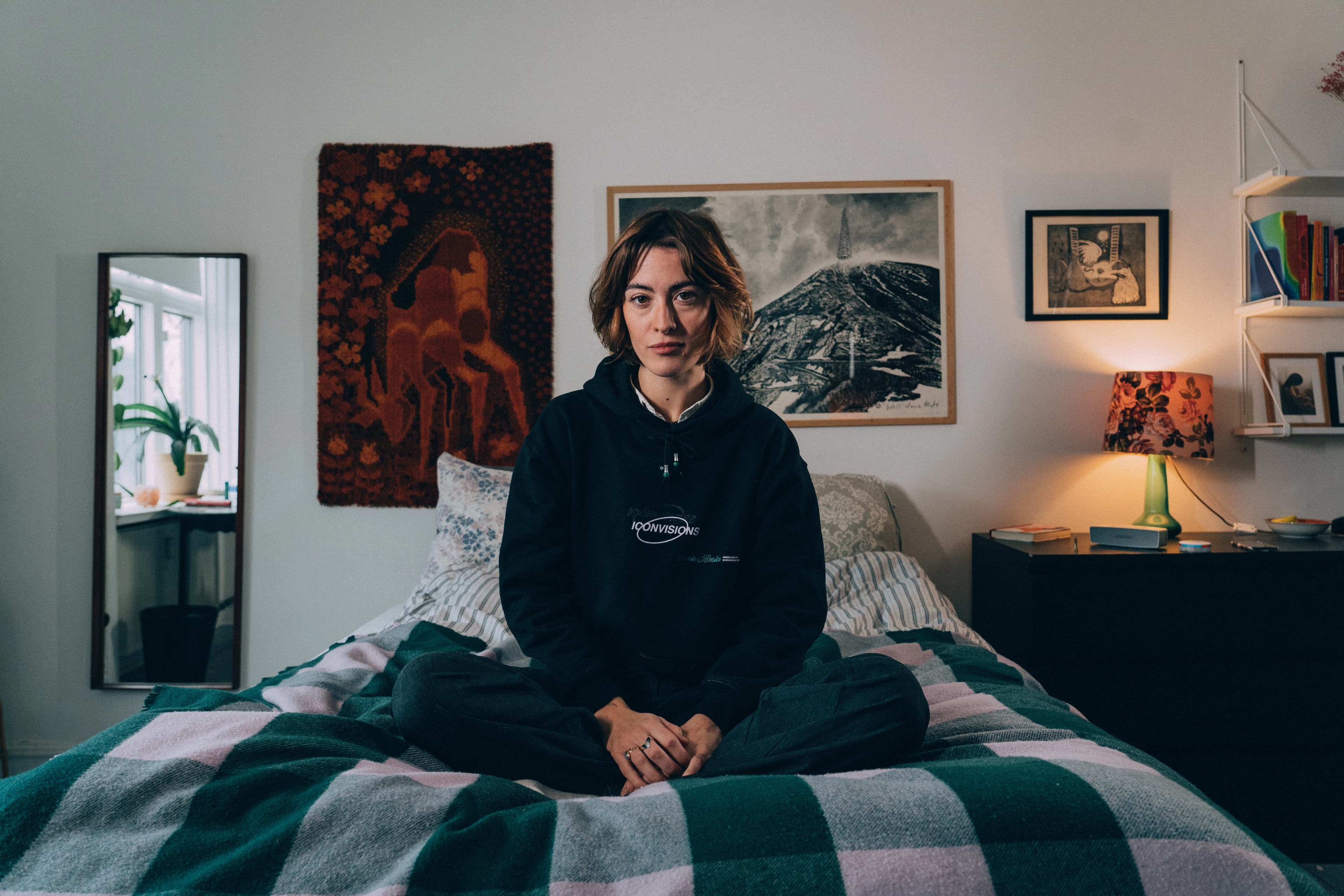

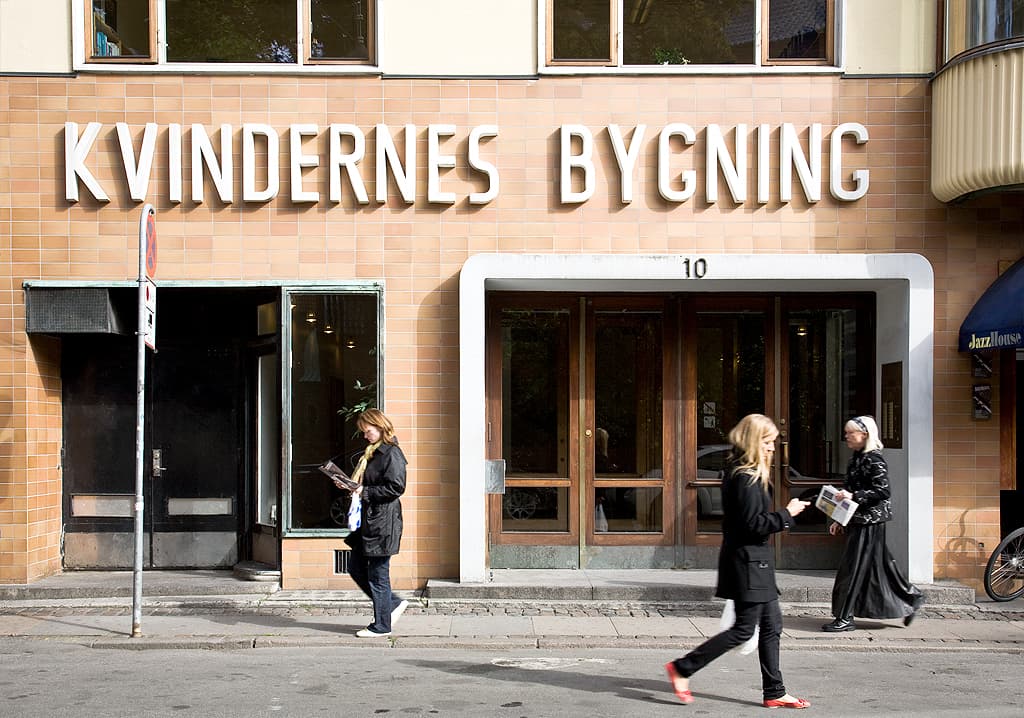
Photo: Laura Stamer Women’s Building
A woman won an architecture competition for the first time in Danish history in 1934. The woman’s name was Ragna Grubb, and she must have had an iron will, because back then it was unheard of for a woman to run her own architectural studio.
Read about Women's Building
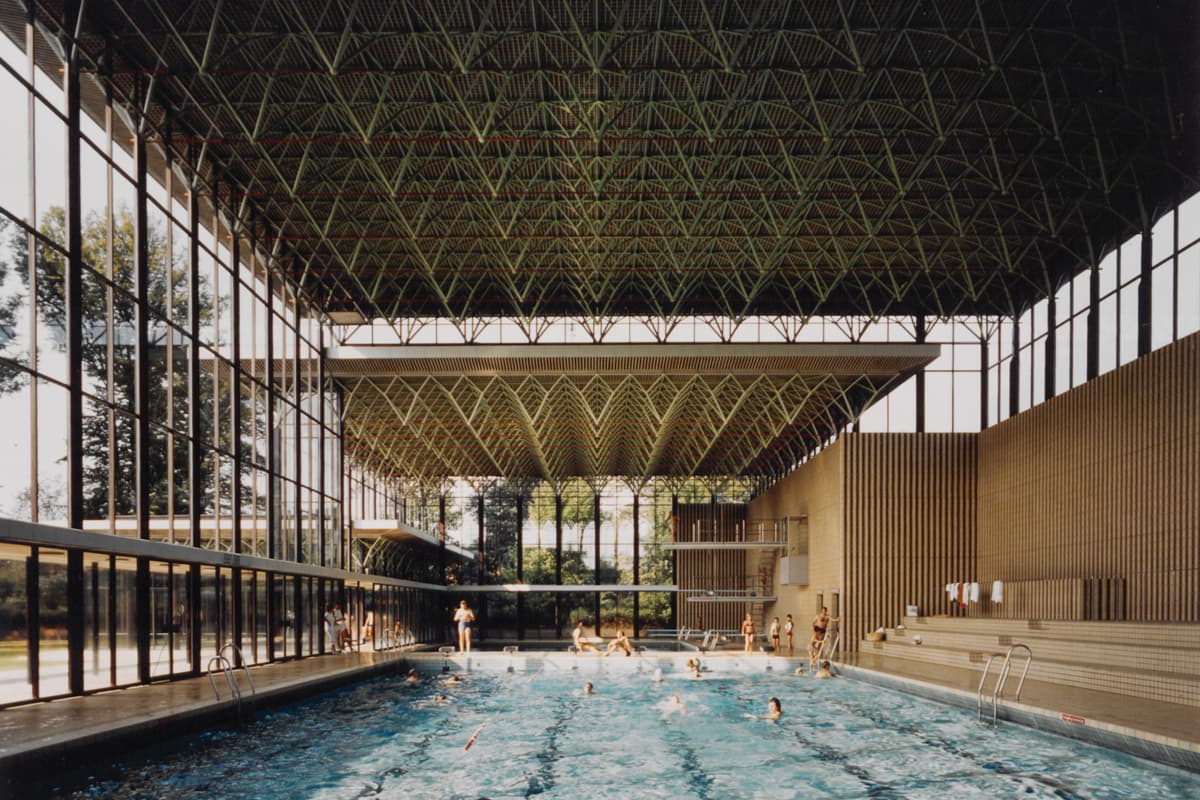
Photo: Aage Struwing Kildeskovshallen Public Bath and Sports Center
Kildeskovshallen is considered to be one of the most beautiful public baths and sports centers in Danish post-war architecture. The refined technological architecture is the brainchild of architects Karen and Ebbe Clemmensen and landscape architect Agnete Muusfeldt.
Read about Kildeskovshallen
Women in Danish Architecture 1925–1975
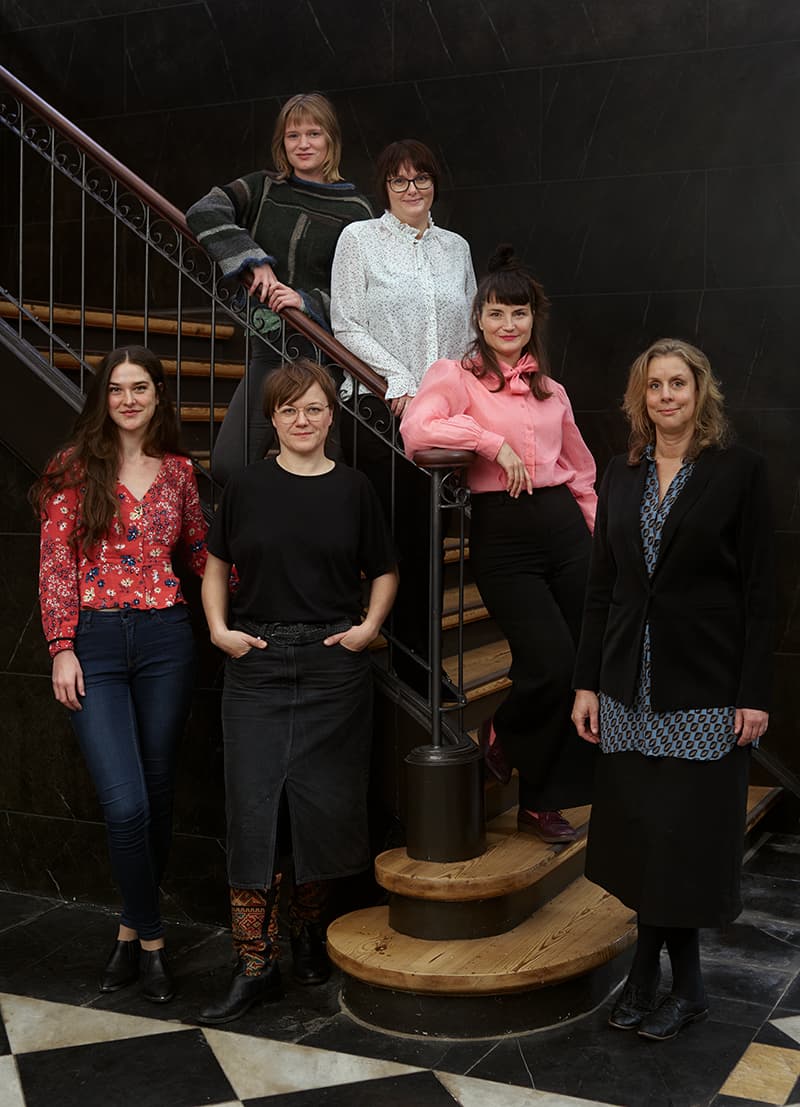
The exhibition was inspired by a new research project from the University of Copenhagen that studied women’s contribution to Danish architecture, landscape architecture and urban planning; women who helped to design Denmark, yet many of whom were never written into the history books, stood in the shadow of a spouse, or whose names have been forgotten entirely. The story of the forgotten women started in 1925, but is perfectly on topic today.
The research group was composed of Henriette Steiner, researcher and project manager; Svava Riesto, researcher and project manager; Jannie Rosenberg Bendsen, researcher and architecture historian; Frida Irving Søltoft, project assistant; Liv Løvetand, visual communication; and Mathilde Merolli, head of communication.
Photo: Københavns Universitet 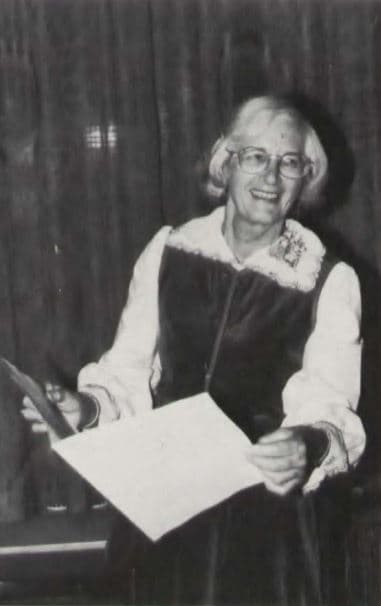
Photo: Kvinder i dansk arkitektur 1925-1975
Exhibitions Today
See Our Current Exhibitions
What was Women in Architecture?
Women in Architecture was an exhibition presenting untold stories about women’s roles in architecture and the impact of women architects in Denmark and today.
When did Women in Architecture take place?
The exhibition ran from 13 May to 23 Oct 2022.
Which examples of women’s architectural contributions are mentioned in the exhibition?
Early advocacy for a separate room for each family member, Ulla Tafdrup’s role in opening the kitchen towards the living space, and that Hanne Kjærholm designed the couple’s iconic house in Rungsted.
What does “A Room of One’s Own” mean in the exhibition framing?
The exhibition is inspired by Virginia Woolf’s “A Room of One’s Own” (1929), using the idea of economic independence and having “one’s own room” as a condition for creating.
Which international architects/studios contributed installations?
The exhibition had installations by Tatiana Bilbao (Mexico), Siv Helene Stangeland (Norway, Helen & Hard) and Déborah Mesa Molina (Spain, Ensamble Studio).
What should I know if I only read one thing?
Women in Architecture (13 May–23 Oct 2022) combined historical and contemporary perspectives on women’s contributions to architecture, framed by “A Room of One’s Own”.
This exhibition is developed by Danish Architecture Center
The Archive is developed in collaboration with the research project Women in Danish architecture: A new history of gender and practice at Copenhagen University.
Supported by
Thanks to
- Den mexicanske ambassade
- Petersen Tegl
Creation Holz
- CITA
- COWI
- FDB Møbler
- Arkitektskolen Aarhus
- Winther AS
- Dinesen
- Kvadrat
- Kildeskovshallen
- Kvindernes Bygning
- Fritz Hansen
- NH Collection Copenhagen
- Iberia
Aeromexico
- Carsten Hoffs Arkiv
Dorte Mandrup
Mette Tony, Praksis
Lundgaard og Tranberg
Rosa Lund, STED
Tina Saaby
Lene Dammand Lund
Thea Cristine Høeg
Cristina Gimenez
Asal Mohtashami
Esther Urioste
Sofie Lund Michaelsen
Livia Urban Swart Haaland