New tunes in old bricks: Here are 7 venues where concerts echo with an industrial past
Old factory buildings are given a new life across the country as they are transformed into spaces for musical experiences. We have taken a closer look at seven Danish venues that have gone from industry to culture – from heavy machinery to heavy bass.
By Bjørn Etone Broni Jensen
Your favorite artist is touring Denmark, and as you skim through the list of venues, you come across names that sounds somewhat industrial. It almost makes you wonder whether you’re heading to a concert or if you’re about to be put to work.
Yet these industrial names often point to the history of the places where culture thrives across Denmark today. They are also strong examples of how architectural transformation is not just about old buildings, but about bringing new life, music and culture to the neighborhood.
Here you’ll find venues, where you can still feel the history in the walls.
Pumpehuset in Copenhagen
Supplied water to the whole city
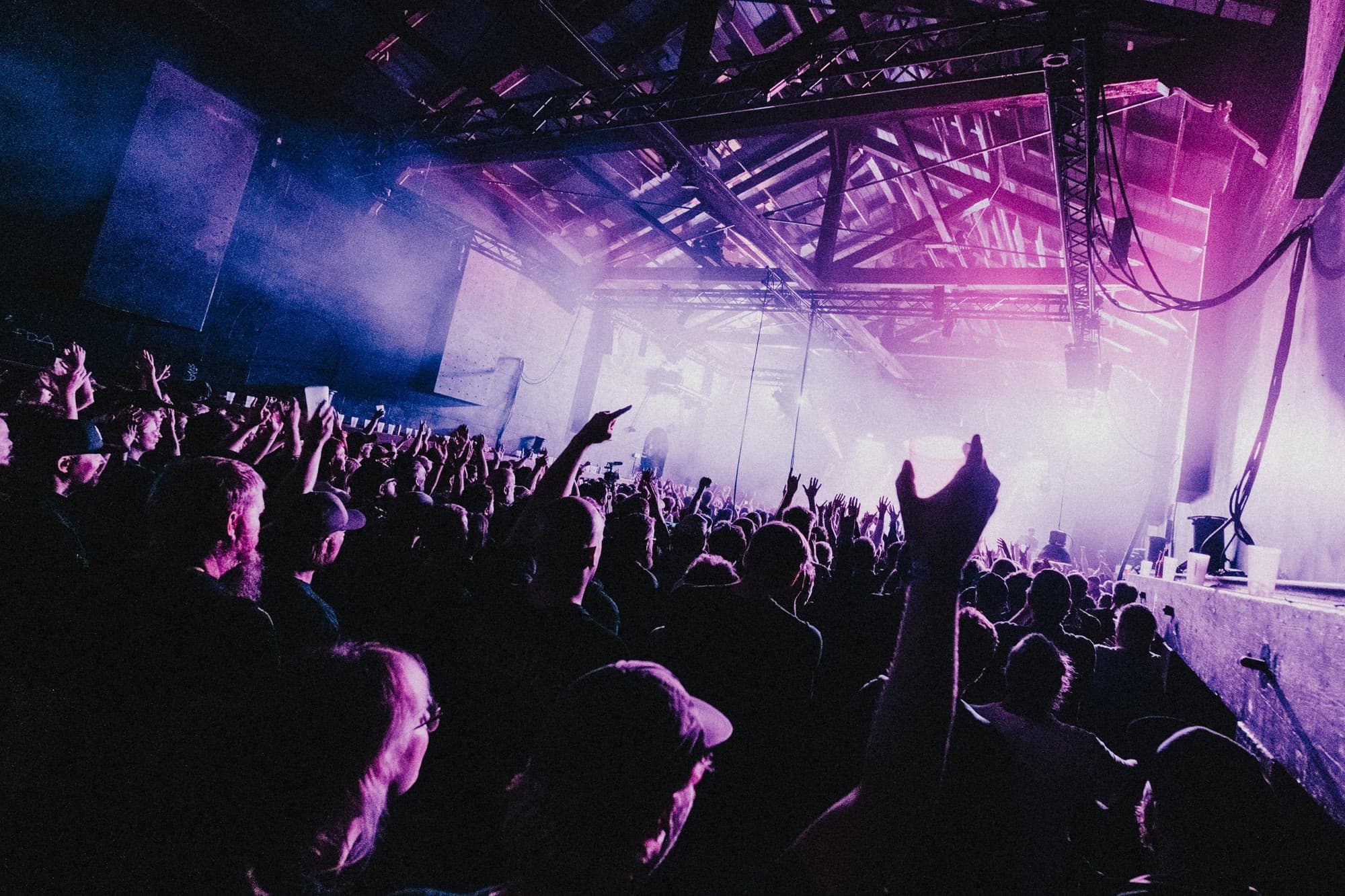
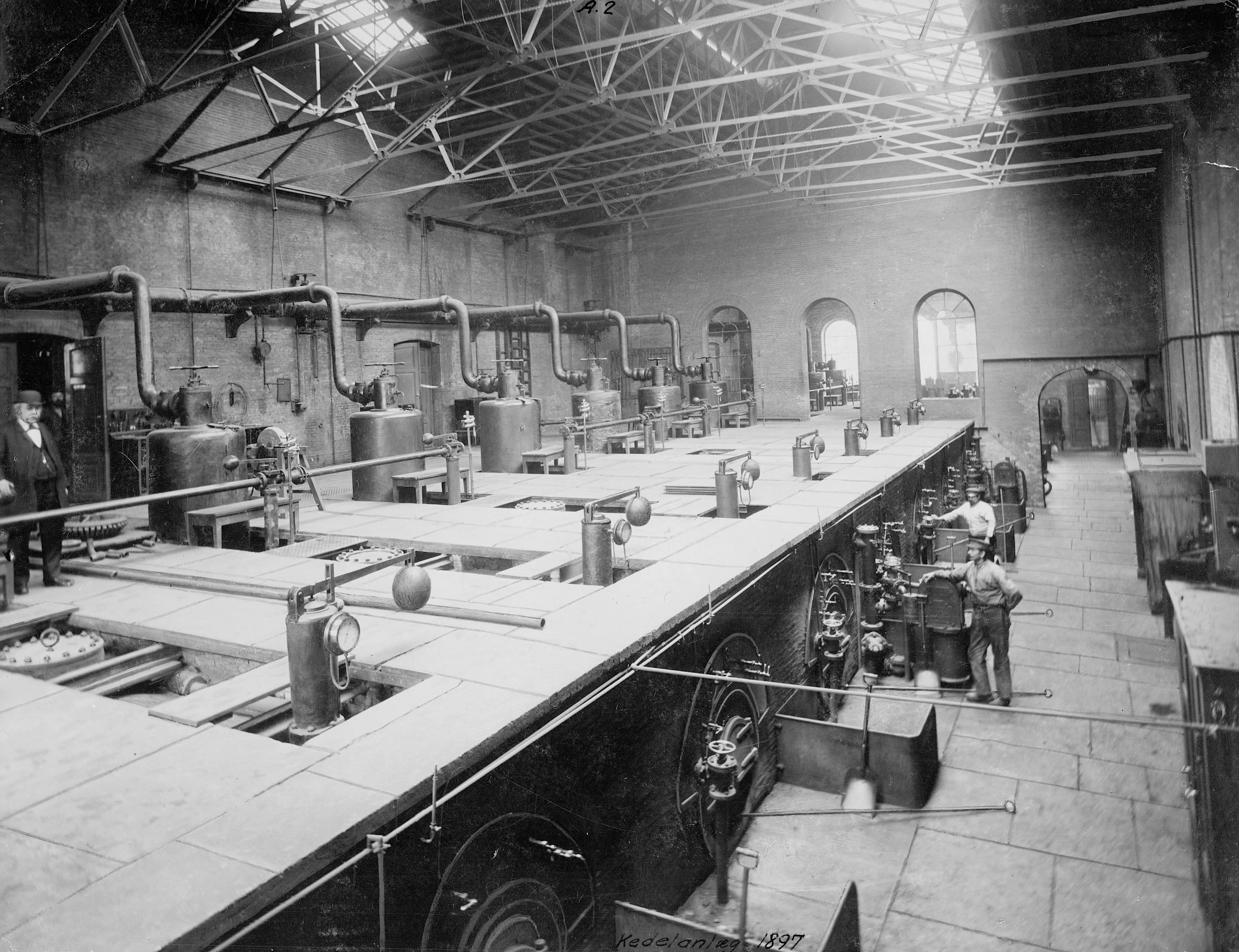
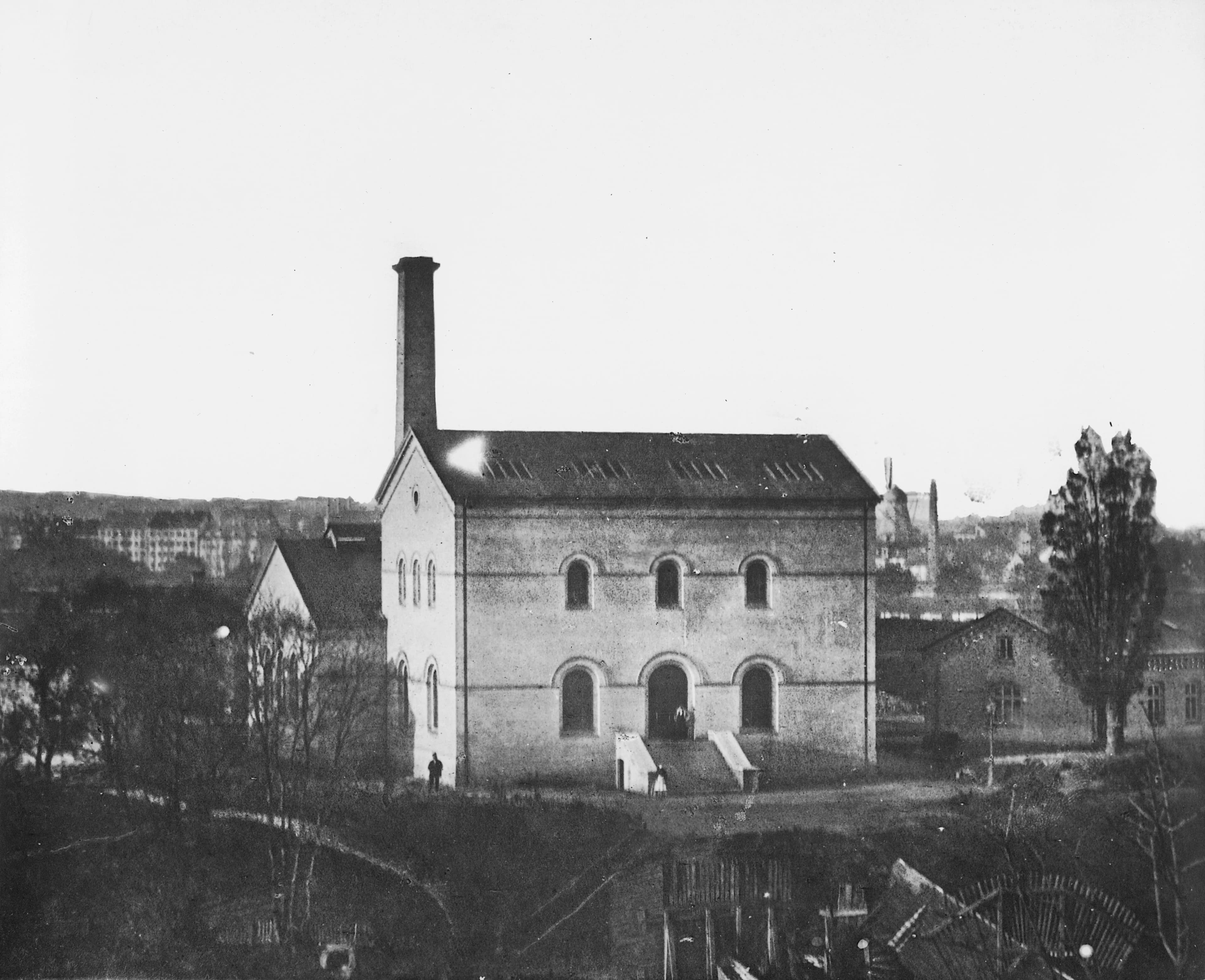
In the heart of Copenhagen you’ll find Pumpehuset (literally The Pump house), where the venues Sort Sal, Kransalen and Byhaven host a wide range of concerts. But back in 1856, the sand-colored brick building served a very different purpose.
The place was part of the capital’s water supply system, pumping water from the cisterns beneath Søndermarken out to the rest of the city.
A local music venues shutdown in 1987 marked the beginning of the waterworks’ transformation into a concert venue. Up to 600 guests can experience today everything from Wicky to Johnny Deluxe at a venue that quenches Copenhagen’s thirst for live music.
Swipe left to see the venue in the past
Supplied water to the whole city
In the heart of Copenhagen you’ll find Pumpehuset (literally The Pump house), where the venues Sort Sal, Kransalen and Byhaven host a wide range of concerts. But back in 1856, the sand-colored brick building served a very different purpose.
The place was part of the capital’s water supply system, pumping water from the cisterns beneath Søndermarken out to the rest of the city.
A local music venues shutdown in 1987 marked the beginning of the waterworks’ transformation into a concert venue. Up to 600 guests can experience today everything from Wicky to Johnny Deluxe at a venue that quenches Copenhagen’s thirst for live music.
Swipe left to see the venue in the past
Supplied water to the whole city
In the heart of Copenhagen you’ll find Pumpehuset (literally The Pump house), where the venues Sort Sal, Kransalen and Byhaven host a wide range of concerts. But back in 1856, the sand-colored brick building served a very different purpose.
The place was part of the capital’s water supply system, pumping water from the cisterns beneath Søndermarken out to the rest of the city.
A local music venues shutdown in 1987 marked the beginning of the waterworks’ transformation into a concert venue. Up to 600 guests can experience today everything from Wicky to Johnny Deluxe at a venue that quenches Copenhagen’s thirst for live music.
Swipe left to see the venue in the past
Posten in Odense
Former parcel post office
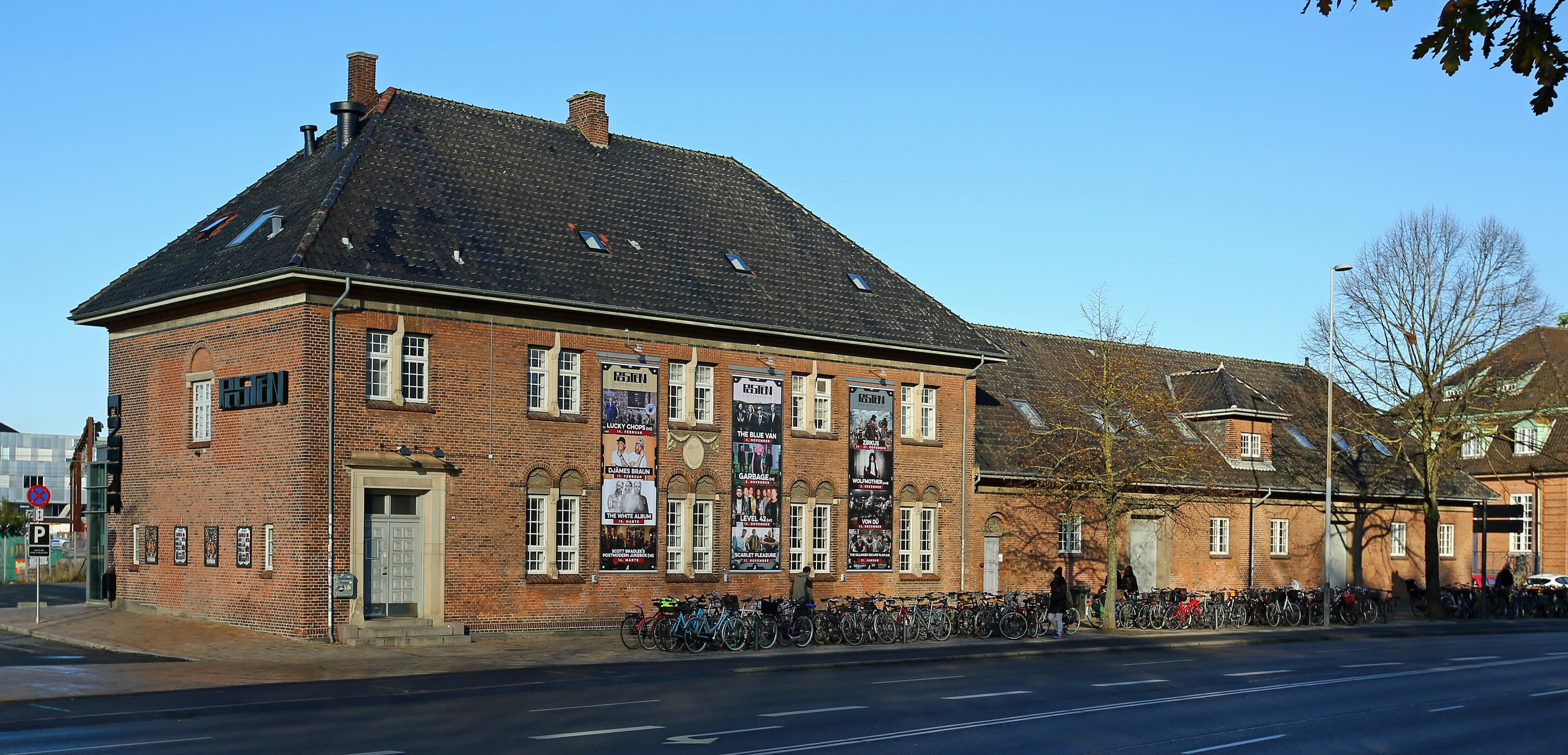
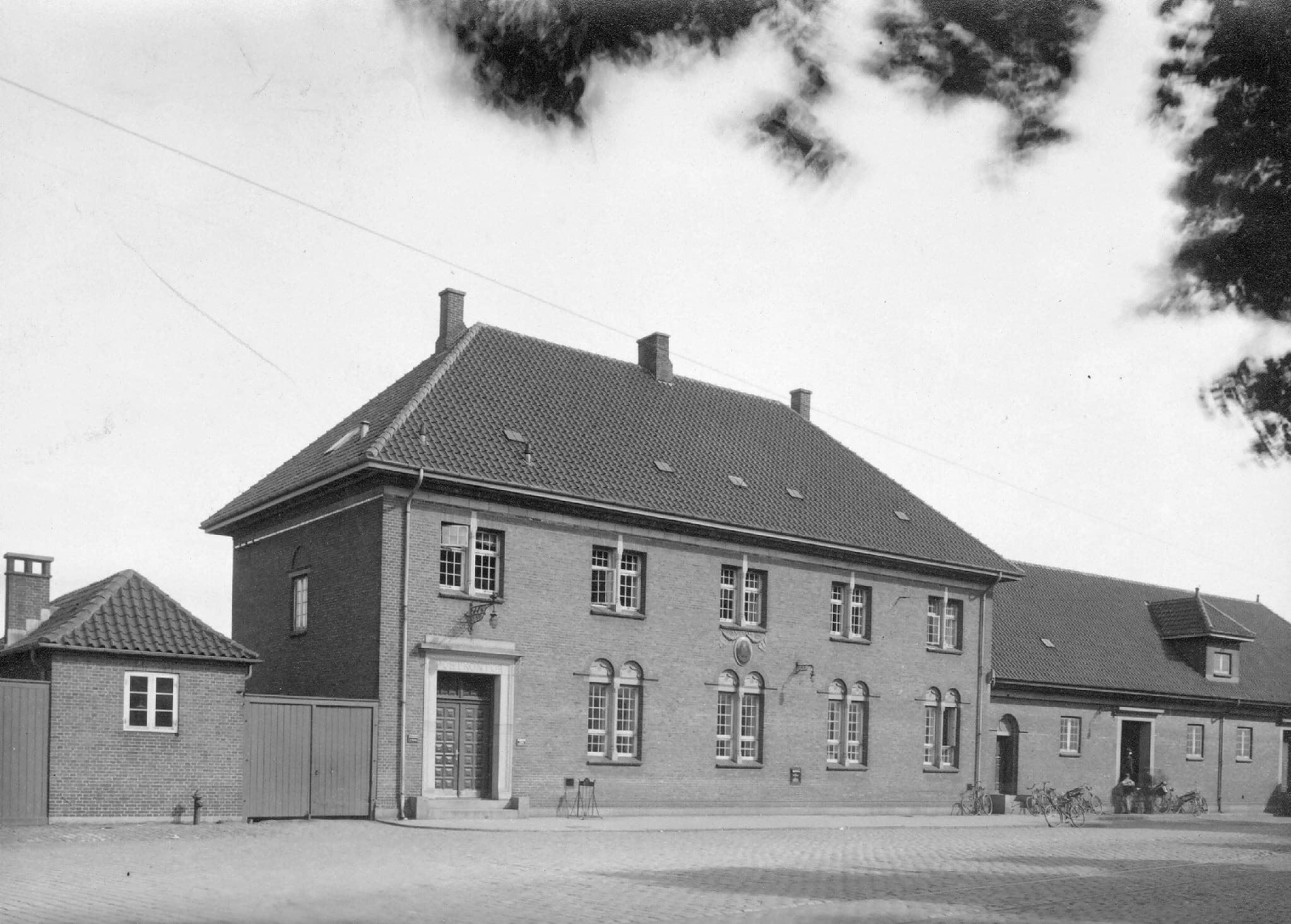
Next to the railway station in Odense, is a red-brown brick building hostess for concerts in the whole city. But Posten (literally The Post), once delivered something quite different to the capital of Funen. As the name suggests, the building was originally a parcel post office, built in 1916 and used for that purpose until the 1980s.
Rehearsal rooms and amateur stages moved into the building afterwards, and the first official concert was held. Posten has retained its rugged exterior, despite several renovations over the years.
Today, the venue has two stages, the largest with room for up to 900 guests. Here can the audience experience Danish artists such as Zar Paulo and Hans Philip, while international names have also passed through including Ice Cube and Billy Idol, among many others.
Swipe left to see the venue in the past
Former parcel post office
Next to the railway station in Odense, is a red-brown brick building hostess for concerts in the whole city. But Posten (literally The Post), once delivered something quite different to the capital of Funen. As the name suggests, the building was originally a parcel post office, built in 1916 and used for that purpose until the 1980s.
Rehearsal rooms and amateur stages moved into the building afterwards, and the first official concert was held. Posten has retained its rugged exterior, despite several renovations over the years.
Today, the venue has two stages, the largest with room for up to 900 guests. Here can the audience experience Danish artists such as Zar Paulo and Hans Philip, while international names have also passed through including Ice Cube and Billy Idol, among many others.
Swipe left to see the venue in the past
Tapperiet in Køge
Where gas cylinders were once filled
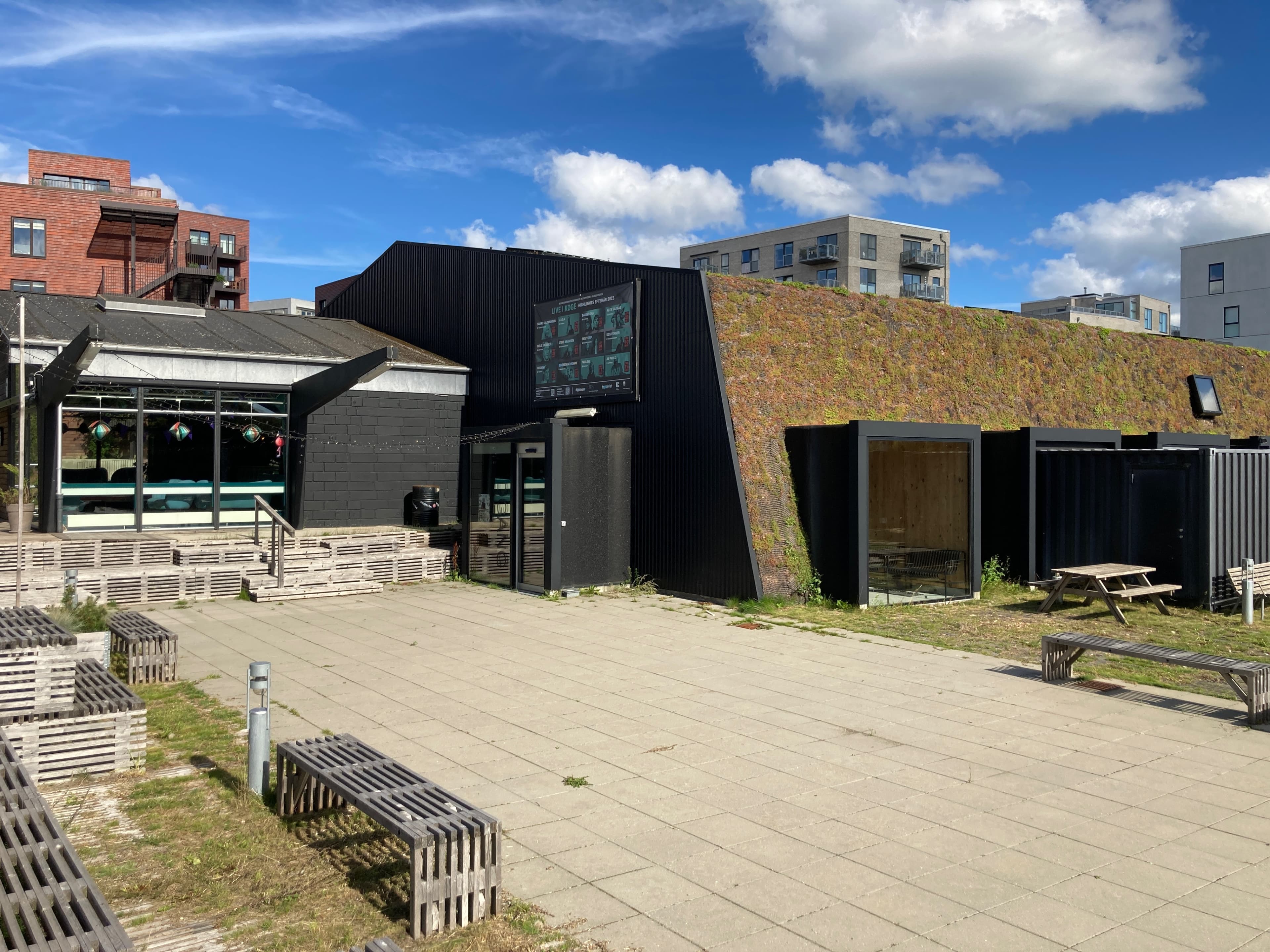
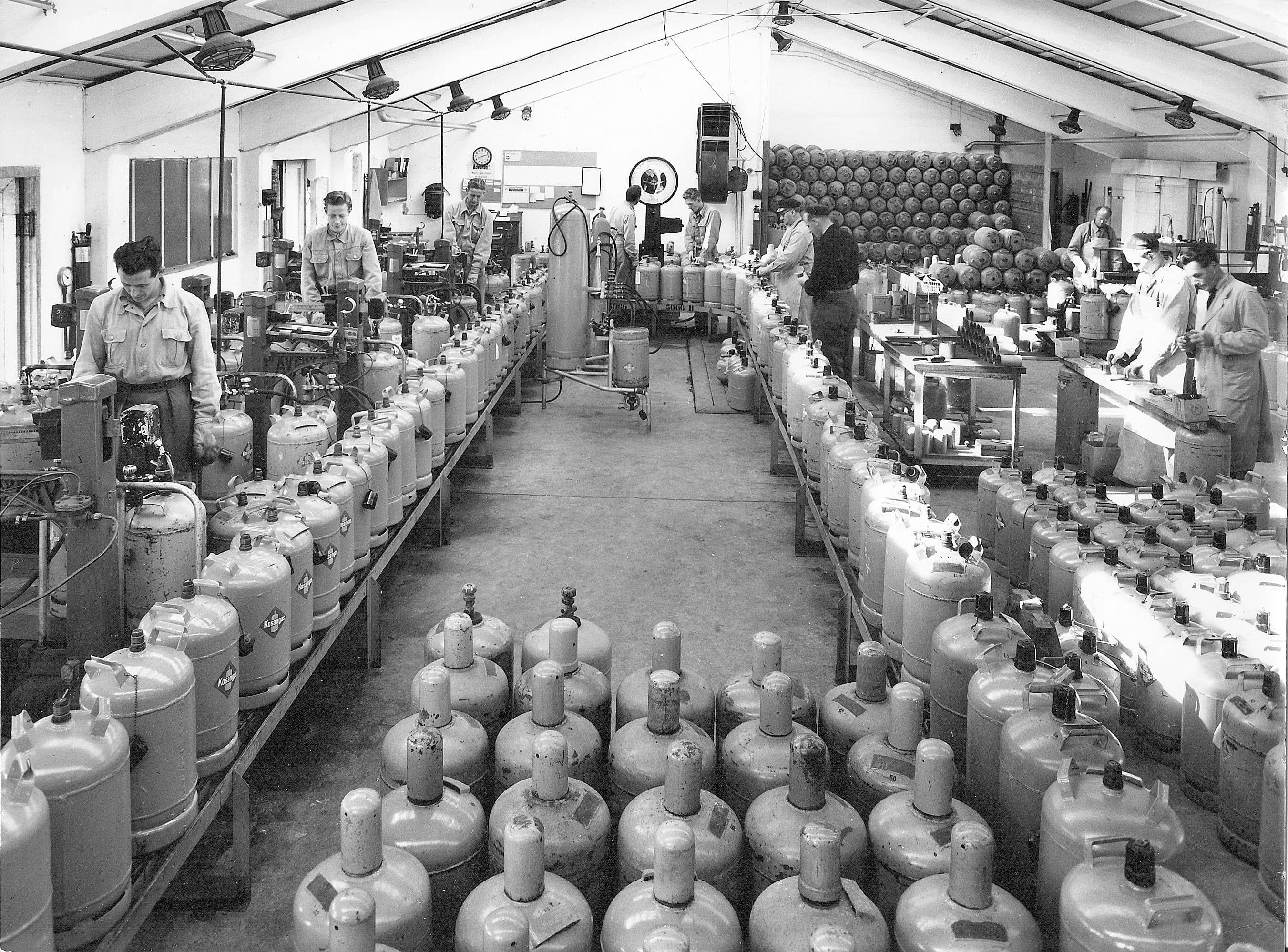
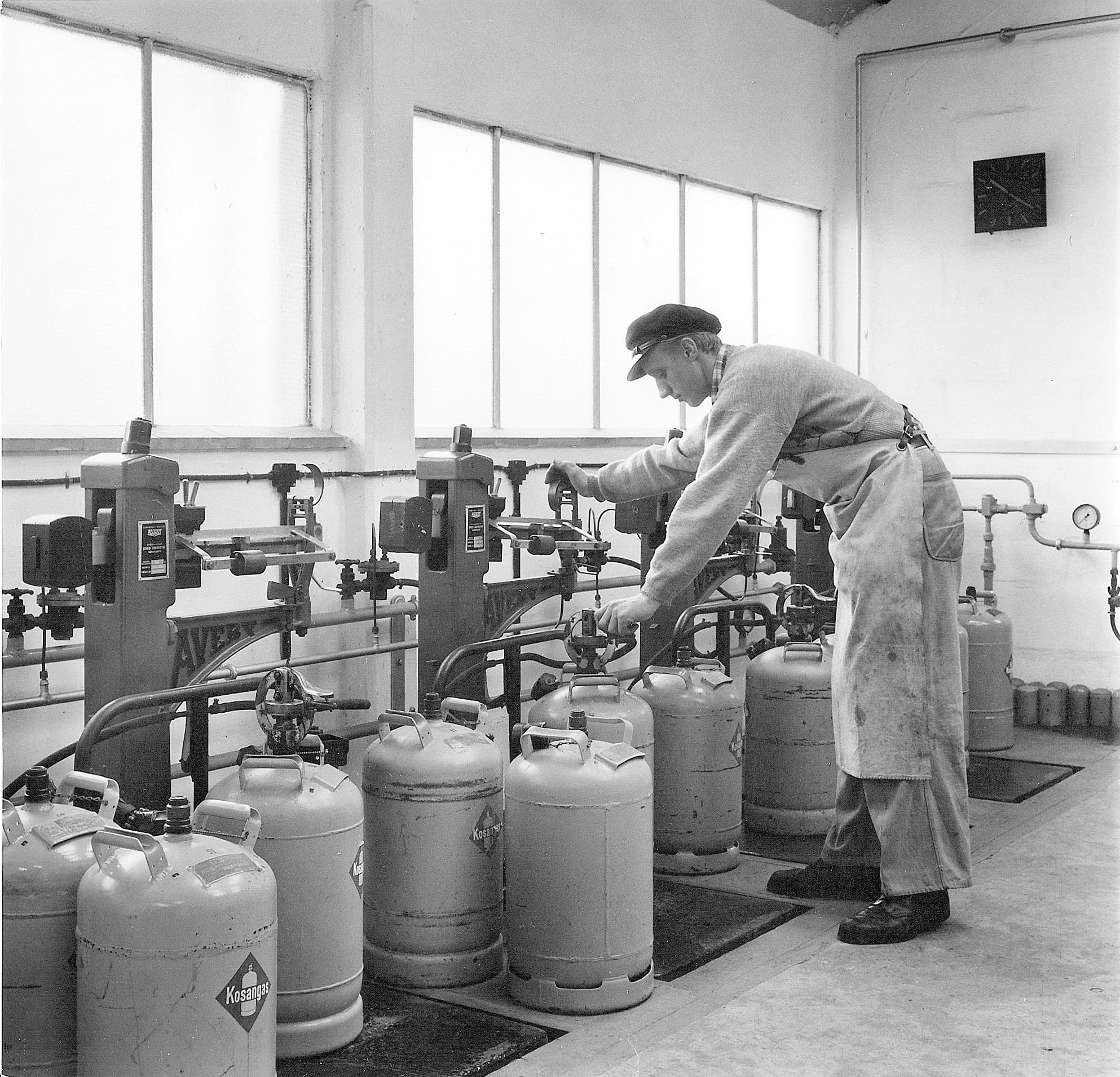
In the middle of a residential area in Køge stands a black warehouse building, where vegetation climbs up the walls and spreads across the roof. Today the place is associated with people and music, but in the past, it was a different kind of energy that filled the building. In 1929, Dansk Flaskegas Co. was founded in Nykøbing Falster, when propane gas began to emerge as a popular energy source in Denmark.
The company expanded to Køge in 1941, establishing a filling hall in the town. Dansk Flaskegas Co. later changed its name to Kosangas, known today for the yellow steel gas cylinders. For a period, the facility was one of the most modern plants in Northern Europe and served the same purpose until the 2000s. Along the way, the filling hall was taken over by international owners before being transformed into Tapperiet (literally The Bottling Plant), as it is known today in 2006.
The venue has two stages, with room for around 600 guests at the largest, and has become a new energy hub for the town’s residents.
Swipe left to see the venue in the past
Where gas cylinders were once filled
In the middle of a residential area in Køge stands a black warehouse building, where vegetation climbs up the walls and spreads across the roof. Today the place is associated with people and music, but in the past, it was a different kind of energy that filled the building. In 1929, Dansk Flaskegas Co. was founded in Nykøbing Falster, when propane gas began to emerge as a popular energy source in Denmark.
The company expanded to Køge in 1941, establishing a filling hall in the town. Dansk Flaskegas Co. later changed its name to Kosangas, known today for the yellow steel gas cylinders. For a period, the facility was one of the most modern plants in Northern Europe and served the same purpose until the 2000s. Along the way, the filling hall was taken over by international owners before being transformed into Tapperiet (literally The Bottling Plant), as it is known today in 2006.
The venue has two stages, with room for around 600 guests at the largest, and has become a new energy hub for the town’s residents.
Swipe left to see the venue in the past
Where gas cylinders were once filled
In the middle of a residential area in Køge stands a black warehouse building, where vegetation climbs up the walls and spreads across the roof. Today the place is associated with people and music, but in the past, it was a different kind of energy that filled the building. In 1929, Dansk Flaskegas Co. was founded in Nykøbing Falster, when propane gas began to emerge as a popular energy source in Denmark.
The company expanded to Køge in 1941, establishing a filling hall in the town. Dansk Flaskegas Co. later changed its name to Kosangas, known today for the yellow steel gas cylinders. For a period, the facility was one of the most modern plants in Northern Europe and served the same purpose until the 2000s. Along the way, the filling hall was taken over by international owners before being transformed into Tapperiet (literally The Bottling Plant), as it is known today in 2006.
The venue has two stages, with room for around 600 guests at the largest, and has become a new energy hub for the town’s residents.
Swipe left to see the venue in the past
Tobakken in Esbjerg
A former tobacco factory
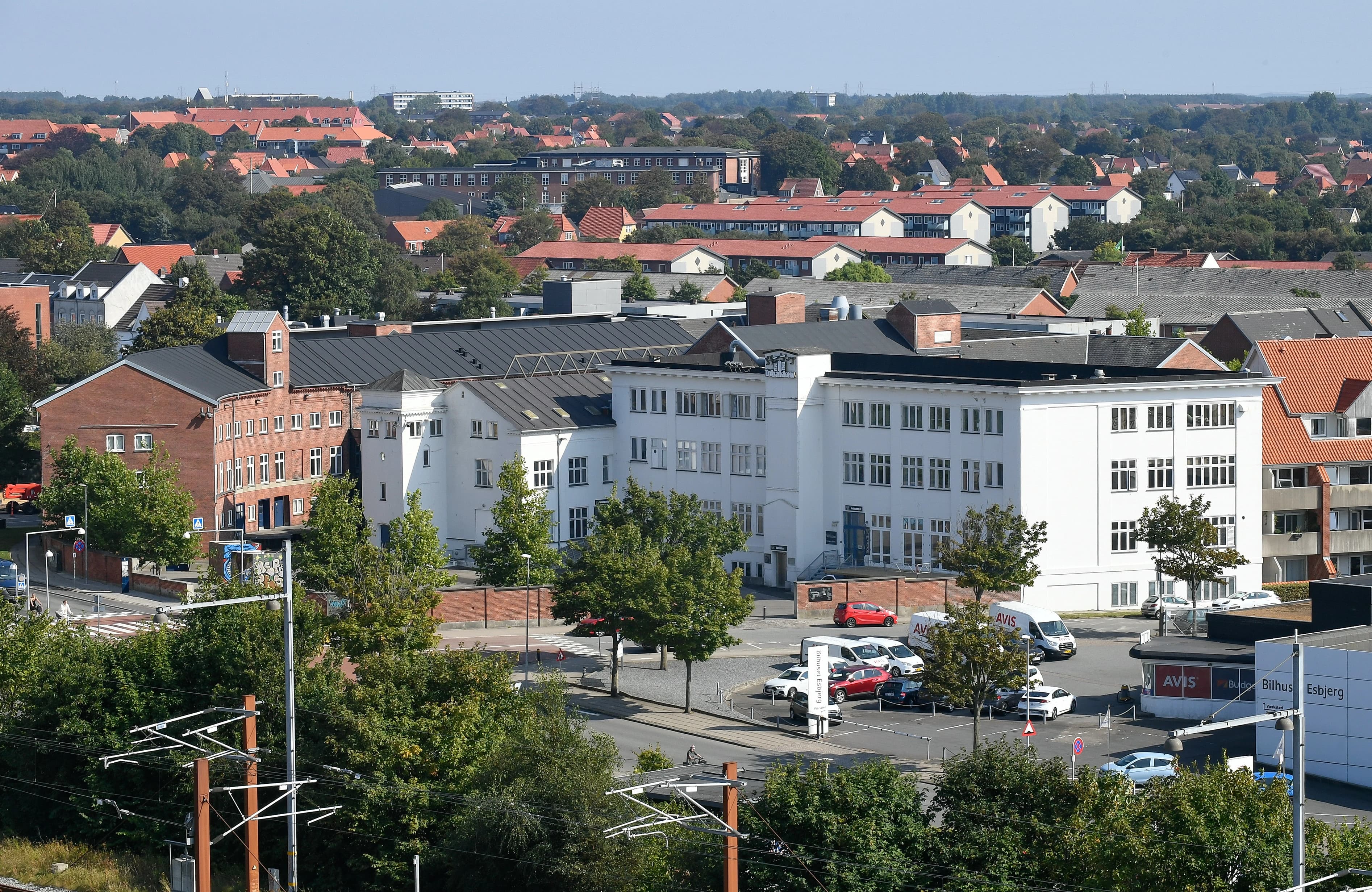
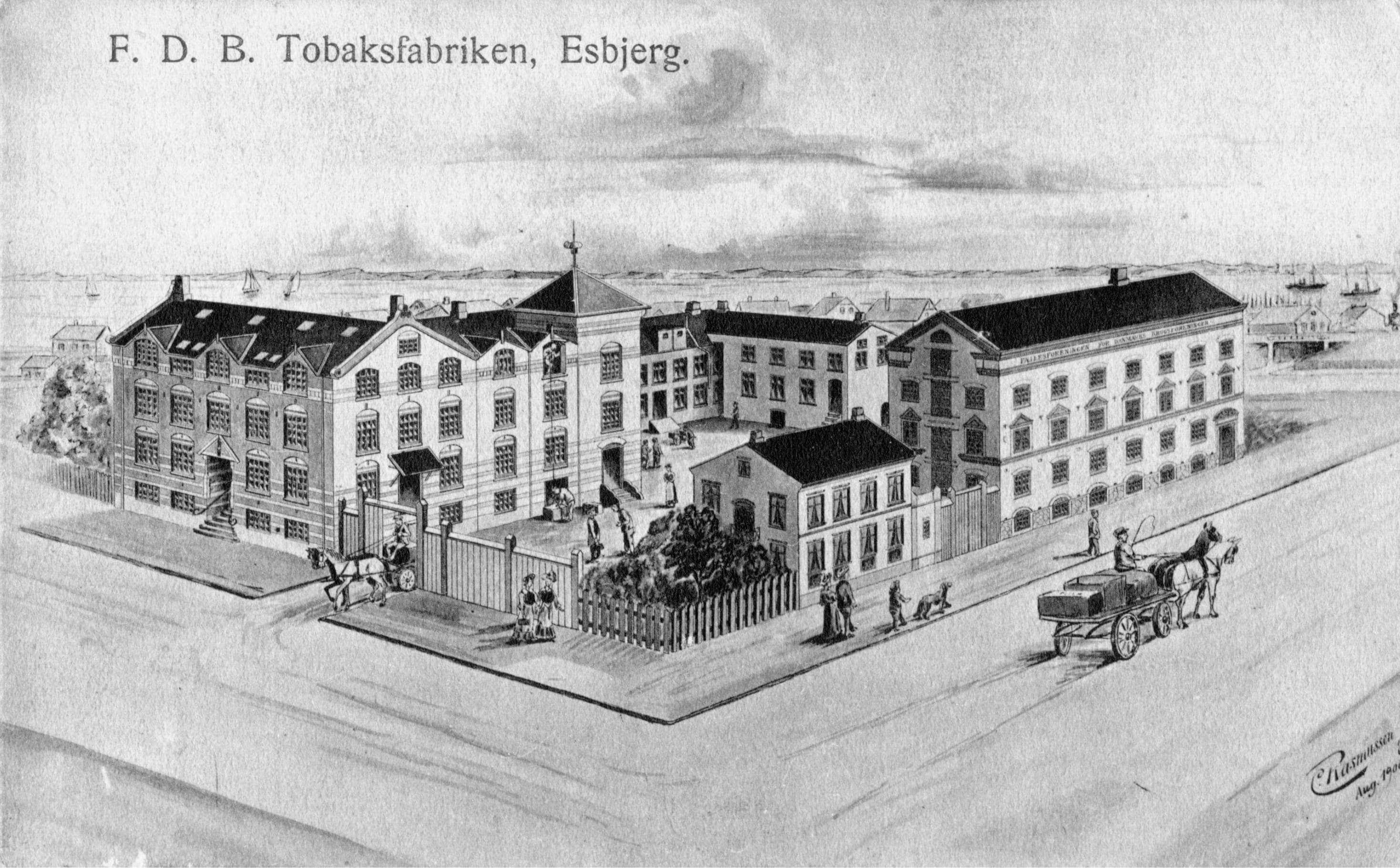
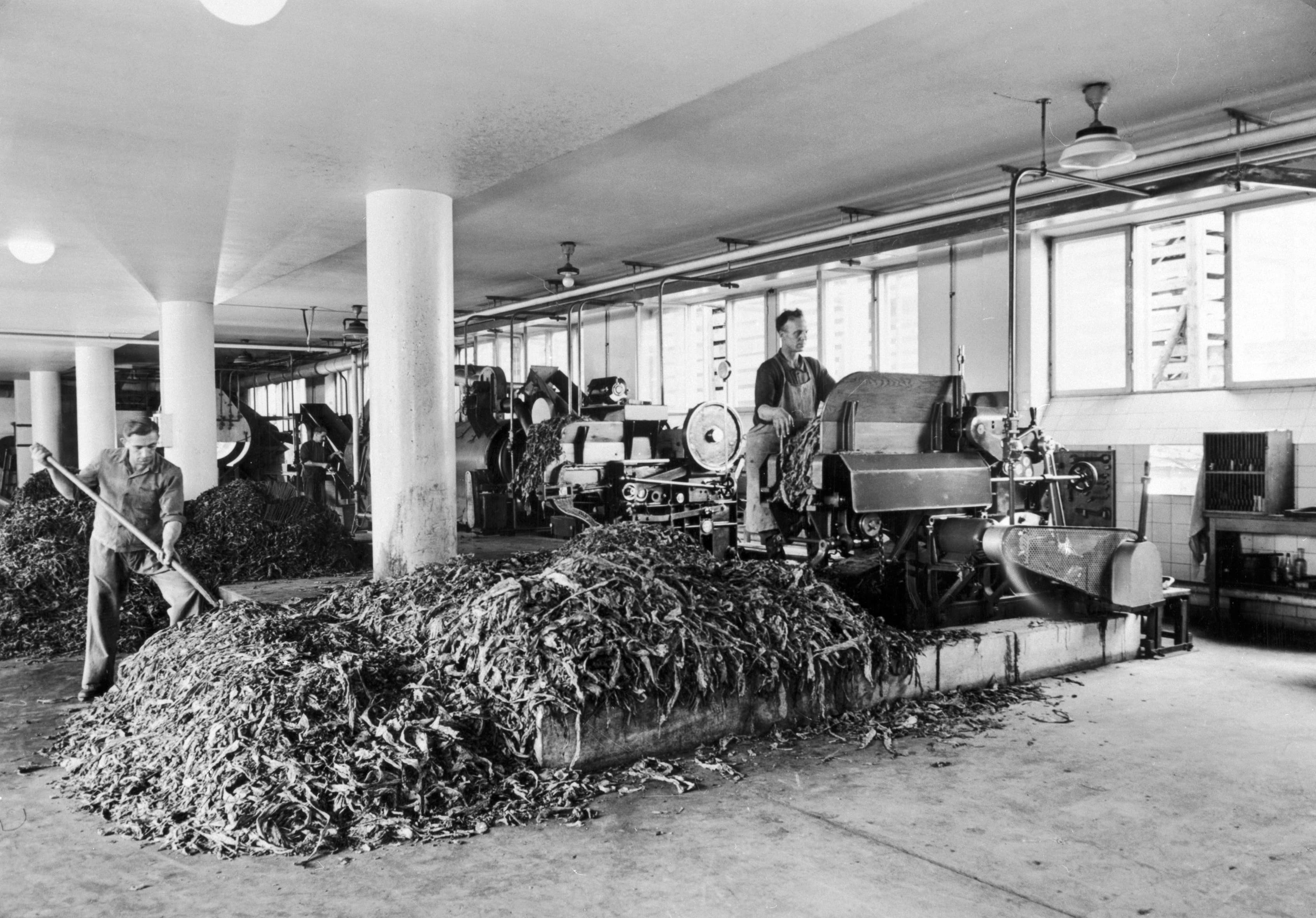
On the west coast you’ll find a chalk-white brick building that can heat up quickly despite its high ceilings. And it has been like that for a long time. Tobakken (literally The Tobacco), in Esbjerg was originally a tobacco factory, built in 1896 and used for industrial purposes for decades.
The site was transformed from primary industry into a dedicated music venue in 1993. The factory building was renovated but retained its raw brick architecture from the days when tobacco products were packed there. In 2023 the venue went bankrupt, but just a year later Musikhuset Esbjerg took over its operation.
Today the venue has three stages, the largest with room for around 1,300 guests. With artists such as Artigeardit and Sort Sol on the lineup, the former factory is well on its way to continuing its story as a place for live music.
Swipe left to see the venue in the past
A former tobacco factory
On the west coast you’ll find a chalk-white brick building that can heat up quickly despite its high ceilings. And it has been like that for a long time. Tobakken (literally The Tobacco), in Esbjerg was originally a tobacco factory, built in 1896 and used for industrial purposes for decades.
The site was transformed from primary industry into a dedicated music venue in 1993. The factory building was renovated but retained its raw brick architecture from the days when tobacco products were packed there. In 2023 the venue went bankrupt, but just a year later Musikhuset Esbjerg took over its operation.
Today the venue has three stages, the largest with room for around 1,300 guests. With artists such as Artigeardit and Sort Sol on the lineup, the former factory is well on its way to continuing its story as a place for live music.
Swipe left to see the venue in the past
A former tobacco factory
On the west coast you’ll find a chalk-white brick building that can heat up quickly despite its high ceilings. And it has been like that for a long time. Tobakken (literally The Tobacco), in Esbjerg was originally a tobacco factory, built in 1896 and used for industrial purposes for decades.
The site was transformed from primary industry into a dedicated music venue in 1993. The factory building was renovated but retained its raw brick architecture from the days when tobacco products were packed there. In 2023 the venue went bankrupt, but just a year later Musikhuset Esbjerg took over its operation.
Today the venue has three stages, the largest with room for around 1,300 guests. With artists such as Artigeardit and Sort Sol on the lineup, the former factory is well on its way to continuing its story as a place for live music.
Swipe left to see the venue in the past
Skråen in Aalborg
Powering the people of Aalborg
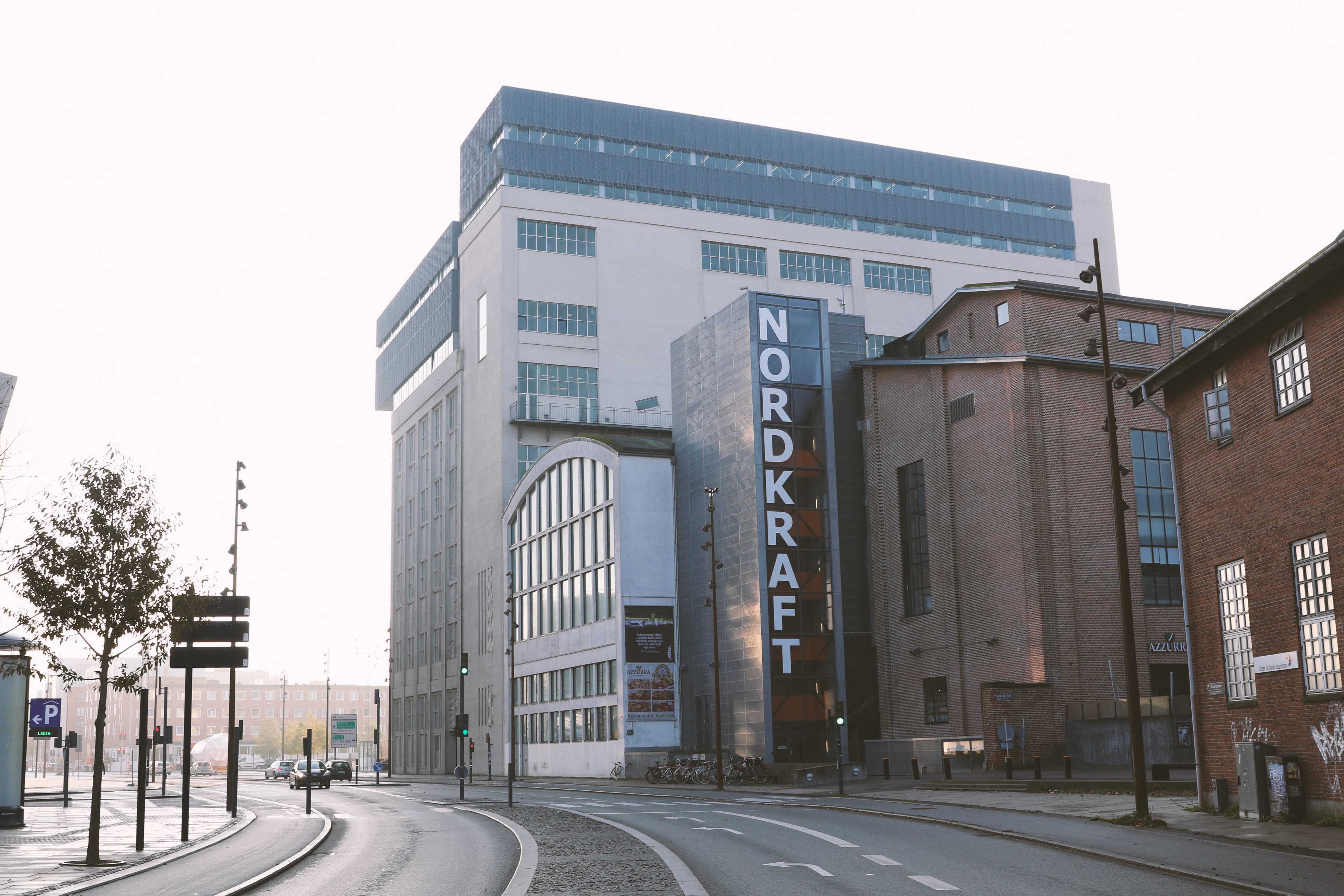
An old power plant supplied electricity to the people of Aalborg back in 1947. At the time, electricity was still new and exciting - and for the city known as the “Paris of the North” was it no exception. Nordkraft was therefore built to keep up with the growing demand for power. For 50 years it operated as a power plant, until the last kilowatts were produced in 1997.
In 2005 the building was transformed into a cultural center for the North Jutland city, under the same name as before. The large concrete structure with its high ceilings now houses a wide range of cultural experiences, including the music venue Skråen. The music association has been hosting concerts since 1978, but in 2009 it found a permanent home in Nordkraft.
The venue’s three stages – with the main stage, Royal Stage, holding up to 1,300 guests – set the scene for high-energy concerts when artists such as Carl Knast and Rune Rask come to town.
Swipe left to see the venue in the past
Powering the people of Aalborg
An old power plant supplied electricity to the people of Aalborg back in 1947. At the time, electricity was still new and exciting - and for the city known as the “Paris of the North” was it no exception. Nordkraft was therefore built to keep up with the growing demand for power. For 50 years it operated as a power plant, until the last kilowatts were produced in 1997.
In 2005 the building was transformed into a cultural center for the North Jutland city, under the same name as before. The large concrete structure with its high ceilings now houses a wide range of cultural experiences, including the music venue Skråen. The music association has been hosting concerts since 1978, but in 2009 it found a permanent home in Nordkraft.
The venue’s three stages – with the main stage, Royal Stage, holding up to 1,300 guests – set the scene for high-energy concerts when artists such as Carl Knast and Rune Rask come to town.
Swipe left to see the venue in the past
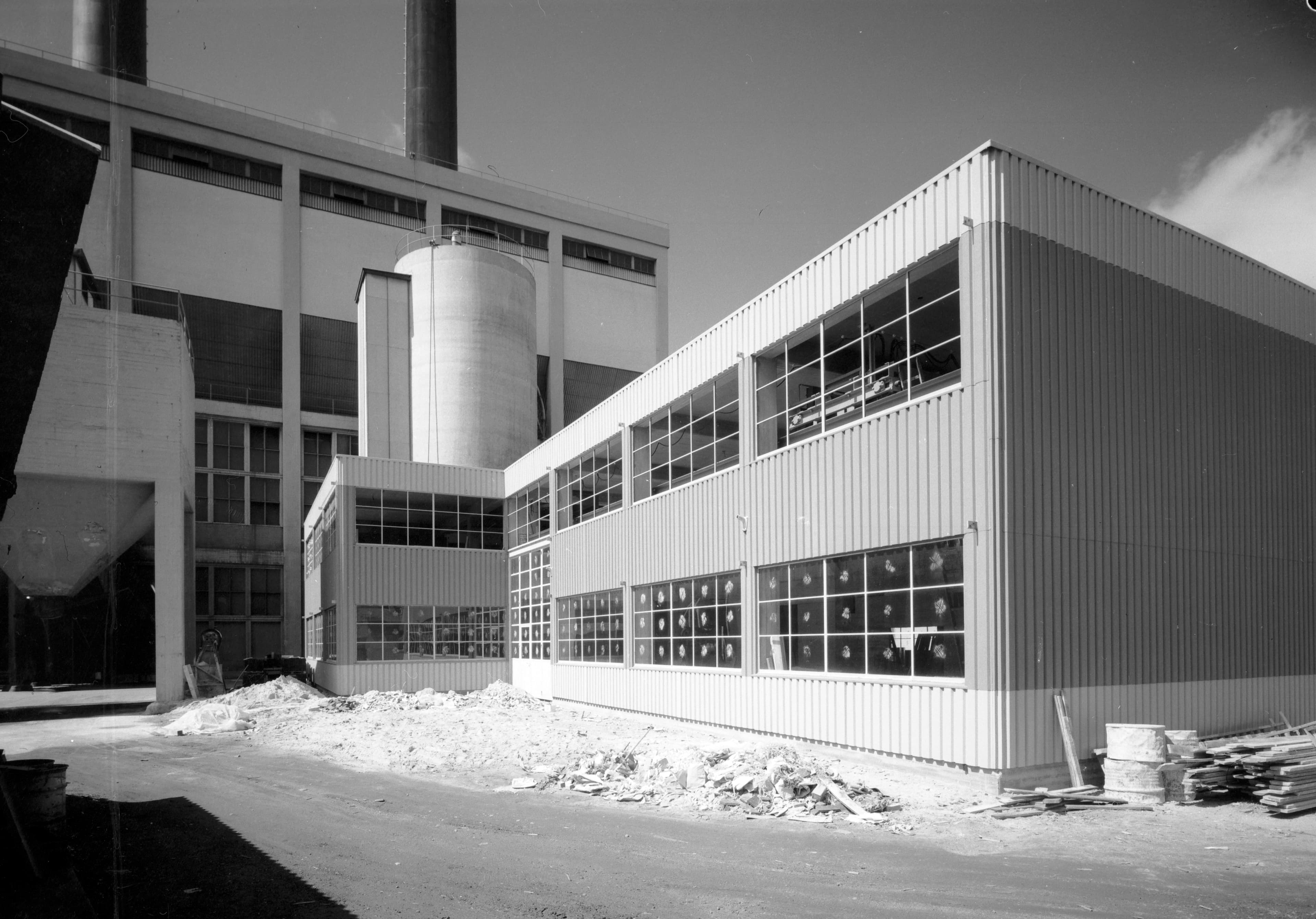
Elværket in Holbæk
Sparked the municipality
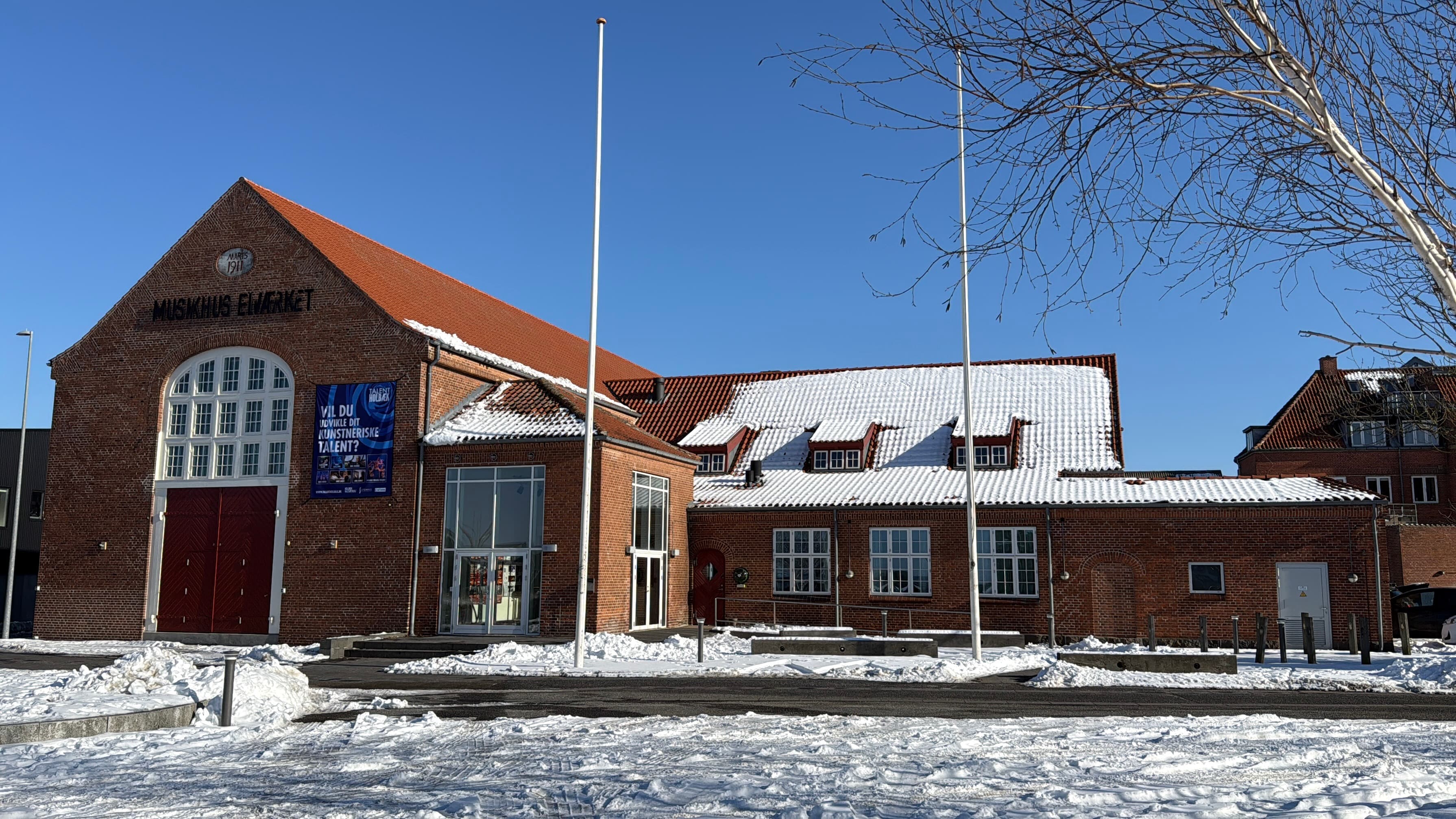
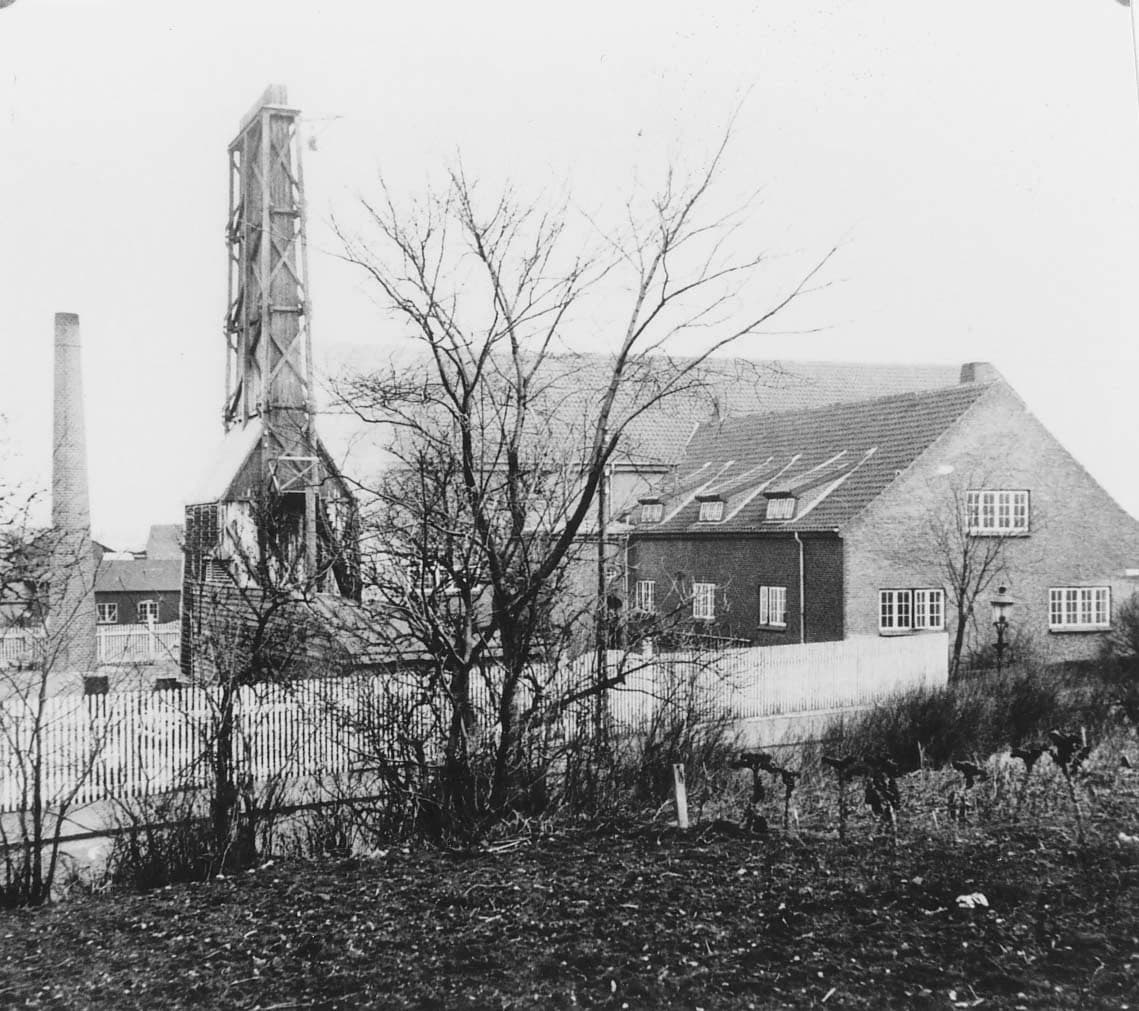
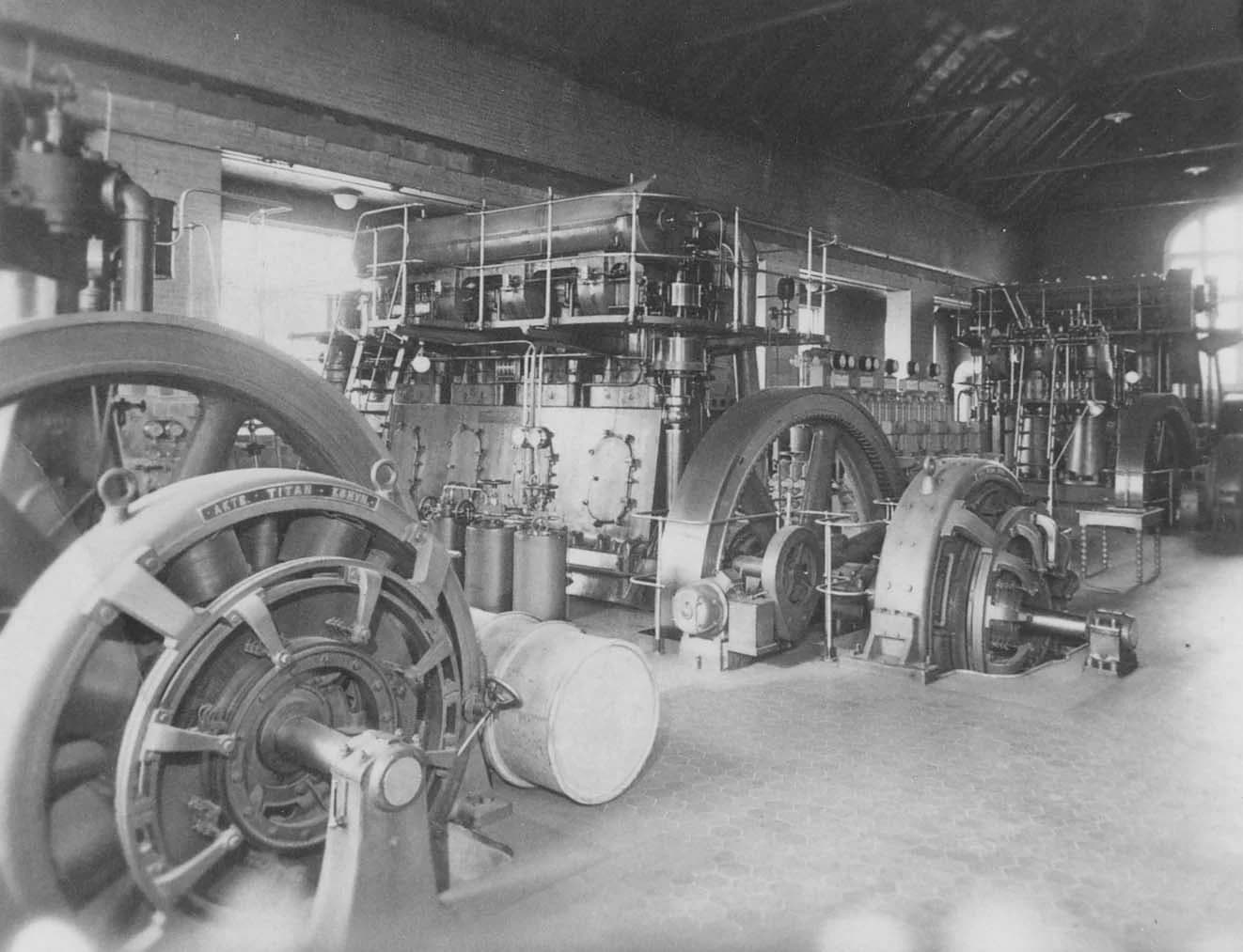
Near the harbor in Holbæk stands a red brick building. Elværket (literally The Power Plant) was constructed more than 100 years ago. The power station was build in 1911 and supplied electricity to the residents of the town for around 40 years. Afterwards, the building was used for storage purposes.
In the 1970s the building was transformed into a community center, created by music associations and cultural groups in collaboration with Holbæk Municipality. In 1996 it became a dedicated music venue after being placed under the administration of the local music school.
Today the venue creates an electric atmosphere at every concert across its two stages, with capacity for 500 and 120 guests respectively. A wide range of genres can be experienced here, from Danser med Drenge to Alex Vargas.
Swipe left to see the venue in the past
Sparked the municipality
Near the harbor in Holbæk stands a red brick building. Elværket (literally The Power Plant) was constructed more than 100 years ago. The power station was build in 1911 and supplied electricity to the residents of the town for around 40 years. Afterwards, the building was used for storage purposes.
In the 1970s the building was transformed into a community center, created by music associations and cultural groups in collaboration with Holbæk Municipality. In 1996 it became a dedicated music venue after being placed under the administration of the local music school.
Today the venue creates an electric atmosphere at every concert across its two stages, with capacity for 500 and 120 guests respectively. A wide range of genres can be experienced here, from Danser med Drenge to Alex Vargas.
Swipe left to see the venue in the past
Sparked the municipality
Near the harbor in Holbæk stands a red brick building. Elværket (literally The Power Plant) was constructed more than 100 years ago. The power station was build in 1911 and supplied electricity to the residents of the town for around 40 years. Afterwards, the building was used for storage purposes.
In the 1970s the building was transformed into a community center, created by music associations and cultural groups in collaboration with Holbæk Municipality. In 1996 it became a dedicated music venue after being placed under the administration of the local music school.
Today the venue creates an electric atmosphere at every concert across its two stages, with capacity for 500 and 120 guests respectively. A wide range of genres can be experienced here, from Danser med Drenge to Alex Vargas.
Swipe left to see the venue in the past
Frølageret in Odense
Helping culture grow on Funen
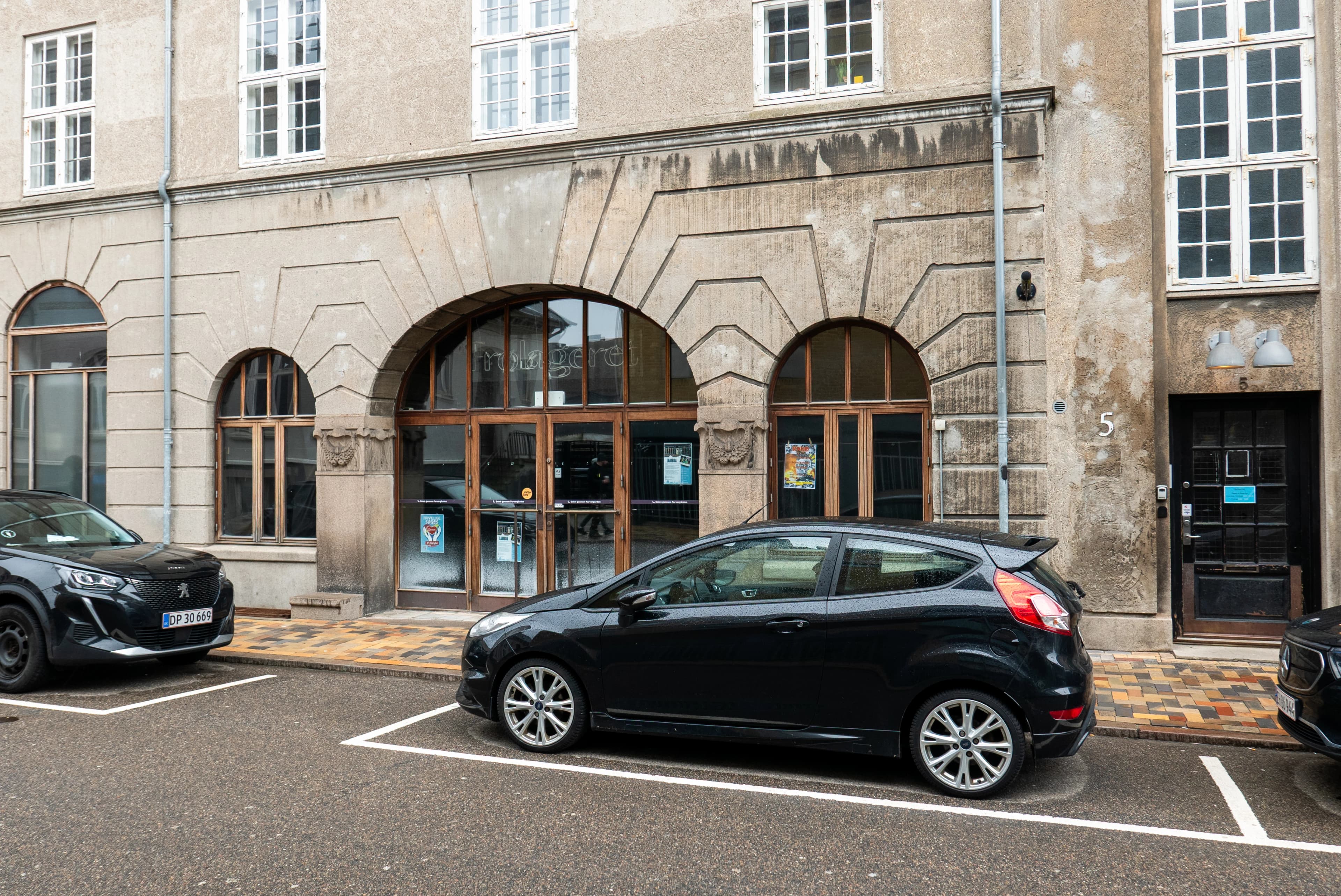
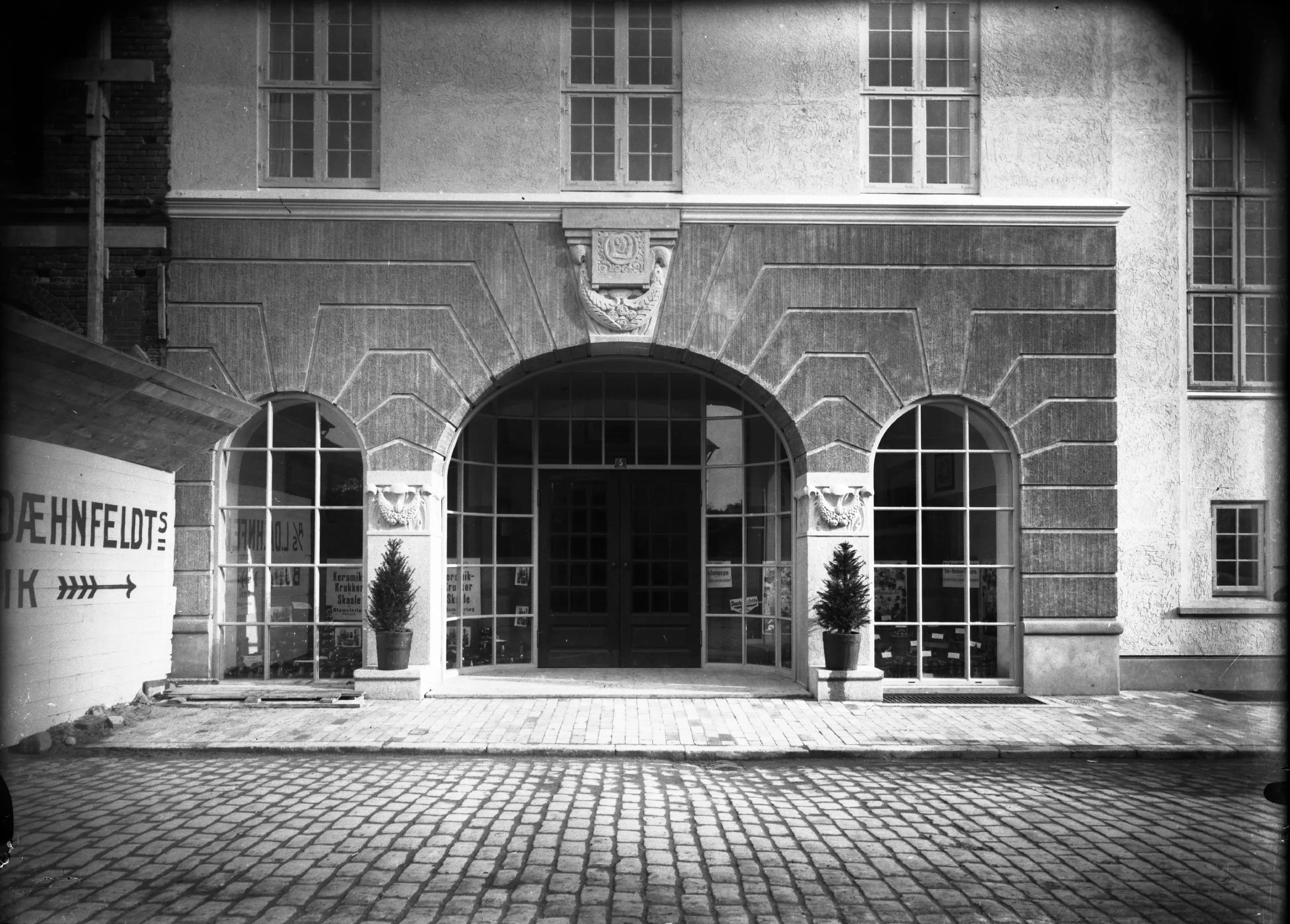
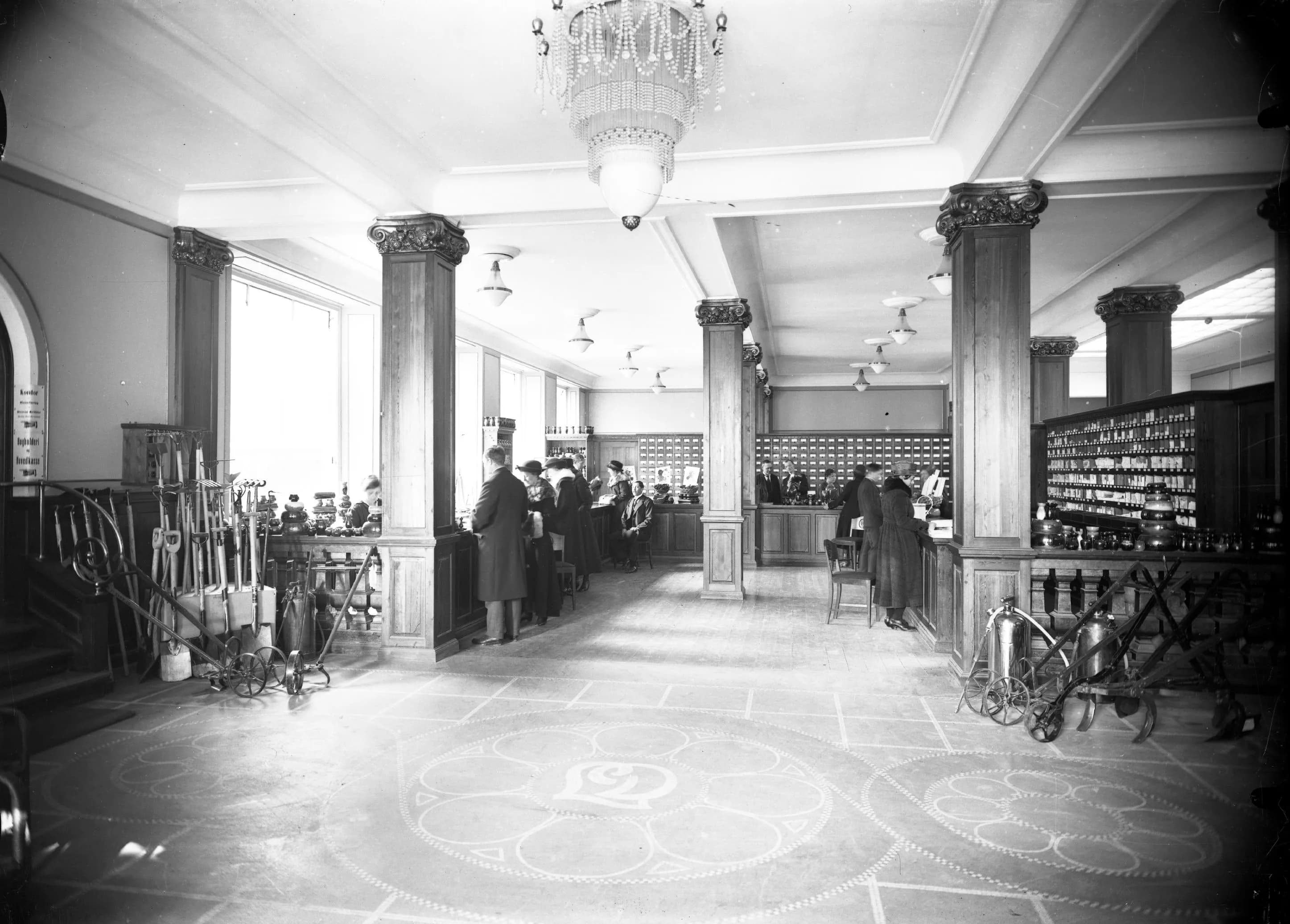
In a side street off Brandts Klædefabrik, an area already rich in industrial history, the entrance to Frølageret (literally The Seed Warehouse), in Odense appears with its curved glass facades. But the seeds of the venue have a different origin. In the early 1900s the site was owned by Dæhnfeldt’s seed company, where seeds were sold and stored for botanical use.
As Brandts gradually closed its production, space opened for more culture in the area. Music venues and other cultural experiences moved in, and in the 2000s Kulturmaskinen opened in Brandts Passage as a combined cultural hub.
Since 2020, Frølageret has hosted artists from near and far, with room for 300 guests. Today the venue is a place where new talents take root and grow – artists such as Karoline Mousing and Ozzy, who are beginning to bloom through their music and live performances.
Swipe left to see the venue in the past
Helping culture grow on Funen
In a side street off Brandts Klædefabrik, an area already rich in industrial history, the entrance to Frølageret (literally The Seed Warehouse), in Odense appears with its curved glass facades. But the seeds of the venue have a different origin. In the early 1900s the site was owned by Dæhnfeldt’s seed company, where seeds were sold and stored for botanical use.
As Brandts gradually closed its production, space opened for more culture in the area. Music venues and other cultural experiences moved in, and in the 2000s Kulturmaskinen opened in Brandts Passage as a combined cultural hub.
Since 2020, Frølageret has hosted artists from near and far, with room for 300 guests. Today the venue is a place where new talents take root and grow – artists such as Karoline Mousing and Ozzy, who are beginning to bloom through their music and live performances.
Swipe left to see the venue in the past
Helping culture grow on Funen
In a side street off Brandts Klædefabrik, an area already rich in industrial history, the entrance to Frølageret (literally The Seed Warehouse), in Odense appears with its curved glass facades. But the seeds of the venue have a different origin. In the early 1900s the site was owned by Dæhnfeldt’s seed company, where seeds were sold and stored for botanical use.
As Brandts gradually closed its production, space opened for more culture in the area. Music venues and other cultural experiences moved in, and in the 2000s Kulturmaskinen opened in Brandts Passage as a combined cultural hub.
Since 2020, Frølageret has hosted artists from near and far, with room for 300 guests. Today the venue is a place where new talents take root and grow – artists such as Karoline Mousing and Ozzy, who are beginning to bloom through their music and live performances.
Swipe left to see the venue in the past