Architecture in Transition
Bring your class on the city walk Architecture in Transition in Copenhagen, where students explore sustainable urban development, adaptive reuse, and how architecture can support well-being and community.
Join us for a sensory walk through Copenhagen!
We’ll explore how buildings and public spaces change over time—and how architecture is reused, reimagined, and reshaped to meet new demands for sustainability, community, and well-being.
Architecture is always in motion—shaped by society’s values, technological advances, and our changing needs. But how can architecture not only adapt, but also help create a more sustainable future?
You’ll experience architecture with your whole body: noticing how materials matter, seeing the contrasts between old and new, and discussing how we can develop public spaces that create safety and a sense of belonging.
You’ll also get hands-on with architecture. You’ll design the future Inner Harbour with a focus on reducing climate impact, analyse the modern and historical qualities of The Royal Library, and reflect on how we might rebuild the Old Stock Exchange.
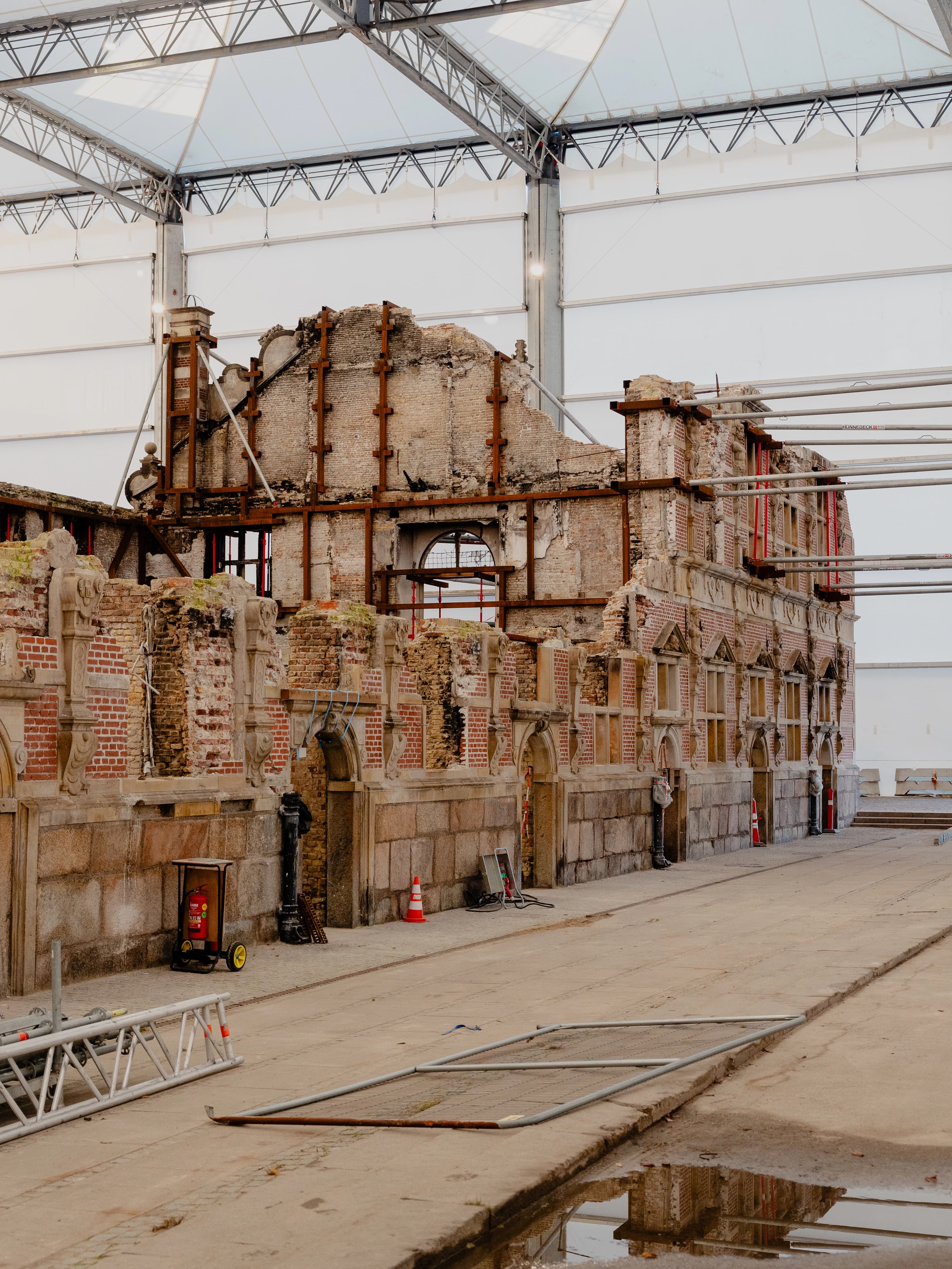
Special stop: Up close with the reconstruction of the Old Stock Exchange
As part of the programme, you will have a unique opportunity to get close to the reconstruction of the Old Stock Exchange. We visit the visitor centre at the construction site, where students can follow the rebuilding of one of Copenhagen’s most iconic buildings and gain insight into the craftsmanship, materials and many decisions involved in the process.
Through shared reflection and creative activities, you’ll discover how architecture doesn’t just follow changes in society—it can help shape them. Maybe it will be your ideas that point the way toward the sustainable architecture of the future!
For school classes: Practical details
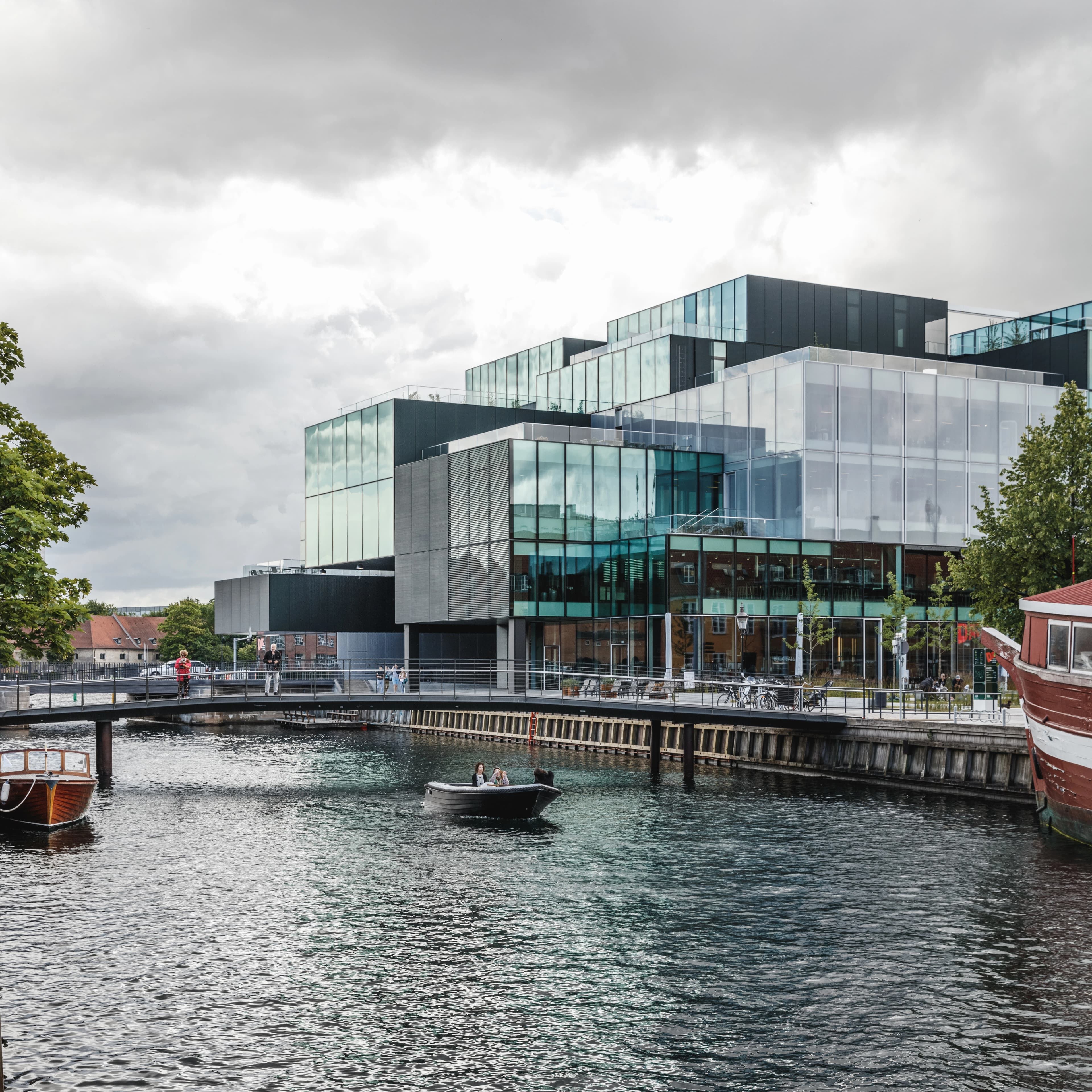
Photo: Rasmus Hjortshøj Location: The walk starts at the Danish Architecture Center and ends at the Old Stock Exchange. The route is approximately 1 km. Please note that the entire programme takes place outdoors, so dress for the weather.
Duration: 2.5 hours
Target group: Grades 7–10
Price: DKK 975
Language: Danish and English
During the programme, we work with
- Architecture in transition: You explore how buildings and public spaces are transformed and given new functions over time.
- Materials and sustainability: You experience how material choices and reuse affect architectural expression and climate impact.
- Safety and community: You discuss how architecture creates settings for social interaction, well-being, and a sense of safety.
- Embodied learning: You actively use your bodies and senses to experience how architecture shapes movement and everyday experience.
- The architecture of the future: You reflect on how we can create sustainable public spaces and buildings using new methods and materials.
BOOK YOUR PROGRAMME | Architecture in Transition