Coastal Imaginaries: Denmark’s Venice Architecture Biennale 2023 pavilion on nature-based coastal design
Exhibition
May 20 - Nov 26, 2023
The exhibition Coastal Imaginaries was Denmark’s contribution to the Venice Architecture Biennale 2023, presenting nature-based design solutions for sea-level rise and storm surges, curated by Josephine Michau in collaboration with Schønherr.
Under the theme Coastal Imaginaries, the Danish contribution to the Venice Architecture Biennale 2023 showcased nature-based design solutions that responded to global climate challenges such as rising sea levels and storm surges.
The pavilion’s team represented a collaboration between landscape architectural firm Schønherr and leading researchers, artists, Danish industry organizations and scientific institutions.
“We’re in the middle of the Anthropocene Age – that is, the age of mankind – where geologists have declared humanity to be a geological force on equal terms with volcanoes, meteor strikes and tectonic shifts. Humans are contributing to many of the crises we are facing today, including the biodiversity crisis, the climate crisis, the environmental crisis, and the food crisis. We not only have the opportunity, but also the duty, to take action and reverse this trend, and the architects who design our physical surroundings play a vital role in this,” said the Curator Josephine Michau.
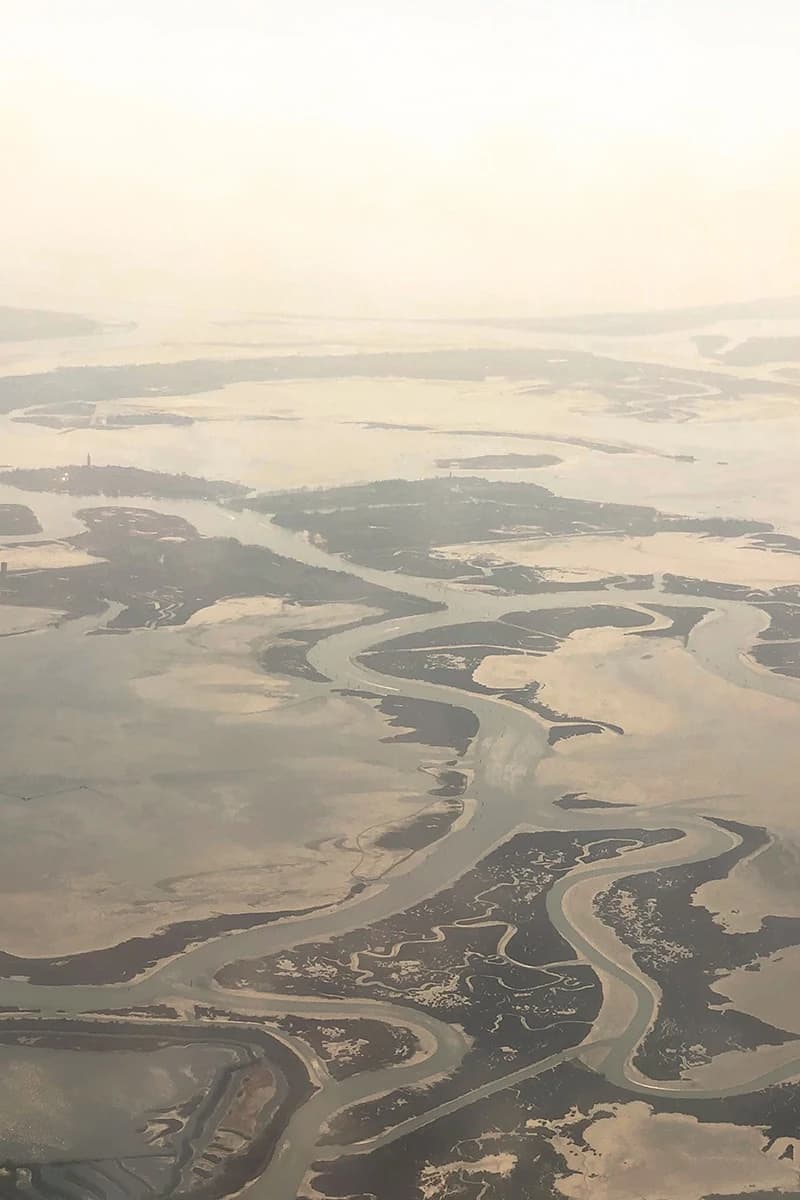
Photo: Anna Aslaug Lund Coastal Landscapes of the Future
Coastal Imaginaries was a dramatic narrative that through future scenarios showed how the Copenhagen coastline might evolve if we employ nature-based solutions. With a combination of speculative scenography and displays of novel research projects, the exhibition invited the audience to explore the fragility and beauty of the coastal landscape.
As a laboratory of hope in the midst of universal hopelessness, Coastal Imaginaries offered a catalogue of proposals for a coastal future grounded in nature-based and sustainable solutions. Visitors at the Danish Pavilion could therefore gain insight into concrete principles for how we can adapt to the rising sea levels and ever more frequent storm floods caused by climate change, which will dramatically change our coastal landscapes this century.
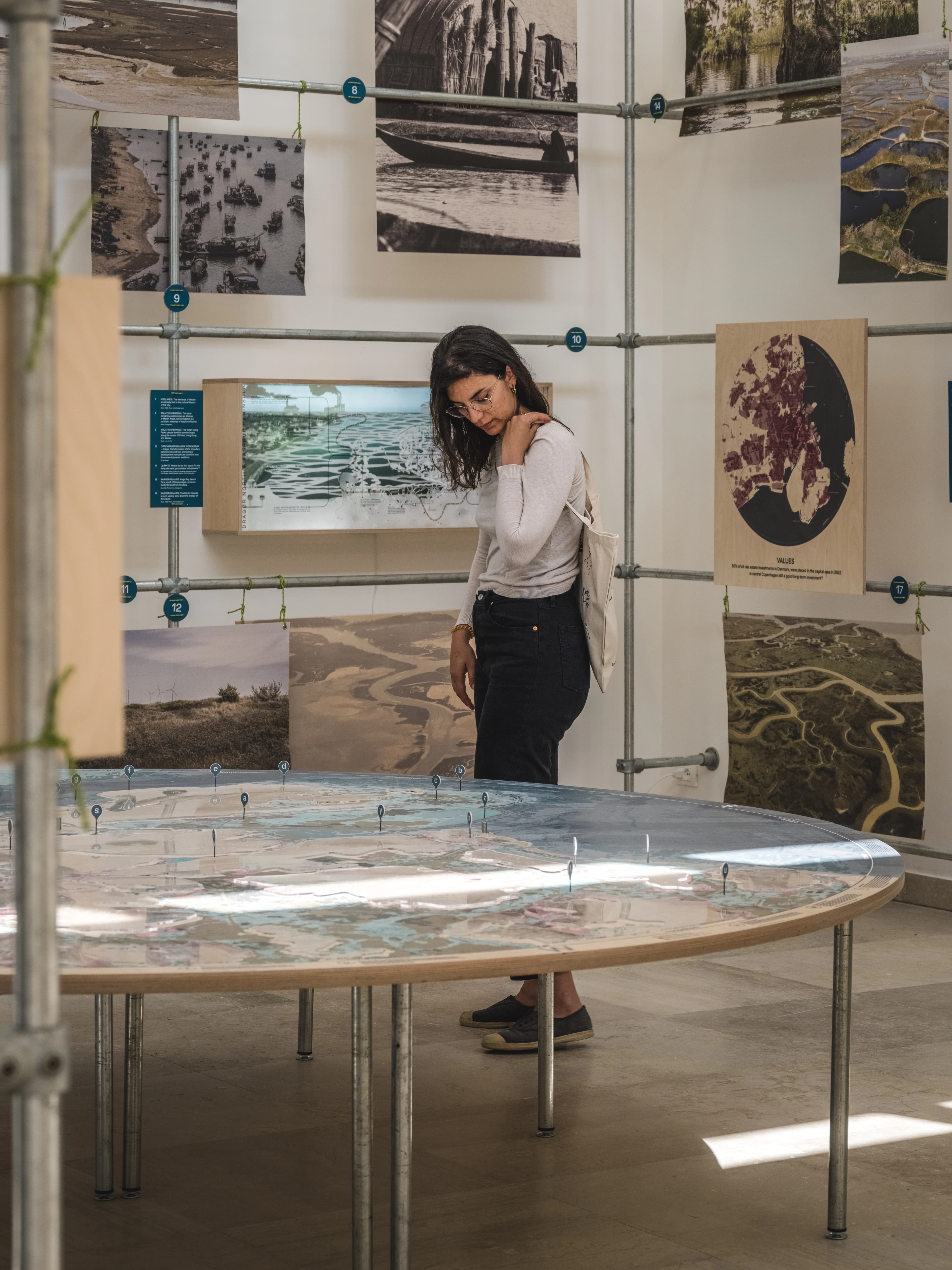
Photo: Rasmus Hjortshøj Copenhagen Islands: A Nature-Based Development of the Danish Capital
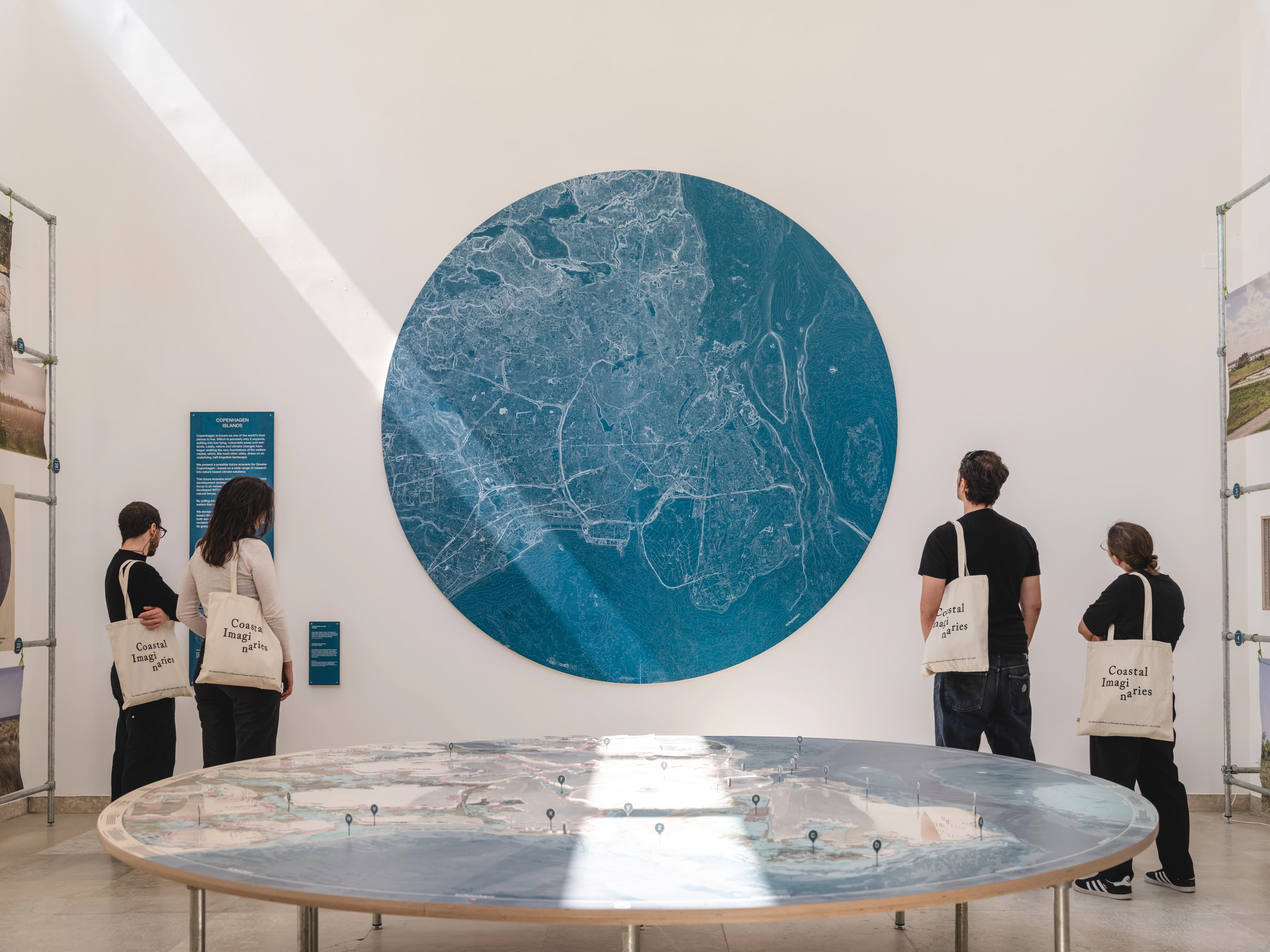
As a part of the exhibition visitors could experience Copenhagen Islands, a research-based vision for the architectural development of the Copenhagen metropolitan area. The vision was created by landscape architecture studio Schønherr in collaboration with a group of researchers from the University of Copenhagen, Aarhus School of Architecture, and the Technical University of Denmark.
Due to its low-lying position, Copenhagen is one of several areas of the world that are particularly at risk from storm surges and rising sea levels brought about by climate change. In order for the city to survive, Copenhagen’s landscape infrastructure therefore needs to be readdressed. Through a series of annotated maps Schønherr presented a future vision for Copenhagen, that worked directly in harmony with nature, and that brought the city’s inhabitants closer to the landscape rather than distancing them from it.
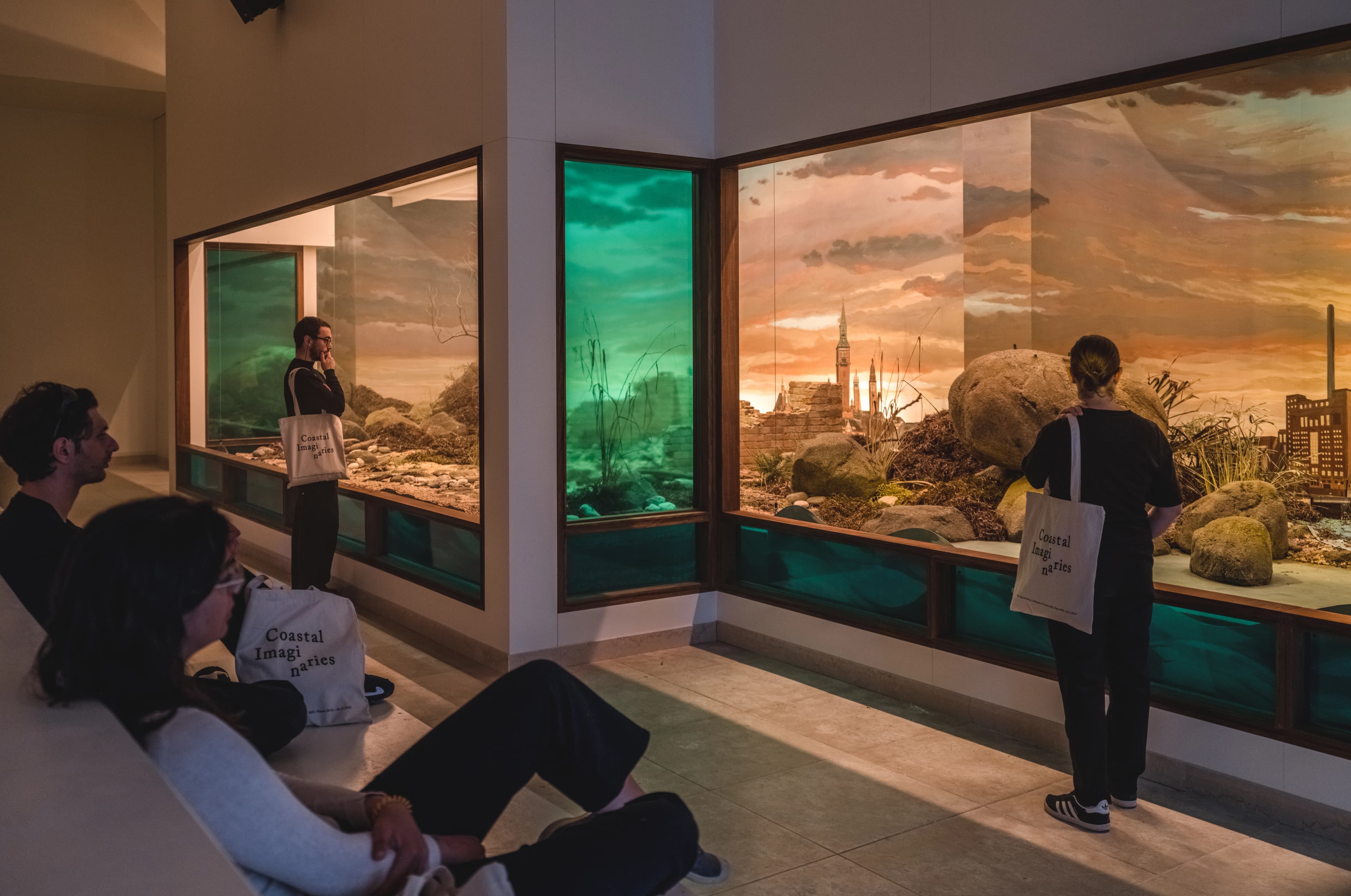
Photo: Rasmus Hjortshøj Mermaid Bay: The Little Mermaid Has Left the Rock
Christian Friedländer was the exhibition designer of Coastal Imaginaries, and as part of the exhibition he is also presenting the installation work Mermaid Bay.
Mermaid Bay was a 55-minute-long staged scenario, that utilized the diorama, a three-dimensional scenography, as its central visual element. Through a theatrical landscape made up of an evocative soundtrack and a radiant light design, the installation created a science fiction narrative, set in a near future heavily affected by climate change.
In alignment with the nature-based solutions that the research and landscape architecture elements of Coastal Imaginaries presented, Mermaid Bay addressed the vulnerability of today’s coastal landscapes and the stark reality of climate change. The scenography depicted a near-future Copenhagen coastline, where large parts of the city is completely vanished by the rising sea level. An empty rock, left by The Little Mermaid who had reunited with her natural element, the ocean, told a story of surrendering to the landscape and incorporating nature into human life rather than working against it.
Explore the exhibition
"Danish architecture has a great deal to contribute when it comes to solving the challenges society faces today. This year’s Danish Pavilion submission spotlights climate change, which is one of our generation’s biggest societal challenges. I hope the Danish submission can inspire other countries to use nature to mitigate the consequences of climate change."
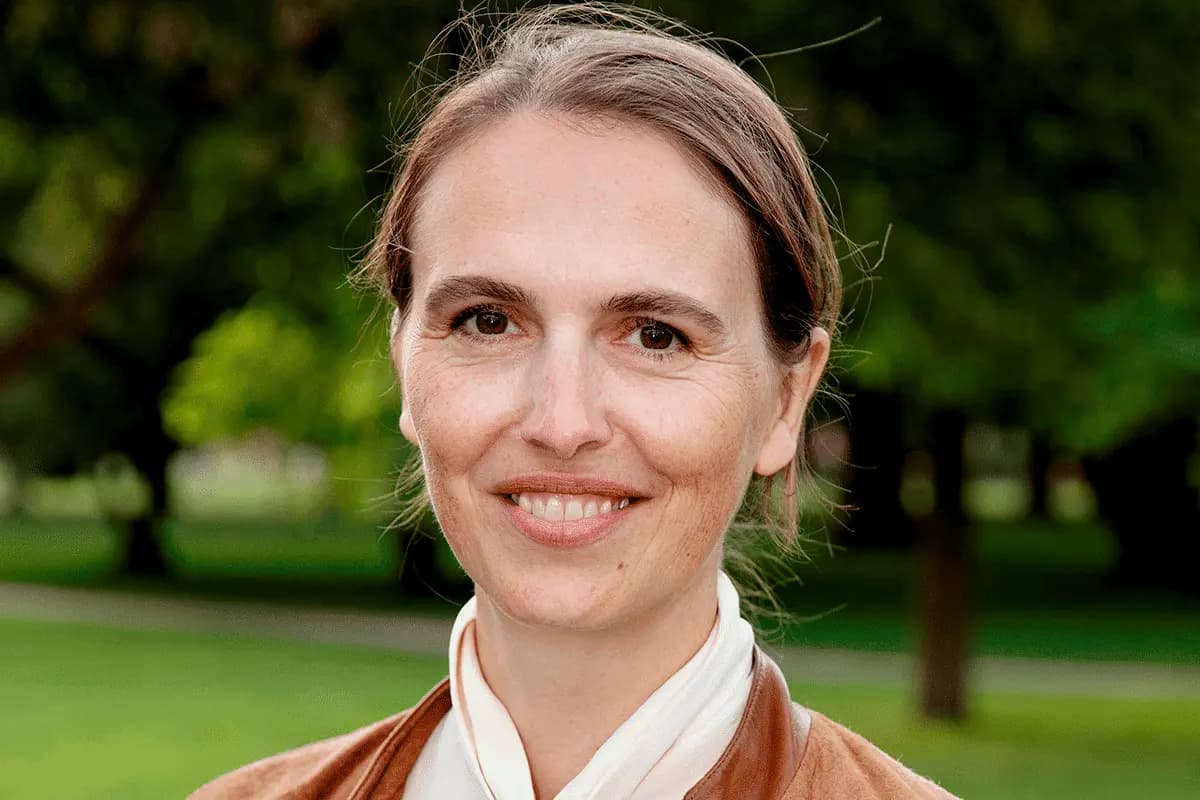
About Josephine Michau
Josephine Michau has a master’s degree in business administration and philosophy and is co-founder and CEO of Copenhagen Architecture Festival (CAFx). Since 2014, CAFx has communicated architecture and urbanism to the public through a program of 100-200 annual activities. In 2015 the festival received a prize from the Danish Architecture Association for its ability “…to think about the communication of architecture, highlight its qualities and diversity, and create relevant debate”
In 2019, Josephine Michau received the Henning Larsen Foundation Award for “…her tireless and fascinating commitment to understanding, communicating and engaging people in the landscape of architecture in our lives …”
In the context of CAFx she has initiated and co-authored several articles, publications and film productions + conducted yearly workshops on film and architecture since 2016.
“The Danish exhibition will inspire hope by pointing to solutions and engaging visitors in a way that touches their hearts and minds; where the senses, intellect and community form a symbiotic bond,” said Josephine Michau.
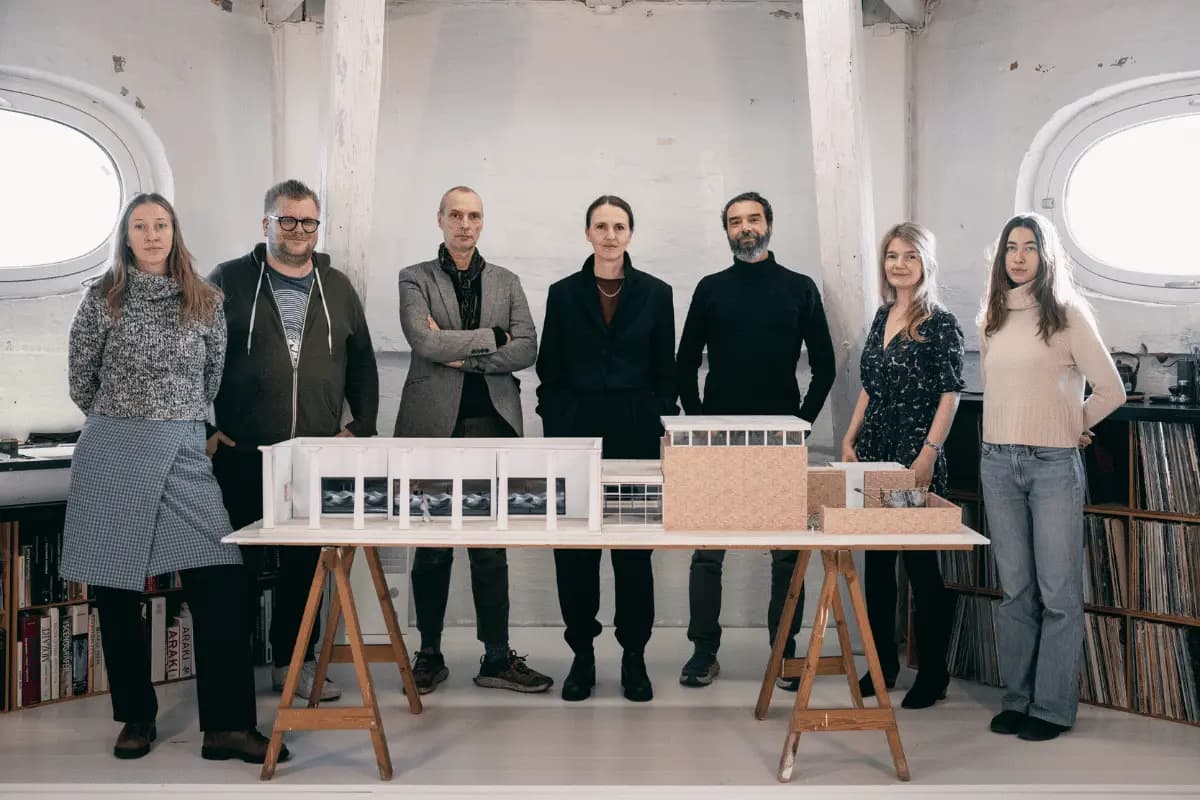
Complex Challenges Require an Interdisciplinary Approach
The exhibition’s content had been developed in collaboration with landscape architectural firm Schønherr and a number of Denmark’s leading researchers and students from various Danish institutions, including architect and landscape architect Anna Aslaug Lund – representing the research project Mitigating Sea Level Rise, which is being conducted as a partnership between the Technical University of Denmark (DTU), the Aarhus School of Architecture (ARCH) and the University of Copenhagen (UCPH) – as well as architect and Associate Professor David Garcia and students in the Architecture and Extreme Environments graduate master program at the Royal Danish Academy – Architecture, Design, Conservation.
Internationally recognized scenographer and artist Christian Friedländer and Peter Albrechtsen, sound designer, had been translating parts of the research into sensory and spatial experiences, making the coastal landscapes of the future more tangible for visitors to the pavilion.
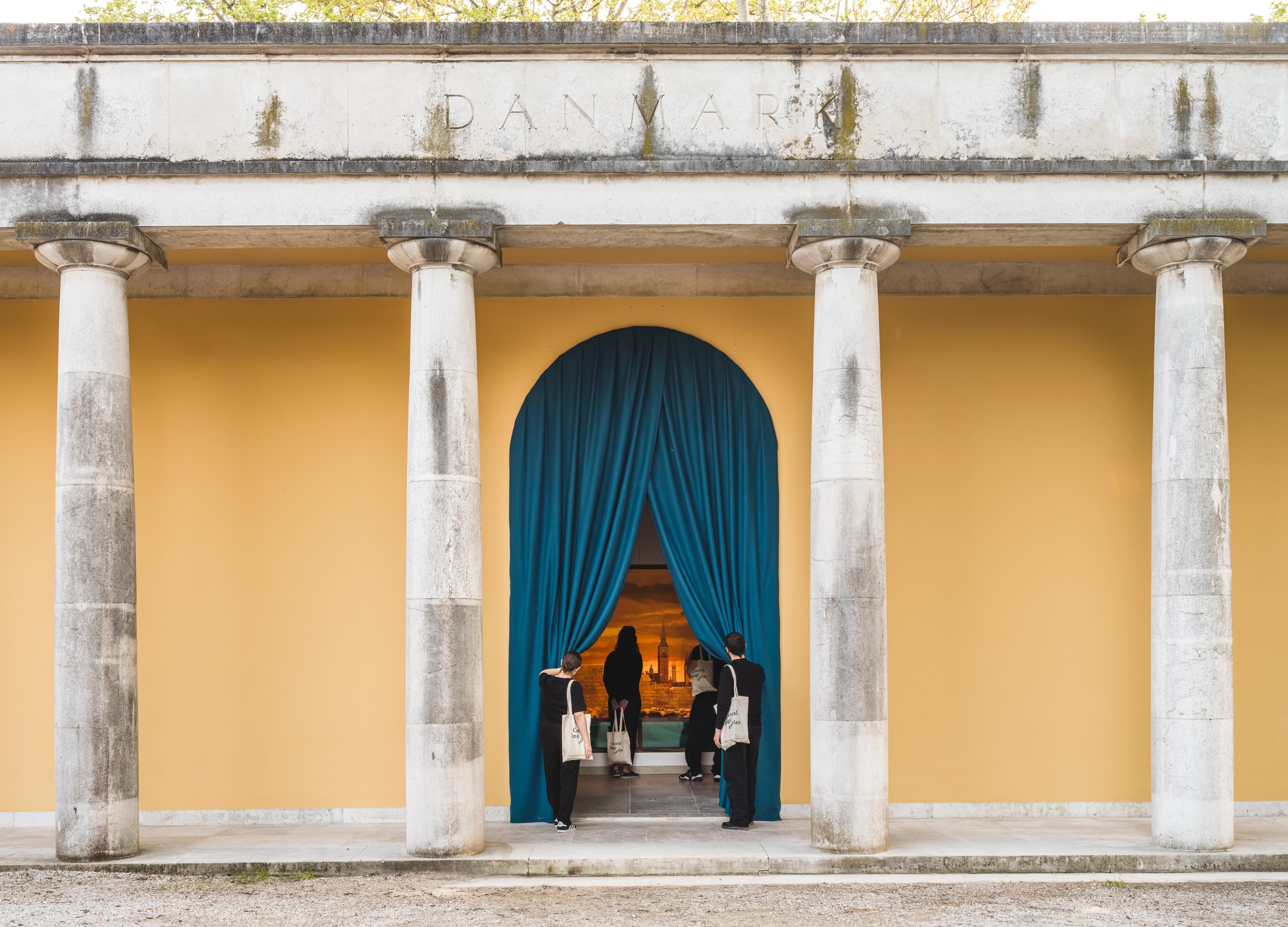
About the Danish Pavilion
The Ministry of Culture owns the Danish Pavilion in Venice, which is used for the architecture and art biennales. The Ministry of Culture had appointed the Danish Architecture Center as commissioner for the official Danish contribution to the 18th International Architecture Biennale in Venice.
The project was carried out with support from, among others, Realdania, The Ministry of Culture and the Danish Art Foundation’s Architecture Committee.
The Architecture Biennale opened in Venice on 20 May 2023 and could be seen until 26 November 2023.
Read about the Biennale
DAC Magazine
Photo: Hampus Berndtson The Biennale Architettura
Since its inception in 1895, the international biennale in Venice has been a prestigious and globally recognized cultural event.
Read about the Architecture Biennale
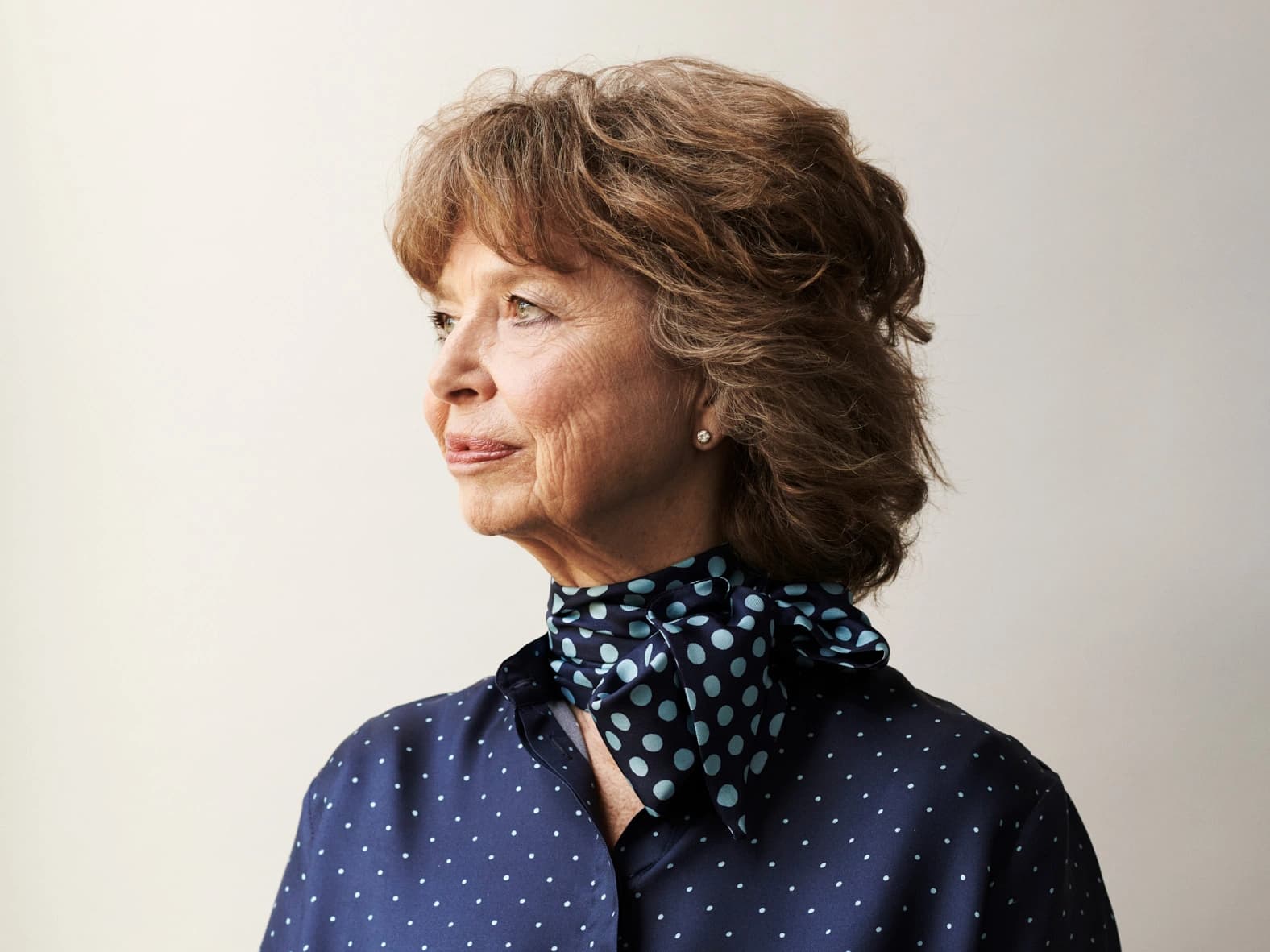
Photo: Robin Skjoldborg Bente Scavenius visits the Biennale Architettura
“The ambitions are many, but the outlook seems hopelessly depressing.”
Reflection on the The International Architecture Exhibition – La Biennale di Venezia 2023
– The Danish Pavilion and selected pavilions.Read more about Bente Scavenius' visit
Exhibitions Today
See Our Current Exhibitions
What was Coastal Imaginaries?
Coastal Imaginaries was Denmark’s contribution to the Venice Architecture Biennale 2023, focused on nature-based design solutions for sea-level rise and storm surges.
When was the exhibition on view in Venice?
The exhibition ran from 20 May to 26 Nov 2023.
Who was behind the exhibition and its content?
The exhibition was curated by Josephine Michau and developed in collaboration with landscape architects Schønherr and a wide group of researchers, artists, organisations and knowledge institutions.
What was Copenhagen Islands within the exhibition?
Copenhagen Islands was as a research-based vision for how Copenhagen can develop in coexistence with a rapidly changing coastal landscape, developed by Schønherr in dialogue with researchers from the University of Copenhagen, DTU and Aarhus School of Architecture.
What was Mermaid Bay within the exhibition?
Mermaid Bay was a scenographic installation created by Christian Friedländer, described as a 55-minute light-and-sound narrative imagining a future Copenhagen partly under water.
What should I know if I only read one thing?
Coastal Imaginaries (20 May–26 Nov 2023) presented nature-based coastal solutions in Denmark’s Venice pavilion, combining research and scenography to make sea-level rise and storm surges tangible.
Curator
The exhibition is curated by Josephine Michau.
Commissioner
Danish Architecture Center is commissioner for the Danish contribution with the overall responsibility for organizing and economy on behalf of The Ministry of Culture.