Biennale Architettura: The world’s largest architecture event
The Venice Architecture Biennale is the world’s largest and most influential international exhibition of architecture. Here, the Danish Pavilion presents current trends in Danish architecture to a global audience.
By Dansk Arkitektur Center
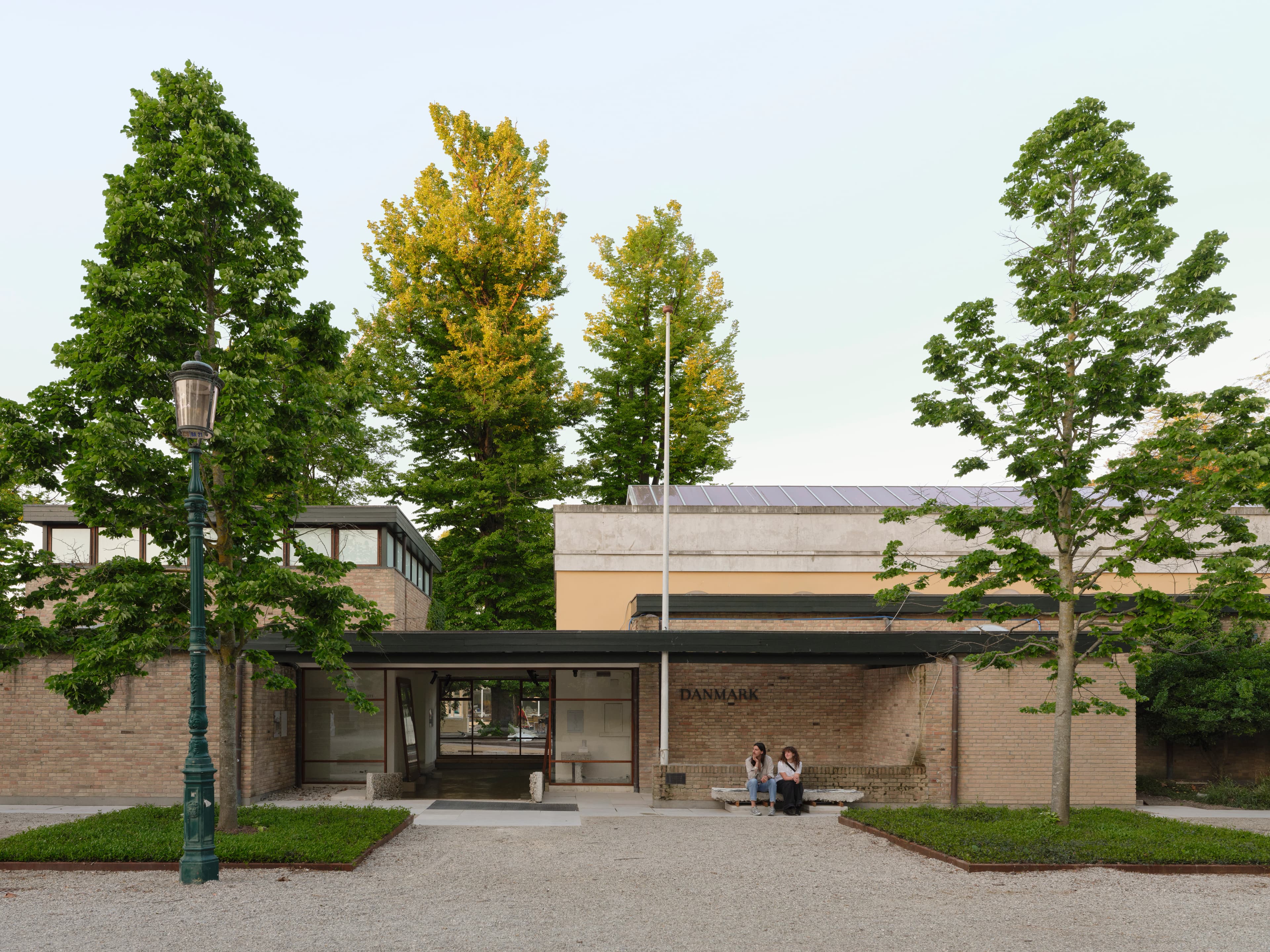
La Biennale di Venezia has been one of the world’s most prestigious cultural events since 1895. The Architecture Biennale became part of the Biennale in 1980.
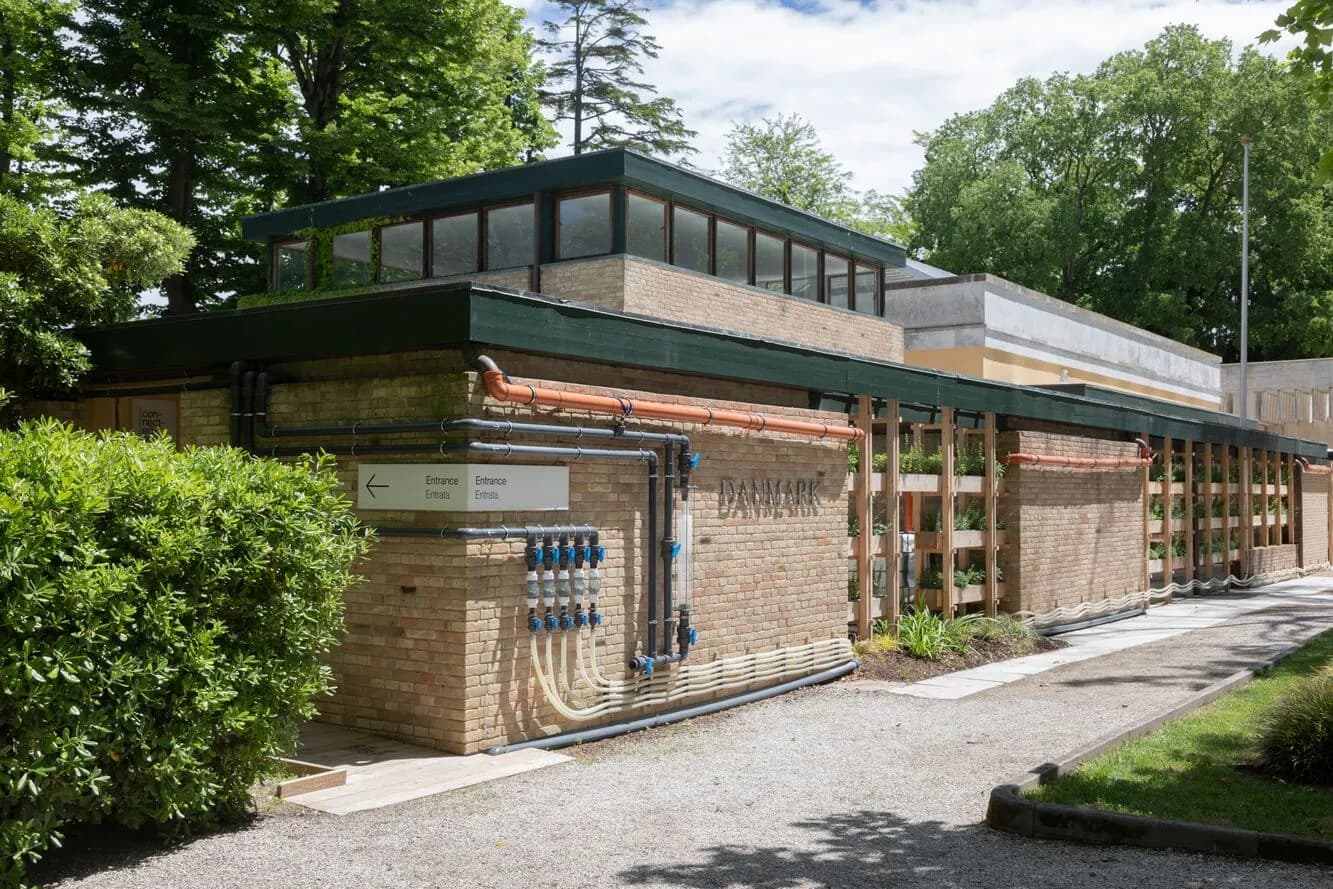
Denmark has had its own national pavilion in the Giardini Pubblici in Venice since 1932. The Danish Pavilion consists of two buildings: one designed by Carl Brummer in 1932 and one by Peter Koch in 1958.
The International Architecture Exhibition – La Biennale di Venezia, also known as the Venice Architecture Biennale, is the world’s largest and most influential architecture event. It is held every other year and attracts around 300,000 visitors. The Architecture Biennale was first held in 1980.
The Danish Pavilion is owned by the Danish Ministry of Culture, which has overall responsibility for both the art and architecture biennales.
Since 2025, the Danish Architecture Center has served as commissioner for the Danish Pavilion at the Venice Architecture Biennale. This appointment is part of Denmark’s new national architecture policy, announced by the Ministry of Culture, the Ministry of Social Affairs and Housing, and the Ministry for Cities and Rural Areas in November 2025. The policy underscores Denmark’s ambition to showcase, promote, and strengthen Danish architecture internationally. The Danish Architecture Center has served as commissioner of the Danish Pavilion since 2004.
How the Danish Contribution Is Selected
For many years, the Danish contribution to the Architecture Biennale has been developed in collaboration with the Danish Ministry of Culture, the Danish Arts Foundation’s Committee for Architecture, and the philanthropic association Realdania, which has ensured a high architectural standard through both professional expertise and financial support.
On behalf of the Ministry of Culture, a selection committee appoints a curator for the Danish contribution to the Danish Pavilion at the Architecture Biennale.
The selection committee for the 2023 Architecture Biennale included representatives from the Danish Arts Foundation’s Committee for Architecture, the rectors of Denmark’s schools of architecture, the Danish Architecture Center, and Realdania.
The curator has overall responsibility for the exhibition concept, which must align with the theme set by the Biennale’s chief curator. The curator collaborates with a range of professionals, including architects and artists, on the final exhibition.
In 2006, Denmark won the main award, the Golden Lion for Best National Participation, for the exhibition CO-EVOLUTION. The Danish Pavilion is one of the most visited pavilions at the Architecture Biennale.
Why Does Denmark Participate in the Architecture Biennale?
The purpose of participating is to present important trends in Danish architecture to the Biennale’s large audience and the international press. The Danish contribution to the Architecture Biennale must therefore present high-quality Danish architecture at a strong international level.
Danish architecture has long enjoyed international recognition for its authentic aesthetic and artistic quality, as well as for its strong commitment to the sustainable development of the built environment, including social aspects such as community and social cohesion.
Danish architecture is not created in a national vacuum, but in an established international dialogue with global currents in practice and theory that shape international architectural culture and its development. Danish architecture also includes a critical approach to aesthetic production, its forms of expression, and the societal conditions that shape them—nationally as well as internationally.
A Danish contribution in the Danish Pavilion therefore also helps strengthen the international visibility of Denmark and Danish architecture.