Water is Coming: Climate adaptation, sea-level rise and urban solutions
The exhibition Water Is Coming in 2024 explored water, people and nature through a sensory exhibition universe—combining knowledge, visions and practical solutions for cities adapting to rising water levels.
Poles are melting, groundwater is rising, and torrential rain is flooding roads and houses. It’s no longer a question of if, but when the water is coming – and how we adapt.
In a sensuous and poetic exhibition universe, the exhibition Water is Coming explored the relationship between water, people and nature in a rapidly changing world where, despite the seemingly bleak outlook, there is also hope and opportunity.
Water is one of the greatest challenges of our time. Rising sea levels and more frequent cloudbursts demand radical change in urban design and organization. Cities like Copenhagen, Venice and Jakarta are already dealing with the inevitable question: How can we adapt to the water instead of fighting it?
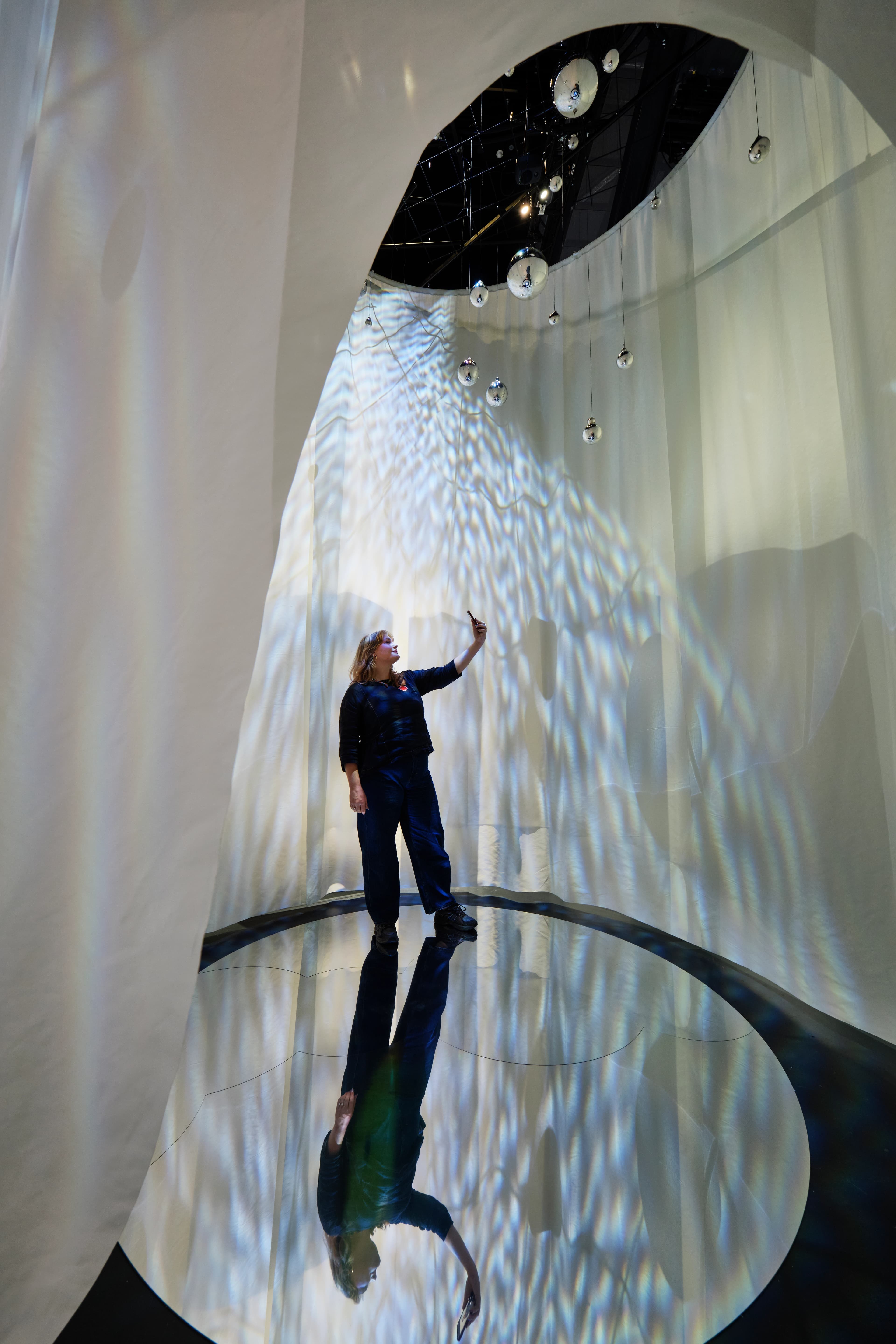
Photo: Anders Sune Berg In the Water is Coming exhibition, DAC was seeking to create a deeper understanding of our dependence on water and the challenges it poses to our cities. The exhibition also presented different solutions for how we can live with water in the future.
In the exhibition, we focused on a future with rising water levels from all directions. You could dive into current knowledge, bold visions, completed projects, extensive research, and historical perspectives. And you could be inspired by how citizens are adapting to a new daily life with water, and how scientists, architects, urban planners, municipalities, and organizations are working together to create solutions for our shared future with water.
Explore the exhibition
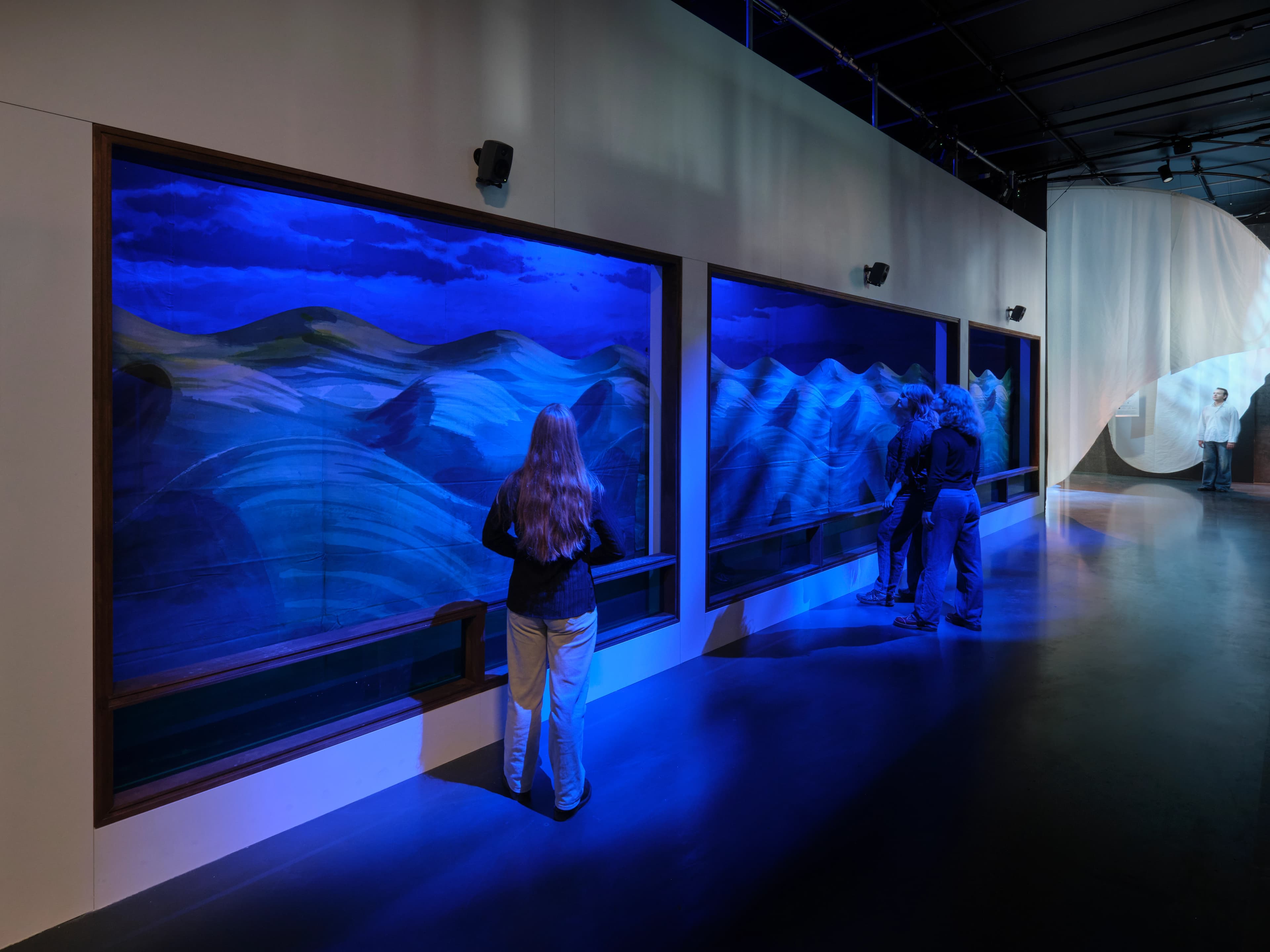
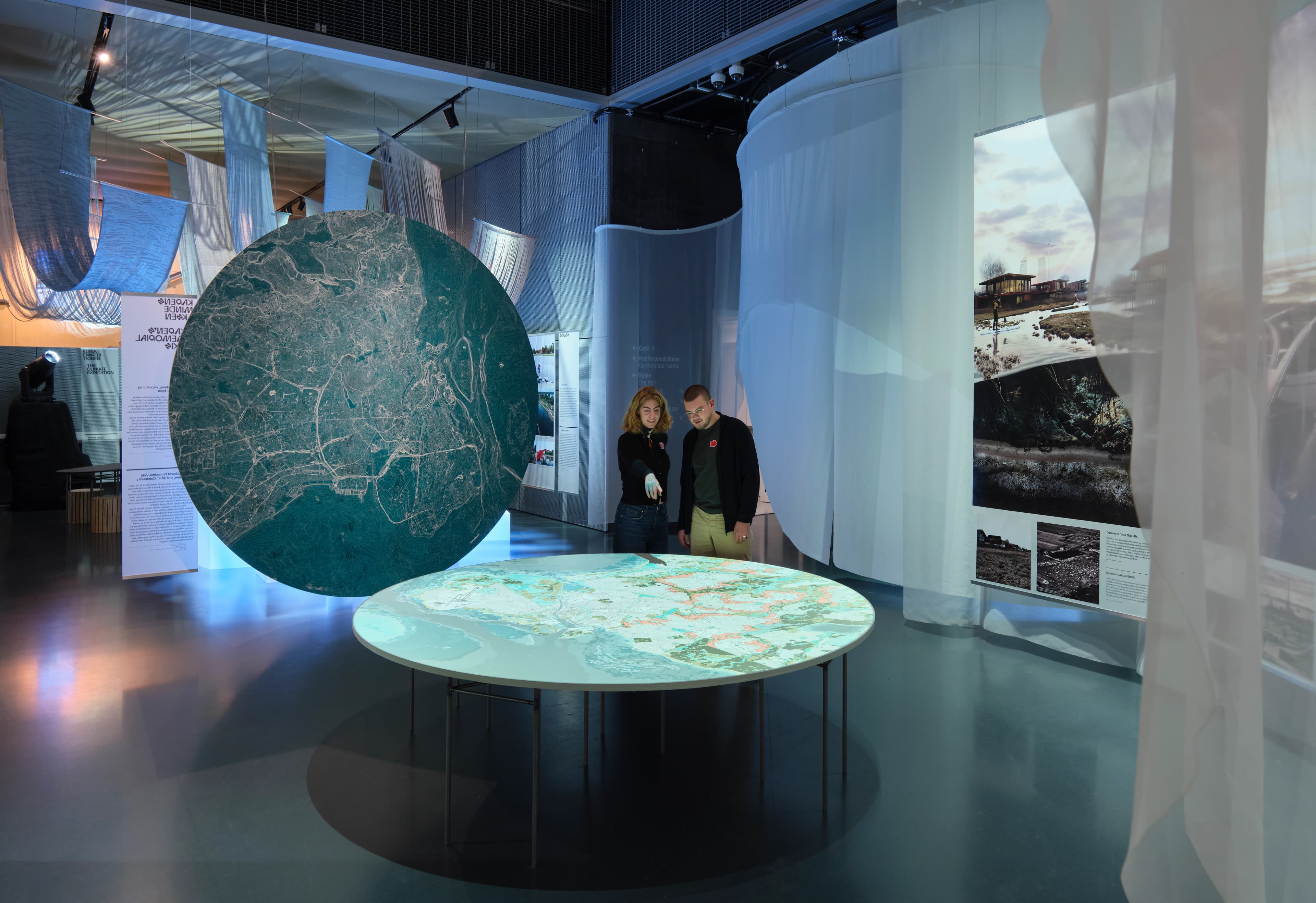
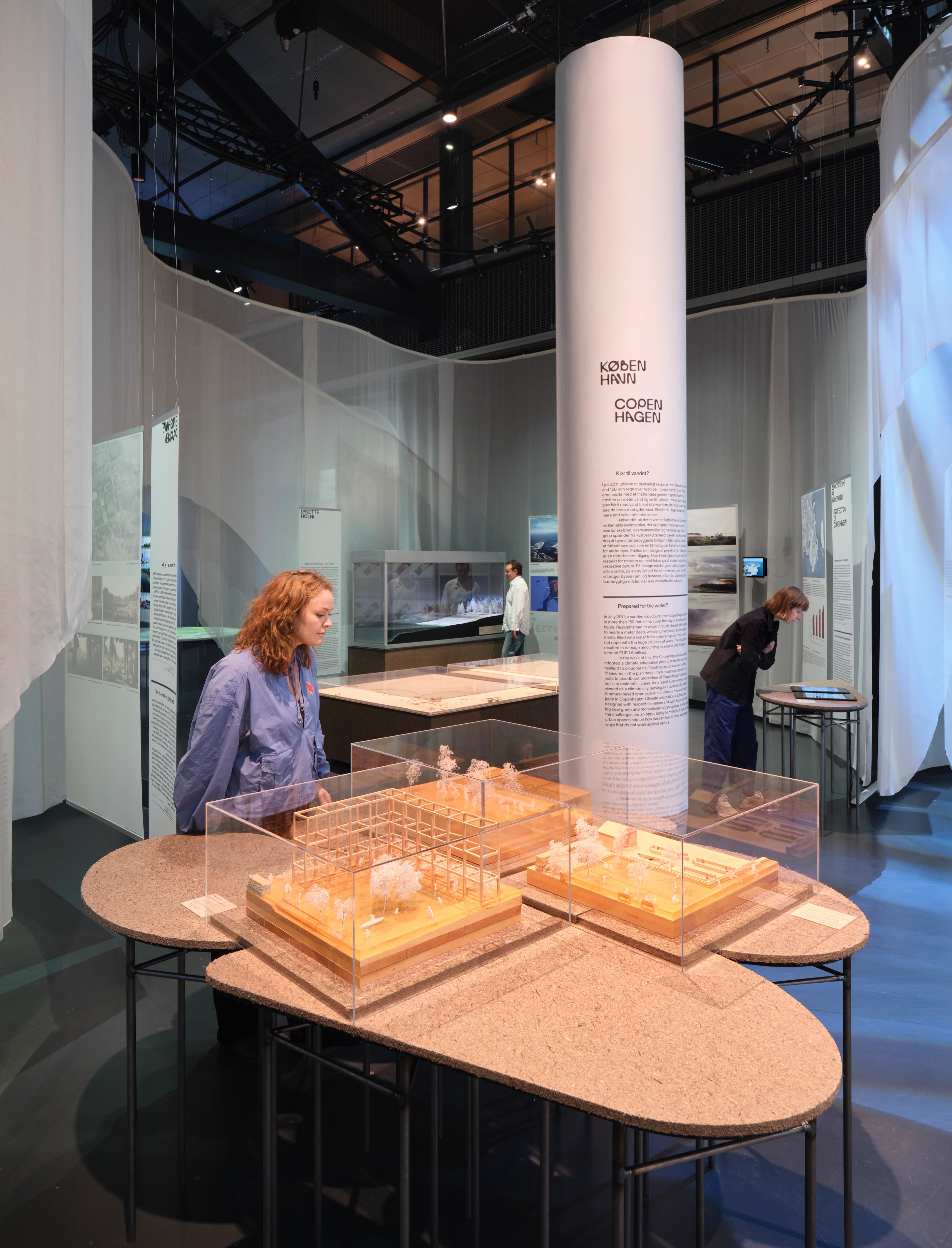
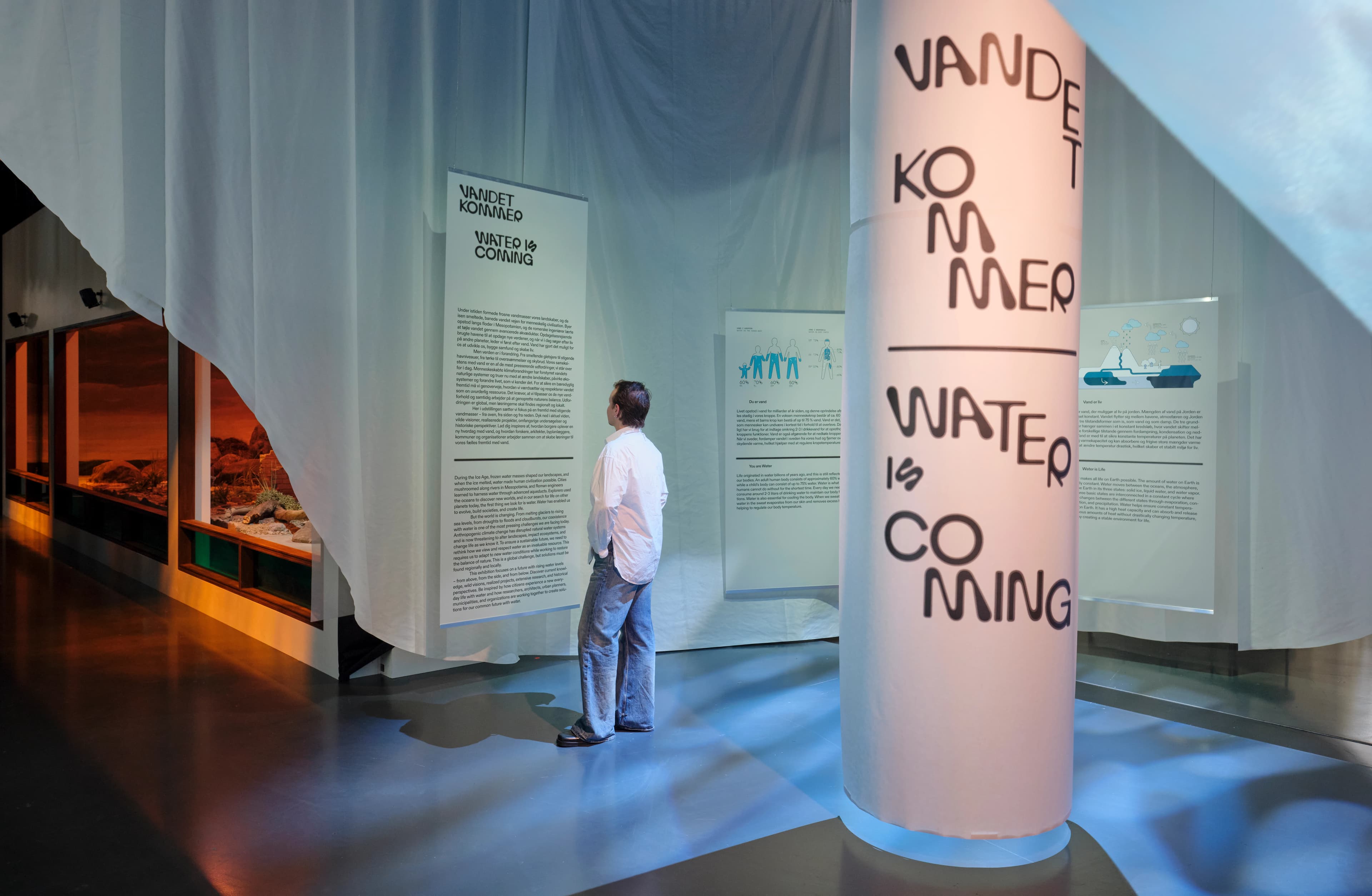
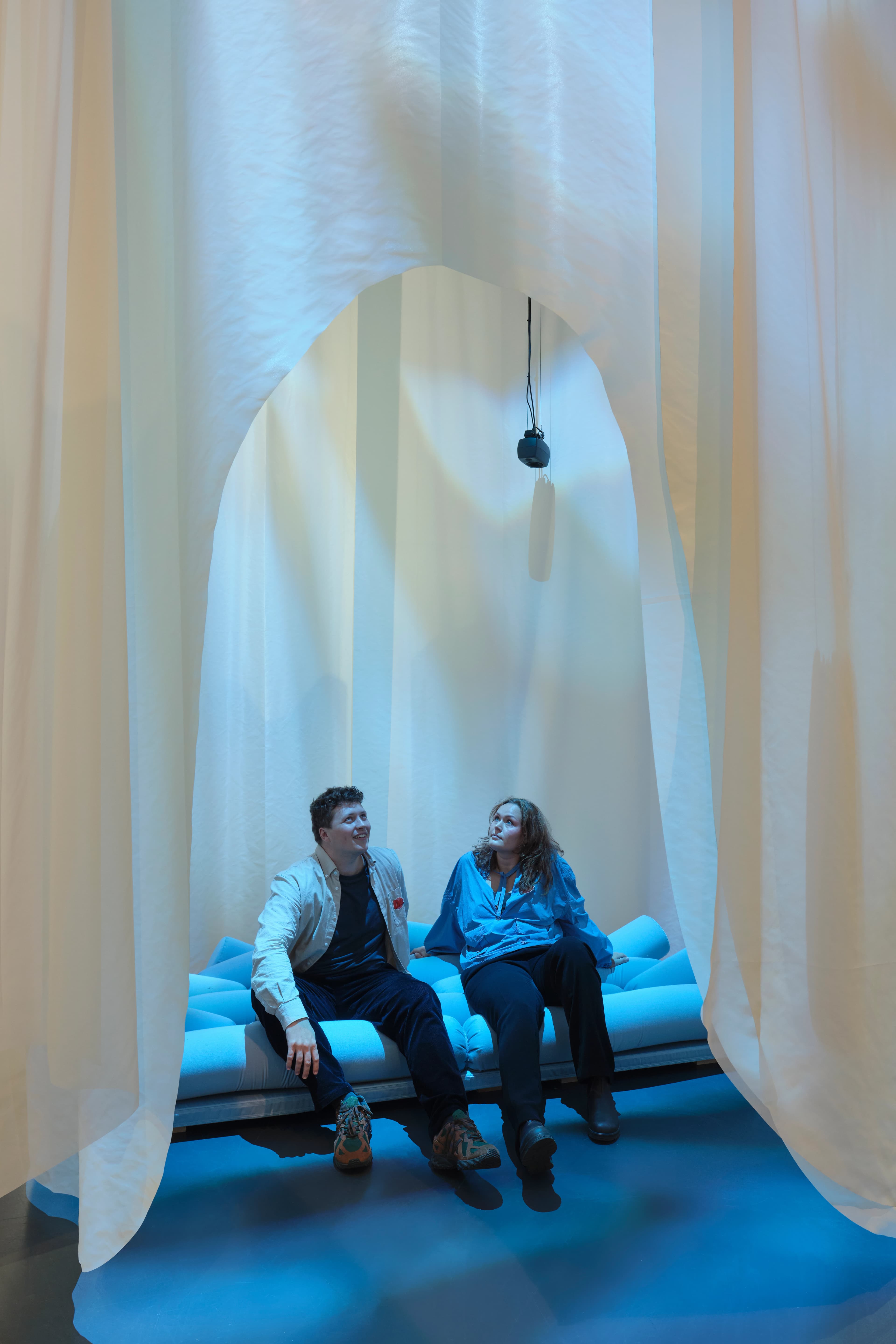
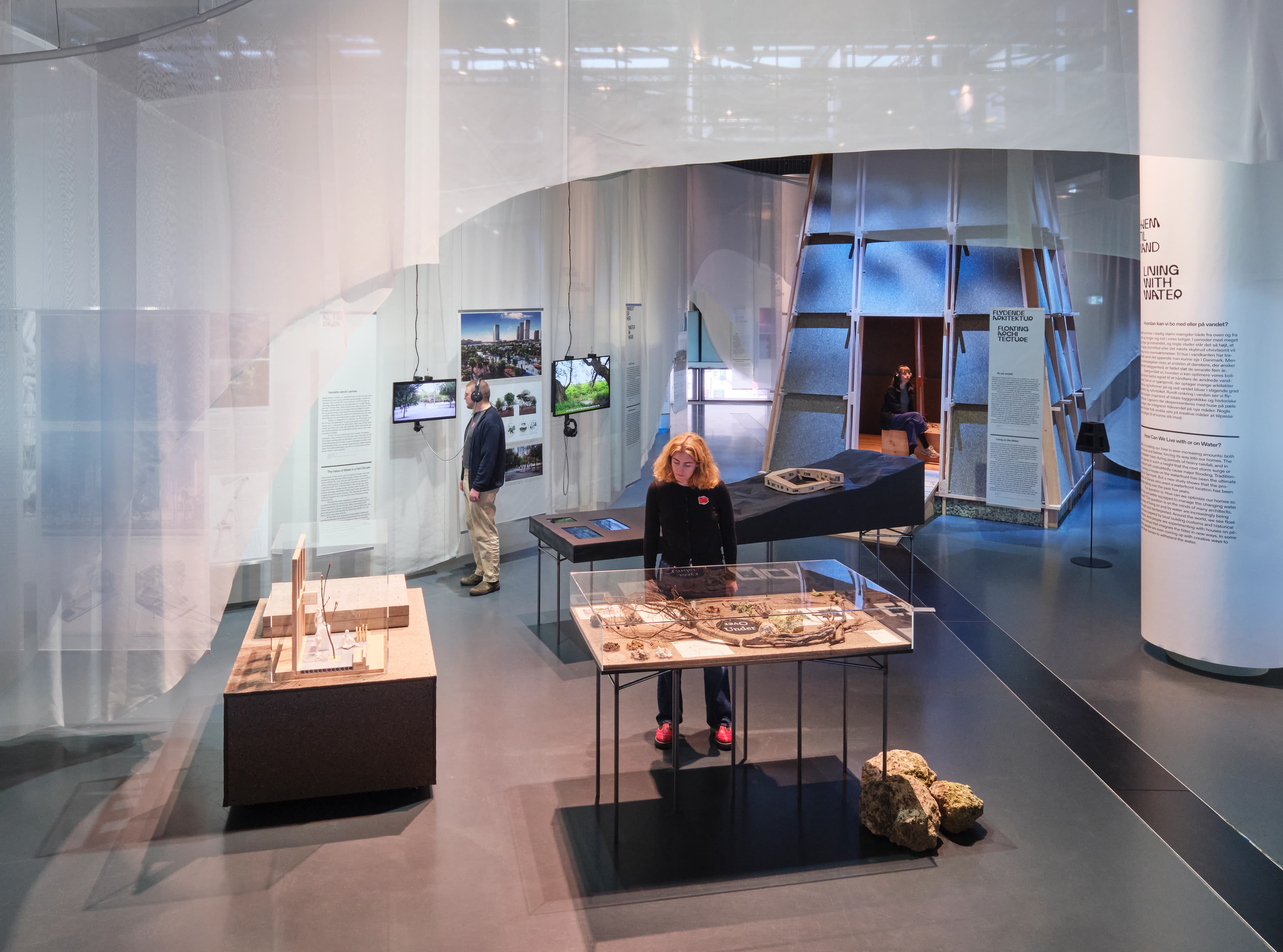
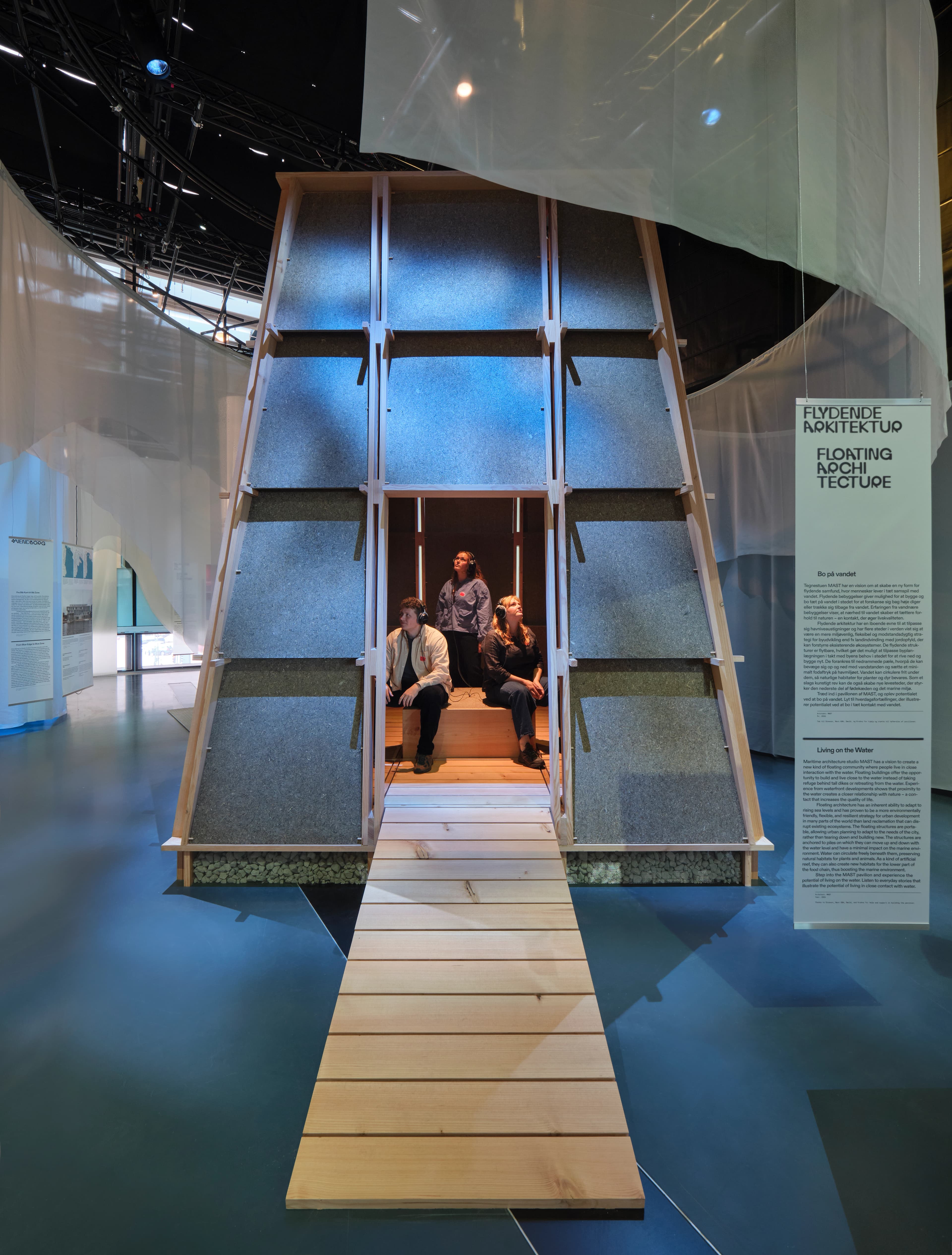
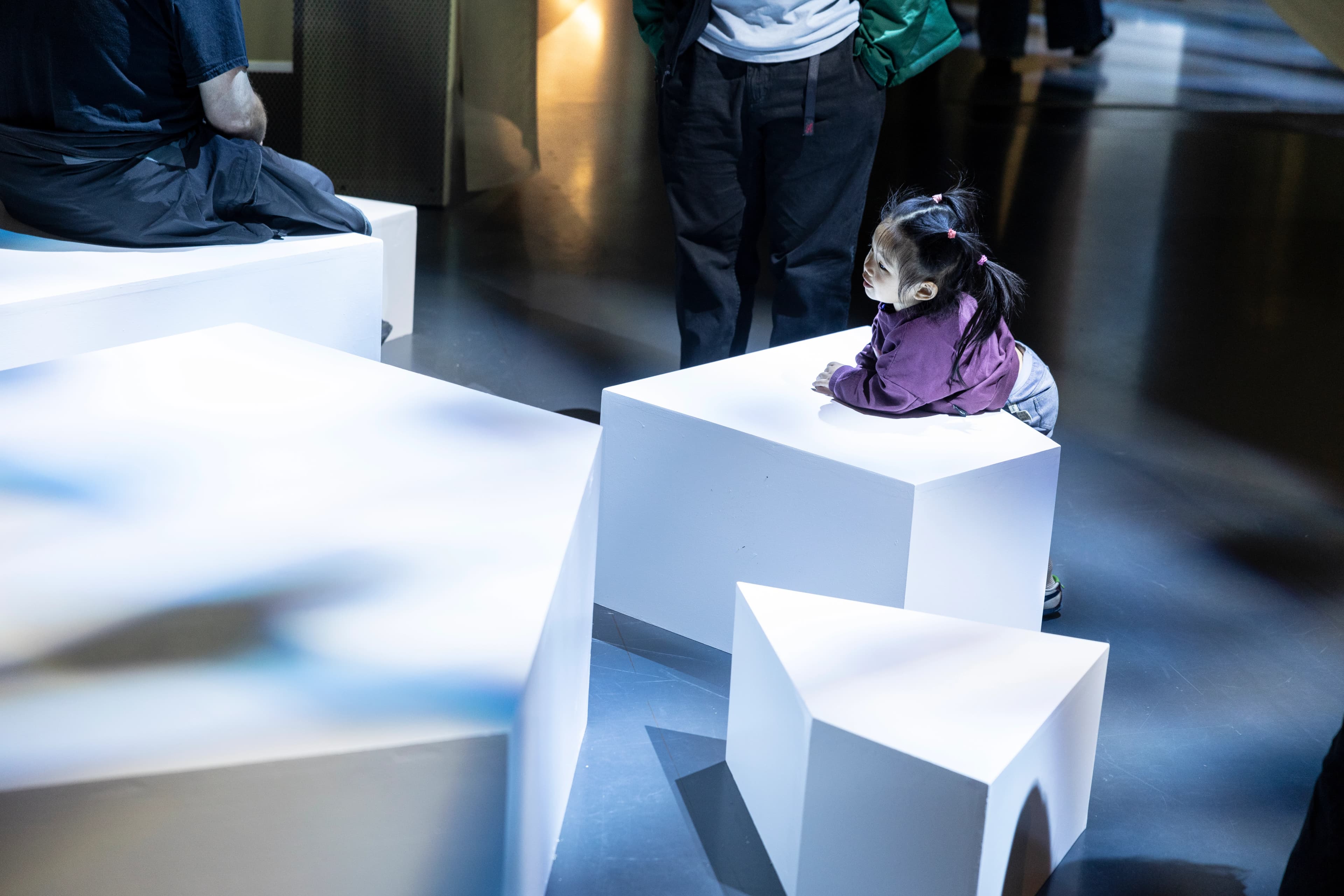
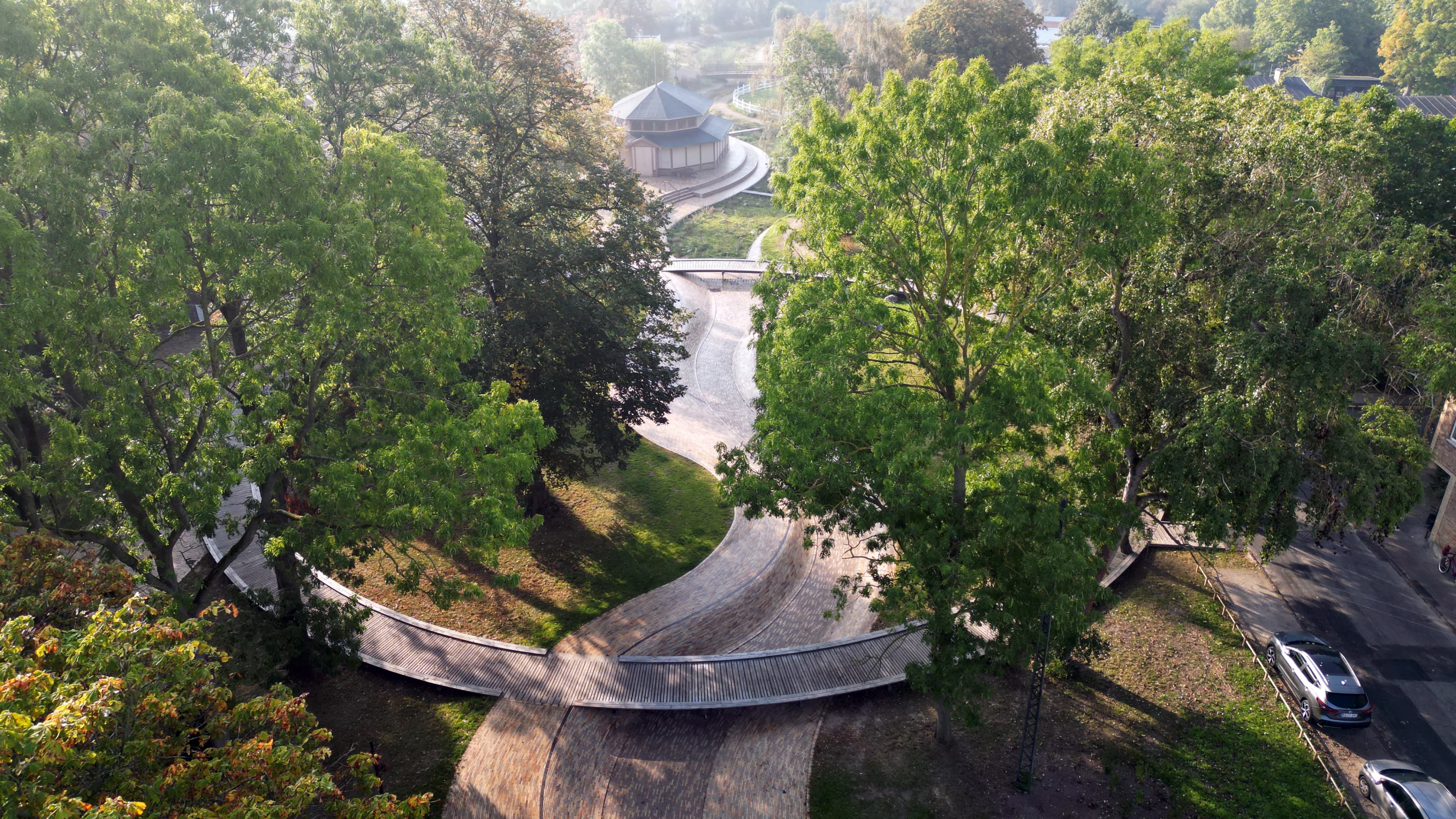
Photo: Thomas Hjort Vesterbæk, Schønherr Cloudburst Park with a Grassroot Soul
Karens Minde Aksen is located in the Sydhavn district of Copenhagen. A brick path meanders like a river through a green landscape. On dry days, you can walk on the path and enjoy nature, and when the rain falls heavily, the area serves as flood protection for residents around the park.
Read more about Karens Minde Aksen
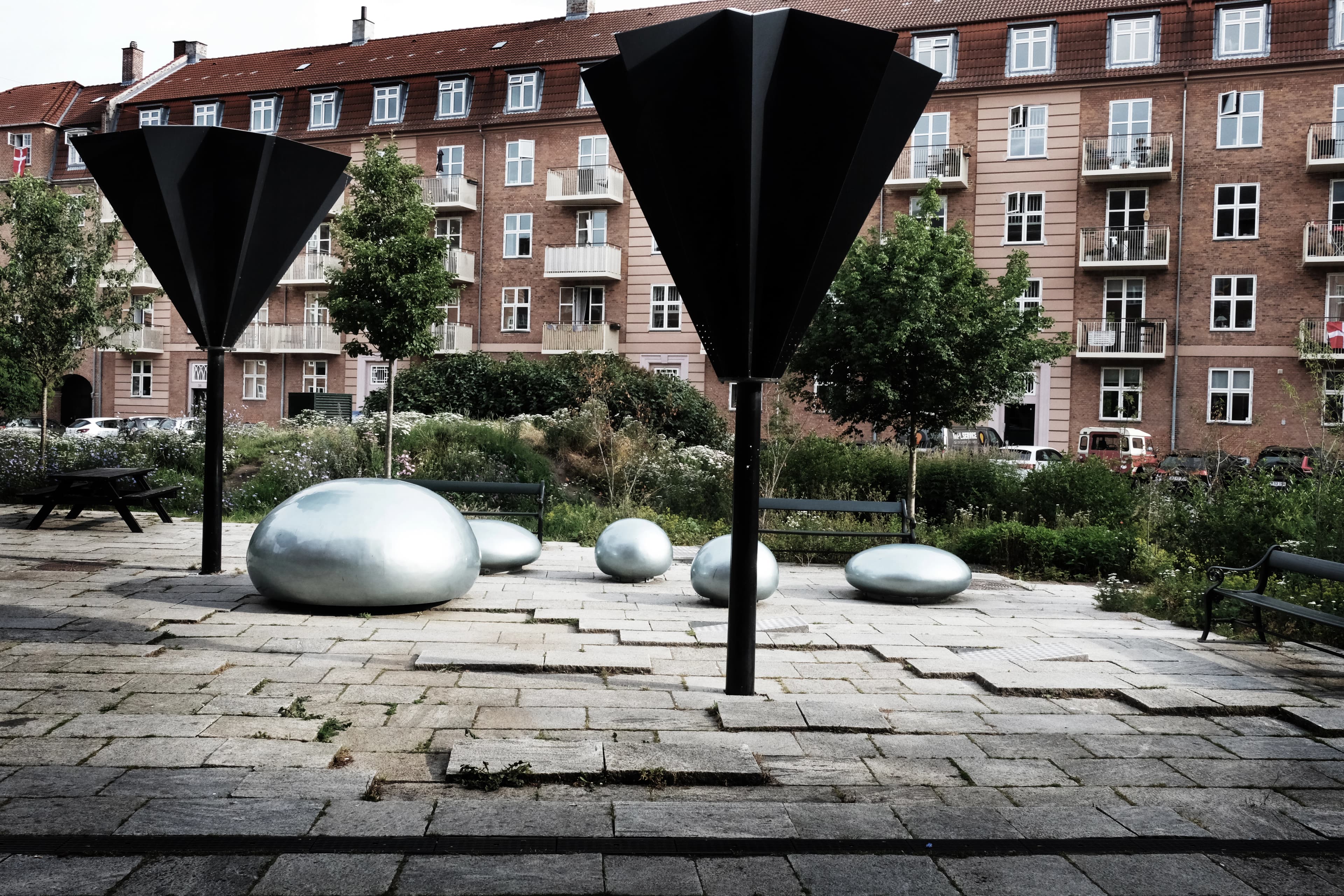
Photo: LYTT Architecture A pioneering project in Denmark’s first climate neighborhood
Copenhagen’s first climate-adapted urban space Tåsinge Plads is a green oasis capable of managing large volumes of rainwater while also serving as a new meeting place for the neighborhood’s residents. The 1000-square-meter urban wilderness can delay flooding and provide drainage of rainwater from a surrounding area of approximately 8,000 square meters.
Read more about Tåsinge Plads
Urban adaptation
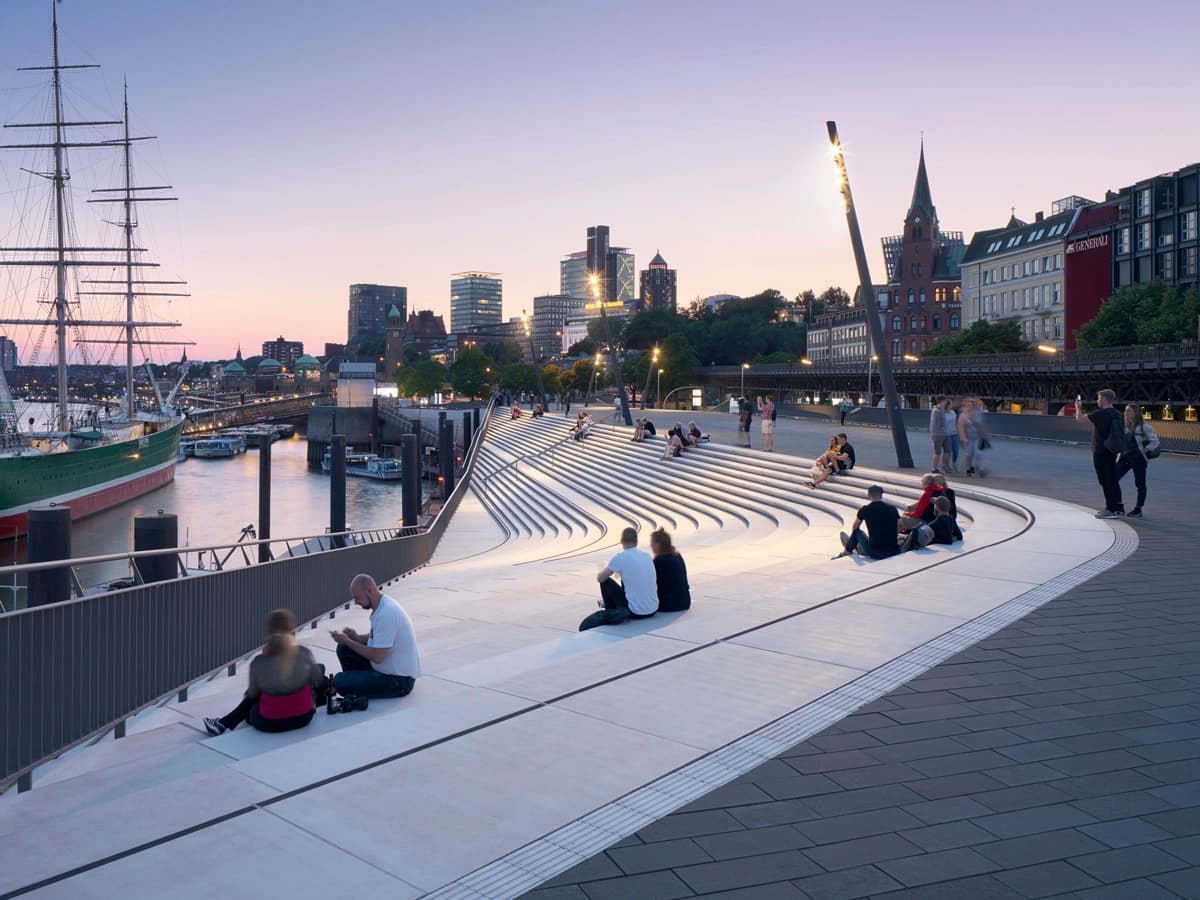
A Protective Gathering Place
Hamburg’s harbor promenade was raised to 7 meters above sea level after the 1962 storm surge to protect against flooding. The new promenade, designed by Zaha Hadid Architects and completed in 2019, was elevated by an additional meter. It combines safety with recreational spaces, cafés, and panoramic views, demonstrating how urban planning can create attractive and secure public areas.
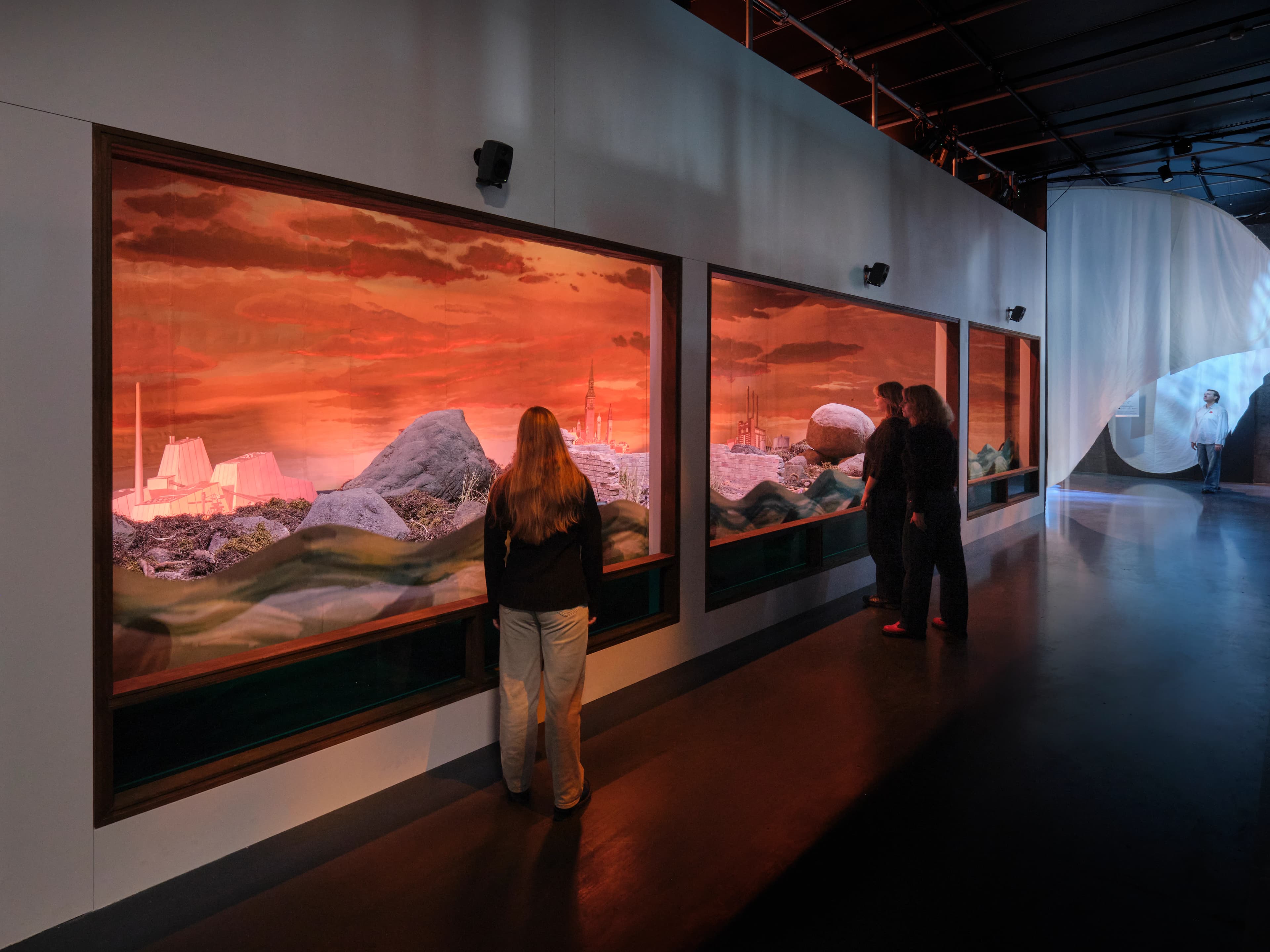
Photo: Anders Sune Berg In the exhibition, you can experience elements from the Danish exhibition Coastal Imaginaries at the 2023 Architecture Biennale. The installation Mermaid Bay by Christian Friedländer showcases a dramatic diorama of a future coastal landscape, partially submerged by the sea. Through light and sound, it depicts the fragility of the coastal landscape and the realities of climate change, providing us with a deeper understanding of nature-based design in wetlands.
Exhibitions Today
See Our Current Exhibitions
What was the Water Is Coming exhibition?
Water Is Coming was an exhibition exploring the relationship between water, people and nature in a rapidly changing world, focused on how we can adapt to water rather than fight it.
When did the exhibition take place?
The exhibition ran from 7 Oct 2024 to 16 Mar 2025.
Which water-related challenges did the exhibition describe?
Melting poles, rising groundwater, cloudbursts and rising sea levels, requiring major changes to how cities are designed and organised.
What could visitors explore in the exhibition?
The exhibition invited visitors into current knowledge, bold visions, realised projects, extensive studies and historical perspectives on a future with more water.
Which places and projects were mentioned as climate-adaptation examples?
The exhibition mentioned Karens Minde Aksen in Copenhagen’s South Harbour and Tåsinge Plads as climate-adapted public spaces, and a raised harbour promenade in Hamburg combining protection with public life.
What should I know if I only read one thing?
Water Is Coming (7 Oct 2024–16 Mar 2025) was about living with more water, combining knowledge with practical solutions and featuring elements from Coastal Imaginaries 2023 such as Mermaid Bay.
This exhibition is developed by Danish Architecture Center
The exhibition included elements from the Danish pavilion at the 2023 Venice Architecture Biennale, which was curated by Josephine Michau and supported by Realdania, the Ministry of Culture, and the Architecture Committee of the Danish Arts Foundation.
Supported by
Thanks to
- Anna Aslaug Lund
- APLO
- Arkitema
- BIG
- BIOSIS
- By & Havn
Camilla Suleima
Christian Friedländer
- COWI
- Det Kongelige Akademi
Helena Hampe
Iben Høj
Iben Møller
Jesper Kongshaug
Josephine Michau
Katrina Wiberg
- Klunder Architecten
Lawrence Ebelle
Linnea Christophersen
- Lundgaard & Tranberg Arkitekter
- EFFEKT
- Fokdal Springvand
- Krøyer-Sætter-Lassen
- LYTT Architecture
- Maria Sparre-Petersen
- MAST
- Navigating 360
- OKRA
Peter Peter
- Schønherr
- SLA
- Stijlgroep
- Sund & Bælt
- SUPERFLEX
- Svendborg Kommune
- Søuld
- TREDJE NATUR
- Vigsø A/S
- Vikingeskibsmuseet
- Waterstudio
- Zaha Hadid Architects
- Sparekassen Sjælland-Fyn
- Politiken
- De studerende ved Det Kongelige Akademis afdeling Visual Game and Media Design