Danish Architecture Wouldn’t Be the Same Without Them: 5 Danish Women Architects to Know
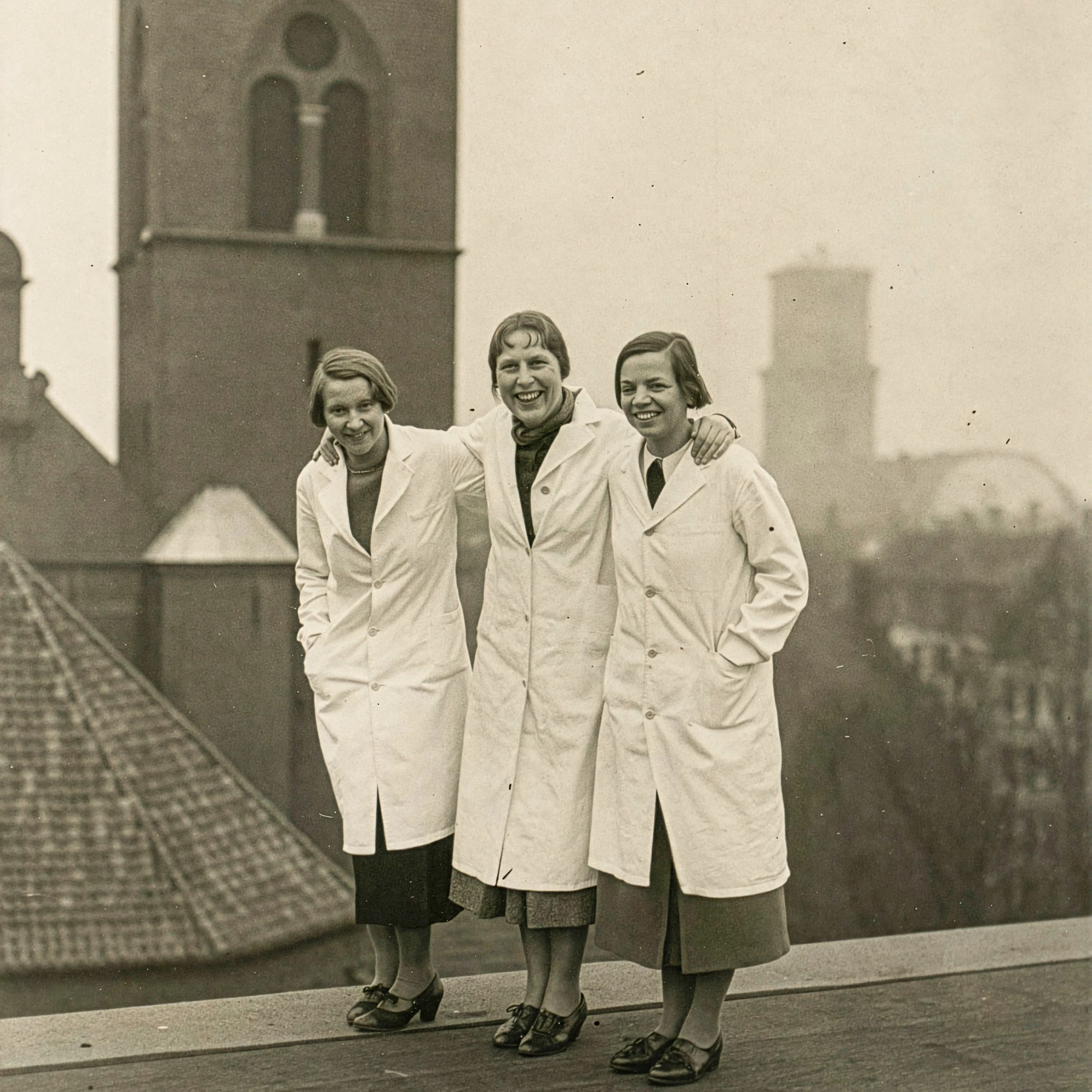
You’ve probably heard of architects Arne Jacobsen and Jørn Utzon. But what about Ragna Grubb and Anne Marie Rubin? The latter two likely don’t ring quite as many bells – but they should, because together with their peers Ulla Tafdrup, Agnete Muusfeldt, and Bodil Kjær, their ideas and designs have undoubtedly helped shape the life you’re living today.
By Anna Skovby Hansen
When, on a summer day, you tuck a towel under your arm and casually stretch out on the beach without being told you’re trespassing on private property. Or when, on a Friday night, you invite friends over for dinner – and can take part in the conversation around the table while plating blinis and cooking pork tenderloin. Those are two moments when you’re experiencing the echo of architects history hasn’t been especially good at remembering.
They may not have designed the grand, monumental works that tend to dominate architectural history. Instead, they drew and developed many of the broader frameworks and strategies that have helped shape the Denmark we know today.
»Architectural history is often written as heroic narratives about the great individual genius. That story fits well with the bold figures of modernism, such as Arne Jacobsen and Ludwig Mies van der Rohe – types who easily slot into the myth of the lone visionary. But the built environment is created by far more than flashes of brilliance and solo performances,« says Henriette Steiner, professor of landscape architecture and planning at the University of Copenhagen.
Here, the researchers behind the project Women in Danish Architecture – A History of Gender and Practice, Henriette Steiner and Svava Riesto, highlight five women who are indispensable to a more nuanced understanding of Danish architectural history.
Gave Women a Visible Place in the Public Sphere
Ragna Grubb (1903–1961)
»The notion that women in architecture were soft, feminine, and reserved simply doesn’t reflect reality at all. Ragna Grubb shows that women in architecture can take many different forms,« says Svava Riesto, professor of Landscape Architecture and Planning at the University of Copenhagen.
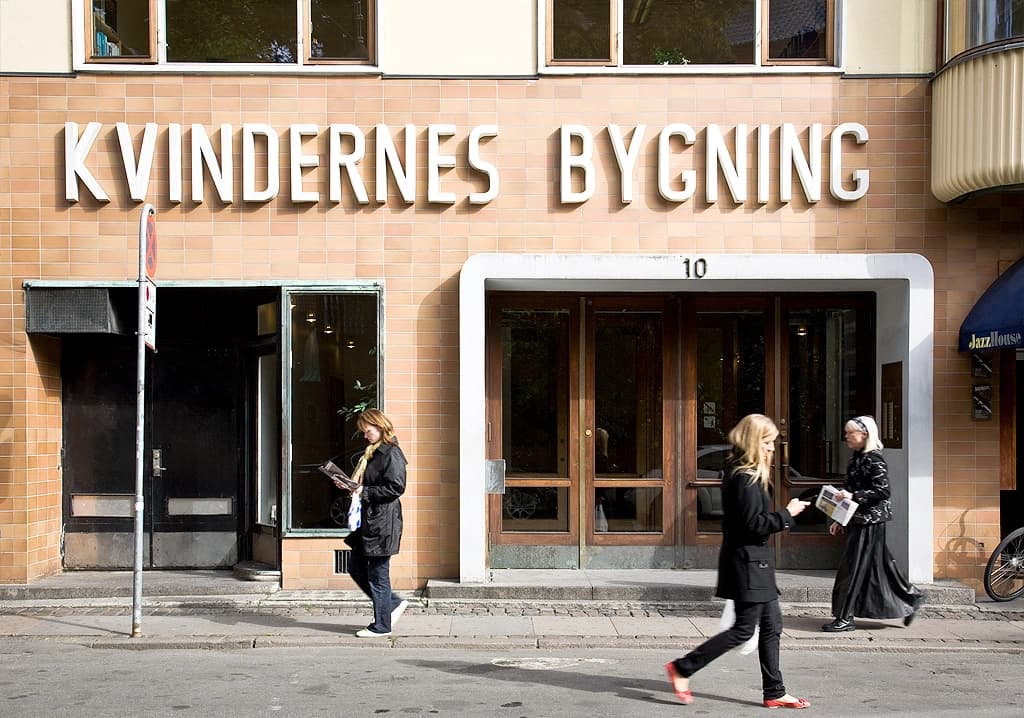
Ragna Grubb’s career began at the Technical School, and in 1923 she enrolled at the Royal Danish Academy’s School of Architecture. She graduated in 1933, and opportunities quickly followed – the very next year, she won her first architectural competition. In doing so, she became the first woman to win an architecture competition, and what better way to mark that achievement than by being commissioned to design the Women’s Building in Copenhagen?
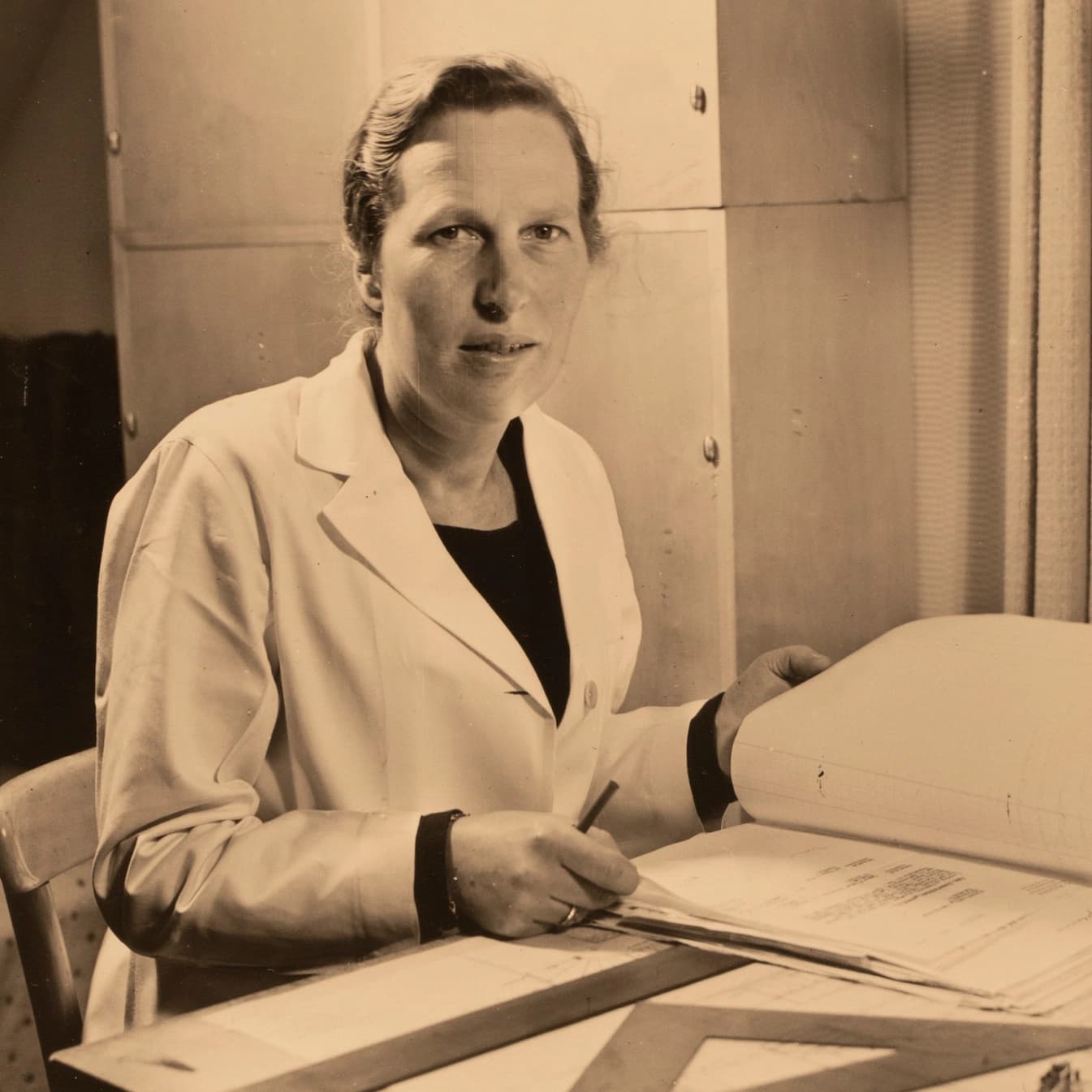
The building was intended to bring various women’s organizations together under one roof and serve as a shared gathering place. If you walk down Niels Hemmingsens Gade in central Copenhagen today, the name still stands out clearly on the building’s facade – almost like a monumental statement that women, too, have a rightful place in the public sphere.
Ragna Grubb insisted that the building be equipped with the best technological solutions available. Among other things, it featured a heating system imported from Germany – somewhat controversial in 1936, when the building was inaugurated. But for Ragna Grubb, technological quality was nonnegotiable; it wasn’t about politics, but about securing the best possible solutions. She had been especially interested in technical matters since childhood, something that was also reflected in her architecture.
»Ragna Grubb was incredibly technically oriented. The building incorporated a number of new installations and was among the first in Denmark to feature exposed reinforced concrete in its facade,« says Svava Riesto.
With the Women’s Building, she not only created a physical space for organization and community. She also demonstrated that technological innovation and architectural ambition have no gender.
The Kitchen Architect Who Wanted to Give Women Greater Freedom
Ulla Tafdrup (1907–1996)
It is almost impossible to say “kitchen” without also saying Ulla Tafdrup. She called herself a “kitchen architect,” though she was not formally trained as an architect. That did nothing to hinder her remarkable career. In fact, she secretly attended lectures at the Royal Danish Academy’s School of Architecture because she was so eager to learn. To her, the kitchen was not merely a room but a workplace – one that, like everything else in society, could be optimized based on how much time Danish housewives and working-class women could save with a well-designed layout.
»Ulla Tafdrup traveled around the world studying kitchens, especially in the United States, which at the time was a leader in modern kitchen design. She brought those insights back to Denmark, where, as a kitchen consultant for the nonprofit housing association Almennyttigt Boligselskab, she came to shape thousands of homes in the 1940s and 1950s, as many new public housing developments installed her kitchen designs. In doing so, she helped make everyday life easier for thousands of Danes,« explains Svava Riesto.
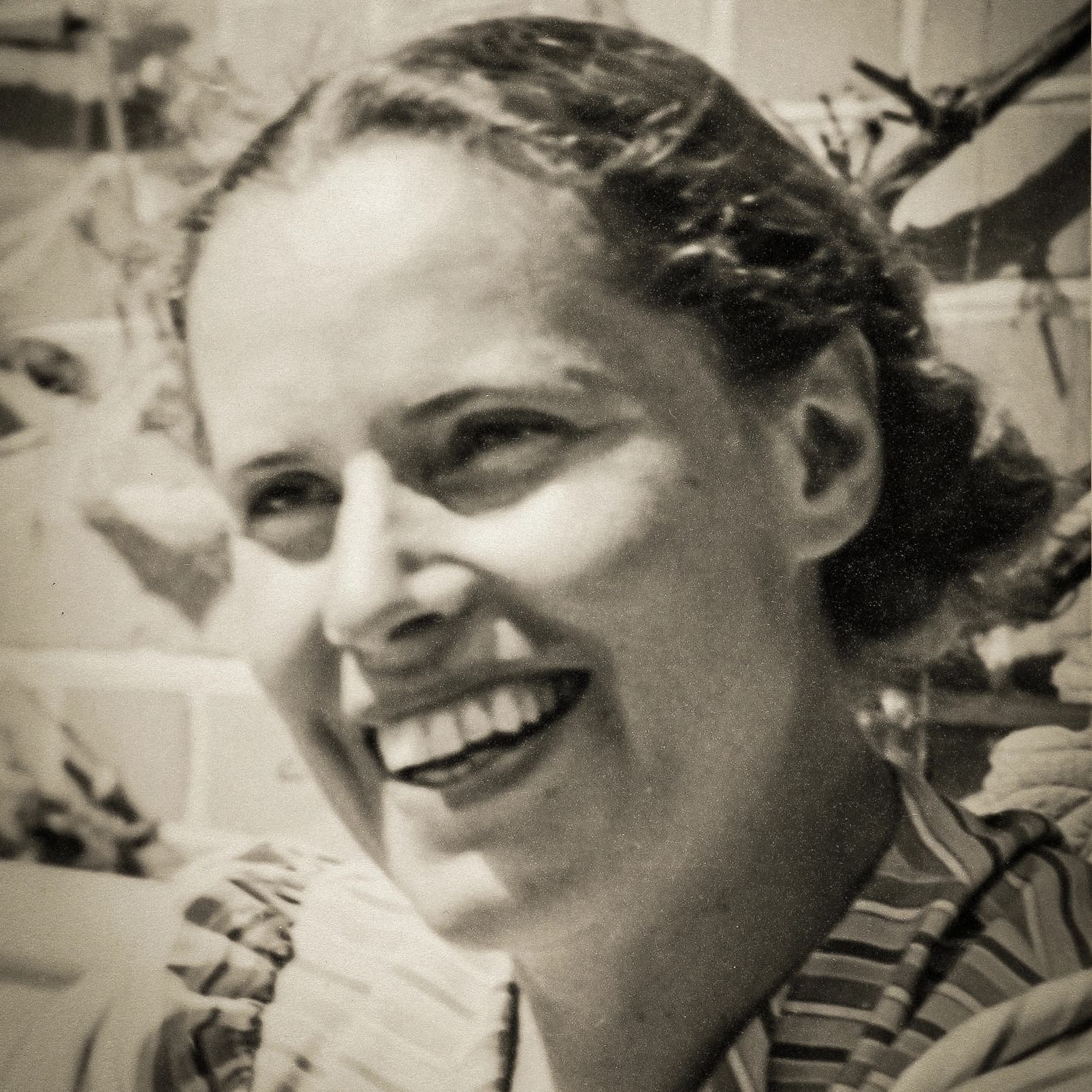
Ironically, she was not much of a fan of household chores herself. In an interview with Jyllands-Posten in 1983, she said she was »completely hopeless at housework« and that this was precisely why she invented smarter ways to design kitchens, so cooking and dishwashing could be done as quickly as possible. The goal was clear: women should not spend unnecessary hours at the kitchen counter but have the opportunity to engage in activities outside the home and pursue paid work.
Ulla Tafdrup helped shape kitchens in developments including Kollektivhuset at Høje Søborg, Søndergård Park, and Carlsro. She developed a layout based on three work zones: the cold circle for preparation, the hot circle for cooking, and a dishwashing circle. Efficiency was not an end in itself – it was a tool for liberation.
She was also among the first in Denmark to open the kitchen to the living room to create greater cohesion in the home, so that one was not isolated in the kitchen but could participate in social life in the living room at the same time. What we now know as the kitchen–living space or conversation kitchen – which has become almost a given when Danes design their homes – has its roots in Ulla Tafdrup’s ideas about what the heart of the home should look like.
Protected the Coasts for the Common Good
Anne Marie Rubin (1919–1993)
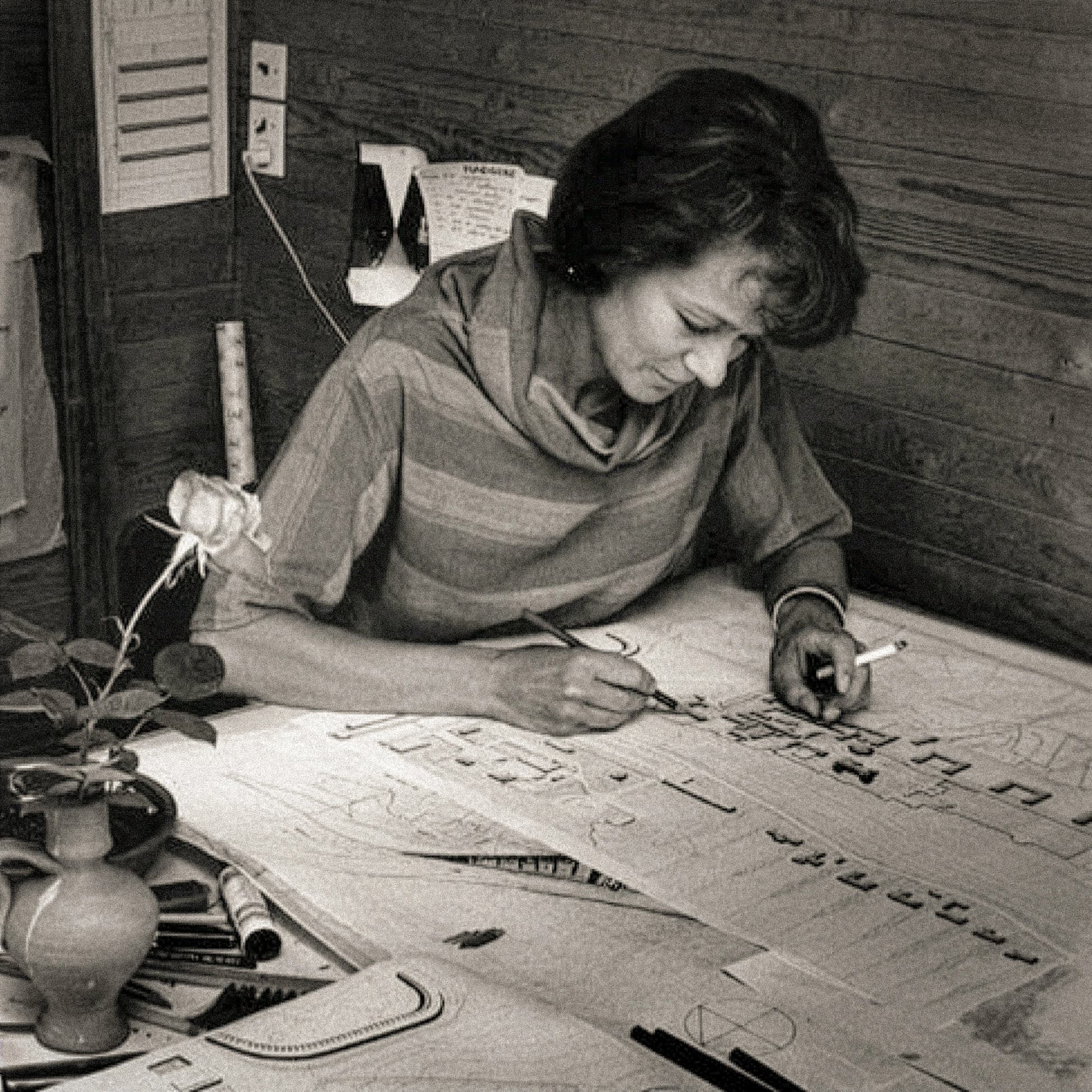
»She became one of the first professors in planning and left a significant mark on Denmark through her work on coastal zone protection legislation. When she saw in the 1960s how summer house construction was exploding, she worked deliberately to ensure that the coasts would belong to everyone – not just the wealthiest,« says Henriette Steiner.
Denmark’s summer house culture took off in the 1960s and 1970s, as a wave of new summer homeowners swept across the country. Many Danes saw an opportunity to own a cottage along the idyllic coastline. Anne Marie Rubin became a prominent voice in the debate and a leading figure in the fight to preserve the coasts as public spaces with unspoiled nature.
The fact that we can now head to the beach without a second thought – picnic basket and beach towel in hand, children playing freely at the water’s edge – is not a given. It is, in part, the result of the work Anne Marie Rubin fought for. On Lolland in particular, she developed a coastal plan to ensure the shoreline remained a shared resource rather than belonging only to those who were first to build a summer house.
In the late 1940s, there were around 10,000 summer houses in Denmark. By 1966, the number had risen to 100,000, and by 1974 it had reached 150,000.
In the local daily paper Folkebladet in 1969, she warned against the development:
»The panic-driven expansion of summer house areas along our coasts has had unfortunate – in some cases catastrophic – consequences.«
Anne Marie Rubin began her career as a bricklayer’s apprentice before being admitted to the Royal Danish Academy’s School of Architecture in 1940. During World War II, she was forced to flee to Sweden, an experience that would later prove highly significant for her career. There, she gained in-depth experience in urban planning, which she subsequently brought back to Denmark.
She worked for several years at the Ministry of Housing before establishing her own architectural practice in 1954, where she became a central figure in the development of urban plans for numerous Danish municipalities.
Specifically, she was responsible for a development plan covering more than 50 kilometer of coastline on Lolland, creating a balance between summer houses, infrastructure, green spaces, and coastal landscapes.
»She insisted that we should not consume the common good that open landscapes represent, but take care of it,« says Svava Riesto.
Dive Deeper into the Stories of Women in Danish Architectural History
Podcast: The Forgotten Architects
A six-episode Danish language podcast series i highlighting women in Danish architecture from 1925–1975.
Guidebook: ByWomen
A guide to everyday architecture in Copenhagen and its surrounding areas. Discover 50 well-known and lesser-known works and everyday environments – all designed by women.
Book: Untold Stories – On Women, Gender, and Architecture in Denmark
This book brings untold stories of women’s contributions to architecture into the spotlight. It sheds light on the women who helped shape the buildings, cities, and landscapes of the modern welfare state, yet are rarely mentioned in the many narratives about the period.
The Nature Enthusiast Who Wanted to Strengthen Danes’ Connection to Nature
Agnete Muusfeldt (1918–1991)
»Agnete Muusfeldt helps us understand a time when urban growth was happening faster than ever before. Urban development in the 1960s was characterized by single-family homes, large-scale housing developments with apartments, industry, and institutions – but everything was tied together by expansive landscape spaces. Path systems where people could bike and large shared green areas were conceived as an integrated part of the city,« says Svava Riesto.
Agnete Muusfeldt graduated with a degree in horticulture from the Royal Veterinary and Agricultural University in Copenhagen in 1946. Prior to that, she had completed a four-year apprenticeship as a gardener. Together with her husband, Erik Mygind, she designed outdoor spaces for new public housing developments in places including Rødovre, Hvidovre, and Herlev, until she established her own practice in 1961.
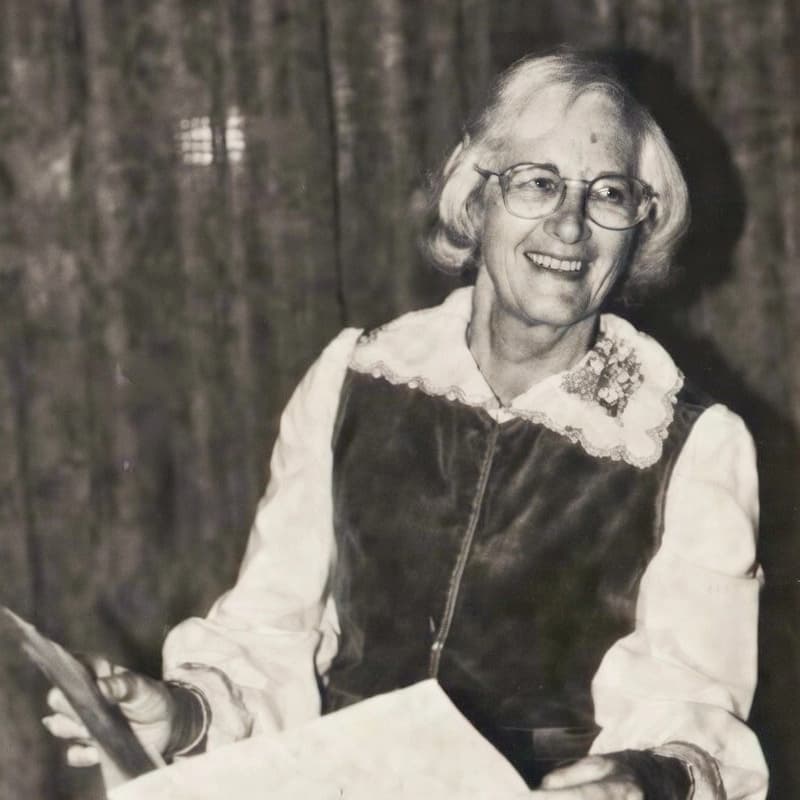
»Many people know that Arne Jacobsen’s studio drew up the plans for Rødovre City Hall, but Muusfeldt was central to creating the park that frames the entire town center of Rødovre,« says Svava Riesto.
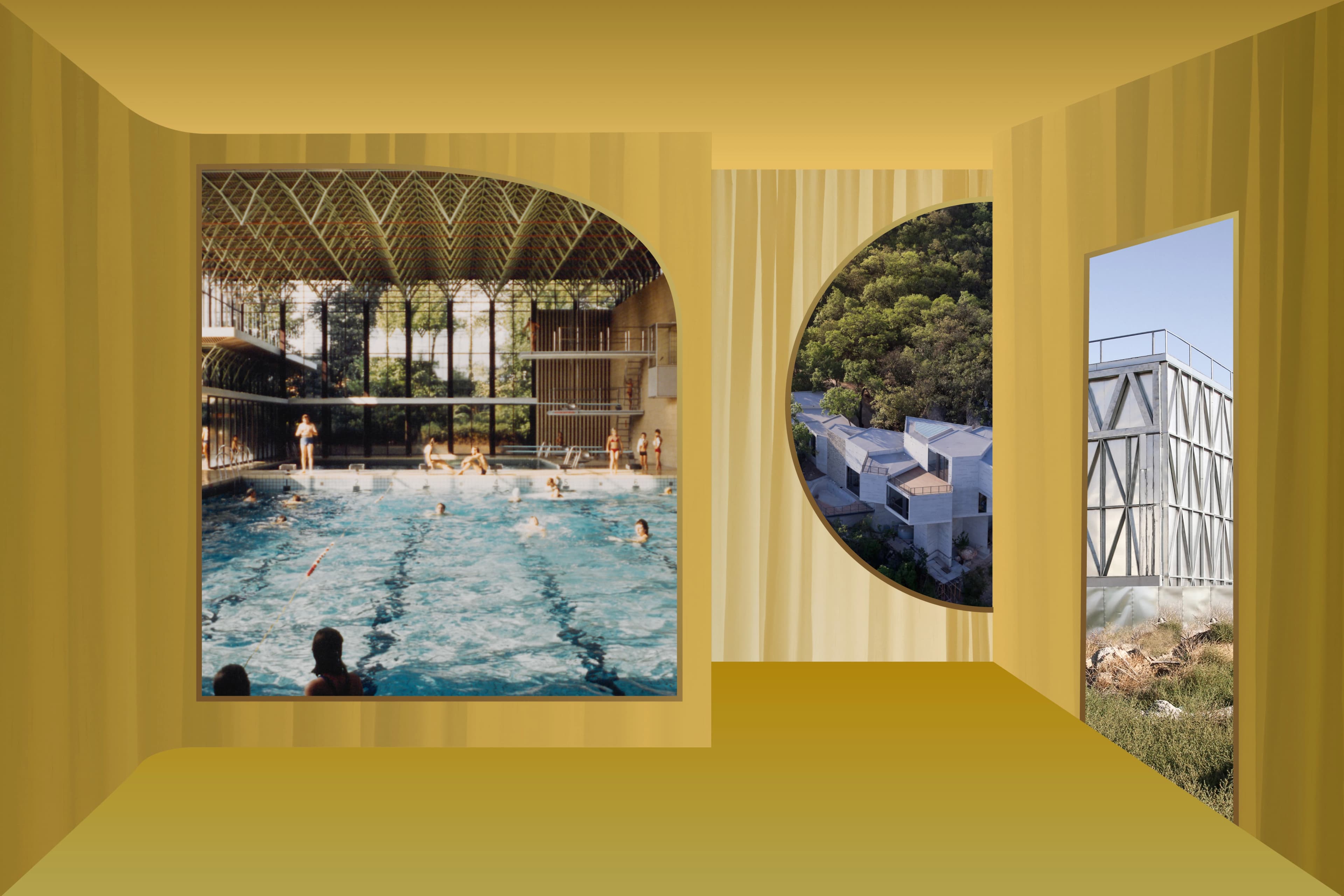
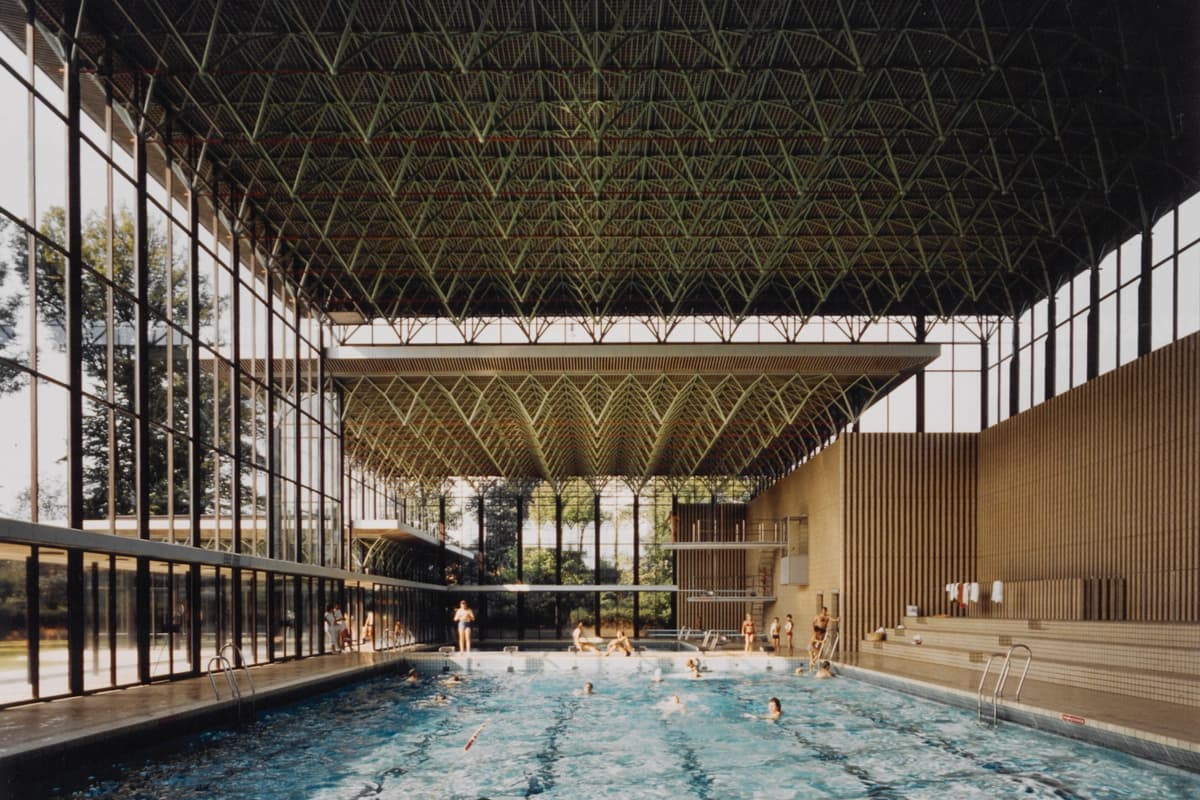
Another defining project is Kildeskovshallen – a complex featuring a swimming and sports hall as well as a public park, built between 1966 and 1972 in the municipality of Gentofte. Here, Agnete Muusfeldt worked closely with another prominent female architect, Karen Clemmensen, and her husband, Ebbe Clemmensen. The Clemmensens were responsible for the buildings, while Muusfeldt designed the surrounding landscape.
The complex is often described by architects and architectural historians as a unique and iconic whole. In 2019, the building and its surrounding landscape were granted protected status together.
The project is a clear example of how different disciplines collaborated to create a unified architectural expression, where interior, building, and landscape interact seamlessly. No matter how you approach Kildeskovshallen, you sense how crucial the landscape is to the experience of the architecture – even from inside, where nature almost seems to press in through the large windows as you swim.
»She was deeply concerned with the interaction between people and plants and designed many places with the ambition of cultivating people to be in contact with other living organisms,« says Svava Riesto.
»The story goes that Agnete Muusfeldt and her husband often opened their own garden to the neighborhood children. While the neighbors kept their lawns neatly trimmed and free of play, she was convinced that children should play among trees and plants in order to develop a close relationship with nature. In many ways, the garden became a sanctuary – when she had time to tend to it, that is, as projects were lining up for the sought-after landscape architect,« says Henriette Steiner.
The International Star Who Designed for a Better Work Environment
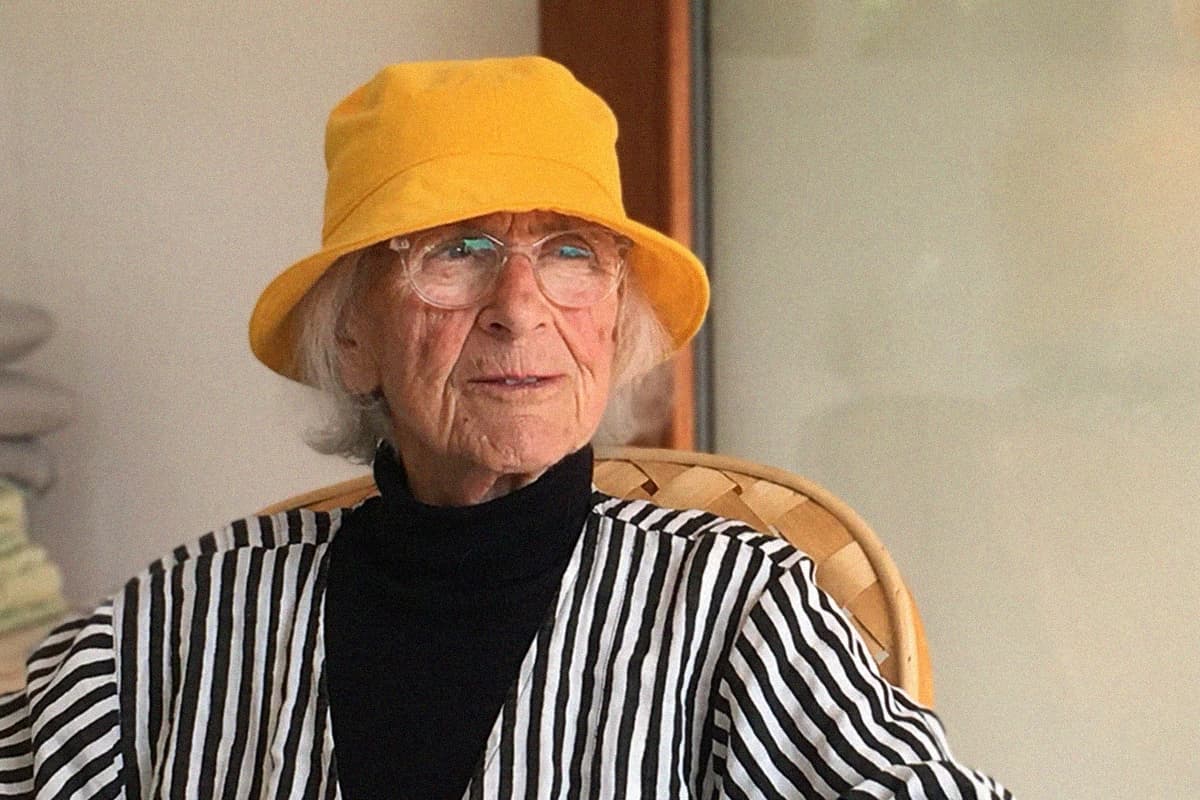
Bodil Kjær (b. 1932)
»I believe that if you are truly interested in people, you will want to create things that serve people.«
This is how Bodil Kjær described the core of her work. For her, architecture and design were never merely about form, but about people – how we work, collaborate, and thrive in the spaces we inhabit every day.
»She has been behind many projects abroad, including the interior design of Alfa Romeo’s factory in Italy. She specialized in what creates a good workplace and how to enable people to work well together – always in close collaboration with those who would actually use her architecture,« says Svava Riesto.
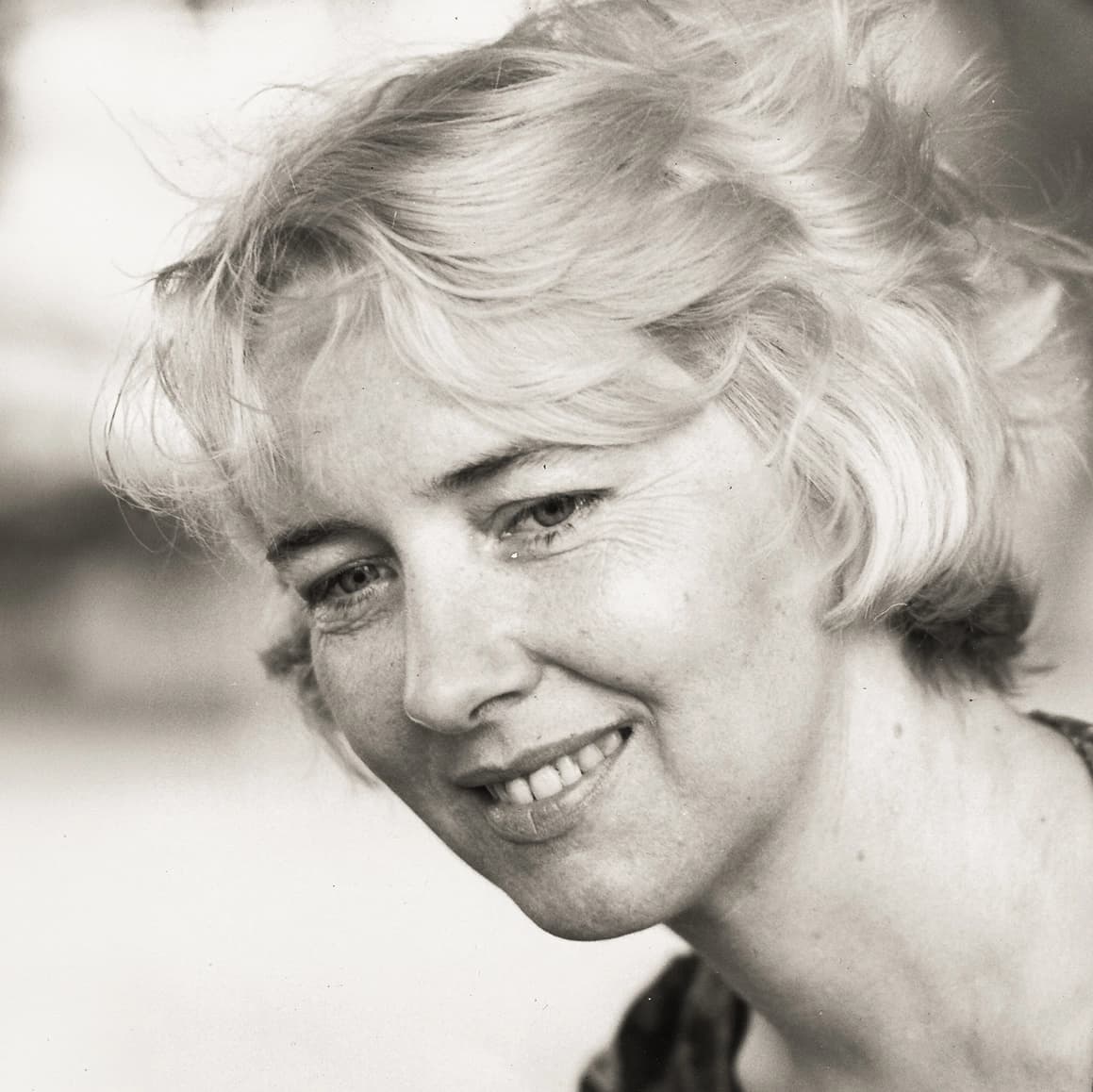
After graduating from Frederiksberg Technical School and the School of Interior Design in Copenhagen, she moved to London in 1965, where she studied at the Royal College of Art and the Architectural Association School of Architecture. She later joined the engineering and architectural firm Arup, where she worked on developing both the social and physical frameworks for modern workplaces.
Her work spans furniture design, urban planning, building architecture, teaching, and architectural writing, and she was also an active voice in public debate. Throughout her career, her work revolved around one central question: What does it take to create a good work environment?
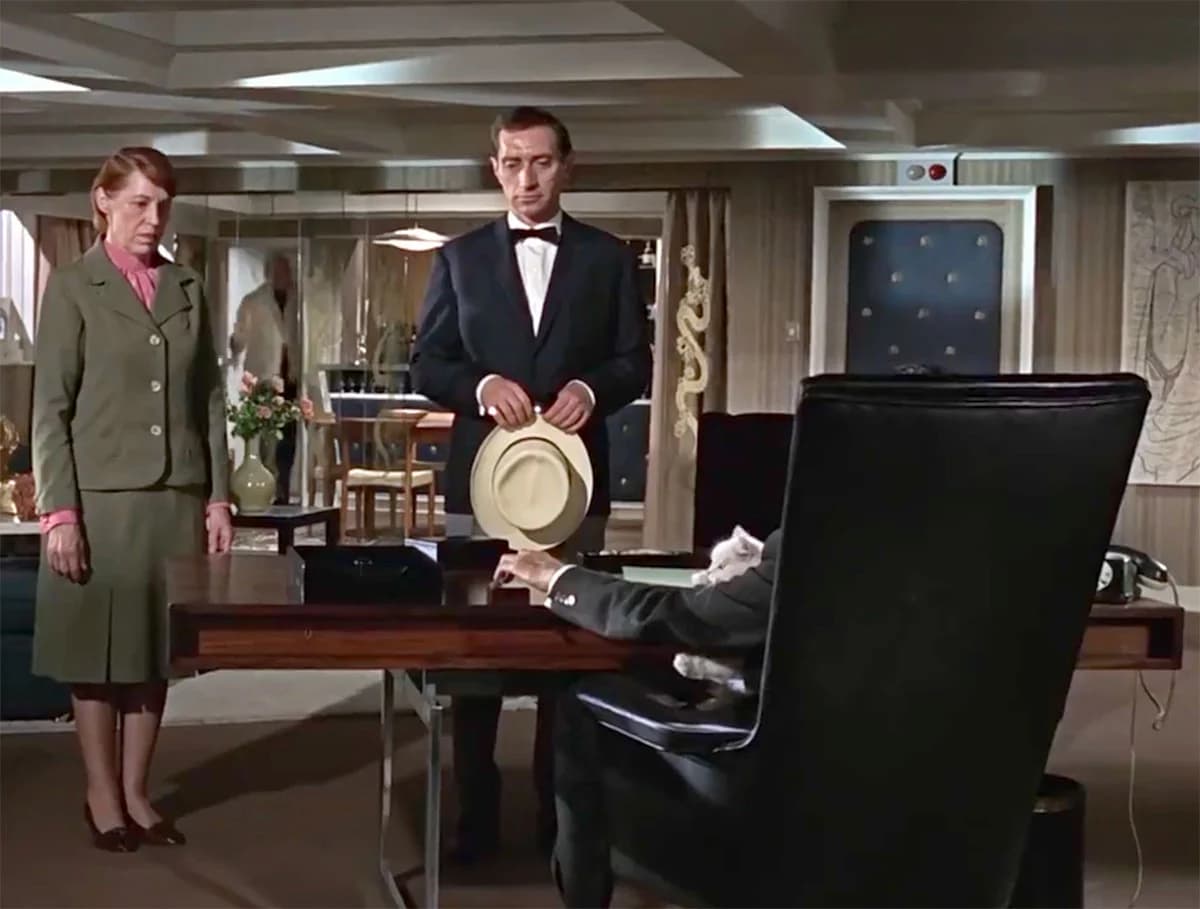
That question materialized clearly in the Office Desk from 1959, which many have called the most beautiful desk in the world. The desk has since appeared in three James Bond films, but it was never intended as a design icon. It was developed based on studies of people’s work patterns in office environments and was meant to support efficient and flexible workflows. Made of oak with a slender metal frame that gives it an almost floating lightness, the desk was originally designed for the prestigious university MIT – Massachusetts Institute of Technology.
»Interdisciplinary collaboration was central to her practice. In 1980, she was behind the exhibition Women Speak Out About Their Surroundings, shown at the city halls of Copenhagen and Aarhus, which attracted a large audience. There, together with other women in art, architecture, and urban planning, she highlighted themes that were not yet prominent in architectural debate, including ecofeminism and how to create strong local environments for children,« says Svava Riesto.
Today, as working life, well-being, and flexible work formats occupy more attention than ever, her approach seems almost ahead of its time. Bodil Kjær has not only designed furniture and buildings – she has consistently worked to shape the framework for a better working life.
In the video above, you can meet Bodil Kjær in an interview produced by the design company Carl Hansen & Søn in 2019. Here, she shares her architectural approach to creating furniture and how she views the interplay between design and architecture.
She Deserves a Statue
A report from Aalborg University highlights 100 women who deserve a statue in the public sphere in recognition of their contributions to Danish society. In 2025, only one in ten statues of historical figures represents a woman. Among the recommendations are also a number of architects and designers who have left a clear mark on the history of Danish architecture and design.
Paved the Way for Women in the Trades
Sophy A. Christensen (1867–1955)
Denmark’s first female master cabinetmaker (1895) and founder of her own furniture workshop in Copenhagen. As principal of the Drawing and School of Arts and Crafts for Women, she developed the curriculum and opened up craft professions to future generations of women.
Shaped Everyday Life with Courage and Color
Nanna Ditzel (1923–2005)
A designer with a keen sense of color, materials, and human use. Known for, among other works, the textile Hallingdal (1964) and Bench for Two (1989), where function, playfulness, and architecture meet at the scale of furniture. She also designed a number of jewelry pieces for Georg Jensen, often characterized by soft curves and geometric forms.
The Quiet Master of Materials
Hanne Kjærholm (1930–2009)
The first female professor at the Royal Danish Academy’s School of Architecture (1989). Her architecture and furniture design are defined by precision, tactility, and a restrained formal language, including her work on Holstebro Art Museum.
Reimagined the Church Space
Inger Exner (b. 1926)
Worked closely with her husband, Johannes Exner, on a number of significant church projects – including St. Clemens Church in Randers and Islev Church in Rødovre. Their work combines modernist clarity with historical sensitivity, including the restoration of the Round Tower and Trinitatis Church.