Regulars, Hidden Gardens, and Funky Functionalism in the Inner City: »People often ask me to show them things they’ve never seen before.«
We all have a language for the city around us – if only we ask the right questions. In the interview series My Neighborhood, we invite local voices to put their city into words.
You’ll get their best recommendations for hidden gems and beautiful urban spaces – along with a warm invitation to discover or rediscover cities and neighborhoods across Denmark.
By Anna Skovby Hansen
My Neighborhood: Copenhagen, Inner City
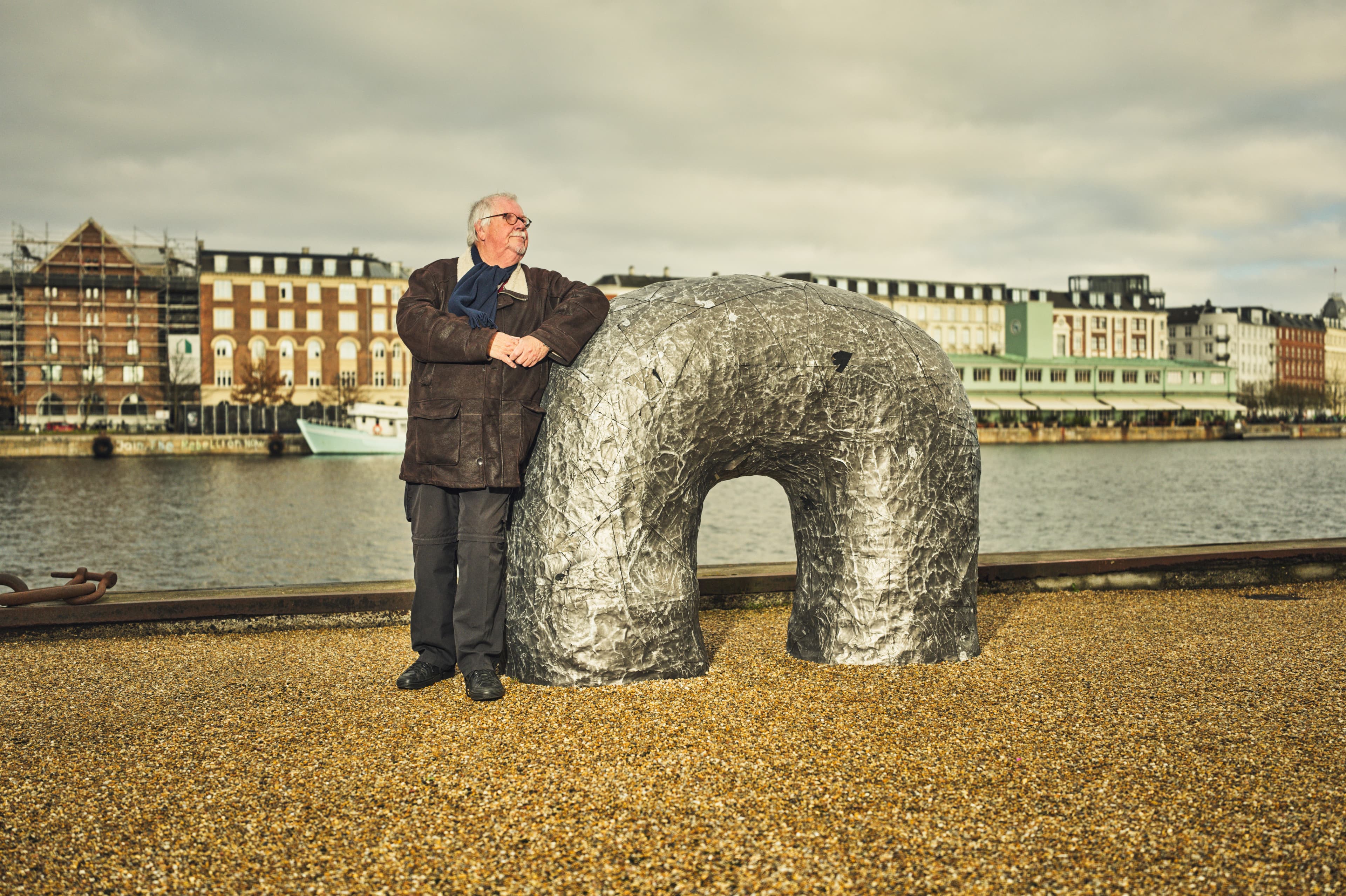
John Bording Laursen has lived in Christianshavn for more than half a century. He is 76 years old and a retired architect. John knows the capital down to the very last cobblestone – especially the places you don’t just stumble upon. Here, he shares his personal gems, hidden gardens, and surprising buildings that never fail to impress even his friends.
What do you associate with Copenhagen?
»Diversity. I love that you can walk down the street and meet all kinds of people – and that something cultural is always happening. Daily life just works here. I can shop right around the corner, and there’s always a lecture, concert, or exhibition within reach.«
What’s the most overlooked hideaway in Copenhagen?
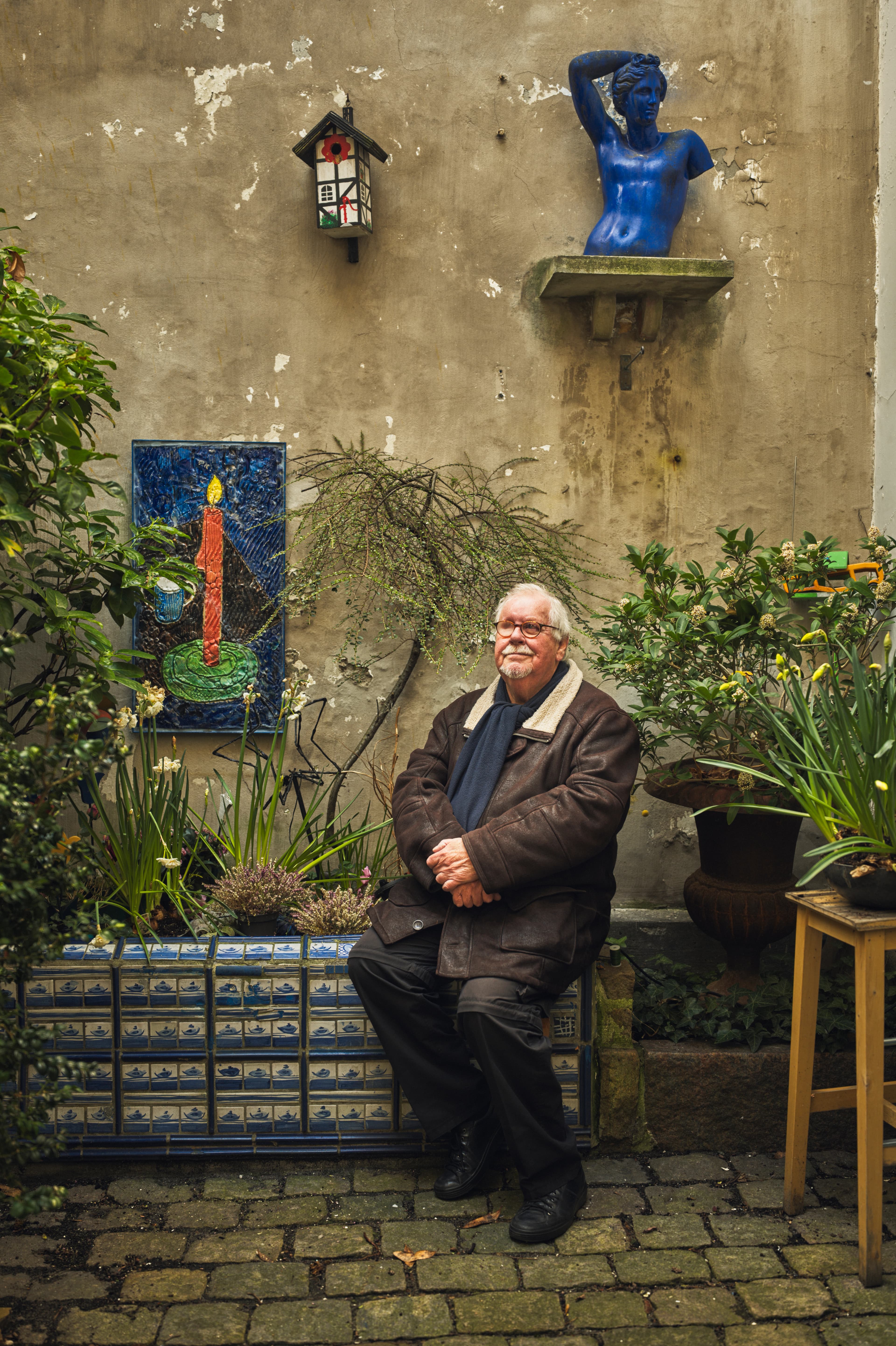
»In the courtyard of Strandgade 30, there’s a small garden – a miniature version of the Round Gardens designed by C.Th. Sørensen in Nærum. Most people don’t even know it exists. It’s filled with little bushes and beautifully landscaped. I often take people there, and the reaction is always: ‘How did you know about this place?’ Well, I’ve lived here for 52 years, so I’ve found my little pockets in the city.«
Which buildings or places do you show visitors from out of town?
»Definitely the Berlingske House on Pilestræde. It’s a fantastic example of functionalism right in the middle of the medieval city. It really stands out – and I think that’s quite bold. I imagine it stirred some controversy when it was built, surrounded by 18th-century houses.«
»An overlooked Arne Jacobsen gem is the Stelling House at Gammeltorv. Most people walk by without noticing it, but it’s a protected building and very striking once you really look at it. The combination of modern forms and old surroundings just makes it extra interesting.«
"If I’m already in the area and the organ in the church is playing, I’ll go in and let the music completely sweep me away. It’s a gift from above."
Where do you like to hang out?
»I often go to Café Blå Time in Store Kongensgade. It’s kind of a secret spot – an old artists’ café with lots of atmosphere. There’s a painting in the courtyard that an artist did while drunk. It sparked a lot of debate, but it stayed up. I also like Kanalhuset – the yellow house by Christianshavn’s canal. There’s yoga, a hotel, a café, and communal dinners at long tables. It’s really cozy. You’re seated next to strangers and always end up chatting. One evening, my wife and I sat with two women from the U.S. – meeting new people like that is so enriching.«
»I also have to mention Thirion – Charcuterie & Wine, across from the Church of Our Saviour. It’s one of my favorite places. It’s tucked away in a basement and serves pâtés, cheese, chocolate, and Belgian beer. There are only six to eight seats, and it feels really special. Everyone I’ve taken there has been blown away. If I’m already in the area and the organ in the church is playing, I’ll go in and let the music completely sweep me away. It’s a gift from above.«
What should no one miss in Copenhagen?
»Look up! There are so many amazing towers in the city – especially if you walk along Amagerbrogade from Christmas Møllers Plads to Sundbyvester Plads. Spires and towers are everywhere, and you can almost get a stiff neck from gazing upwards. At the corner of Amagerbrogade and Holmbladsgade, there are two twin buildings that are worth lingering at.«
Any contemporary architecture you admire?
»With my background as an architect, I’m probably a bit biased, but I have great respect for those who dare to challenge us – just like Arne Jacobsen did in his day. A good modern example is the Cactus Towers near Dybbølsbro, designed by Bjarke Ingels. The two towers are built around the concept of micro living. I’m sure some people think they look a bit odd.«