Jan Gehl’s guide to winter city Copenhagen
For decades, Jan Gehl has focused on how architecture and urban spaces shape people’s lives. Here, he shares his guide to the best — and the most problematic — aspects of Copenhagen in winter.
By Dansk Arkitektur Center
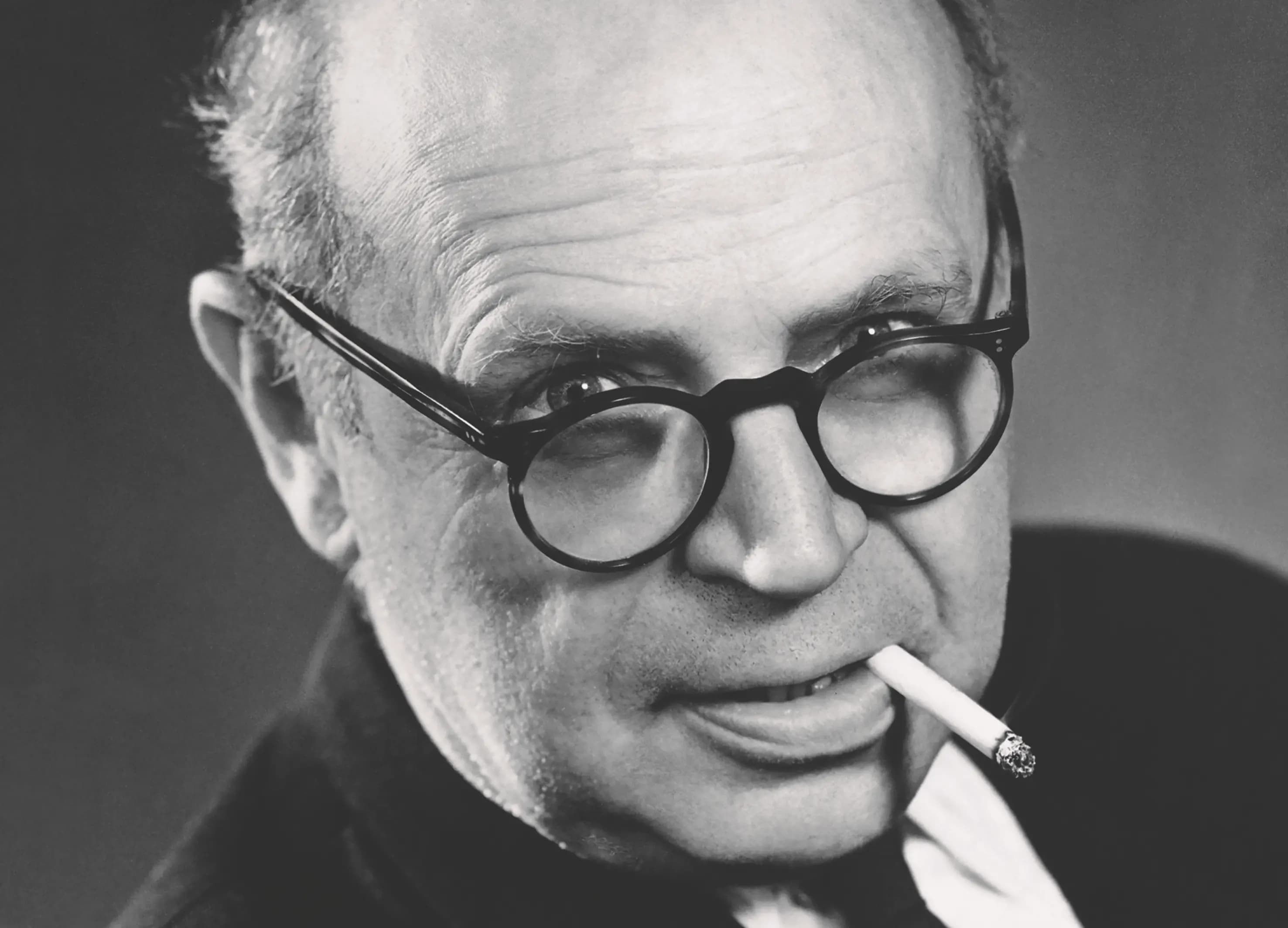
Jan Gehl is one of the world’s most influential urban researchers and is widely known for his focus on people in the city. Here, he shares his guide to Copenhagen in winter — and explains what works, and what does not, when cold, wind, and darkness shape urban life.
In Scandinavia, we love the sun, and especially in winter, small patches of sunlight can feel almost therapeutic. Denmark’s climate is shaped by low-pressure systems moving in from the west, which means that although we share latitudes with Alaska and Siberia, we have a relatively mild — but windy — winter climate.
Architecture plays a crucial role in how comfortable a winter city feels, because it directly affects both sunlight and wind conditions. The experience of standing in Dragør’s narrow streets is very different from being among Ørestad’s modernist high-rises. As different, in fact, as being in Munich compared with Oslo. It may sound surprising, but according to Jan Gehl, shelter from the wind and access to sunlight can shift the local microclimate by more than 800 miles.
“As an architect, your design shouldn’t make the climate worse than it already is,” says Jan Gehl.
He is known as a sharp critic of Copenhagen’s many new high-rises, which he believes create both more wind and less sun. Gehl argues that it is possible to build tall without harming the local microclimate, but that it happens far too rarely.
Winter city life is closely tied to the weather. That becomes especially clear on the first day of spring. The city suddenly explodes with life when people can be outside without heavy coats.
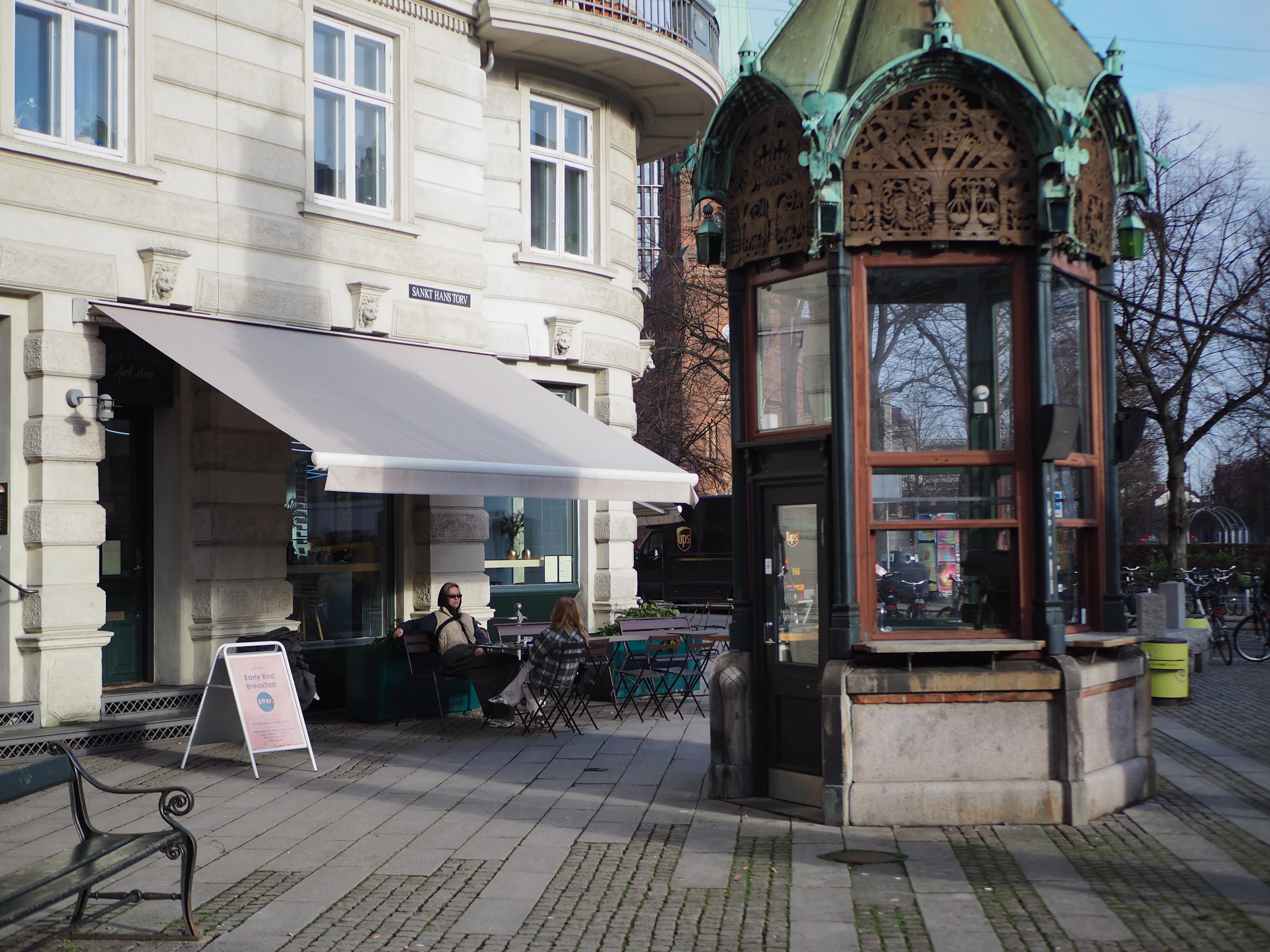
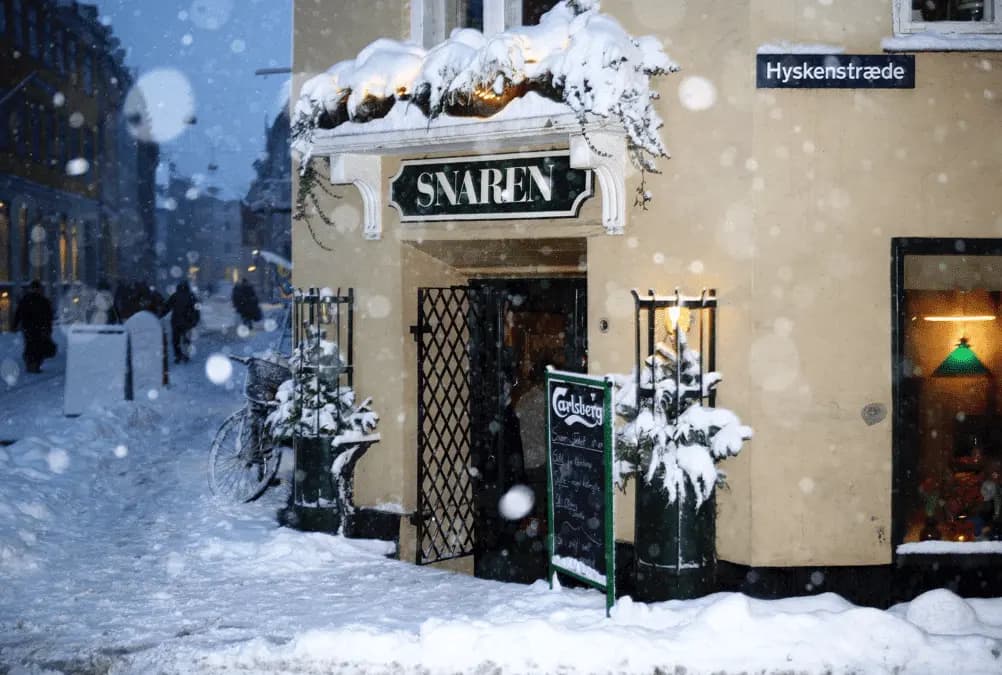
Photo: Morten Jerichau 2. The Streets of the Inner City
»In winter, it’s actually lovely to walk around the Inner City. Not on Strøget and Strædet – and yet, I’d still rather choose Strædet over Strøget, I’d say. But especially on the other streets, where there’s hardly any traffic, because people are standing in the middle of the street talking.
There’s such an incredible sense of calm all around. More also happens in winter now than before. For example, the smoking ban has pushed people out into the street, even in winter. The cappuccino culture has arrived, and the cafés discovered that a simple blanket can make us sit down outside.«
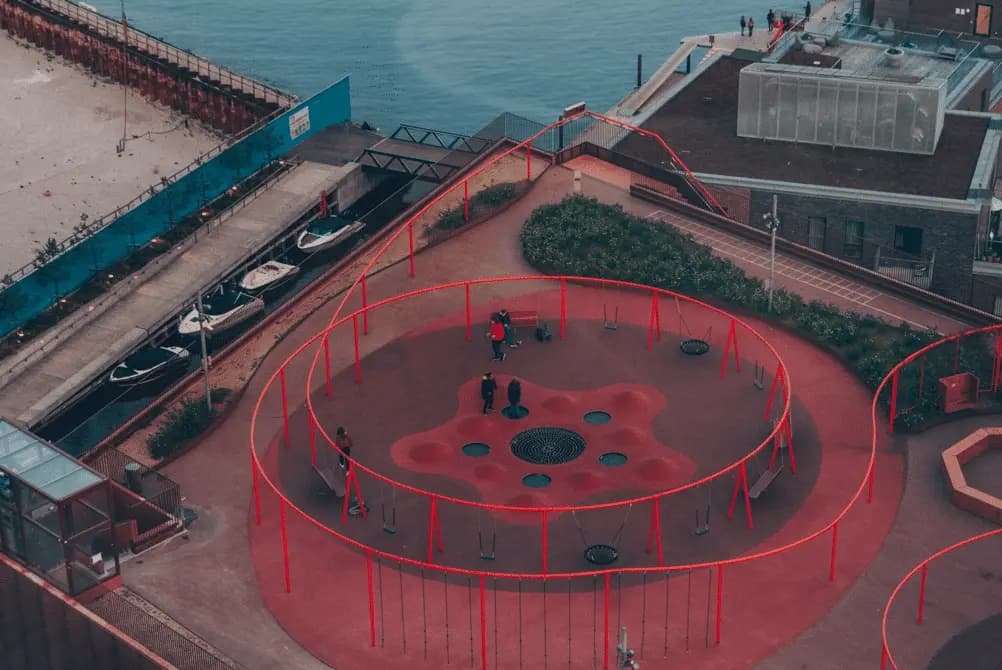
Photo: Martin Heiberg 3. Konditaget in the North Harbor District
»An exquisitely bad place in winter. When we have the whole of Zealand to create playgrounds where both children and parents can see each other and everyone around them, why then place a play and activity area in the howling wind on the 8th floor atop a parking garage? Very few other than young men will actually use it up there.
It can be fascinating to create things on rooftops, but what happens at street level is what you see and experience when moving through the city. Especially when we aim for more life in the new neighborhoods, it’s rather foolish to put such a comprehensive activity like sports and children’s play somewhere no one can see it.«
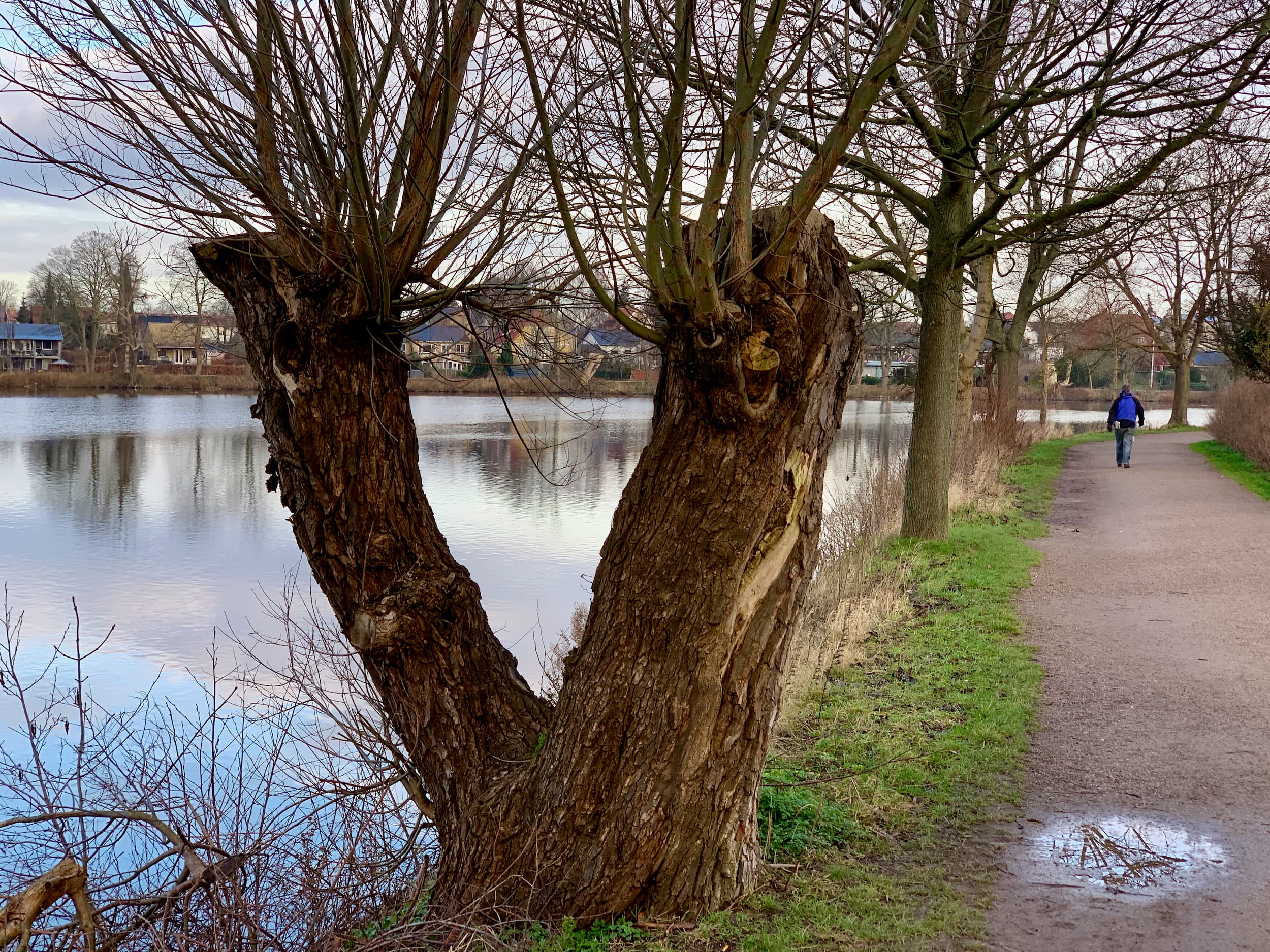
Photo: Søren Berg 5. Damhussøen
»A really nice thing in winter is to take a walk around Damhussøen, which I live close to. There’s a path all the way around, and there are always people on it. On a winter Saturday or Sunday with light wind and sunshine after two weeks of rain and sleet, everyone has to go out for a walk.
On days like that, it’s fantastic to see that all the life from Strøget has moved out to places like Damhussøen, Frederiksberg Garden, or another spot where it’s lovely to walk. When that day comes, you want a good place to be, with some trees, ice on the water, birds singing, and sunshine.«