What can our cities learn from a temporary festival city?
Roskilde Festival’s Dream City is more than just a festival site. This temporary city is built on principles of co-creation, community, and experimental urban development. But what can it teach us about how we shape our permanent cities?
By Ida Elva Hagen
»Hasn’t anyone gotten a birthday cake today?«
A young man approaches carrying a half-eaten birthday cake shaped like a person, made from sweet rolls and decorated with the obligatory Haribo candy and gummy laces. Farther down Dream City’s main street, an 18th birthday has been celebrated all morning.
”Hip hip hooray, it’s your birthday” mingles with shouts and laughter in the street. It’s 12:36 p.m., and Dream City has been awake for hours.
Dream City doesn’t feel like a temporary festival site. It feels like a real city – with a main street, a communal kitchen, landmarks, and neighbors who know one another.
Behind the colorful facades are hundreds of hours of planning and work by people who don’t simply live in the city – they built it themselves.
This way of building a city raises an intriguing question: Beyond the free cake residents get on special occasions, what can our permanent cities learn from a festival city that exists for just one week a year?
"Third spaces are something the festival as a whole – and Dream City in particular – does really well. In other words, shared places where people can spend time without having to buy anything."
A Community Takes Shape
By the time festivalgoers move into Dream City, the city is already full of connections. Not because everyone knows each other beforehand, but because the Dreamers – the city’s residents – have already spent the spring building it side by side.
Ten weekends before Roskilde Festival opens, the first Dreamers arrive in Dream City. They build towers, communal spaces, and the camps where festivalgoers will later stay. But they also share dinners, watch movies on a big screen, and trade everything from building materials to shot glasses.
When camping manager Berit Beck Frederiksen first came to Dream City as a team leader four years ago, she was particularly struck by the culture of the place.
»I was incredibly surprised by the sense of community and by how engaged everyone was – and I was blown away by the dedication of both the volunteer team and the Dreamers,« she says.
That dedication is easy to spot as you make your way down the main street. At the heart of the city, a newly built lounge area hums with activity. Made from reclaimed materials, it serves as a communal gathering place for Dream City’s core volunteers.
Under the blazing sun, a handful of festivalgoers in grubby flip-flops sit smoking cigarettes. Every few minutes, laughter erupts as passersby poke their heads in, say hello, and settle in for a moment – long enough for a drag and a joke – before continuing down the city’s main thoroughfare.
According to Mika Christoffersen, Head of Participation and Diversity at Roskilde Festival, good neighborly relations and a sense of belonging are areas where conventional urban planning beyond the festival grounds often falls short.
»I’d love to know more people in my own city. What if we did what people sometimes do in Danish allotment garden communities – threw a block party, or lit a bonfire and watched Shrek together outside on a summer evening?« says Mika Christoffersen
And if anything can bring people together, perhaps it’s precisely these simple, everyday forms of community. A bonfire. A screen. Shrek.
Dream City – What You Need to Know:
Dream City is a camping area located in the eastern part of Roskilde Festival.
The city was established in 2012 as a participant-driven community built around active citizenship, innovation, co-creation, and diversity.
The area is made up of event camps and build camps. Event camps organize activities during the festival, while build camps create the large-scale party structures found throughout the area.
Dream City is laid out like an urban district, with a main street running from one end to the other and tying the area together.
A Dreamer is a participant who helps create Dream City.
The core volunteer group consists of volunteers who each contribute more than 100 hours of work to the area. The group is organized into five teams, including camping managers, construction managers, site coordinators, and support staff.
The volunteers estimate that around 20,000 festivalgoers visit Dream City on any given evening during the first few days of the festival.
The Good City
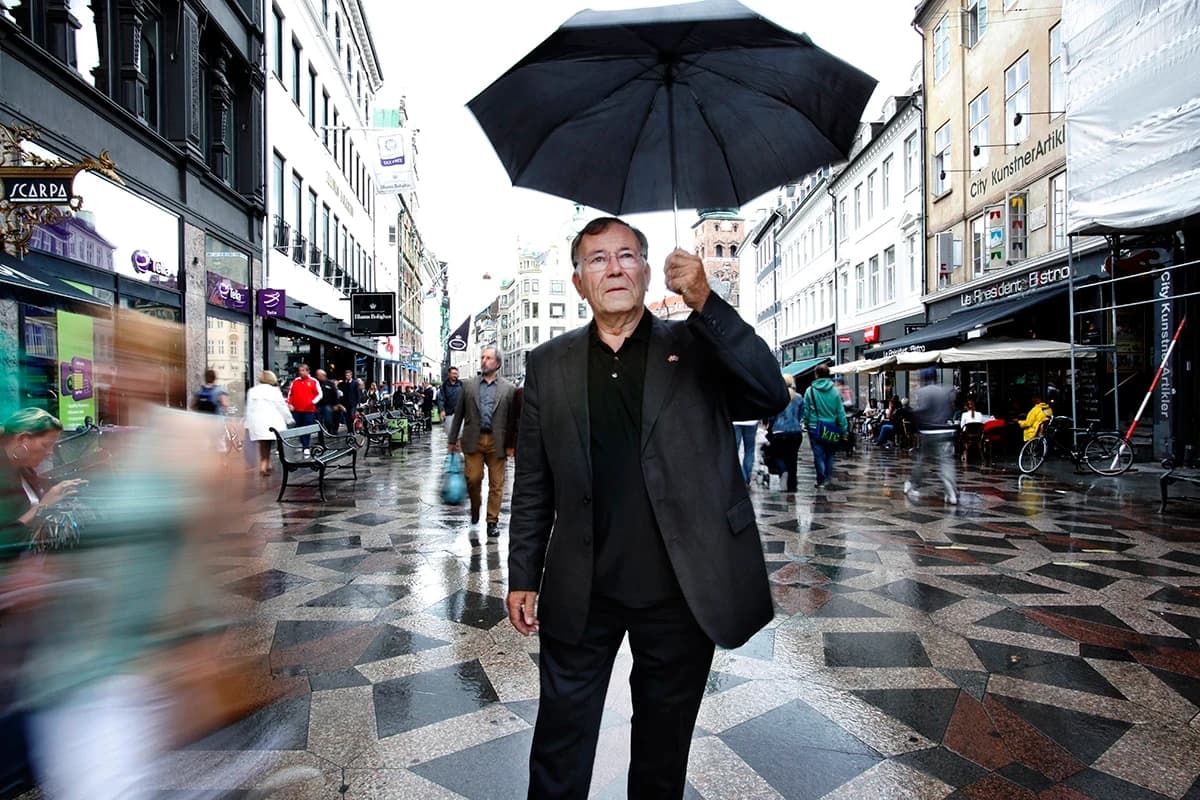
»A good city should feel like one big hug.«
That’s how renowned urban design expert Jan Gehl describes the ideal city for people – a city that invites us to linger, meet others, and take a break on the spur of the moment. And Dream City has cracked that code.
Amid homemade structures, music, and people moving from camp to camp, a city emerges where you don’t simply pass through – you stick around.
Deputy mayor – or site coordinator – Joachim Alexander Olsson says some visitors never even make it to the concert areas. For them, the entire festival takes place in Dream City.
According to Lars Autrup, director of the Danish Association of Architects, the fact that people stick around isn’t just about the festival atmosphere. When the people who use a place have also helped build and shape it, they develop a different kind of connection to it.
»It creates a sense of ownership – a spiritual and emotional kind of ownership. You don’t have to own the place, but you develop a connection to it. You value it much more and take better care of it. And when people come to visit, they can tell that this is a place you care about,« he says.
At the same time, he points to a growing disconnect in the development of our permanent cities. A real estate developer can buy a site, build on it, and sell it without ever having to live in or care for the place that has been created. That kind of distance, he argues, is »poison for cities.«
And it shows up in even the most tangible design choices:
»There’s a world of difference between a balcony that looks inviting in a sales brochure and one that’s actually pleasant to sit on,« he says.
A sense of shared ownership, then, isn’t simply about having a say in the building process. It’s also about narrowing the distance between the people who build a place and those who will live with the result – creating greater responsibility for its quality as well as a lasting connection to the place.
A Walk Through Dream City
Welcome to Dream City!
Behind the city’s towering sign lies a festival town filled with homemade structures, quirky details, and communities that continue to evolve year after year.
Room for Two – or Three
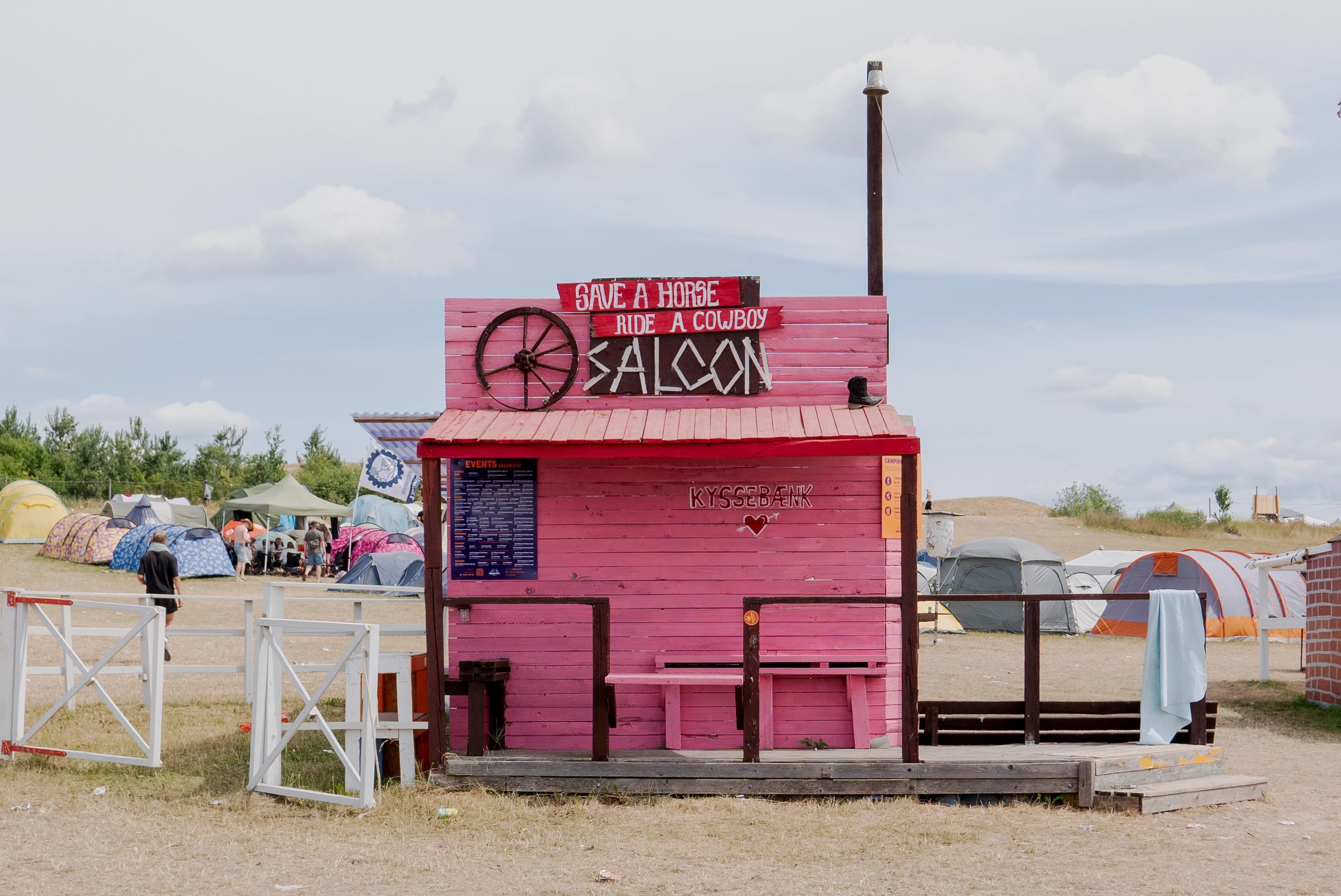
Mwah! The pink kissing bench is one of Dream City’s many quirky, participant-built features that give the city its distinctive character.
A Place to Hang Out
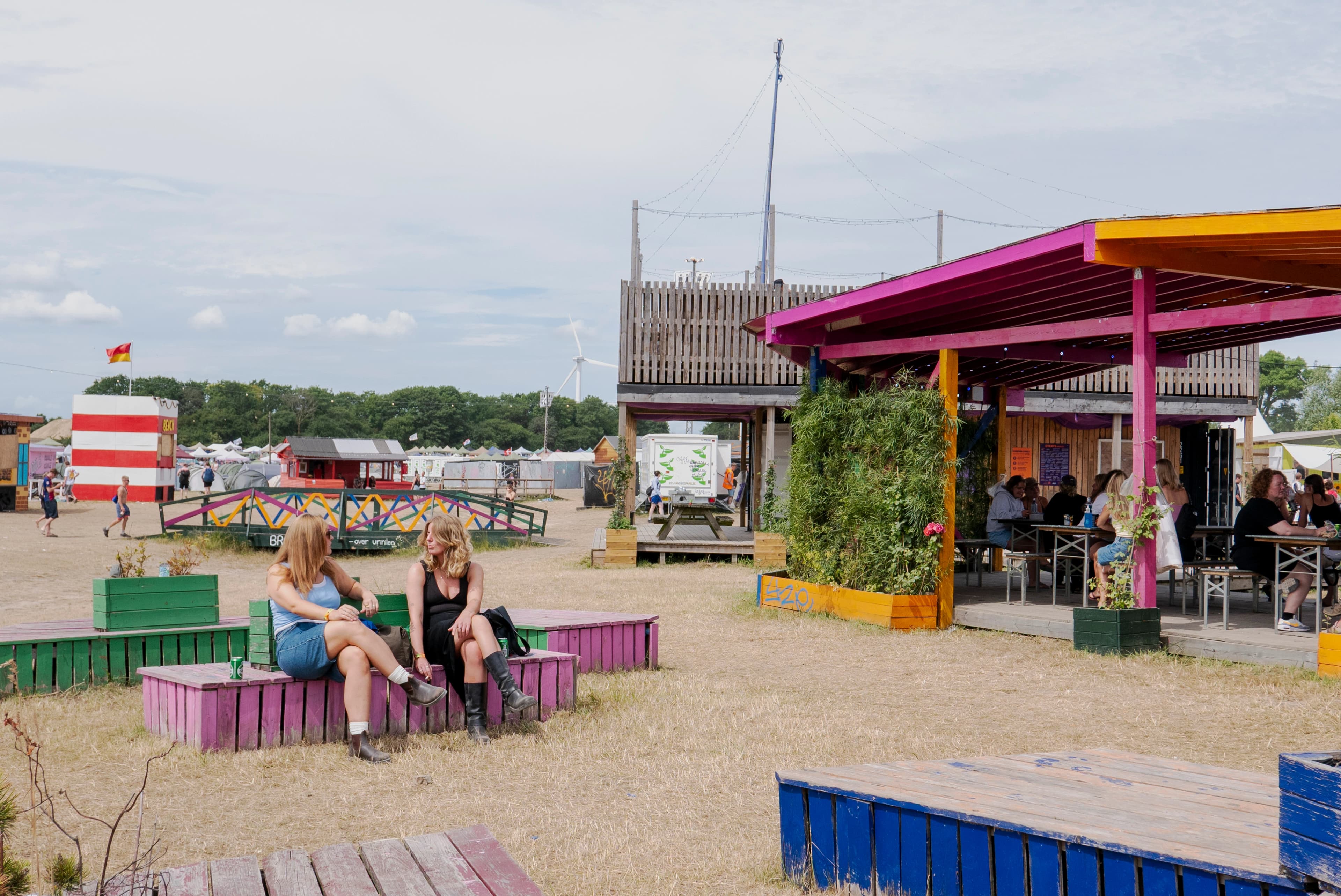
»Urban spaces should be inviting and comfortable – with places to sit, watch the world go by, and relax.« This is one of Jan Gehl’s criteria for a good city – and Dream City certainly delivers.
Early-Rising Build Camps
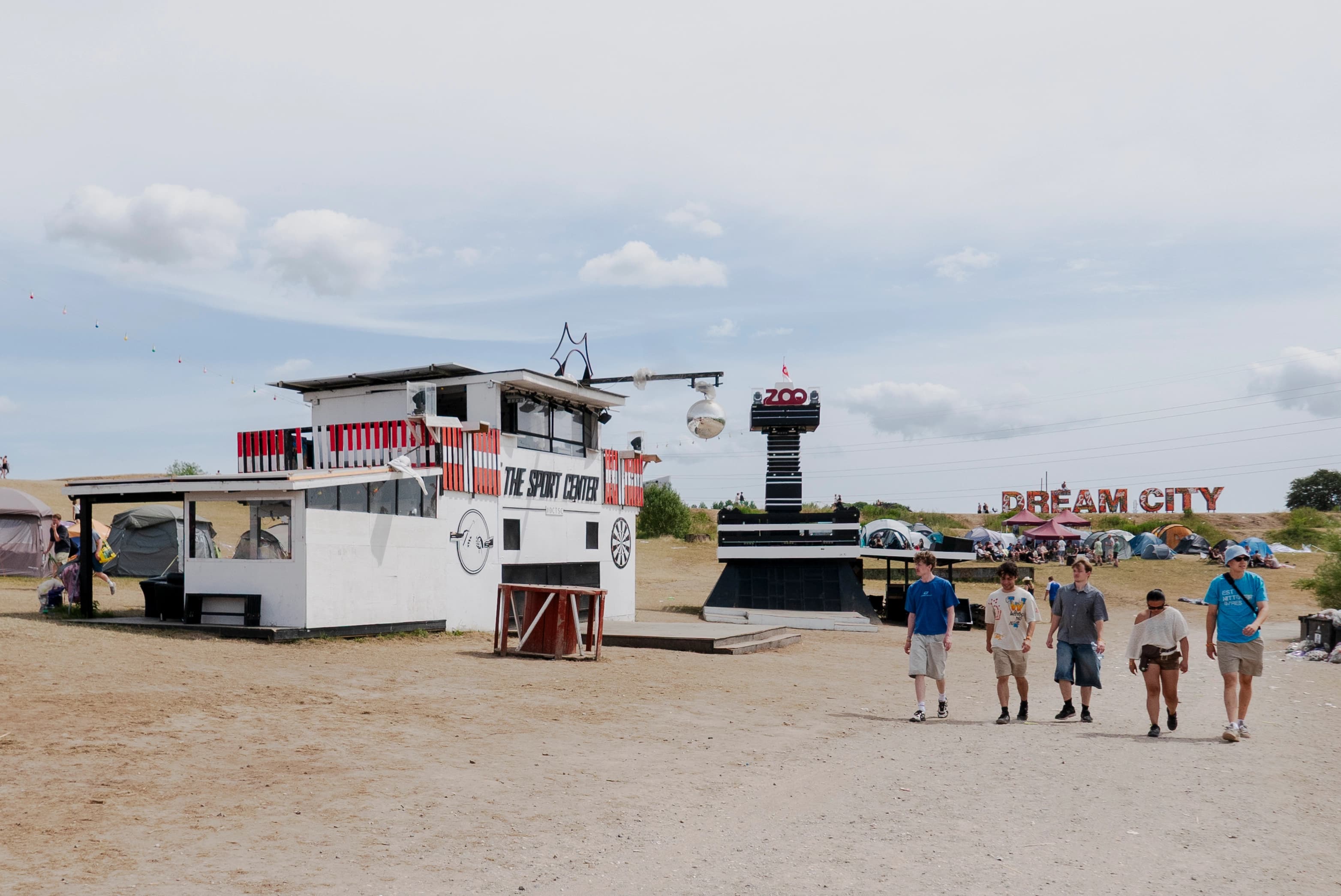
Dream City’s creative build camps are already buzzing with activity, with everything from a tribute to a favorite ice cream to playful recreations of buildings from the permanent city adding color to the surroundings.
Meet Three Voices from the Festival City
From left: Dream City’s deputy mayor and site coordinator, Joachim Alexander Olsson; camping manager Berit Beck Frederiksen; and Head of Participation and Diversity Mika Christoffersen.


The Right to Stay
In Dream City, shared ownership is more than just an idea. Across the different camps, people are free to borrow and use one another’s buildings.
»One thing other cities could really learn from Dream City is its communal spaces – and the idea that buildings can be shared. Even if someone else built them, you’re still welcome to come inside and use them. There’s no attitude of: This is mine – everyone else stay out,« says Mika Christoffersen.
When ownership is shared in this way, the line between private and communal space begins to blur. The buildings still have clear creators and people who take responsibility for them, but at the same time, they become part of the city’s shared life.
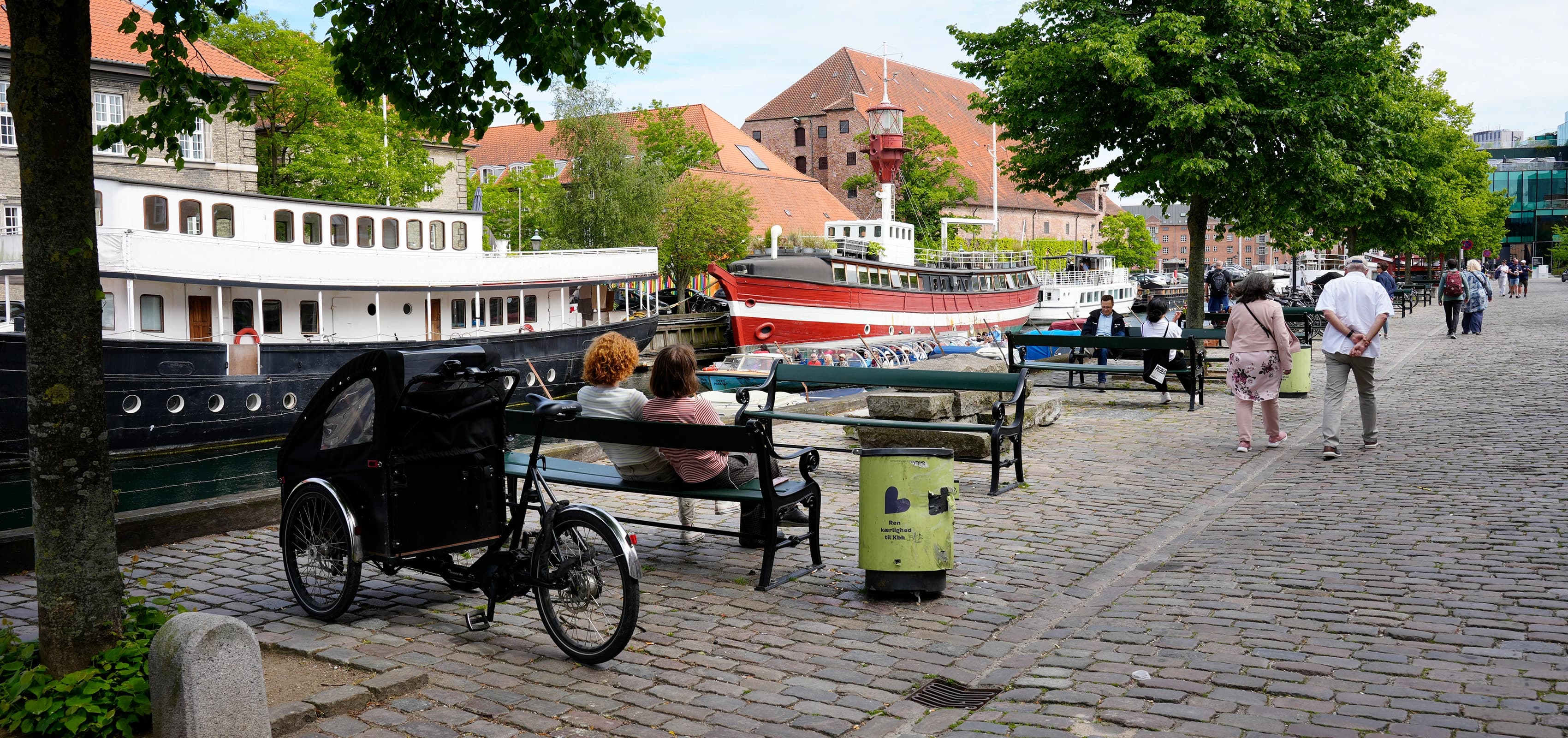
A good city, then, is also about who actually gets to be part of it. It’s not only a question of who is allowed in, but who is able to stay. Because if spending time somewhere requires you to buy something, the city isn’t truly equally accessible to everyone.
»Third spaces are something the festival as a whole – and Dream City in particular – does really well. In other words, shared places where you can spend time without having to buy anything. You don’t have to buy a coffee at a café to earn the right to be there – you can simply be,« says Mika Christoffersen.
That offers an important lesson for our permanent cities: A sense of belonging doesn’t have to depend on boundaries. It can also grow out of spaces we share.
Experimental Freedom
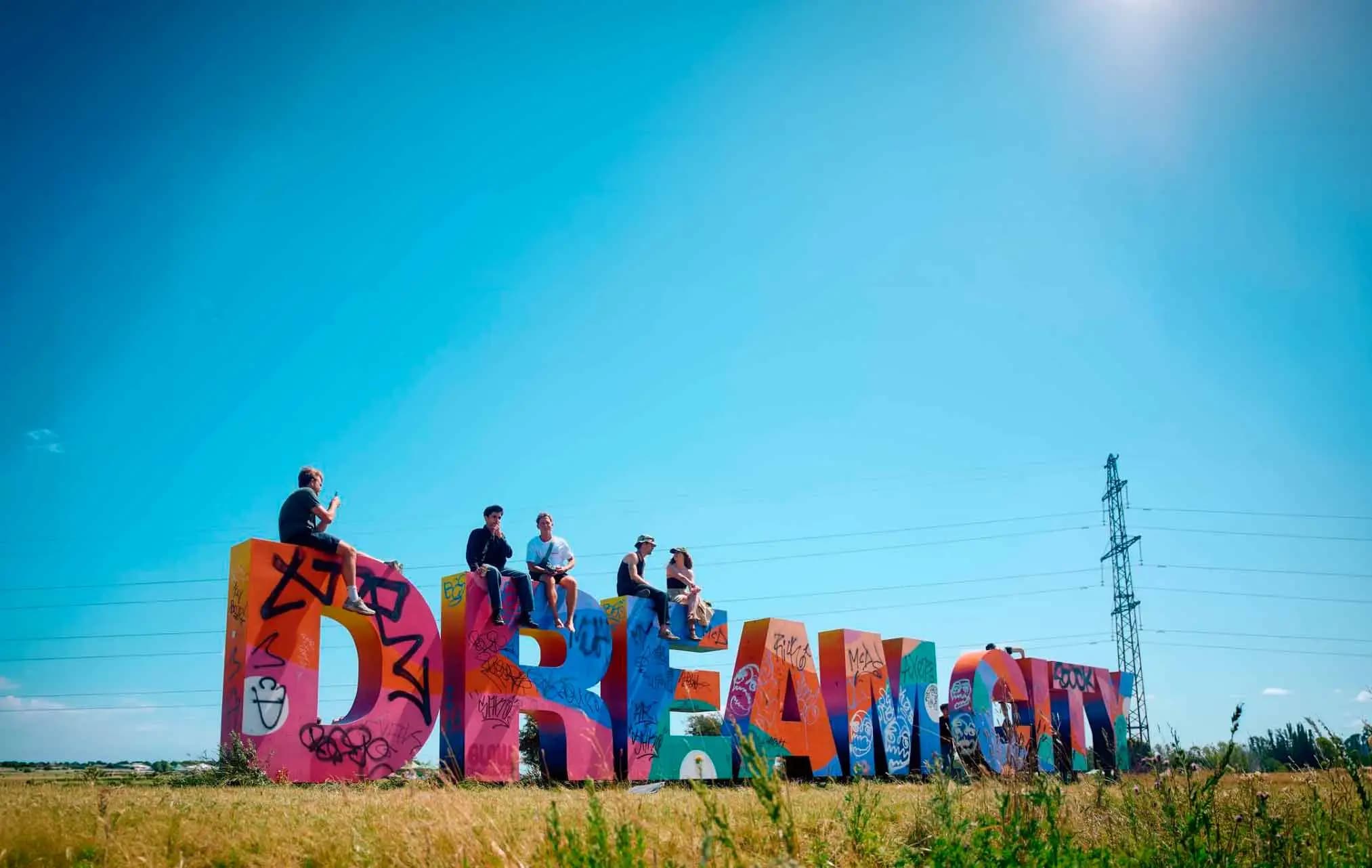
At the end of the main thoroughfare, the iconic orange Dream City installation rises from a hill – a bit like the festival’s own Hollywood sign. A handful of young people have climbed onto the letters D, E, and M, while a woman rests against the curve of the C.
The sign was designed to be seen, but it also serves as a bench, meeting place, and climbing structure – as well as a canvas for graffiti art. Like so much else in Dream City, it takes on new functions once festivalgoers make it their own.
According to Lars Autrup, this freedom to experiment, adapt, and use the city in new ways is one of Dream City’s greatest architectural strengths. While permanent cities evolve slowly and can be both expensive and difficult to change, ideas here can be tested at a much faster pace.
”Where it gets really interesting is when you use it as a laboratory for the permanent city. You can adjust and test things much faster than the profession normally allows – and with far less serious consequences,” says Lars Autrup.
Dream City makes it possible to test ideas at full scale and see what happens when people become directly involved. It isn’t just physical structures that are being tested, but different ideas about how a good city takes shape.
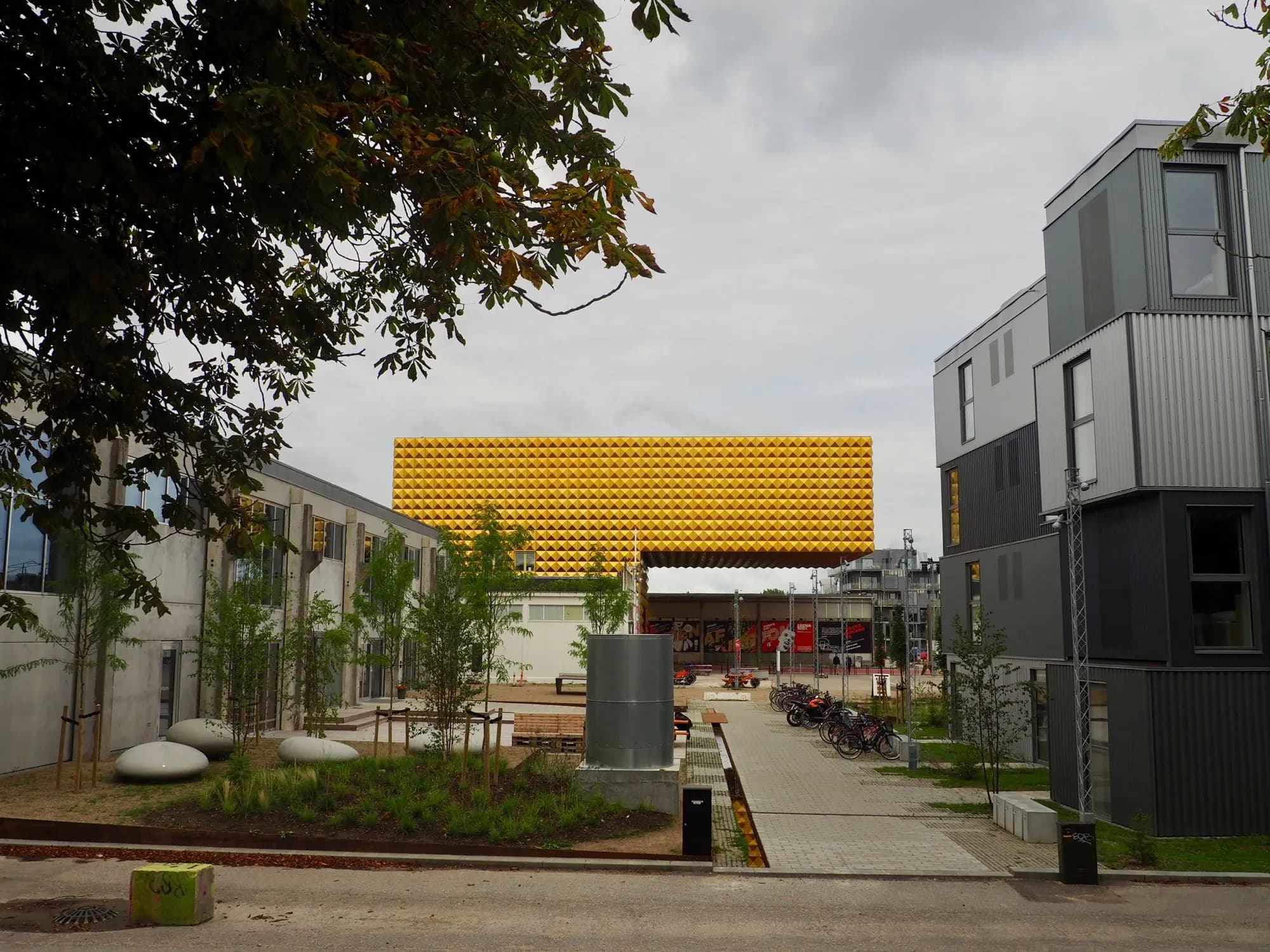
A similar approach can be found in Musicon, Roskilde’s creative district, which has been allowed to develop more organically rather than following a single predetermined plan. Among other initiatives, Roskilde Municipality hopes to build self-build homes there, allowing residents to take on the role of developers themselves.
The lesson, then, may lie less in the individual structures than in the process itself: giving urban development more room for intermediate stages, where solutions can be tested, adjusted, or abandoned before they become permanent.
But there is another lesson here, too: who gets to shape the city. In permanent cities, residents rarely get to pick up a hammer and start building themselves. But they can be brought into the process earlier, given meaningful influence, and invited to help shape the places they will eventually use.
Because a city only truly comes to life when people use it, care for it, and make it their own. Dream City is a vivid example of that.
The festival city exists for just one week a year. Yet it reminds us that a good city is never truly finished. It takes shape when people are given the space to shape it.
And an occasional half-dry birthday cake doesn’t hurt, either.