What Makes a City a Good Place to Live? New Exhibition at DAC Puts People First
On World Architecture Day, October 5, Danish Architecture Center is opening a new main exhibition, Cities for People, developed in collaboration with the company Gehl and Jan Gehl. With examples from Copenhagen, New York, Buenos Aires, Shanghai, and Billund, this exhibition shows how urban planning shapes our everyday lives – and how livability can increase when cities are designed around the needs of people.
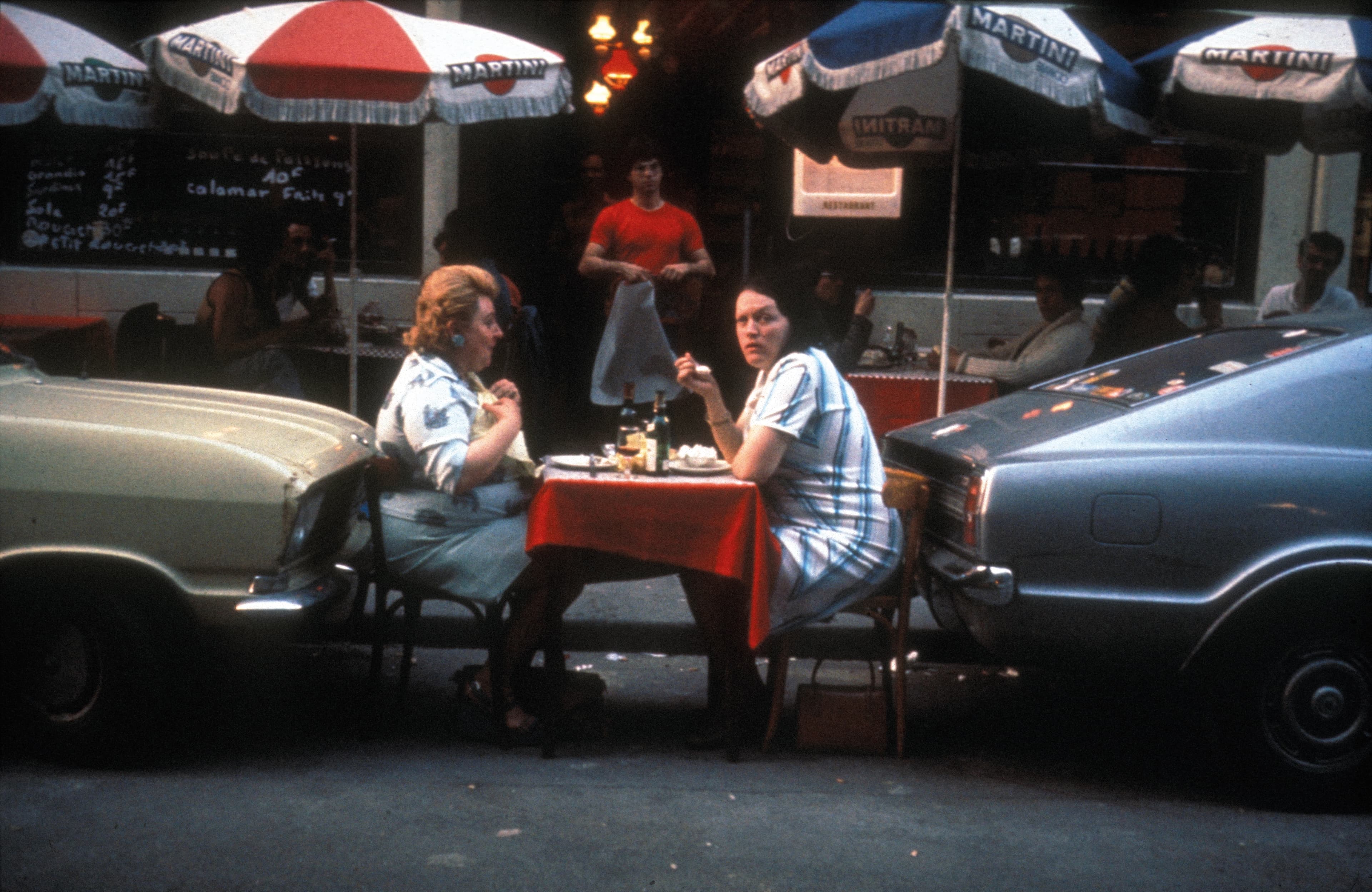
Towering video installations up to 5 meters high, giant photographs, and interactive exhibitions immerse guests in city life around the world. Along the way, they can count life on the street, experience the city from a child’s perspective, and study what makes people want to meet and linger.
For centuries, people have sought out cities for protection, community, and prosperity. In 2050, around two-thirds of the world’s population is expected to live in urban areas. But what makes a city a good place to live? Cities for People seeks to answer this question, bearing in mind challenges such as climate change, loss of nature, loneliness, and unequal access to common spaces in the urban landscape.
“Architecture helps shape the framework for how we live together. The choices we make today have an impact on the lives of future generations. In Cities for People, we introduce guests to the history of cities and, through Gehl, show how architects and urban planners can create better cities by starting with people and our need for communities. We hope this exhibition will give guests a new perspective on their own cities and a desire to engage in their future,” says Kent Martinussen, CEO of Danish Architecture Center.
People First
Every era has its own vision for what makes a city good. This exhibition provides the historical background for how values, power structures, and technologies have shaped cities and people’s place in them.
In the late 1960s, architect Jan Gehl and psychologist Ingrid Gehl challenged the urban planning norms of the time, which centered on cars, traffic, and buildings. They shifted the focus to the people in the city and the life between the buildings: First life. Then spaces. Then buildings.
A short video tells the story of the couple’s love and professional partnership, while the video installation, The Right to Space, showcases Gehl’s work and asks: Who does the city make room for?
The international interdisciplinary team at the company Gehl has built on that life-oriented approach and advised cities worldwide since 2000. Gehl has partnered with many different clients, including municipalities, foundations, and companies, on projects ranging from data collection and analysis to strategy and concrete designs. This exhibition shows guests how observations of people’s movements and pauses are used to design urban spaces. There is no single blueprint for “the good city”. The solution starts with the specific location and the people who use it.
“For more than 25 years, we’ve worked to put human life at the center of urban design. And today, it’s about even more: How can cities create good conditions for people, communities, and nature? Ultimately, a good city is defined not by its buildings, but by the life it makes room for,” explains Helle Søholt, co-founder of the company Gehl.
In the exhibition, guests are encouraged to try some of Gehl’s techniques for studying urban life. In Count Like Gehl, they can count pedestrians, cyclists, and cars in short video sequences filmed in Copenhagen. An interactive table animation invites guests to explore 12 quality criteria for public urban spaces – from security and shelter to pleasant spots to sit and hang out.
Meanwhile, before and after pictures from cities around the world illustrate how streets and open spaces are being transformed to make more room for people to walk, sit, and meet.
Harbor Baths, Meeting Places, and Room for Play
A city can be full of people and still not give them enough space. This was the case at Times Square in New York City, where the sidewalks were overcrowded and cars dominated the space. Cities for People invites guests to sit in chairs from New York and immerse themselves in large-scale videos and photographs showing how paint, planters, and movable chairs became the start of a new way to use the city.
In Copenhagen, cycling to work and swimming in the harbor seem like natural city activities today. But they are the result of decades of decisions about what the city should make room for. In the exhibition, guests can follow the processes that have given bikes more space, made the water accessible to the city’s residents with harbor baths, and connected urban districts with bridges spanning the harbor.
In Shanghai, formerly inaccessible areas along Huangpu River have also become a part of everyday life. People walk, cycle, and dance in what was once an isolated industrial landscape. In Buenos Aires, Barrio 31 connects an isolated neighborhood with the rest of the city by enhancing the life its residents have already created.
The city also influences what we eat. Inside a food truck, guests can explore the Foodscapes project and learn how restaurant options, transportation, and meeting places influence our food choices. A video from Bogotá showcases how a bus stop created the framework for a community, an edible garden, and activities about healthy foods.
So, what happens when we plan life between the buildings first? At the model for the Travbyen development in Billund, Denmark (home of LEGO), guests can draw with chalk and explore ways to make room for play in the area. The urban district’s streets, courtyards, and meeting places were all designed before the buildings were placed, and Gehl also designed urban spaces and master plans for other neighborhoods, basing the architecture on the landscape as well as on the everyday lives of both children and adults.
See the City from a Height of Just 95 cm
What does a city feel like when a curb is high and a short walk feels long? Inspired by the global Urban95 initiative, a low doorway invites guests to see the city from a child’s perspective. The videos in the Young Explorers series follow five children and their parents in Brazil, India, Peru, and Jordan. Their daily lives show what security, traffic, and room for play mean to the city’s smallest residents.
What Connects Us to the City?
Observations can reveal how people move and where they stop. But what makes them appreciate a specific place? The Cities of Awe research initiative brings together urban studies and psychology. Through photographs and narratives, young residents of Charlotte, North Carolina, USA explore how nature, art, and shared experiences foster a sense of connection to their city.
In What We Cherish, guests can describe what they appreciate about their city and use AI to transform that description into a digital urban creature. Their contributions will be included anonymously in Gehl’s study of what people appreciate in cities – and what is worth preserving when cities change.
Practical Details
- Cities for People will run from October 5, 2026 to April 18, 2027 at Danish Architecture Center in Copenhagen.
- The exhibition was created by Danish Architecture Center in collaboration with the company Gehl and Jan Gehl.
- The exhibition was made possible with the support of the philanthropic association Realdania, the Augustinus Foundation, Ole Kirk's Fond, and the Dreyer Foundation.
- The exhibition is sponsored by Exponent.
- www.Find out more: dac.dk/en/exhibitions/cities-for-people
Discussions, Tours, and Family Workshops
At AfterDAC, Helle Søholt will talk with Danish architect and TV personality Ane Cortzen about urban life, while Jan Gehl and two recent architecture graduates will discuss why Gehl’s ideas are still relevant today. At MorgenDAC, Kjersti Lund will discuss putting democracy at the heart of our cities. On selected Thursdays, urban planners from Gehl will provide guided tours and talk about the work behind the examples showcased in the exhibition.
And on weekends, the Design Your Own Urban Creature family workshop invites children and adults to draw and make their own creatures in cloth and yarn, invent homes for them in the city, and think about what they might want from the city. Children have free admission when accompanied by an adult.
Press Photos and Press Kit
Interview Opportunities
- Helle Søholt, co-founder and board chair, Gehl: On the development of Gehl’s methodologies, experience from international urban development projects, and the work of understanding how people use and experience the city.
- Jan Gehl, architect, professor, and urban planner: On life between buildings and his work to promote people-centered urban planning.
- Kjersti Lund, CEO, Gehl: On how life-centered urban development creates long-term value, and Gehl’s global strategy focused on innovation, technology, and sustainability.
- Kent Martinussen, CEO, Danish Architecture Center: On the exhibition’s relevance today and the importance of architecture to everyday life and community.
- Pernille Stockmarr, senior curator, Danish Architecture Center: On the stories, international cases, and experiences featured in the exhibition.
Press Contact
Johanne Troelsgaard Toft, Senior Communications and Press Advisor
Phone +45 6142 1927 · jott@dac.dk
Special thanks to all our partners who contributed to the exhibition:
Dark Matters – Francisco Resnicoff – Gehl Architects – Goodwind Studio – Herman Hertzberger – Horacio Rodriguez Larreta – Jan Gehl – Janette Sadik-Khan – City of Copenhagen – Metroselskabet – Novo Nordisk A/S, Cities for Better Health – RAWVISION Studio – The Gambrell Foundation – Travbyen – Van Leer Foundation
About Danish Architecture Center
Danish Architecture Center (DAC) is situated on the waterfront in Copenhagen’s Cultural District and welcomes around 300,000 guests annually. DAC’s exhibitions showcase Danish architectural history and spotlight ideas, trends, and visions that shape a sustainable future. DAC seeks to create change by engaging people in architecture. www.dac.dk
About Gehl
Gehl is a global urban strategy and design consulting firm founded in 2000 with expertise in architecture, urban design, landscape architecture, sociology, and urban planning. They address global trends through empirical studies and designs promoting the social behavior that engenders meaningful change.
Over more than two decades, Gehl has helped transform some of the world’s most iconic locations and put people’s lives at the center of urban development. Cities are complex, and good solutions emerge when many stakeholders collaborate. Gehl therefore joins forces with a wide array of clients and partners, from cities and municipalities to developers, foundations, and companies, to co-create places that are healthier, more resilient, and inclusive. www.gehlpeople.com
About Jan Gehl
Jan Gehl is an architect, professor, and urban planner. Since the 1960s, he has studied how urban design impacts people’s everyday lives. Psychologist Ingrid Gehl played a crucial role in turning his attention to how people experience and use the city. His research has had an international impact on urban planning on a human scale. His book, Life Between Buildings,