The History of DAC
Join us on a journey through DAC’s development since 1985 — from a warehouse on Strandgade to BLOX and new ways of communicating architecture.
40 Years of Architecture as a Shared Cause
In 2026, the Danish Architecture Center celebrates its 40th anniversary. Since 1985, DAC has worked to make architecture something everyone can experience, understand, and engage with.
From its early years in a warehouse on Strandgade to its home today in BLOX, DAC’s ambition has remained the same: to open architecture up to the world and show how it shapes our lives, cities, and communities.
DAC is Denmark’s national architecture center and an international hub for exhibitions, debate, learning, and experiences that engage both citizens and professionals. DAC is a public-private partnership between the Danish state and Realdania. The state is represented by the Ministry of Industry, Business and Financial Affairs, the Ministry of Culture, and the Ministry of Social Affairs and Housing.
1985–1986
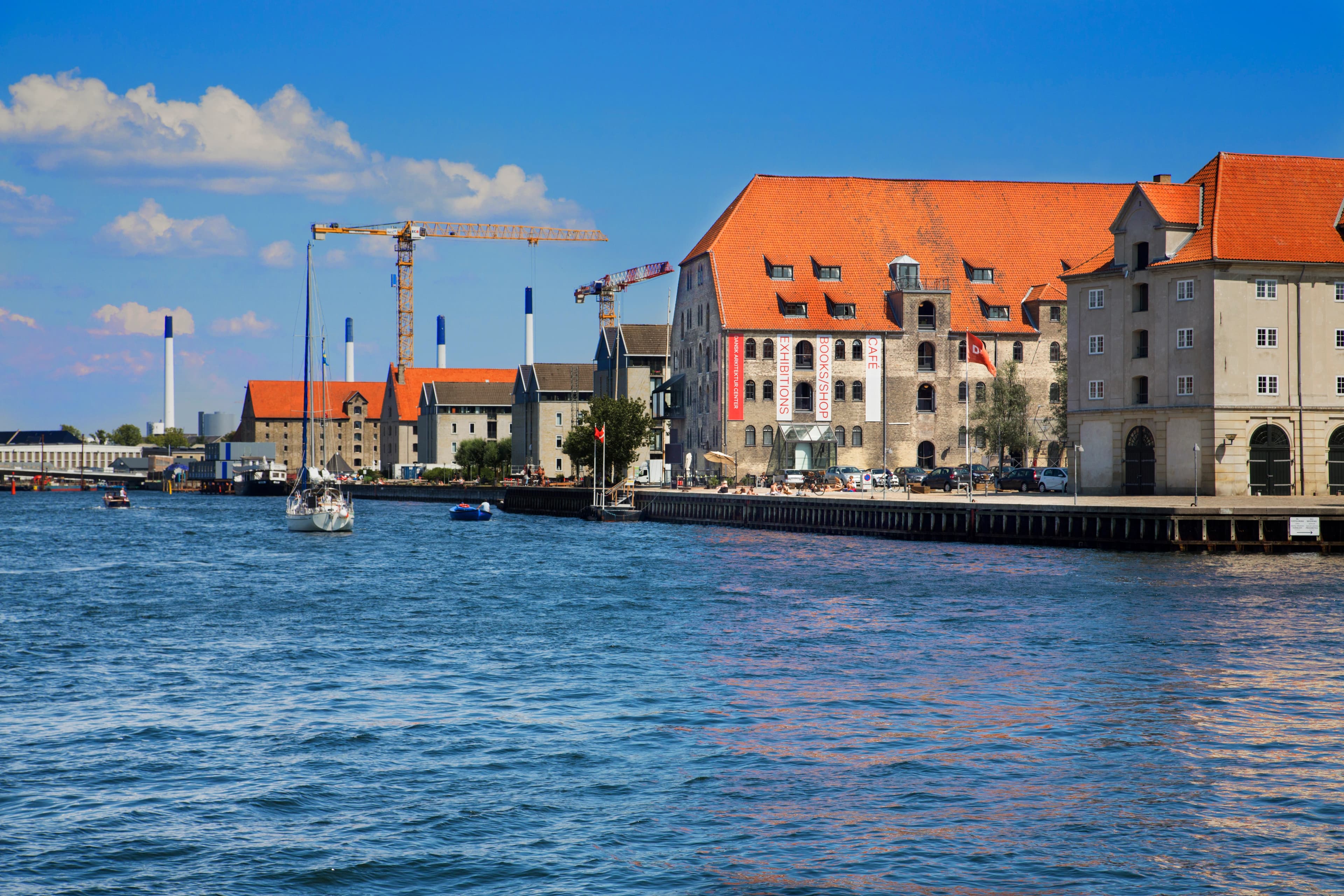
A Warehouse Opens the Door to Architecture
The Danish Architecture Center is established as a foundation and opens in an old warehouse on Strandgade in Copenhagen. Behind the initiative are key figures from the construction industry — the Danish Association of Architects, the Danish Association of Architectural Firms, the Danish Association of Consulting Engineers, the Danish Construction Association, and the Danish Federation of Small and Medium-Sized Enterprises — united by a shared ambition to create a place where architecture and the building sector can meet the public.
From the beginning, visitors can experience both Danish and international architecture through exhibitions, education, and debate. Interest is strong, but finances are tight, and on several occasions DAC comes close to having to close.
2001
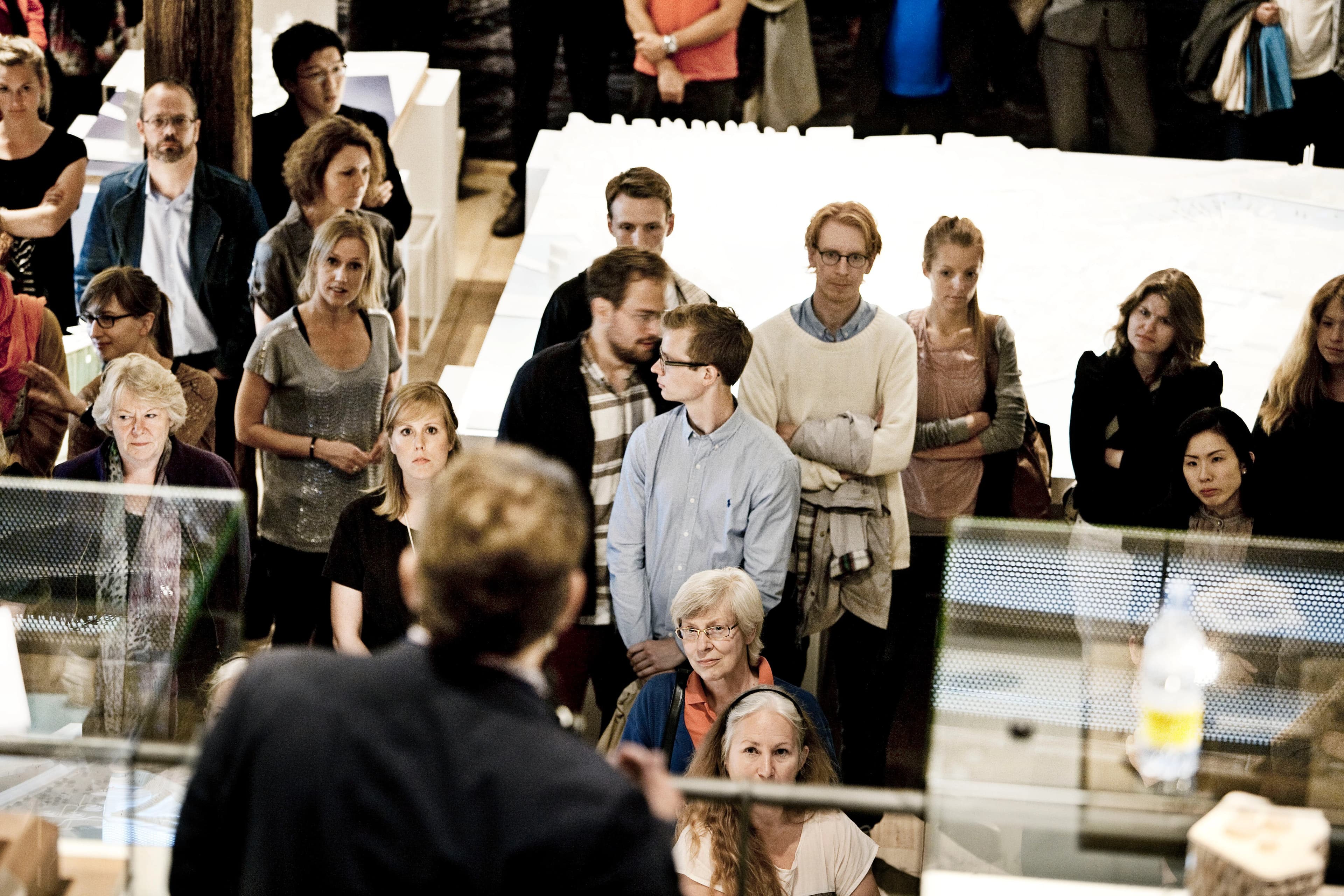
Photo: Studie-E A Turning Point Secures the Future
Kent Martinussen takes up the position of CEO, and DAC sets a new course. At the same time, its financial foundation is strengthened through a public-private partnership with Realdania and the Danish state.
Architecture is increasingly presented as something that is not only about buildings, but also about society, quality of life, and the way we develop our cities.
During these years, DAC also develops new formats, including Copenhagen X, which gives Copenhageners insight into the city’s transformation and development.
2006
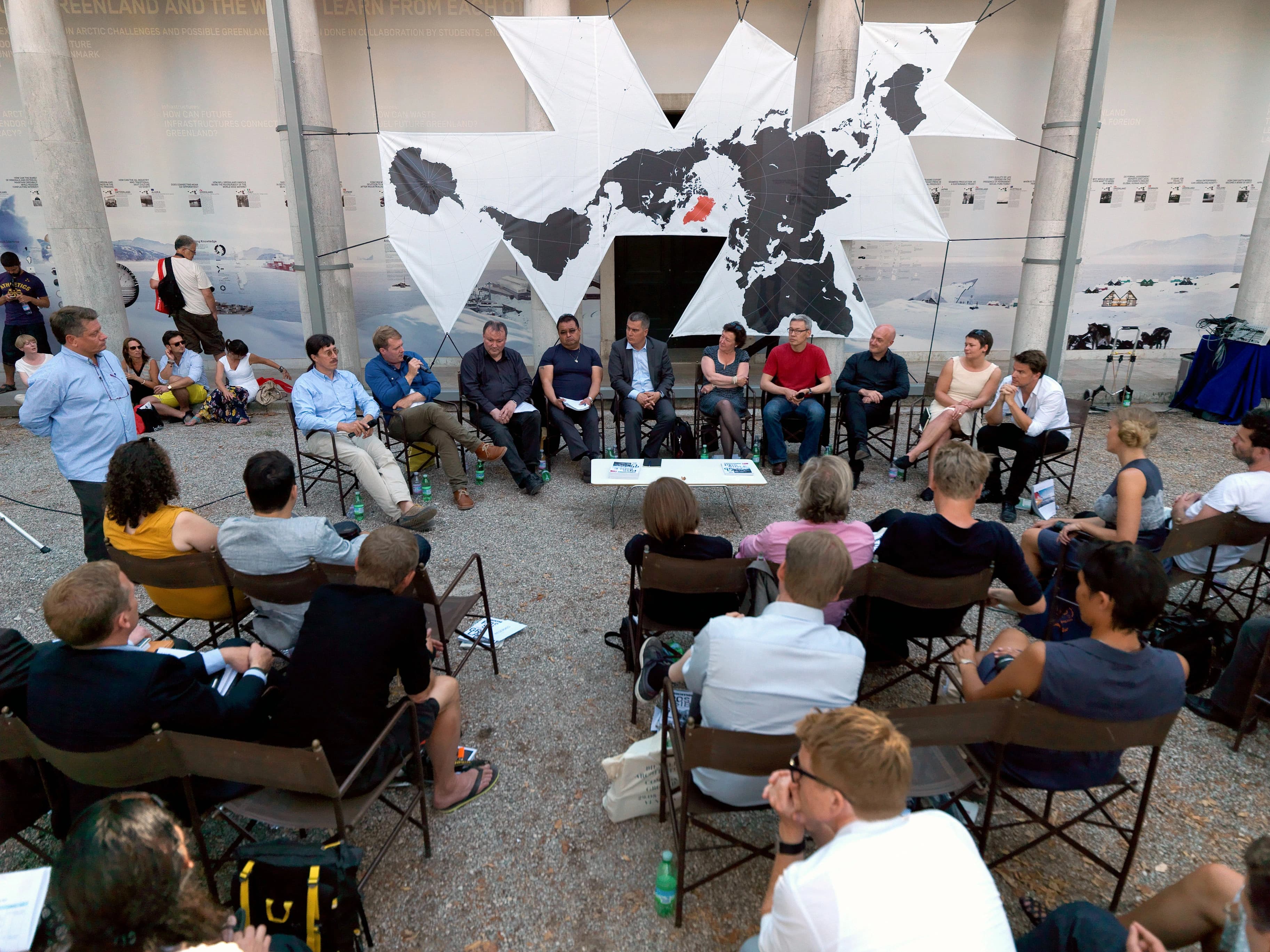
Photo: Dansk Arkitektur Center (DAC) Danish Architecture Goes Global
DAC is appointed commissioner for Denmark’s participation in the Venice Architecture Biennale. In this role, DAC helps strengthen the international impact of Danish architecture.
In 2006, the exhibition Co-evolution wins the prestigious Golden Lion at the Architecture Biennale. Collaborations with Danish architecture studios, together with a focus on sustainability, urban life, and new methods of construction, help place Danish architecture firmly on the world map.
2008
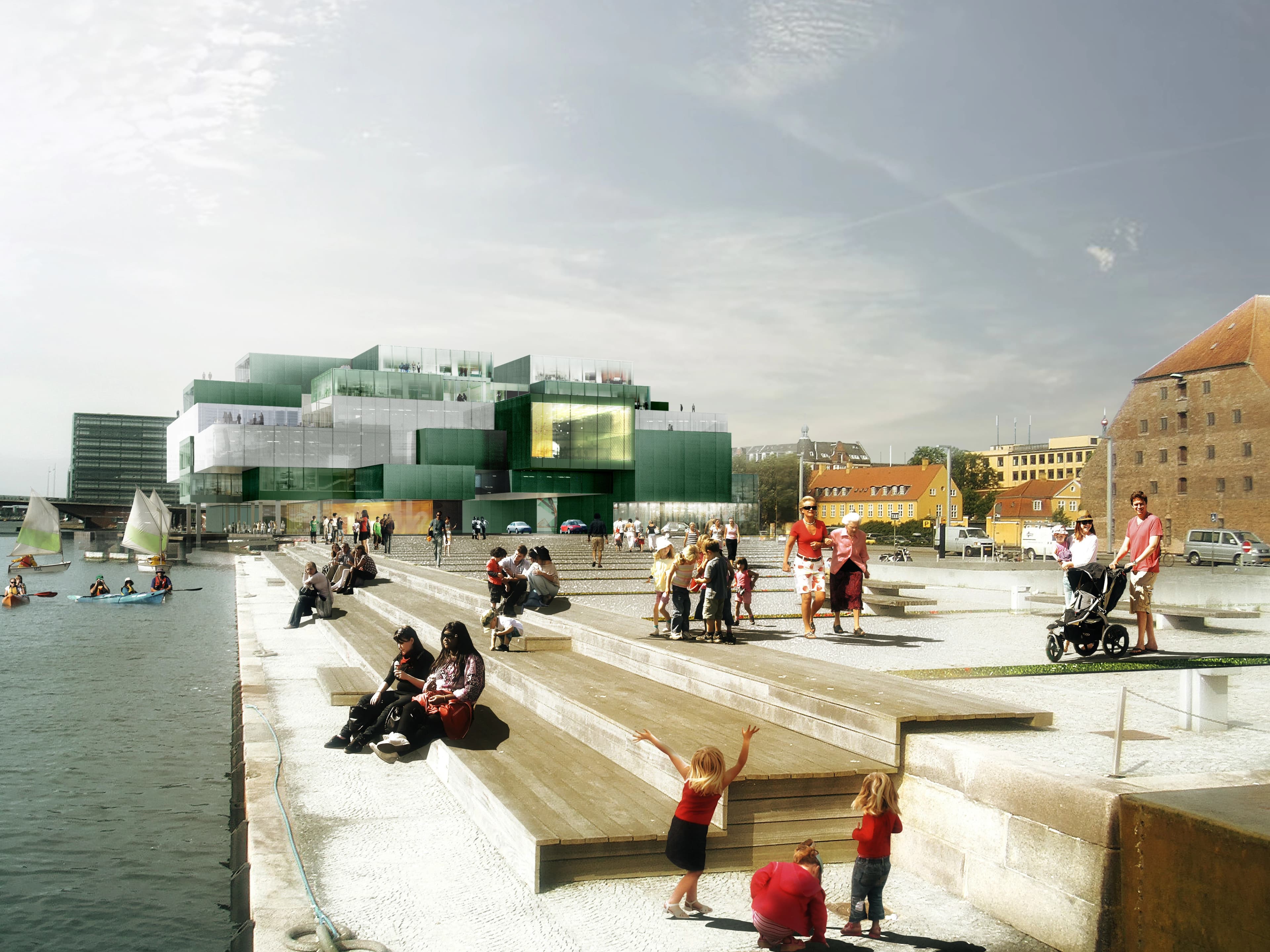
Photo: OMA A New Idea Takes Shape on the Harbourfront
The plans for BLOX are presented. The vision is to create a hub for architecture, design, culture, and urban life, where different functions and disciplines come together under one roof.
From the beginning, DAC is envisioned as the building’s cultural heart. The ambition is to invite the public inside and give more people the opportunity to experience how architecture and design shape everyday life.
2011
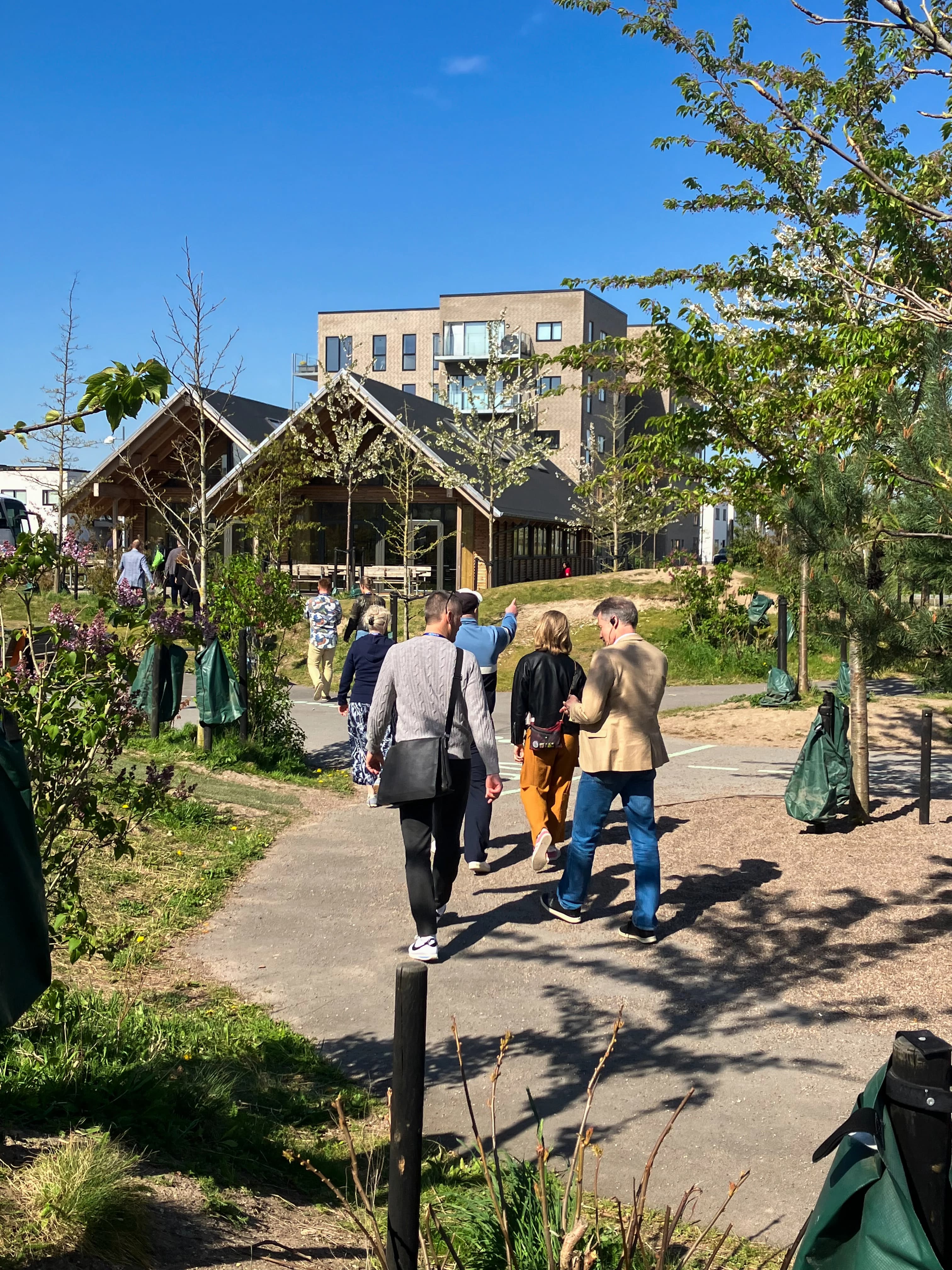
Photo: Dansk Arkitektur Center (DAC) Cities Become Something We Lead
DAC launches Strategic Urban Leadership, a continuing education programme for municipal politicians, directors, and senior managers.
The programme brings together decision-makers from across the country to work strategically with urban development. It is based on the fundamental idea that good cities do not emerge on their own, but through leadership, collaboration, and deliberate choices.
2018
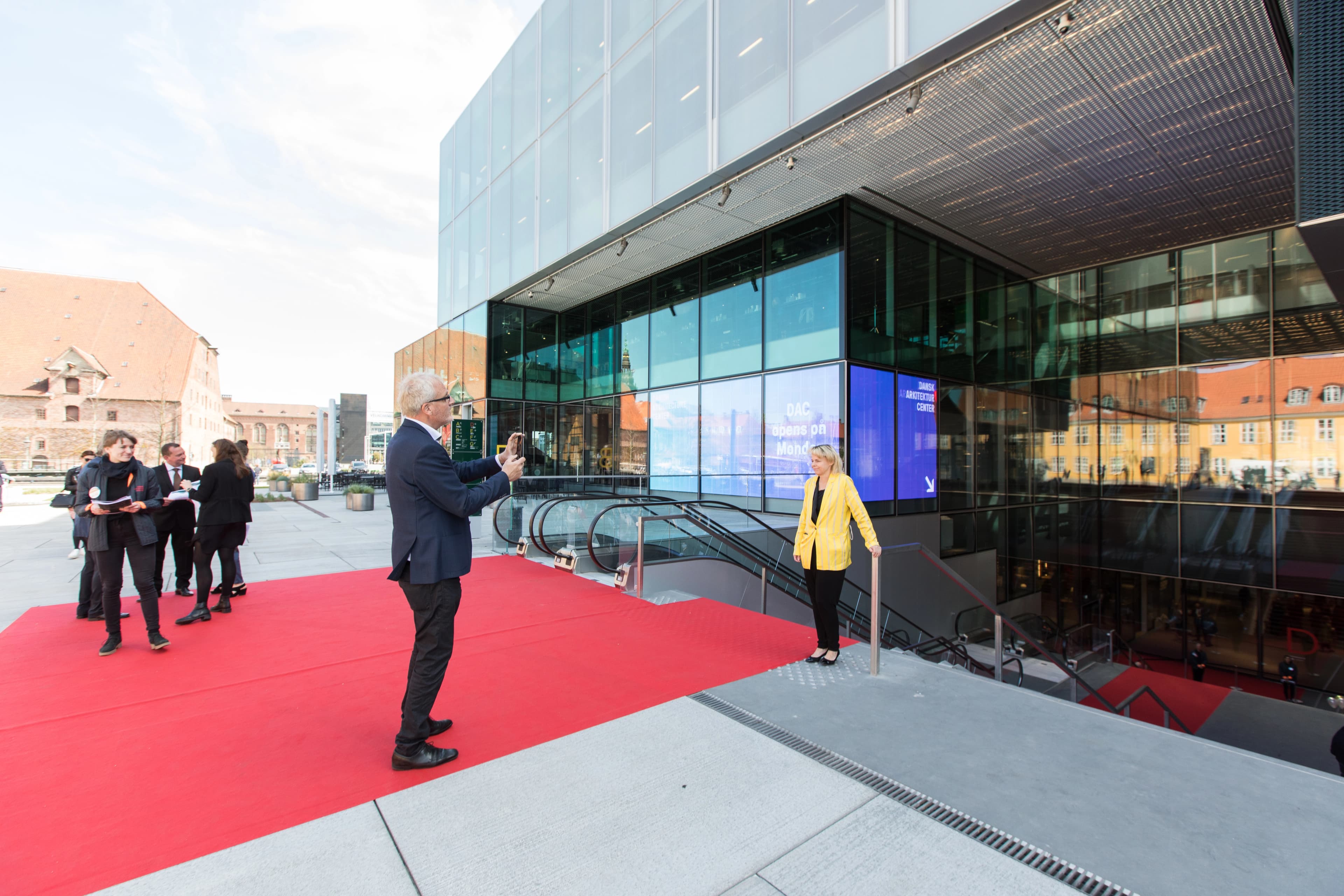
Photo: Astrid Maria Rasmussen A New Home Opens on the Harbourfront
DAC opens in BLOX on Copenhagen’s harbourfront. Here, the Danish Architecture Center gains new and larger spaces for exhibitions, education, debate, and experiences in the heart of the city. The architecture centre’s new home is in a building designed by the world-renowned architect Rem Koolhaas and the architectural firm OMA.
With the move, DAC continues its development from a professional centre into an international cultural destination. In BLOX, architecture, urban life, learning, and views of Copenhagen come together in one unified experience.
2020–2021
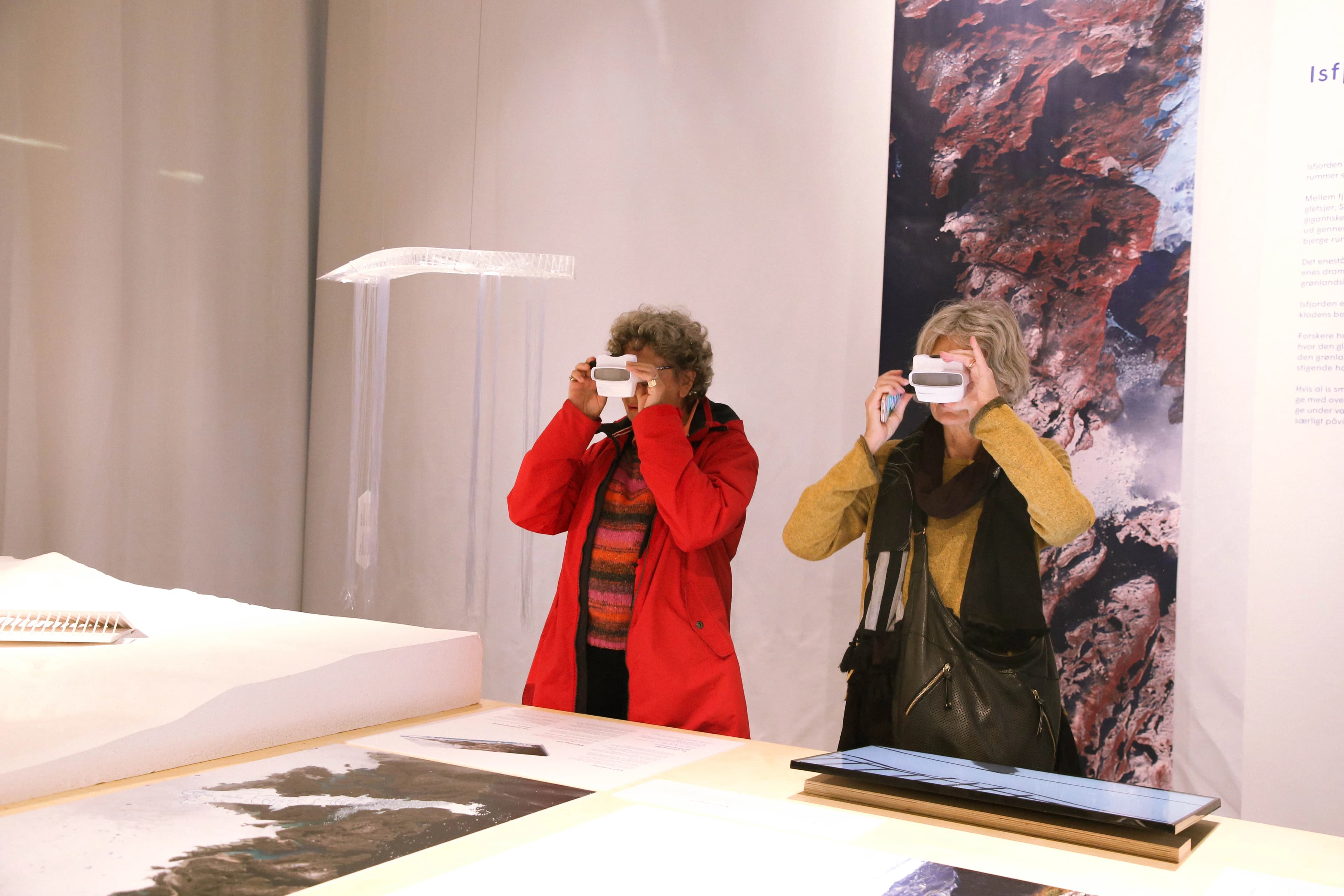
Photo: Dansk Arkitektur Center (DAC) Architecture Can Be Felt and Shared
DAC develops new ways of experiencing architecture — both physically and digitally. Architecture can be encountered through exhibitions, sound, learning, and digital formats that extend beyond the building in Copenhagen.
DAC’s communication reaches a broader audience and makes it easier for more people to take architecture with them and use it to understand their own surroundings.
2023
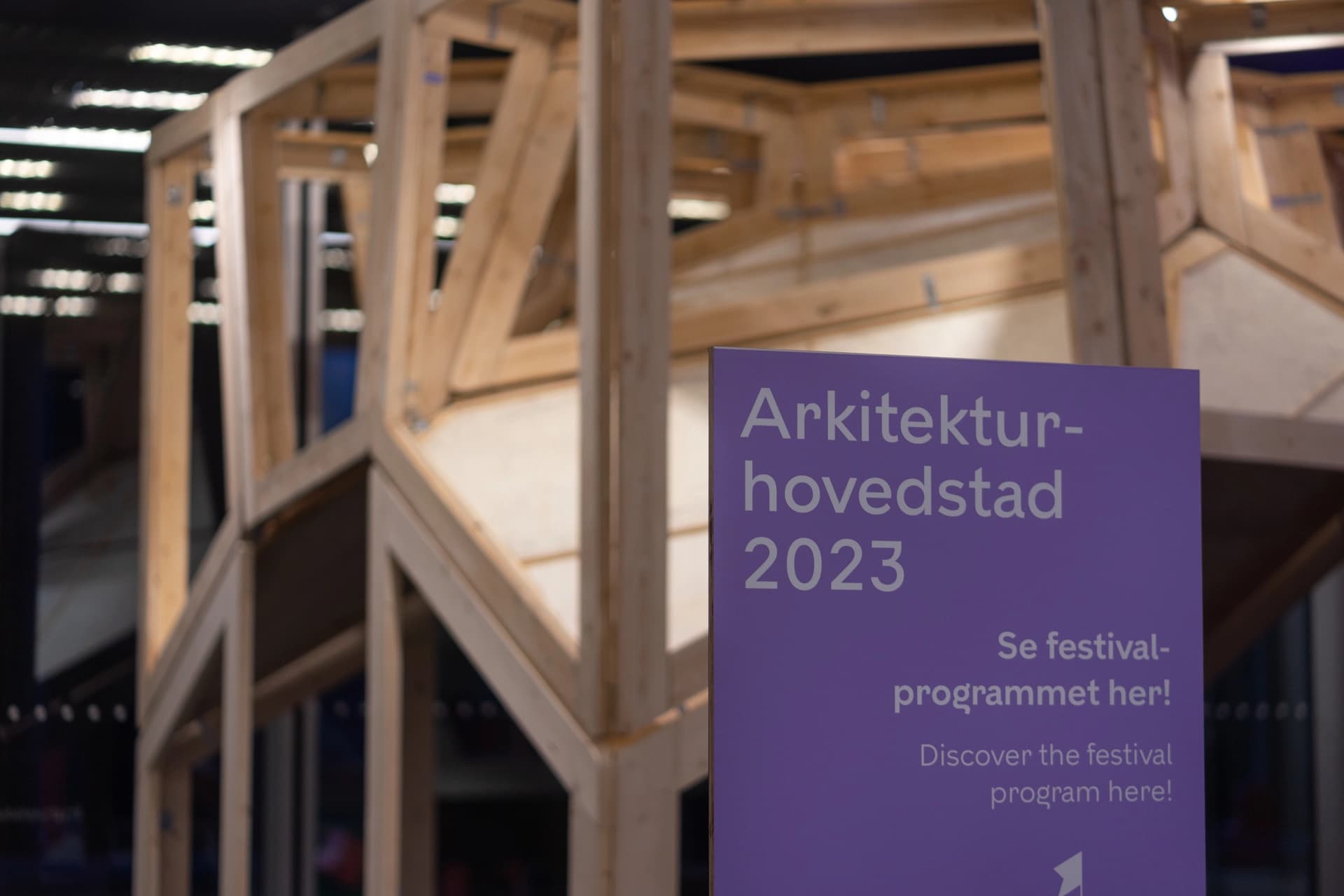
Photo: Søs Christine Hejselbæk The World Comes Together Around Architecture in Copenhagen
Copenhagen is the World Capital of Architecture, and DAC provides a setting for exhibitions, debate, and encounters between professionals and citizens.
That same year, So Danish! opens — Denmark’s first permanent gallery dedicated to Danish architecture. Here, the story of Danish architecture is told from the Viking Age to the present day.
2024–2025
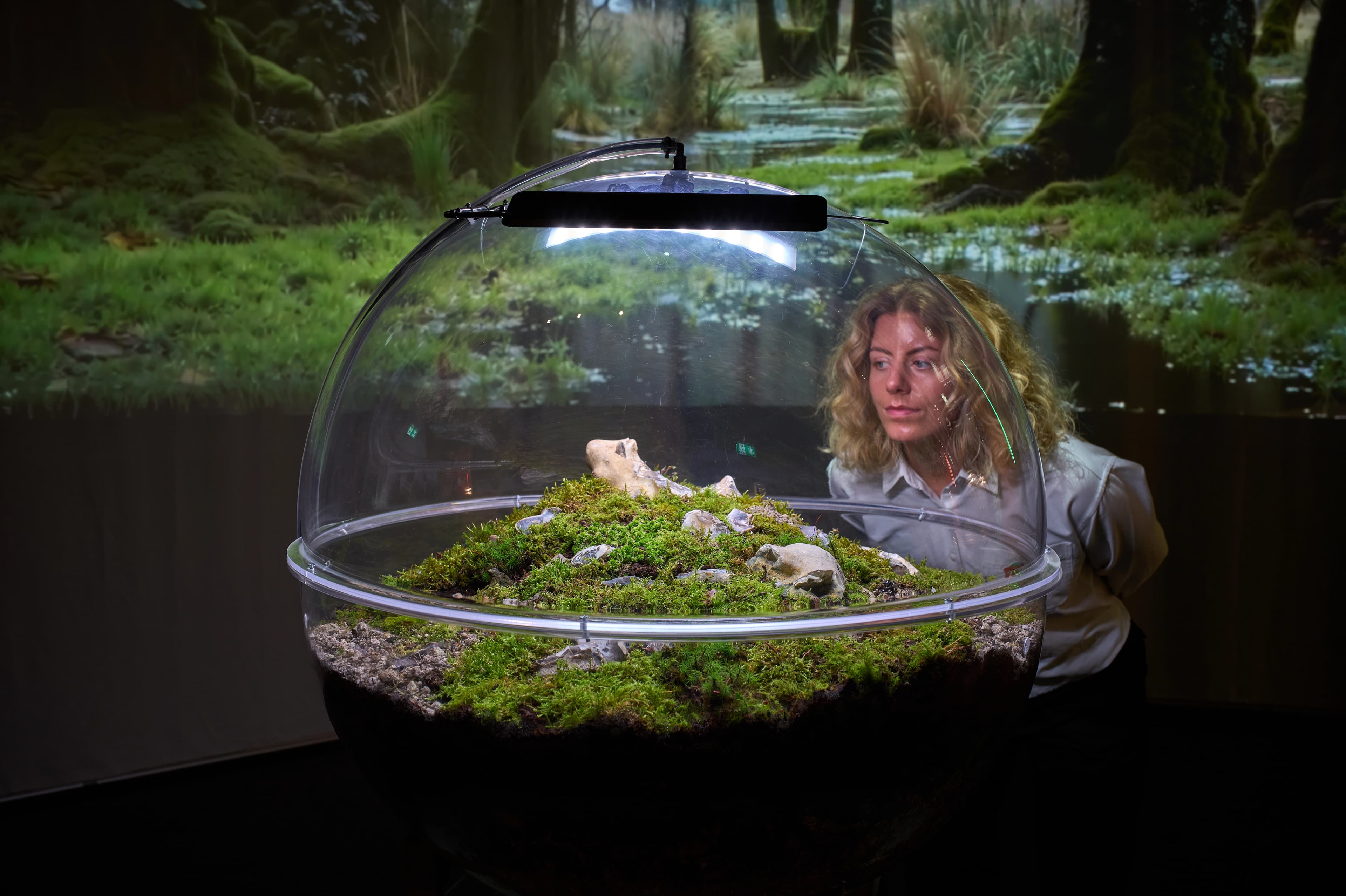
Architecture on Nature’s Terms
With exhibitions such as Water Is Coming, Reuse!, and Age of Nature, DAC focuses on how we can build with fewer resources and greater consideration for nature and the climate.
Today, DAC is Denmark’s national architecture center and a platform for knowledge, debate, and experiences related to the built environment. In 2025, H.M. King Frederik X becomes patron of DAC.
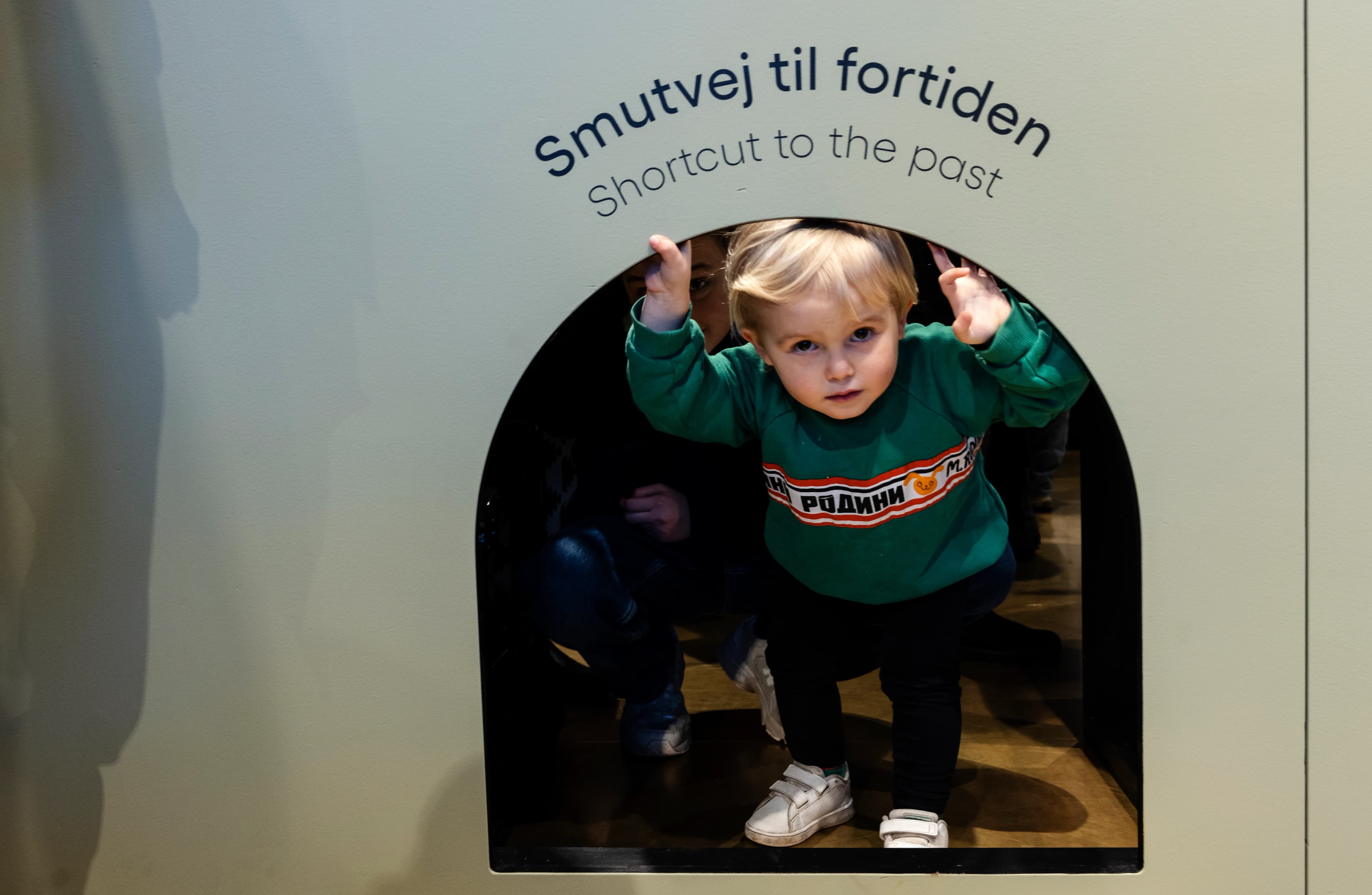
Architecture for the Next Generations
Every year, thousands of children and young people encounter architecture through DAC’s teaching, workshops, and school programmes. Here, they build, draw, and experiment with spaces, materials, and ideas.
This is an important part of DAC’s work: giving new generations a language for understanding the city and the desire to help shape the future.