KAI Water Culture House: Making Waves on Copenhagen’s Harborfront
KAI is much more than a place to swim. Located on Copenhagen’s Paper Island, the Water Culture House celebrates the role water has played in the city’s history, culture, and everyday life.
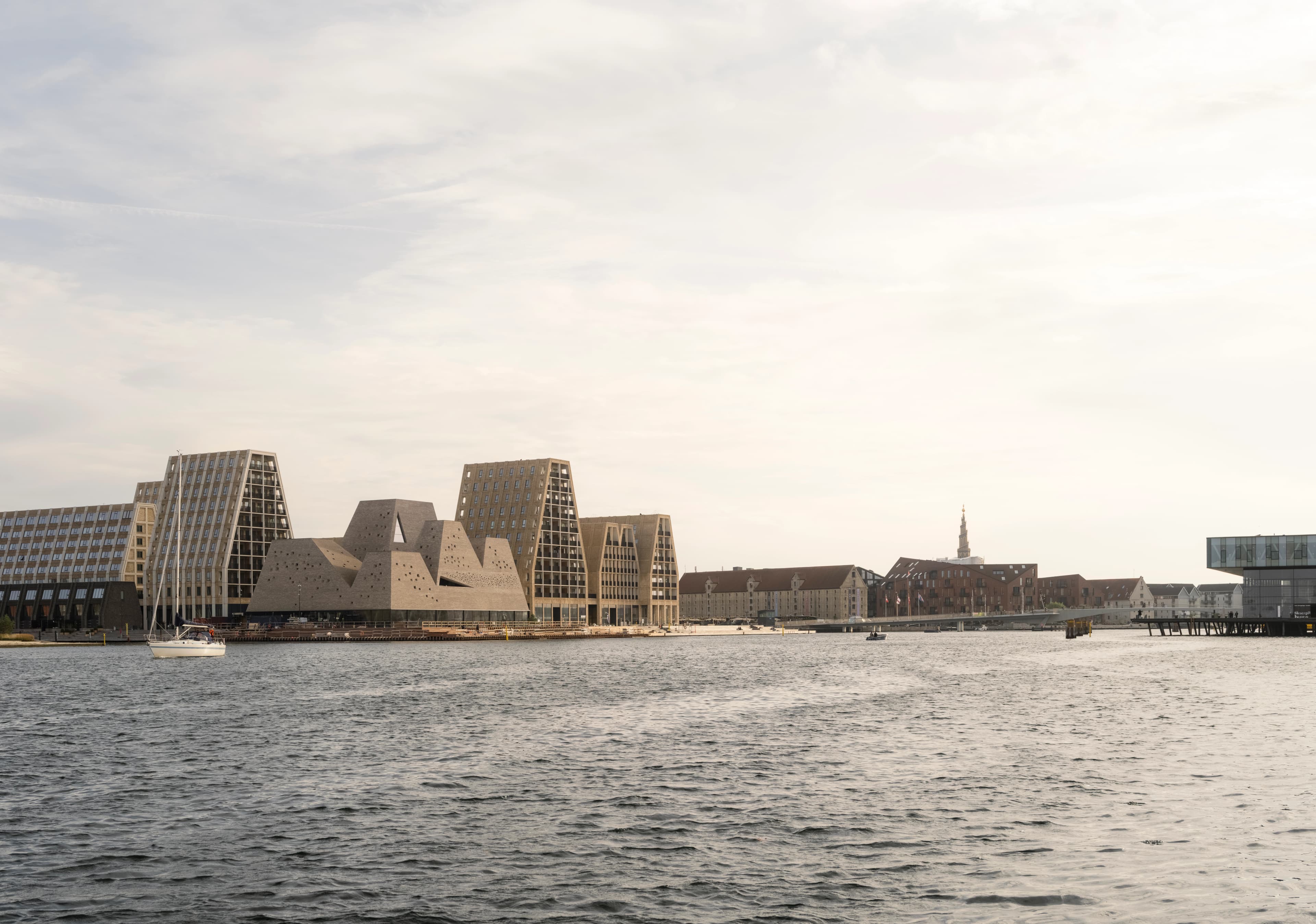
In recent years, Danes have embraced the pleasures of both hot and cold water. Sauna sessions and year-round dips in the harbor have become part of everyday life. In Copenhagen, water is as integral to the city's identity as cycling. And while bathing culture has deep Nordic roots, the Water Culture House also draws inspiration from Japan.
»It is a place where you will feel the water and become one with it,« says Kengo Kuma, founder of Kengo Kuma and Associates, in an interview with Louisiana Channel.
The name KAI also reflects the meeting of Danish and Japanese architecture and culture. It refers to the sea in Japanese and echoes the Danish word kaj, meaning quay – a nod to the building’s location right on Copenhagen’s harborfront.
A Building Without a Back
Spanning 5,800 square meters, KAI is designed to become an integral part of life along Copenhagen's harborfront. Its facilities include a variety of indoor and outdoor swimming pools. Situated on the northwestern corner of Paper Island, close to the Copenhagen Opera House and The Opera Park, the building occupies a striking position between the city and the water. Its distinctive design allows it to blend naturally with the pyramid-shaped residential buildings that define the island's architecture.
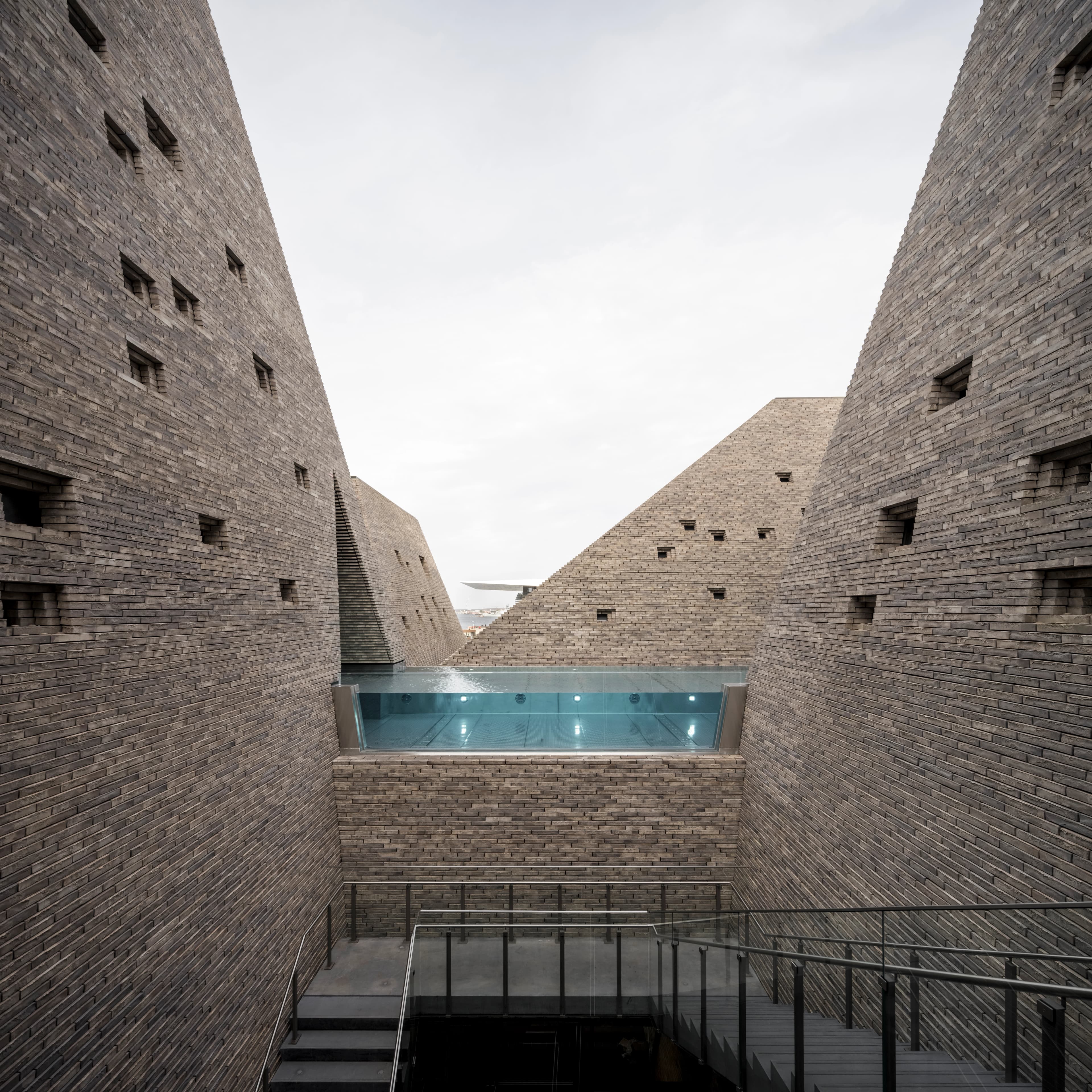
Just as water has no fixed direction, KAI challenges the conventional idea of a building having a clearly defined front and back. Instead, it appears as a cluster of five brick-clad structures of varying heights, creating a composition that changes character depending on where you stand.
»Our focus in design is to create an experience, and not just a standalone object, in the form of the landscape, art and architecture that are unified and defined by the water,« writes Kengo Kuma and Associates.
Brick Connects the Building to Its Surroundings
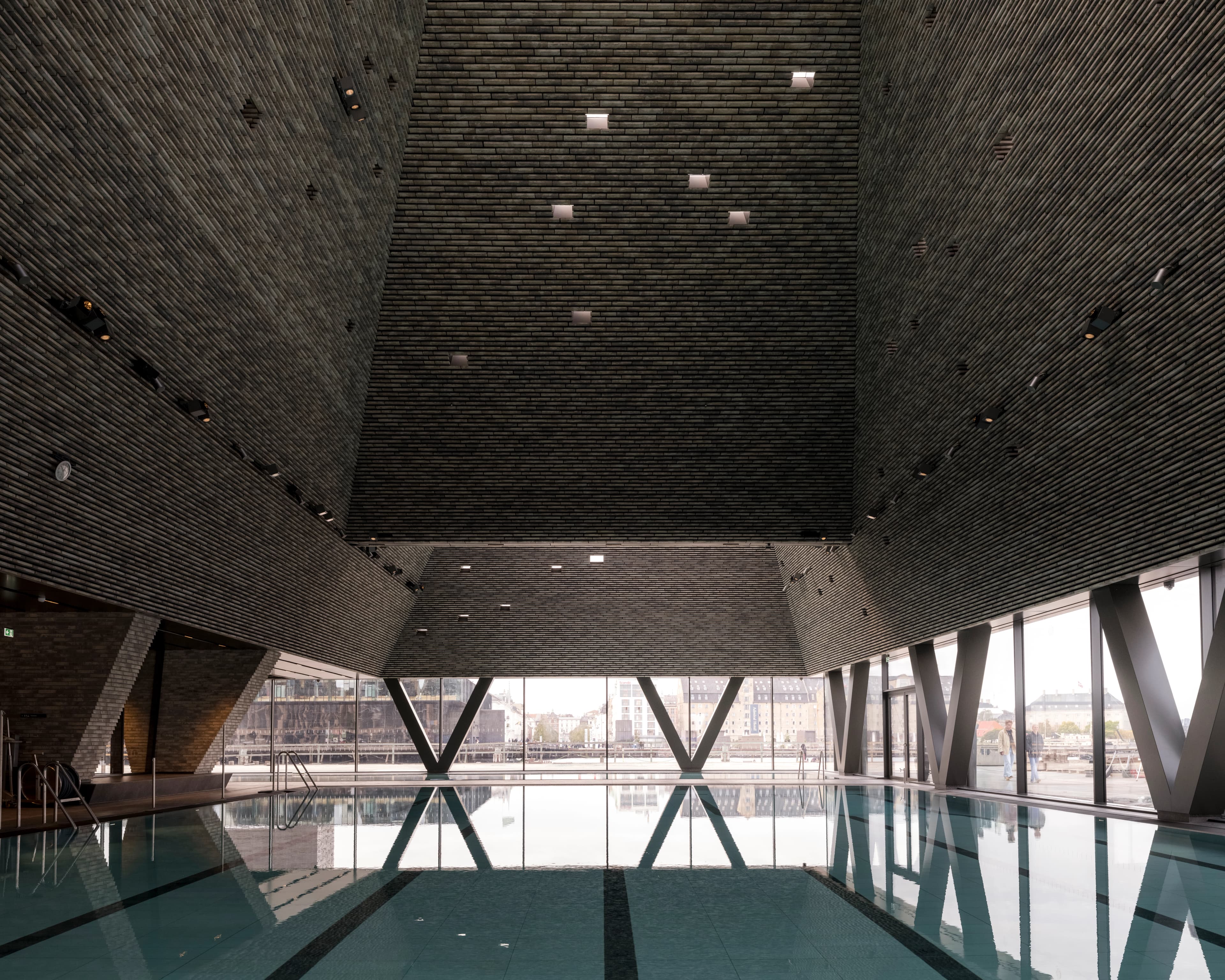
Beneath the brick-clad structures, a glass facade creates the impression that the building is almost floating above the ground.
From the outside, the five forms resemble towers or the peaks of small pyramids rising to different heights. Brick was chosen to connect the building with its surroundings while celebrating the quality and beauty of traditional Danish craftsmanship.
The result is a facade that creates a dialogue between old and new – from the historic Kuglegården complex and the many older buildings on Holmen to the contemporary, pyramid-shaped residences of Paper Island.
Painting With Light
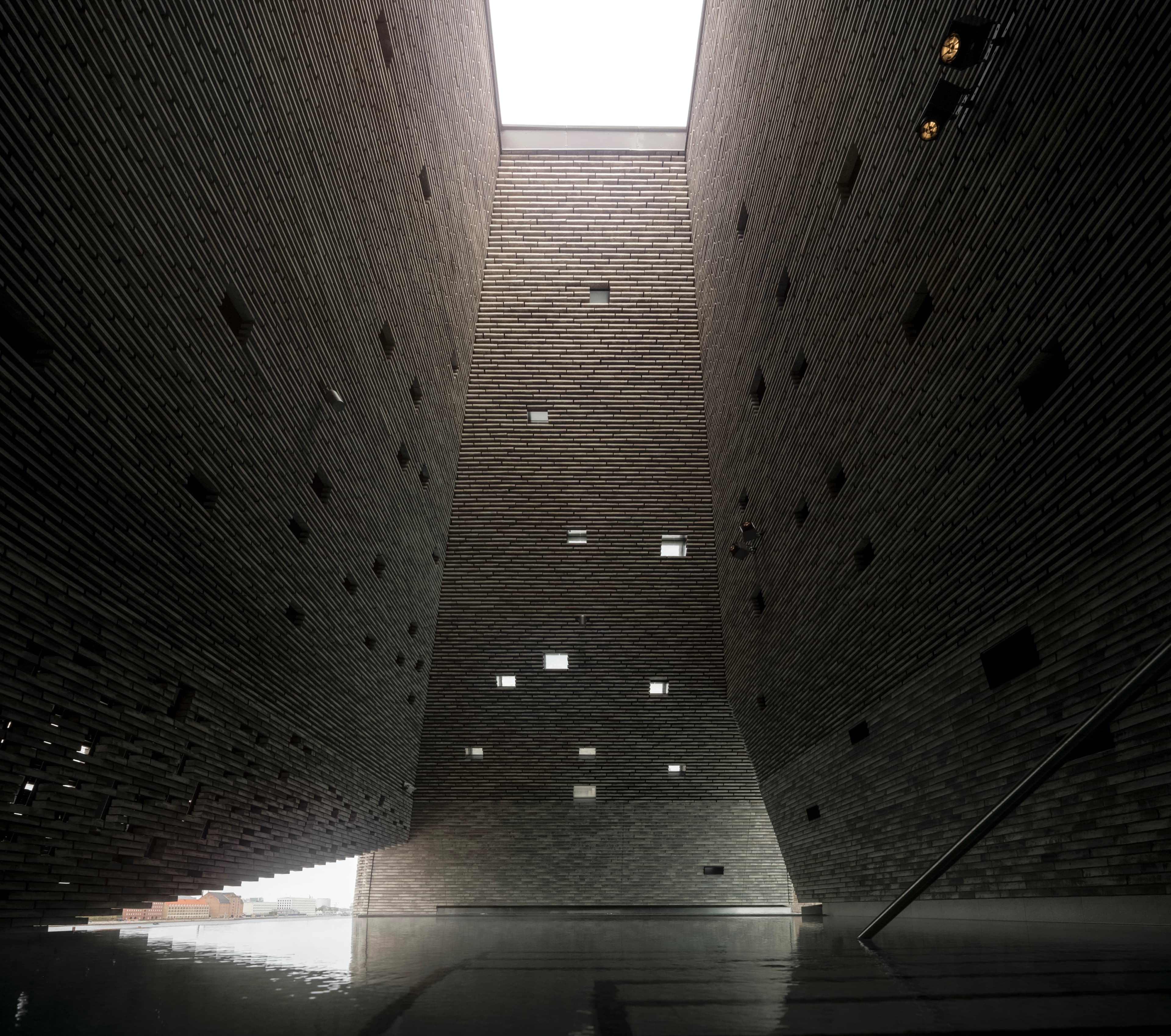
In Japanese, the word komorebi describes sunlight filtering through the leaves of trees. It is a natural phenomenon that Kengo Kuma seeks to recreate through architecture, using materials to filter daylight and produce an ever-changing interplay of light and shadow.
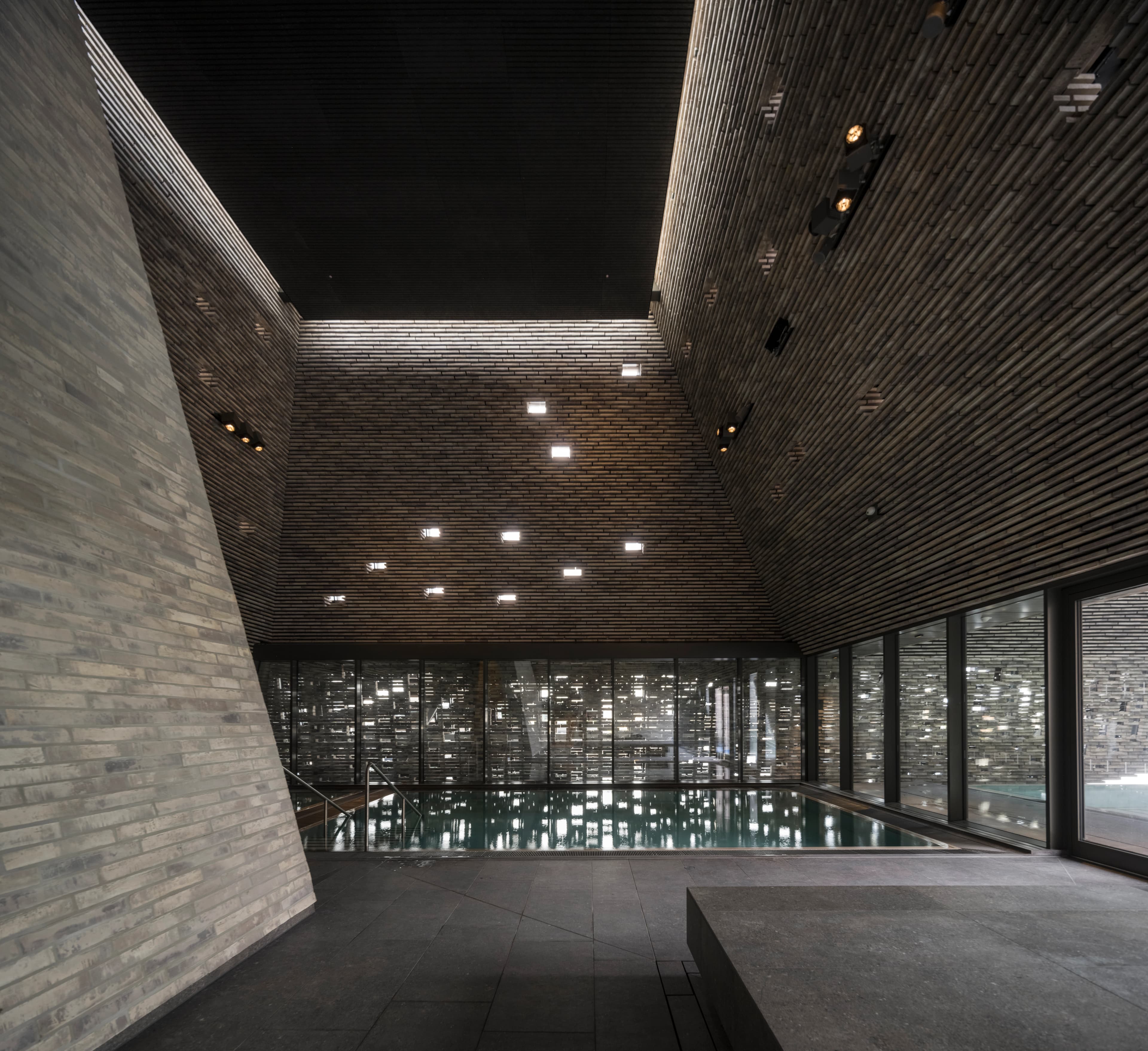
The small openings scattered across KAI's soaring brick facades bring this idea to life. While the bricks root the building in Danish architectural tradition, they do not form a continuous, solid surface. Instead, daylight slips through the gaps, casting shifting stripes and patterns across the interior spaces.
After dark, the effect is reversed. Light spills out through the openings in the facade, transforming KAI into a glowing lantern on the waterfront.
Swim in a Valley Above the City
KAI Water Culture House features 10 pools in total, along with opportunities to swim in the harbor itself. One of its main attractions is a heated outdoor pool nestled between the building's rooflines. Here, visitors can swim in warm water surrounded by dramatic architectural forms that evoke a rocky gorge or a secluded mountain valley.
Inside, the connection to nature continues. Beyond the distinctive, tree canopy-inspired lighting, the interiors create the sensation of swimming through a series of caves. Tall, sloping walls and skylights shape the spaces, while the acoustics shift as visitors move from one pool to another – almost as though they were exploring an underground network of interconnected caverns.
KAI is envisioned as a gathering place for Copenhagen's schools, swimming clubs, and cultural organizations. By meeting the city's growing demand for swimming facilities, the Water Culture House will help transform Paper Island into a lively, welcoming destination for the wider community.
Around KAI
On The Paper Island, you're surrounded by some of Copenhagen's most striking contemporary architecture. Simply walk to the water's edge for an unobstructed view of the Royal Danish Playhouse across the harbor. Look north and you'll see The Opera Park and the Copenhagen Opera House. To the south, Inderhavnsbroen, the Inner Harbor Bridge, connects the city center and Nyhavn with Christianshavn, bringing the two sides of Copenhagen's harbor together.
Overview
- Built 2026
Who
Architect
- Kengo Kuma and Associates
Contractor
Lighting design
Client
Development partner
Collaborator
What
Type
- Culture
Style History
Where
Place
- Copenhagen, Inner City
Address