The Gesamtkunstwerk Is Not What It Used to Be – Maybe It Matters More Than Ever?
In the gesamtkunstwerk, different art forms merge into a higher unity. But perhaps the ideal of the perfected whole has taken on new meaning in today’s holistic approach to sustainability?
Learn more about the concept below – and get an expert’s take on five gesamtkunstwerk projects viewed through the lens of contemporary architecture.
By Kasper Foged
Gesamtkunstwerk. The term and idea originally come from Germany and were used to describe works of art that unite multiple artistic disciplines. We have to go back to the 19th century to find the roots of the concept, which is often associated with the German composer Richard Wagner. He believed that the ideal music drama emerged when art forms such as dance, music, and poetry fused together to create a work far greater than any single discipline could achieve on its own – a gesamtkunstwerk.
Later, a modernist interpretation of the concept emerged. In Denmark, Arne Jacobsen is perhaps the best-known proponent of the idea in architectural terms.
The Harmonious Whole
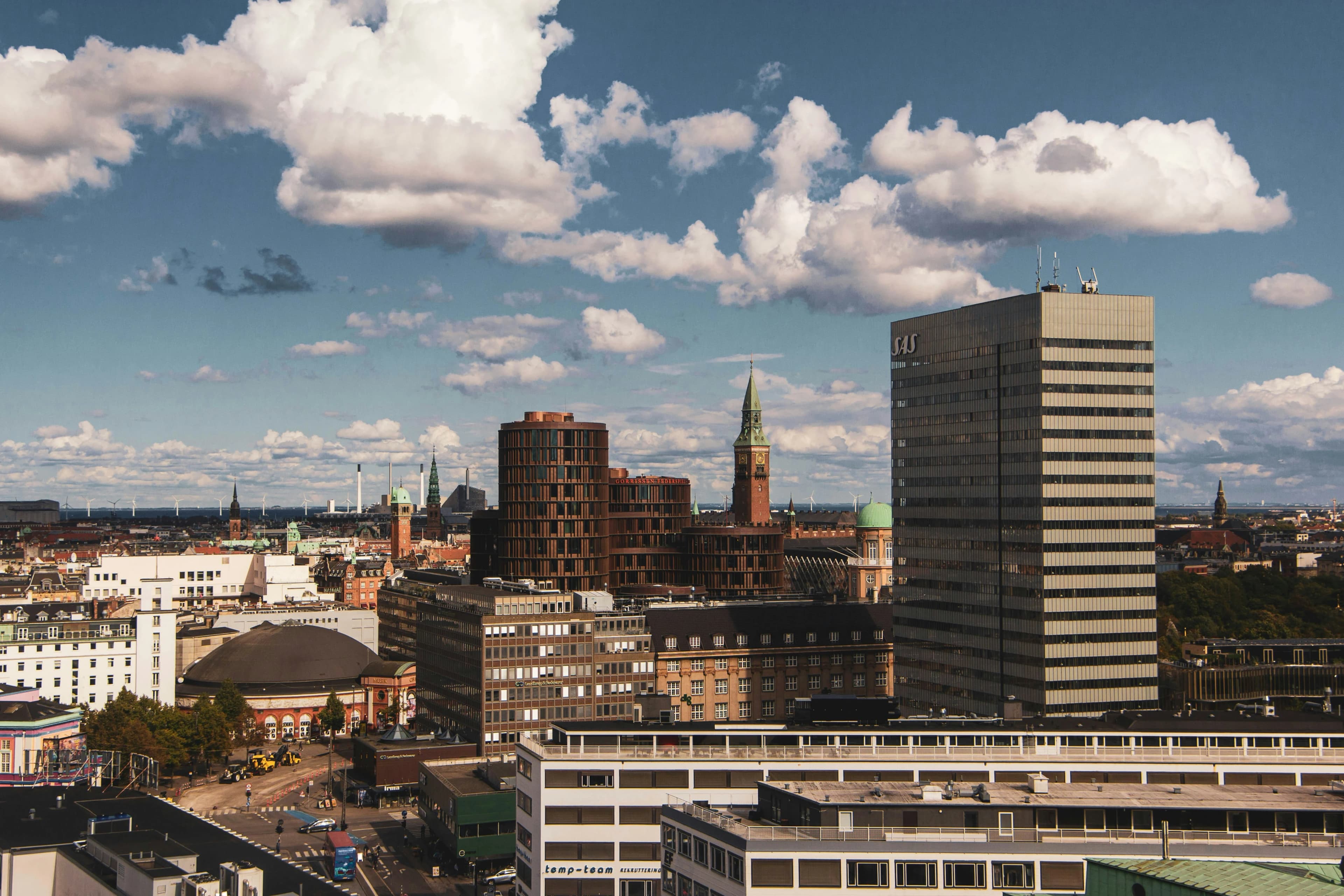
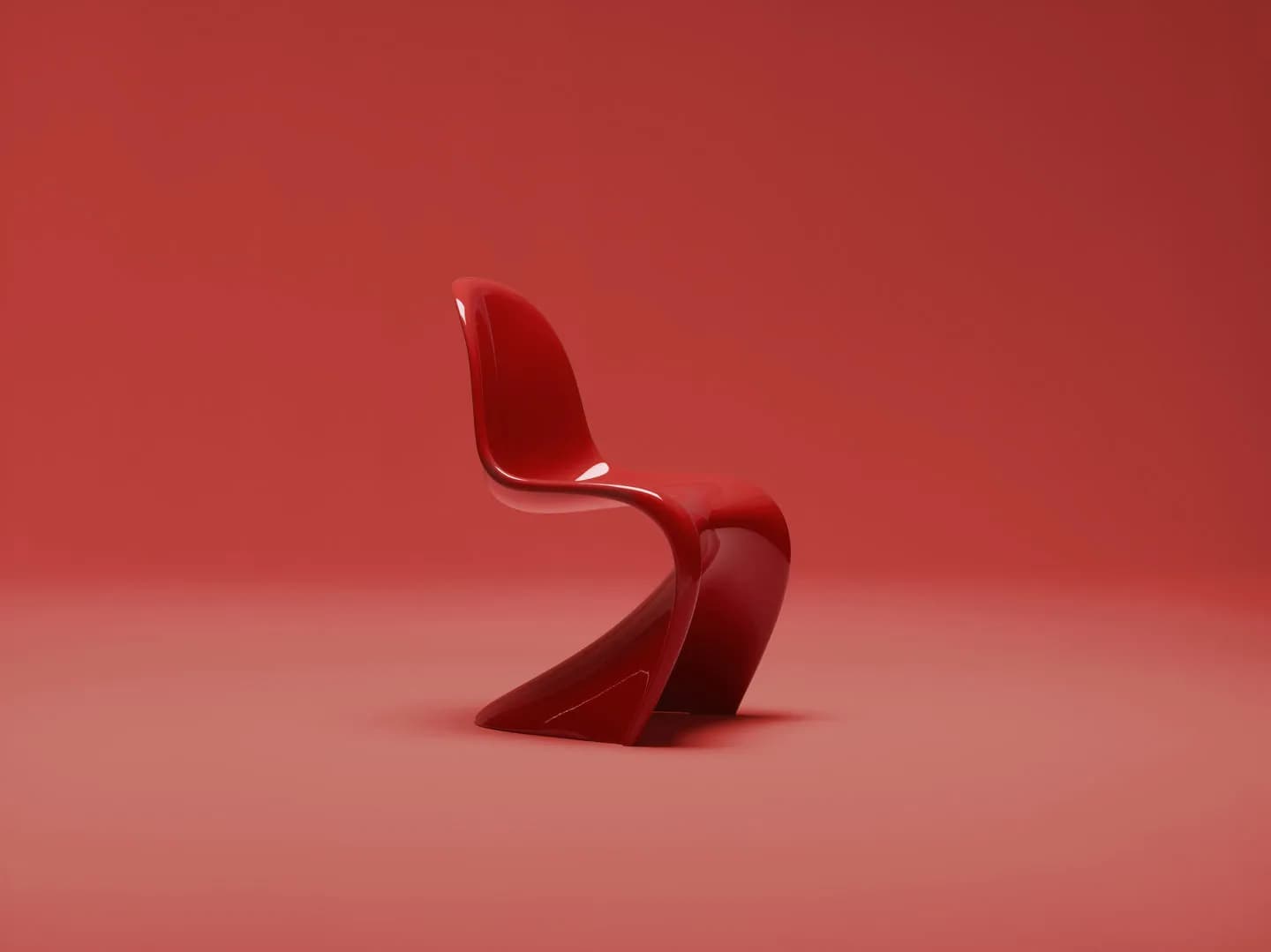
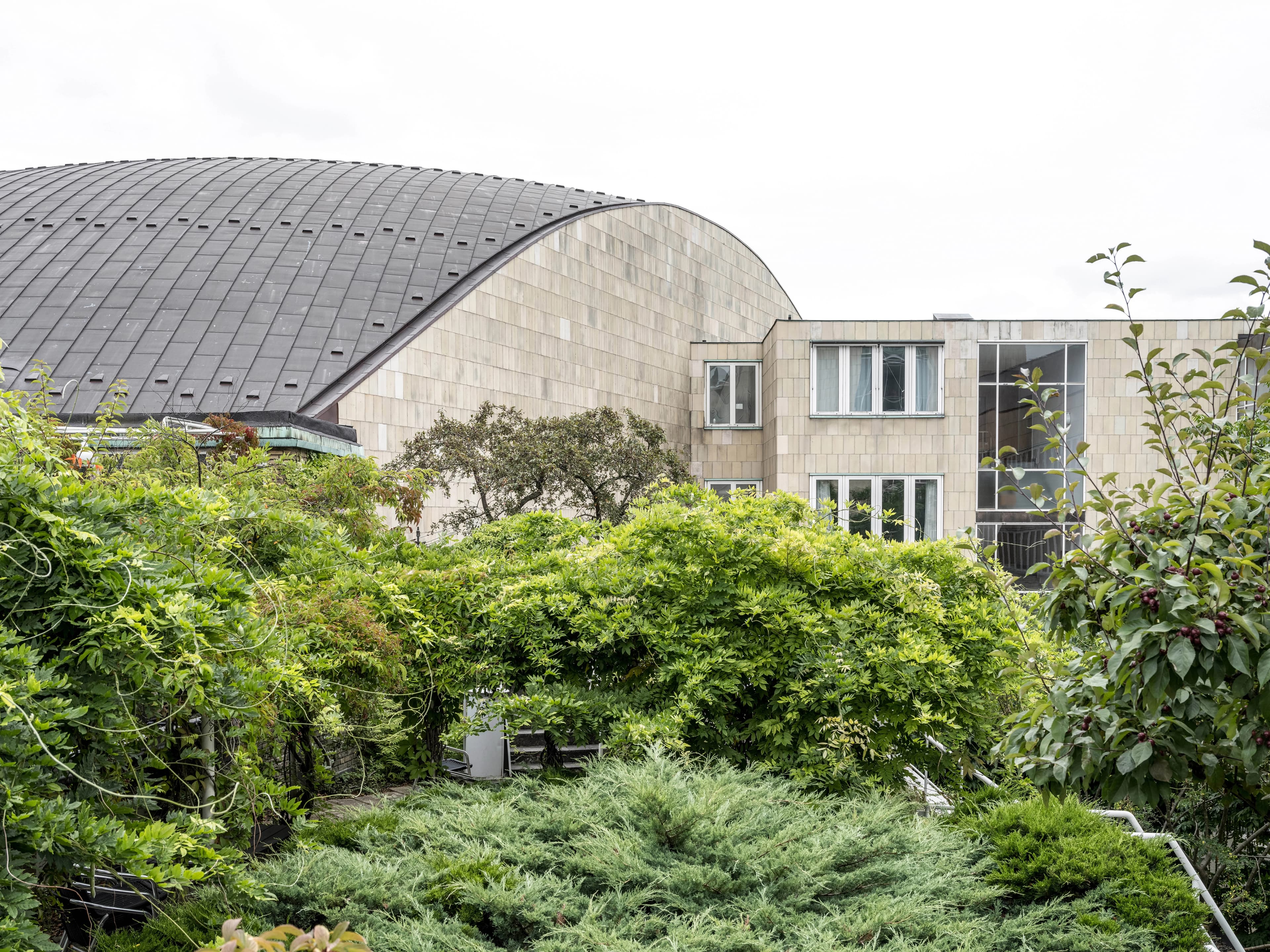
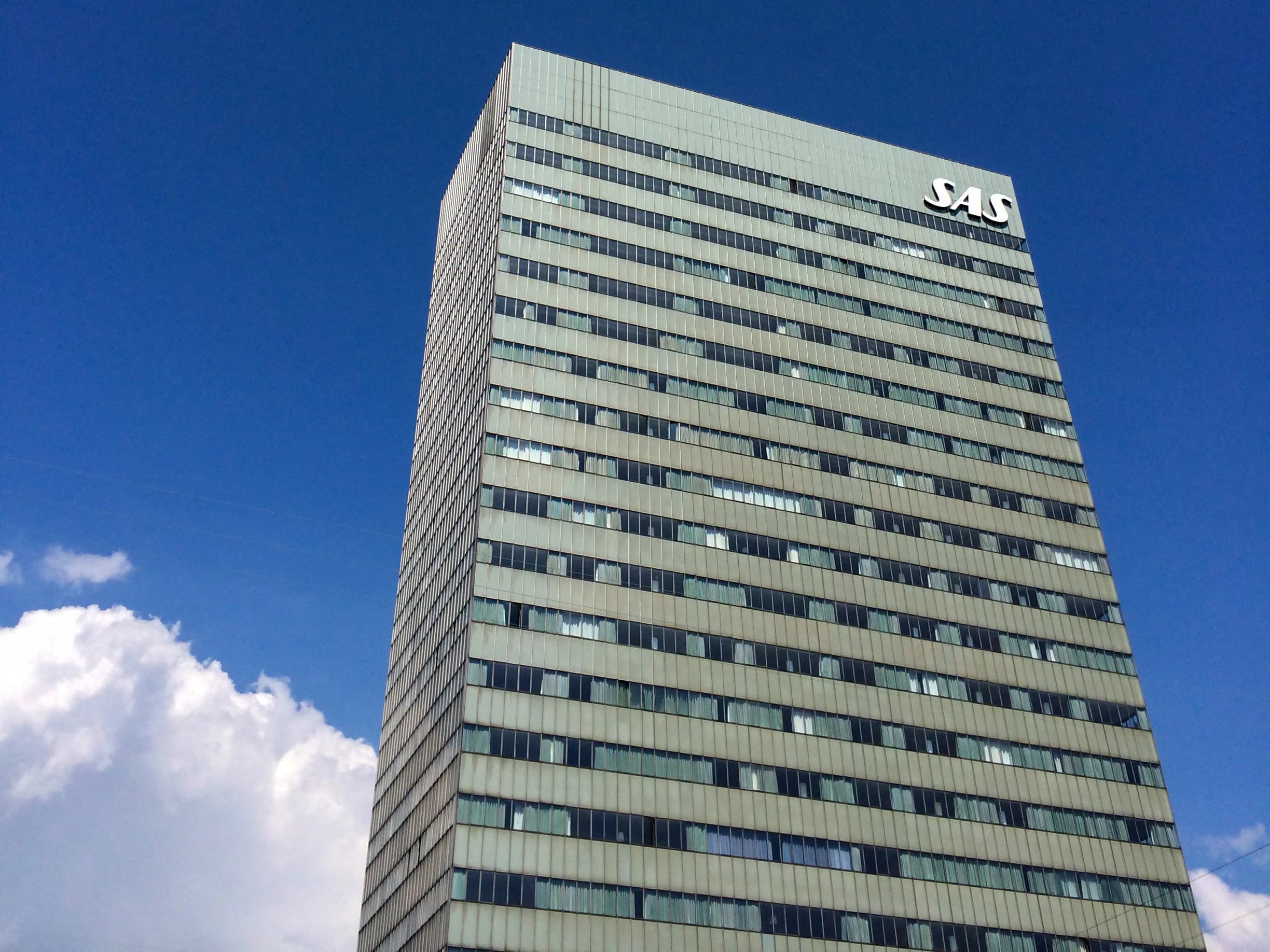
For Arne Jacobsen, gesamtkunstwerk referred to his vision of creating a unified architectural work of art. Rather than merging different artistic genres, this approach centered on a cohesive expression shaped by a single creative hand. In projects such as the SAS Royal Hotel and Denmark’s National Bank in Copenhagen, Jacobsen designed everything from the building itself to the smallest details – including furniture, lighting, textiles, and cutlery – to create a complete and harmonious whole.
Martin Søberg, an architectural historian and associate professor at the Royal Danish Academy specializing in modern and contemporary architecture and the relationship between work and idea, points out that today there are two distinct understandings of the concept that are important to differentiate.
»We need to be clear about whether we’re talking about it in the modernist sense – where architects like Arne Jacobsen in Denmark and the Finnish architect Alvar Aalto belong – or the older understanding, where the optimal work is created not by a single discipline but by several different ones,« Søberg says.
"What the new gesamtkunstwerk projects have in common is that they manifest holistic thinking, but without the absolute control we saw with Arne Jacobsen."
An Extinct Discipline
According to Martin Søberg, the modernist interpretation of the gesamtkunstwerk – championed by Arne Jacobsen – is now essentially a thing of the past. The idea of a single architect conceiving a completely controlled whole is, in his view, rarely seen today.
At the same time, he suggests that an entirely new definition of the concept may have emerged.
A Broader and More Open Interpretation
Today, gesamtkunstwerk can be understood much more broadly than the total design approach associated with modernist masters. In many sustainable projects, the whole emerges through the combination of materials and elements that carry their own histories and previous lives, brought together in a new context. This interpretation both reconnects with the concept’s early meaning and extends modernism’s focus on holistic thinking.
»What the new gesamtkunstwerk projects have in common is that they manifest holistic thinking, but without the absolute control we saw with Arne Jacobsen – where everything down to the smallest teaspoon was custom-designed for the project,« Søberg explains.
Flexible Wholes Rather Than Perfect Works
In other words, the classical understanding of gesamtkunstwerk has become outdated. Today, buildings and their components are increasingly seen as something that can evolve and change. The notion of the perfect work – where everything is in harmony and nothing can be added or removed without causing the whole to collapse – is no longer dominant.
»Today, things are flexible and relational. As an architect, you focus on the site and on how elements can enter into larger contexts. The whole itself is something that takes place and changes over time. That results in more robust works that can accommodate change – materials developing a patina, buildings being continuously adapted as their use evolves,« Søberg explains.
A Concept with Renewed Relevance
Thomas Ryborg Jørgensen is an associate professor at the Royal Danish Academy and the author of several books on architecture, including Rooms for Living, which explores architectural formations of wholeness. He, too, is deeply engaged with the idea of the gesamtkunstwerk and sees the concept as more relevant than ever.
»The word gesamt means total, collective, whole, and is used to describe something that constitutes a unity. The idea of wholeness is highly relevant today, but it must of course be understood differently from the ways we have historically understood the gesamtkunstwerk concept, even though the kinship is clear. In that sense, we can still learn from the so-called gesamtkunstwerk projects,« he says.
According to Jørgensen, we must now create new forms of gesamtkunstwerk that both update and radicalize the concept, giving it new meanings.
»The reason it is so relevant today is closely tied to the sustainability agenda and the fact that we can no longer think in separate and isolated parts. Instead, we have to think in networks – where everything affects everything else – and where things function as unified formations, as gesamtkunstwerk,« he explains.
5 Recent Danish Gesamtkunstwerk Projects – Selected by Martin Søberg
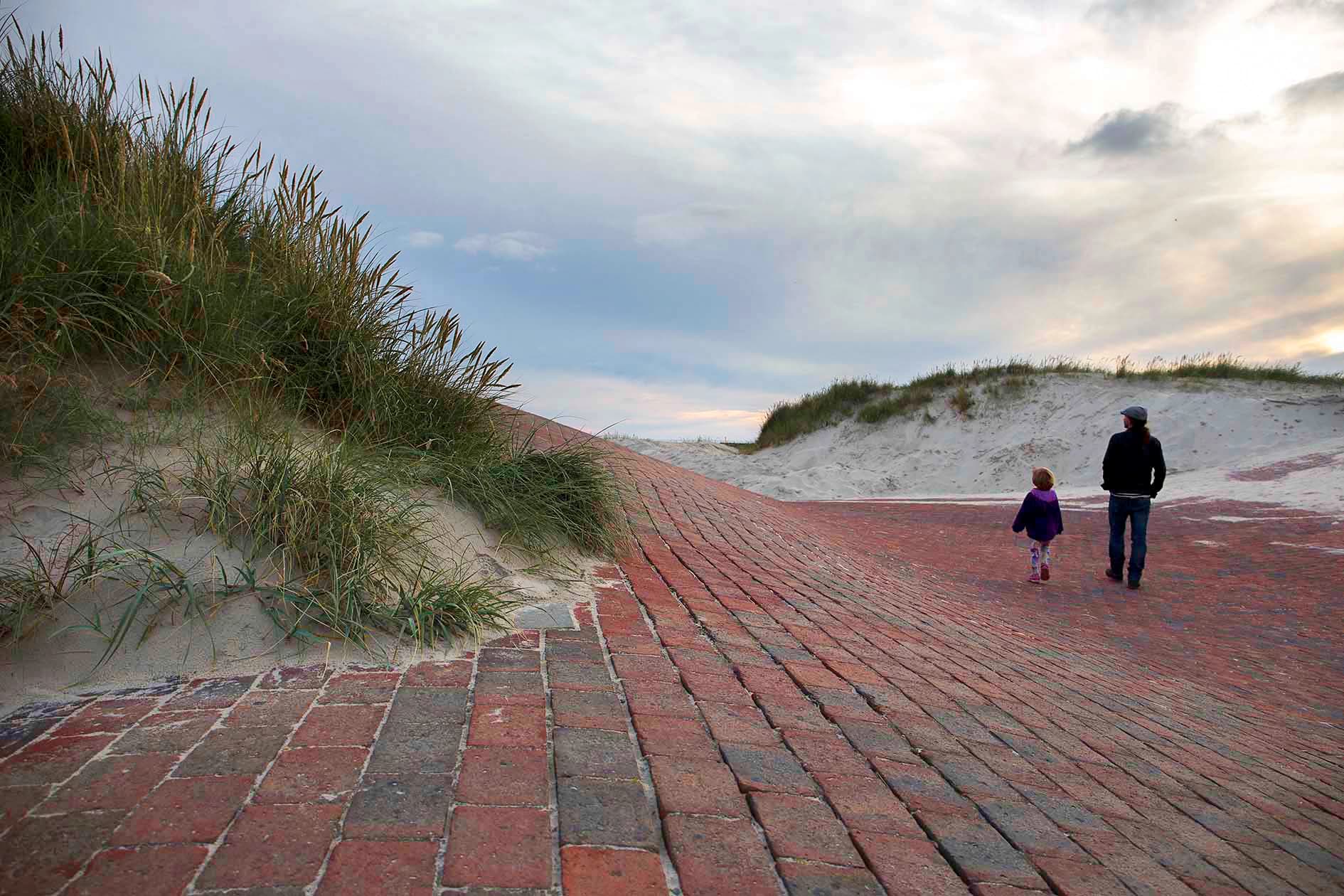
Photo: Sandra Gonon – Arkitekturbilleder.dk 1. Vestled
By architect Carsten Juel-Christiansen, visual artist Marianne Hesselbjerg, and Schønherr / 2006–2013
Vestled functions both as an urban space and a landscape space, located in the transitional zone between the town and the beach in Hvide Sande. The project includes a series of sculptural elements, and there was a shared intention among the contributors. Together, they worked with the connection between town and landscape and with the spatial relationships in the area.
Vestled is a strong example of a project in which different elements merge into a single, cohesive work that creates a new link between town and beach. It combines infrastructure, recreation, and public gathering, while also operating on an aesthetic level.
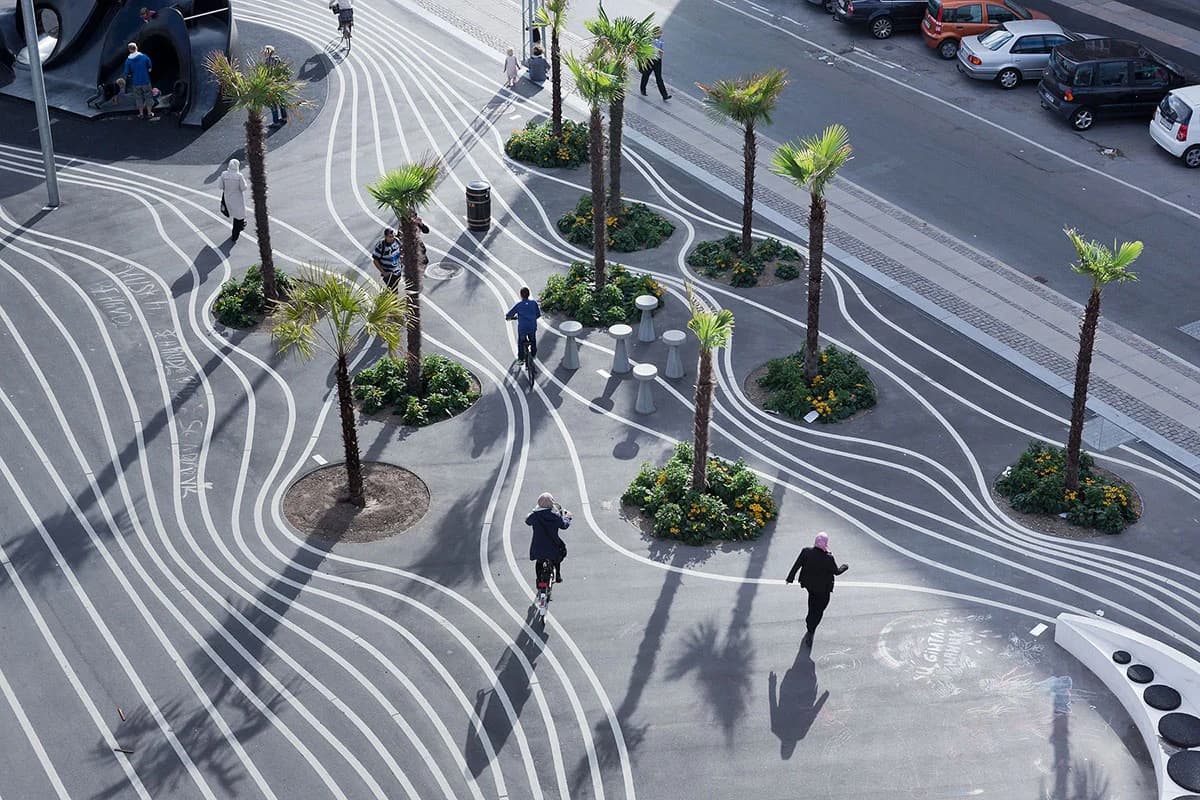
Photo: Iwan Baan 2. Superkilen
By BIG – Bjarke Ingels Group, Topotek1, and Superflex / 2012
Superkilen differs markedly from Vestled in its aesthetic expression, yet it is likewise a public space where different art forms interact. Although it has been around for several years, the project still stands as a clear example of a gesamtkunstwerk.
It is evident that the various contributors worked from a shared vision for the site. The project unfolds across multiple dimensions – both in its overall spatial organization and in its individual elements. A key strategy was involving locals, who influenced the development of the site’s urban furniture. The project reflects the diversity of national backgrounds that characterize the Nørrebro district. Despite its vibrant expression, there is a clear intention in which different art forms interact to create something greater.
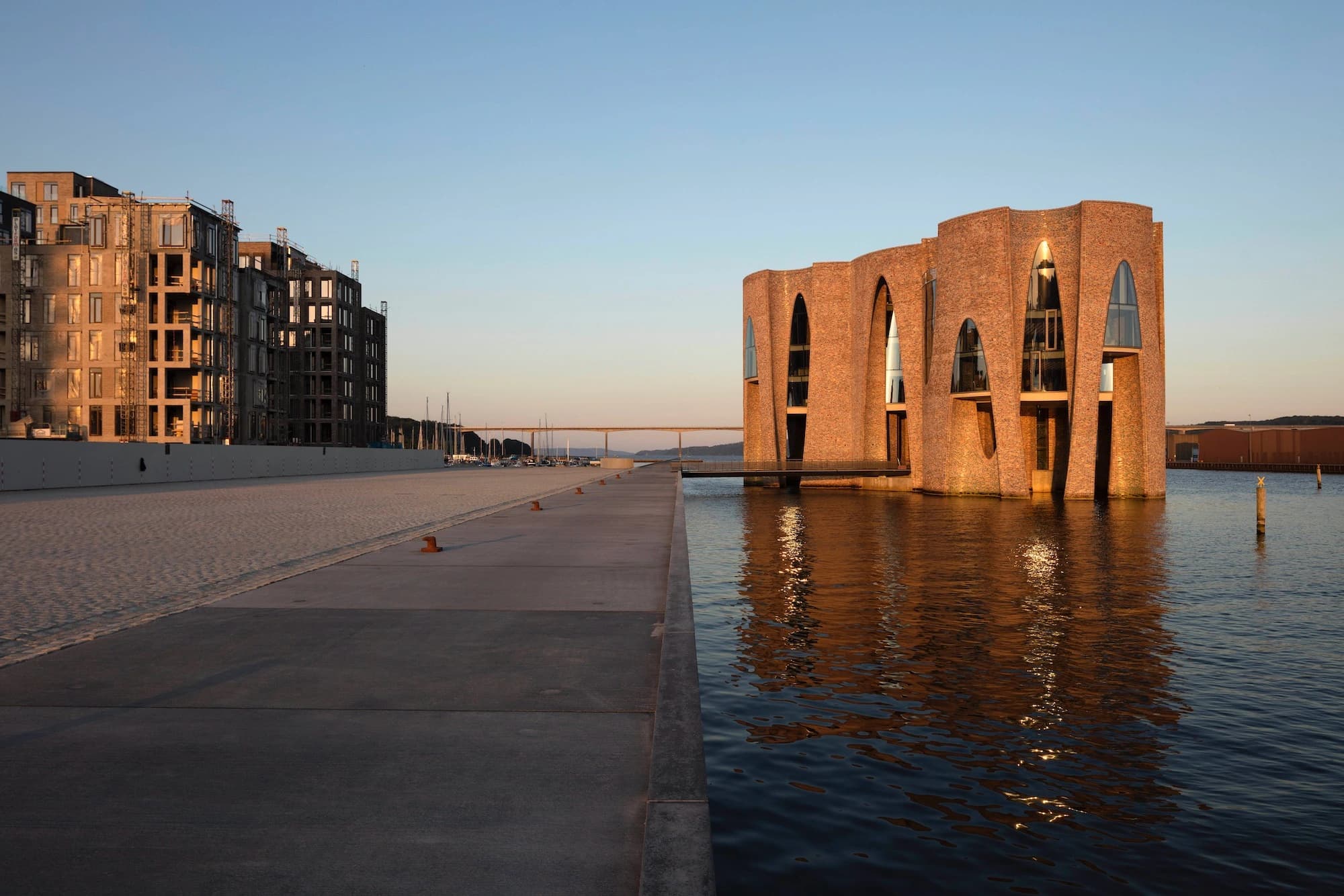
Photo: Anders Sune Berg 3. Fjordenhus
By Studio Olafur Eliasson / 2018
Fjordenhus was created by the Danish–Icelandic artist Olafur Eliasson and his studio, which includes multiple disciplines such as visual artists and architects. The interplay between art forms is therefore embedded in the project’s very working method, resulting in a building that can also be perceived as a work of visual art – and thus as a gesamtkunstwerk.
The building has a pavilion-like character and stands on its own out in the water. In this way, it is both part of the city and something entirely different. This dual position reinforces the building’s identity as a work in its own right.
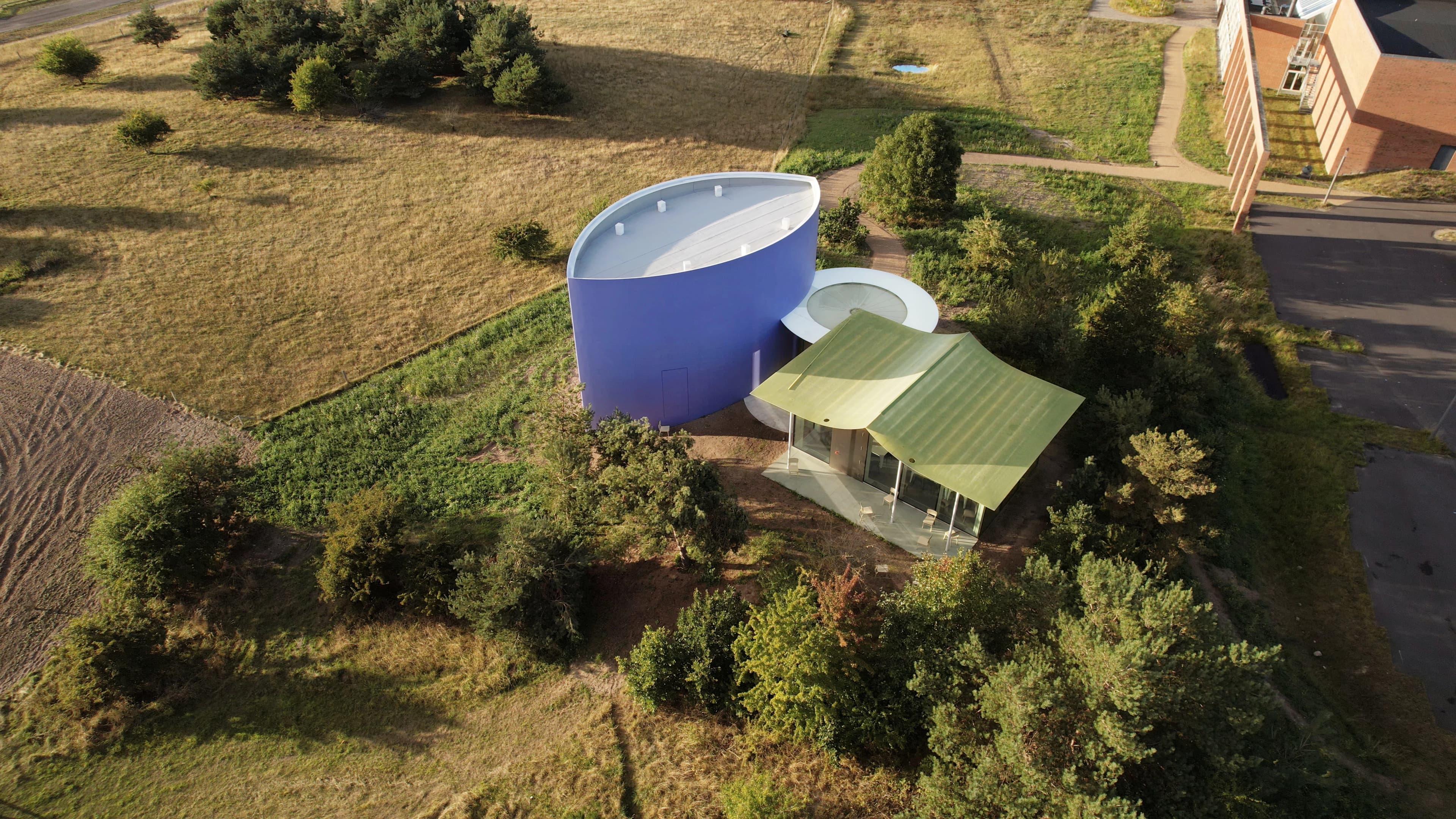
Photo: Roel van Tour 4. The Triple Folly
By Thomas Demand and Caruso St John Architects, with a textile artwork by Rosemarie Trockel / 2017–2022
Another pavilion-like structure is The Triple Folly in Ebeltoft. The project was commissioned by the Danish, internationally renowned textile manufacturer Kvadrat and realized through close collaboration between the German artist Thomas Demand and the British architectural firm Caruso St John. Inside it also features a textile artwork by the German artist Rosemarie Trockel.
Kvadrat itself describes the project as a gesamtkunstwerk, underscored by the close interaction between architecture, art, and materiality.
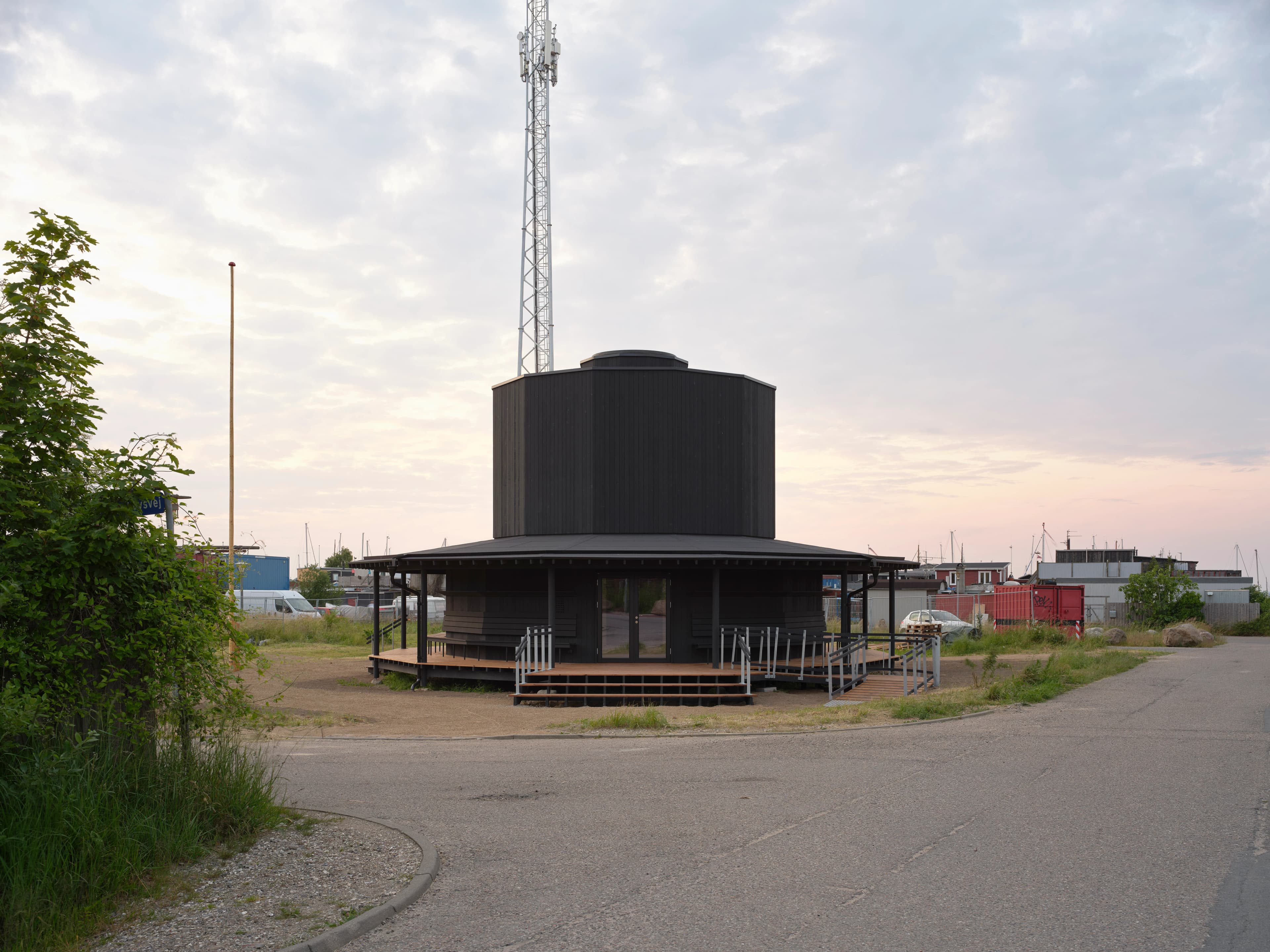
Photo: Hampus Berndtson 5. Tolvkanten
By Julius Nielsen OFFICE / 2025
Tolvkanten (Meaning the Dodecagon) can be seen as a gesamtkunstwerk that clearly draws on the legacy of Arne Jacobsen and represents a more unified design approach. The building is a so-called tiny church, designed by Julius Nielsen OFFICE. Located in Copenhagen’s Nordhavn district, it is both movable and temporary.
Many of the materials used are recycled. Some of the furniture pieces were custom-designed for the project, while others are reused, giving the project a clear sustainability dimension. At the center of the space stands a large table that functions both as an altar and as a regular table, allowing it to be used in various contexts, including religious services.