Architectural Blind Spots: What We Usually Overlook Can Become Space
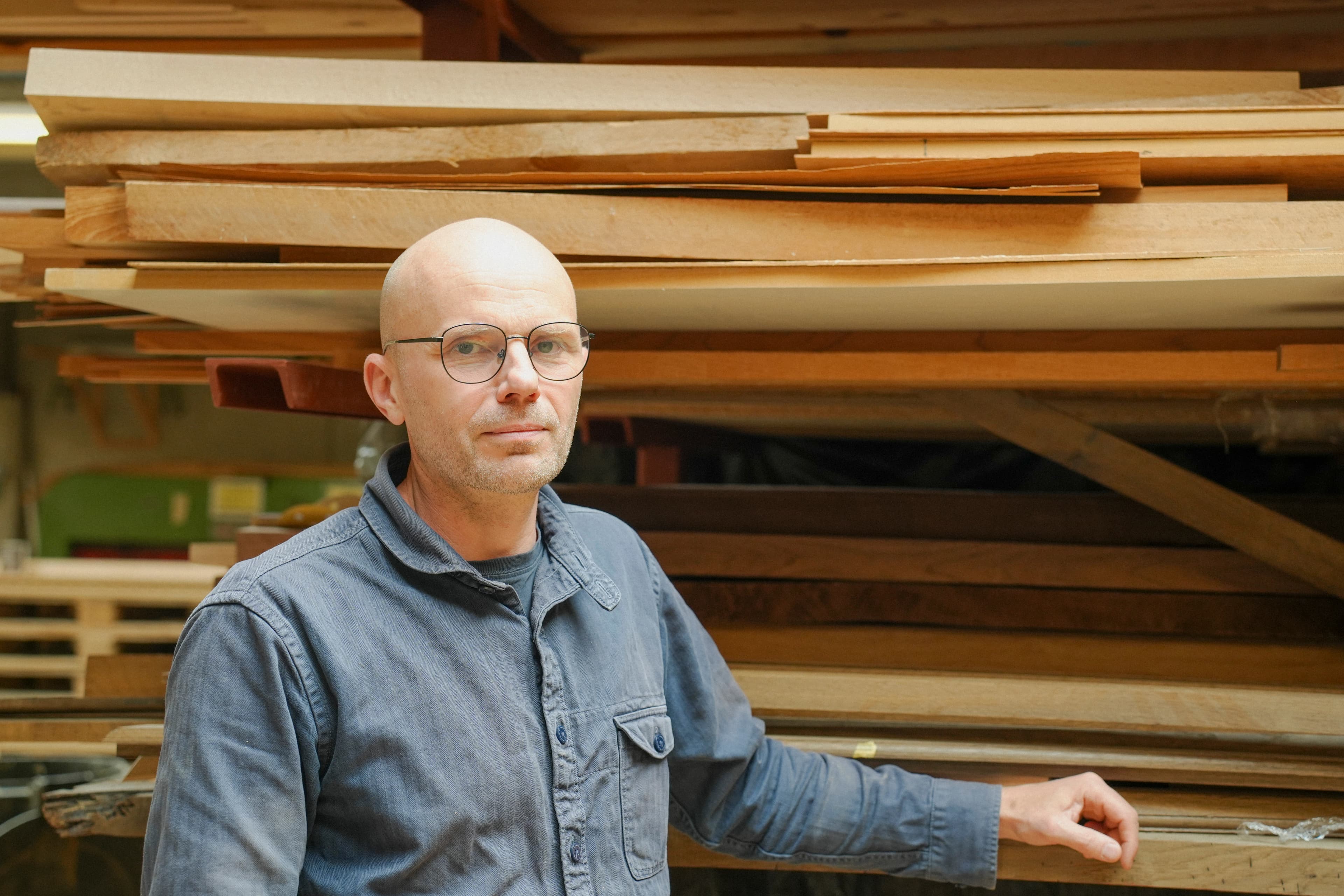
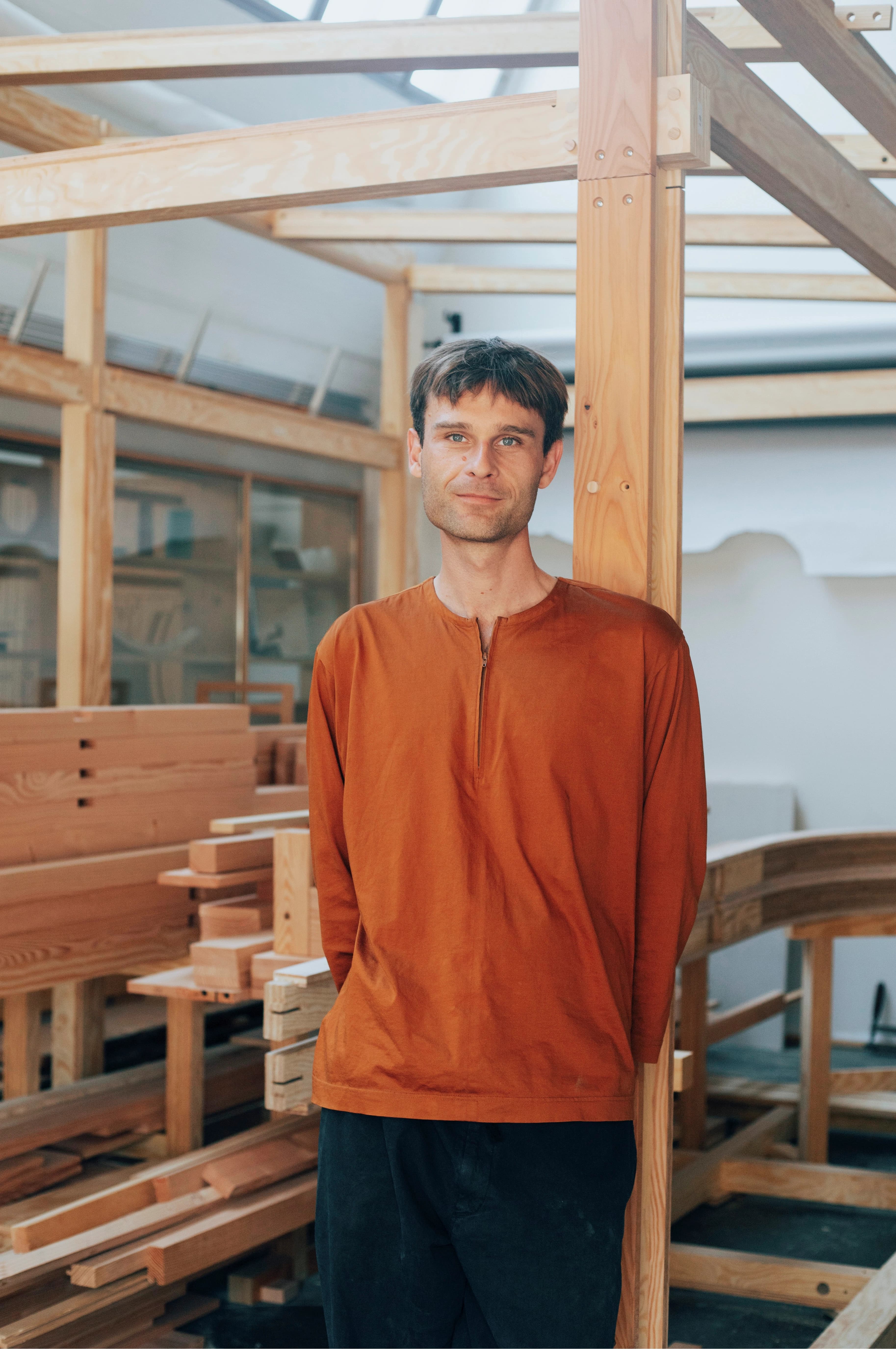
We have lost touch with the materials we build with. At least that is what architect Emil Roman Frøge of the design studio Archival believes. He calls for a deeper understanding of what we build with. Architecture that allows the traces of materials to remain visible and gives them multiple lives. Here, he answers seven questions about wood, sensory experience, and what we usually hide.
By Johanne Troelsgaard Toft
1. What is missing in the way we build today?
»Many modern buildings have become highly standardized and synthetic. Perhaps we miss a greater understanding of the distinctive nature of materials – and spaces where you can still sense the traces of what they are made of. Time has also become a luxury. Maybe we need spaces that allow room for immersion and sensory experience?«
2. Why is our relationship with materials changing?
»We are in the middle of a shift where we have to rethink our relationship with materials. For many years, architecture was about optimizing and standardizing, but that has also distanced us from understanding what materials really are. For us, it is not just about using more wood, but about using it longer through a deeper understanding.«
3. What can wood do that other materials cannot?
»Wood is interesting because it never becomes entirely static. It continues to dry, move, and change over time. We are interested in whether we can create an architecture where materials are allowed to retain some of their own character, patina, and changeability – instead of hiding it. There is an old saying that a tree should be used for as long as it took to grow. That idea says something important about our relationship with materials and time.«
4. What view of wood do you want to challenge?
»We often think we understand wood because we are surrounded by it all the time. But most of the time, we only encounter the finished and highly processed product. We are interested in making the material’s entire journey visible – from forest and drying to residual materials, construction, and reuse. If we want to build more sustainably, we must understand materials better – not just their surface.«
"For us, circularity is not only about carbon accounting, but also about creating architecture and materials that people want to care for and find new purposes for."
5. What do you only learn about a material when you see it at full scale?
»We believe materials should be understood physically, not only digitally. Many decisions in architecture are made far removed from how the material actually behaves. It is often only at 1:1 scale that you truly understand a material – how it moves, responds to light, or feels to the body.«
6. You use residual materials – why is that important?
»Today, only a small part of a tree becomes what we normally consider the valuable product. The rest is often downgraded, burned, or used for something we do not see. We try to turn that around and let the residual materials create the architecture and the experience itself. It is about challenging our idea of what has value – and exploring how what we usually overlook can become spaces, furniture, and architecture.«
7. How do you give materials multiple lives?
»We are interested in how materials can have multiple lives. That is why we work with design for disassembly and with structures that can be taken apart and used again. For us, circularity is not only about carbon accounting, but also about creating architecture and materials that people want to care for and find new purposes for.«
About Archival
Archival is a Danish architecture and design studio founded in 2018 by Emil Roman Frøge. The studio works across interior architecture, exhibition design, furniture design, and product development – often in close collaboration with cultural institutions, private clients, and other architects.
Behind the studio is a fundamental belief that architecture is not a static end product, but a living process. Archival builds spaces that can grow, adapt, and be reimagined in step with the people who use them.
A recurring feature of the studio’s work is its interest in the history and character of materials. Knots, cracks, and traces of craftsmanship are not seen as flaws, but as qualities – an expression of sustainable practice in a world that otherwise strives for perfection. Reuse and resource awareness are not a compromise, but the very starting point for form and intention.
More from DAC Magazine
DAC Magazine