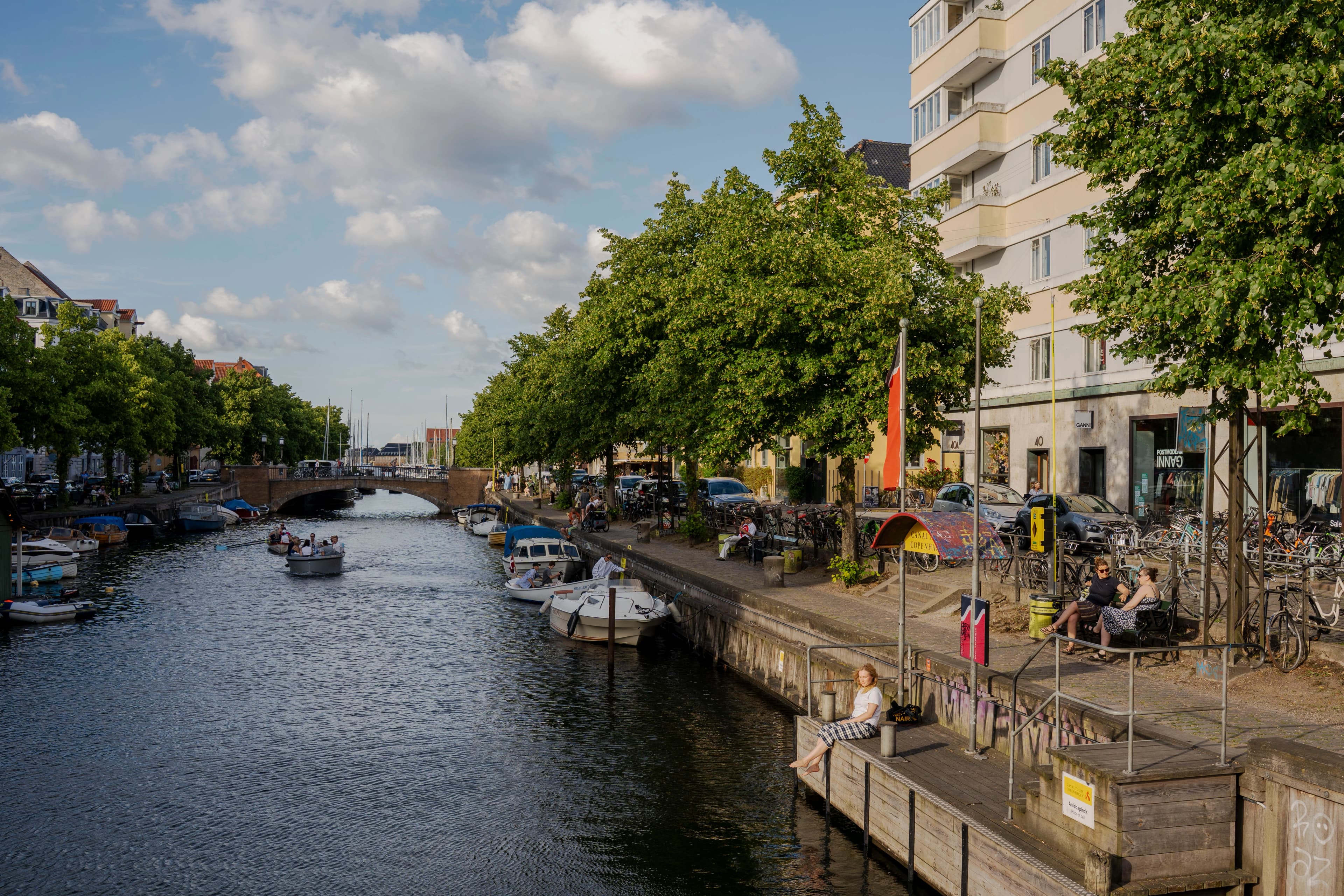
Cities and Urban Planning: How Cities Are Shaped and Planned
What makes a city? Urban planning connects city life, functions, and physical space so people can live, move, and thrive in the city.
By Dansk Arkitektur Center
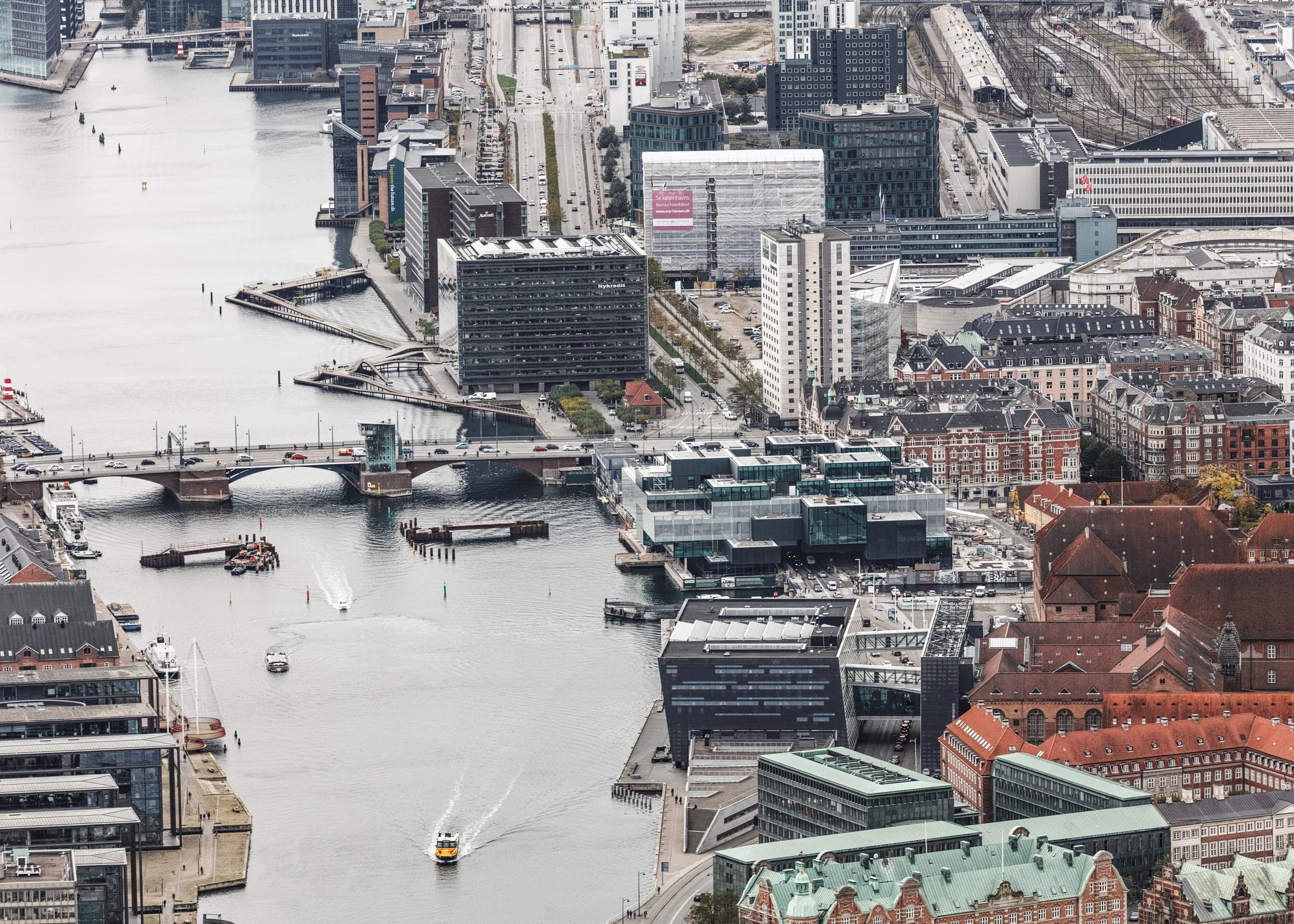
When we talk about urban planning, we are referring to the planning of cities and urban areas that must meet a wide range of needs.
Where should roads be placed? Where should new housing developments be built? Where are parks and parking spaces needed?
But is it really that simple? It may seem easy to calculate how many homes, schools, shops, and roads are needed for a certain number of people. But is it? How do you plan for future city life? Can urban life actually be planned?
London and Brasília
If we look at two very different cities, we may begin to find an answer.
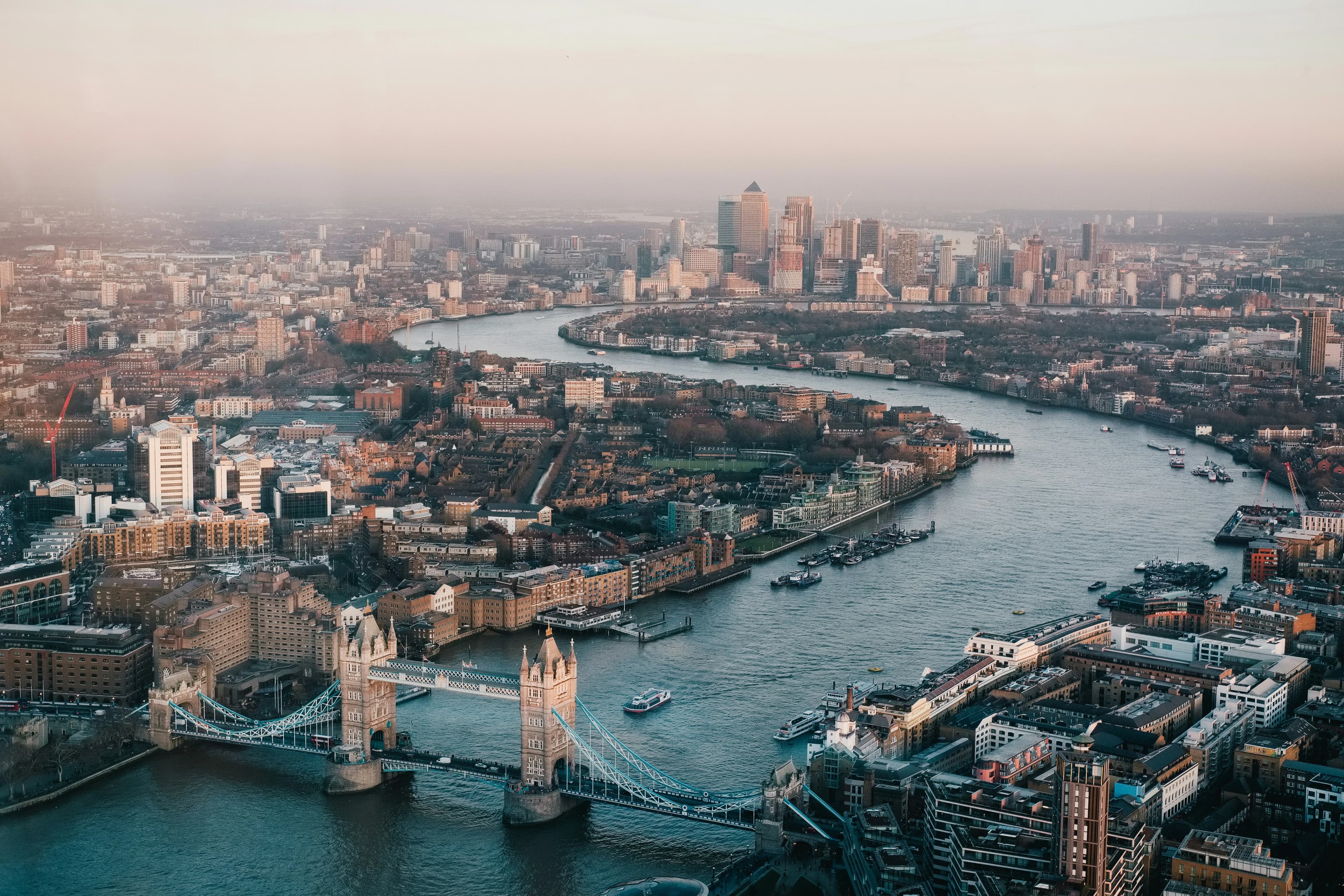
One is London, an old city founded more than 1,000 years ago. It was not created according to a master plan but grew out of a number of small medieval villages that gradually merged over time. Despite this, London functions extremely well. People have been drawn to the area for centuries, and growing trade and industry have continued to attract more residents.
The other city is Brasília, the capital of Brazil. It was built between 1956 and 1960 in just 41 months. Brasília is one of the world’s best-known planned cities. The chief planner was Lúcio Costa, and most of the public buildings were designed by architect Oscar Niemeyer. The overall plan was based on ideas by Le Corbusier. Everything in the city was designed to create a modern, forward-looking metropolis.
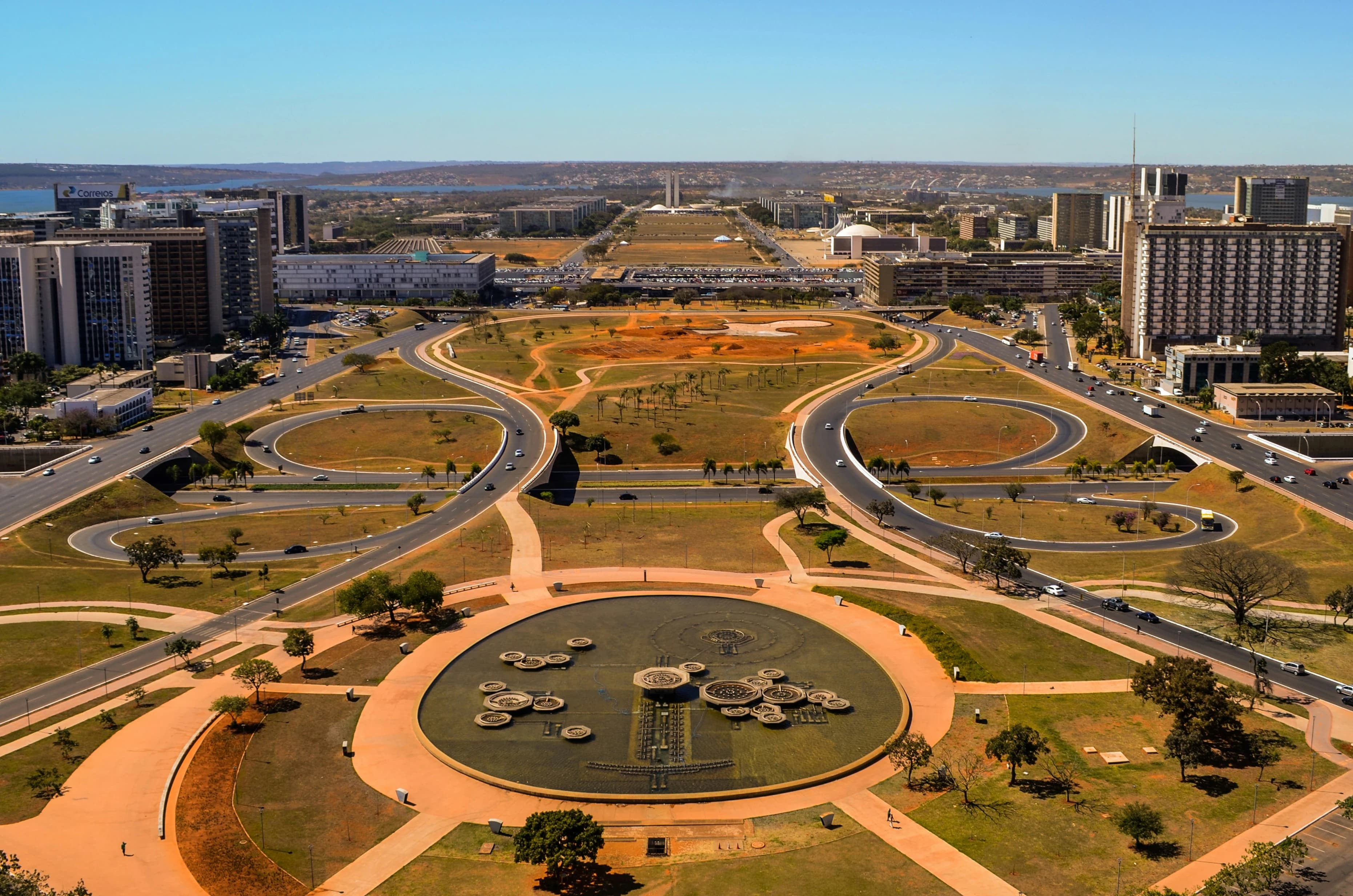
In practice, however, the city has never functioned as successfully as planned. Brasília was built in a remote and sparsely populated inland area. No one lived there beforehand, but because it was located in the middle of the country, the site was considered practical.
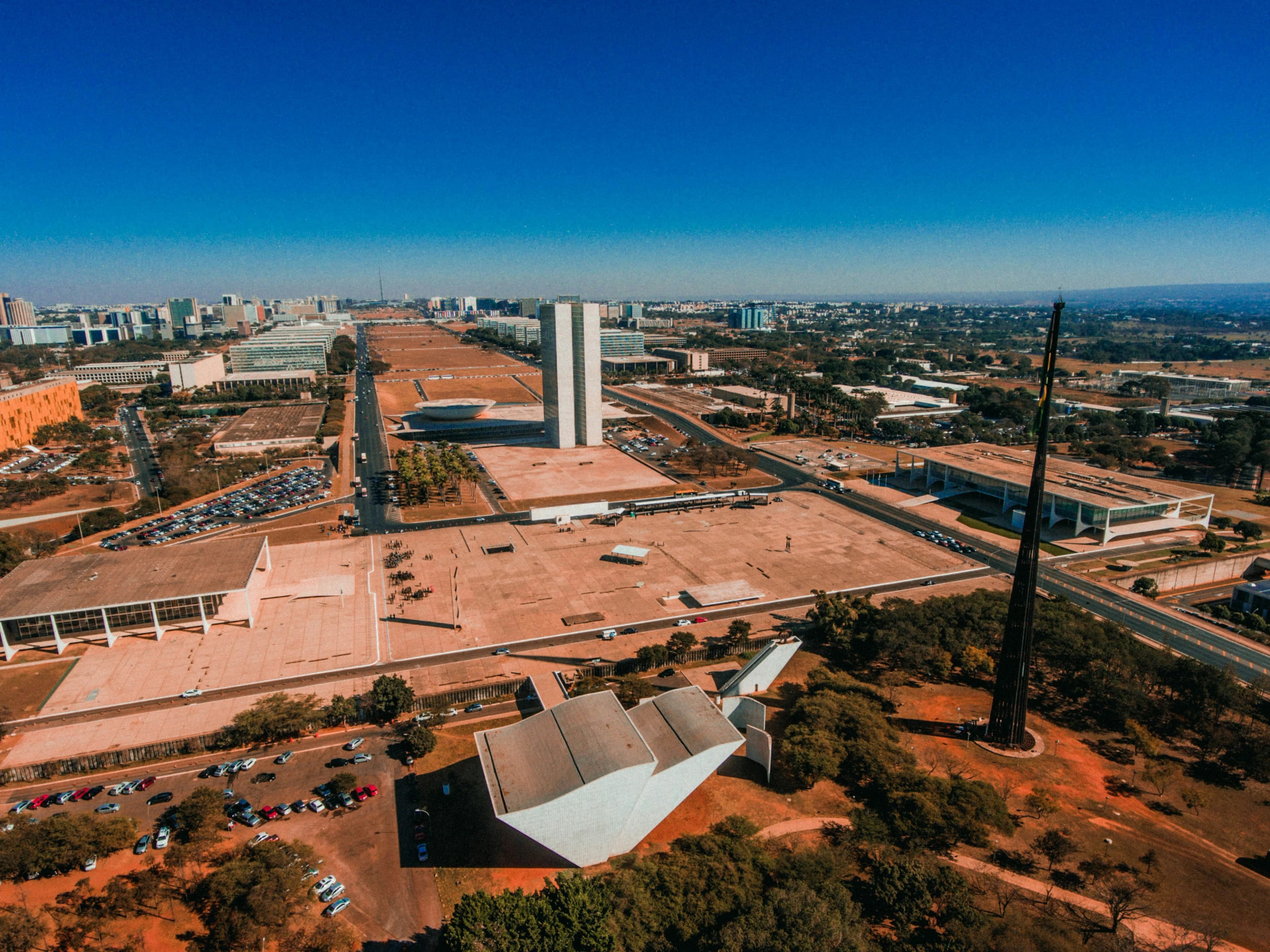
The modern buildings were designed to be efficient and innovative, but many people perceived them as cold and impersonal. These two examples show clearly that when planning a city, it is essential to consider its surroundings, its history, and—most importantly—the people who will live there.
People and the City
A city is not just an empty structure. It develops gradually and expands according to the needs of its inhabitants. Cities are constantly changing, which means they cannot be planned all at once. Urban planning is an ongoing process of creating frameworks for city life and social interaction.
The Renaissance architect Leon Battista Alberti once wrote that “it is in the city that one learns to become a citizen.” By this, he meant that the city shapes how people behave. When many people live together, they create shared norms, behaviors, and ways of interacting. People shape the city—but the city also shapes people.
Urban Planning Today
Today, urban planners face many challenges within modern urban planning and urban development.
Different parts of the city—residential, industrial, commercial areas, and green spaces—must be organized in a clear and efficient way. For example, shops are typically located where there is already a high flow of people.
Transportation networks must function efficiently so people can move easily between home, work, and other destinations. Housing must be planned and maintained so that residents have good living conditions.
Cities must also provide access to education, leisure activities, and nature. Environmental considerations play an important role as well. Planners must think about how the city appears both as a whole and in its individual parts. Infrastructure such as water supply, sewage systems, and utilities must also be integrated into urban planning.
Urban planners can come from many different professional backgrounds, including architecture, engineering, landscape architecture, geography, sociology, agriculture, and economics. This reflects the many different approaches to working with urban planning and urban development.
The Organization of the City
Large factories are not located in city centers, and main shopping streets are not placed on the outskirts. This is because location determines how an area is used. Urban planners play a role in ensuring that the city is organized in a functional way, but much is also shaped by how people use the city.
Businesses are placed where they can reach the most customers. This increases land value and rent in central areas. Factories, on the other hand, do not need central locations and are therefore often placed on the outskirts, where costs are lower.
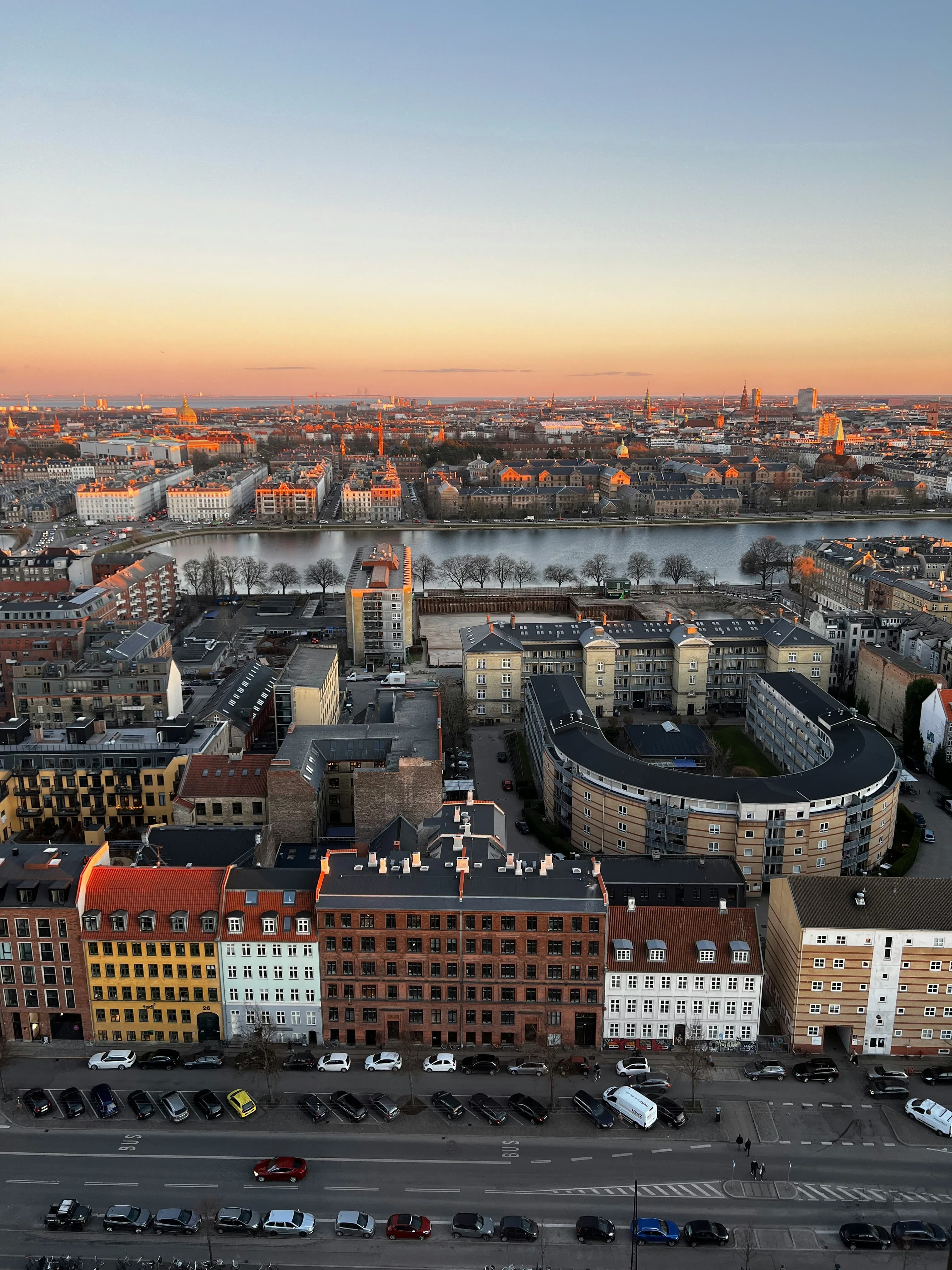
Large supermarkets are also typically located outside the city center to avoid high land prices. As a result, central areas increasingly consist of specialty shops, banks, and corporate offices. These can afford higher rents and benefit from the prestige of a central address. Apartments are often converted into offices because housing costs are too high for many residents.
In some inner-city areas, older housing blocks are either demolished or renovated to create new housing. This can significantly transform neighborhoods, turning them from neglected areas into attractive places for people with higher incomes.
Certain residential areas are also more desirable and expensive than others—especially those located near forests or waterfronts.
In this way, districts develop within the growing city—like small cities within the city itself.