Drawings and Models: How an Architect’s Vision Takes Shape
Architectural drawings and models help develop and communicate ideas. From early sketches to precise floor plans and 3D models, they provide an overview and show a building’s form, function, and spatial organization.
By Dansk Arkitektur Center
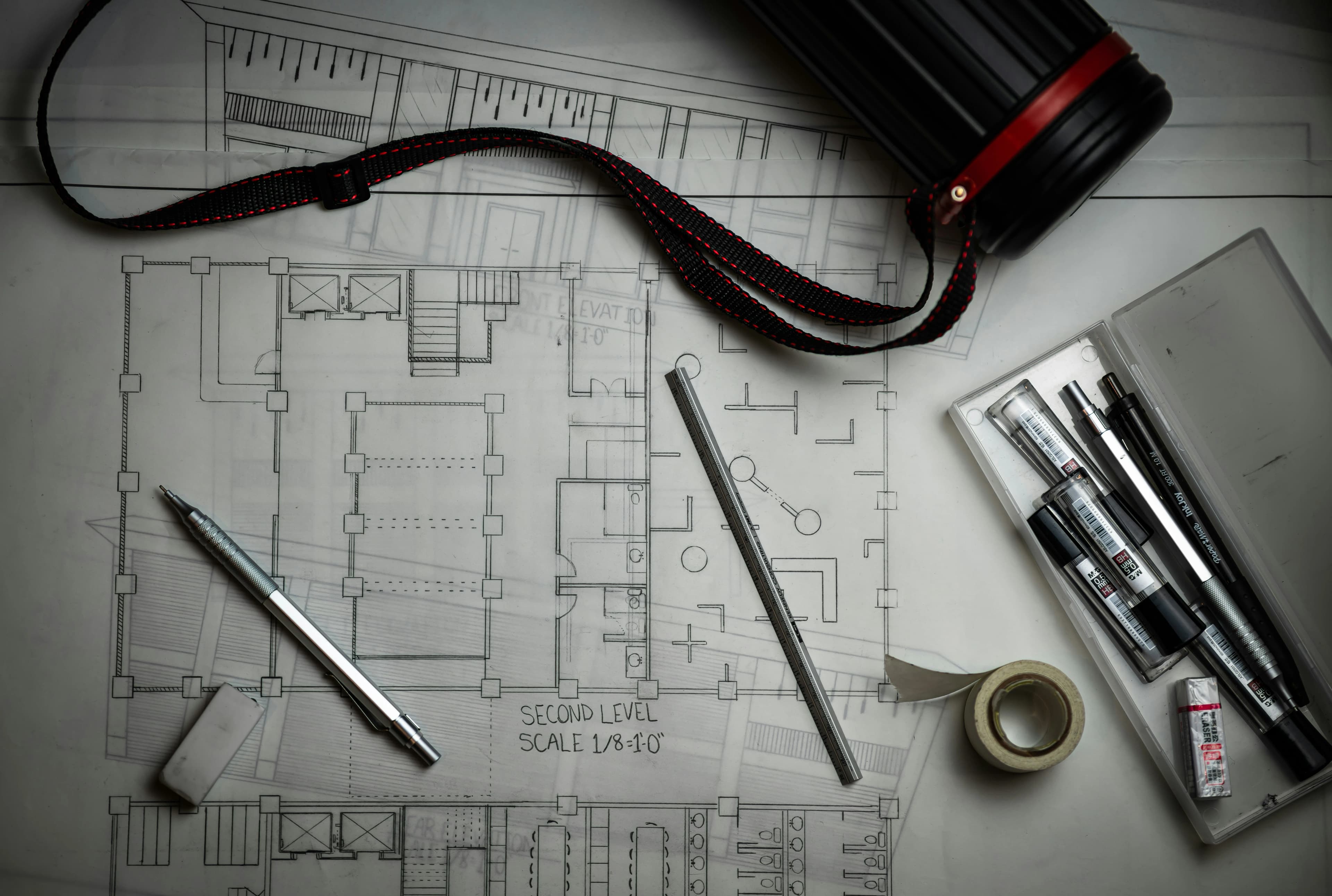
In the sketch phase, the first ideas and visions take shape in a process where architectural drawings—and later models—are developed with increasing detail so the design can be presented to the client or developer.
Some architectural drawings communicate the fundamental architectural concept, while others define dimensions and specifications that engineers and contractors can follow on site. Today, most architectural drawings are produced digitally, and the computer has become an essential tool in the architectural design process.
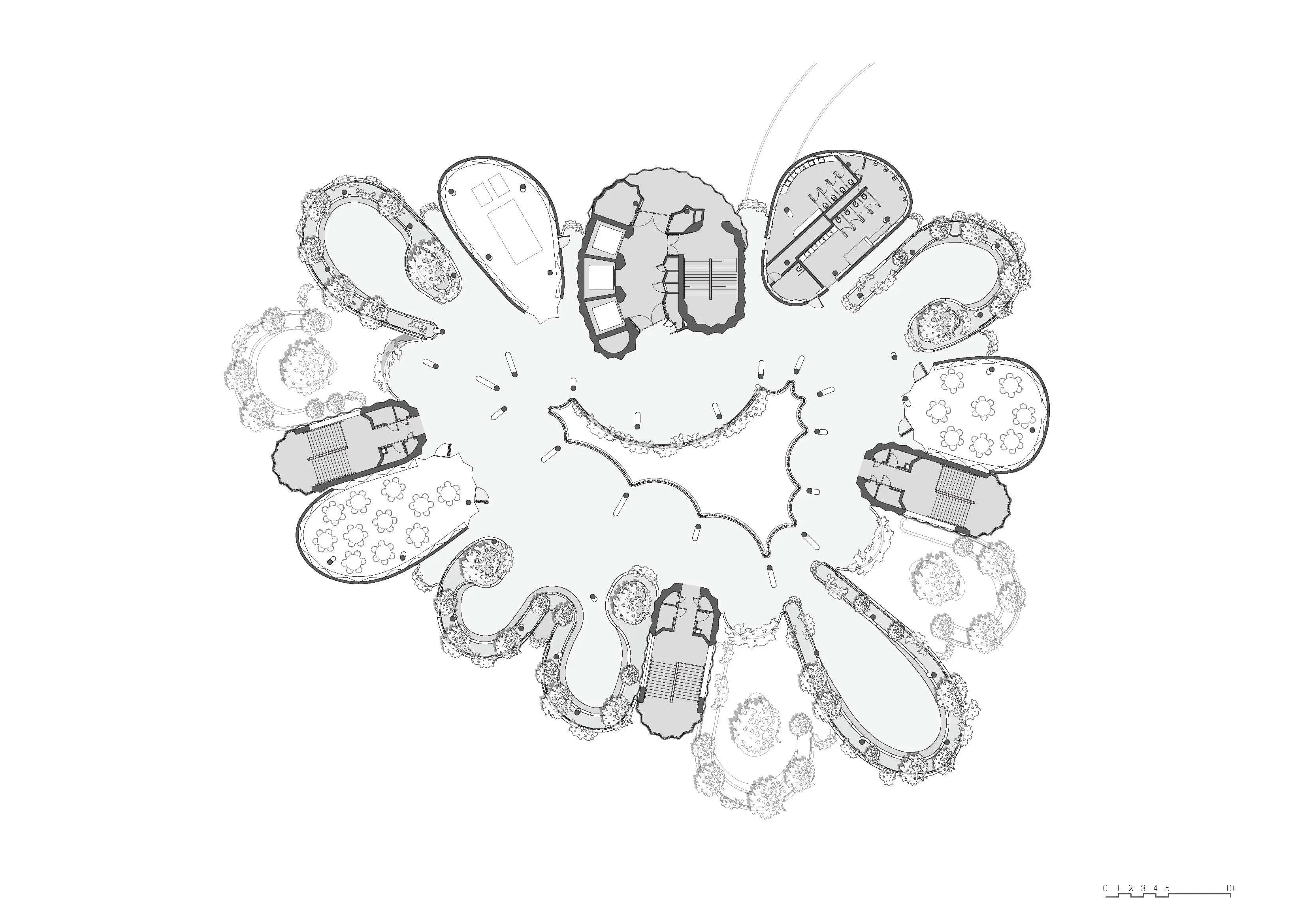
Floor Plan
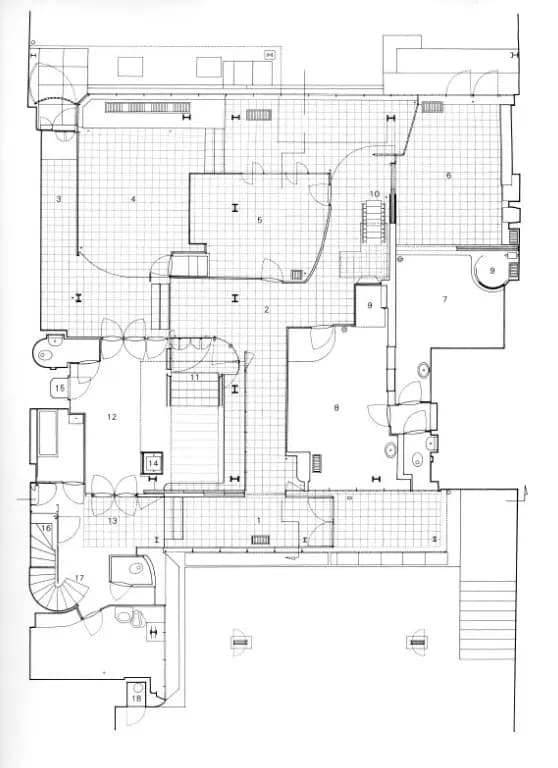
A floor plan shows a building from above, as if the roof has been removed. Each level is drawn separately, allowing you to study the rooms, their layout, and their size. A floor plan shows the placement of windows, doors, stairs, and building systems, as well as how spaces are organized.
Section
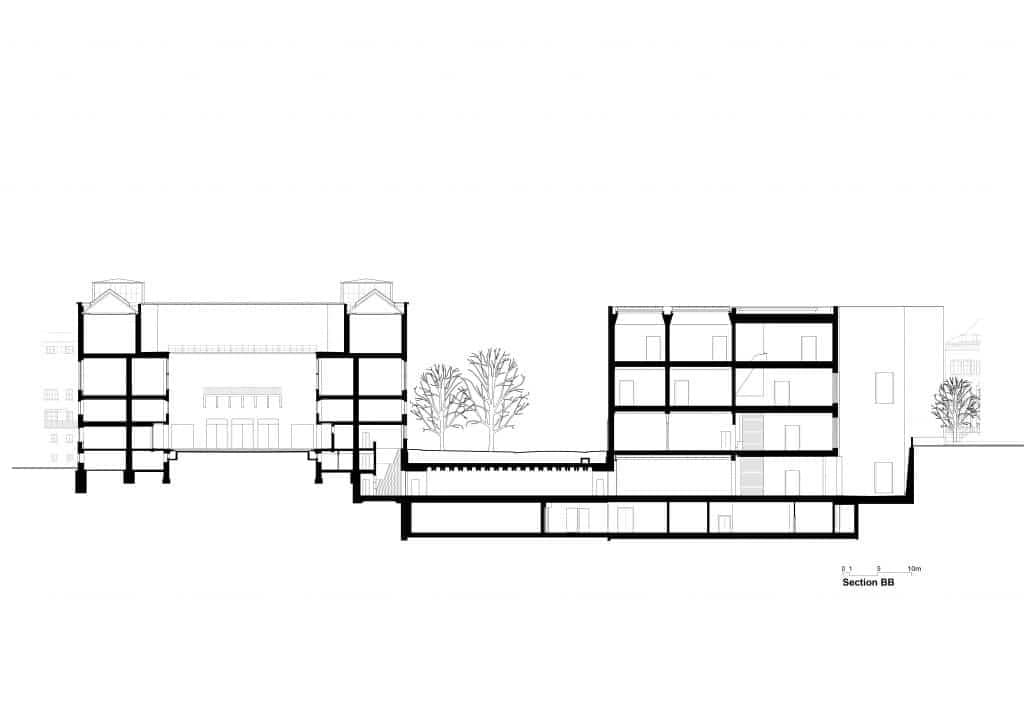
A section shows a vertical cut through a building, making it possible to look inside its spaces. A cross-section can illustrate the number of floors in a building, while a longitudinal section reveals how spaces are arranged and connected.
Elevation Drawing
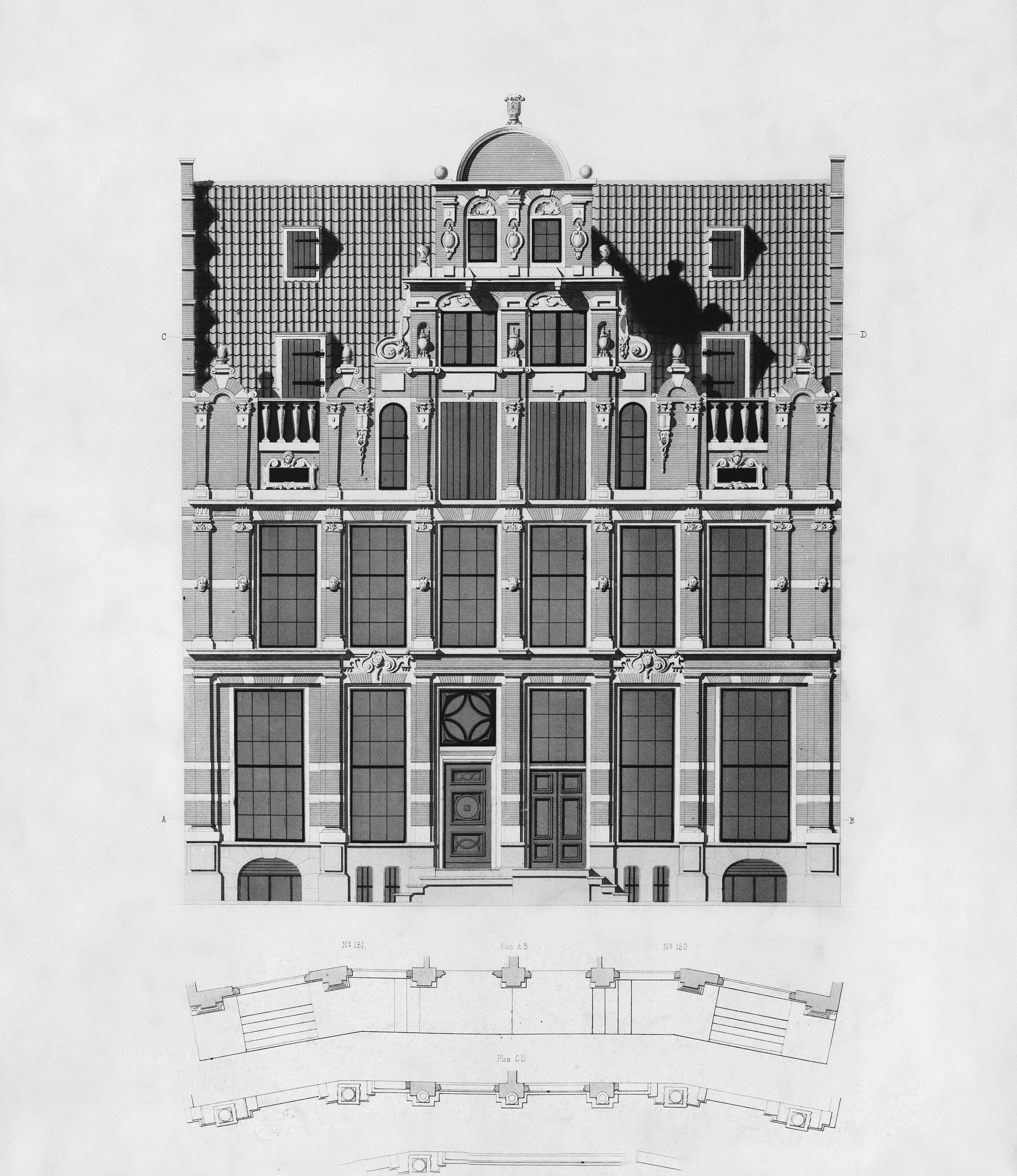
An elevation drawing shows the building from the outside. It allows you to study how the facade is composed and what elements it consists of.
Site Plan
A site plan shows the building’s location, access conditions, road and path systems, and its relationship to surrounding buildings. It may also illustrate nearby outdoor areas, including landscaping, paving, and parking.
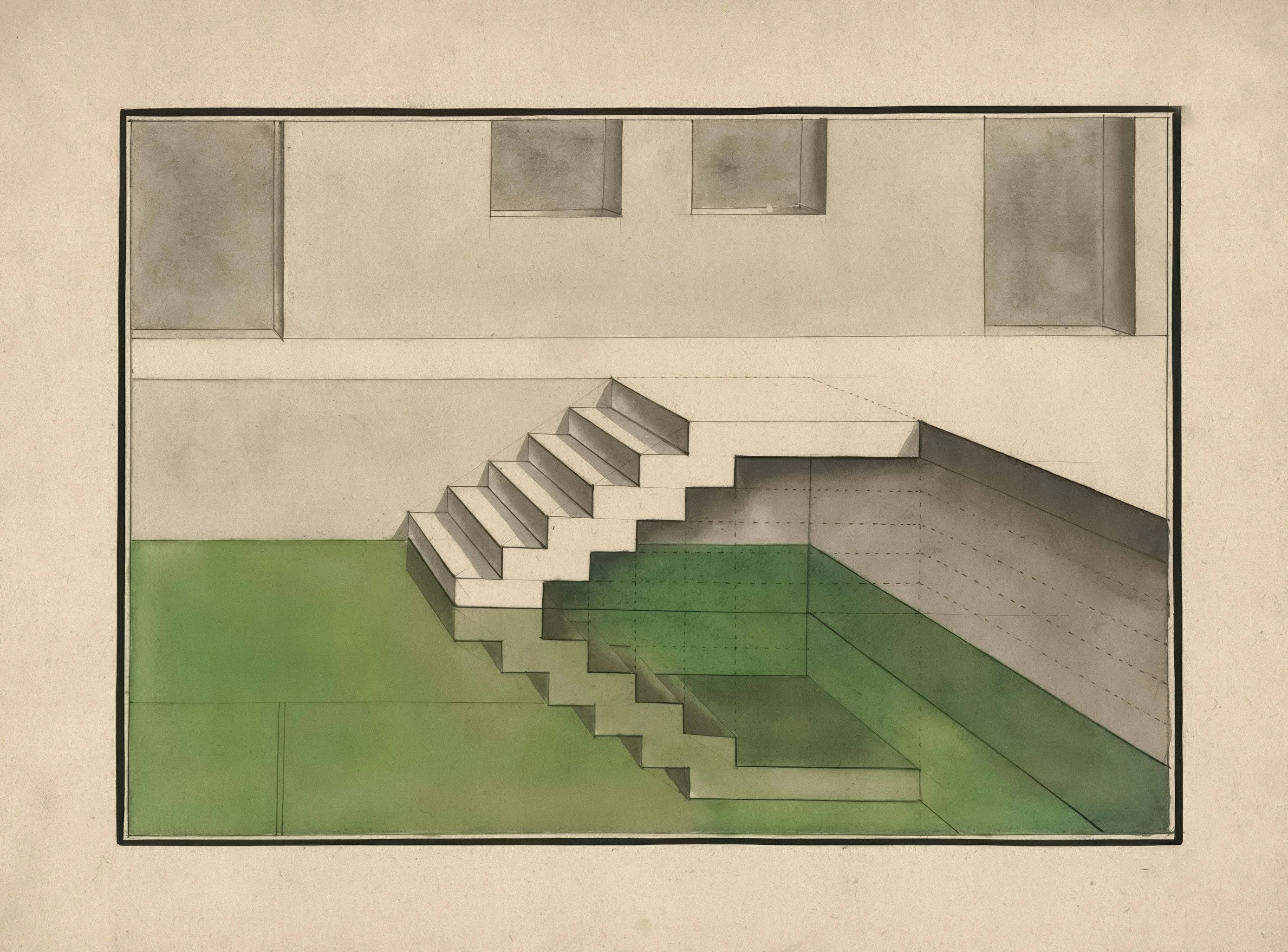
Perspective and Projection Drawings
Architects often create spatial representations to better visualize three-dimensional form and space. These may include perspective drawings of both interior and exterior spaces, as well as axonometric or other projection drawings.
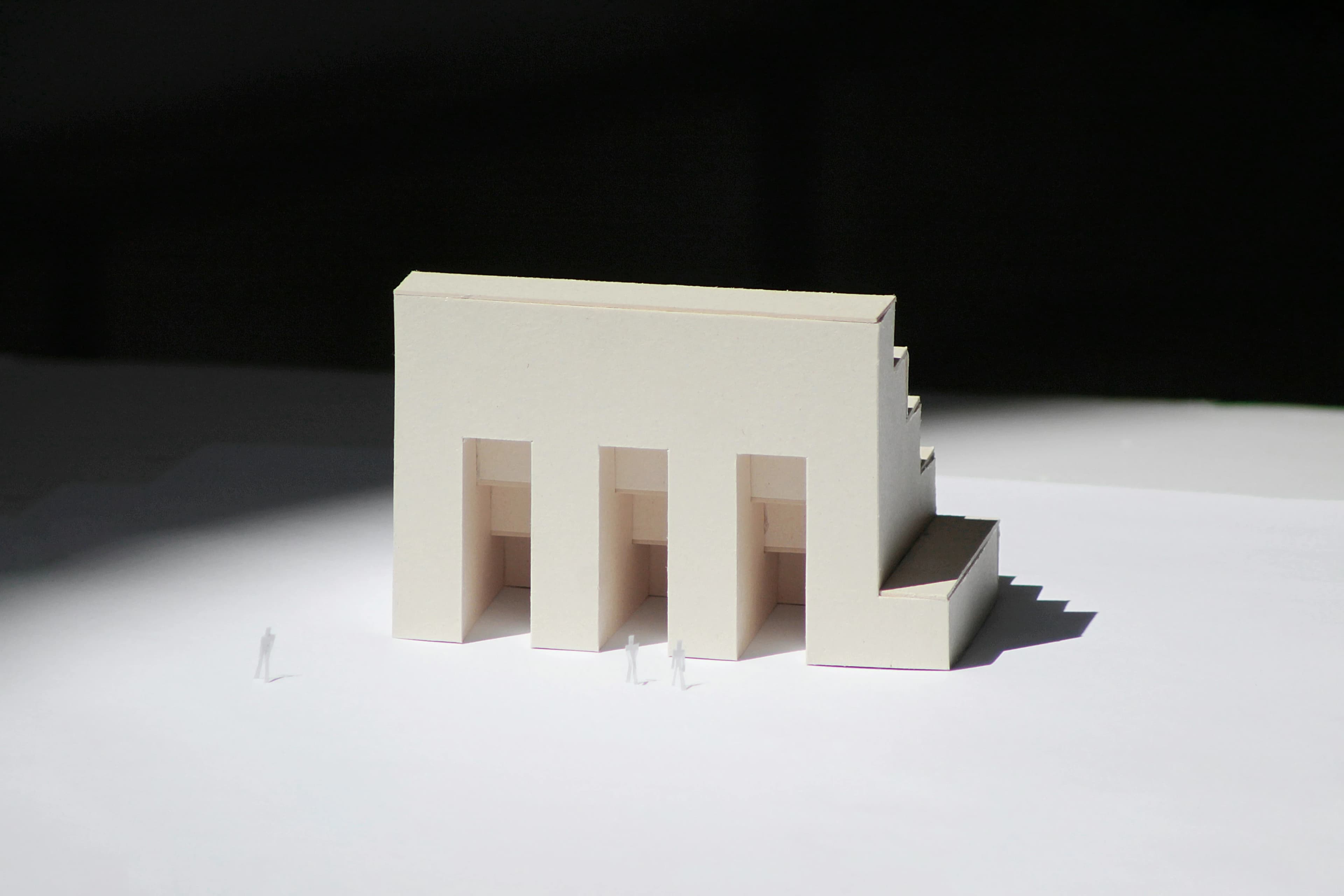
Models
Architectural models are also used to present an architect’s vision in physical form, for example at a scale of 1:100. A model can represent the entire building or specific details and sections. Common materials include wood, plaster, cardboard, and white polystyrene foam.
Unlike drawings, physical models provide a tangible and material understanding of architecture. However, they are also time-consuming to produce.
The Computer as a Tool
With digital technology, architects can create interactive 3D models of buildings, allowing users to experience and move through space virtually. Once a building is developed as a 3D model, it can be viewed from any angle, adjusted in color, placed in different contexts, and animated to simulate movement through and around the design.
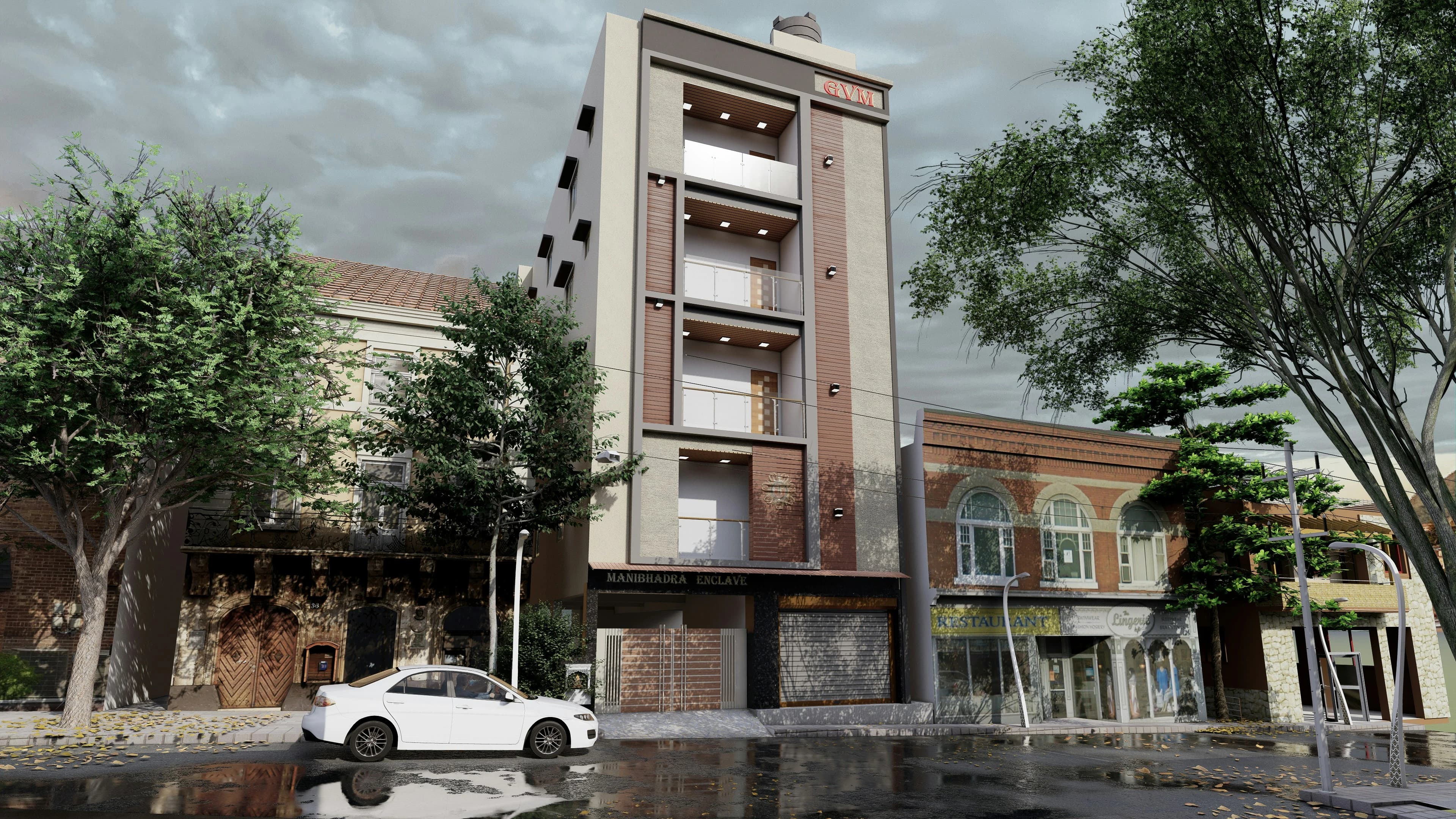
The limitation of digital models is the lack of physical presence—you cannot touch or physically experience them. For this reason, digital 3D models should not replace traditional physical models but rather complement and expand the architect’s toolbox.