Homes Around the World Show How Architecture Adapts to Climate
Homes around the world show how architecture and climate are closely connected, and how houses are adapted to local conditions, building materials, and weather such as heat, rain, flooding, and storms.
By Dansk Arkitektur Center
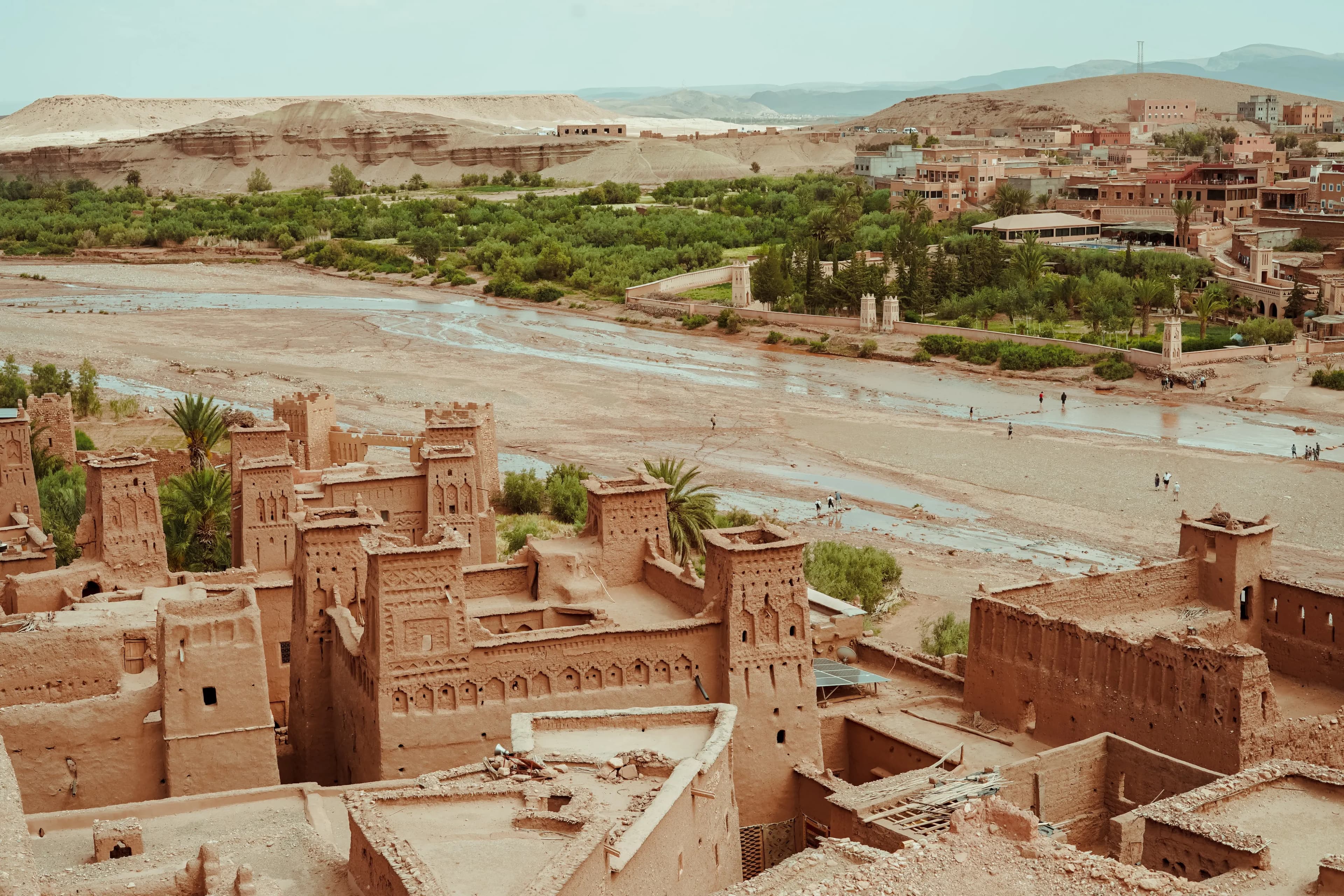
The materials used to build a house are usually tied to the region and to the local building materials available there. For example, countries with large forests often have wooden houses as a characteristic housing type, while in areas with little or no timber, people build houses from clay. It is especially in a country’s traditional houses that one sees the use of local building materials.
Today, it is possible to transport materials over long distances. In poorer countries, this is often not an option, and people therefore still build with local materials.
The way of life in a particular area or country also affects what a house looks like. If many people live together, houses tend to be larger, while people with a nomadic way of life need housing that is easy to move.
Several factors therefore determine how homes are adapted to climate and built in different parts of the world.
Japanese Houses
Houses in Japan are very simple in both form and materials and are a good example of climate-responsive architecture. They are adapted to a changing, humid climate where there is always a risk of earthquakes. The main materials are wood, bamboo, straw, stone, and paper. These materials are easy to obtain if part of the house is damaged, and the individual parts can also be replaced easily. A Japanese house is built up from simple modules. It is not a single, unified building structure, as we know from Denmark, where walls, roof, and foundation are closely connected.
One of the modules in a Japanese house is the tatami mat. A tatami mat is a thick mat made of rushes, typically measuring 90 by 180 centimeters. The floor in a Japanese house is covered with tatami mats. The size of the mat is a module that helps determine all of the house’s dimensions. The size of a room is based on how many mats are needed to cover its floor.
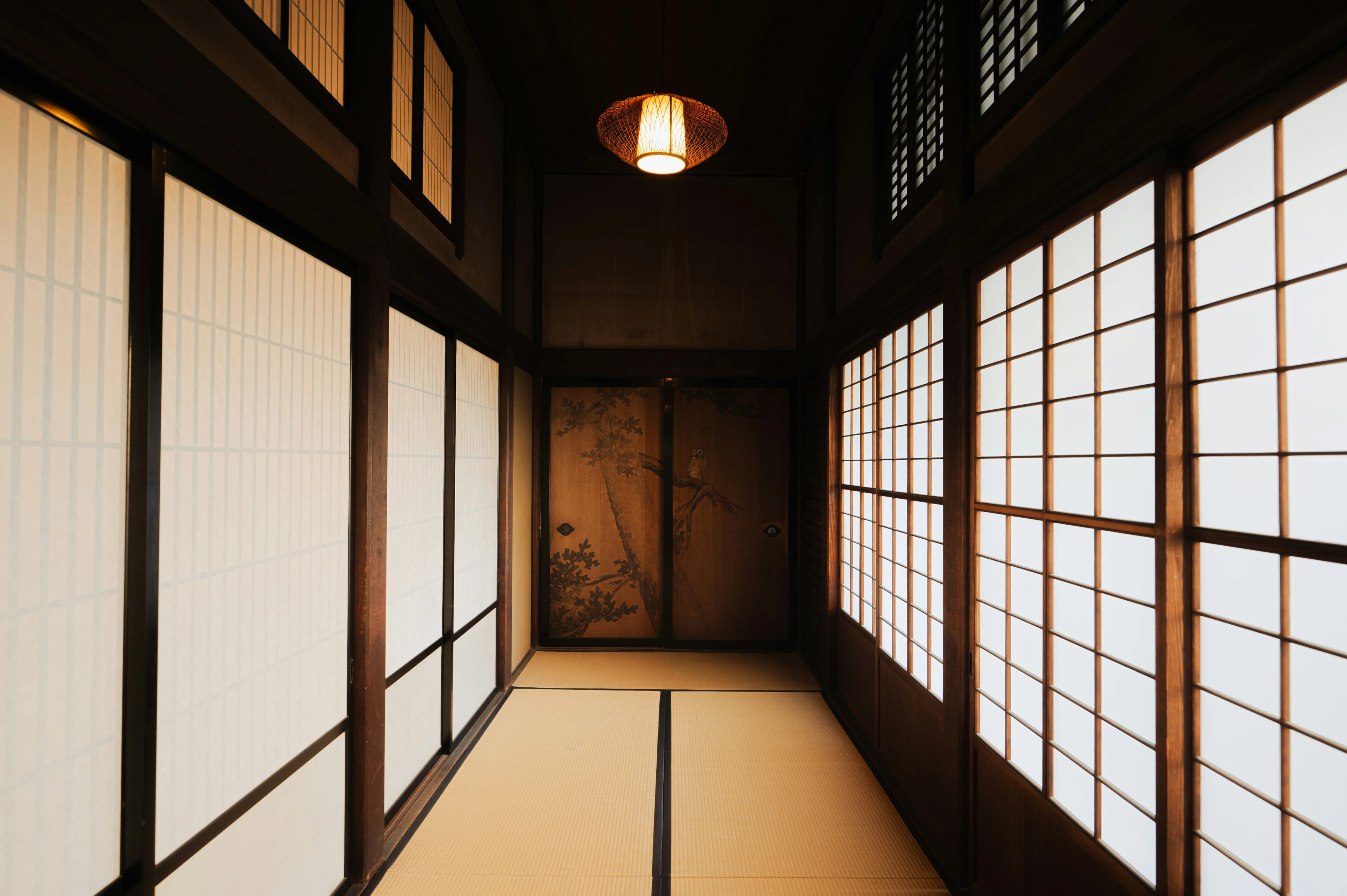
Another module is the partition walls that divide the rooms. These walls are made of heavy paper in several layers stretched over a wooden frame. The paper is often painted with different motifs.
The partition walls are installed as sliding doors, making it easy to enlarge the rooms when needed.
The sliding door facing the garden or terrace is made of white Japanese paper. The paper filters the light, so the light that enters the room becomes soft and beautiful. In a way, the light paper dissolves the difference between indoors and outdoors.
The house is built around a wooden frame. This frame is raised on large stones placed on the ground. The house does not have a fixed foundation, as Danish houses may have a continuous foundation made of cement or concrete. This makes the house better suited to Japan’s changing climate, where earthquakes are always a risk. A fixed foundation would make the house more fragile during an earthquake. The separate stones make the house more flexible, because they shift individually rather than as one solid block that could crack.
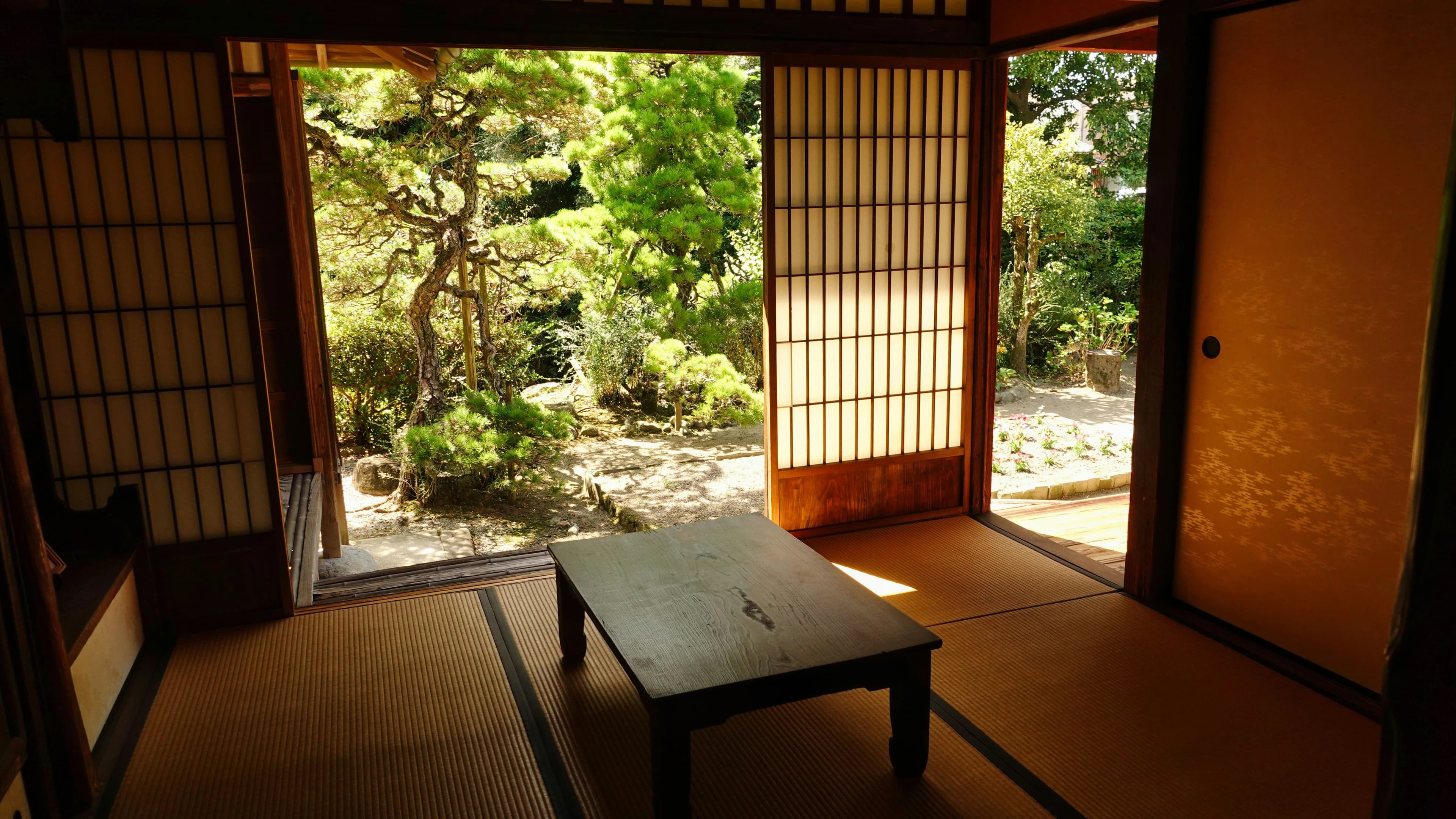
There is almost no furniture in these Japanese houses. Furniture and mattresses are only brought out from storage when they are needed. In the empty rooms there is order and harmony. It has been said that a Japanese house is like a piece of clothing that one puts on. It is not so much a house one enters, but more like a garment one wraps around oneself.
The natural surroundings of a house are, to a great extent, part of the house itself. In fact, the house should be part of nature. A narrow wooden veranda runs around the house and creates a transition between interior and exterior space. Japanese gardens are also designed according to the same simple principles as the houses.
Functionalist architects in the West were greatly inspired by the simple and practical design of Japanese houses.
Chinese Houses
Rectangular rooms, curved roofs, and walls painted in strong colors are characteristic of Chinese houses. Inside, the house is arranged around a central axis with a side building on each side. This way of dividing the building reflects the hierarchy within the family. The head of the family lives in the largest and most central part of the house. Older family members live behind this space, while younger family members live in the side buildings.
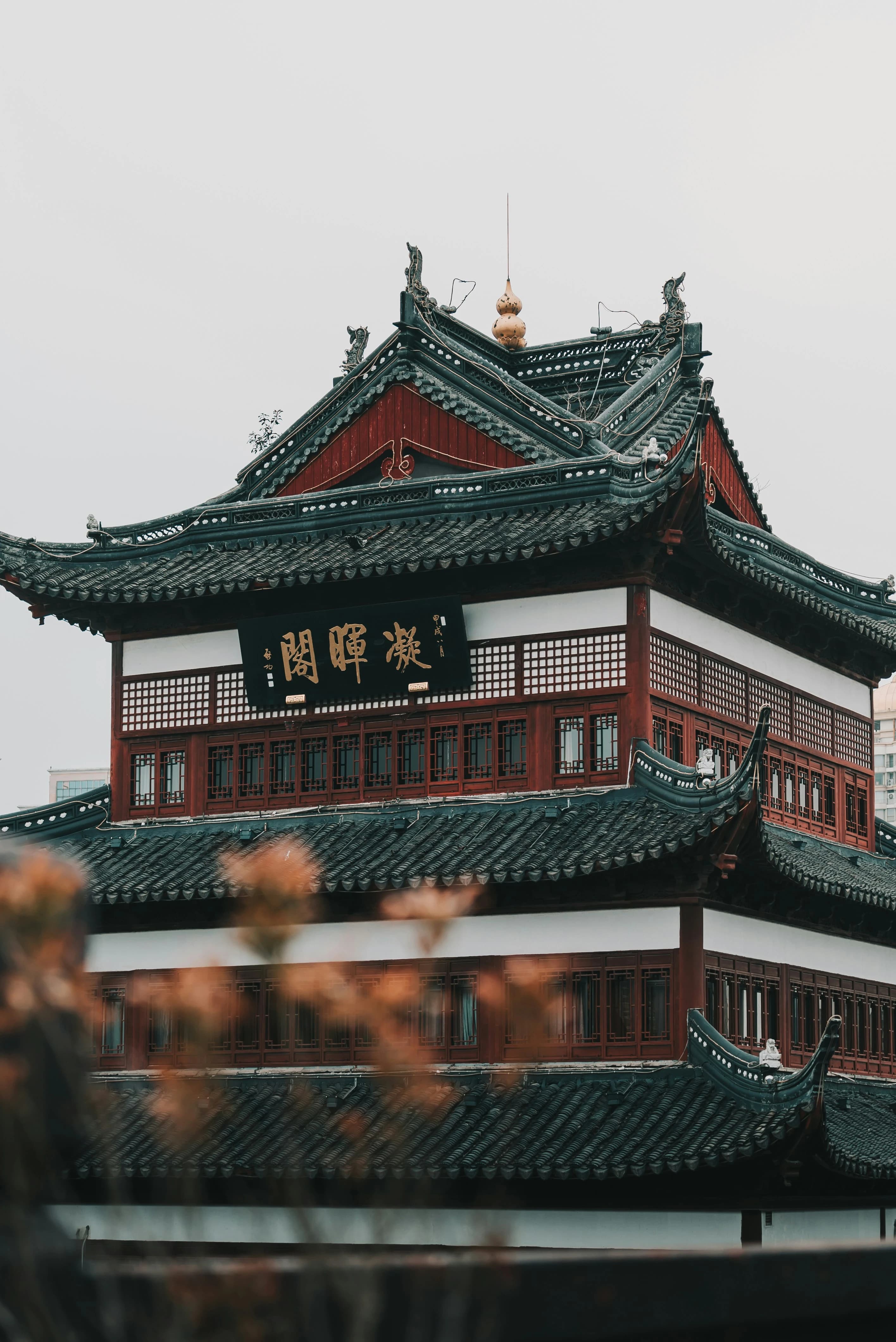
Chinese houses are built of wood, since wood was the material available. The frame around which the building is constructed, as well as the walls, columns, and load-bearing elements, are all made of wood. Wood held great significance in Chinese culture partly because it was seen as a symbol of life.
The roof of a Chinese house is very large and extends well beyond the walls. It slopes in both directions, giving it a very distinctive shape. While the building itself is relatively plain, the curved roof creates a particularly striking effect. The curved form was also believed to be important not only because it protected against the weather, but because it kept evil spirits away. Spirits were thought to prefer straight lines.
In order to create the large overhanging roof, the Chinese developed a special type of bracket system to support it. These brackets rise in stepped layers above each column in the wall. The brackets do not only support the roof; they are also an important part of the ornamentation.

The fact that Chinese houses were traditionally built in wood has helped shape their appearance. One of their most visible characteristics is their bright, powerful colors. This comes from the lacquer used to protect the woodwork. The colors have both symbolic and decorative value. Dragons, mythical figures, landscapes, and flowers are painted on them.
The wood also has to be protected from moisture. The houses must therefore be raised above the ground on large platforms. The height of the platform shows the importance of the building. A high platform thus makes the house seem especially distinguished.
Nomadic Tents in the Desert
Across a vast region stretching over parts of North Africa, Sudan, and Somalia, across the Middle East, and into Mongolia and Tibet, nomadic peoples live a traveling life. It is an area marked by steppe, desert, and mountains. The nomads have adapted their lives to this harsh environment, where almost nothing grows and water is scarce.
For much of the year, nomads travel through the desert in search of pasture for their herds of goats, sheep, and camels. Since they are constantly on the move, they live in tents. They need homes that can be easily set up and taken down. The tents protect against heavy rain, winter frost, and burning summer sun, making them another clear example of homes adapted to climate.
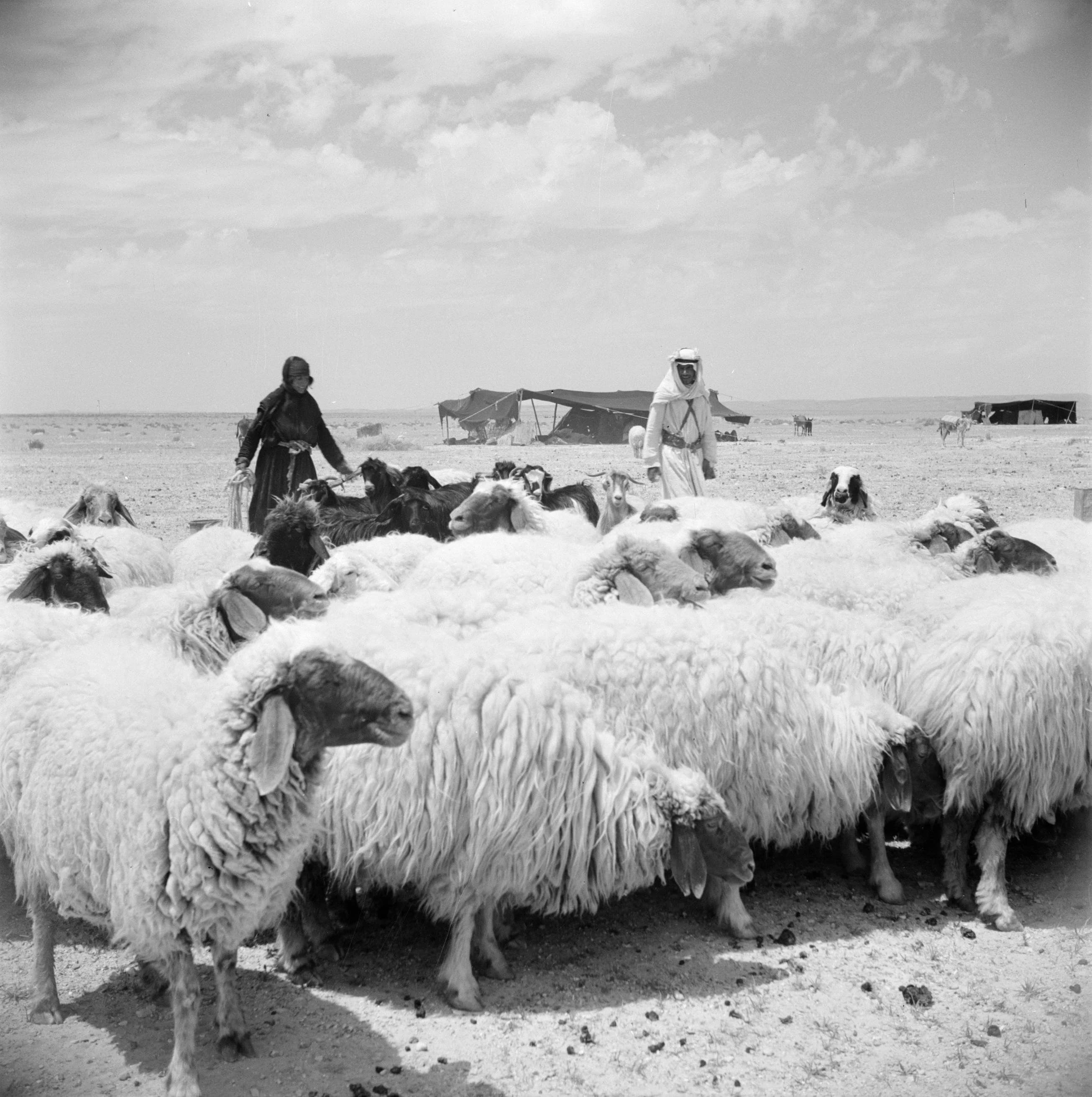
The tents resemble one another regardless of which tribe uses them. They consist of long strips of fabric woven by the women of the tribe. Every woman in a nomadic tribe learns to weave so that she can make her own tent. The side walls are woven from camel wool, which is good at keeping out the wind. These walls consist of three to four long fabric strips sewn together end to end. The roof of a tent is made from goat hair. Goat hair expands when it becomes wet. This gives extra protection against rain because the hairs make the roof close more tightly. The roof is made up of six to seven strips sewn together into a rectangle.
When the tent is to be raised, the roof is first unfolded and laid on the ground. Then the tent pegs are driven in and the guy ropes fastened. In the center of the tent, two to three long poles are erected. Shorter poles are placed in the corners and along the sides. Then the ropes are tightened. Finally, the side walls are fastened to the roof with long needles.
The tent is always set up in such a way that smoke from the fire blows away from the entrance.
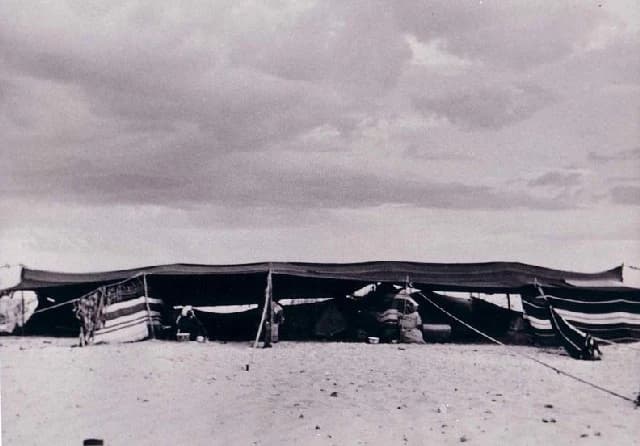
The women do not just weave the tents. They are also the ones who put them up and take them down again. It is also the responsibility of the woman in a nomadic family to run out at night if a peg is about to come loose or a rope is about to snap because of heavy rain or strong wind.
When guests arrive, the tent is divided by a large partition cloth. Then the men can sit in one section, and the women in the other, smaller part of the tent. Each family has its own tent. The leader of a group always has the largest tent, because that is where guests are received.
During the summer, when the weather is very hot, the nomads gather around large wells and oases. Up to 100 tents may camp in the same place. During the cooler months, nomads travel together in smaller groups. There are about 10 million nomads in the world today.
Clay Houses
Ever since people first gathered in the earliest cities 10,000 years ago, they have built houses from clay. Clay houses were especially built in areas where there was no timber. Clay and earth, however, have been available in most places. They are a good example of the use of local building materials. Clay houses are shaped by climate, function, and surroundings, and they clearly show the relationship between architecture and climate.
Clay towns are especially found in North Africa, the Sahara, and in Middle Eastern and Arab countries. Clay houses are also found in Europe, especially in France, where 15 percent of rural houses are made of clay. About one-third of the world’s population still lives in clay houses.
Clay Towns in the Middle East
Clay towns always blend beautifully into the surrounding landscape. After all, this is where their materials come from: clay, stone, straw, and palm trunks. Clay towns are located near oases because only there is water available. Only there can the land in desert regions also be cultivated. Fertile soil is very scarce. For that reason, people build densely and several stories high so that valuable land is not used up for building. In Yemen, houses as tall as eight stories have been seen. Narrow alleys run between the connected houses.
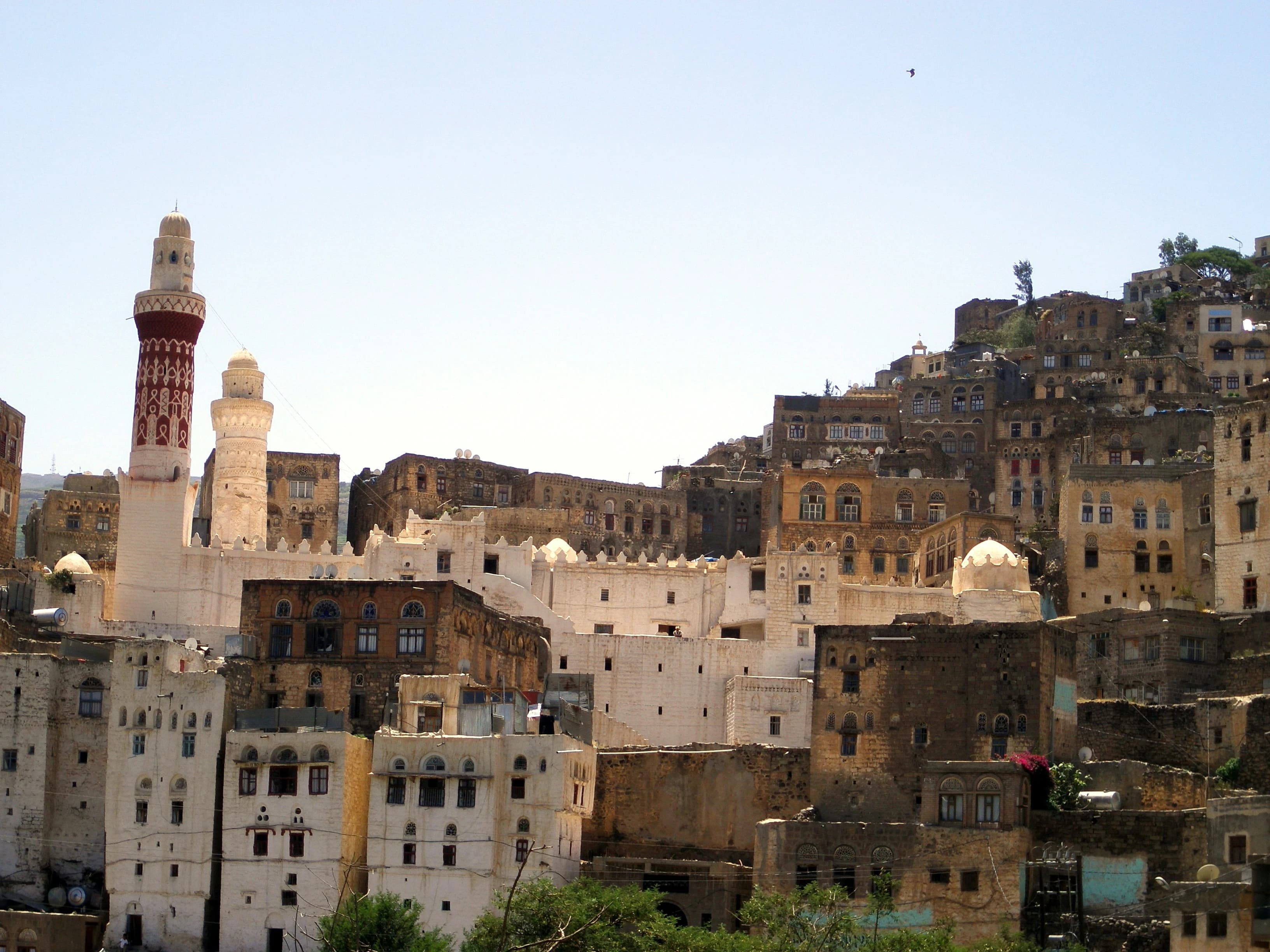
The thick walls of unfired clay are good at keeping out both cold and intense heat. This means there is a comfortable temperature inside a clay house whether it is built in a hot or a cold climate.
It takes about a month to build a clay house. Friends and family help each other with the construction. The house rests on a stone base. The walls are built so that they are widest at the bottom and become narrower toward the top. A wall is on average 50 centimeters thick.
The wall is built up from clay slabs of about one square meter each. Each slab is cast upright in a wooden mold, which is filled with a mixture of clay, straw, and water. The mixture is pressed tightly into the mold. The wooden form can then be moved to the side so that a new slab can be cast. The cast slab is held in place by wooden poles running from floor to ceiling. After the slab has dried for a week, more can be built on top of it. As the house rises in height, holes appear where the wooden poles held the slab in place. These holes are filled with clay.
Finally, the whole house is plastered with clay so that it is protected against rain. Between the floors, beams of palm trunks are laid. On top of these come branches, palm leaves, and finally 10 centimeters of clay. Staircases are built from clay bricks dried in the sun.
The windows are surrounded by latticework. This means people cannot see in from the outside, but those inside can still see out. Deep window niches create a pleasant, soft light.
Inside, the house is plastered with clay and then painted with white or light-colored limewash. The floors are covered with carpets, and cushions are placed along the walls for sitting.
Houses on Stilts
Around the world, many people live near rivers, lakes, and coastal areas. River regions are especially densely populated in Asia and South America. In North America, stilt houses are found in states with rivers and coastlines. Most people in these areas make their living from fishing.
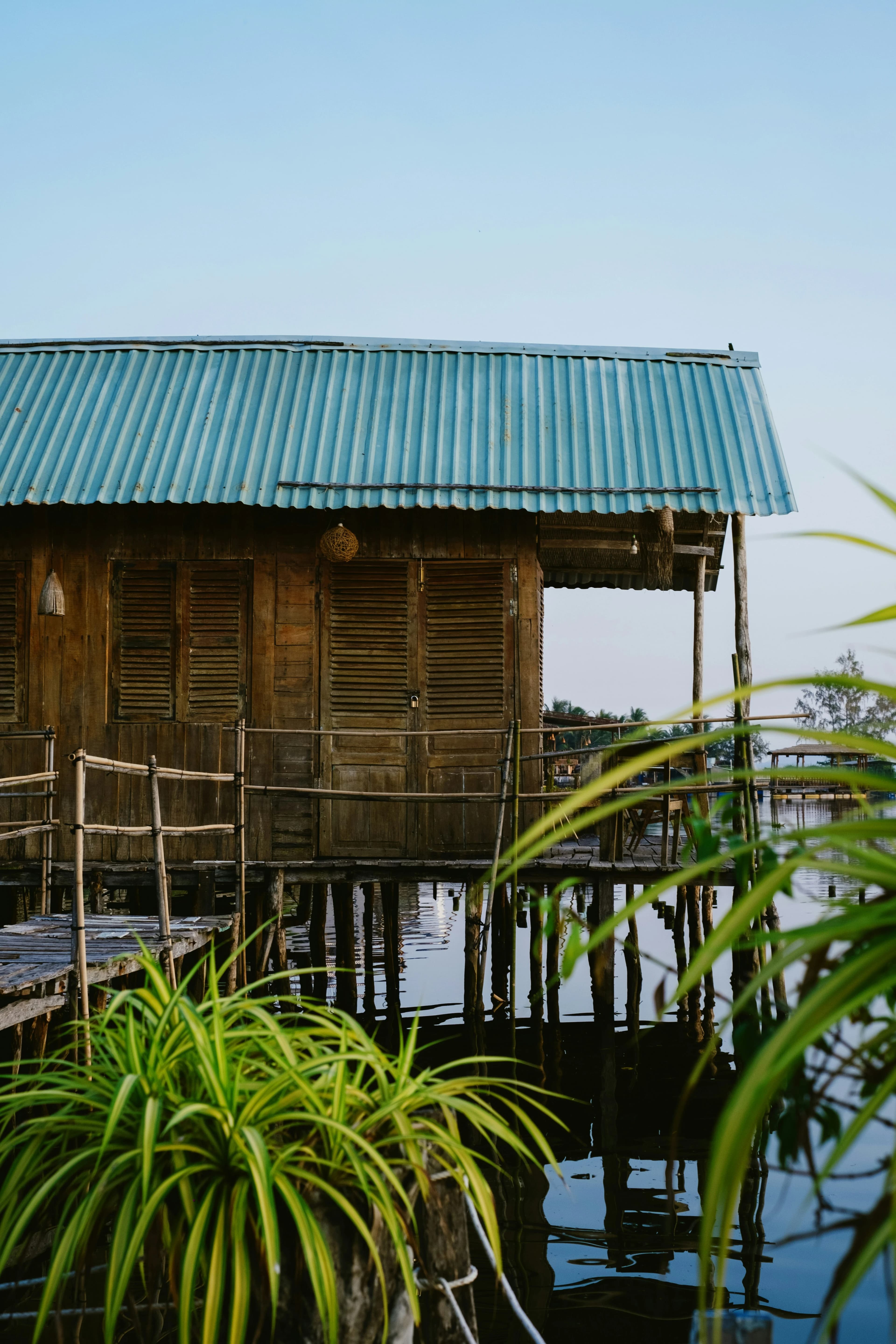
They live in houses built on stilts, so the house itself is raised high above the surface of the water. This means the houses are safe when the water rises after heavy rainfall. These houses are adapted to a climate with flooding. Even if the water rises several meters, it still does not reach the house.
Stilt houses make it possible to live close to the water and to the most important source of income: fishing. As a rule, stilt houses are built from straw, rope, and wood.
Floating Houses and Houseboats
In many places around the world, people live on and near rivers. People who live along rivers usually make their living by fishing. Some of them have settled in houses that float on the river. These houses more or less take the shape of boats. Some are very simple floating boxes. Others are modern houseboats. Floating houses are found especially in Southeast Asia and in India.
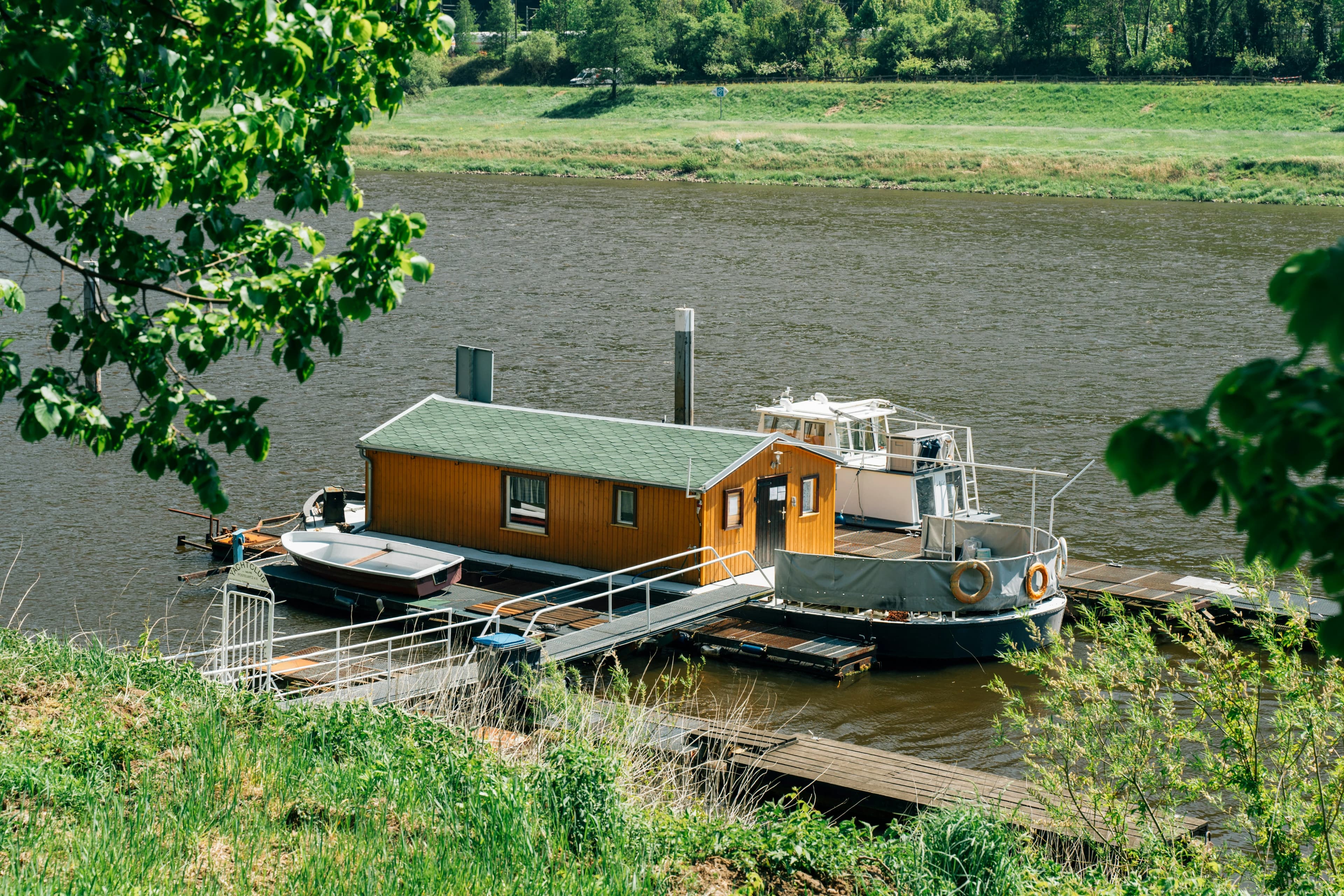
In more and more Western cities, however, floating homes in the form of houseboats are also becoming common. Amsterdam in the Netherlands is especially well known for its houseboats on the city’s many canals. But Paris, London, Malmö, and Copenhagen also have many houseboats. In the United States, San Francisco is especially known for floating homes.