How Is Architecture Experienced? A Guide to Analyzing Architecture
Architecture is not only construction, but also an experience of form, function, and feeling. Five simple categories make it easier to analyze architecture and describe its qualities and effects.
By Dansk Arkitektur Center
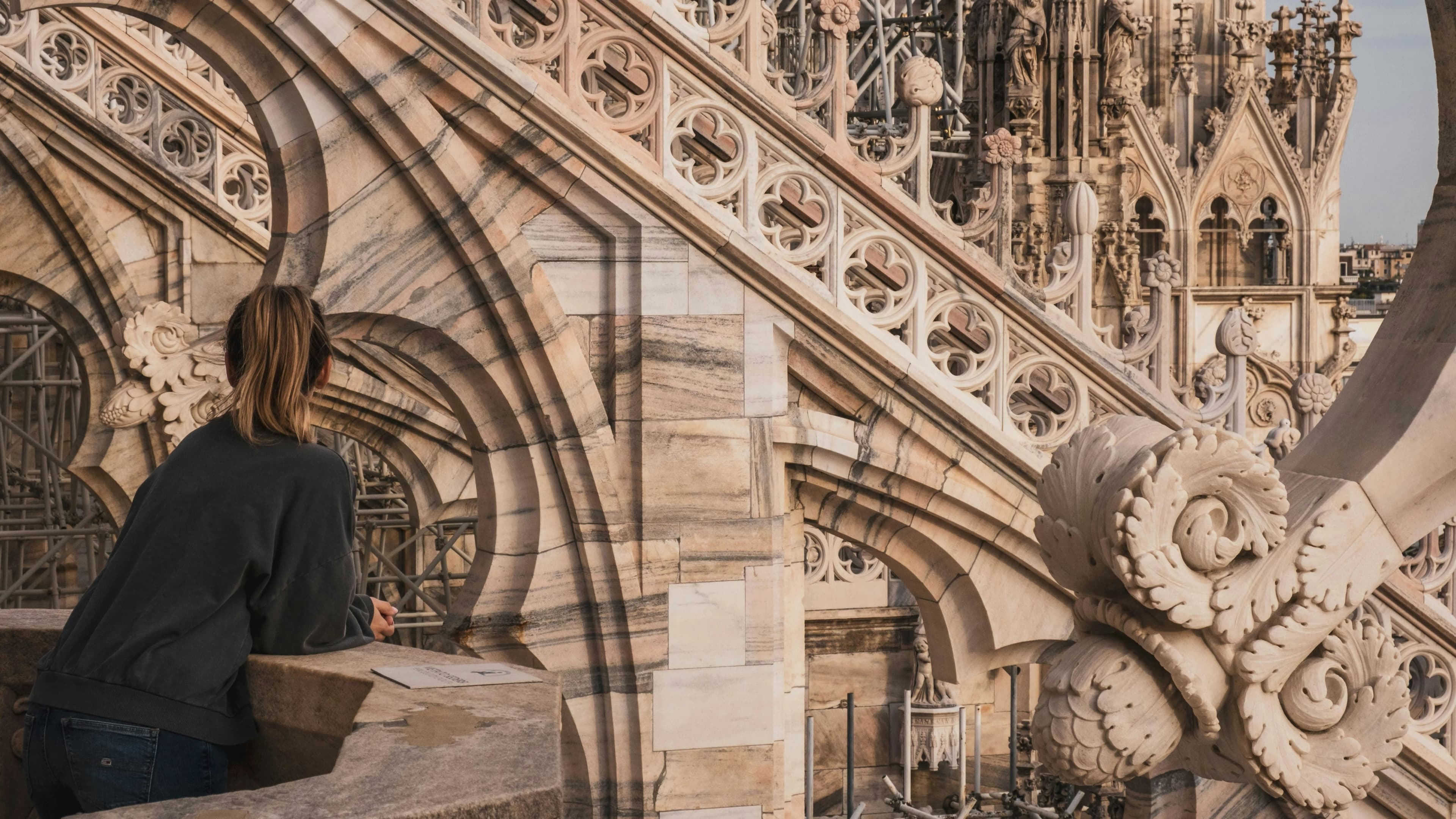
How is architecture experienced? What does a building look like, how does it function, and how does it affect us? Architecture is experienced not only with the eyes, but also with the body, the emotions, and the intellect.
To analyze architecture and understand its qualities and effects, it can be helpful to begin with five key categories: Form, Function, Imagination, Material Understanding, and Connection. Each category raises a set of questions that can help assess both specific buildings and the broader effects of architecture.
Form
When evaluating form in architecture, attention is given to a building’s composition and coherence. Is there a relationship between the building’s different parts? Does the form appear harmonious, resolved, and logical? Is there an interplay between the building’s exterior and the spatial experience of its interior? Has the architect found a form and expression that suit this particular place?
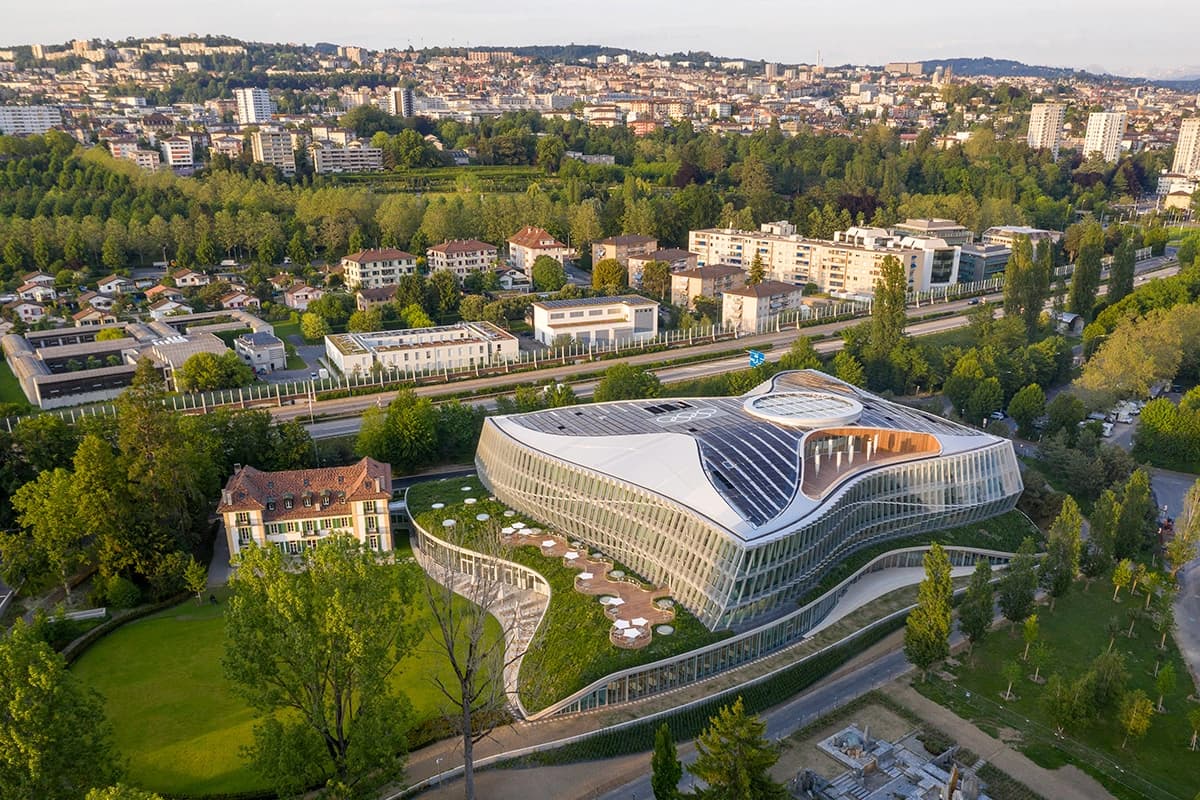
Architecture is not simply about designing a house, but also about creating a place. It involves shaping and organizing space, whether in a building, a city, a garden, or a landscape. Form must be relevant so that the space can support its intended functions. But form can also have an artistic expression of its own.
Function
Function in architecture is about how a building works in practice. Is the building well planned, with all the spaces one might need? Is the spatial layout logical, with well-proportioned rooms and good spatial sequences? Is there a healthy indoor climate in which temperature, daylight, and fresh air can be regulated?
Good architecture takes into account the life that will be lived in the building and the needs of its occupants. Overall, one should be able to assess whether it is a pleasant place to be.
Imagination and Idea
This category focuses on architecture’s idea, imagination, and originality of design. Has the architect developed new ideas and techniques for this project? Does the building tell a compelling story? In good architecture, there is often a unifying thread that ties the building together, from its overall form to its materials and smaller details.
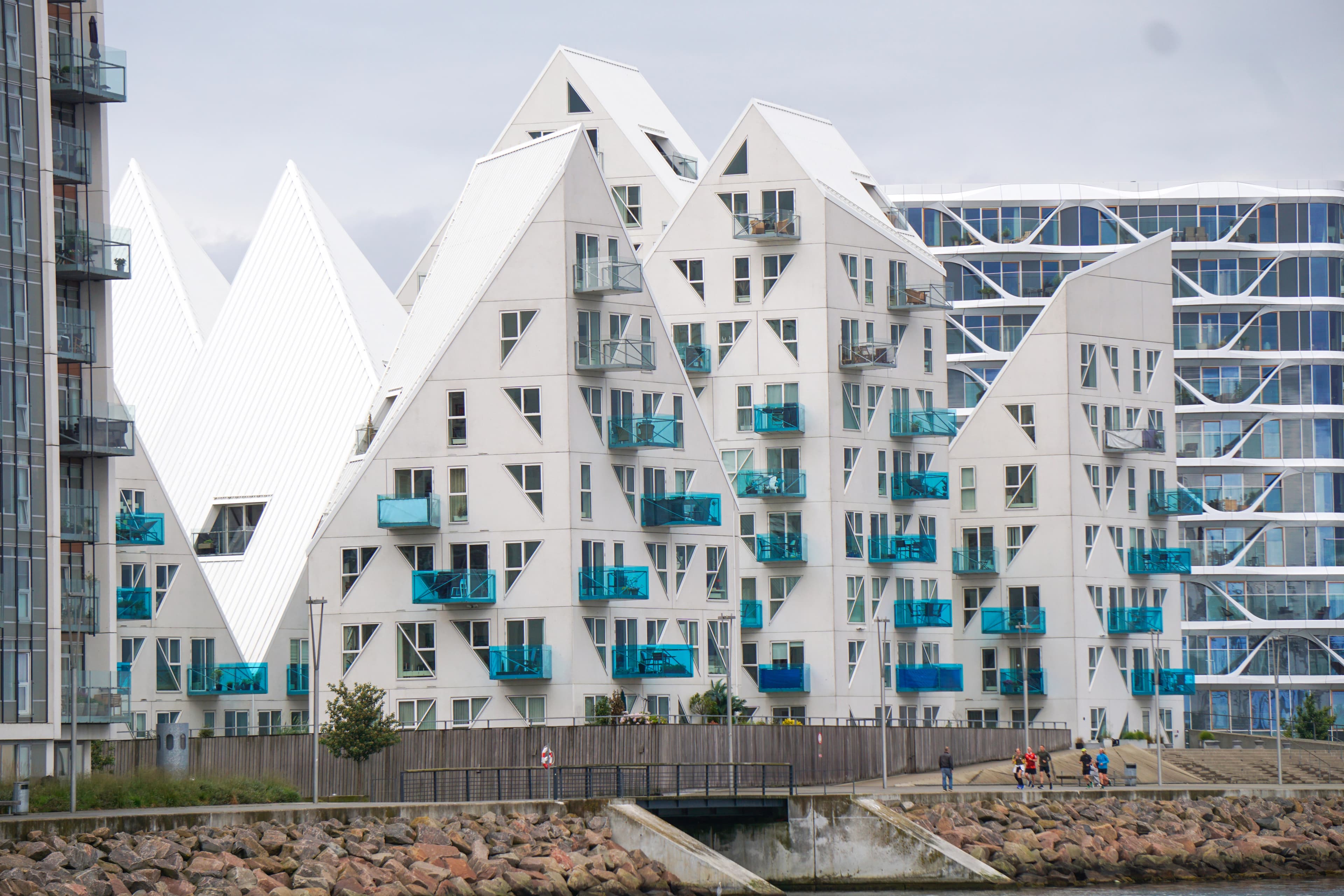
In the classical evaluation of architecture, emphasis is placed on durability, usefulness, and beauty. But architecture should also include something new, visionary, and imaginative. It should be able to attract attention and open the way for new ideas.
Material Understanding
An understanding of materials is essential in good architecture. Do the materials work well together? Are there refined transitions between different materials, and are the details carefully resolved? Do the materials provide a varied and sensory experience of the building? Is there a connection between the choice of materials and the building’s form and expression?
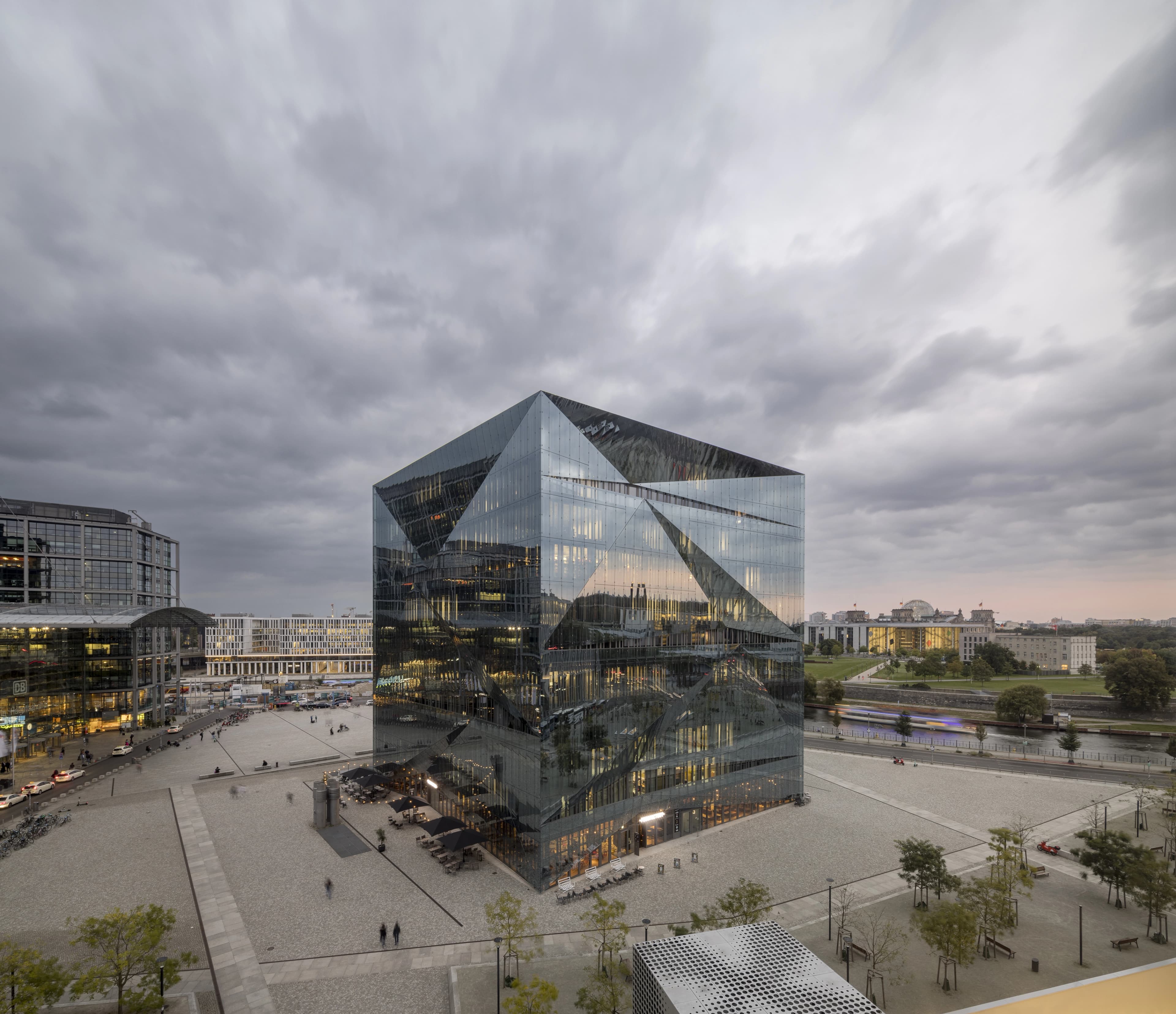
The choice of materials plays a major role in giving a building its character. It is important that the architect understands the potential and structural possibilities of materials. Material durability, usability, and beauty are all significant in the evaluation of architecture.
Connection to Place and Time
Good architecture has a meaningful relationship to place and time. Every architectural project is a reinterpretation of the specific site where the building is located and the period in which it is built. The architect may choose to adapt the architecture to the site or allow it to stand in contrast to it. But the relationship between architecture and place should always be meaningful.
Has the architect recognized the site’s possibilities—its plot, topography, and light? Does the architecture relate to the landscape or the surrounding built environment? Does the building suit the era in which it was built? In good architecture, the building helps interpret the site and give it identity.