How Do You Describe Urban Space? A Guide to Urban Space Analysis
Urban space is experienced through the body as we move through it. When we analyze an urban space and examine its form, function, and users, we gain a better understanding of how the city is structured and how spaces affect us.
By Dansk Arkitektur Center
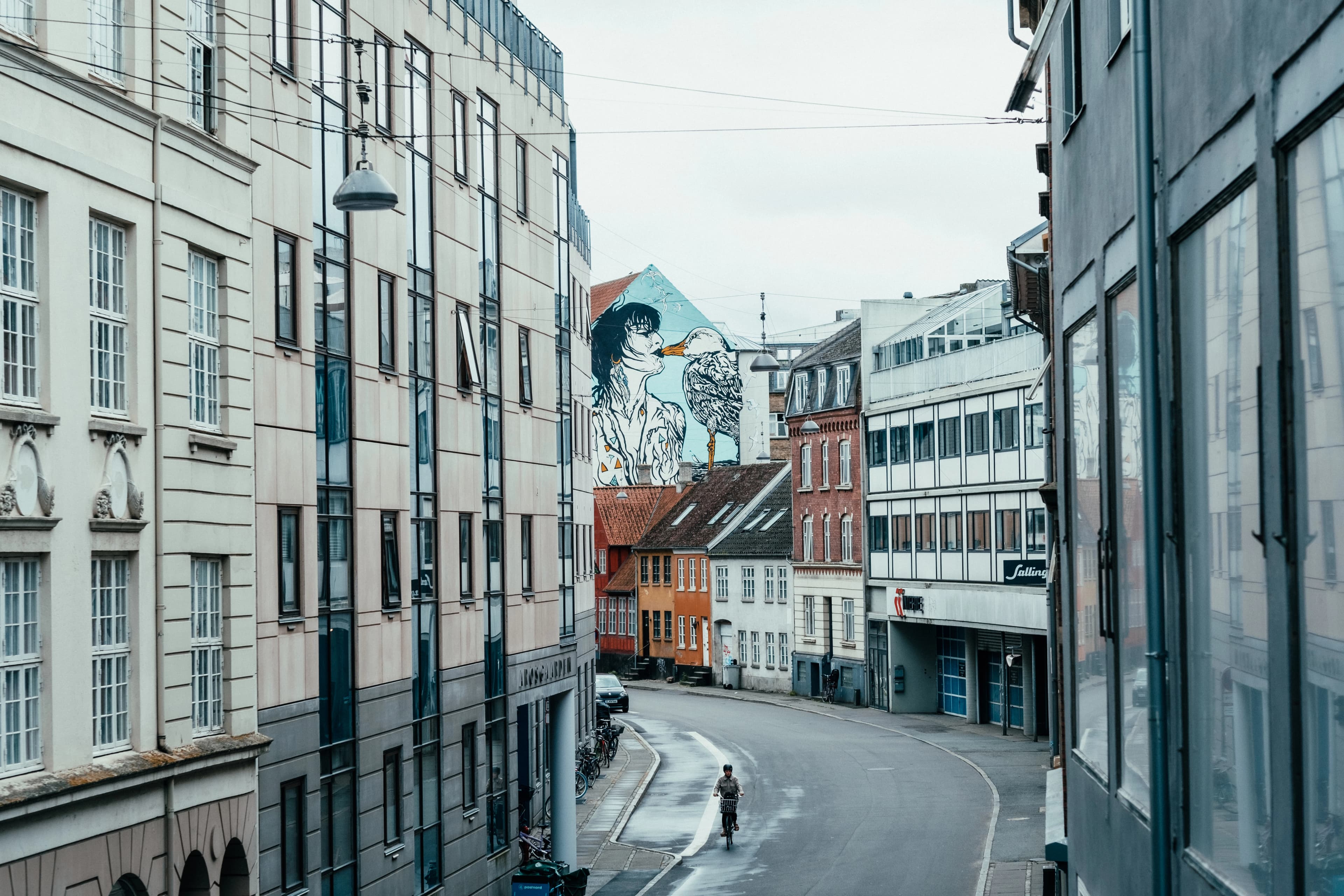
When describing and analyzing an urban space, it is important to remember that it is experienced through movement. One of the defining qualities of space is that we have to move through it in order to experience it. Time therefore becomes part of the experience, because no one can see the entire space at once. Only after moving through it can we understand it as a whole.
In an analysis of urban space, there are several important aspects to consider. In particular, you should look at what the space is meant to be used for, who is meant to use it, and what form it takes. These are also the kinds of questions architects and urban planners consider when designing new urban spaces.
1. Function
What is the urban space meant to be used for? Its function is crucial to how it is used. It may serve as a residential area, a play space, a place for leisure, commerce, or social gathering. An urban space can, of course, have more than one function.
2. Users
Who is meant to use the urban space? Is it shaped in a way that suits those users? A successful urban space is designed around the people who will use it. Does its form encourage people to do certain things? Is it, for example, a corner where people naturally gather, or does the space guide people in a particular direction?
3. Access to the Urban Space
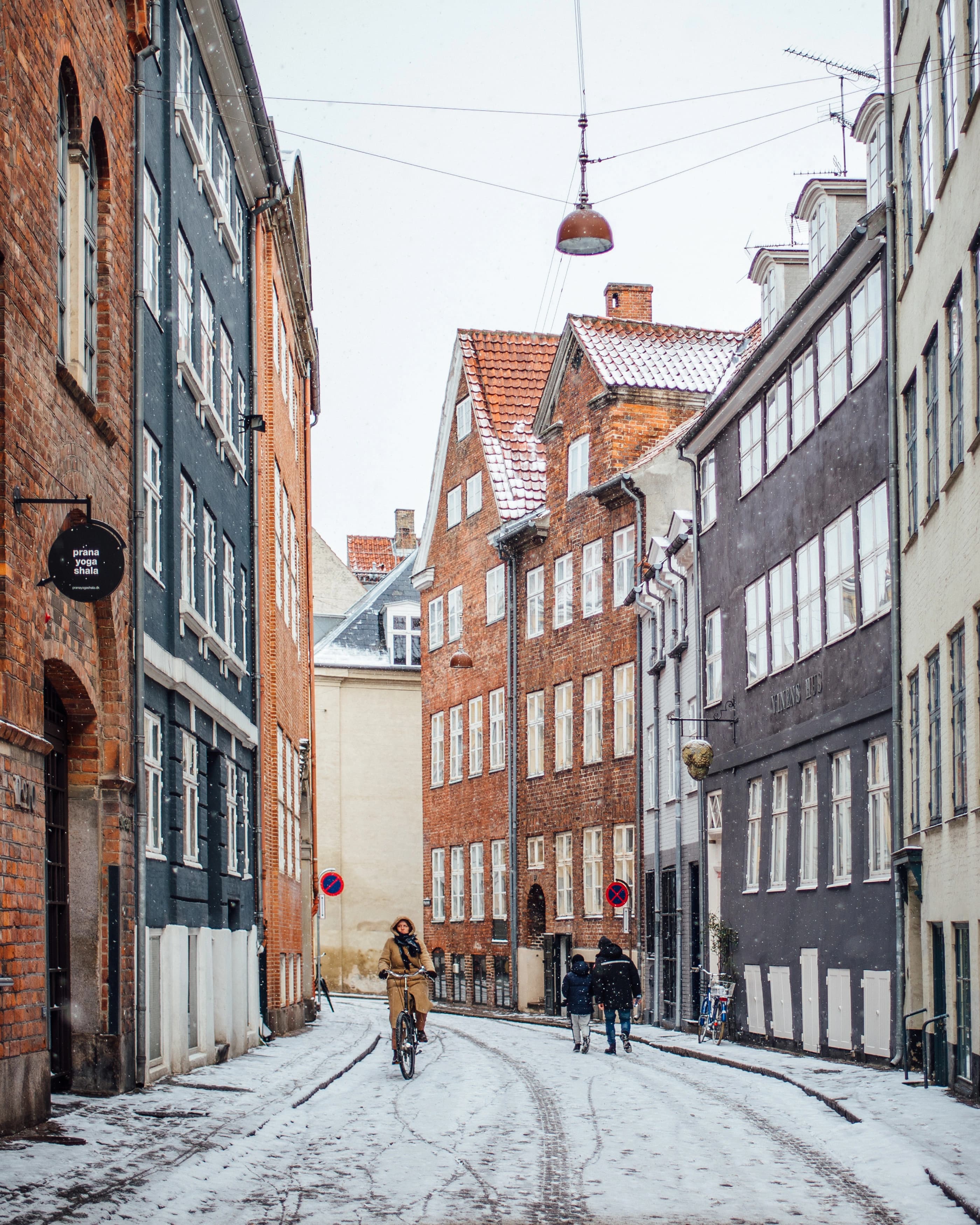
Access has a major impact on how an urban space is experienced. How do you enter it? Where is the entrance located in relation to the space and its intended use? Is it centered, set in a corner, reached from a wide street, or from a narrow alley? It makes a difference to how a square is experienced whether you enter it through a broad gateway or from a small side street.
4. Form
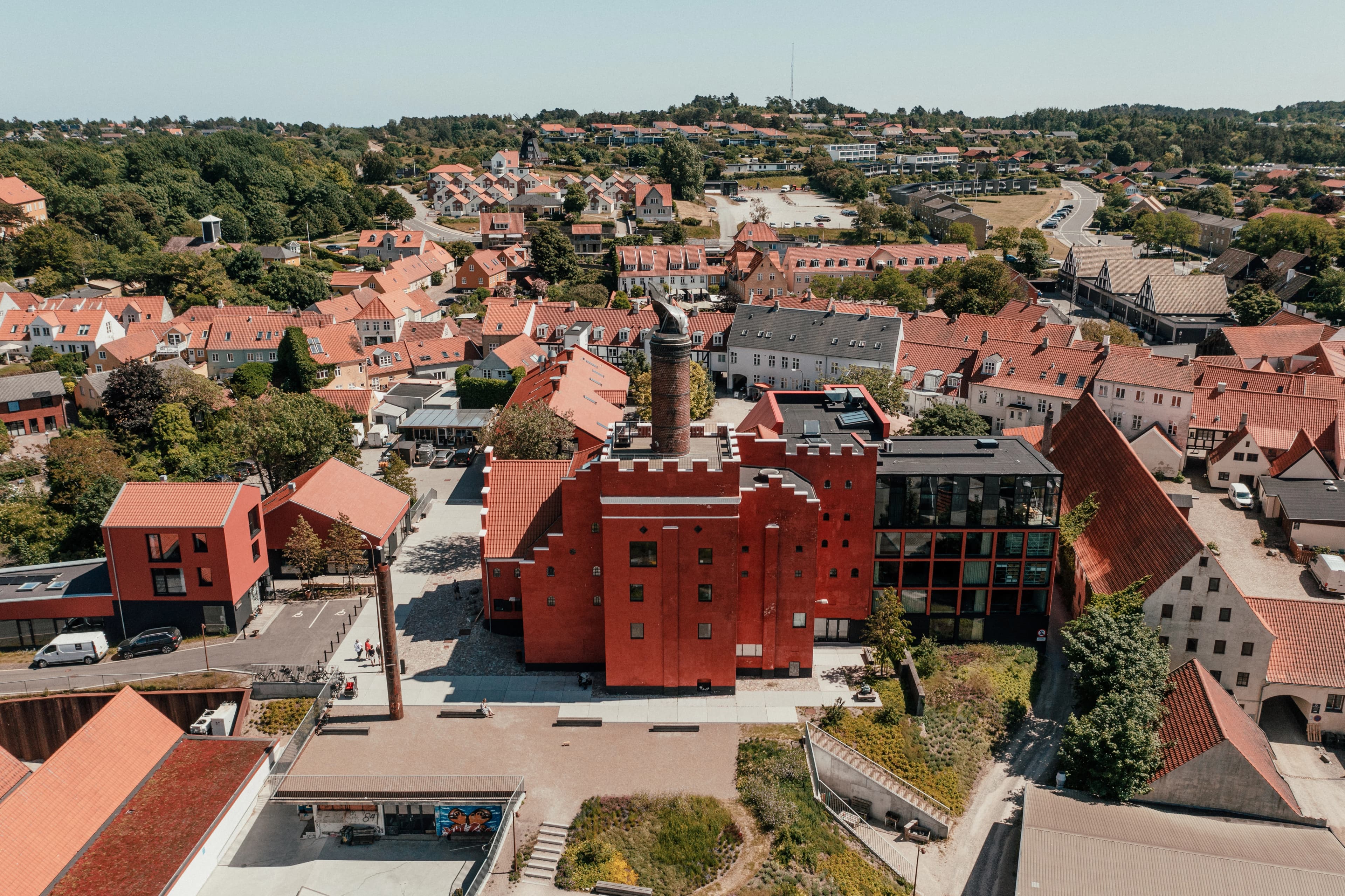
Form is central to the analysis of urban space. What shape does the space have? Here, you should look both at the ground plan and at whether the space is clearly defined, for example by building facades. Did the ground plan develop gradually over time, perhaps as buildings were constructed around a square, or was it planned from the start? Is the space open or enclosed? Does the ground plane rise or fall?
5. Axes and Movement
An axis in an urban space is a direction or line that organizes movement, views, and the way the space is perceived. Are there axes in the space that direct movement, or that buildings create or respond to? One example might be an axis running from the entrance to a square toward a church door.
6. Decoration and Identity
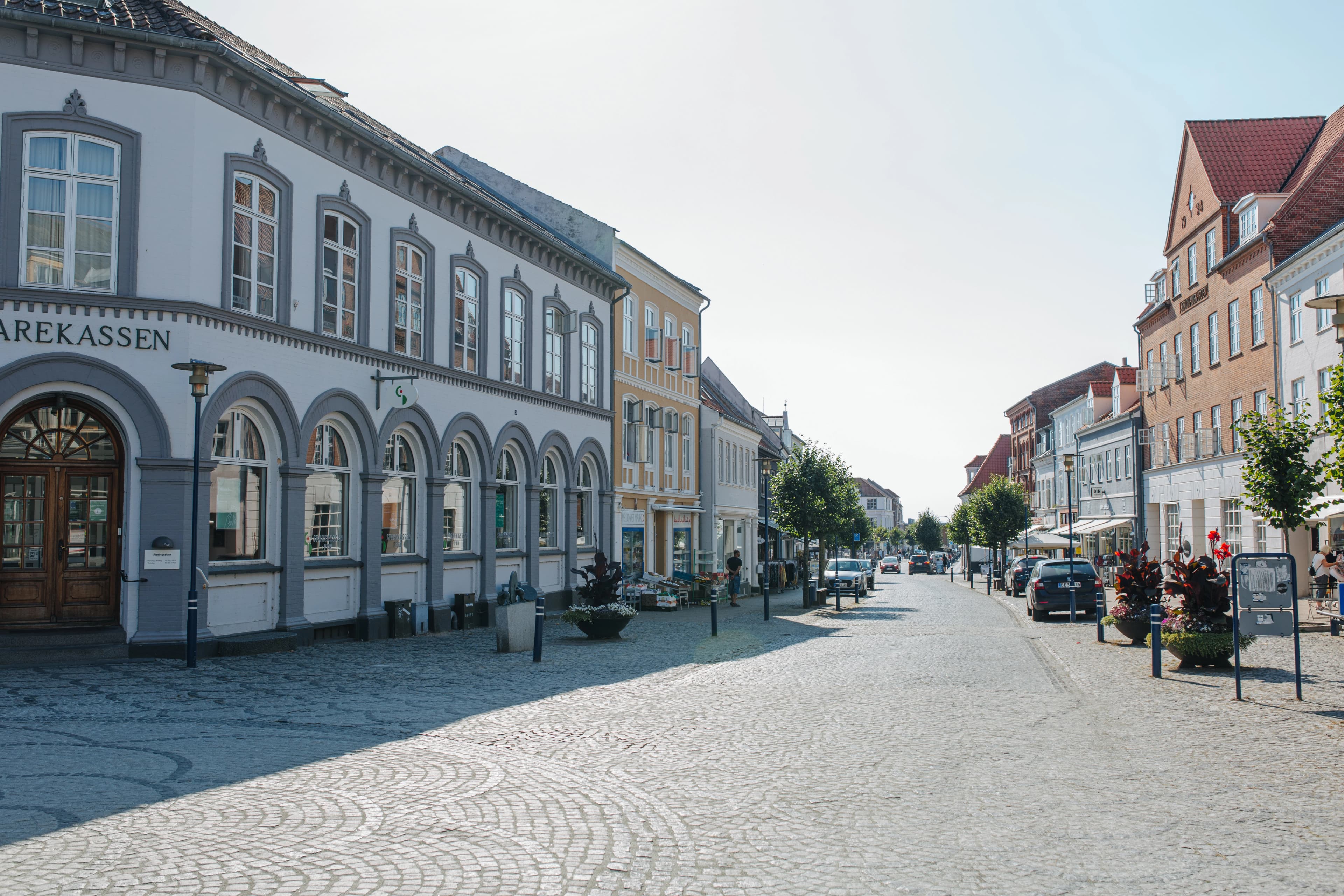
Decoration helps give an urban space identity and character. How is the space decorated? What are the colors, materials, and patterns of the paving, for example, and what elements have been placed in the space? Which elements serve a function, such as a bench, and which are purely decorative, such as a fountain or a sculpture?
The Overall Experience of the Urban Space
When evaluating an urban space as a whole, the key question is what overall impression it creates in use. What impression do you get when moving through it? Is it beautiful, successful, and pleasant to spend time in? Does the form suit its purpose and users? How does the space feel from its different points of entry? Could anything have been done differently to make the space better?