Jørn Utzon: A Sense of Form and the Architect Behind the Sydney Opera House
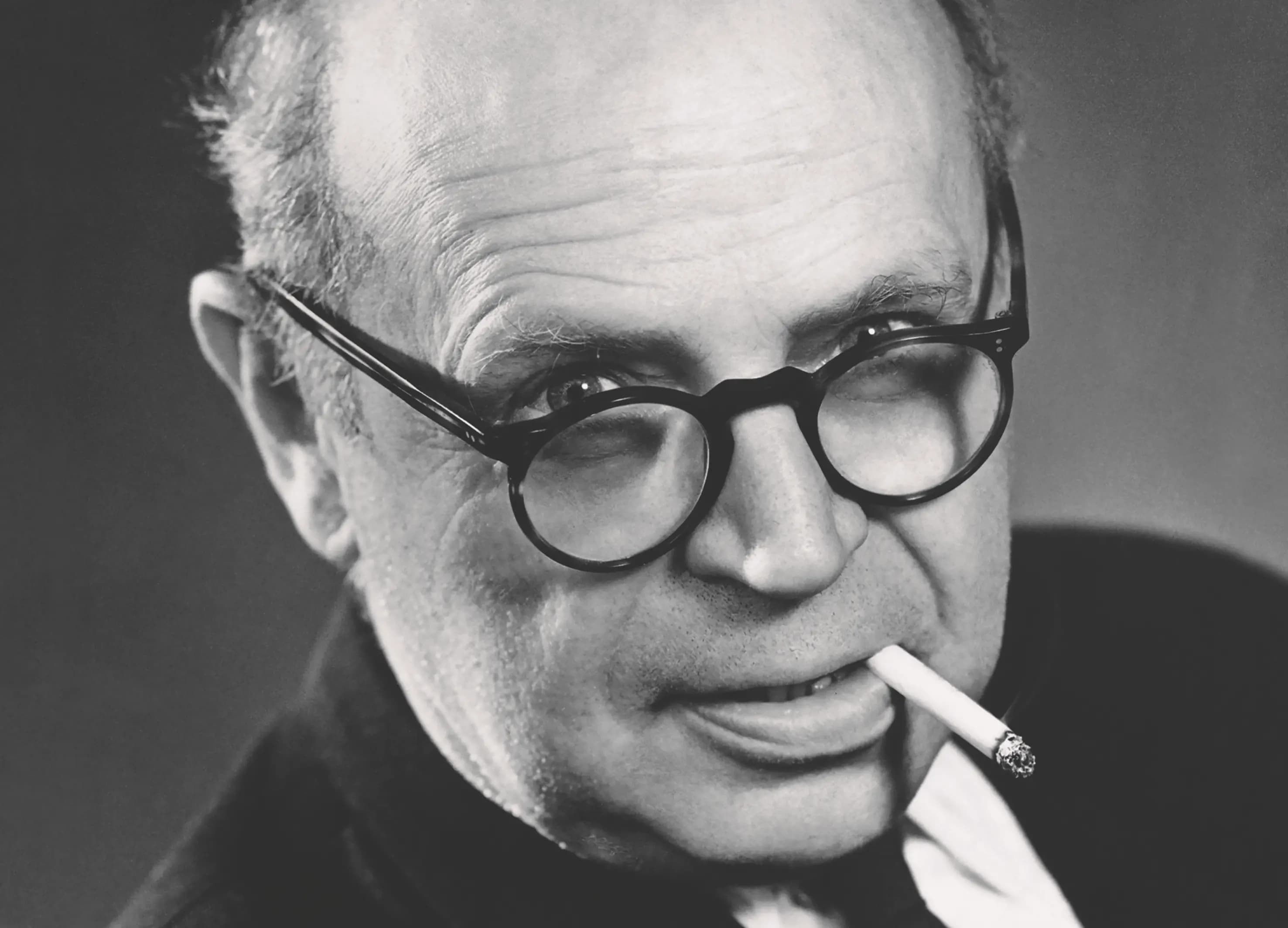
A portrait of Jørn Utzon (1918–2008), one of Denmark’s greatest architects and the creator of the Sydney Opera House. Jørn Utzon broke with the angular forms of modernism and created Danish architecture defined by soft lines and a strong connection to place.
By Dansk Arkitektur Center
Jørn Utzon was born in Copenhagen in 1918 and passed away in 2008 at the age of 90. Although he did not receive particularly high grades in school, he was admitted to the Royal Danish Academy of Fine Arts’ School of Architecture.
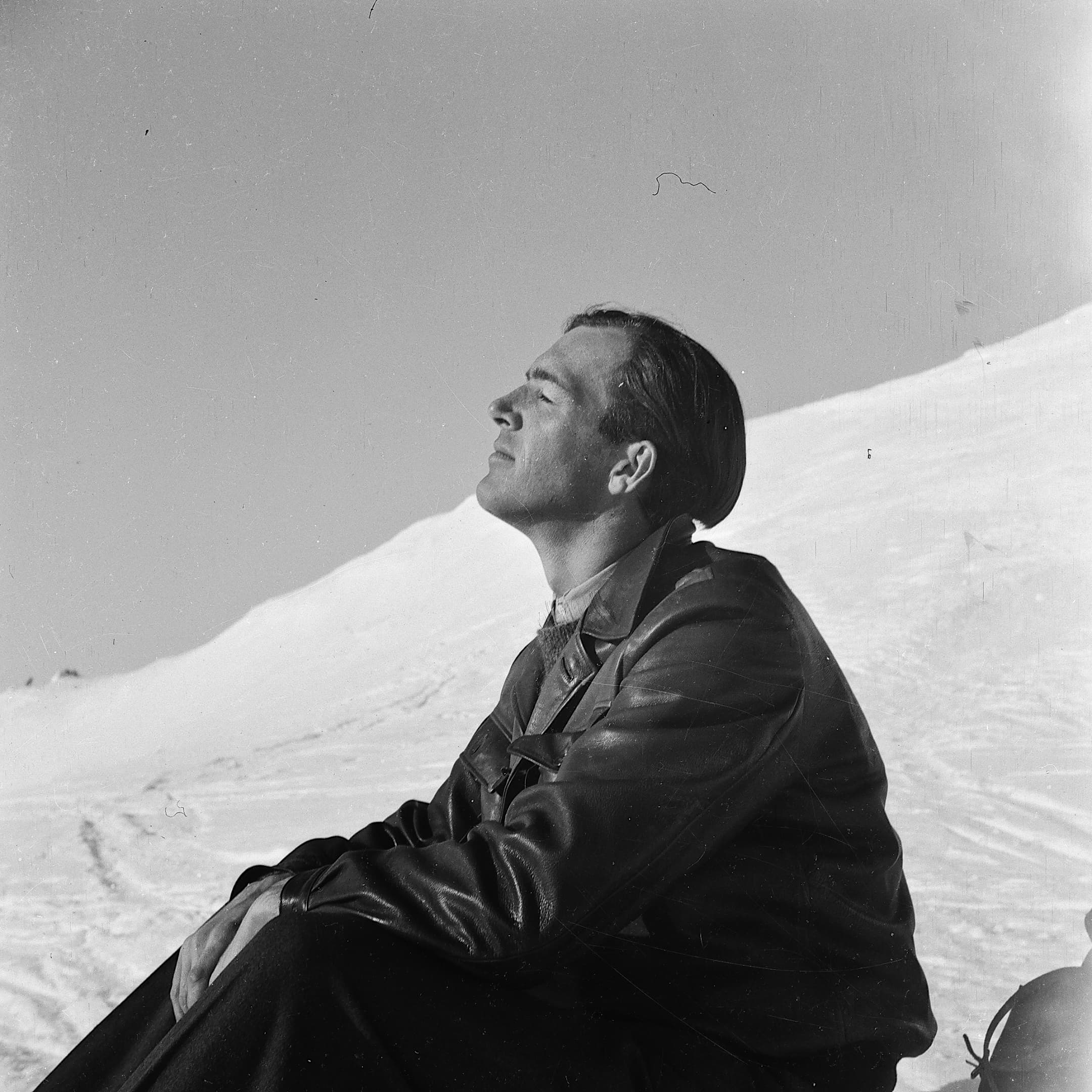
Utzon’s talent for drawing was so compelling that his teachers quickly recognized his exceptional ability in architectural design. After completing his studies, he traveled extensively around the world, studying architectural forms from many different countries and cultures, including Mexico, Australia, Morocco, the United States, China, Japan, and India. These experiences became a major source of inspiration for both his work and his approach to architecture.
Sculptural and Organic Forms
In 1950, Utzon opened his own architectural studio in Denmark. From there, he went on to design everything from monumental public buildings to modest yet beautiful housing projects.
For Jørn Utzon, a building’s purpose was always the most important factor—not whether it appeared grand or imposing. Even so, many of his buildings achieved exactly that, thanks to his remarkable sense of form.
His work is characterized by sculptural shapes and soft, flowing lines.
Jørn Utzon sought to create architecture for living, breaking away from the rigid, angular forms of modernism.
Sydney Opera House
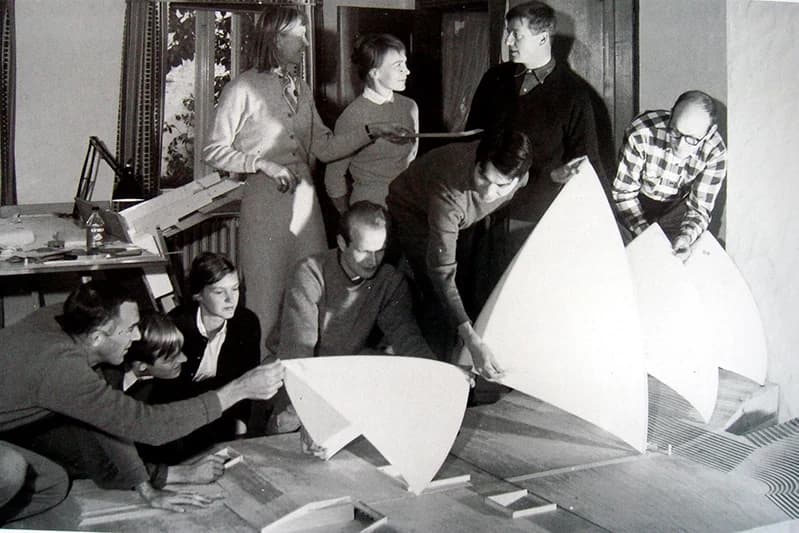
In 1957, architect Jørn Utzon won the competition to design an opera house in Sydney, Australia. Around 230 proposals had been submitted by architects from roughly 30 countries, but Utzon’s design stood out above the rest.
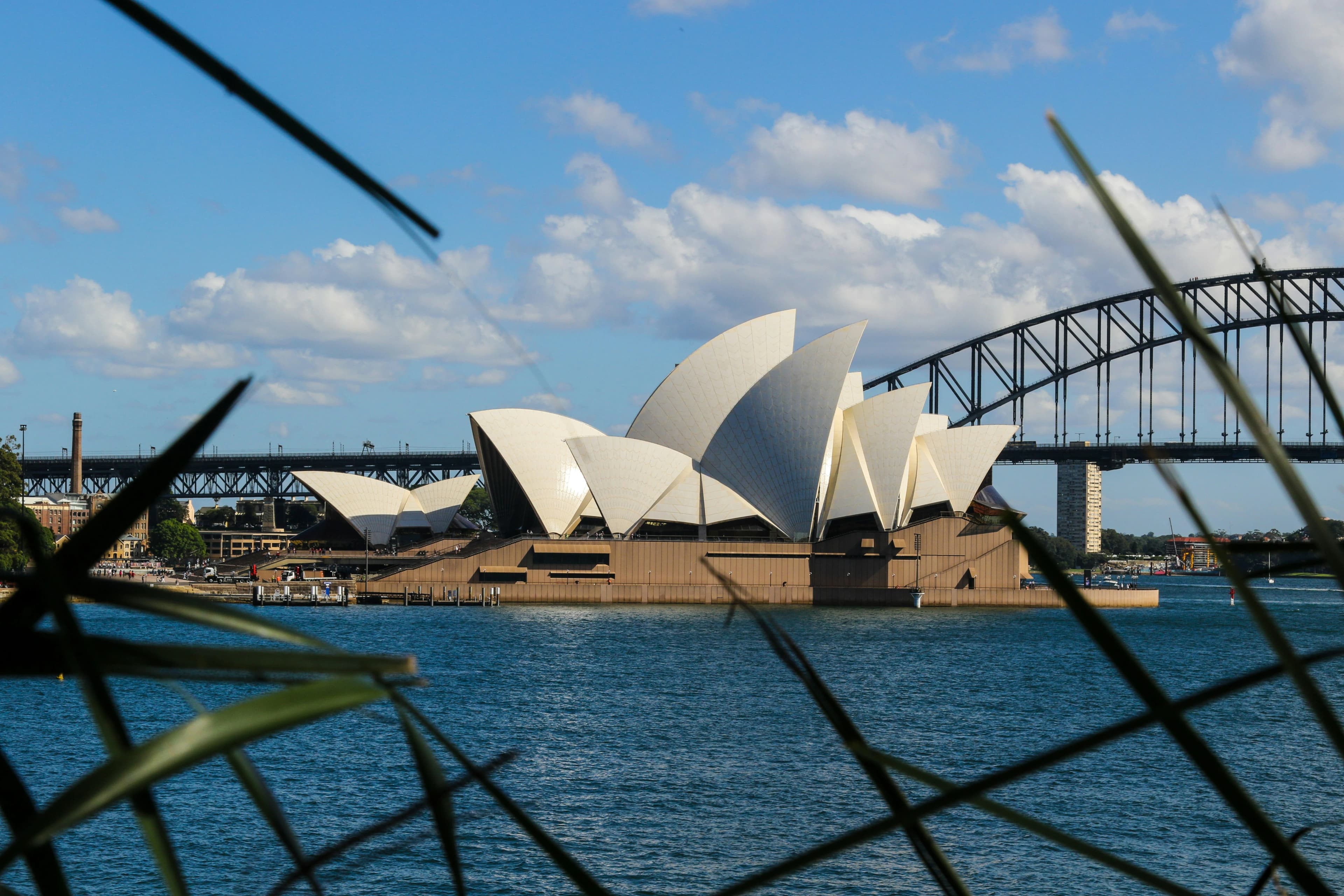
The Sydney Opera House is sculptural in nature, which is typical of Utzon’s work. It consists of three shell-like vaults. Developing these forms required entirely new construction methods, highlighting how Utzon was ahead of his time in both design and engineering.
The Sydney Opera House was completed in 1973. However, Utzon had withdrawn from the project before its completion, leaving the construction of the interior to a colleague. This was due to political disputes and hostile media coverage. As a result, Utzon never saw the finished Opera House.
Thirty-six years later, he was invited to oversee the building’s renovation. His studio, together with his son’s, began work on the project in 2003. However, it was his son Jan—not Utzon himself—who led the work, as Jørn Utzon was 83 at the time and too frail to travel.
In Harmony with Its Surroundings
The surrounding environment played a crucial role in how Jørn Utzon designed his buildings. Their form was intended to create a unified whole with the landscape—unlike the uniform, box-like structures of functionalism that could be placed anywhere. This is evident in the Sydney Opera House, which sits by the water and harbor, blending seamlessly into its setting with its sail-like shells.
In 2003, Jørn Utzon received the prestigious Pritzker Architecture Prize, often referred to as the Nobel Prize of architecture. The jury cited the Sydney Opera House as one of the greatest architectural icons of the 20th century.