Le Corbusier: The Ideal City, Modern Architecture, and Urban Planning
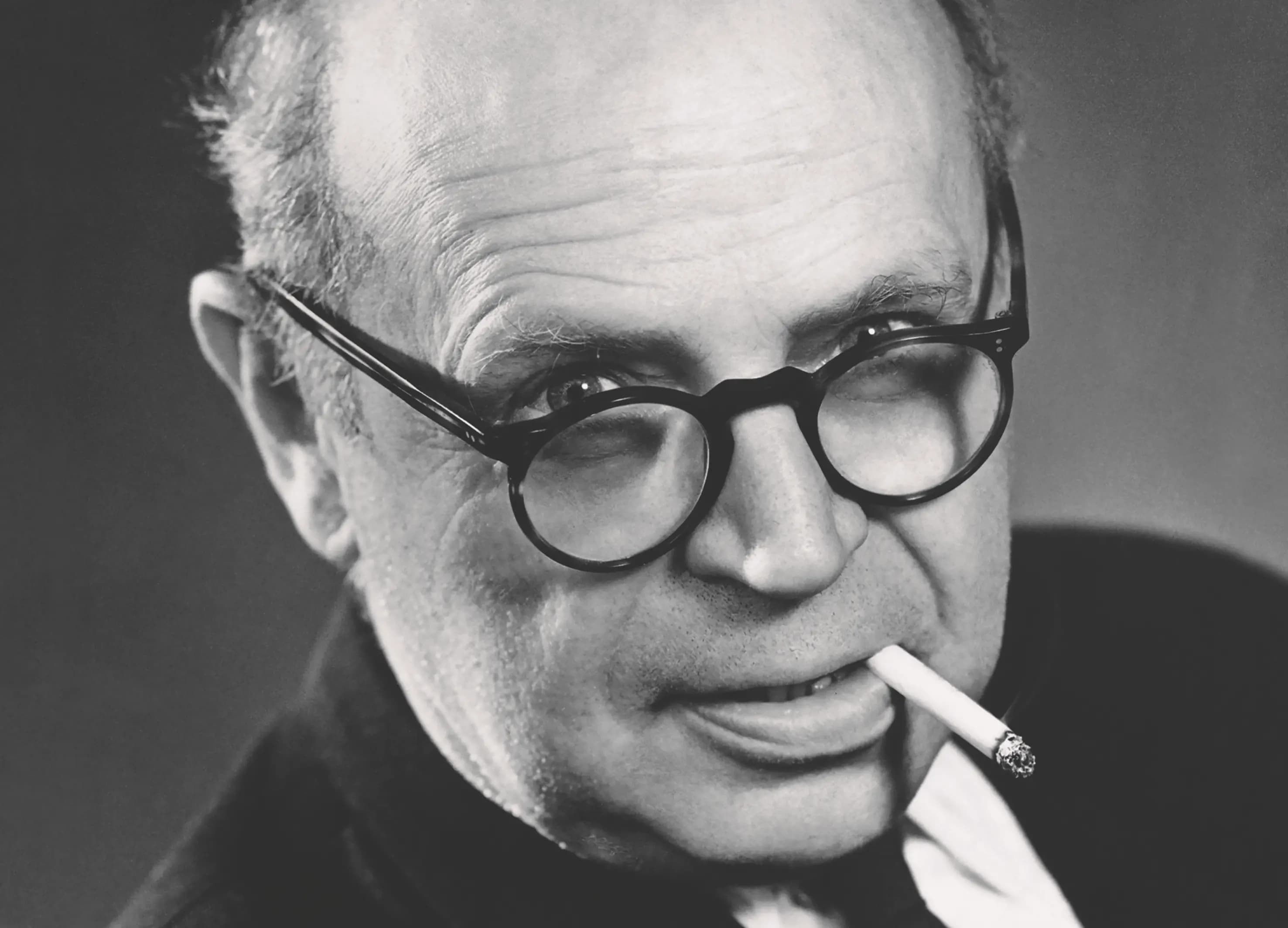
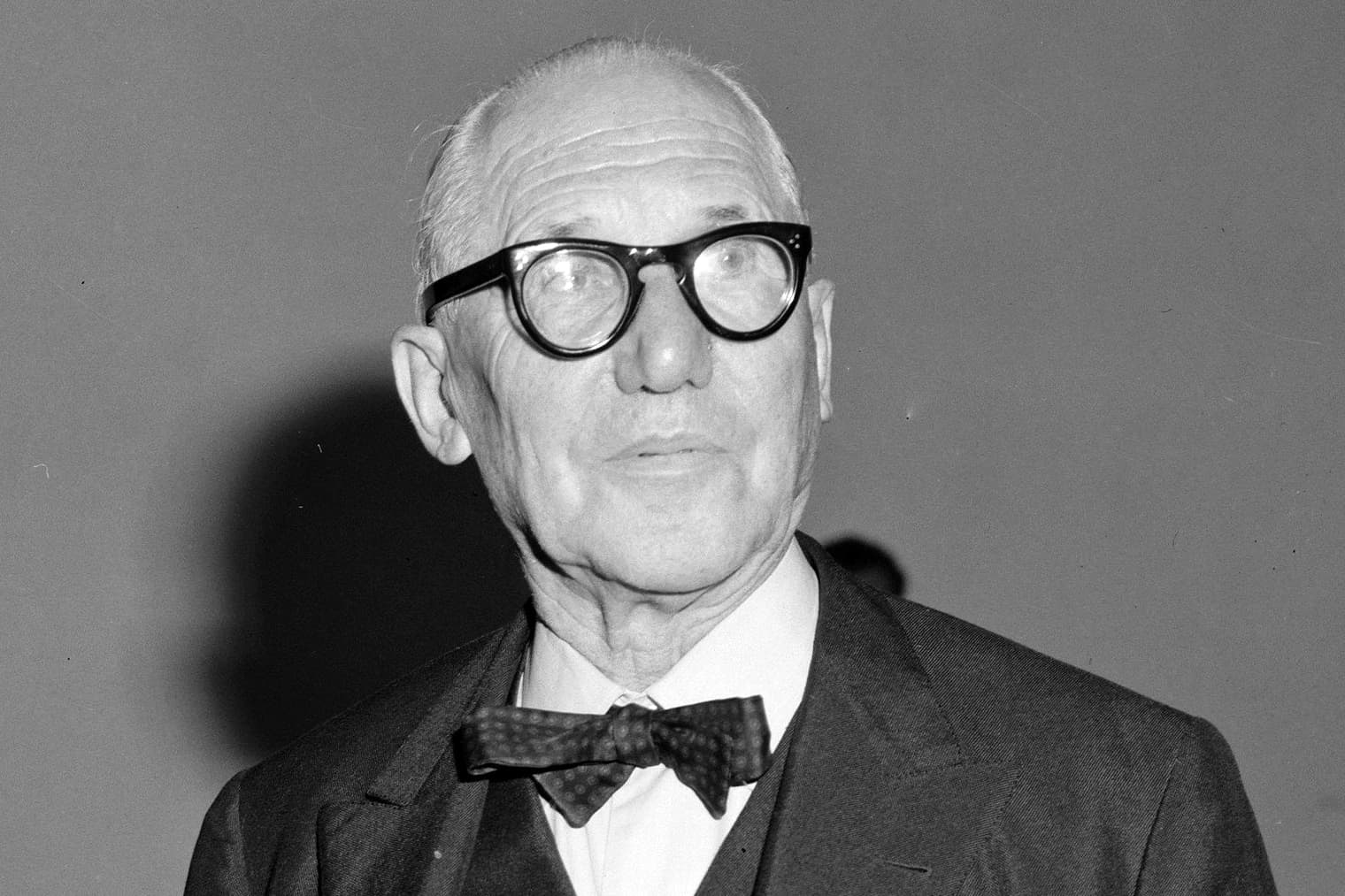
The Swiss-French architect Le Corbusier was one of the most influential figures in modern architecture and urban planning. Although many of his plans were never built, his ideas, drawings, and visions had a profound impact on 20th-century architecture.
By Dansk Arkitektur Center
Le Corbusier lived from 1887 to 1965. As an architect, theorist, and urban planner, he helped shape the 20th century’s understanding of housing, cities, and modernity.
The Machine as an Ideal
Le Corbusier articulated his ideas about modern architecture and urban planning early on. In 1923, he published a text in which he explained what he believed architecture’s role should be. Architecture should not simply exist—it should play an active role in society. Above all, it should help create the best possible conditions for the greatest number of people.
For Le Corbusier, the machine was an ideal. It was practical, efficient, and purposeful. Architecture and urban planning, he argued, should be the same. He even described the modern home as “a machine for living.”
Le Modulor and Geometric Forms
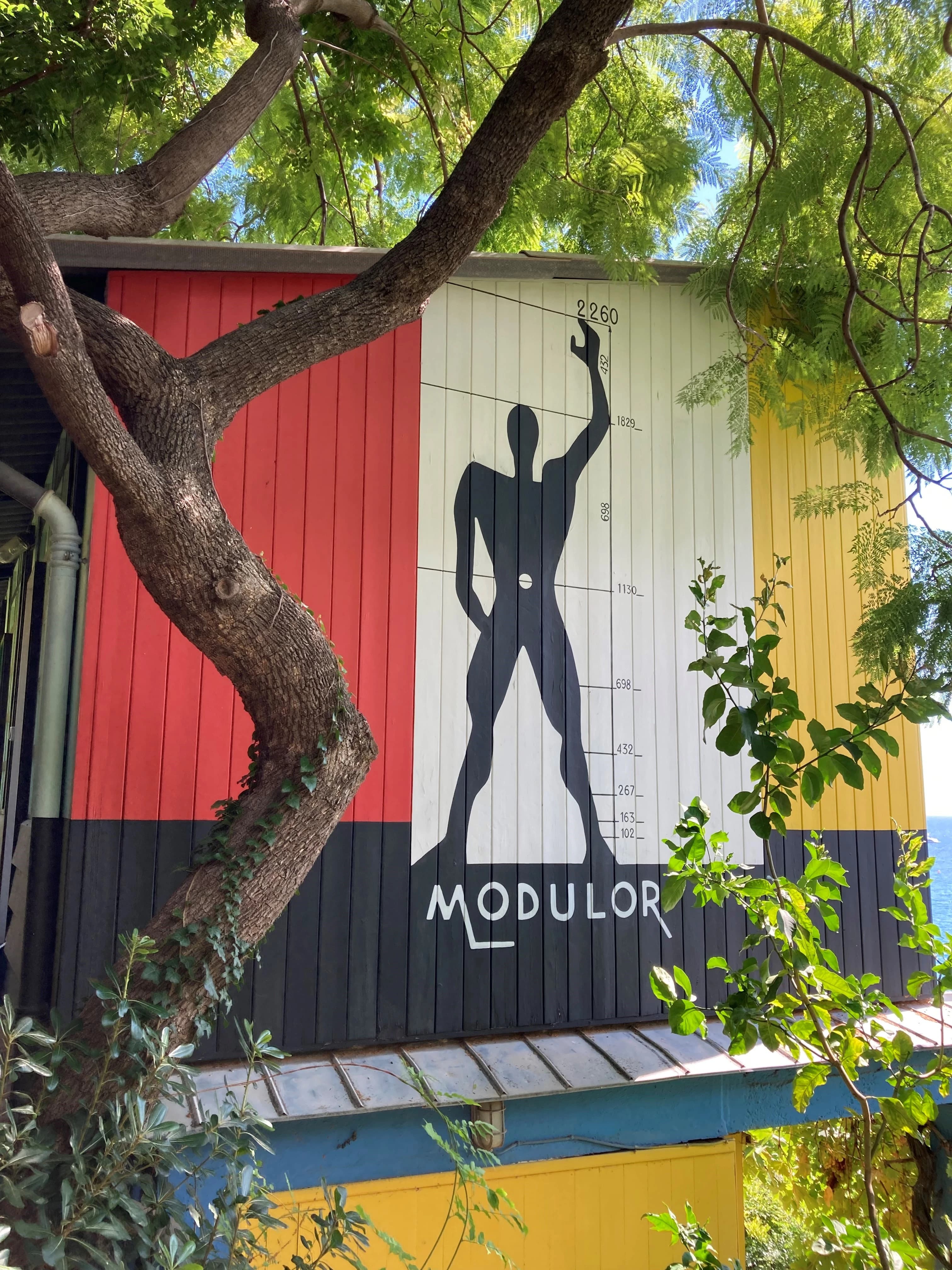
Le Corbusier admired the ancient Greek architects’ use of pure geometric forms—circles, squares, cylinders, columns, and rectangles. He adopted these forms in his own work, basing his designs on simple rules of proportion.
His exploration of geometry culminated in Le Modulor, a system of proportions and measurements. The basic figure he used was 1.75 meters (approximately 5 feet 9 inches) tall. Based on this system, Le Corbusier calculated what he considered ideal proportions for his buildings. In this way, he aimed to incorporate human scale into architecture.
However, he did not fully account for the fact that not all people match this standard figure. He later adjusted the height to 1.83 meters (6 feet), realizing that the average human height had increased.
Le Corbusier’s Modern City
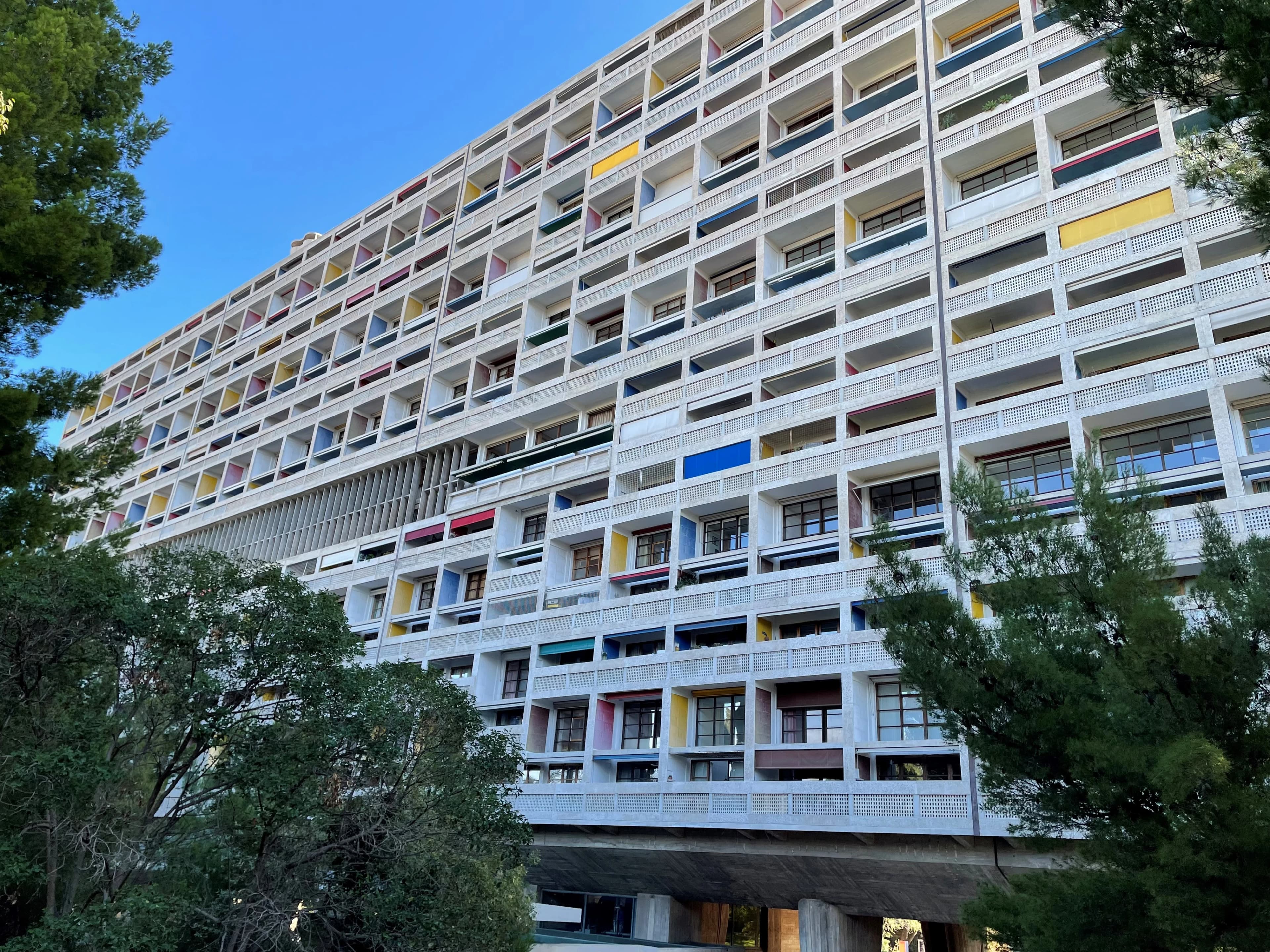
Le Corbusier’s goal was to create good housing for as many people as possible. Therefore, he developed several plans outlining what he believed a modern city should look like. His aim was to establish fundamental principles for urban planning that could lead to a better social order. In his view, people who lived well would be happier, and society as a whole would improve.
In the city he envisioned, three million people could live in 24 identical, symmetrical, geometrically arranged skyscrapers. At the center was an open area with cafés and shops. Light and air were essential, and the only way to achieve this was by building upward. This also provided residents with expansive views, which Le Corbusier believed the modern individual needed.
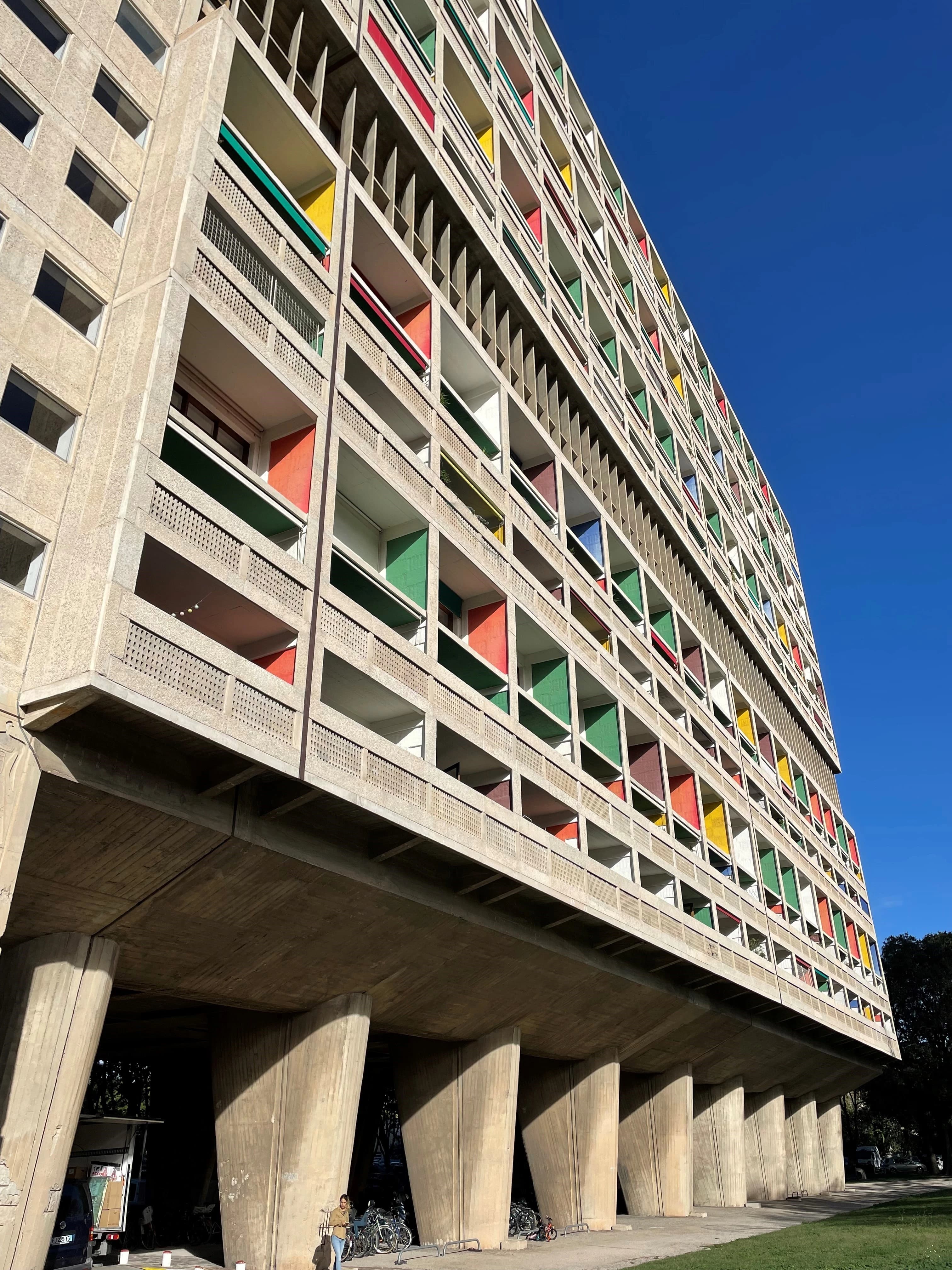
The skyscrapers were not to sit directly on the ground but to be raised on columns. This freed up the ground level, while car traffic was moved into multiple layers of roads above one another. In general, the city was designed in vertical layers to create more open space. This reduced intersections and improved traffic flow, ensuring efficient movement throughout the city.
Everything was to be built according to the same model. This uniformity was meant to increase efficiency—one of Le Corbusier’s key principles. Despite its buildings and infrastructure, he envisioned the city as a kind of park, where geometric clarity created order, beauty, and a sense of harmony.
His vision of the ideal city became an important contribution to modern urban planning.
The City as a Self-Contained World
The ideal modern city was intended to fulfill all the physical needs of its inhabitants. It would provide space, light, air, and efficiency—creating the framework for an ideal society.
Le Corbusier often pointed to the ocean liner as a symbol of the modern age and as an ideal model for living. It was highly organized and functioned as a self-contained world.
Villa Savoye
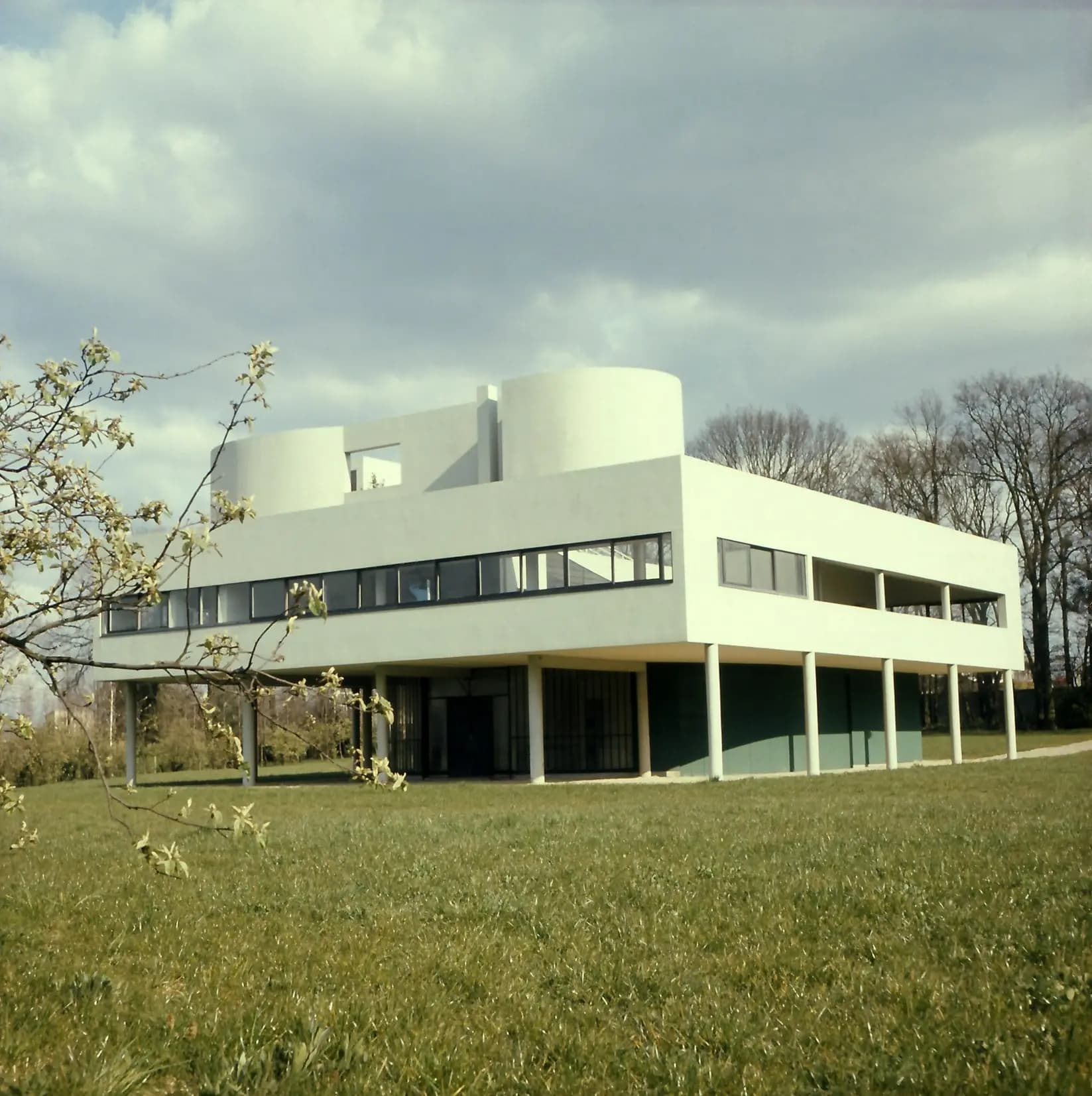
Le Corbusier’s ideal city was never realized. However, Villa Savoye is one of the few of his projects that was actually built and one of the most famous examples of his functionalist architecture.
Built between 1929 and 1931, the villa is a simple white box raised on columns above a curved ground-floor wall. Light and shadow animate the otherwise smooth, white surfaces.
Le Corbusier also drew inspiration from ocean liners in the villa’s design. The horizontal ribbon windows, the chimney, and the flat roof, resembling a ship’s deck, all reflect this influence. Its refined design makes Villa Savoye one of the finest examples of functionalist architecture.
Le Corbusier’s Influence on Modern Architecture
Not all of Le Corbusier’s plans were realized, and they did not always function as intended. Nevertheless, many of his works are exceptional, and his forward-thinking ideas about how housing could improve society had a lasting impact.
He strongly promoted the idea of constructing buildings using standardized modules. This approach made it possible to build high-quality housing quickly and efficiently. Today, many houses are built using modular systems and prefabricated components.
Many architects who followed him also adopted his use of pure geometric forms.
In particular, the architects of the 1930s—who emphasized function, simplicity, and clarity—were deeply influenced by Le Corbusier.