Leon Battista Alberti: Architect and Theorist of the Italian Renaissance
Leon Battista Alberti (1404–1472) was one of the most important architects and theorists of the Italian Renaissance. He reinterpreted classical antiquity in Renaissance architecture—most notably by combining the classical temple front and the triumphal arch in Sant’Andrea in Mantua, and by helping establish the use of superimposed classical orders inspired by the Colosseum.
By Dansk Arkitektur Center
Leon Battista Alberti came from a wealthy Florentine family and became one of the most influential architects of the Italian Renaissance.
At the time, Florence was a city shaped by wealthy merchants who had commissioned painters and architects to fill it with works of art and architecture. Alberti therefore had exceptional access to major artistic and architectural works from an early age. He studied both closely and, through these studies, developed a strong understanding of what characterized good art and architecture.
Classical Architecture in New Contexts
Alberti’s most important works in Renaissance architecture include Sant’Andrea in Mantua, begun in 1470, and the facade of Santa Maria Novella in Florence, designed in the mid-15th century.
On the facade of Sant’Andrea in Mantua, Alberti combined two major elements from classical architecture: the columned temple front of ancient Greek architecture and the triumphal arch of Roman architecture. This combination later became highly influential and was used in countless church designs.
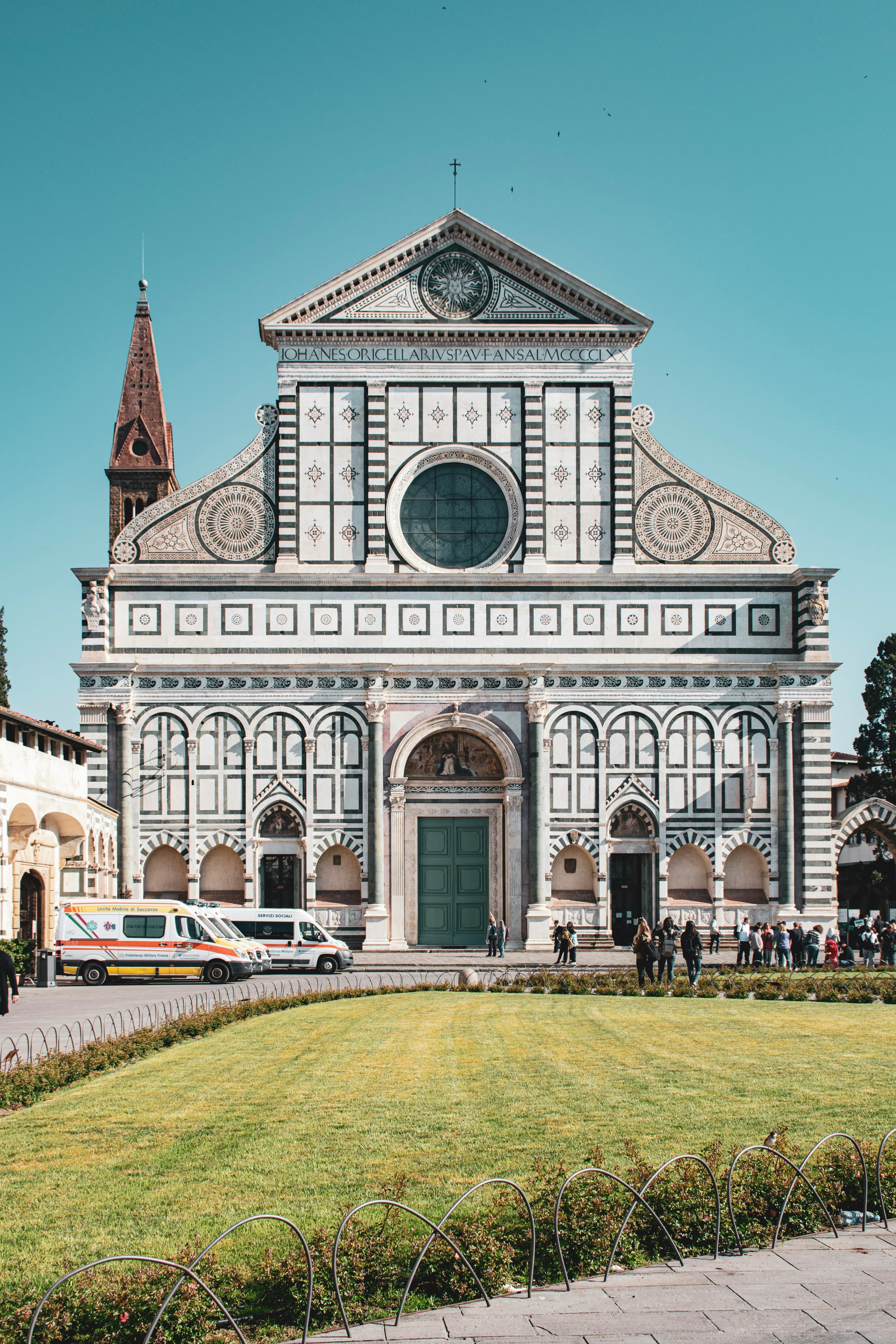
Santa Maria Novella
Photo: Eleonora Altomare - Unsplash 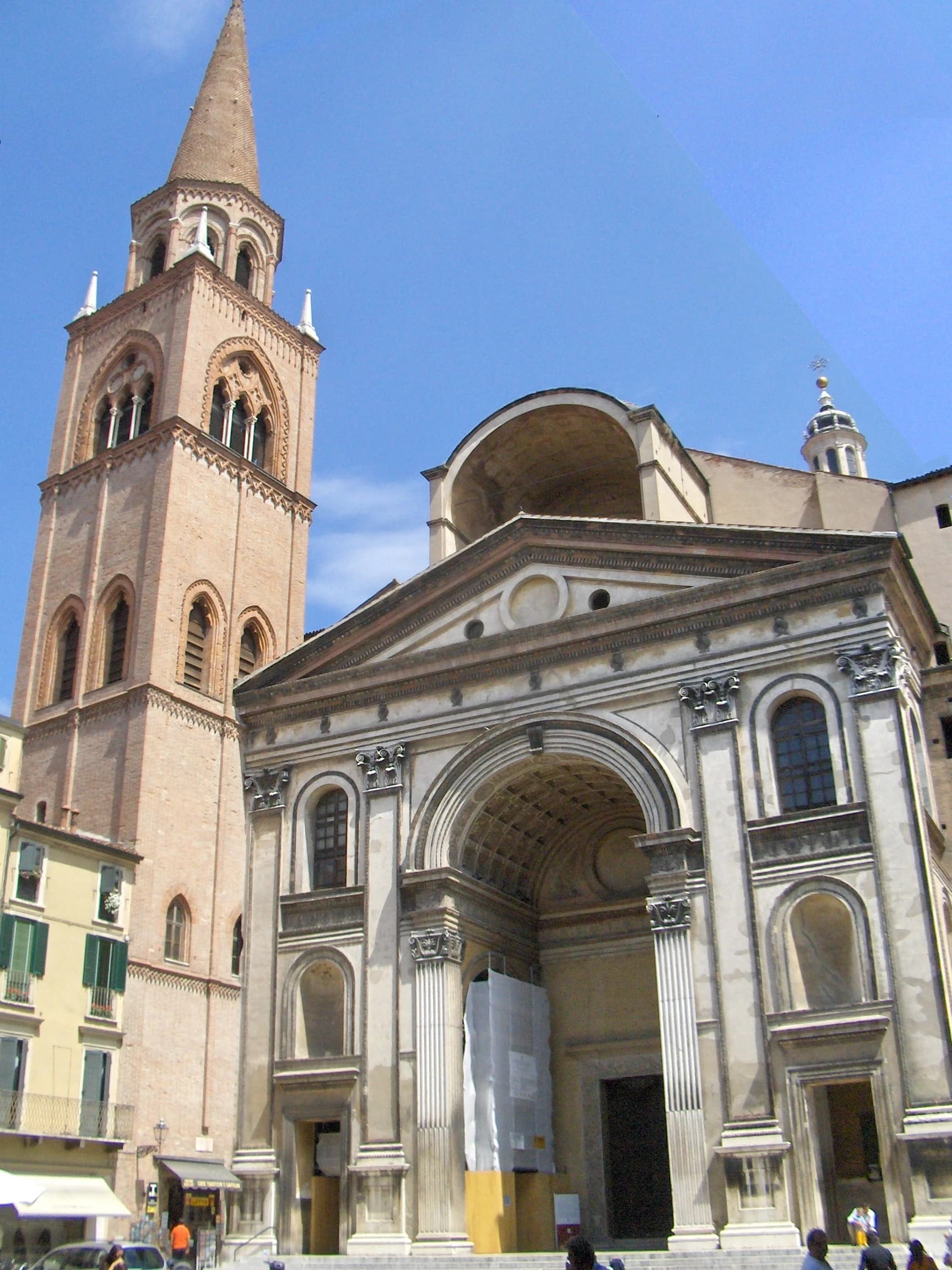
Basilica of Sant'Andrea
Photo: Sebi1
Treatises on Painting and Architecture
Leon Battista Alberti wrote influential treatises on both painting and architecture.
In his architectural treatise, De re aedificatoria, he explained how Renaissance architecture should be designed—in other words, how architects could create beautiful buildings in the Renaissance style. In particular, he described how classical forms and the classical orders should be used.
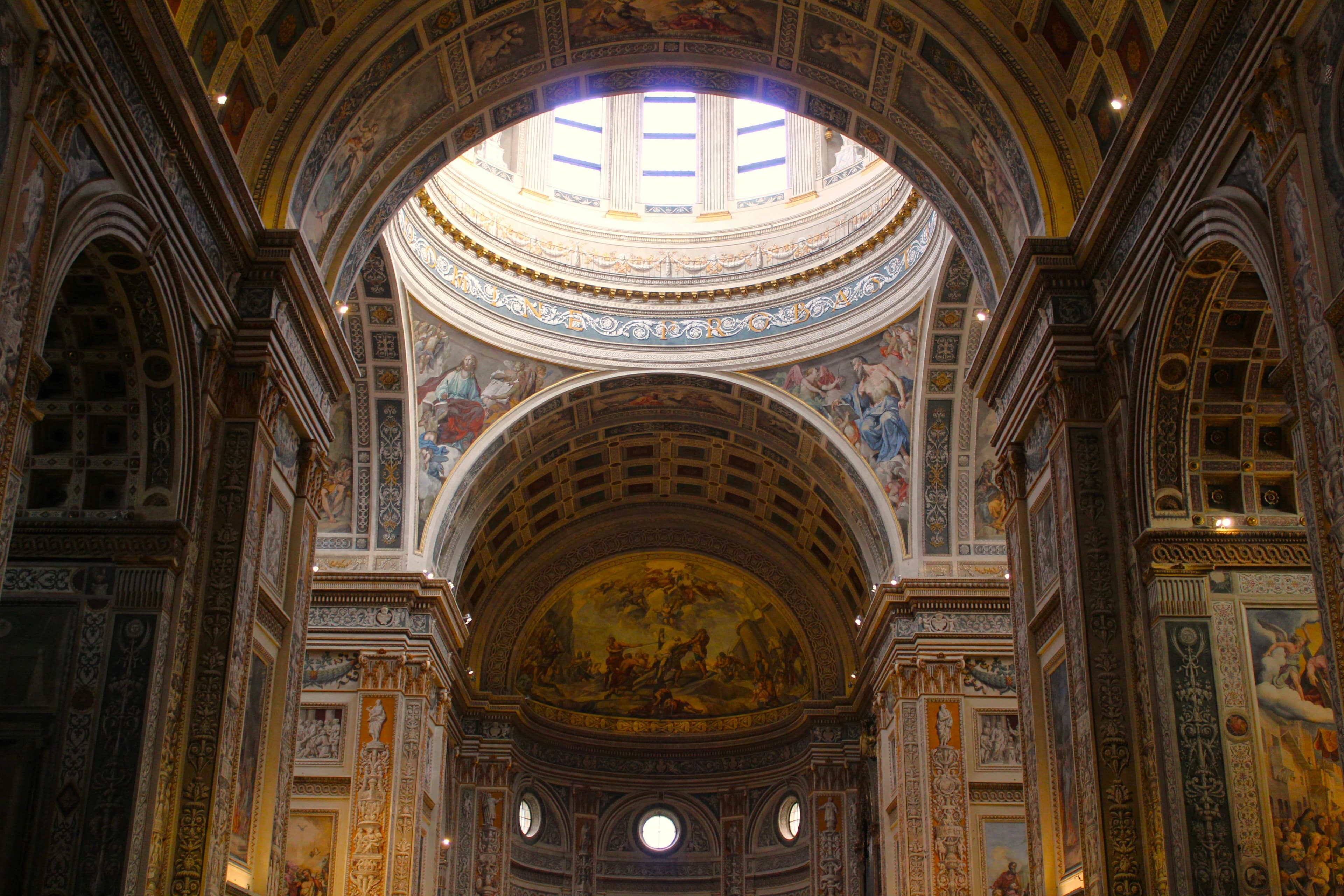
Inspired by the Roman Colosseum, Alberti was influential in adapting the use of superimposed classical orders in multistory buildings. In the Colosseum, the orders were already used in stacked form, but Alberti helped transfer this principle into Renaissance architecture.
This use of the classical orders later became widespread in Renaissance buildings.
Alberti’s treatise remained an important reference for classical architectural elements well into the 18th century.
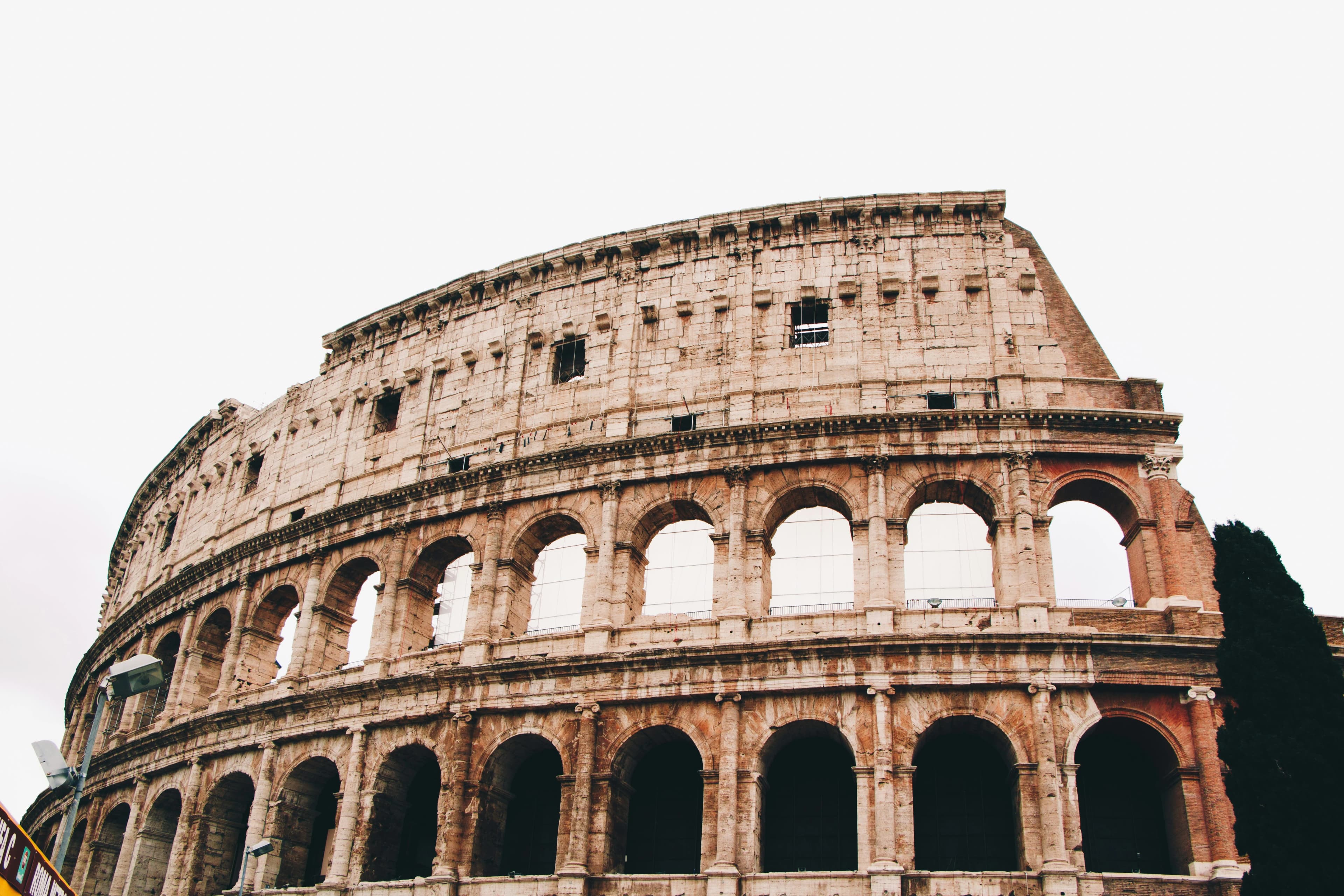
Photo: Kasturi Roy - Unsplash 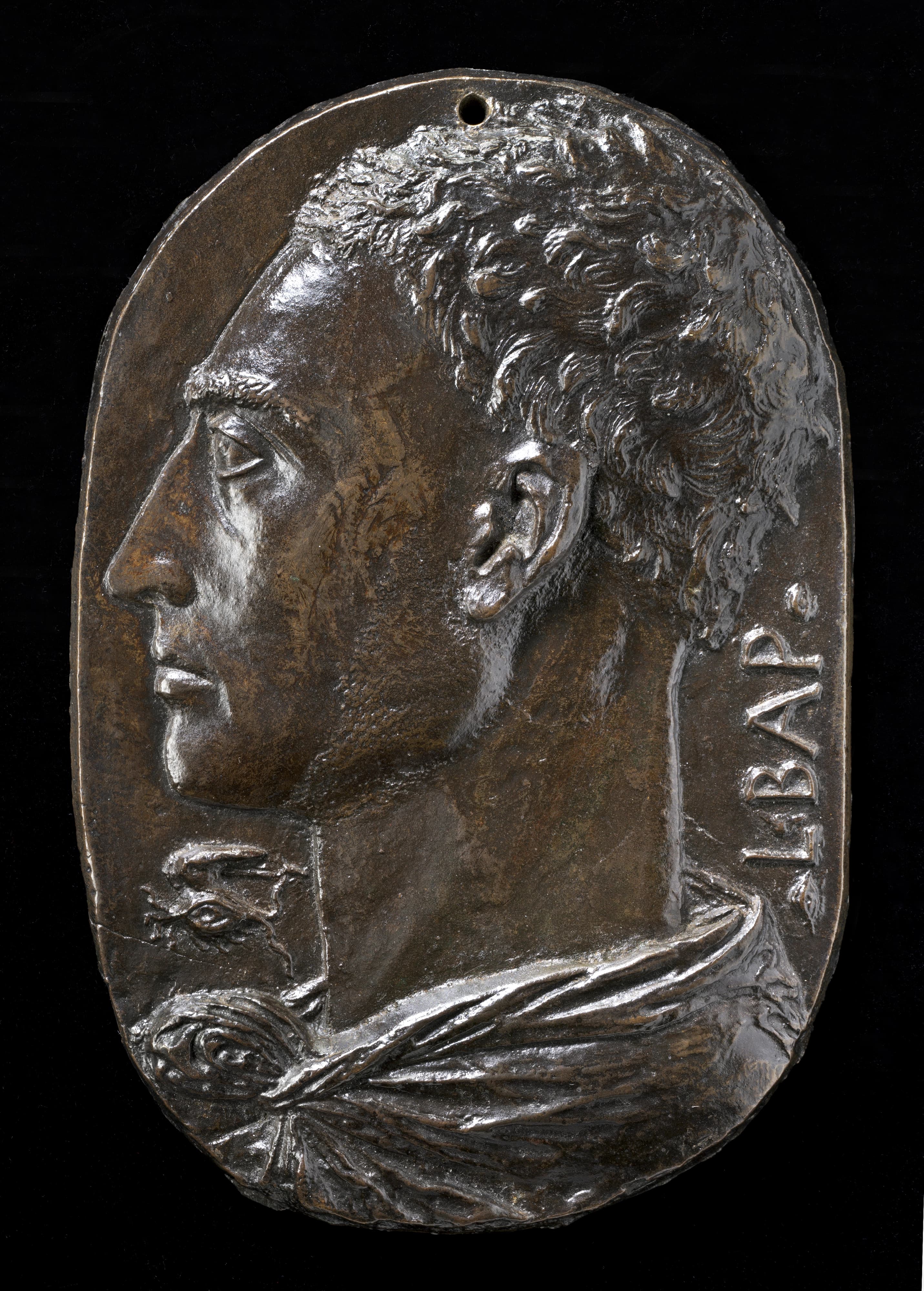
About Leon Battista Alberti
Leon Battista Alberti was one of the leading architects of the Italian Renaissance. He lived from 1404 to 1472. In addition to his work as an architect, Alberti was also a writer and theorist who published influential works on both painting and architecture.
Photo: Leon Battista Alberti