Light in Architecture: How Light Shapes Space, Atmosphere, and Experience
Light in architecture creates atmosphere and shapes how we experience space, materials, and proportions. Daylight and artificial lighting reveal architectural form and highlight contrasts within a space.
By Dansk Arkitektur Center
Light in architecture plays a crucial role in how we experience space, materials, and building form. Light can highlight architectural qualities, create atmosphere, and transform our perception of the same space throughout the day.
When analyzing light in architecture, consider the following:
- Is the light on the building or in the space bright or dim?
- How does the light interact with the colors of the building or room?
- How do material surfaces affect the light?
- How does the light change throughout the day, and how does that influence the way we experience the building?
- How does light contribute to the atmosphere of the building or space?
Light Creates Atmosphere
In bright light, we perceive form very differently than in dim lighting or darkness.
In low-light conditions, a space may feel smaller than when it is brightly lit. The atmosphere of a room also changes depending on the level of illumination. A space with very little light can feel eerie or gloomy.
At the same time, it can also feel more intimate, because we do not have to relate to the entire space—only to the parts that emerge in limited light.
Light and Space
The amount of light and where it enters or is positioned within a space greatly influence how we experience it. Architects must therefore consider how to make the best use of daylight—for example, by placing windows according to the directions from which light primarily enters. The north-facing side of a building will generally receive the least direct daylight.
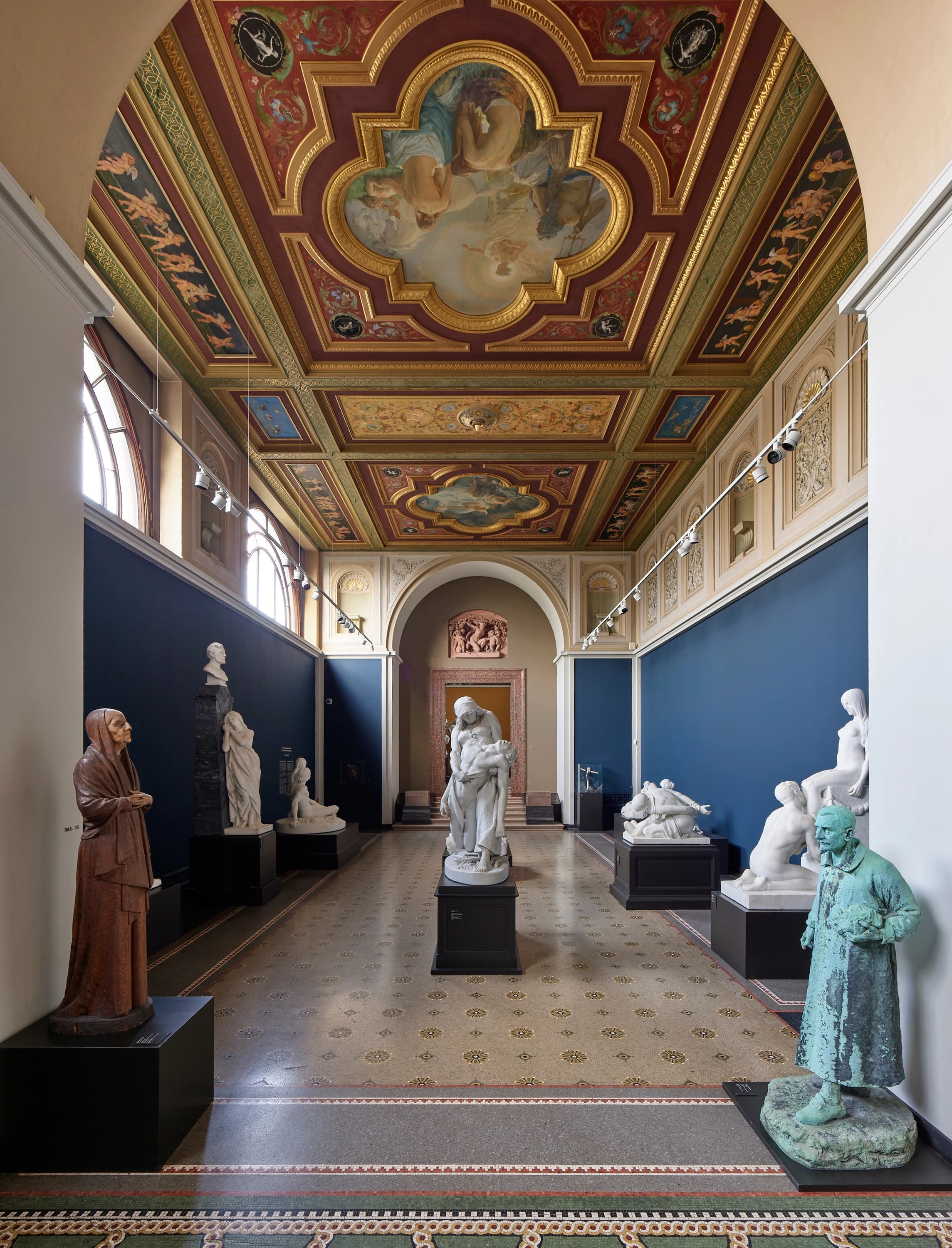
The colors used in a room also affect how light is perceived. Dark-colored spaces require more light to appear bright. Light also changes how colors are experienced, often making them appear warmer. Natural light typically renders colors differently—and often warmer—than artificial light.
Surface texture also has a major impact on how light interacts with a building. Smooth, reflective surfaces such as glass or metal reflect light far more than rough or matte surfaces.
Contrasts Between Light and Dark
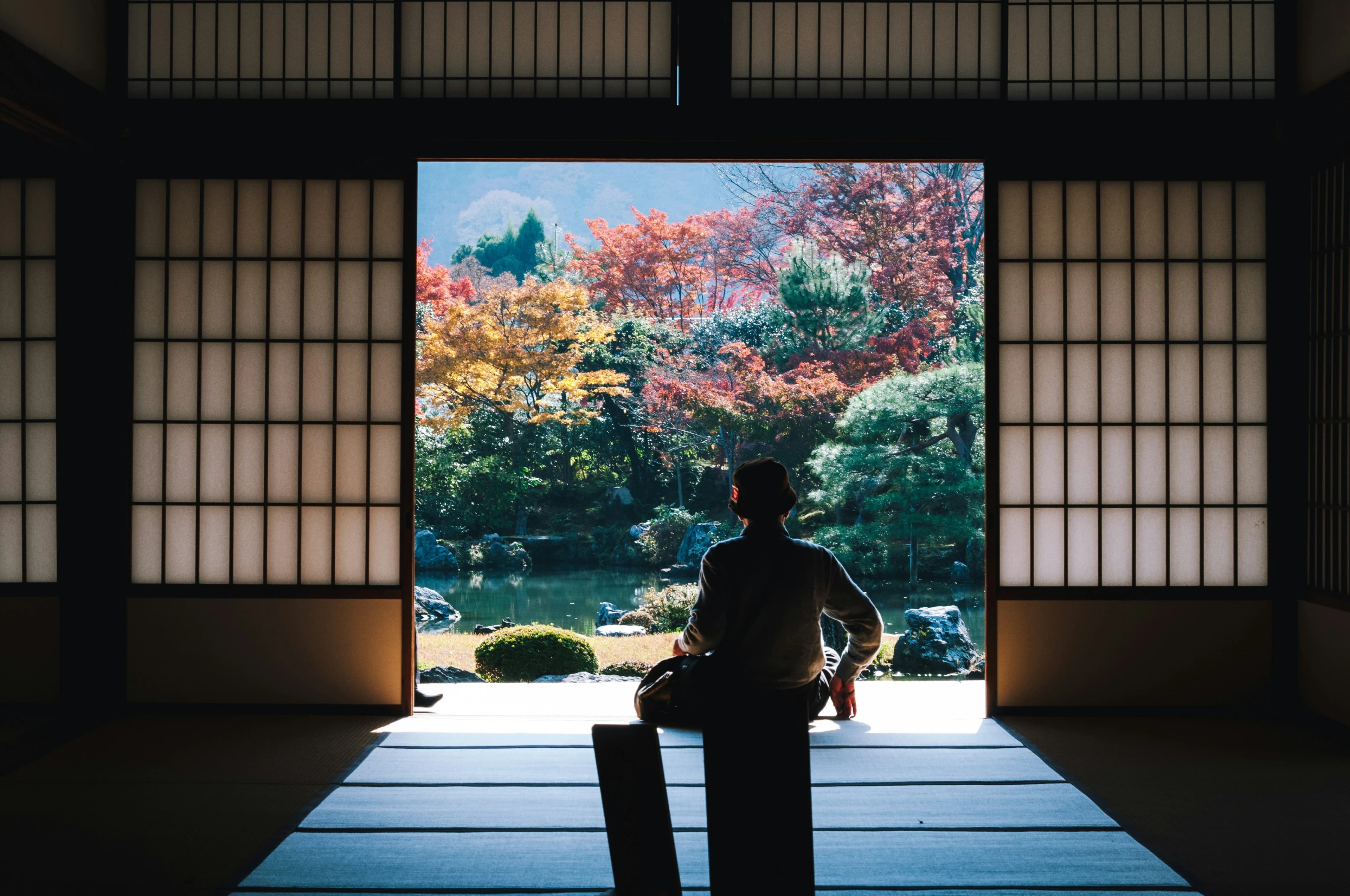
Strong contrasts between light and shadow shape how we experience architecture.
For example, moving from a small, dark corridor into a large, brightly lit space with many windows can create a powerful spatial experience. In Baroque architecture, such contrasts were frequently used.
These effects made Baroque buildings dramatic and impactful, constantly surprising and overwhelming visitors.
Changing Daylight
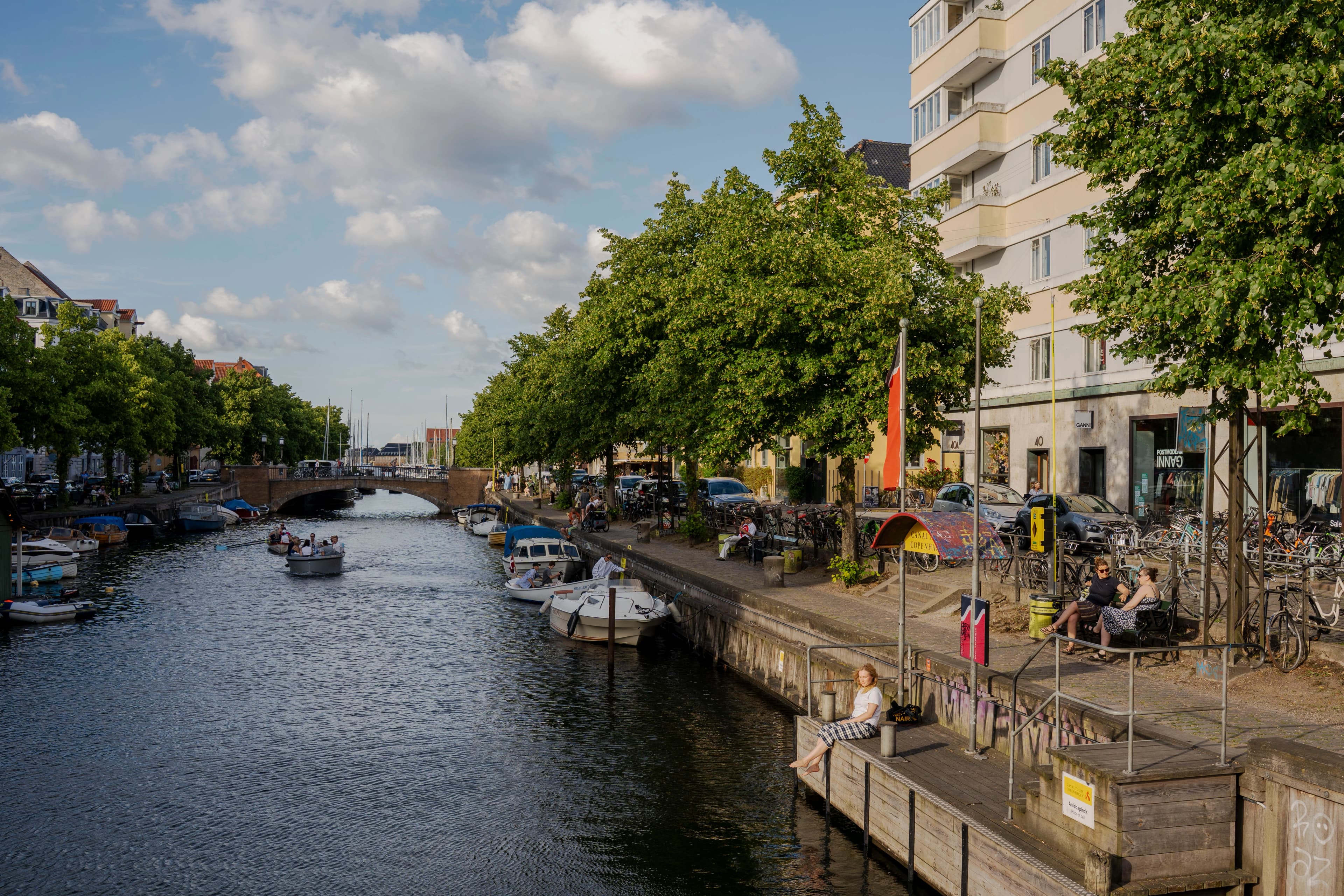
While architectural elements such as walls, floors, roofs, windows, and doors are fixed, light is constantly changing—in intensity, color, and timing. It shifts throughout the day and across the seasons. In winter, for example, light behaves differently than in summer, when daylight hours are longer and the light is stronger.
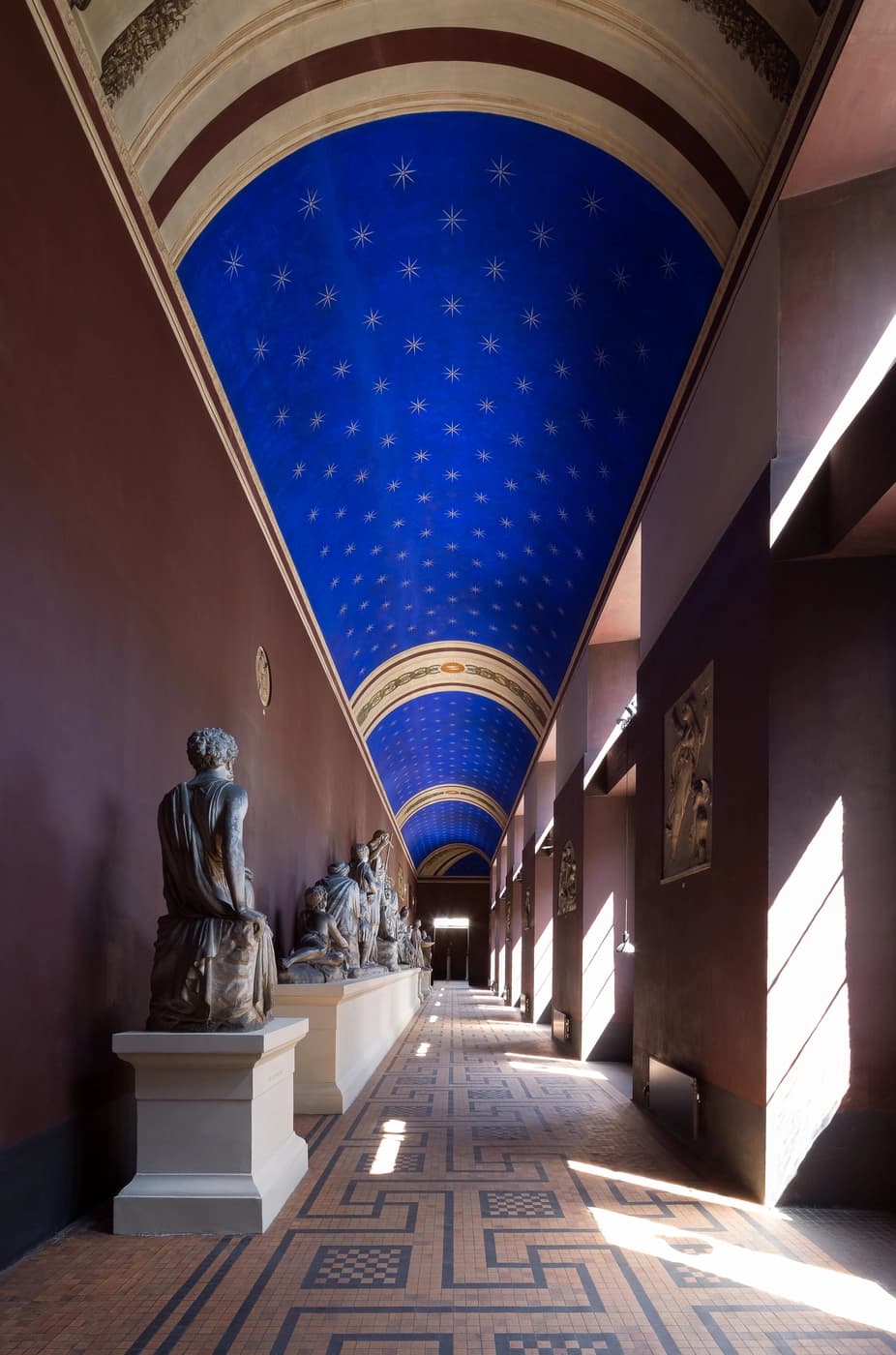
Daylight in Architecture
Daylight is a key element in architecture, influencing both function and atmosphere. It plays a major role in how we experience buildings, as it can transform spaces and shape spatial perception.
Light and shadow help us understand architectural form and the character of materials.
At the same time, daylight is a complex element to work with, as it changes throughout the day and across seasons. Its intensity, color, and direction are constantly shifting.
Understanding how to work with daylight is especially important in Nordic architecture, where daylight is limited during the winter months. One of the architect’s key tasks is therefore to position a building in a way that optimizes daylight and aligns it with the intended functions of each space.
Functional Light
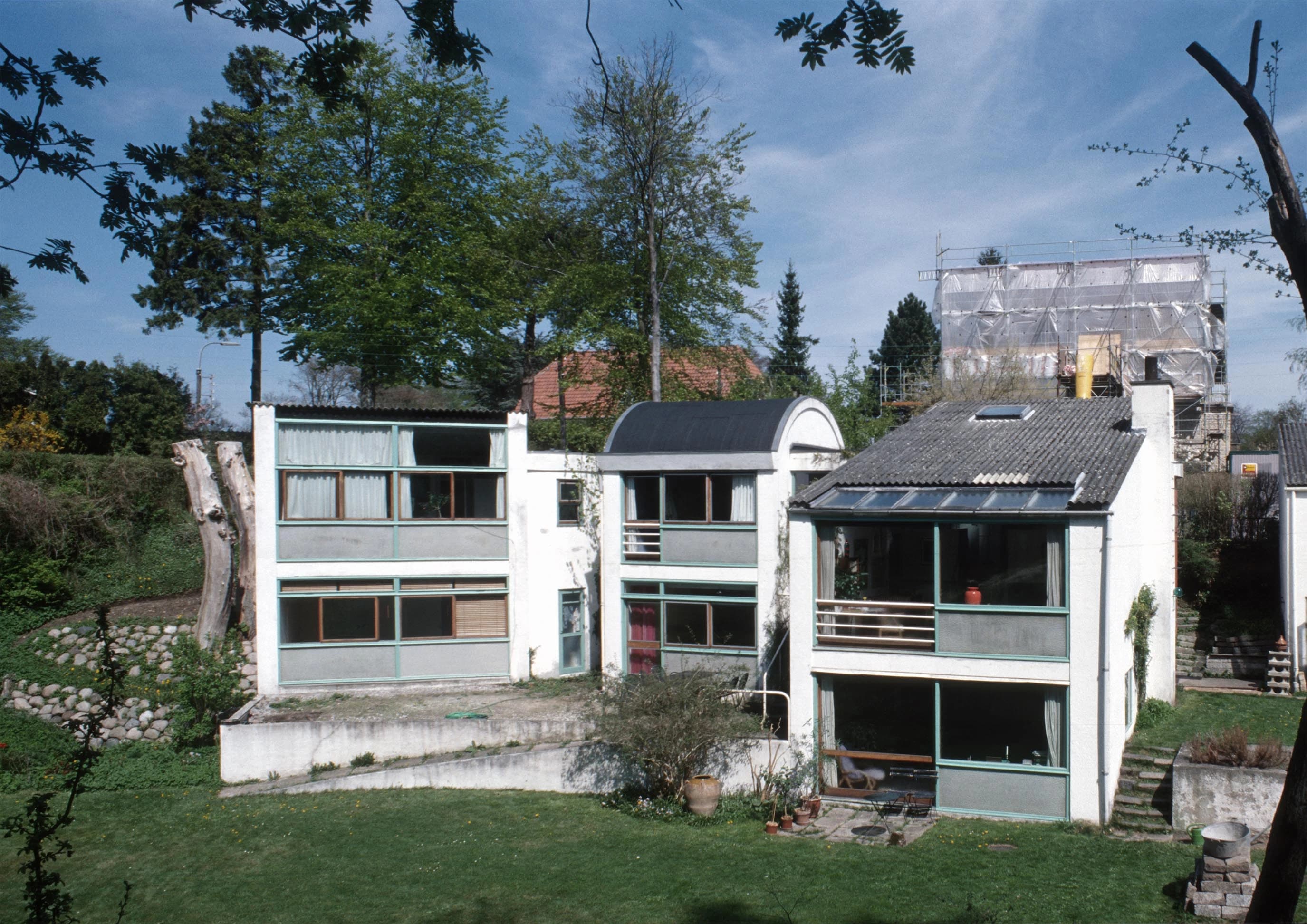
In his house in Klampenborg, designed in 1955, architect Mogens Lassen created a studio where light enters through a large north-facing window. The window is placed in a barrel-vaulted ceiling and is the room’s only source of natural light. This simple opening creates an even, diffused side light that is ideal for working.
Poetic Light
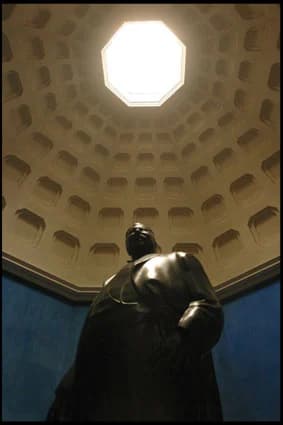
At Faaborg Museum, architect Carl Petersen created a sequence of spatial experiences, where square, octagonal, and rectangular rooms follow one another. The variation in these spaces is reinforced by differences in color schemes and floor patterns, as well as distinct lighting strategies.
A particularly striking space is the octagonal domed hall, which receives daylight from an opening at the top of the dome. Here, the light gathers around a dark sculpture at the center of the room, creating a solemn and poetic atmosphere.
Heavenly Light
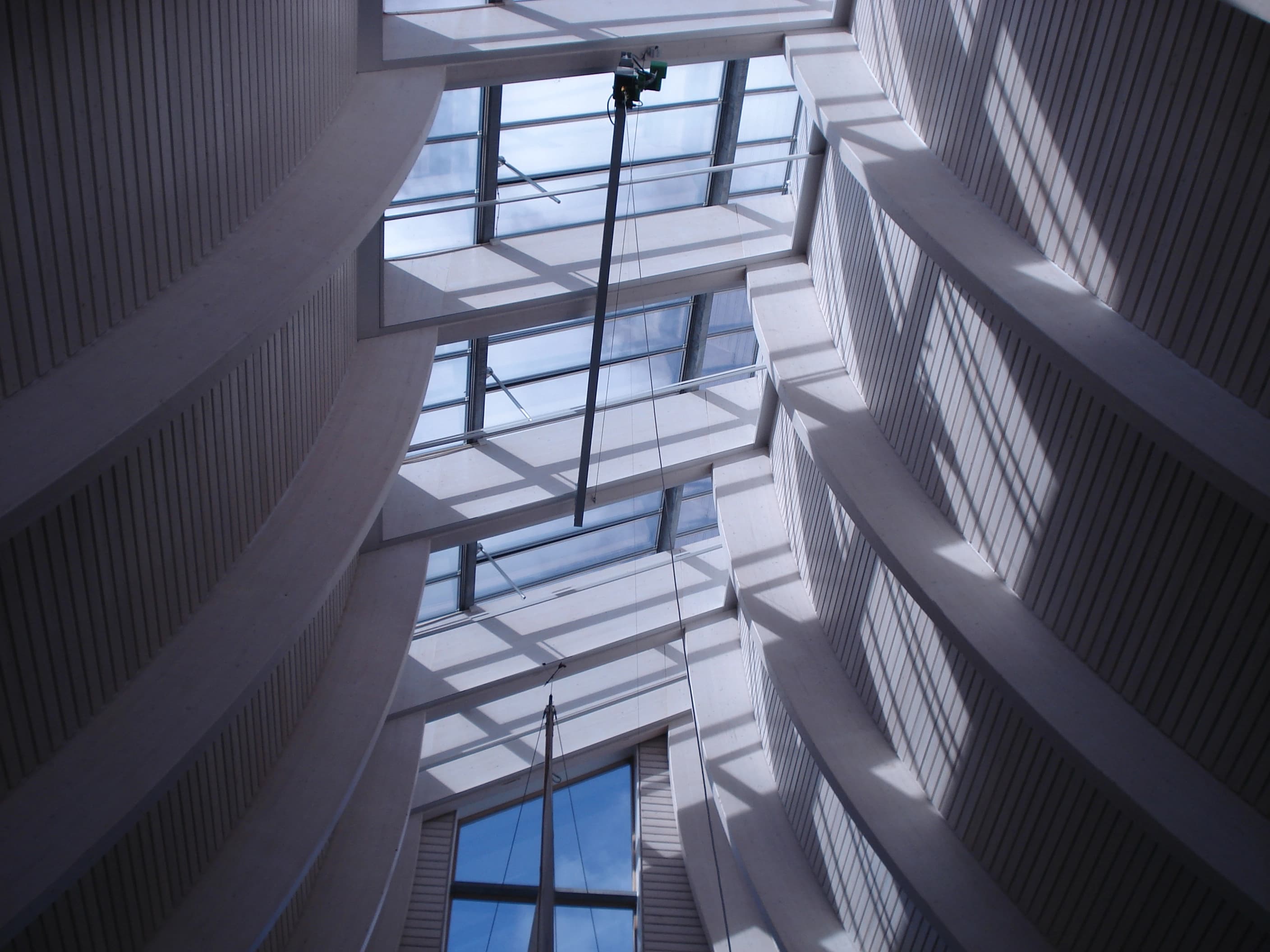
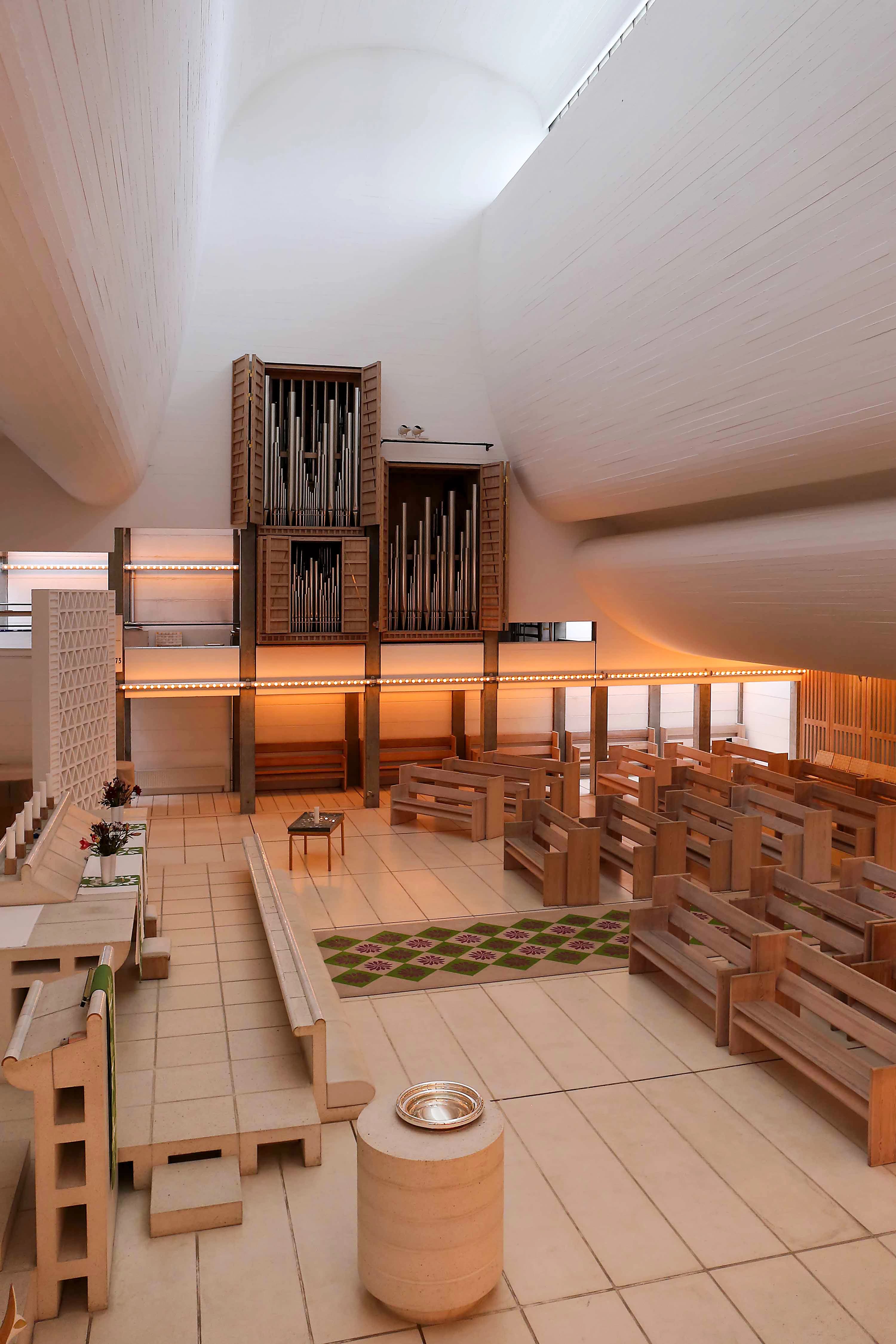
Light often plays a central role in churches as a symbol of the divine. In Bagsværd Church, architect Jørn Utzon created a setting where light becomes the main architectural feature. The ceiling undulates like clouds, allowing soft, indirect light to filter into the space.
The white surfaces of the floor, walls, and ceiling make it possible to perceive subtle variations in light and shadow. This creates a space that is both intensely powerful and quietly uplifting.
Artificial Lighting in Architecture
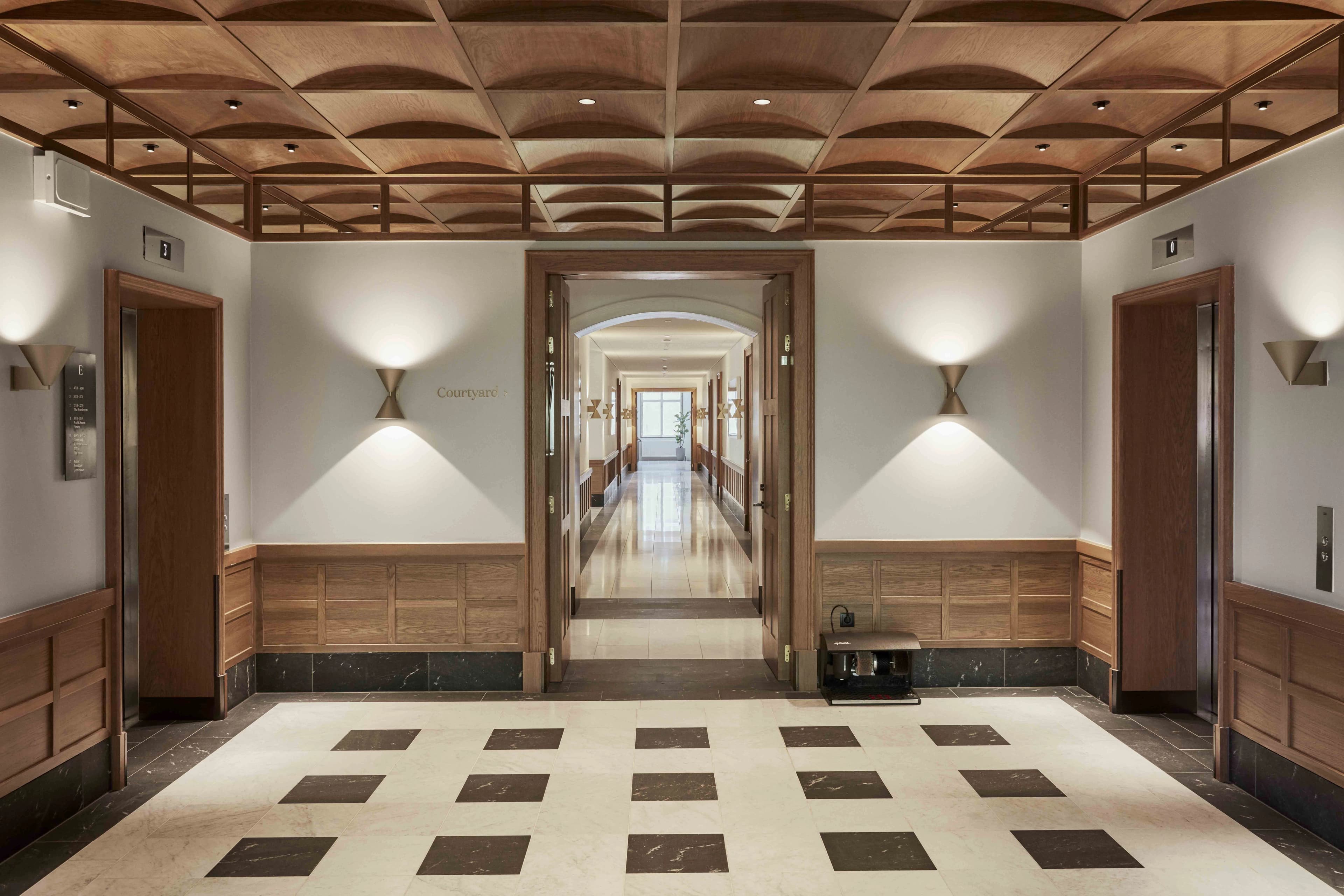
Architects do not rely solely on daylight—they also work with artificial lighting. Artificial lighting should not replace daylight but shape the space in its own way. It is important to create both light and shadow to achieve spatial depth.
Architects must carefully consider what functions the lighting should serve and what kind of atmosphere it should create within the space.