Materials in Architecture: Building Materials, Construction Techniques, and Expression
Building materials such as brick, glass, concrete, and wood give architecture different expressions and functions. Materials do not simply shape a building’s appearance—they create atmosphere, signal function, and influence how we experience architecture.
By Dansk Arkitektur Center
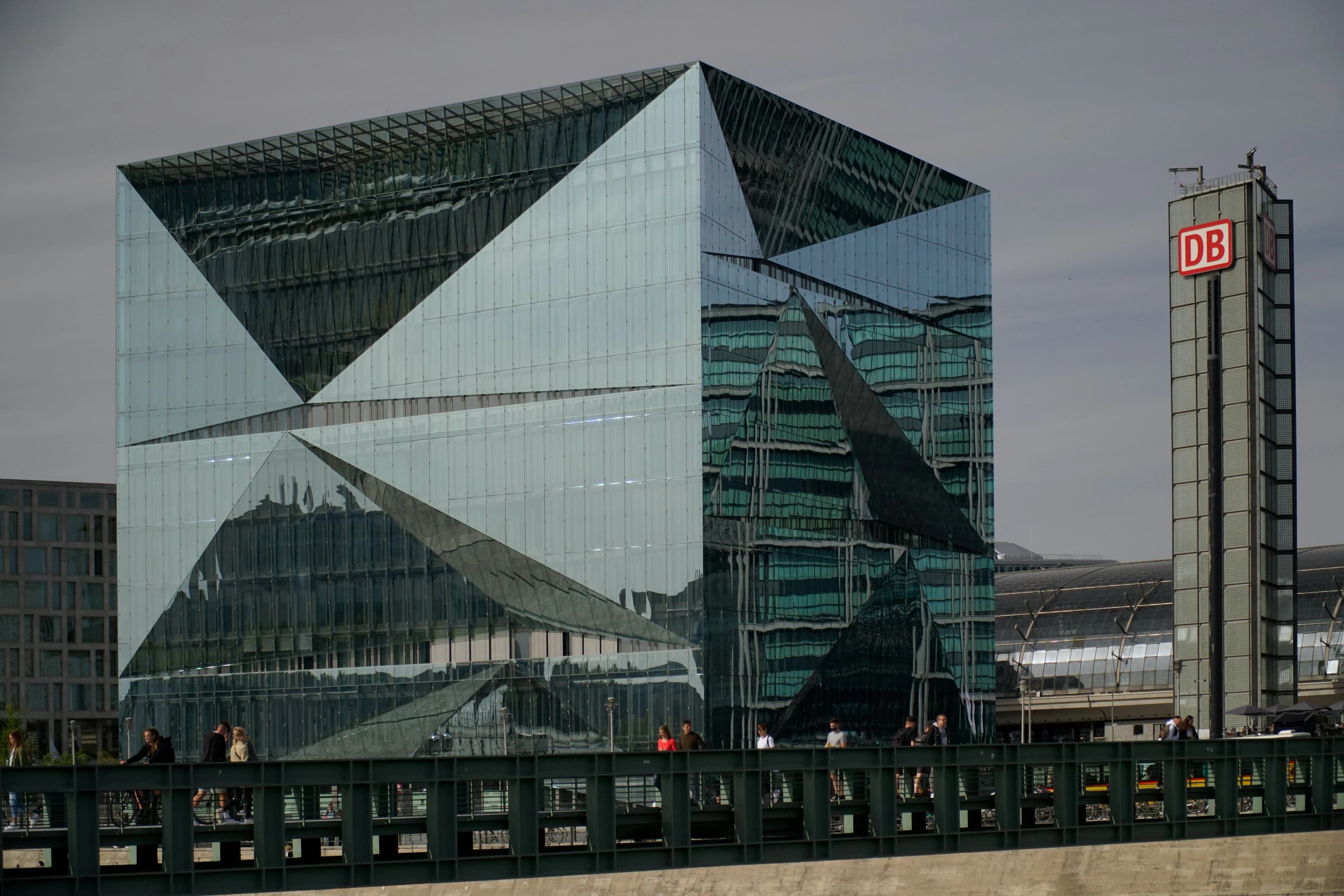
Materials in architecture play a crucial role in how a building looks and feels. A brick building, for example, has a certain sense of weight and appears solid and stable, while a building made of glass feels lighter, more fragile, and more transparent.
An architect chooses materials and construction techniques based on what the building should express and how it will be used. In architecture, a building’s form is always closely connected to its function—that is, what it is designed to do. When looking at architecture, it is therefore important to consider why the architect chose particular materials and techniques, and how those choices relate to both the building’s expression and its purpose.
When analyzing materials in architecture, you can focus on the following questions:
- What materials, tools, and techniques were used to construct the building?
- How have the materials been processed or treated?
- What properties do the materials have?
- How do the materials feel to the touch?
- What is the surface quality of the materials?
- Are the materials heavy or light?
- What colors do the materials have?
- What do these choices mean for the building’s expression and function?
- How do materials and techniques relate to the building’s purpose?
Which Building Materials Are Used?
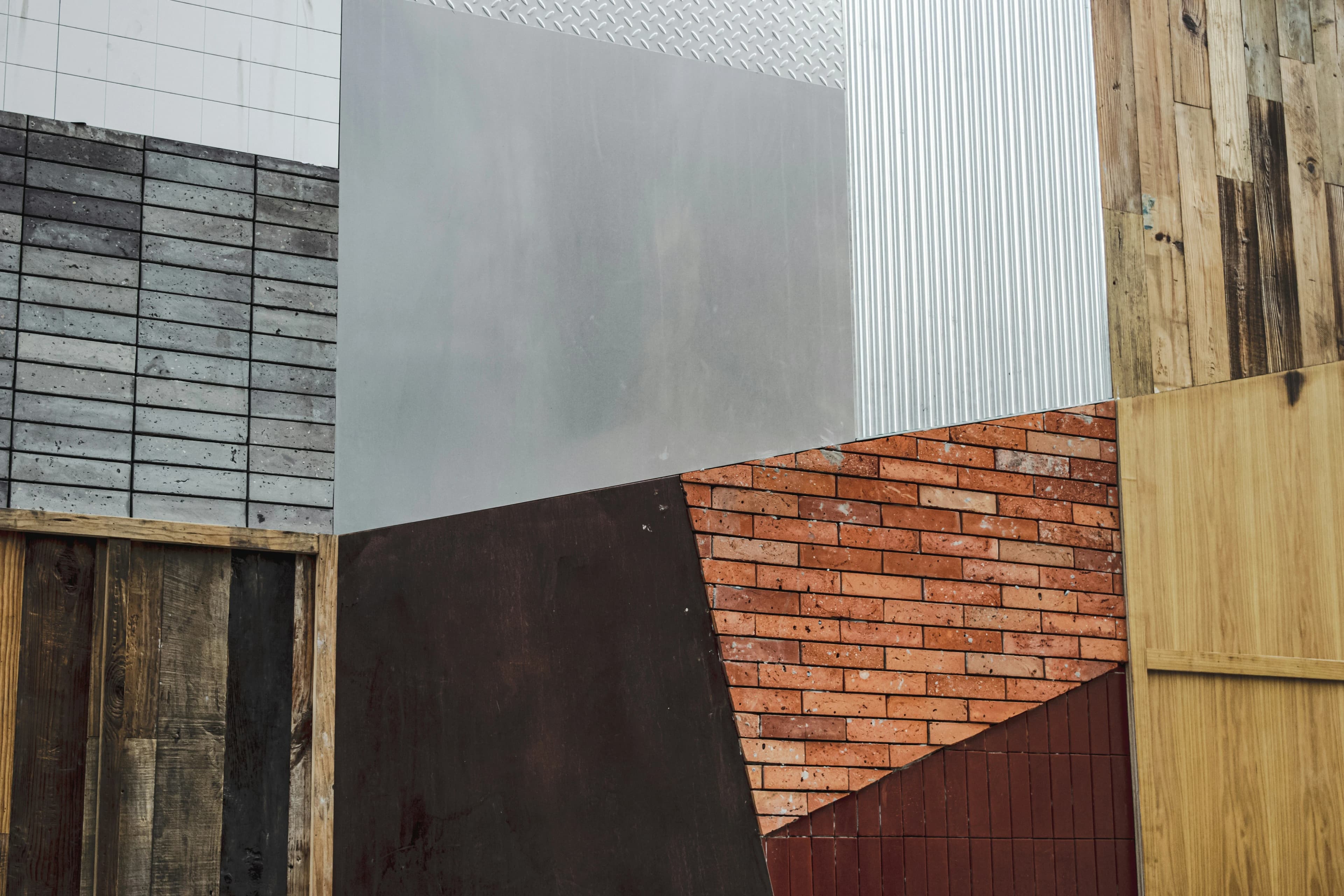
A building can be constructed from many different materials, and most buildings combine several.
Common building materials in architecture include brick, concrete, steel, copper, wood, glass, granite, and marble.
What Construction Techniques Are Used?
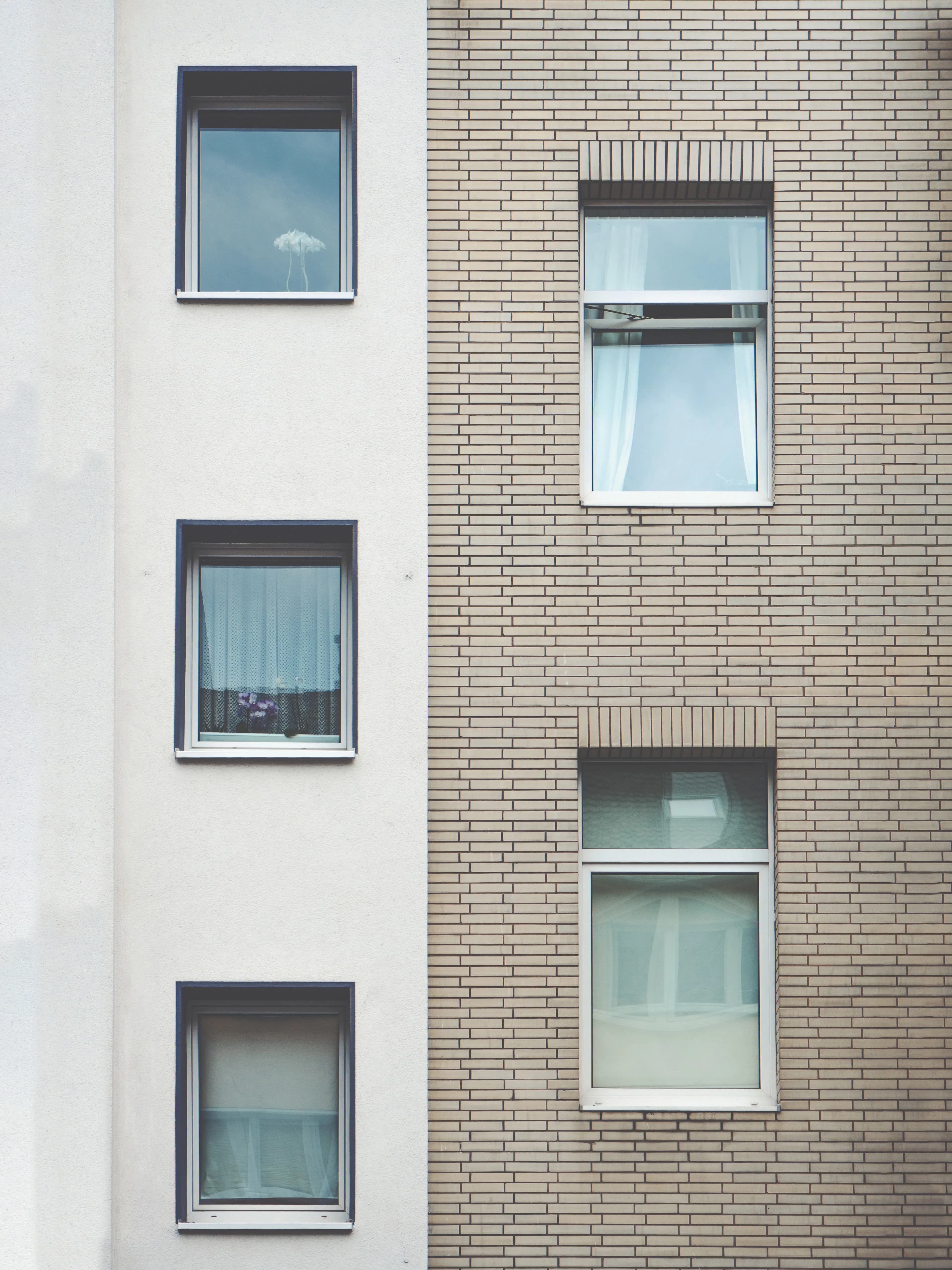
Construction techniques are closely linked to the materials a building is made from. If a building is constructed in brick, it is typically built using masonry. If it is made of concrete, it may be cast in place or assembled from prefabricated concrete elements. If it is made of wood, it is built using timber construction.
Most buildings combine several techniques. A brick house, for example, often has a timber roof structure.
Color in Architecture
Color is an important part of the role materials play in architecture.
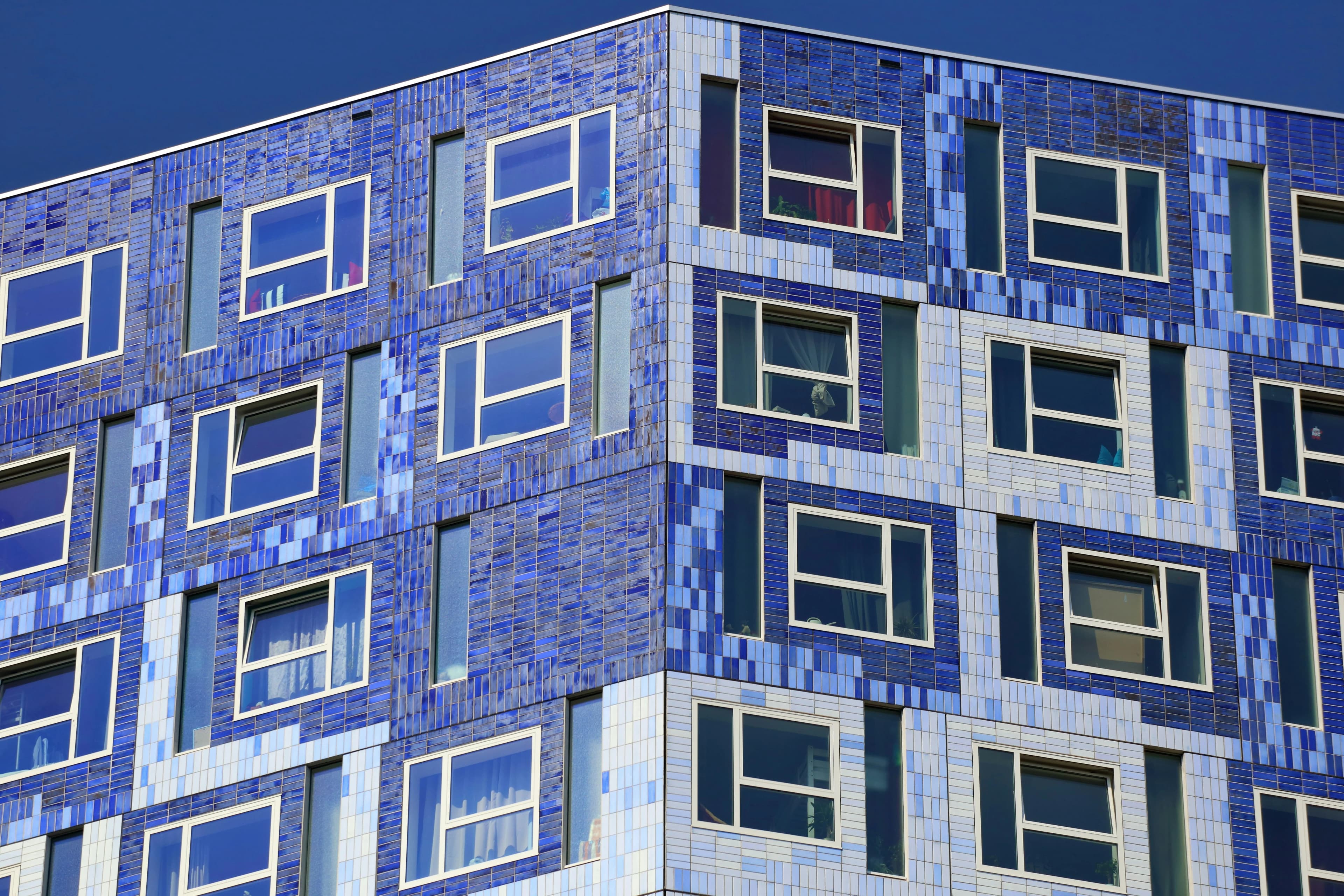
A building can have different kinds of color. The color may come directly from the material itself. A brick building, for example, appears reddish if it is left unpainted. But a building can also be painted in different colors. Color can serve different purposes: it can help emphasize a building, or it can help the building relate to those around it.
Color combinations can be contrasting, harmonious, muted, or bold. They may blend in with neighboring buildings or stand in sharp contrast to them.
Surface and Light
A building’s surface is closely related to the material it is made from and to how that material has been worked.
Surfaces can be rough, smooth, glossy, matte, textured, or transparent, and they are central to how building materials are experienced in architecture.
A surface does not have to be uniform across the entire building. A base, for example, may be made of rough granite, while the rest of the building is painted. Windows have their own surface qualities, and different stories may also vary. Often, the ground floor has a rougher character than the upper floors, helping to visually anchor the building to the ground.
Surface also has a major influence on how light falls on a building. A glossy surface, such as glass or metal, reflects natural light far more than an uneven surface.
Weight and Materiality
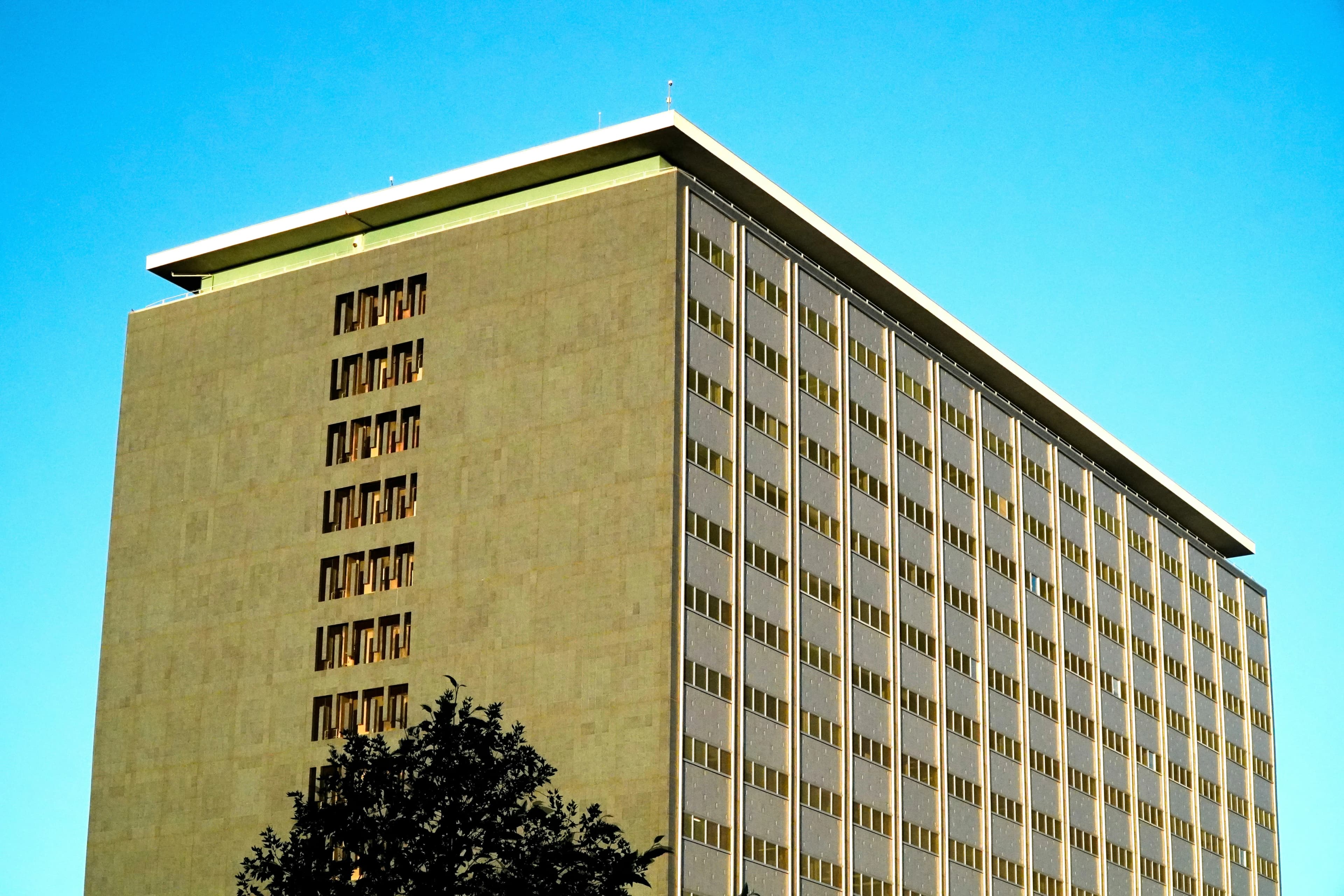
Weight is an important part of how materials are expressed in architecture and is related to a building’s size, form, and materials. A brick building feels heavy, while a wooden building appears lighter. A brick building will therefore feel heavier than a wooden one, even if the two are otherwise identical.
Material Expression
Materials themselves help give architecture character, atmosphere, and expression. Each building material has its own qualities: wood feels soft and natural, glass appears fragile, concrete feels hard, and metal can seem cold.
Some materials appear durable and long-lasting, such as brick and granite, while others, such as glass or paper, can seem delicate and fragile.