Organic vs Geometric City: Two Ideals in Urban Planning
Urban planning has long oscillated between the geometric city of straight lines and symmetry and the organic city that evolves over time—two ideals that have shaped cities from the Middle Ages to modernism.
By Dansk Arkitektur Center
Vitally, throughout the history of urban planning, there have been many proposals for how the ideal city should be organized. None have been identical. Yet two recurring approaches stand out.
On one hand, planners have envisioned the geometric city, defined by straight lines and right angles that create structure and symmetry. On the other, the city has been understood as an organism—something shaped gradually by its inhabitants, made up of many small parts forming a whole.
Geometric planning draws inspiration from antiquity, while organic planning and development take their point of departure in the medieval city.
Below are examples of how both ideals have been expressed over time.
The Form of the Medieval City
Most medieval cities developed around a central square where people gathered for markets. Trade attracted more inhabitants, and cities grew gradually and organically.
These cities were not planned; they expanded according to the needs of their residents. Houses, churches, and town halls were built where needed. Streets formed in response to buildings and movement, resulting in narrow, irregular layouts without geometric patterns or symmetry.
Urban Plans in Antiquity, the Renaissance, and Classicism
Ancient Greek cities were organized around a central square, from which streets extended in a grid of straight lines and right angles. Monumental temples occupied elevated positions. Symmetry and simplicity were key principles—unlike the organic medieval city.
During the Renaissance and later classicism, these ideas were revived. The ideal city was governed by strict geometric principles, often organized around a central plaza with main streets radiating outward.
Standing in the center, one could see along long, straight streets, symbolizing control and order. This reflected the Renaissance worldview, which placed humans at the center.
In 19th-century Paris, wide boulevards replaced dense medieval neighborhoods. Under Baron Haussmann in the 1850s, the city underwent one of Europe’s most influential geometric redesigns. Order and uniformity came to define many European cities.
Cities were often designed with polygonal forms—such as pentagons or hexagons—surrounded by walls. These shapes also served defensive purposes, allowing bastions to be placed at corners.
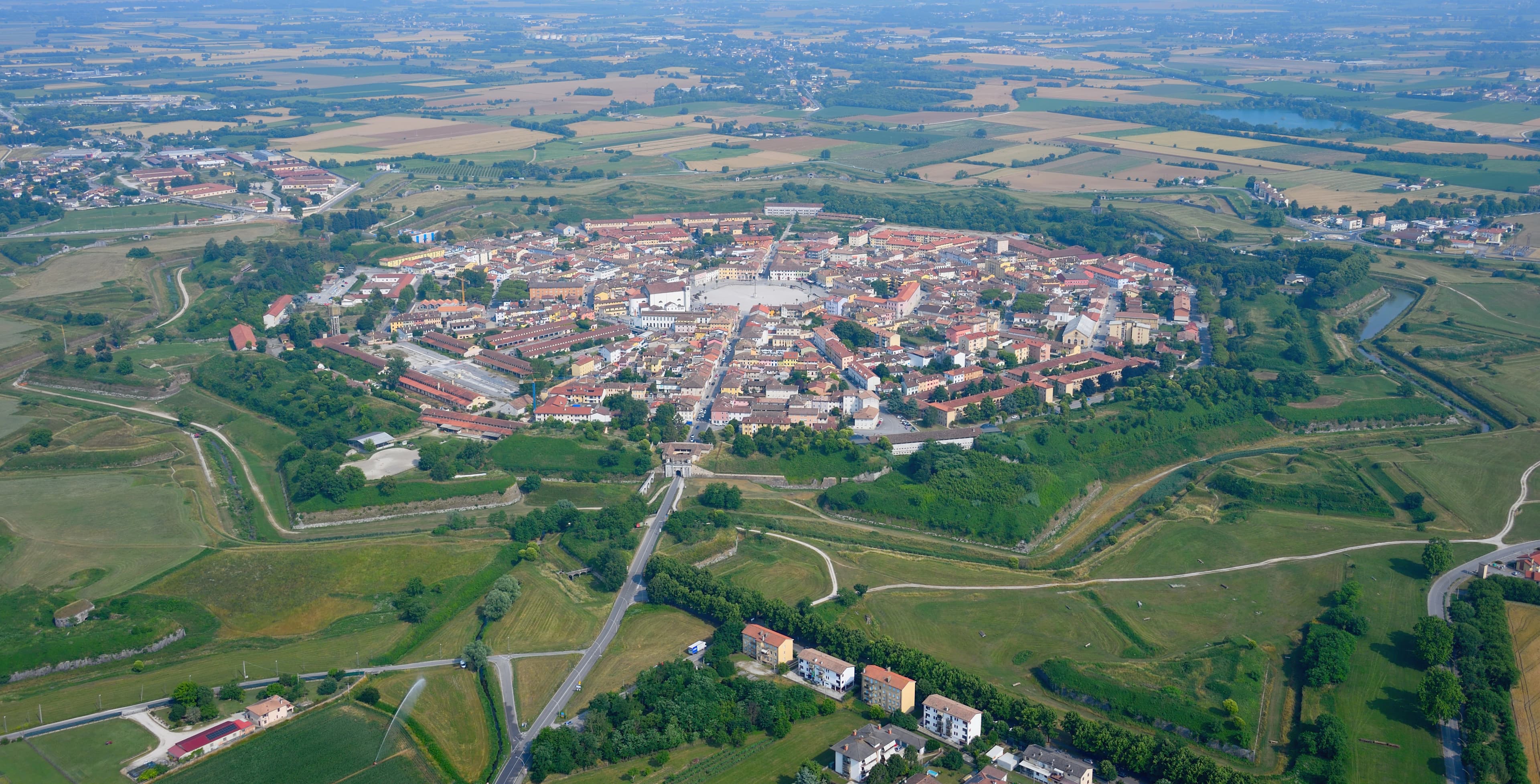
One example is Palmanova, founded in 1593 in the Republic of Venice. Its nine-sided wall encloses the city, with three gates leading to straight streets converging at a central hexagonal plaza.
Baroque Squares and Urban Space
In the Baroque period, cities were shaped by the power of the Catholic Church and absolute monarchy. Architecture and urban planning became tools for staging authority.
Broad boulevards, monumental squares, staircases, and viewpoints emphasized power and control. Cities were structured around grand public spaces such as Piazza del Popolo in Rome, connected by axial streets linking districts and monuments.
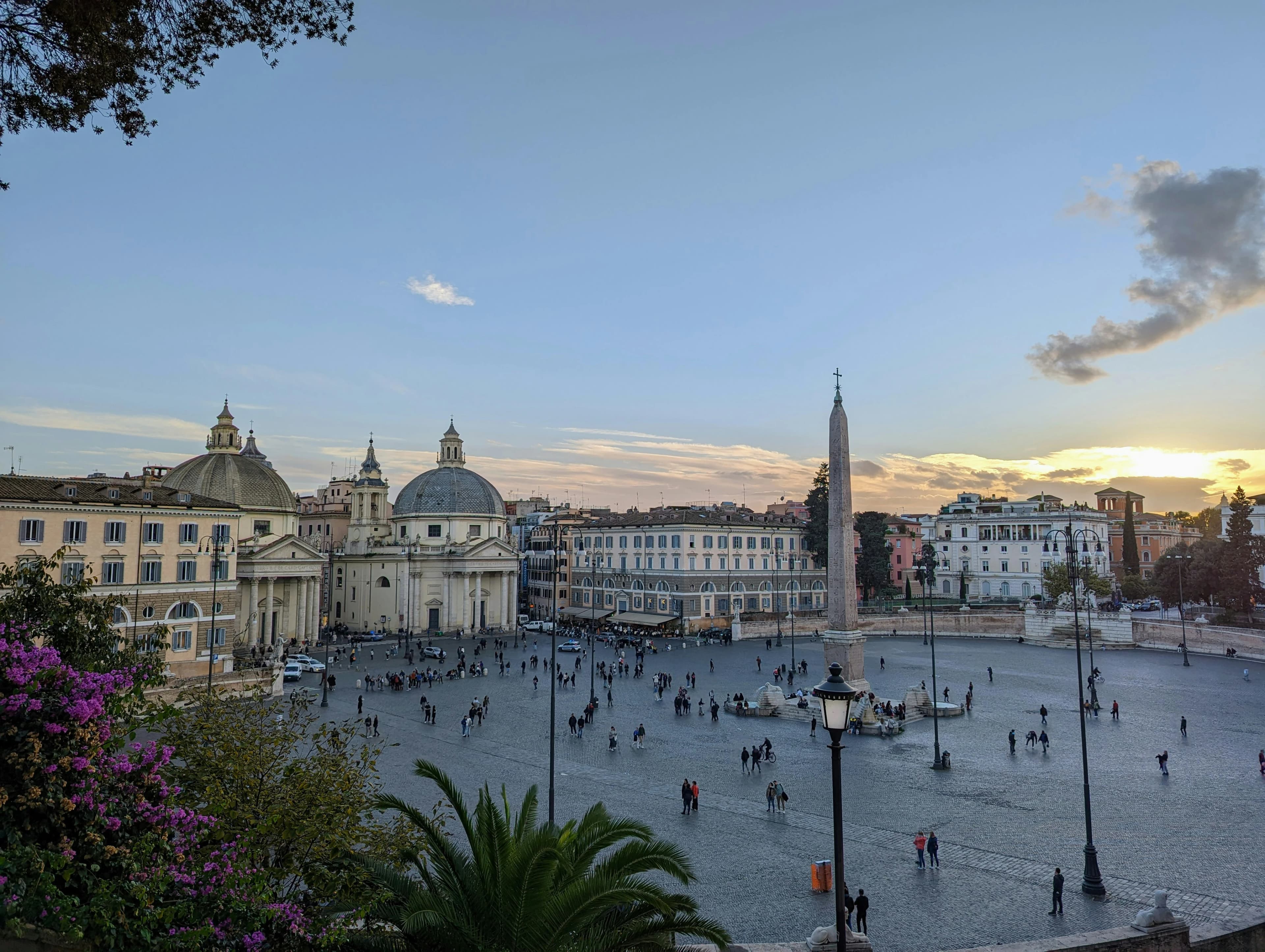
City maps were even referred to as theatrum—theater. Public spaces became stages where people could see and be seen. Movement through space was essential, and architecture created dynamic, immersive urban experiences.
Building Cities—Not Planning Them
In the late 19th century, reactions emerged against rigid, grid-based planning. Instead, some argued that cities should grow organically.
The Austrian architect Camillo Sitte was a key figure in this movement. He criticized modern planning for destroying the richness of urban life. Cities, he argued, should be social spaces composed of diverse, human-scaled districts.
Each neighborhood should develop according to the needs of its inhabitants while contributing to the city as a whole. For Sitte, the medieval city was an ideal model of organic development.
Garden Cities
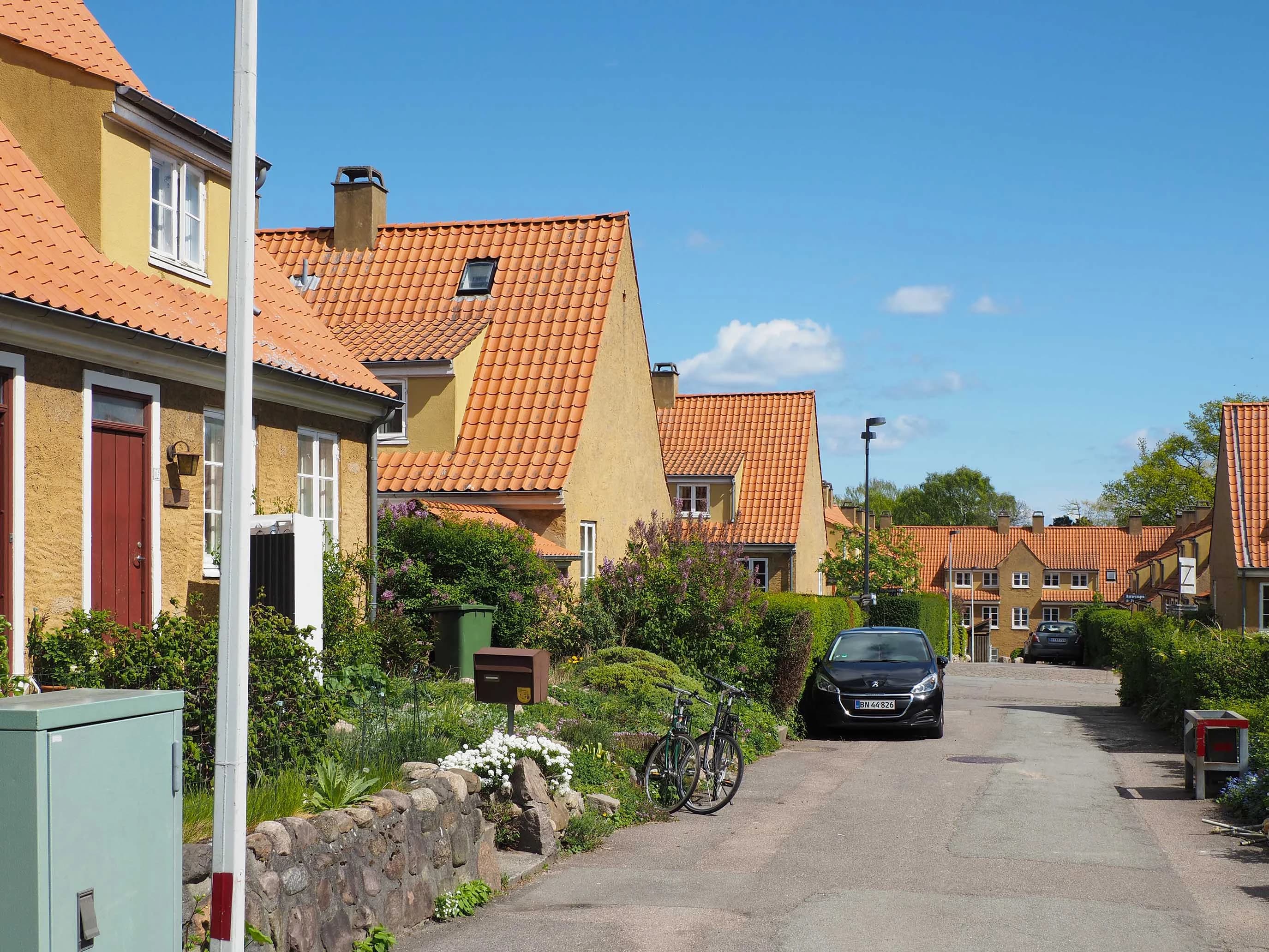
Another idea that emerged was the garden city. These were planned near nature, with individual houses surrounded by gardens and shared green spaces.
The goal was to create healthier living conditions and stronger communities. Each city would function as a self-contained unit with schools, shops, and services.
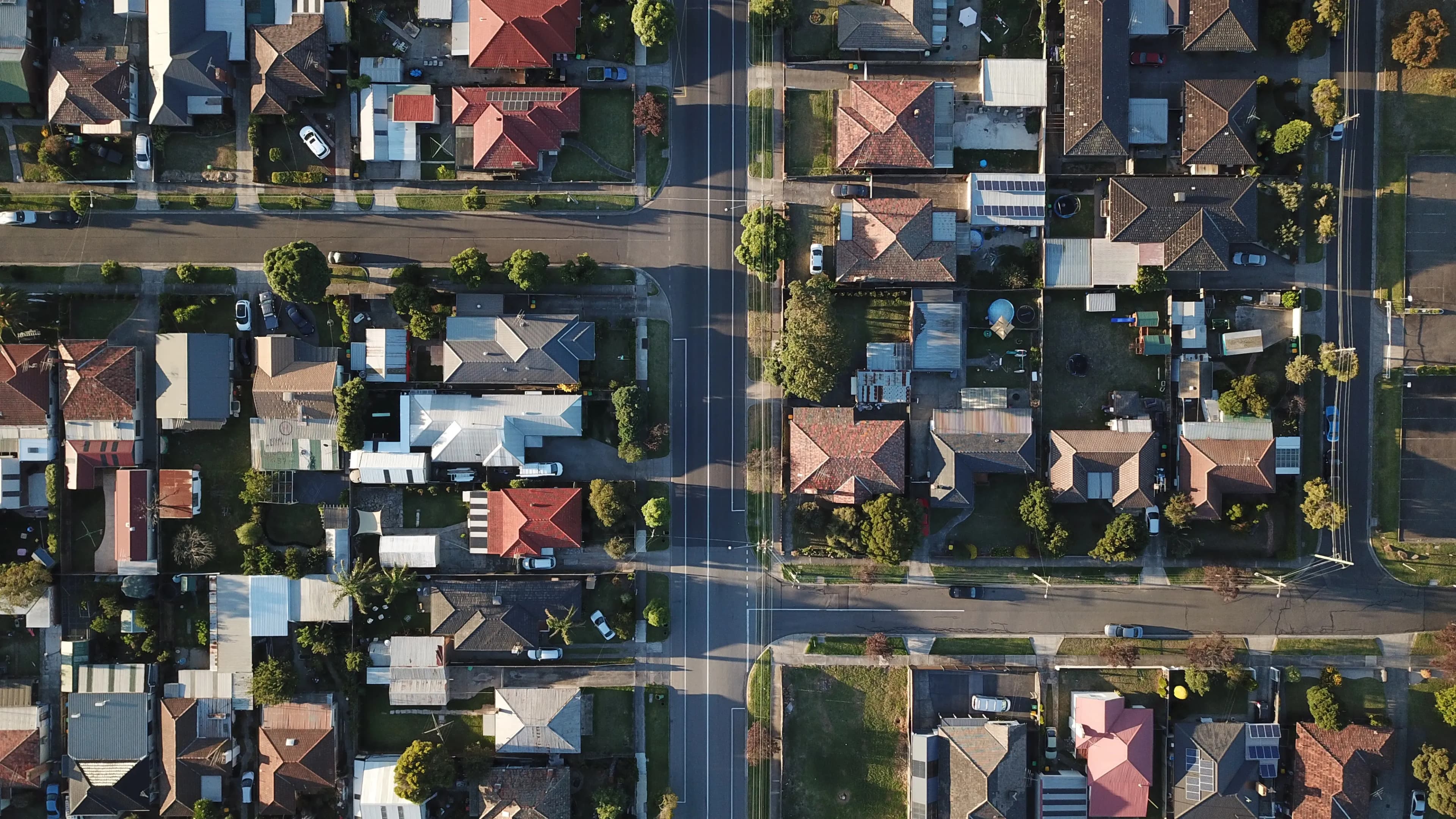
The garden city became highly influential and laid the foundation for suburban housing with private gardens.
Modernist Urban Planning
In the early 20th century, technological and political changes transformed urban planning. Cities were no longer expressions of religious or royal power but tools for improving everyday life.
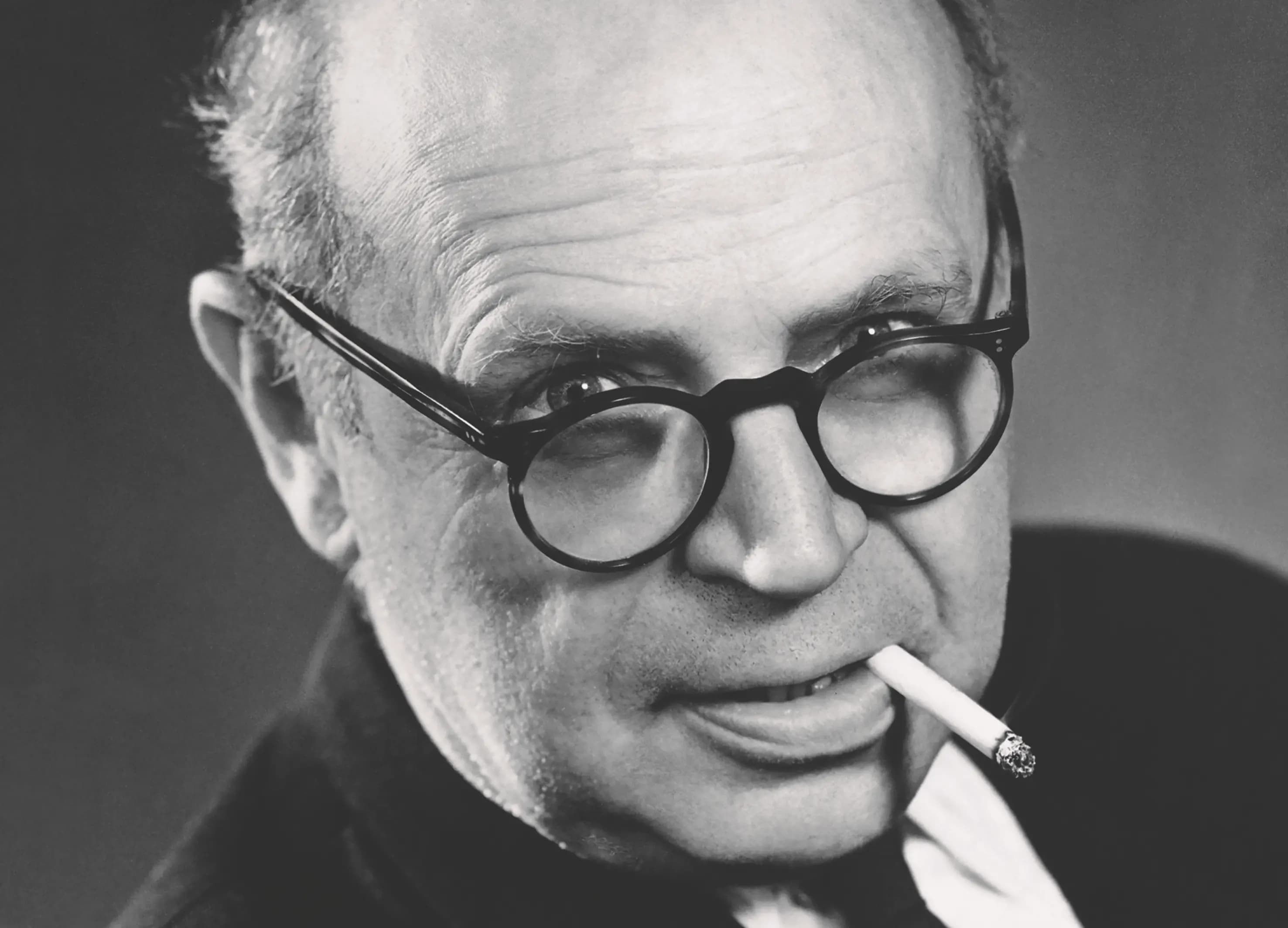
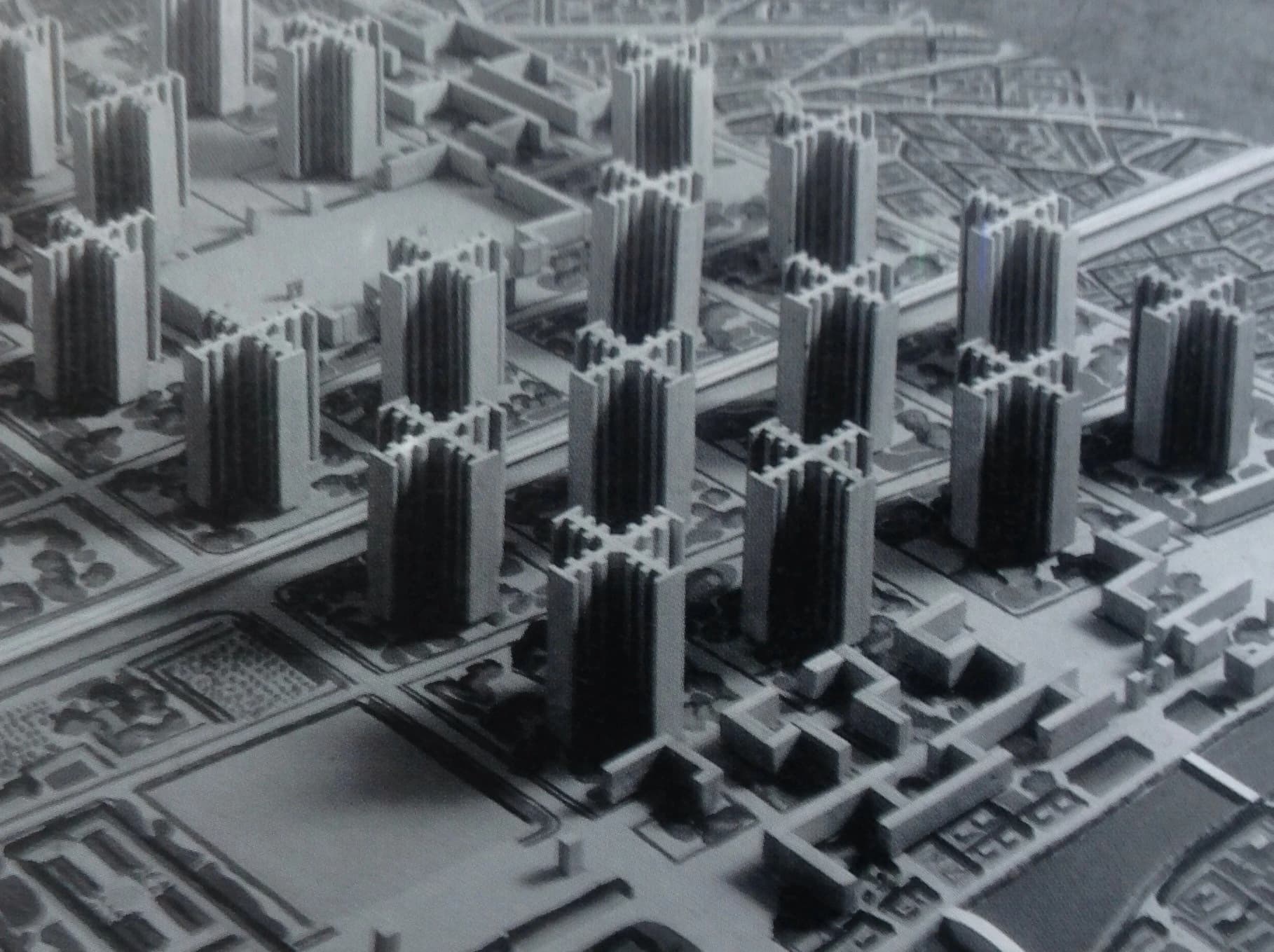
The Swiss-French architect Le Corbusier was a central figure. In the 1920s, he proposed plans for the modern city based on efficiency and functionality.
Cities were divided into zones for living, working, leisure, and transportation. Infrastructure enabled fast movement, increasing productivity and free time.
In his famous Plan Voisin, a city for three million inhabitants was composed of identical geometric skyscrapers. Open spaces with cafés and shops formed the center. Standardized housing aimed to create equality and social cohesion.
Public spaces were elevated to rooftop terraces, and green areas surrounded buildings. Everything was planned—nothing left to chance.
For Le Corbusier, geometry created order, beauty, and a city functioning like a park. The belief was that by reshaping cities, society itself could be transformed.
Preservation and Adaptation
Today, cities are rarely planned entirely from scratch. Instead, urban planning focuses on adapting and preserving existing environments.
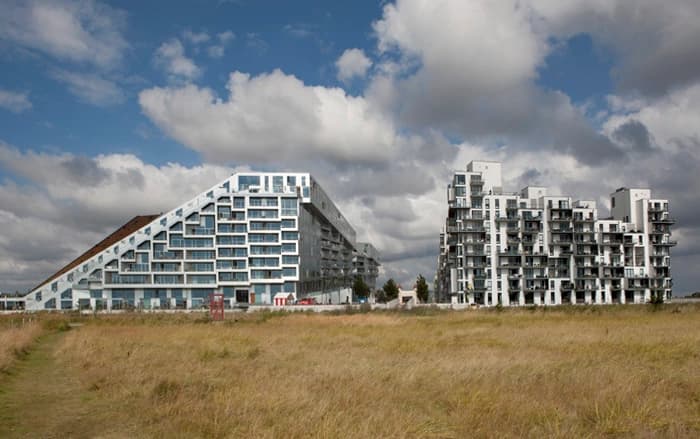
One example is Ørestad in Copenhagen, a modern district developed according to a comprehensive master plan emphasizing architectural and environmental quality.
In Denmark, urban planning largely involves preserving historic structures while integrating new buildings sensitively. This approach maintains the character of the city while allowing it to evolve.