Paris in the 19th Century: The World’s First Modern Metropolis
In the second half of the 19th century, Paris became the world’s first modern metropolis. Learn about Haussmann’s modernization, the covered passages, urban life, and how the new city shaped art and literature.
By Dansk Arkitektur Center
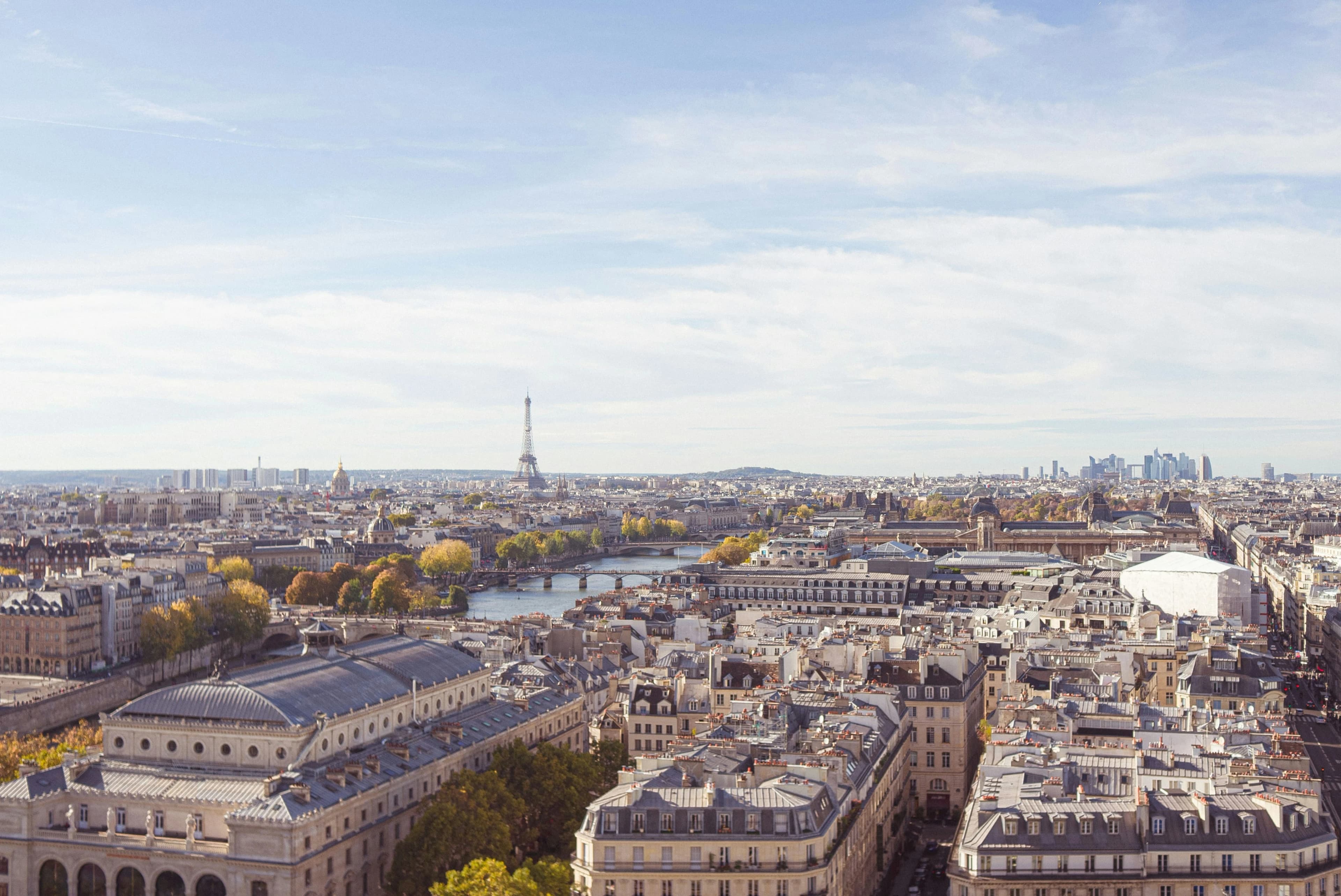
Paris is one of the world’s great metropolises. As early as the 19th century, Paris became the embodiment of the modern city and was often described as the world’s first modern metropolis. It was here that the ideas of the Enlightenment flourished and where democratic ideals gained broad influence. It was also here that the modern city emerged, with its crowds, wide range of opportunities, and constant flow of impressions and experiences.
Haussmann’s Modernization of Paris
By the mid-19th century, Paris had grown so large that the city was close to bursting at the seams—the population rose from 547,000 in 1801 to 1,696,000 in 1861.
The emperor therefore appointed Baron Haussmann to carry out a drastic modernization of Paris’s urban structure. Slum neighborhoods that had developed during the Middle Ages were cleared away, and broad boulevards were laid out to connect major squares. The new city became brighter and cleaner, with a modern sewer system, wide boulevards, and green spaces.
Over the course of just a few decades, Paris became the very image of the modern city—a new urban world that offered its residents an unprecedented range of opportunities in housing, entertainment, transportation, shopping, and entirely new ways of living.
However, Haussmann’s reforms also had a downside. Each neighborhood in the old city had possessed its own distinct atmosphere, which was largely erased in the name of uniformity. As the straight new streets replaced the winding old quarters, their sense of character and familiarity disappeared, and the city became more anonymous. People lost their sense of belonging.
The Covered Passages: Modern Threshold Spaces
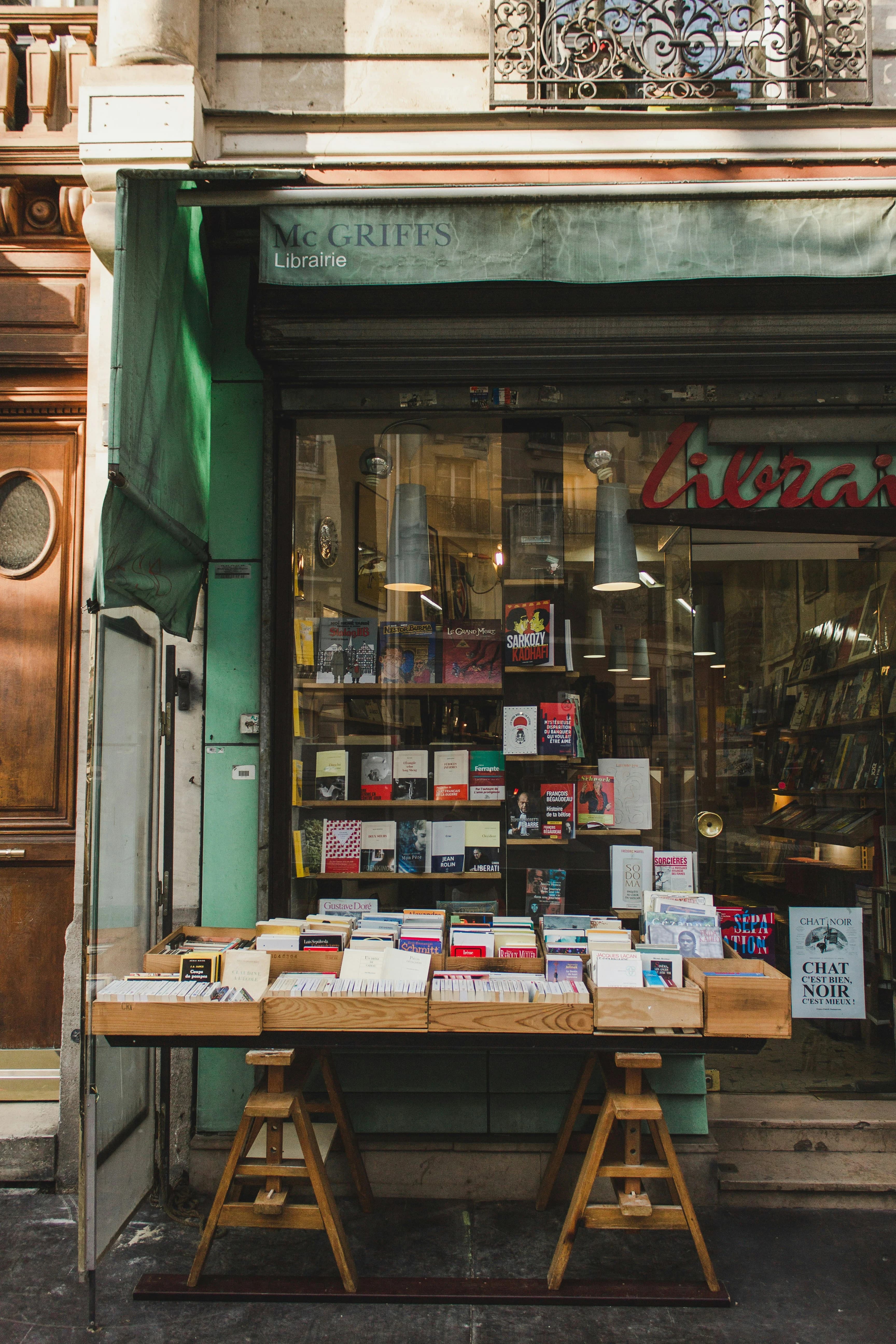
As commercial life in Paris expanded, covered passages were built between the major streets and boulevards. These passages were covered walkways lined with shops, allowing merchants to operate in a protected, semi-indoor environment.
Over the course of the 19th century, the passages became important shopping centers and also served as a counterbalance to Haussmann’s standardization of the city. Within the passages, the unstructured, the old-fashioned, and the atmospheric thrived in small, self-contained worlds, removed from the modern city outside.
They formed an organic counterpart to Haussmann’s geometric urban structure.
The passages incorporated architectural elements inspired by older building types such as churches, museums, and theaters.
At the same time, modern materials such as glass and iron were used, making the passages an architectural meeting point between past and present. As covered streets, they created a distinctive sense of intimacy within the space.
The use of glass and iron construction made it possible to create environments that existed somewhere between indoors and outdoors.
Gas lighting—also a modern innovation—made it possible to extend city life into the evening, at a time when people had previously been confined indoors after dark. The passages thus became a kind of threshold space that blurred both seasonal changes through their roofing and the daily rhythm through artificial lighting. The covered passage was one of the first architectural concepts to spread rapidly on an international scale.
Artists and Bohemian Life in the Modern City
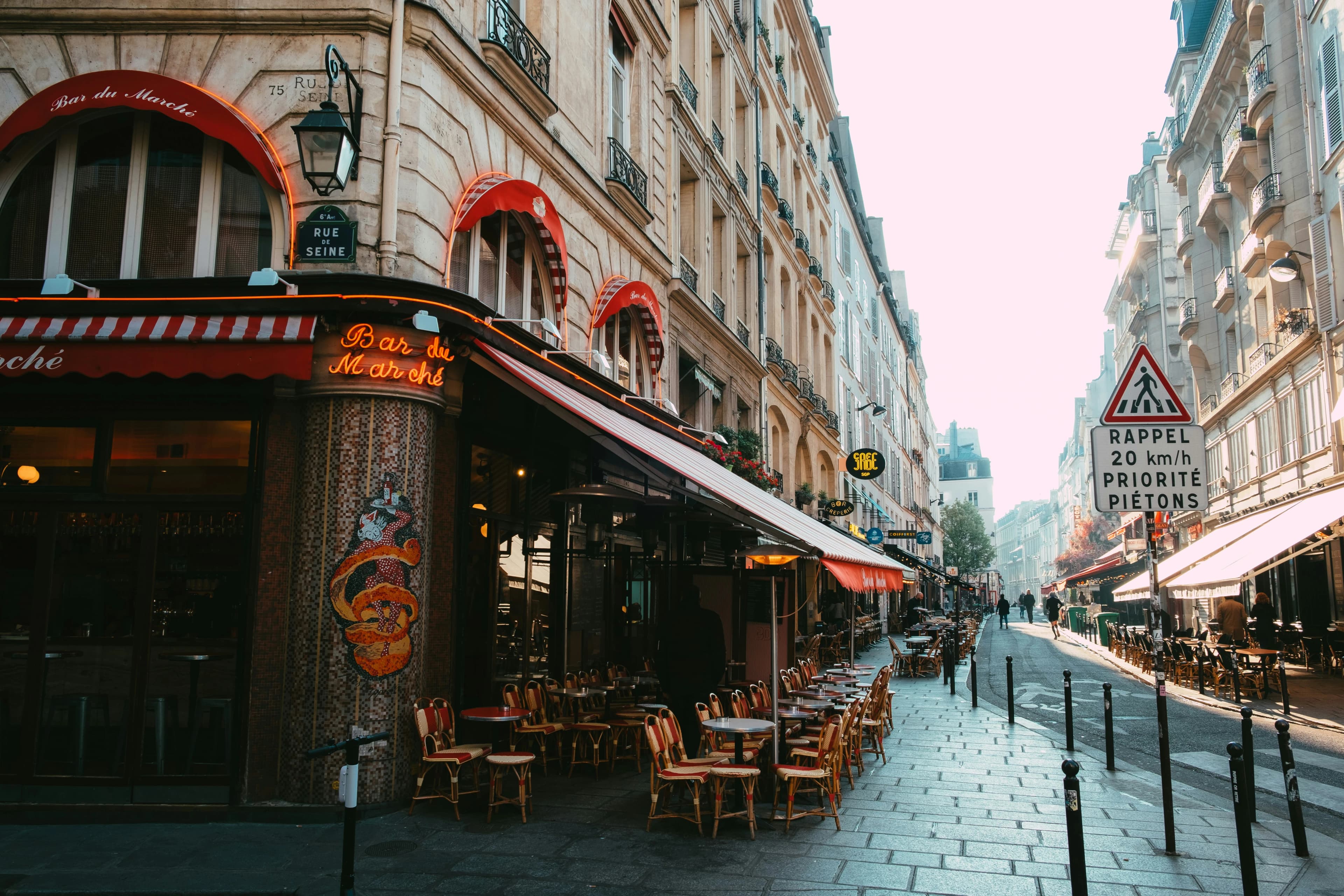
Paris had become a hectic, challenging, and exciting metropolis. Urban life attracted artists.
Painters and writers came to the city and settled in various neighborhoods, where they could move among and observe the crowds of people, horses, and vehicles rushing past on the broad boulevards and through the narrow passages. Artists captured this urban life and transformed it into painting, music, and literature.
One of the artists living in Paris at the time was the poet Charles Baudelaire. He was drawn to and fascinated by the city’s different social types, ways of life, and the new forms of experience that modern urban life produced. These themes became central to his poetry from the Parisian bohemian milieu, where he sought to capture the beauty of modern city life.
The Flâneur in the Modern City
One of the character types that recurs in Baudelaire’s writings about life in Paris as a modern metropolis is the flâneur. The flâneur is the anonymous gentleman who moves through the city crowd, shifting moods according to the impressions he encounters in the pulsing life of the metropolis.
He wanders among the people but does not actively participate—he simply observes them and lives through what he sees. The flâneur does not pursue any clear purpose but instead embraces purposelessness, seeking originality and emotional intensity.