Public Spaces and Urban Design: What Makes Them Successful and Lively?
Discover what makes public spaces work. From historic city squares to contemporary urban design, great public spaces emerge when architecture, function, and human activity come together to create places people remember and return to.
By Dansk Arkitektur Center
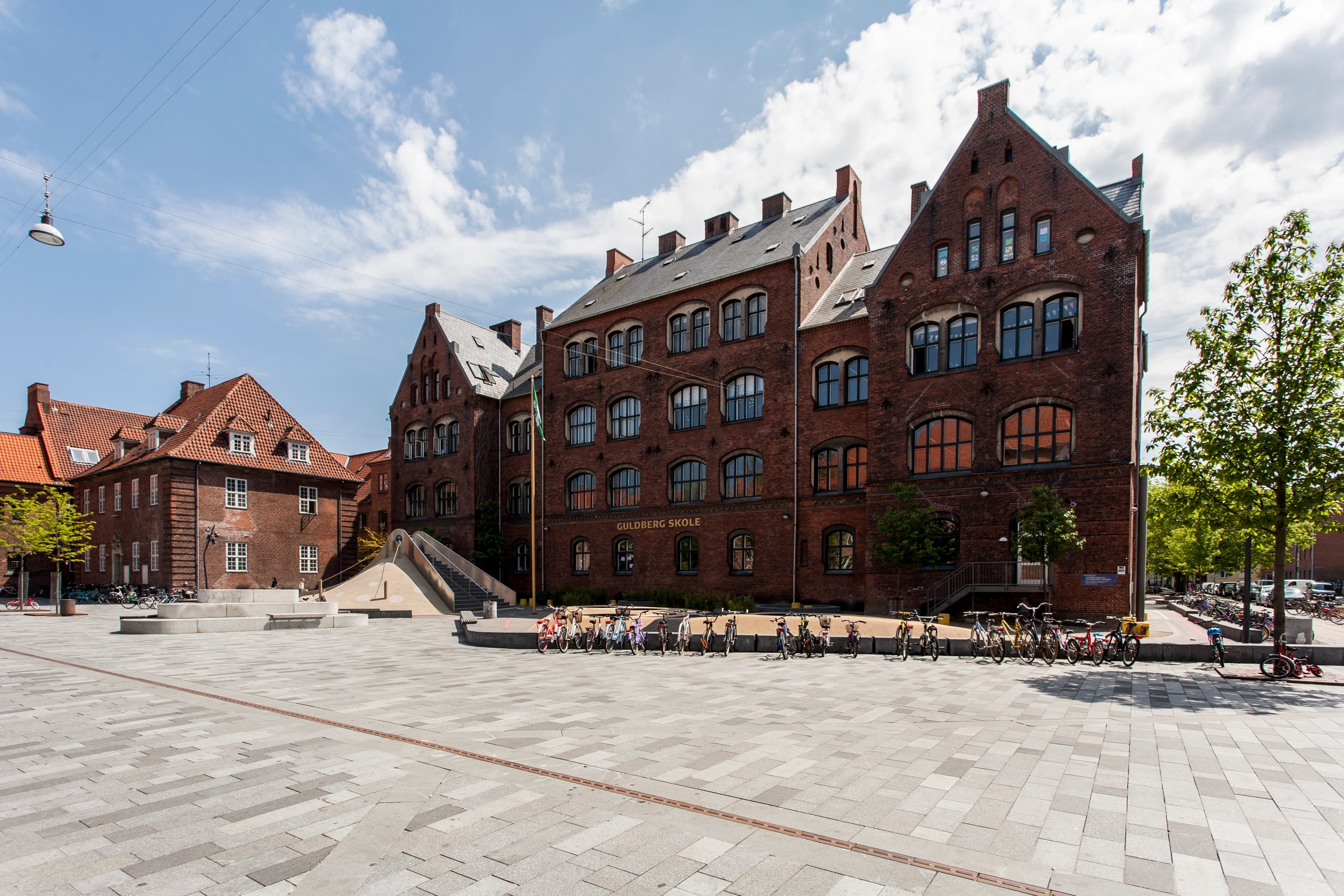
As we move through a city, we experience squares and public spaces—often without consciously noticing how they affect us. Certain places stand out: a building, a tree, a small plaza, a distinctive paving pattern, or a façade. These elements become landmarks—reference points that shape our mental map of the city.
Other places may feel neutral or forgettable, leaving little impression.
Landmarks and the Human Experience of Cities
Even the most ordinary building can become meaningful if it is tied to personal memory. A place you passed every day as a child or a bench where you once sat with a friend can become a powerful anchor in your perception of the city.
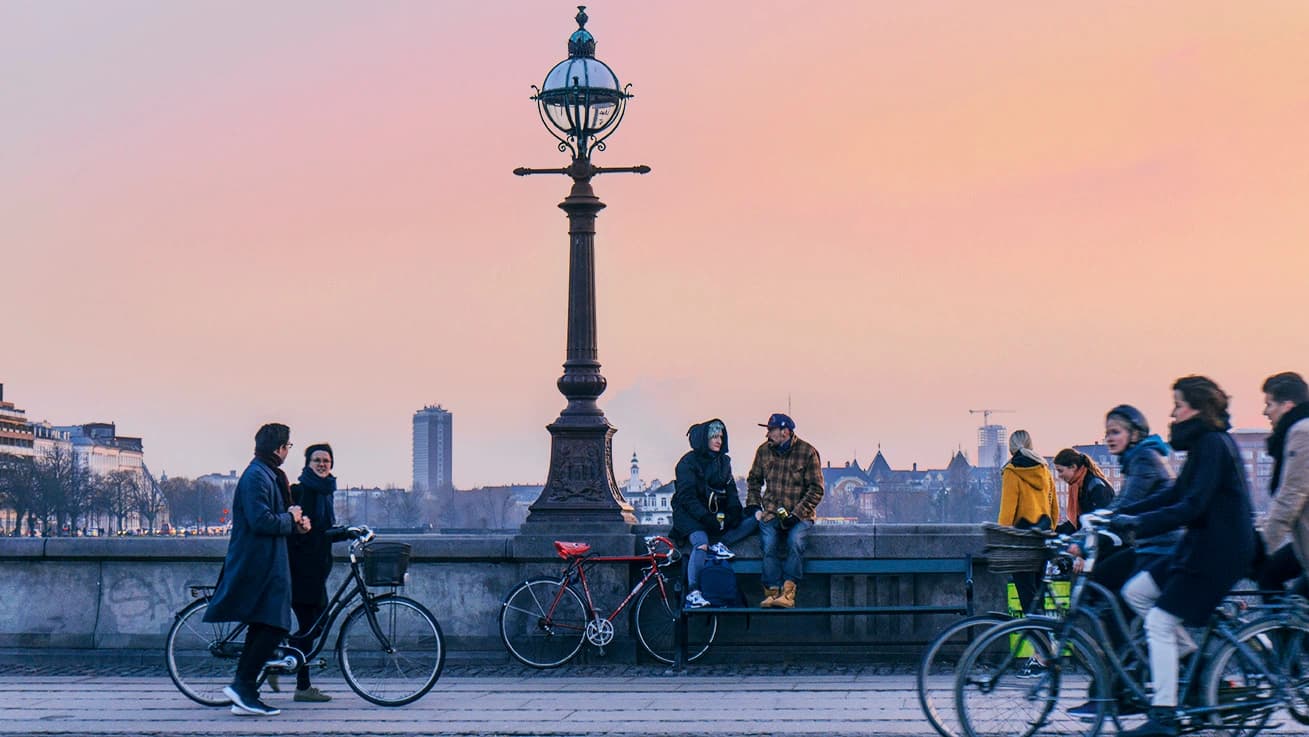
Everyone has their own set of landmarks—ranging from major buildings to small details. These elements help us navigate and emotionally connect to a place, whether we live there or are visiting for the first time.
Cities rich in visual and spatial experiences are often easier to understand and feel at home in. These experiences become part of the internal “map” of the city that we carry in our minds.
Public spaces such as squares and parks often play a central role in this experience. Here, the interaction between people, buildings, and design elements is especially important.
Public Space, Democracy, and Urban Life
Public spaces have always been central to urban life. In ancient Greece, the agora served as a gathering place for trade, debate, and social life. It was here that citizens expressed their opinions—making it a foundation of Western democracy.
As the historian Thucydides suggested, it is people—not walls—that make a city.
Market Squares and the Growth of Cities
In medieval Europe, many cities developed around a central square or marketplace. These open spaces were hubs of commerce and social interaction.
Markets attracted traders from surrounding regions, and over time, cities grew around them. Town halls and churches were often located next to these squares, reinforcing their importance.
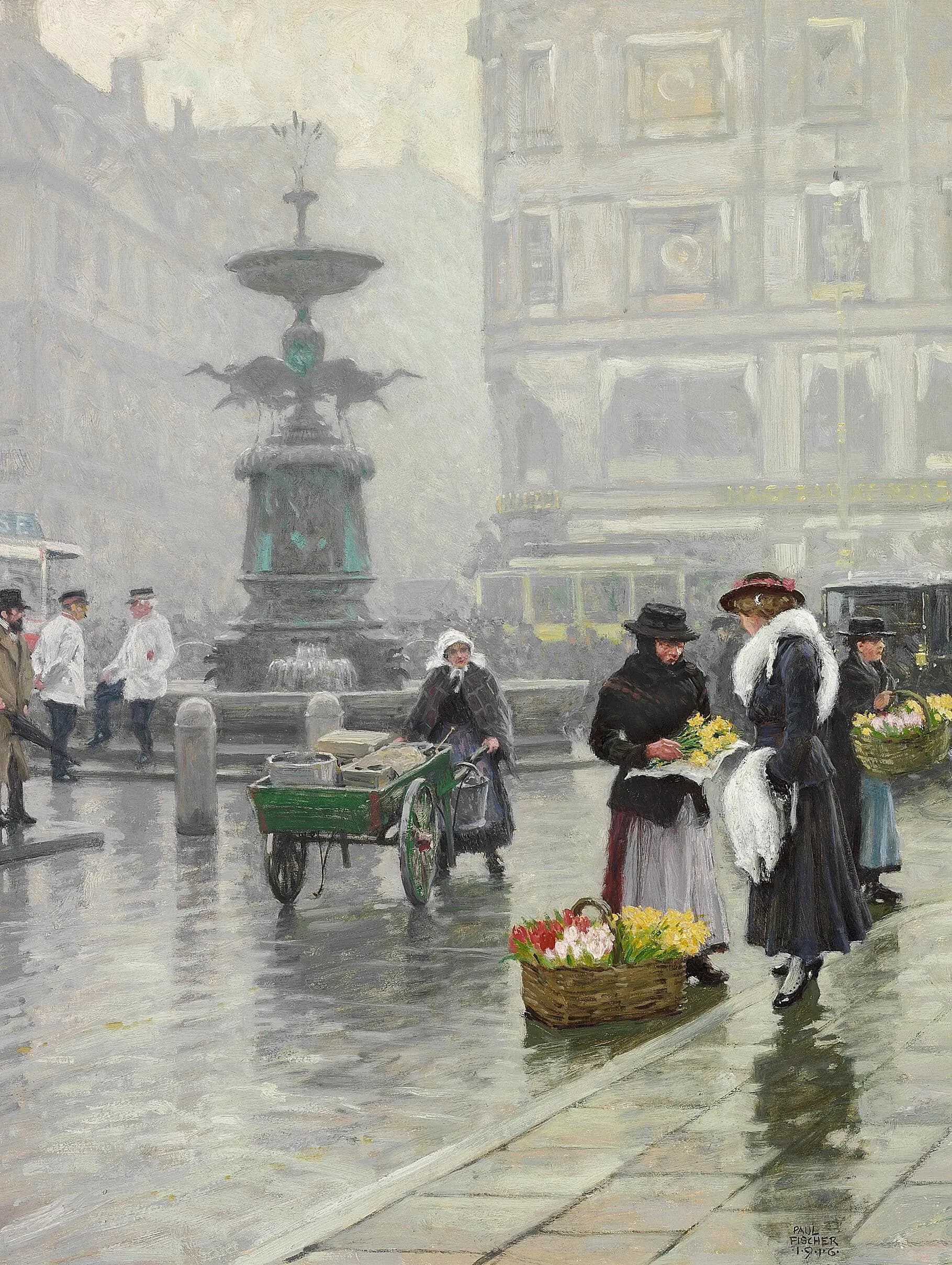
Even today, many city centers are still organized around these historic public spaces, where commerce and social life continue to intersect.
Parks: Bringing Nature into the City
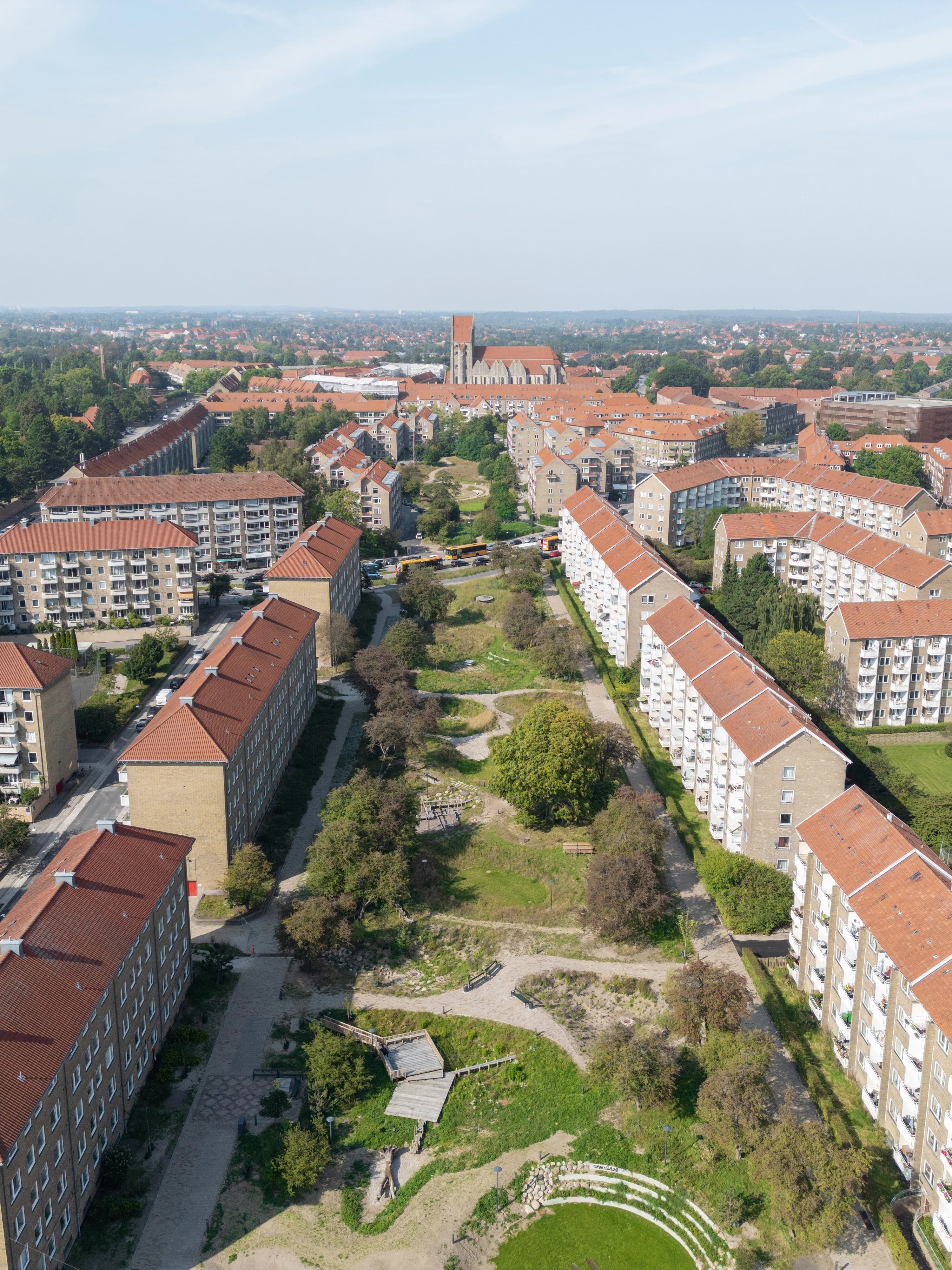
During the 19th century, rapid urban growth distanced people from nature. As a result, parks were introduced as essential urban spaces where citizens could experience greenery, light, and fresh air.
Some parks were designed with formal layouts—symmetrical flower beds, fountains, and manicured lawns inspired by Baroque gardens. Others aimed to recreate “natural” landscapes, with winding paths, dense vegetation, and small streams.
Even these “natural” parks, however, are carefully designed and maintained.
Today, parks remain vital urban spaces for relaxation, exercise, and social interaction.
What Makes a Successful Public Space?
Successful public spaces can look very different, but they often share key characteristics:
Mixed Use and Activity
A well-functioning square is surrounded by buildings with different uses—housing, offices, shops, and public institutions. This creates activity throughout the day and attracts diverse groups of people.
Proportion and Scale
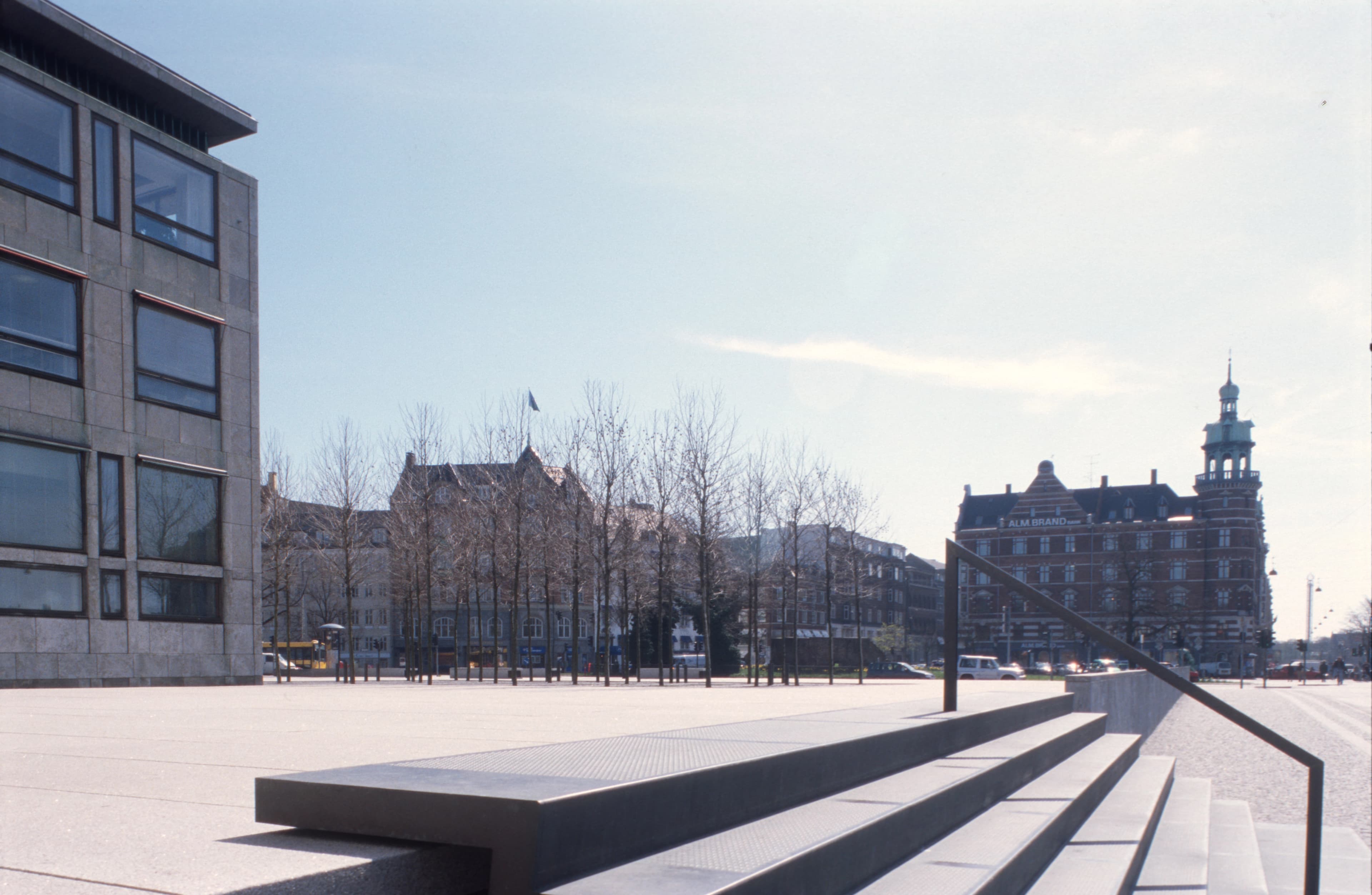
There should be a balance between the size of the space and the surrounding buildings. A large civic building, such as a city hall or church, requires an open space to match its scale. Conversely, smaller buildings work best with more intimate spaces.
Integration Between Buildings and Space
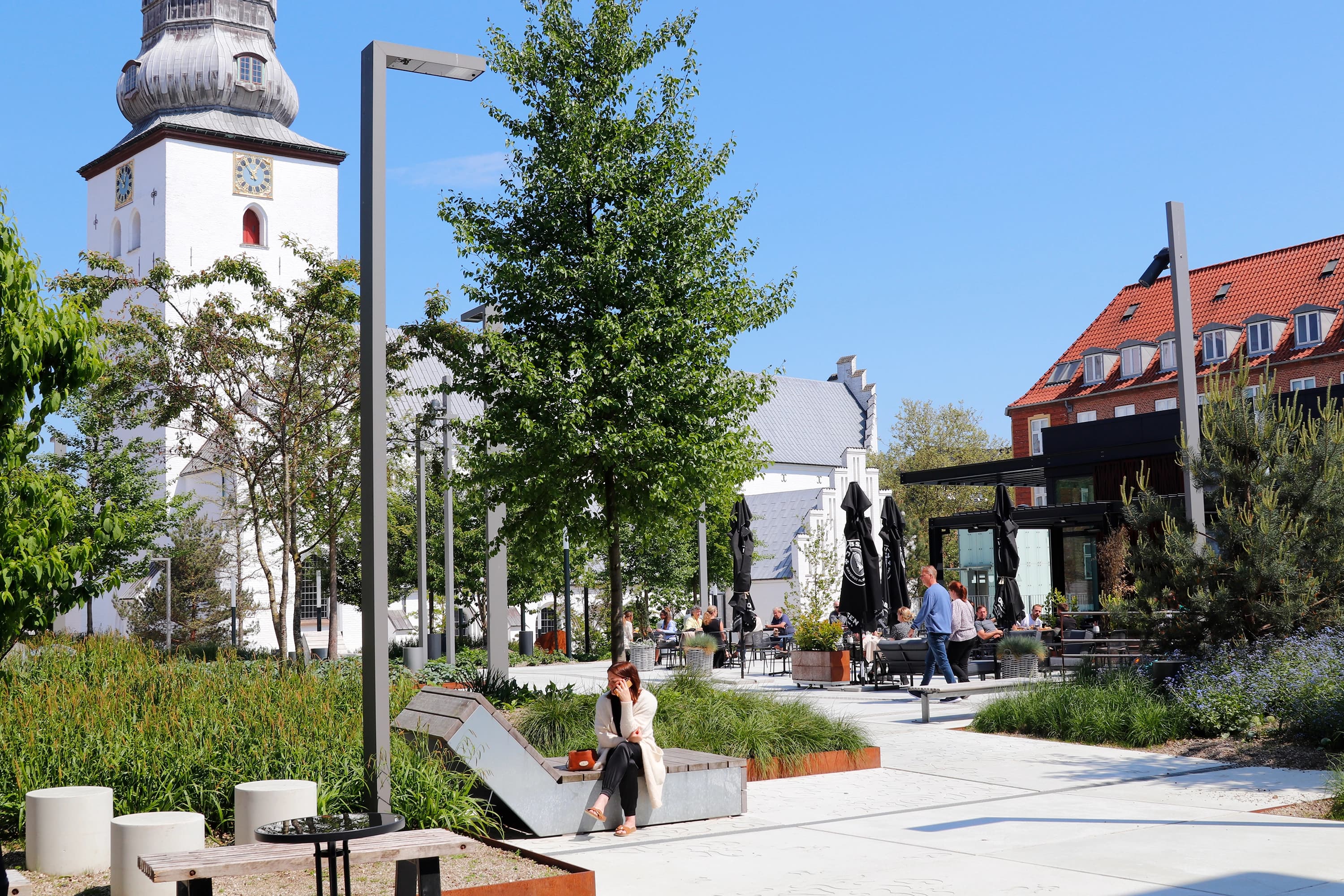
Buildings and public space should work together. Outdoor seating, entrances, and pathways should connect naturally to the square—not lead into blank walls or dead ends.
Beyond Functionality
A successful public space is not only practical—it also includes aesthetic and sensory elements. These might include paving patterns, fountains, seating, or planting that enhance the experience.
Spatial Definition
A square should feel like a defined “room” within the city—with façades as walls, paving as the floor, and the sky as the ceiling. At the same time, it should remain open and accessible.
Connectivity
Good public spaces are easy to access from multiple streets, but they should not function merely as transit zones. People should be encouraged to stay—not just pass through.
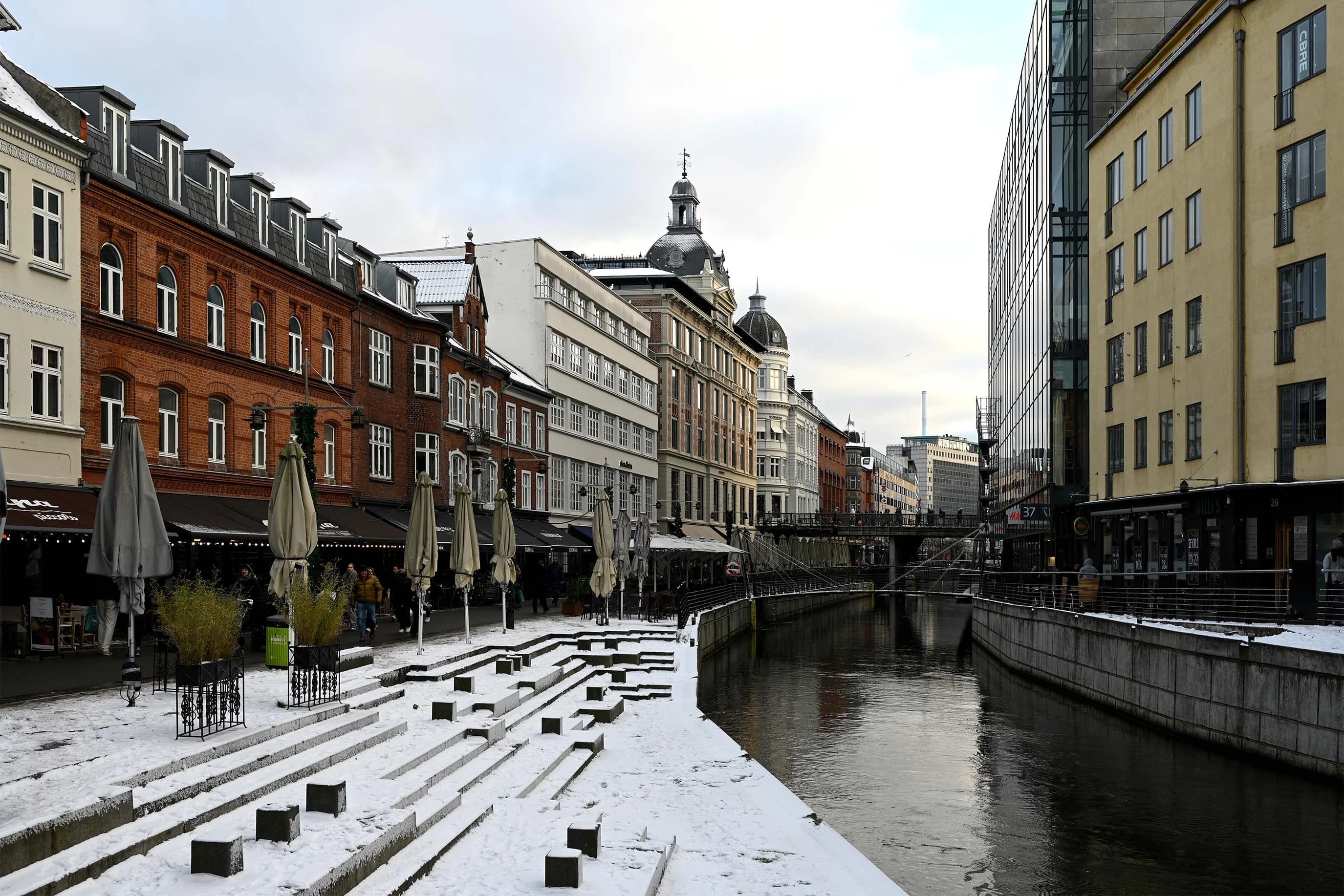
Case Example: Aarhus, Denmark
The Danish city of Aarhus illustrates how urban spaces can shape city life. Originally founded at the mouth of a river, the city developed around this waterway, which served as a key connection to the wider world.
In the 20th century, the river was covered to make room for car traffic. This significantly reduced the quality and attractiveness of the city center.
In the 1990s, the river was reopened. This transformation revitalized the area, turning it once again into a vibrant public space and a central part of the city’s identity.