Religious Buildings: Mosque, Church, Temple, and Synagogue – Key Features and Terms
What defines a mosque, a church, a temple, and a synagogue? Learn the key concepts and architectural elements of religious architecture—from the mihrab to the apse.
By Dansk Arkitektur Center
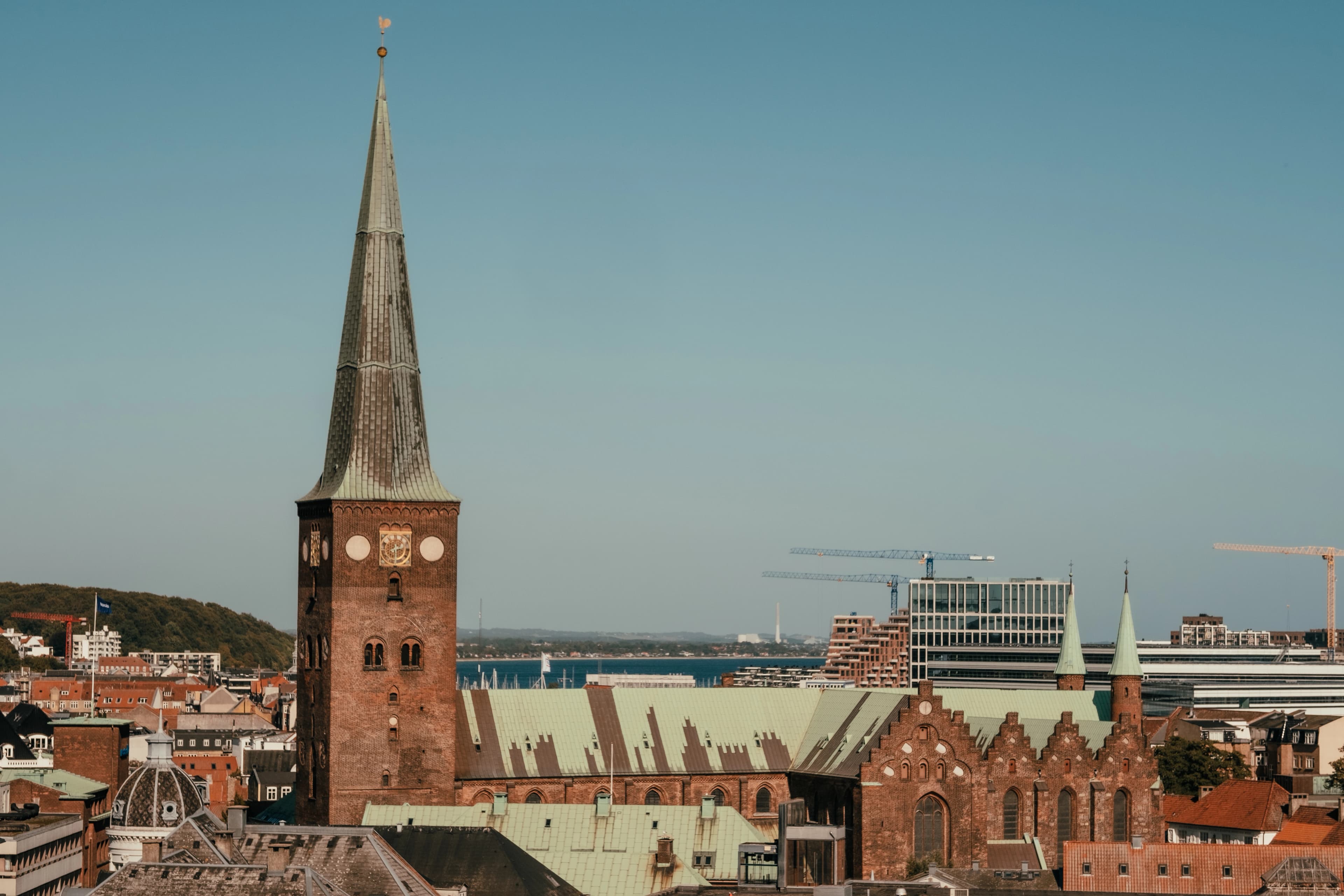
Looking back at architectural history, some of the oldest surviving buildings are religious structures. They stand as evidence of humanity’s search for meaning, faith, and hope.
Why Does Religious Architecture Survive?
Pyramids, ziggurats, temples, churches, and mosques remain from periods when few other buildings have survived. We do not know what the everyday houses of ancient Egypt looked like, but we do know what its religious buildings looked like.
The buildings that survive best are usually those built with the finest and most durable materials, and those constructed with the greatest care. They are also buildings that successive generations have considered worth preserving. More broadly, they are buildings that held special importance for a people or a culture.
The many religious buildings that remain show how important religion has been to human beings from antiquity to the present day. Through monumental architecture, people honored their gods and sought stability in lives marked by uncertainty. Would the harvest fail? Would they survive the cold and damp of winter? Would mother and child survive childbirth? In religious buildings, people found hope and trust in powers greater than themselves.
Religious architecture also makes clear that the role of architecture is not only to provide shelter. Architecture can also help us in our search for meaning beyond everyday life. In religious architecture, architects attempt to approach something intangible—faith and belief—through something very tangible: the building itself.
What Is a Mosque?
A mosque is the religious building of Islam and a central example of Islamic architecture. There are several different mosque types. One of them is the iwan, a long, rectangular structure with a large vaulted interior space. One side of the iwan is open and faces a courtyard. Often, four iwans are arranged around the same courtyard.
Mosques are generally richly decorated with ornament. In Islamic tradition, the depiction of human figures is often avoided in religious settings, so decoration instead consists of geometric patterns and vegetal motifs. These are often executed as mosaics using glazed tiles or colored glass.
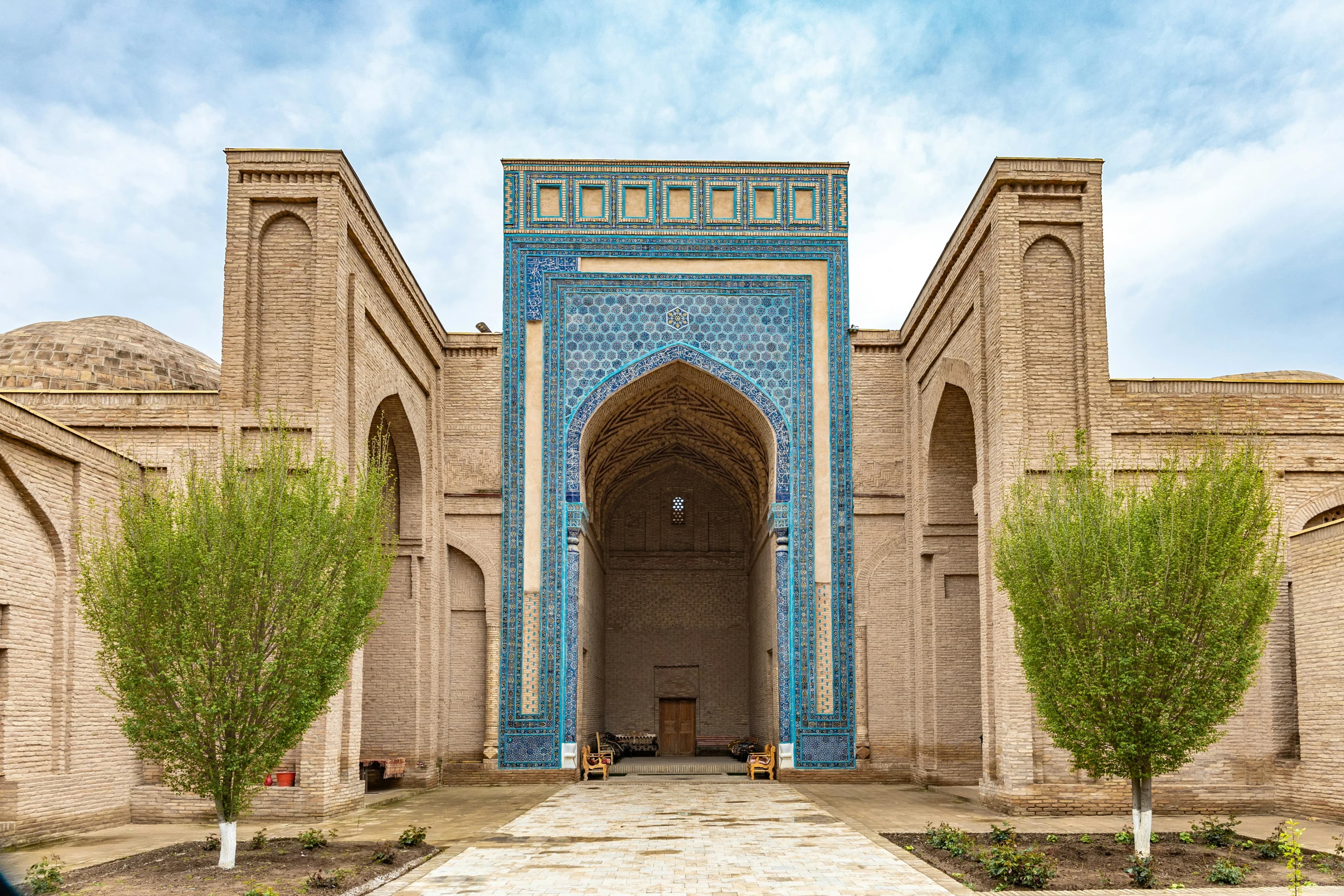
Inside, a mosque typically contains an elongated main prayer hall, the haram, which faces Mecca, the holy city of Islam. Along the walls are columns or piers connected by arcades. These arcades often run parallel to the qibla wall, the wall that indicates the direction of Mecca and therefore the direction Muslims face during prayer.
In the qibla wall is a niche called the mihrab, usually framed by an arch and columns. Nearby stands the minbar, the imam’s pulpit. Most mosques also have a minaret, the tower from which the call to prayer is traditionally made five times a day.
Many mosques are part of larger complexes that may also include facilities for teaching, study groups, and sometimes nurseries or health clinics.
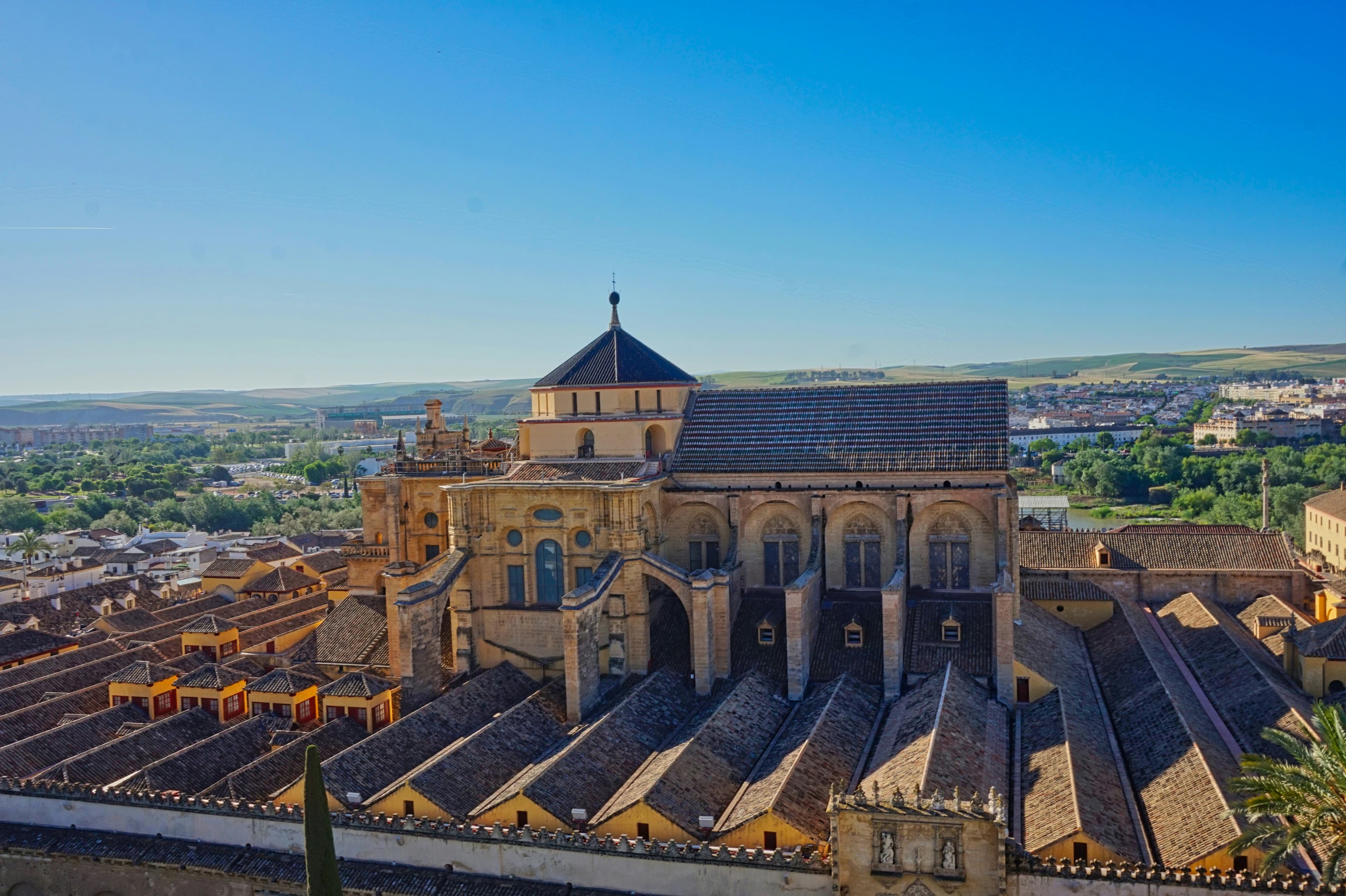
The Great Mosque of Córdoba in Spain, built between 785 and 961, is a famous example. Muslims ruled parts of Spain for more than 500 years, and it was during this period that the mosque was built. After the Christian reconquest, a cathedral was constructed within the mosque.
What Is a Church?
A church is the religious building of Christianity and a central example of Christian architecture. Its form developed in response to the needs of Christian worship. There must, for example, be room for both the congregation and the clergy. Symbolism has also shaped church design. The choir, for instance, is often raised above the rest of the church because this is where the altar stands. In Gothic churches, large windows emphasized the symbolic role of light as the light of God.
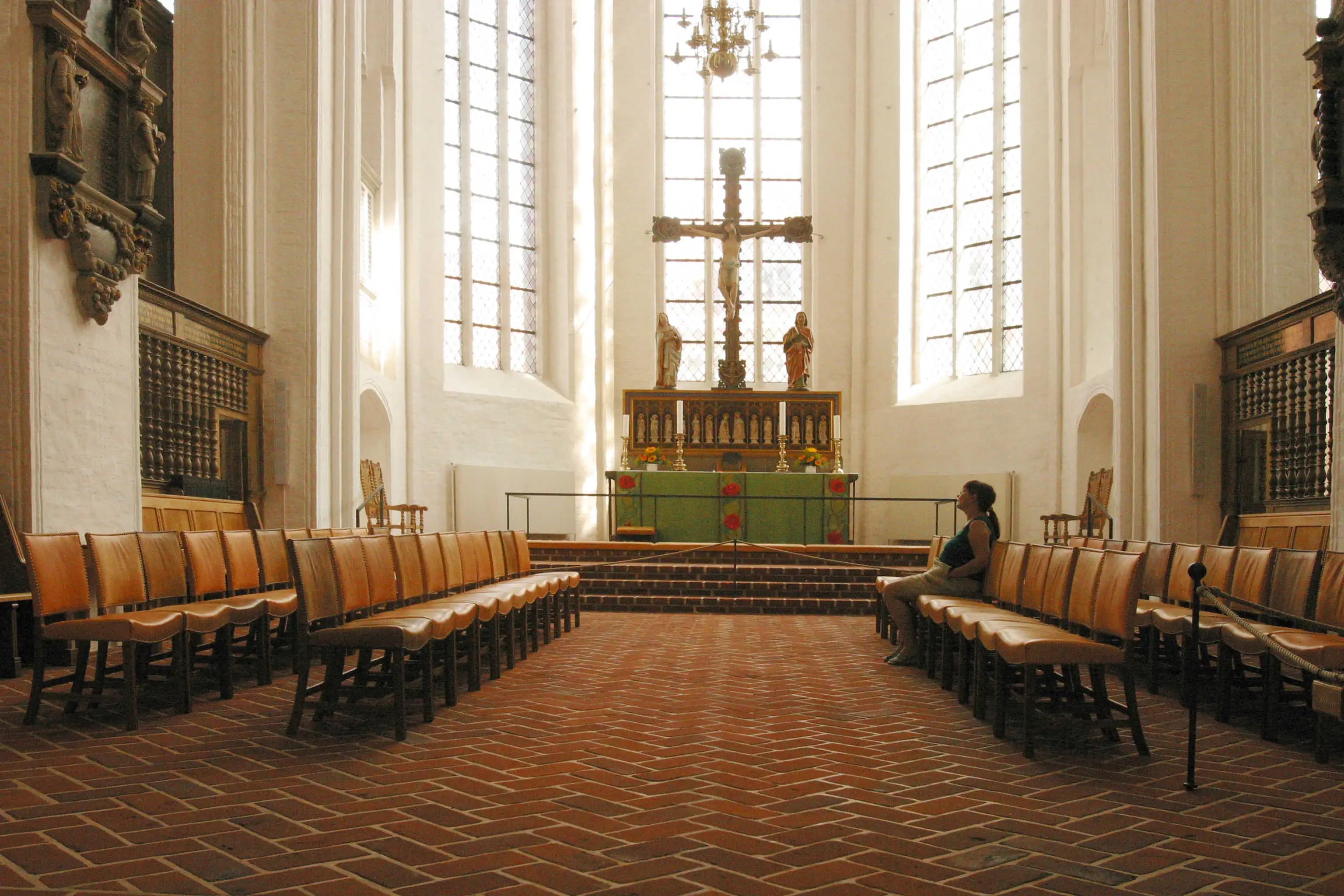
Church architecture has developed according to available building techniques and the architectural style of each period.
Power relations and economics have also played a role. If the church held great power and wealth in a particular region, larger and more elaborate churches were built. It was important that the church building display the influence and grandeur of religion.
Church building has changed greatly throughout the history of Christianity, and many different church types have been developed.
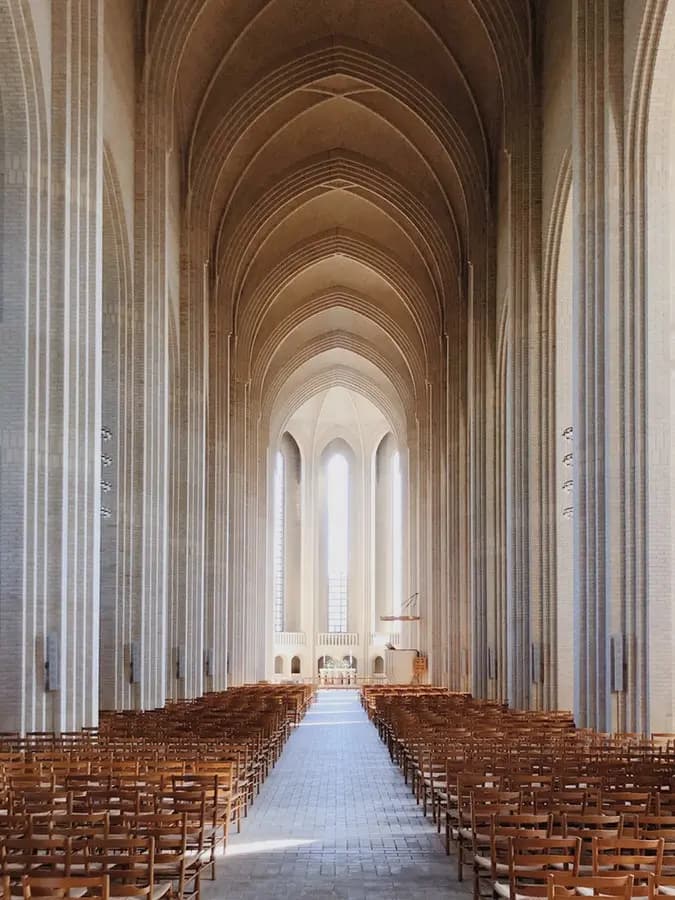
A church does, however, contain a number of recurring elements. All churches have a choir or chancel, where the main altar stands. Ideally, the altar faces east, as east has traditionally been considered the sacred direction. The choir is the place where clergy—such as the priest and other church officials—remain during the service. It is often raised slightly above the rest of the church interior by a series of steps.
An additional niche may extend outward from the choir. This part of the church is called the apse and is considered the holiest part of the building. The largest space in the church is the nave, where the congregation sits during the service.
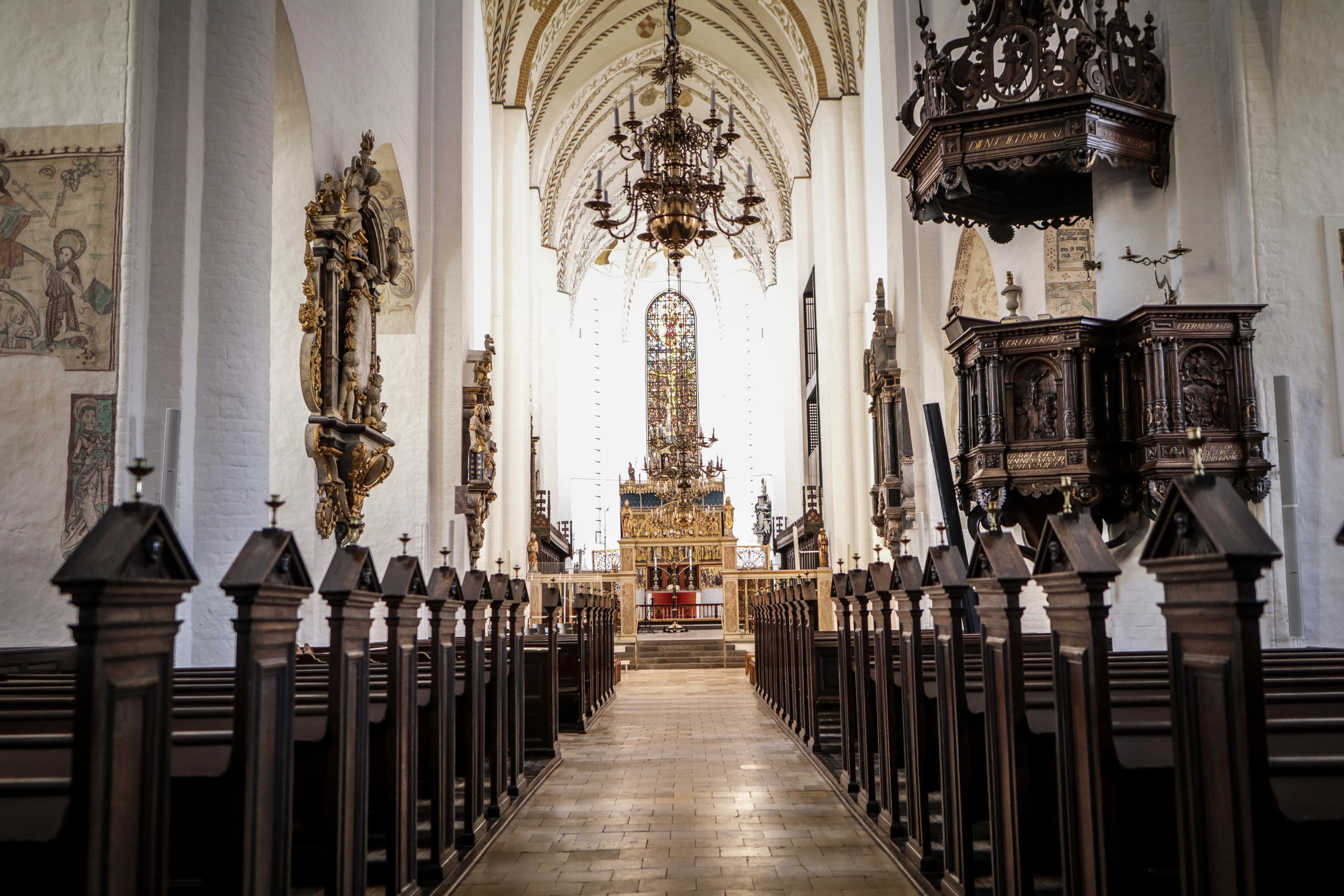
Most churches also include a porch, a sacristy, and a tower. The porch is the first room one enters. Historically, men were expected to leave their weapons there, which is how this space got its name in Danish church architecture. The sacristy is a room for storing items used during worship, such as liturgical vestments, candles, and communion vessels. The priest may also use it before and during the service. It is usually located next to the choir.
The longitudinal church is organized around the nave and is the oldest church type, dating back to early Christian church building in the 4th century. Later, a transept was added perpendicular to the nave, giving the church a cross-shaped plan.
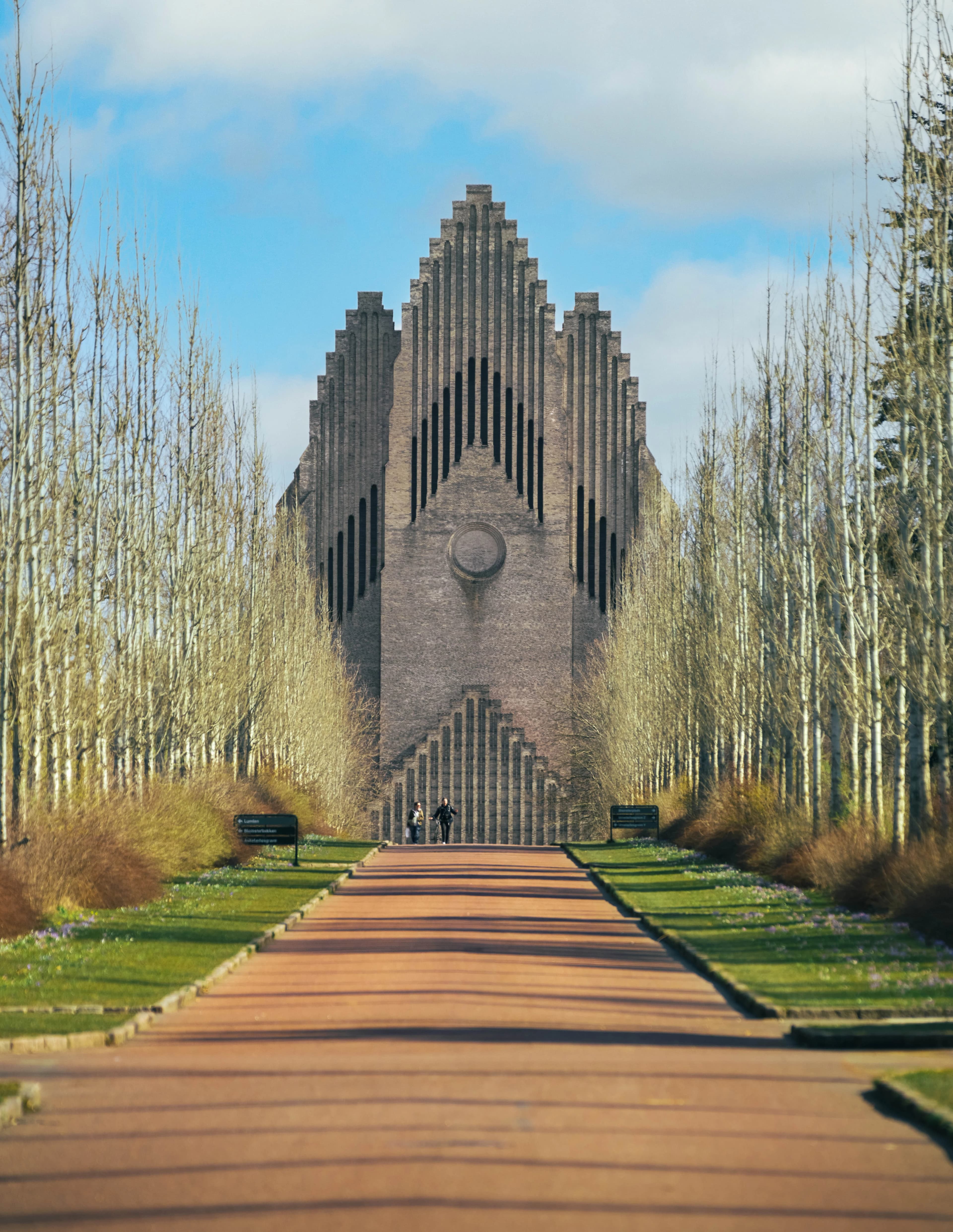
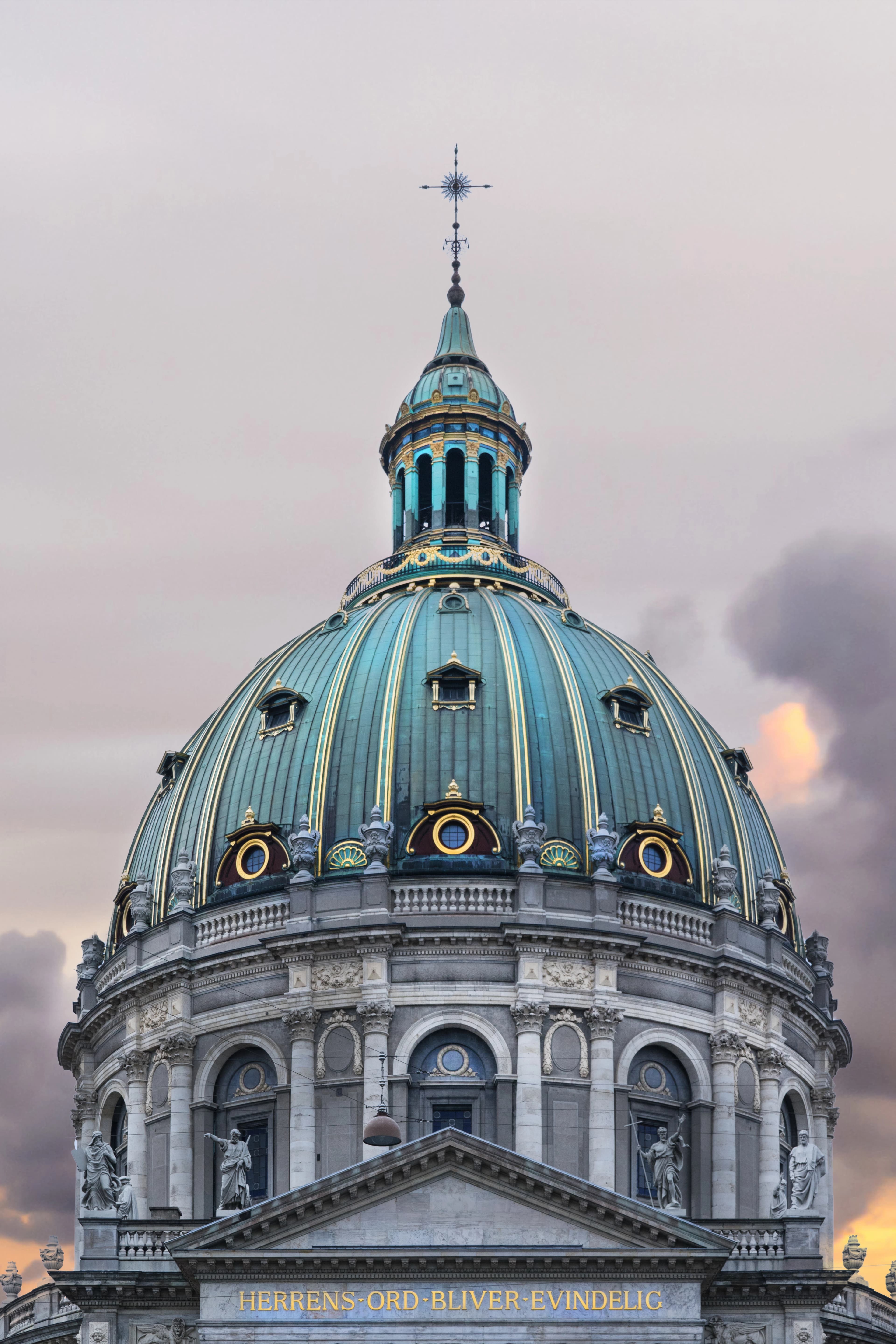
The central-plan church is organized around a circular space covered by a dome. This type is especially associated with the Renaissance, when the circle was regarded as the perfect form. In most examples, however, the circle is combined with an elongated space leading toward the altar.
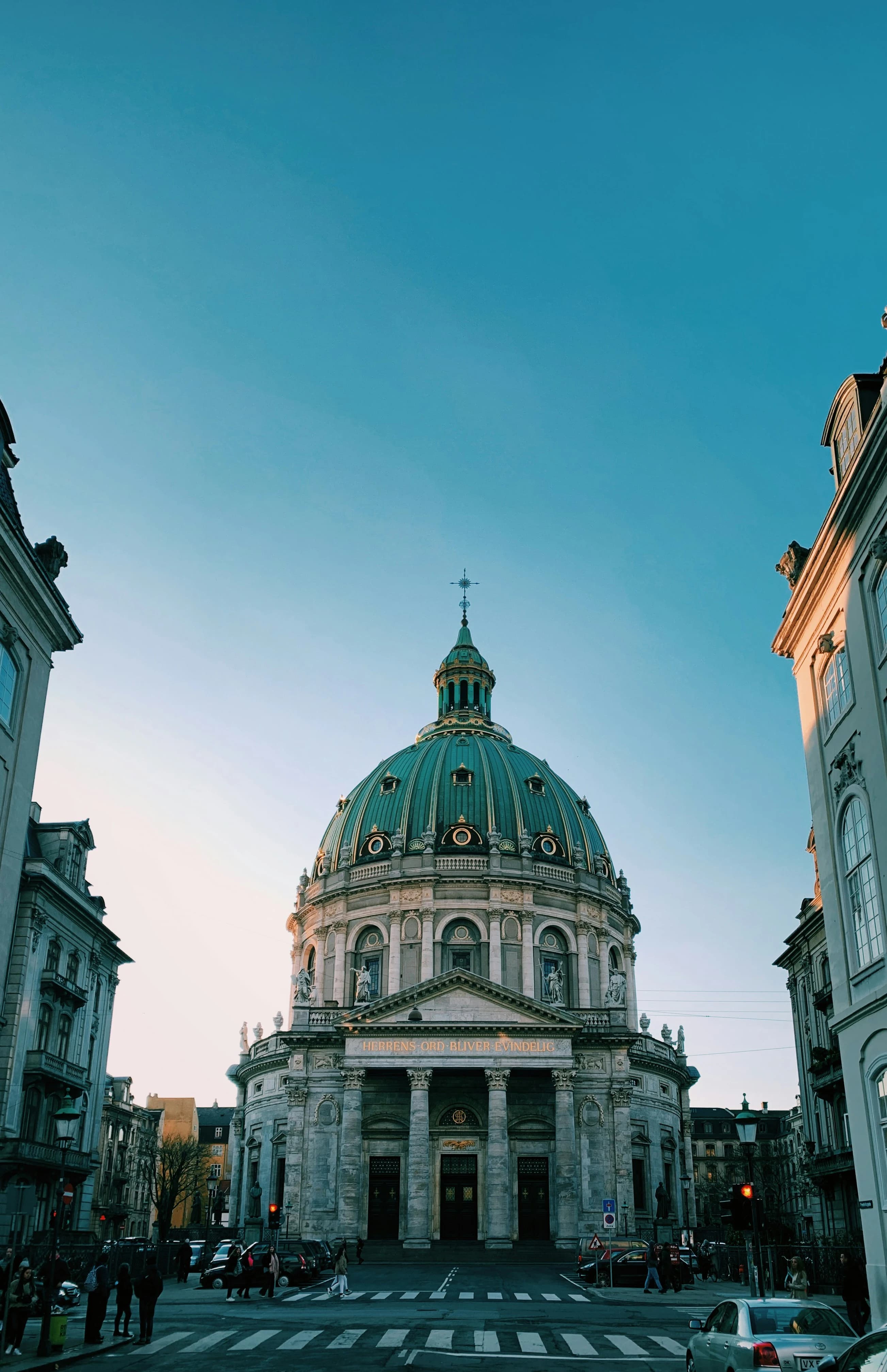
During the Middle Ages and until the end of the Renaissance, the church was the dominant power in Europe. For this reason, much of Europe’s architectural heritage is found in church buildings, especially in the great Gothic cathedrals, which demonstrate the church’s influence and wealth.
In the Baroque period, the Catholic Church made a strong effort to demonstrate its continued importance in relation to Protestantism.
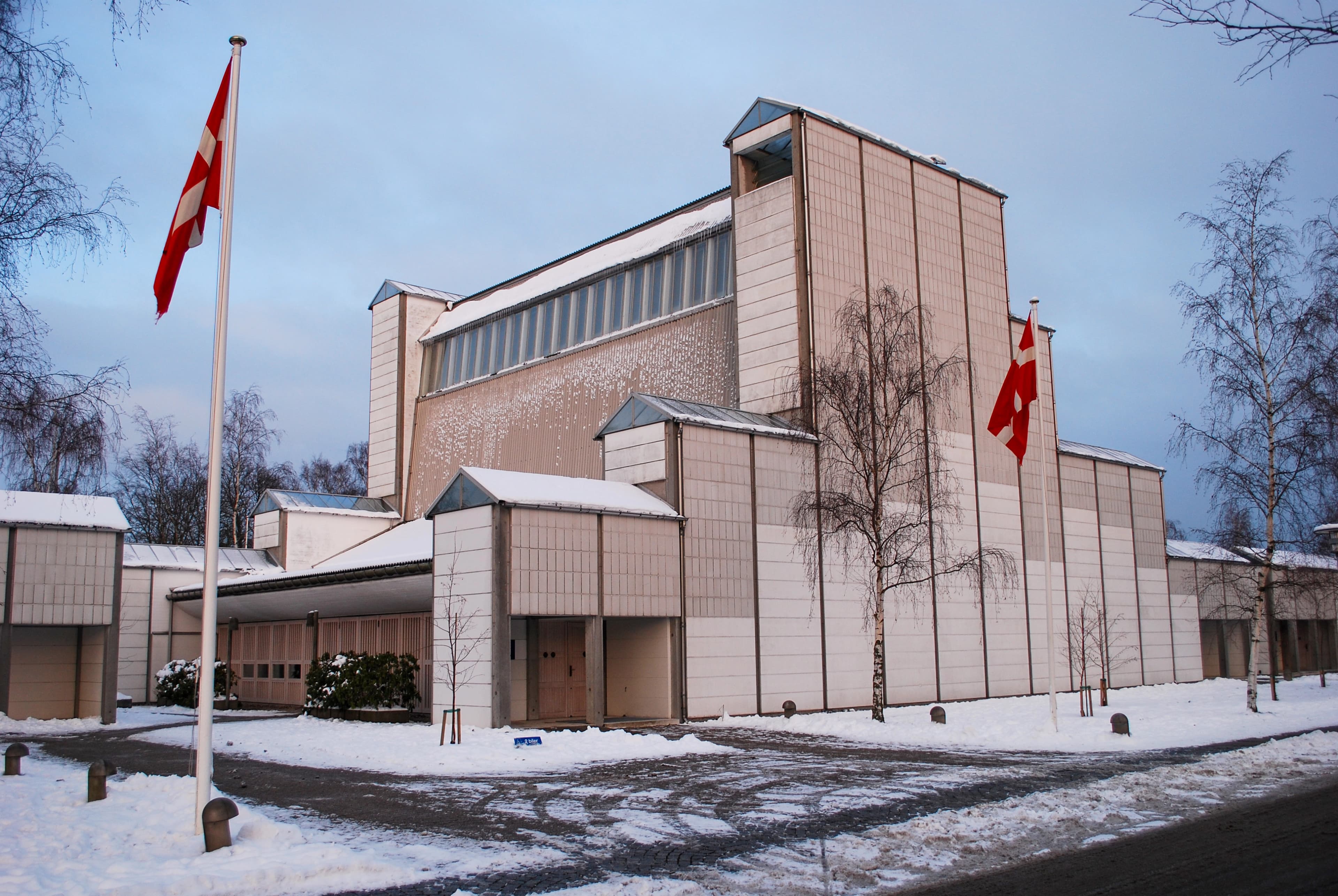
At the same time, churches adapted to the architectural language of their age. Some took on sculptural forms, while others drew inspiration from older church buildings and reinterpreted them in new ways.
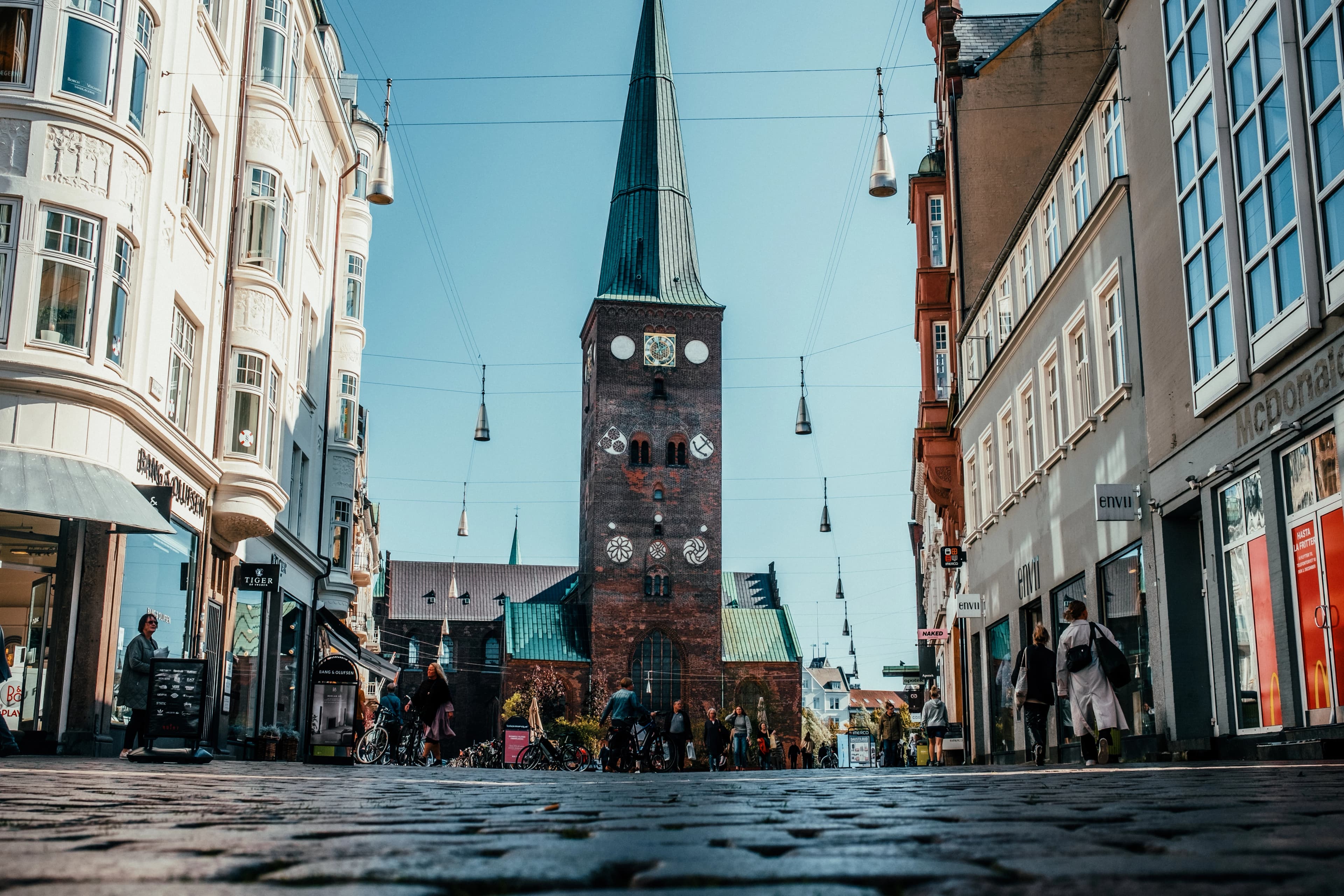
From the 12th century onward, churches in Denmark were built in stone. Before that, there were wooden stave churches, though none of them survive in Denmark. The earliest stone churches were built in the Romanesque style, with a nave, choir, and sometimes an apse.
Later, in the Gothic period, many received porches, towers, sacristies, and chapels. In some cases, the flat wooden ceiling was replaced by masonry vaults, which were typical of Gothic architecture. The wall paintings found in Danish churches also date from this period.
What Is a Temple?
A temple is a central building type in religious architecture and a sacred structure in several religions. Hindus and Buddhists, for example, use temples. Many past religions also had temples, including the ancient Aztecs of Mexico.
A religion’s sacred ceremonies take place in and around the temple. A temple may also be understood as the dwelling place of a god or gods. It is seen as a link between human beings and the divine. Temples are therefore not primarily gathering places for large congregations. Rather, they are places for the encounter between the individual and the gods.
There are many different types of temple buildings. Their forms depend on the religion they serve, the time in which they were built, and the place where they stand.
In ancient Greece, the temple was the most important building type. Architecture was, to a large extent, concerned with building the perfect temple. All temples were constructed with an inner chamber dedicated to the god they honored. This inner room was surrounded by a ring of columns that supported the roof.
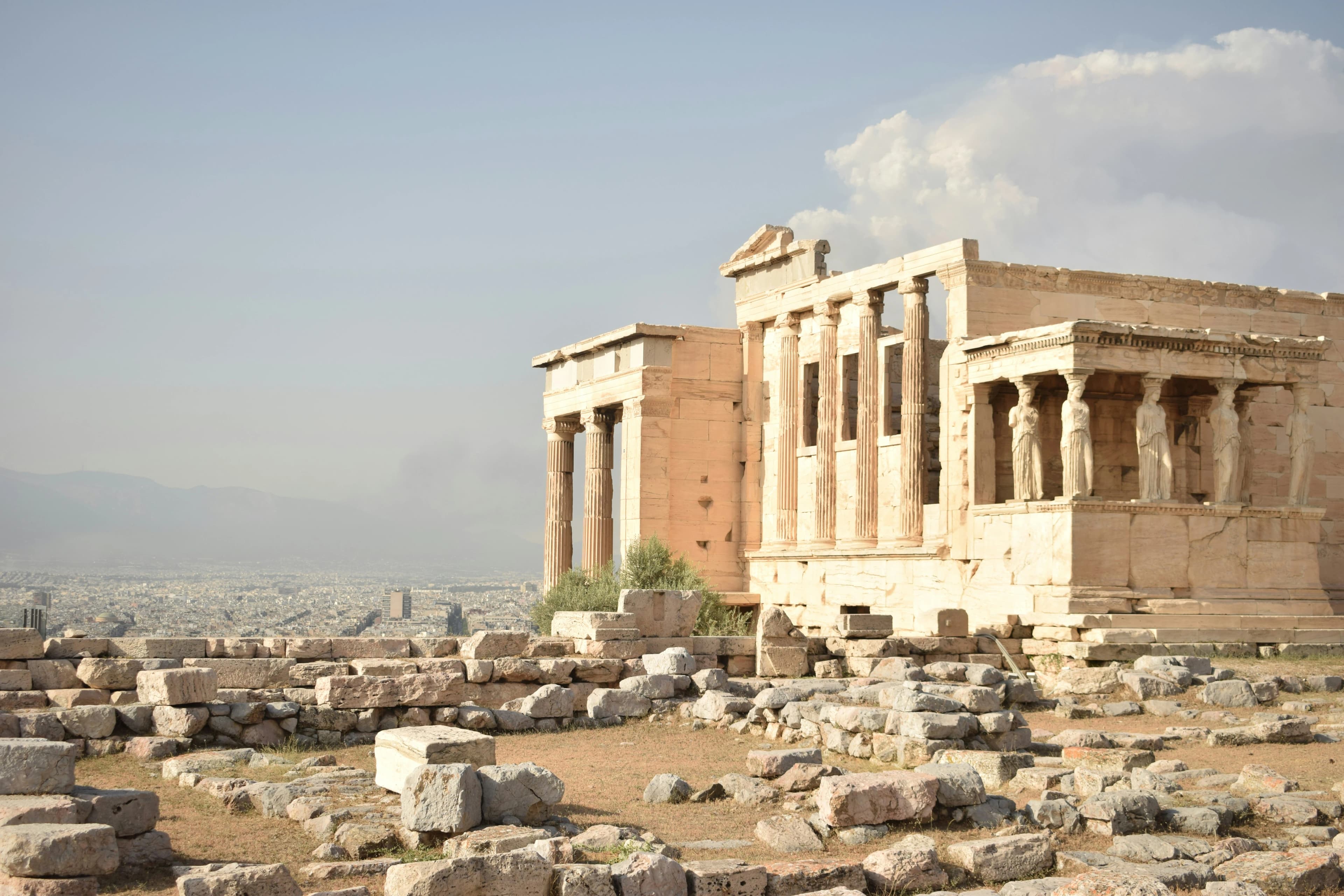
The pediment, shaped like a triangle, was decorated with sculptural figures. Greek temples did not consist only of columns; they also contained an enclosed inner chamber, though the exterior form was generally more important than the interior, since the sacred image inside was not meant for public gathering in the same way as later religious buildings.
Hindu and Buddhist temples developed from cave temples into large complexes that can resemble cities, with streets and subsidiary buildings organized around a central temple.
The oldest temples were built of wood and have long since disappeared. Some temples are tall, square buildings that taper upward. Others resemble Greek temples, with columns and roofs.
At the center of the temple is the holiest room, the space of the god. It is a small, dark room with thick stone walls. Statues of the temple’s principal deity are placed there, and only priests are allowed to enter. Above this room rises the temple tower, which resembles a mountain peak. This tower forms a link between the human world and the world of the gods. The ceremonies performed in the temple are understood to generate energy that rises to the deity through the tower.
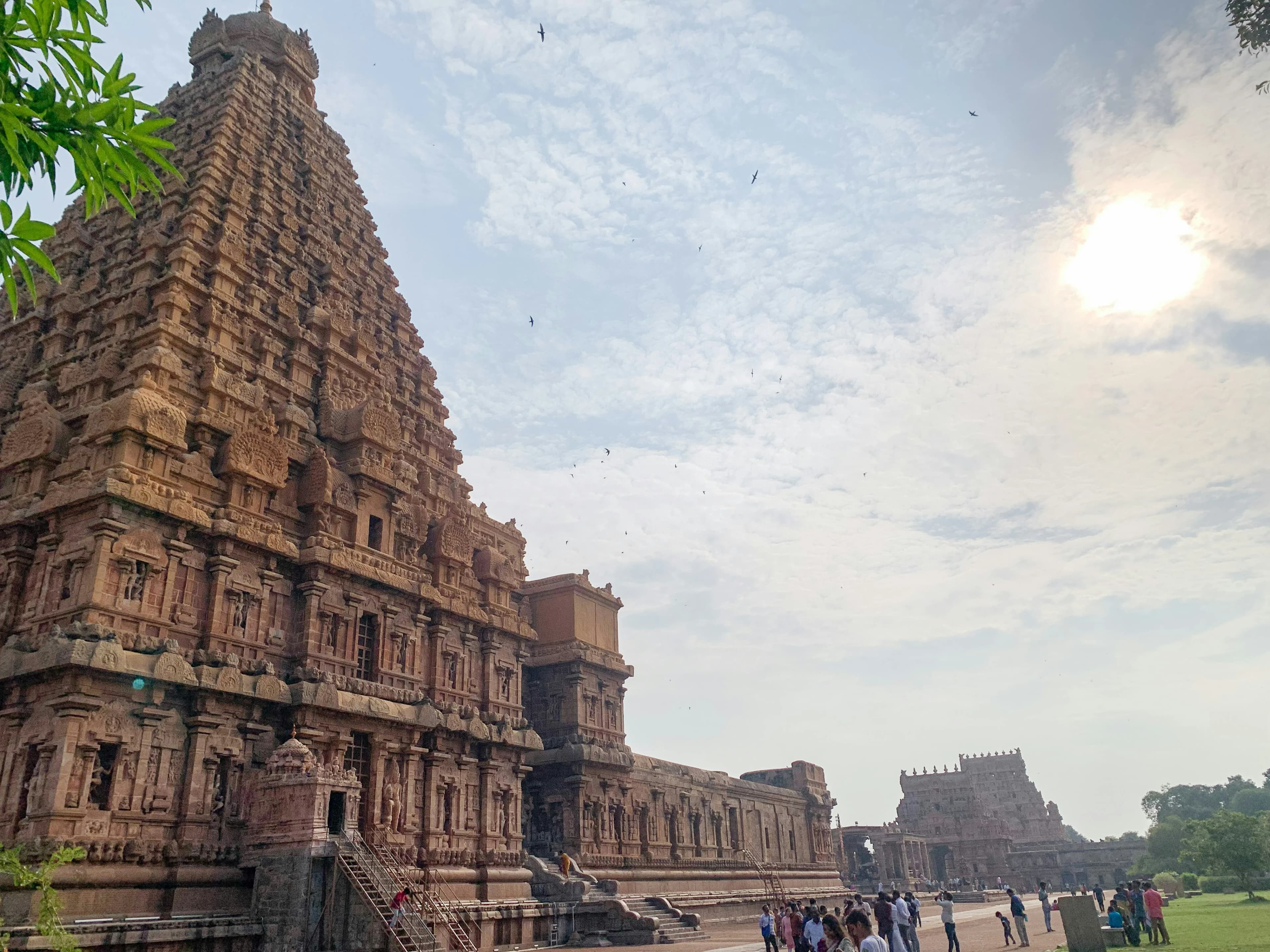
The four equal sides represent the four cardinal directions and symbolize permanence, in contrast to the circle, which is often associated with movement. This is also one reason temples are built in stone. Stone is a highly durable material and symbolizes the eternal presence of the divine.
Precise astrological and mathematical calculations are used to give the temple its perfected form, one that reflects the structure of the universe.
Water is also important in temple architecture. Water is necessary for the encounter between human beings and the gods. Temples are therefore often located near rivers. There may also be a basin within the temple enclosure or just outside it, where worshippers can take a ritual bath before entering the temple. If no water source is available, vessels of water may be placed in the innermost sanctuary.
Around the temple there is often a long rectangular courtyard containing smaller buildings for other deities.
What Is a Synagogue?
A synagogue is the Jewish place of worship and an important example of religious architecture. The word synagogue comes from Greek and means “assembly place.” A synagogue is both a place for the meeting between God and human beings and a place where the faithful gather.
The form of the synagogue often resembles that of local religious buildings, including churches. This is because Jewish communities around the world have historically adapted their sacred buildings to the architectural traditions of the countries in which they lived. Throughout history, Jews were persecuted in many places, and synagogues were therefore often designed not to stand out too much.
All synagogues share certain common features, although these usually relate more to interior arrangement than to the building’s outward form. These include, for example, a cabinet or shrine for the sacred texts and a reading platform. Jewish communities have often had to establish synagogues in temporary buildings or adapted rooms.
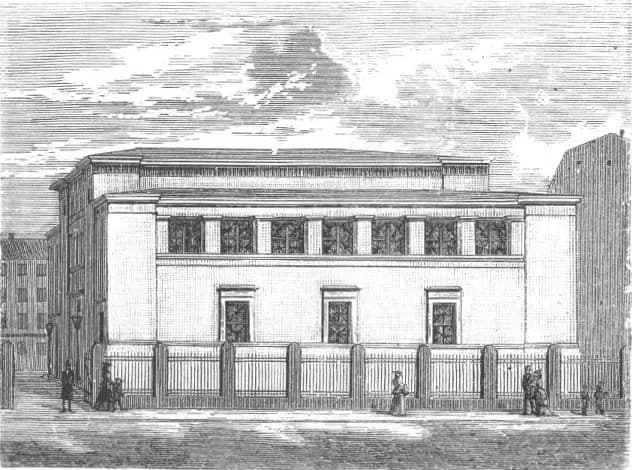
The Great Synagogue of Copenhagen, completed in 1833 and designed by C.F. Hetsch, reflects this history. At the time, Jews were still viewed with suspicion in Denmark, so the synagogue was not allowed to be too visually prominent. Even receiving permission to construct it had been difficult for the Jewish congregation. The authorities required that the synagogue’s facade be set back from the line of the other buildings on the street.
An important feature of the facade is its twelve columns, which symbolize the twelve tribes of Israel. More broadly, the building combines elements of Orientalist and Danish architectural traditions.