Ritual Spaces: Architecture Designed for Rituals and Community
Architecture with symbolic meaning is designed for rituals, community, and emotional immersion. Ritual spaces are created to leave a strong impression and affect us more deeply than everyday spaces.
By Dansk Arkitektur Center
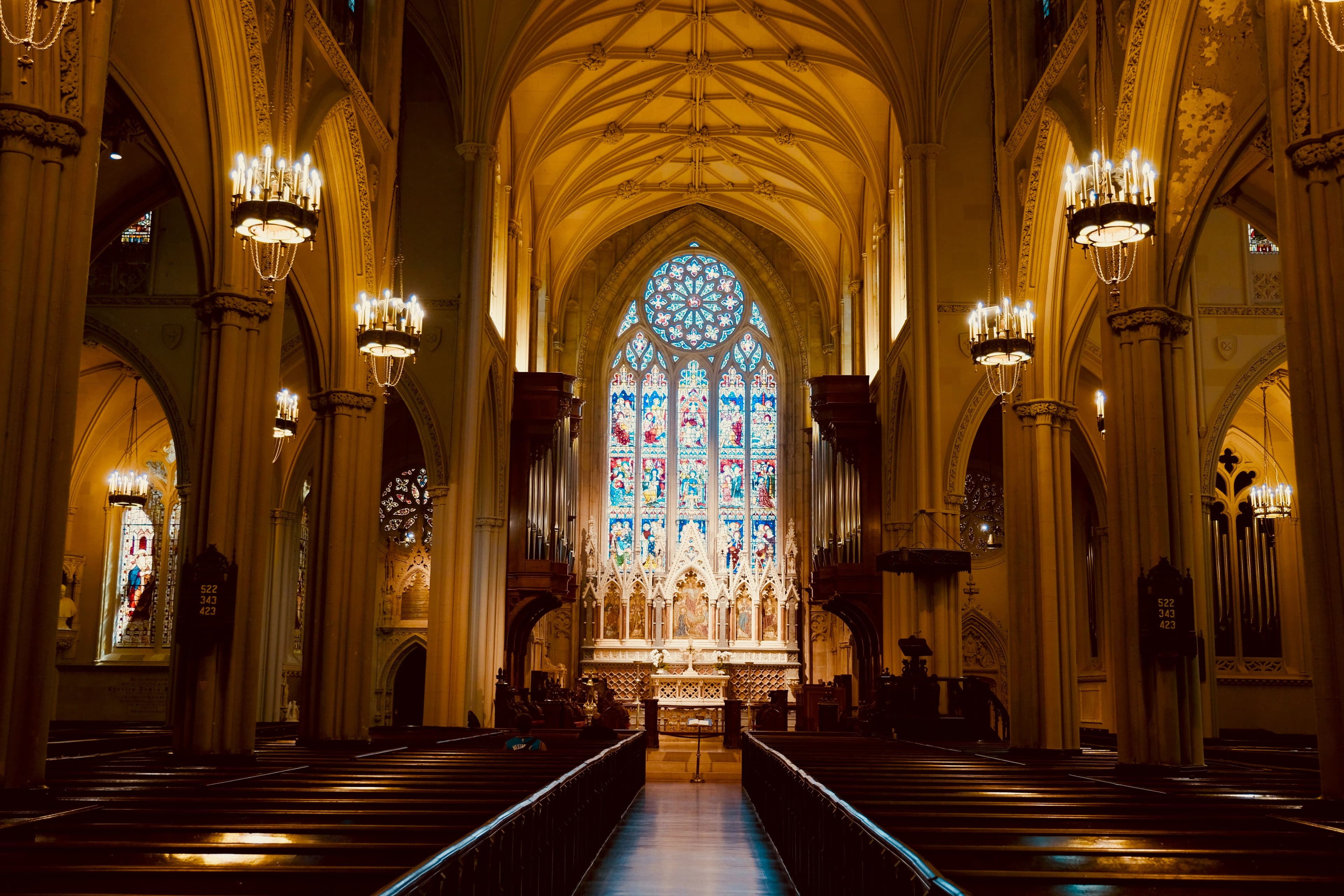
Some spaces affect us more strongly than others—especially ritual spaces, which are designed to create meaning and leave a lasting impression. This is closely tied to their architectural design, which is intentionally shaped to influence how we feel and behave. It is also connected to the fact that these spaces carry a particular significance. When a space is linked to specific actions performed in a fixed way—rituals—it becomes a ritual space. This type of space can also be understood as symbolic architecture, because it is tied to meanings and actions that extend beyond the physical.
Over time, what we consider ritual spaces has changed. In the past, church interiors were among society’s central ritual spaces. Today, the church and its rituals no longer hold the same central role they once did in many parts of Western society. Instead, new types of ritual spaces have emerged alongside the gradual decline of religious influence over the past few centuries.
Perhaps shopping malls, stadiums, and fitness centers are among today’s ritual spaces.
Rituals: Actions with Symbolic Meaning
The spaces most commonly associated with rituals are religious spaces. However, rituals are not limited to religion. We encounter rituals in many other contexts, even if we are not always aware of them.
In general, a ritual can be described as an action or a series of actions performed in connection with a specific situation. Rituals carry symbolic meaning and follow a structured form.
For example, wedding rituals unite two people through symbolic actions. But rituals also take place at events such as national sports matches or major concerts.
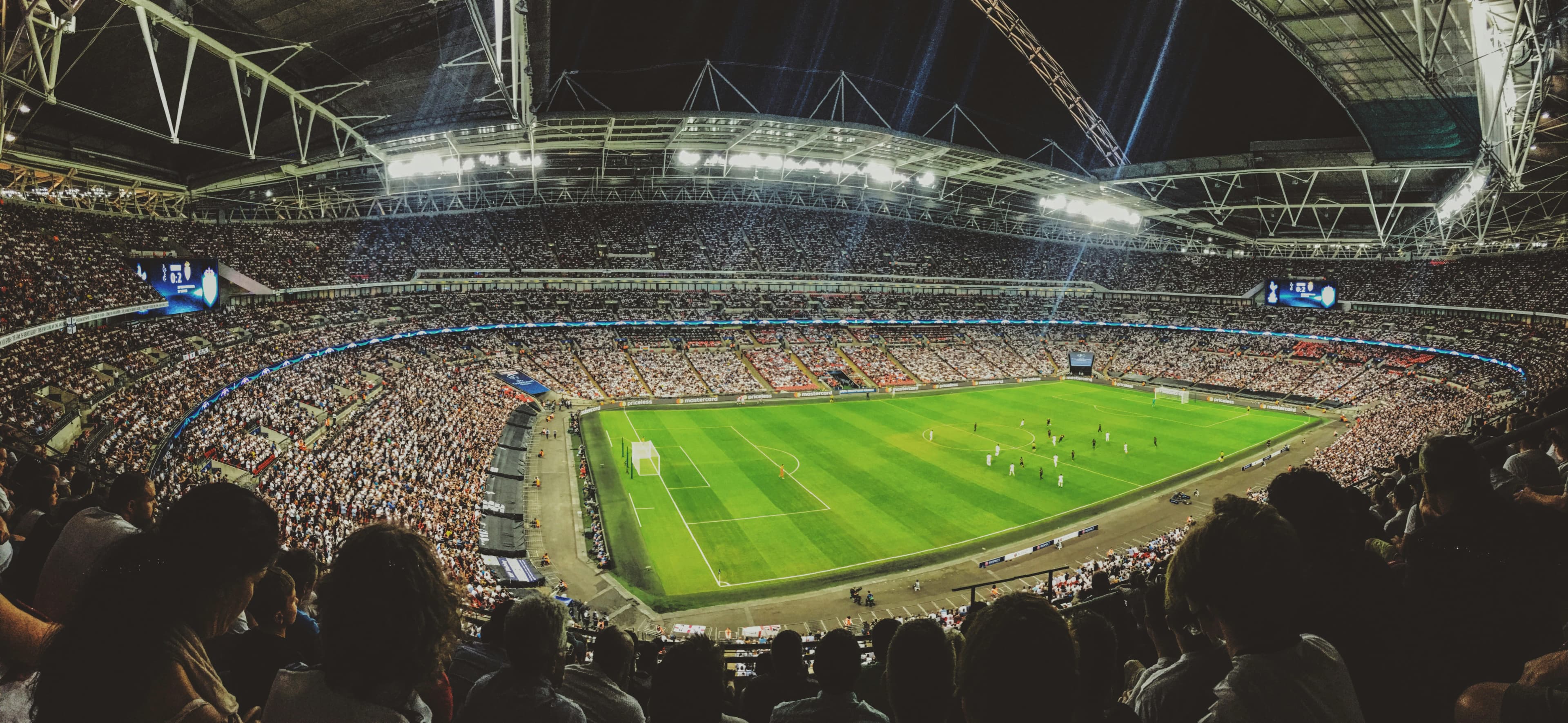
When performing a ritual, the action carries meaning beyond its physical execution. For instance, when a priest places his hands on a couple’s heads during a wedding ceremony, the gesture is not merely physical—it symbolizes the union of the couple through a blessing.
Similarly, when spectators sing their national anthem before a game, they are not simply singing—they are participating in a ritual that unites them and reinforces a shared belief in victory.
For this reason, rituals and architecture are closely connected in ritual spaces.
Each Era Has Its Ritual Spaces
A space becomes ritualized when significant events take place there repeatedly and in similar ways.
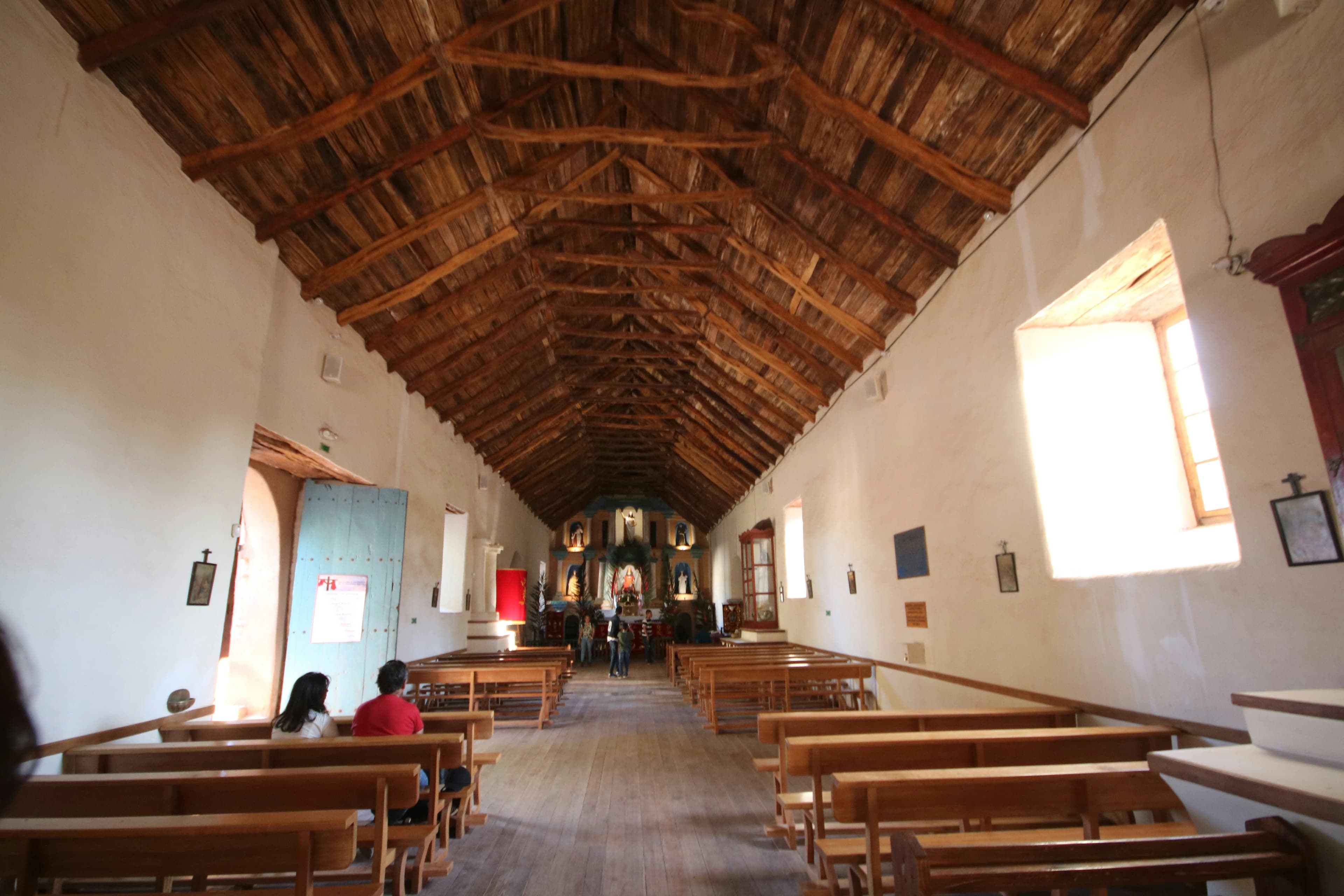
Throughout history, the types of ritual spaces have evolved. In earlier times, church interiors were central. Here, people gathered around religious rituals that offered hope and placed everyday life within a greater order.
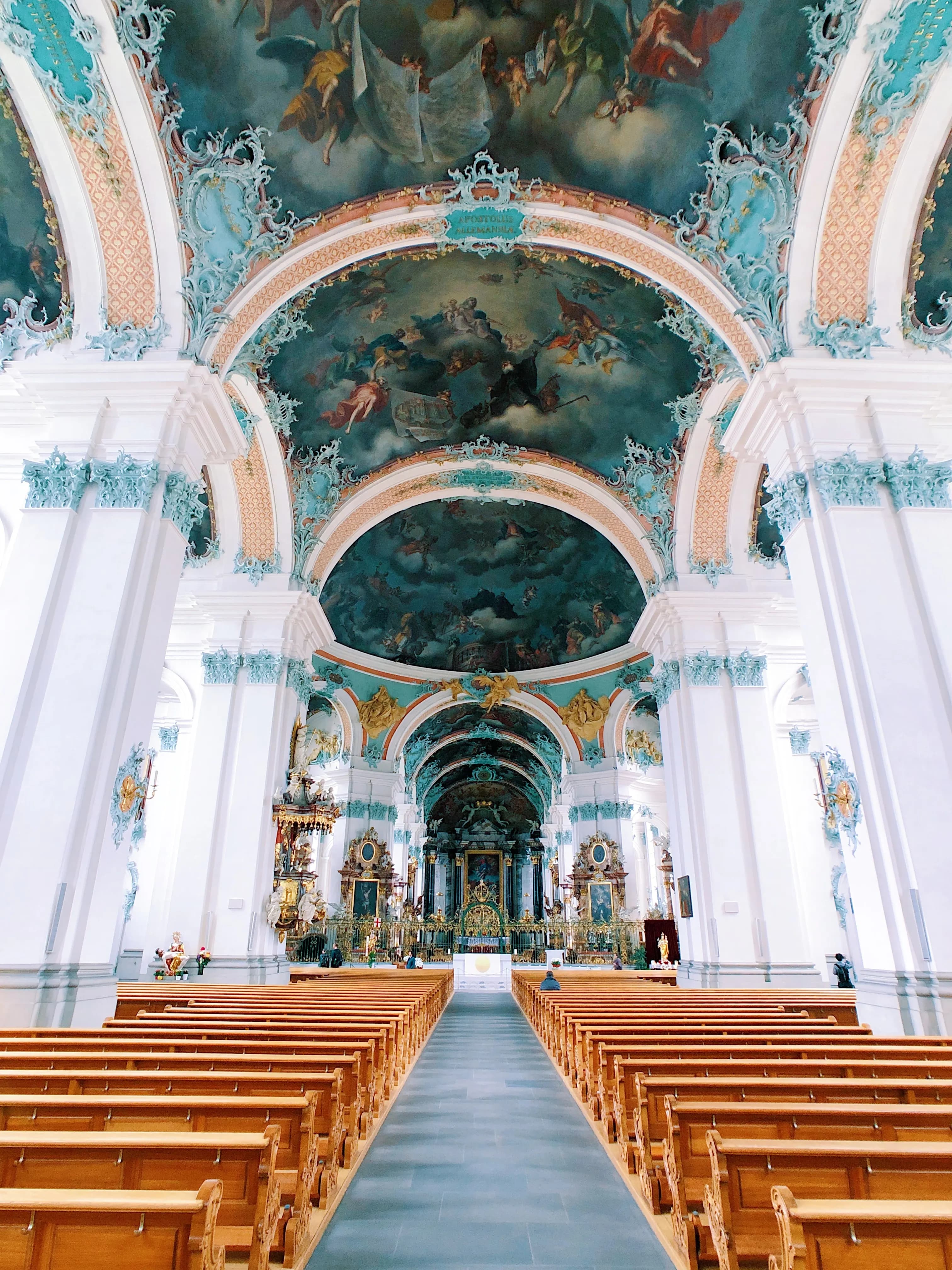
Today, religion plays a less dominant public role than it once did in many societies, but new ritual spaces have emerged in its place. In the 19th century, museums, theaters, and courthouses took on part of the church’s status as ritual spaces.
These buildings provided settings in which ideals of education, justice, and civic virtue could be cultivated. Even today, they retain a ritual atmosphere. Museums encourage silence and reflection, while courthouses inspire respect and trust in authority.
New types of ritual spaces continue to emerge, shaped by the values and practices that matter most to us. Shopping malls, stadiums, and fitness centers may well be contemporary examples.
The Form of Ritual Spaces
Ritual spaces can take many forms, but certain characteristics recur. One of the most notable is scale: they are often large spaces with high ceilings. Because most everyday spaces are relatively low and compact, entering a tall space can feel overwhelming. This is evident in churches, theaters, and sports stadiums.
These spaces create a powerful spatial experience, and their height contributes to acoustics and light. A factory hall may also have a high ceiling, but it does not produce the same effect. It is not designed for experience, but for production, and is shaped more by machines than by human presence.
Ritual spaces are also designed to guide behavior and evoke specific responses. When entering such a space, we intuitively sense that certain norms apply.
A church interior directs attention toward the pulpit. A stadium’s oval form creates a sense of unity among spectators focused on the field. A shopping mall is designed to guide movement along specific paths.
Ritual buildings tend to be valued more highly than ordinary structures, and therefore receive greater care and attention. For example, many churches built in the Middle Ages still exist today, while relatively few other buildings from that period have survived.
Spaces for Community
Why do we need ritual spaces—spaces with special meaning? Why are everyday environments not enough?
Part of the answer lies in their ability to create community. Rituals give meaning to life by emphasizing shared values. They lift us out of everyday routines and create a sense of unity through symbolic action. In this way, architecture becomes a framework that shapes social relationships.
We need spaces in which we can engage with what we collectively consider meaningful. When we perform rituals together, we reaffirm shared beliefs and practices. Entering a ritual space means entering an architectural framework that shapes how we act—and how we experience community.