Space in Architecture: Spatial Experience and Interior Space
Architecture differs from painting and sculpture in one essential way: you can enter it. It has an interior space. This applies both to interior spaces within buildings and to urban spaces defined by walls, roofs, surrounding buildings, fences, or vegetation.
By Dansk Arkitektur Center
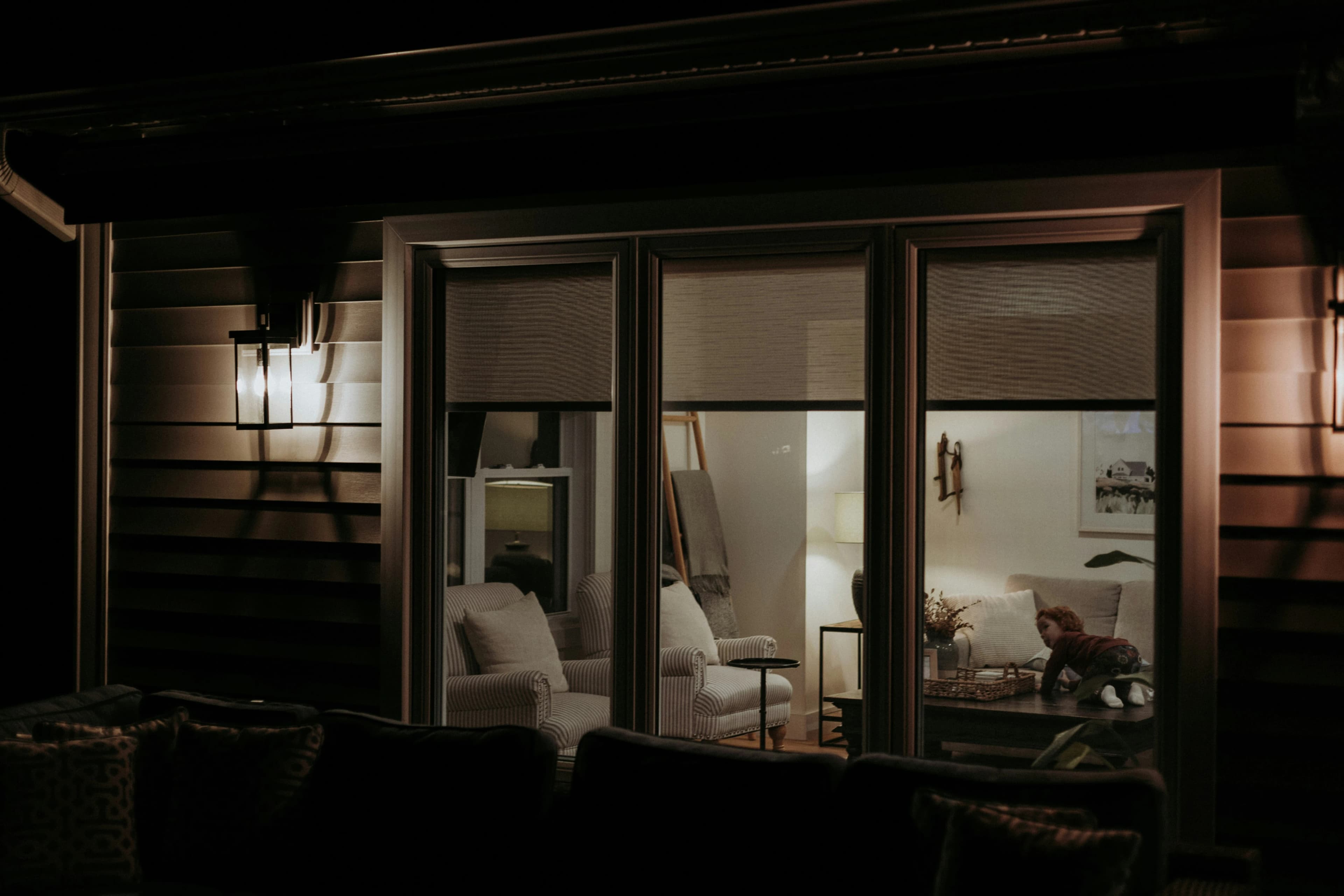
When you enter a space, your senses immediately form an impression of the place and its character. You perceive colors, light, smells, and sounds. These impressions help you understand the space’s size, shape, and boundaries, and they contribute to your overall sense of atmosphere.
Is the space open or enclosed, dark or bright, cold or warm? Are the acoustics sharp or soft? All of these factors shape your spatial experience.
The way a space is designed is never accidental. Architects shape space with intention. Through elements such as materials, scale, and light, they create specific moods and experiences in and around a space.
When analyzing space in architecture, you can ask the following questions:
- What was the starting point for the building—space or mass?
- What defines the space?
- How large is the space?
- What shapes define the space?
- What is the space used for?
- How do you experience the space, and why?
Space or Mass
In architecture, a distinction is often made between mass and space. Building mass refers to the physical structure—the solid material of the building—while space is the void enclosed by that structure.
Sometimes architects begin with the building’s mass, allowing the exterior form to determine the interior spaces. At other times, they design the spatial layout first and let the building mass take shape around it.
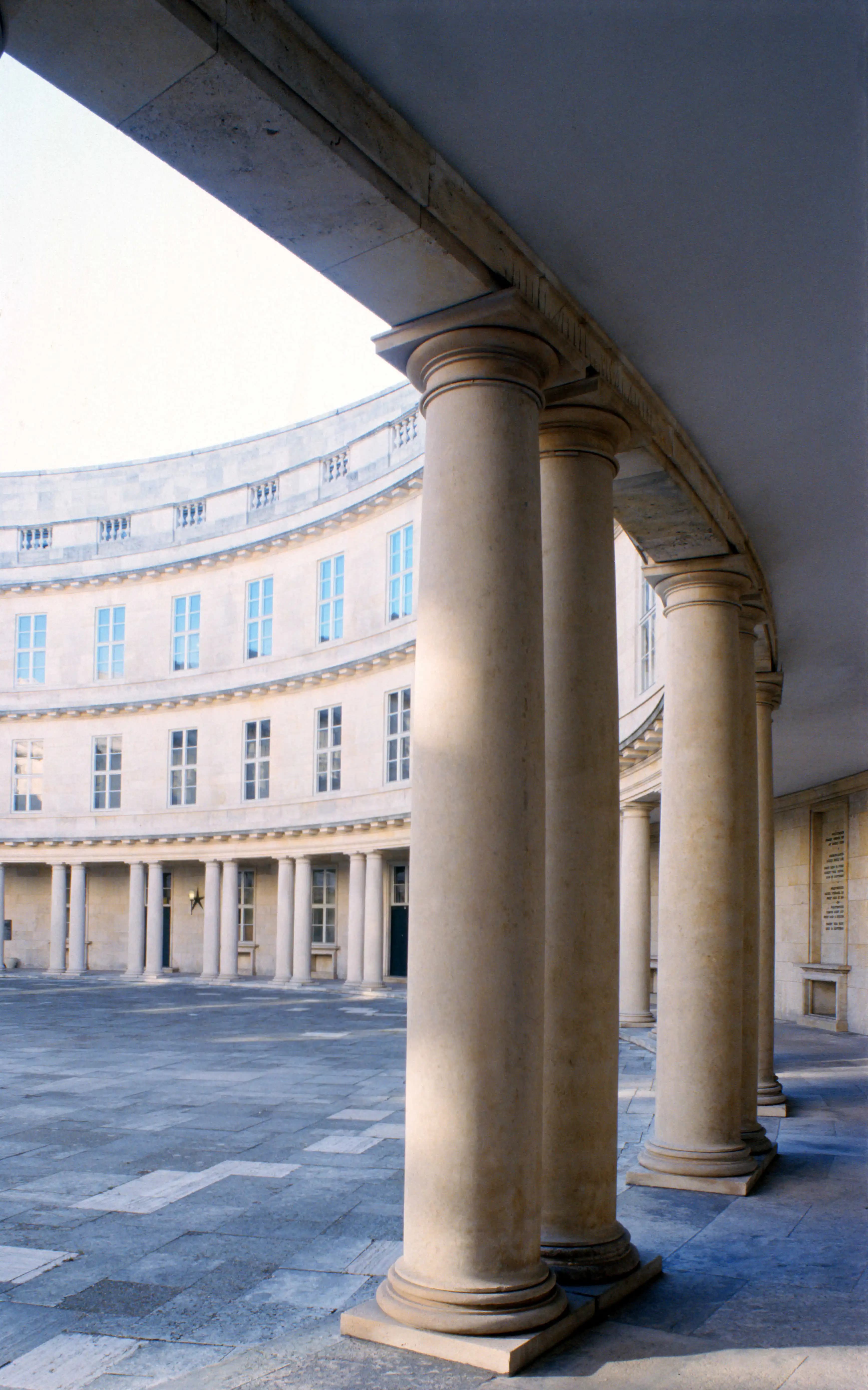
At Copenhagen Police Headquarters, for example, the design is based on the circular courtyard at the center. The building’s mass is then formed around this central space.
What Defines Space?
A space exists because it is defined or enclosed by architectural elements. These may include walls, ceilings, and columns. The materials that define a space significantly influence how it is experienced. For example, there is a clear difference between walls made of glass and those made of granite. Granite creates a sense of enclosure, while glass opens the space to its surroundings. Light also plays a crucial role in shaping spatial perception.
Spaces can be structured using different geometric forms, such as squares, circles, domes, or triangles. The larger a space becomes, the less immediately noticeable its underlying geometry may be. Nevertheless, the basic form still strongly influences how the space is perceived. A circular plan, for instance, creates a clear center, while an elongated space directs movement toward an end wall.
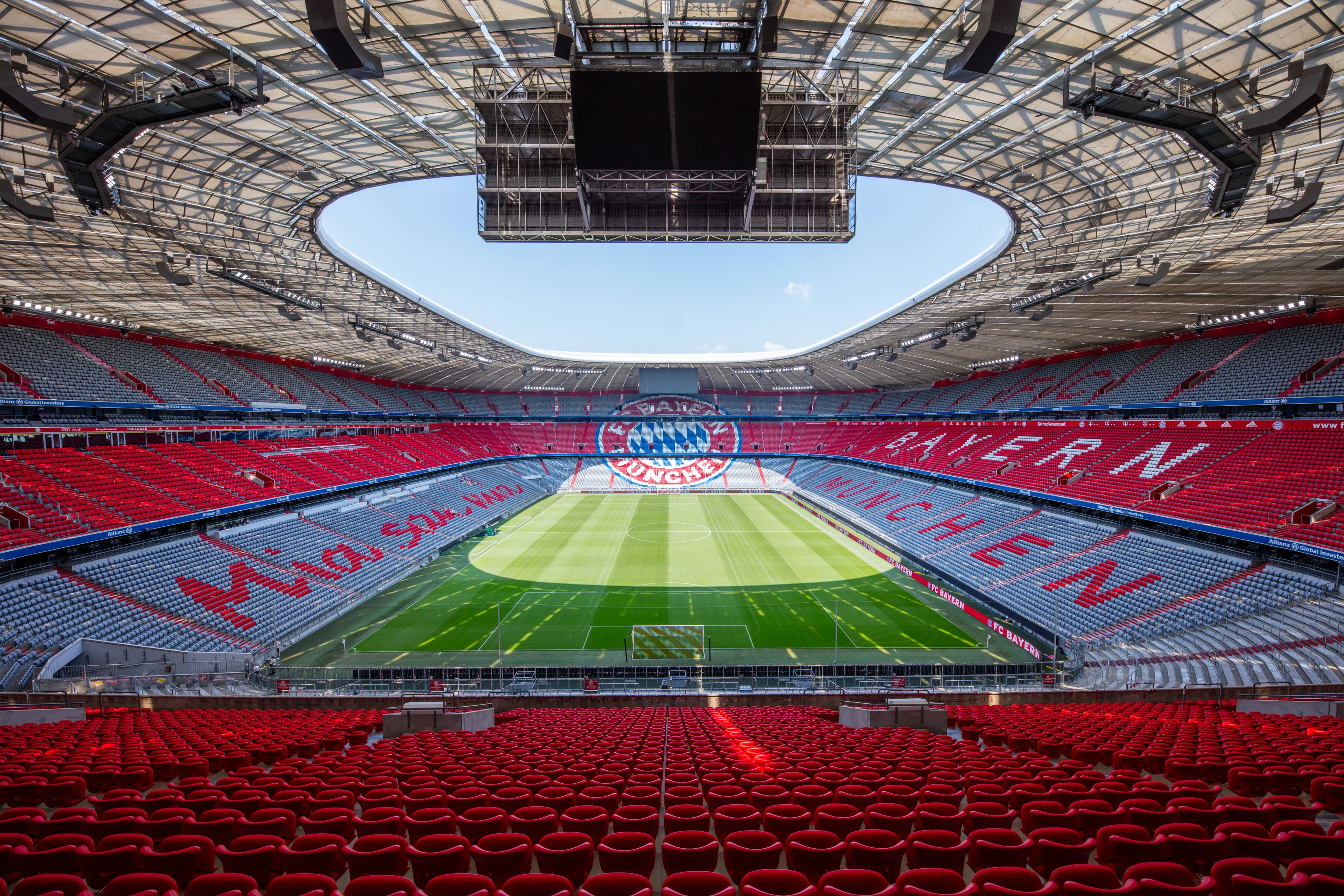
The size of a space also affects how it is experienced. Large spaces often feel impressive, but they can also feel overwhelming or even intimidating.
Form and Function
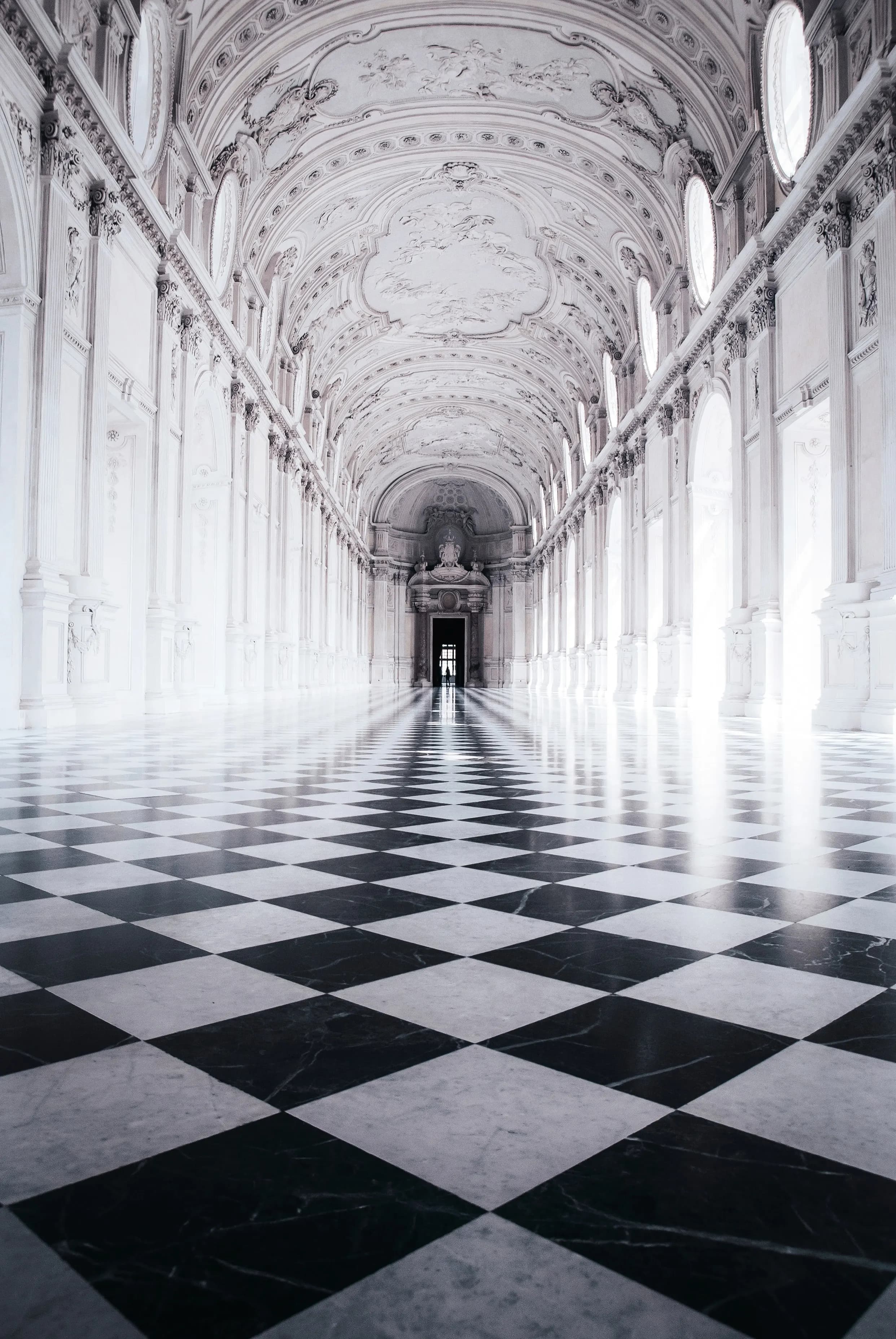
The form of a space is often closely related to its function. Most churches, for example, are designed as elongated spaces to accommodate processions leading toward the altar. Smaller spaces are better suited for intimate gatherings, while large halls are used for ceremonies and celebrations.
The shape of a space can also influence behavior. An elongated room naturally guides movement toward one end. A large space with a high ceiling—such as a church interior—often encourages quieter behavior, as sound carries more easily.
Experiencing Space
The way a space is designed has a significant impact on how it is experienced. Spatial experience can vary widely. A space may feel welcoming, intimidating, impressive, oppressive, exciting, or overwhelming.
Many elements influence how we experience space, including scale, lighting conditions, decoration, and form.