The Meaning-Based Method: How to Analyze Symbolism in Architecture
The meaning-based method is used to analyze architecture through symbolism, narrative, decoration, light, and color. It reads buildings as meaningful expressions and explores how architecture communicates stories, ideas, and worldviews.
By Dansk Arkitektur Center
Symbols are central to the meaning-based method, which is used to analyze symbolism in architecture. This method focuses on those elements in architecture that can most clearly be connected to a story. Decoration, light, and color are therefore studied with particular interest.
The meaning-based method is a content-based analysis. Architecture is read as something that carries meaning, and as an image or symbol of different ways of understanding reality. Architecture is regarded as a statement, a narrative, and a symbolic expression. The focus is placed on those elements in architecture that can especially be attributed to a story. In order to analyze architecture’s narratives, it is important to know how different symbols were meant to be understood when the building was created.
This method often requires literary or mythological knowledge, as well as familiarity with the environment or historical period in which the architecture was built. In a meaning-based analysis, one might ask questions such as: What overall story does the architecture convey? What is the underlying meaning of the building’s forms? How does the architecture express itself?
A Symbolic Program
Does the architecture follow a symbolic program that lies behind the choice of formal elements?
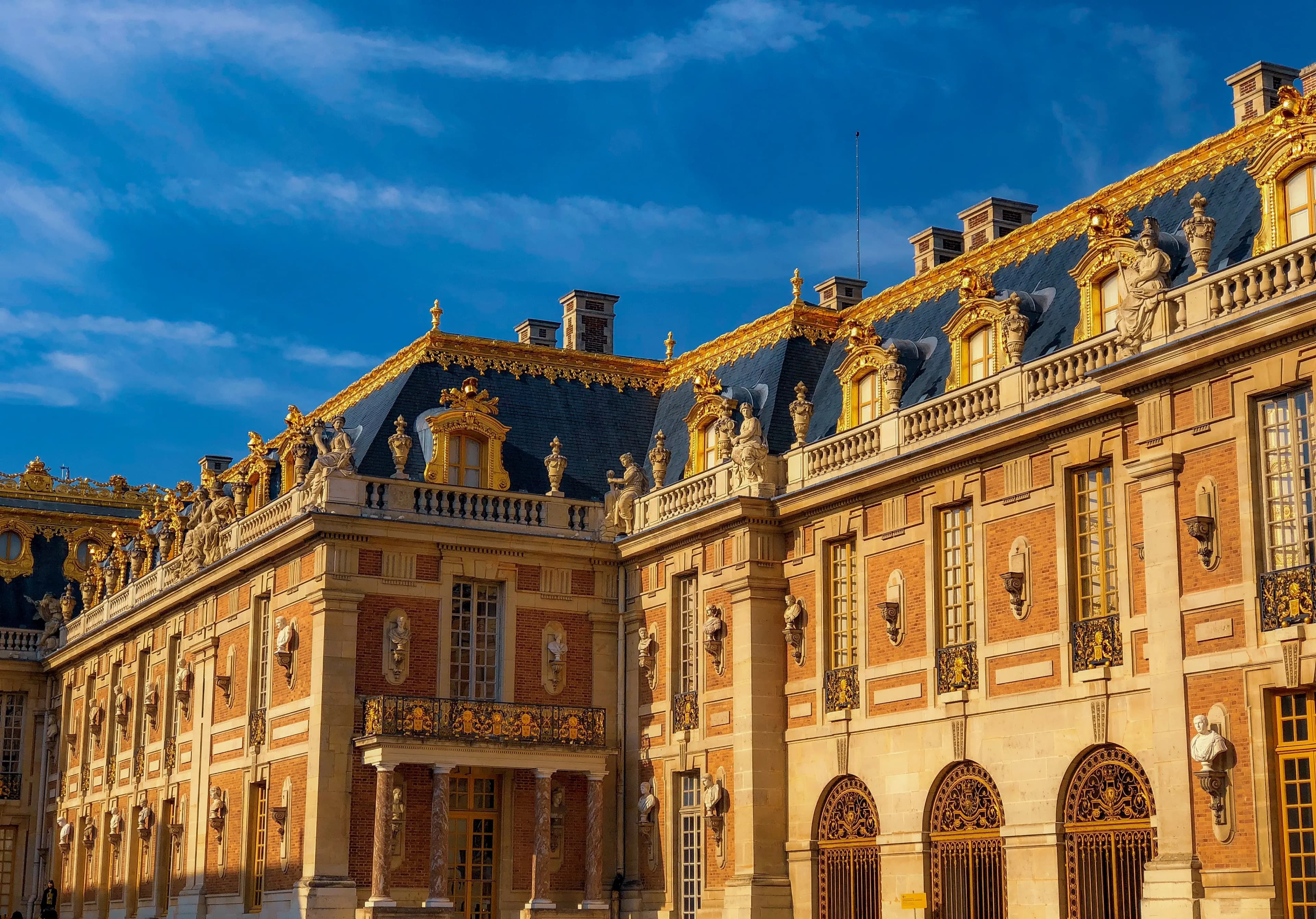
The Palace of Versailles in France is an example of architecture dominated by an underlying narrative. Versailles is a clear example of architectural storytelling and symbolism. Here, sculptures and paintings throughout the palace present the greatness and achievements of King Louis XIV, portraying him in the form of the Greek sun god Apollo. The narrative of Louis XIV (1638–1715) as the Sun King is expressed in both the gardens and the city of Versailles.
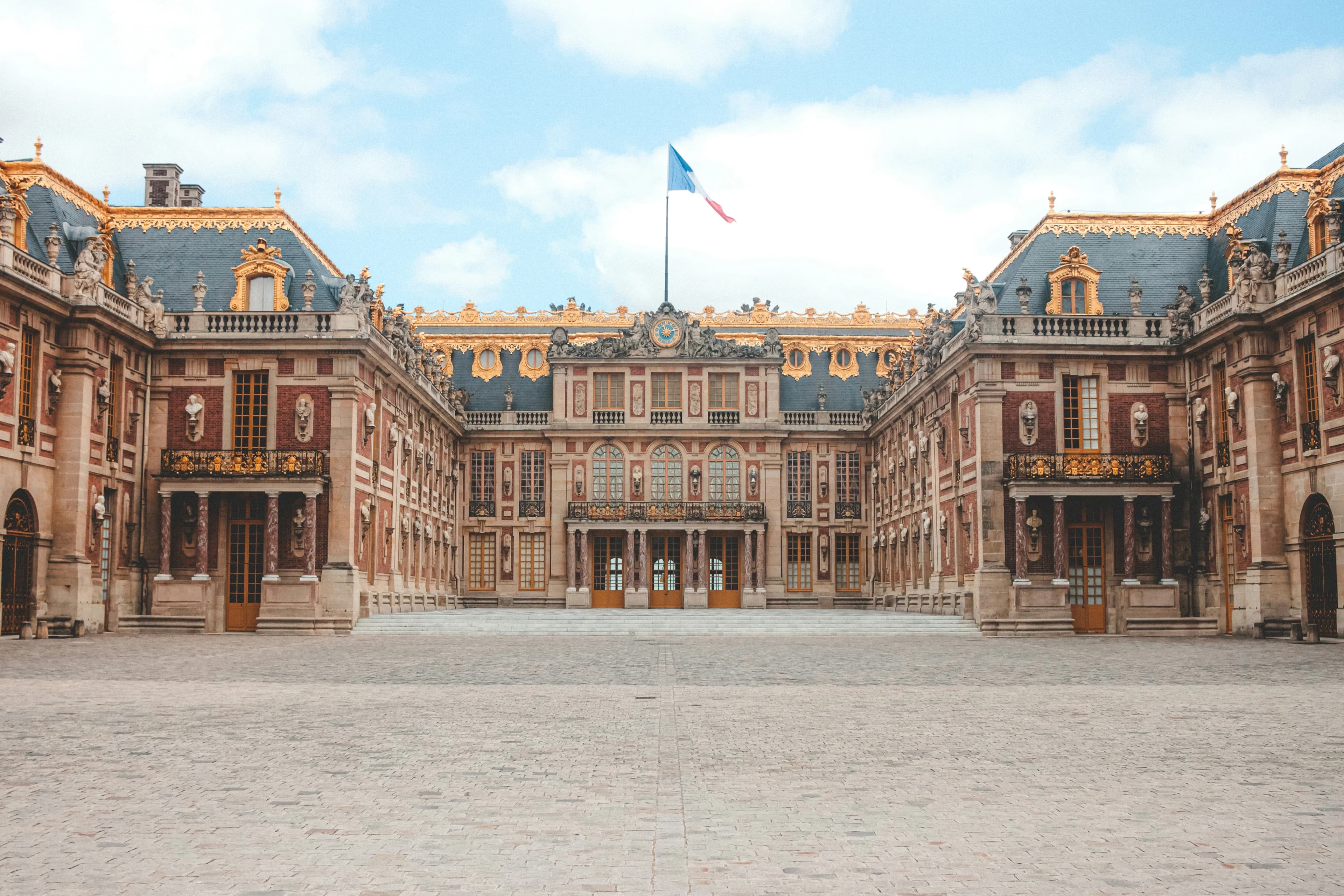
Long axes extend from the palace in a fan-like formation into the landscape and the city, resembling the rays of the sun. The interior layout also shows that the palace was meant to be experienced as the realm of the Sun King. For example, a 75-meter-long gallery was built in the palace, where one wall is covered with mirrors so that sunlight and the glow from large chandeliers and candleholders could be reflected.
Narrative Form
Has the architect chosen a narrative form?
At times, entire buildings can take the shape of a story, such as Frank Gehry’s fish restaurant in Kobe, Japan (1986–89), where the fish form reveals the building’s function.
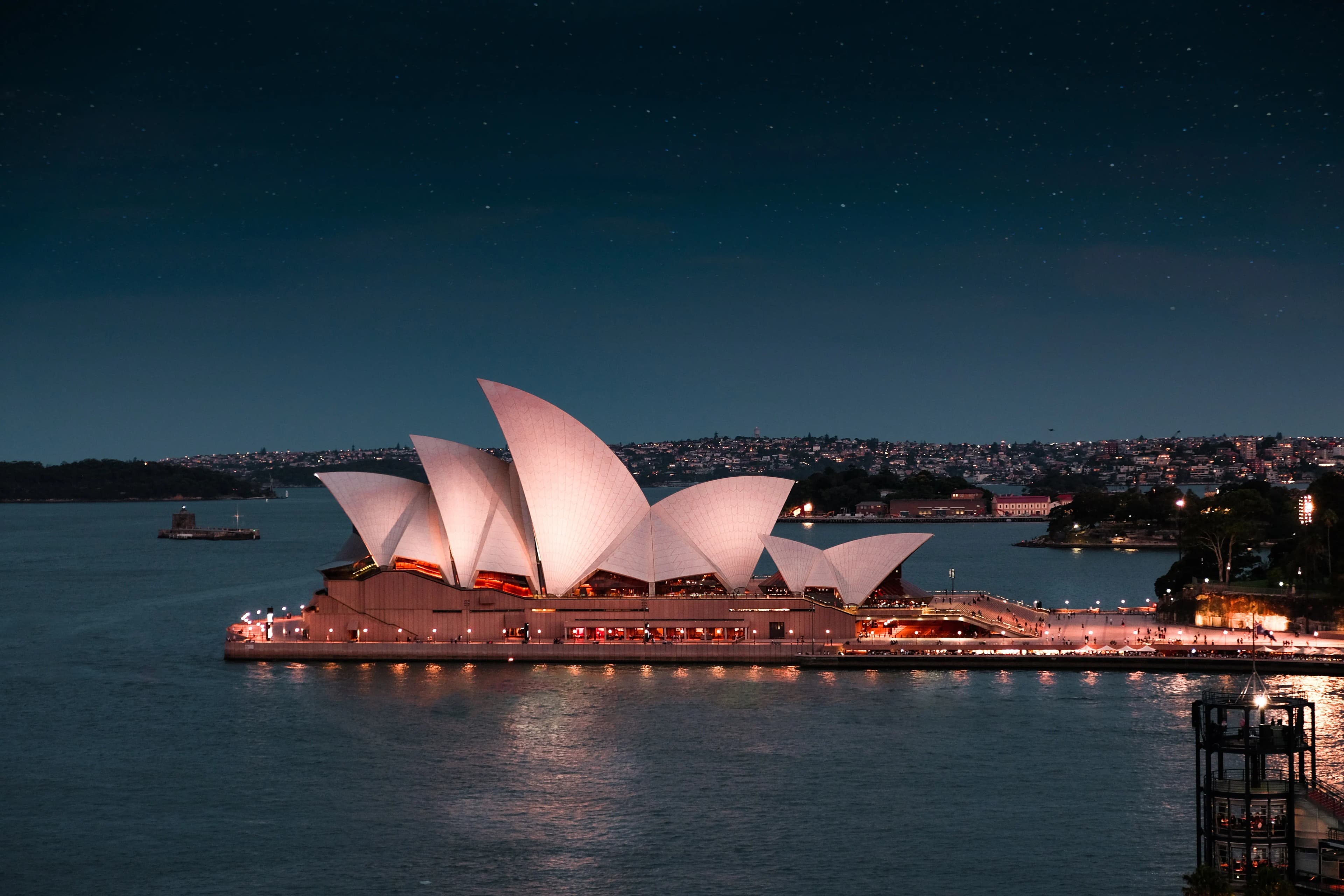
The Sydney Opera House suggests wind-filled sails. It is one of the world’s most famous buildings and has become a symbol of Australia.
Floor Plan
Does the choice of floor plan tell a story?
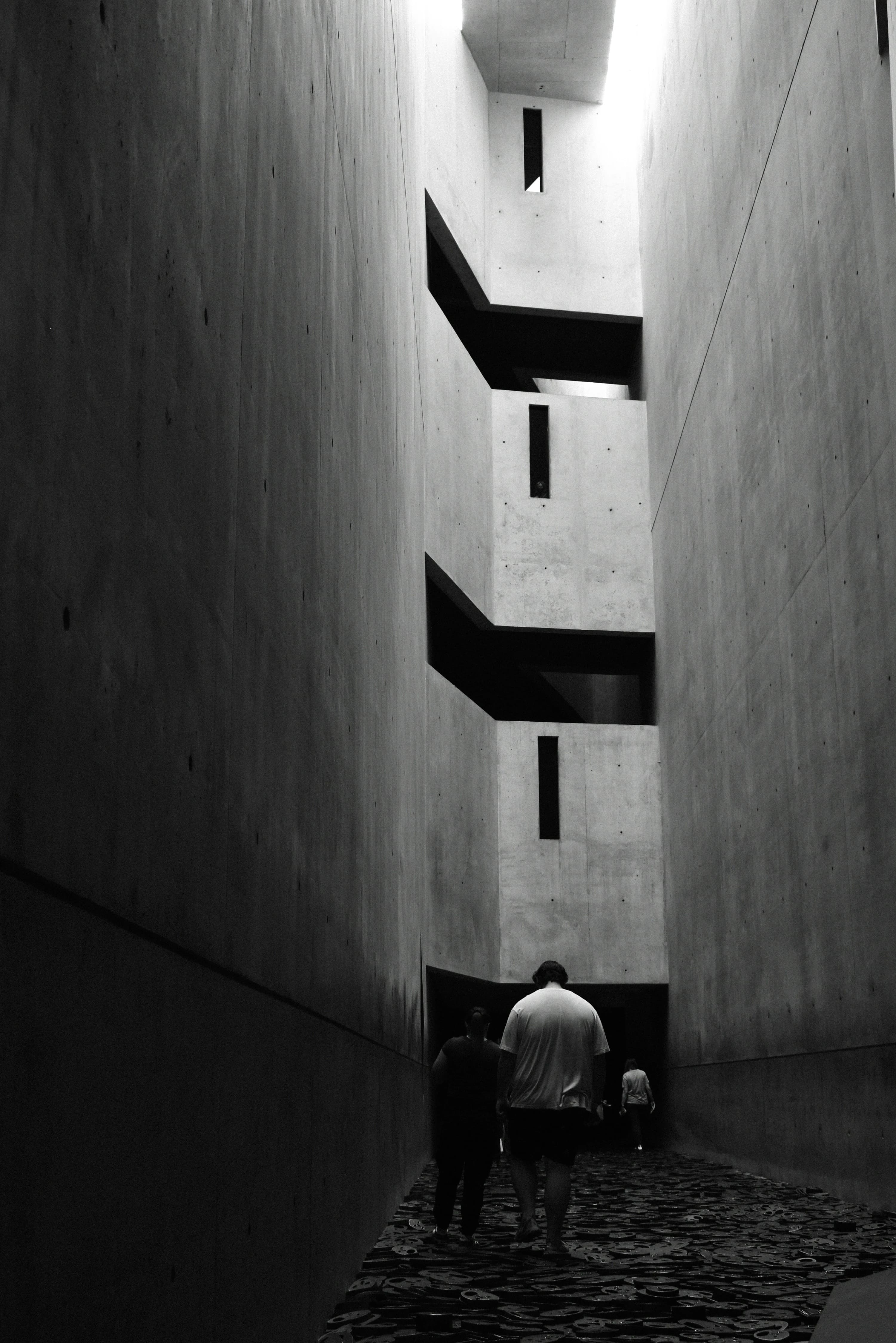
The floor plan is a central element in a building’s symbolism. The floor plan of the Jewish Museum in Berlin symbolizes a broken Star of David, and not only the exhibitions inside the building but also the architecture itself is meant to tell the story of the Jews. A void runs through the entire building, for example. It is a void that can only be looked into through narrow openings, and where the names of many who died in concentration camps are inscribed.
The first floor plan for St. Peter’s Basilica was drawn in 1506 by the famous Renaissance architect Donato Bramante (1444–1514). It is characterized by being a perfected geometric form composed of circles and squares. In the Renaissance, it was the architect’s task to create a perfected building that could be compared to God’s creation. The use of circular forms symbolized the heavenly, while the squares symbolized the earthly, forming a unity within the church. The floor plan was meant to illustrate the universal significance of the Church.
Spatial Sequence
Does the way the rooms are connected tell us something about the effect the architecture is meant to have?
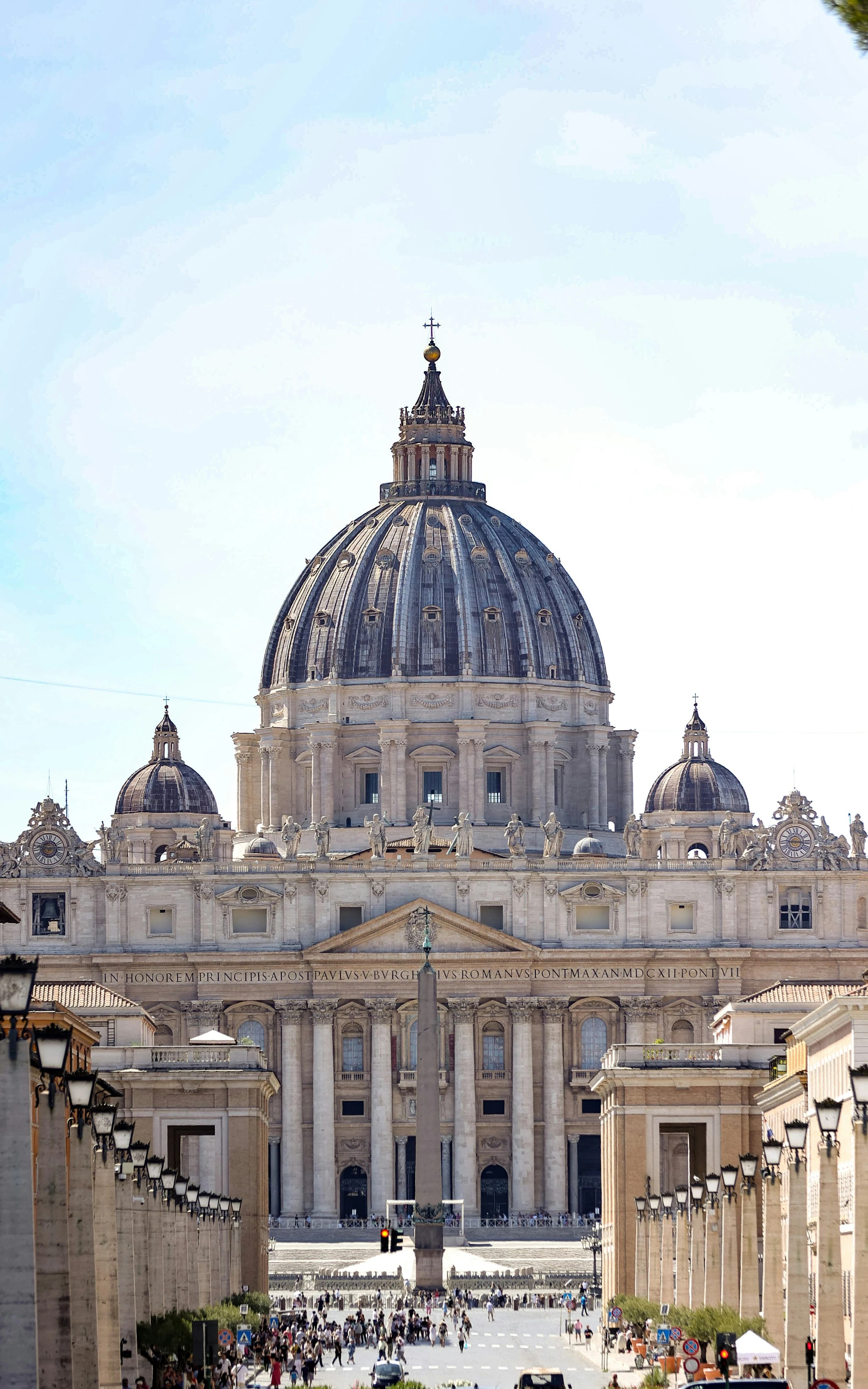
In 1939, Hitler’s architect Albert Speer (1905–1981) designed a new Reich Chancellery. Here, a series of monumental rooms was arranged along a longitudinal axis that was meant to signal the size and grandeur of the German Reich. One had to pass through a 146-meter-long marble gallery before reaching Hitler’s office.
Proportions
How is the building proportioned in relation to the human scale?
Is the building monumental or intimate in its architectural expression?
What effect do the proportions create—solemn, powerful, harmonious?
During the period known as the Renaissance, architects strove for perfect order in architecture. Buildings were meant to follow the same proportions as God’s creation. The human body was believed to contain a divine system of proportion. The harmony among the individual parts of the human body therefore became an ideal that architects attempted to imitate in buildings. The golden ratio was considered to possess a particular beauty.
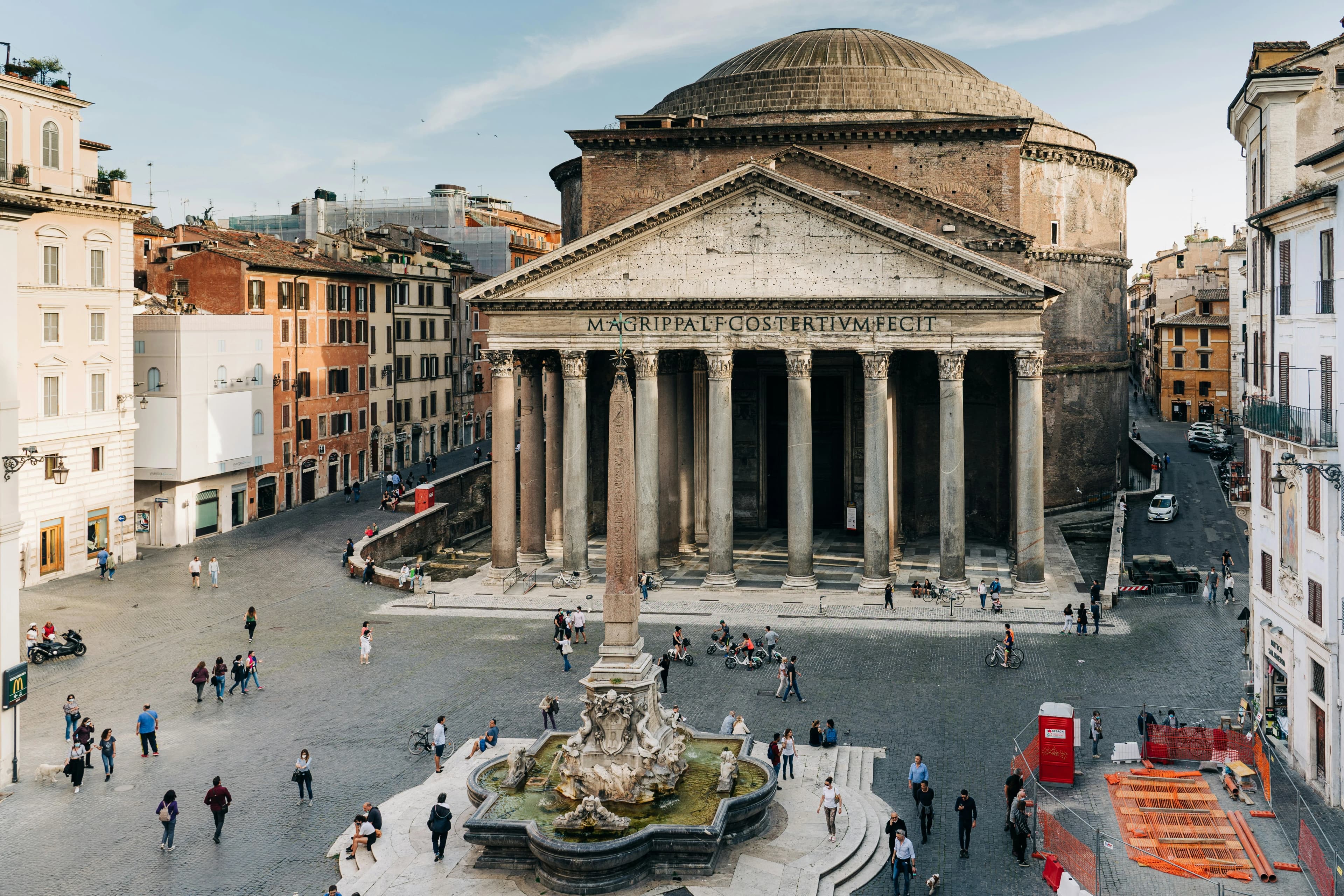
A line is divided according to the golden ratio when it is split into two unequal parts in such a way that the smaller part relates to the larger part as the larger part relates to the whole line. This can be expressed in the sequence 3–5–8–13, and so on, in which each number is the sum of the two previous numbers. Three and five make eight; five and eight make thirteen. The Pantheon in Rome was built according to the ideal form of the sphere. The Pantheon’s hemispherical dome can be inscribed within a sphere that exactly touches the floor plane. The interior diameter of the building is equal to the total height of the room.
Decoration and Ornamentation
In a meaning-based analysis, a building’s decoration and ornamentation are highly significant for understanding its overall statement and expression.
How is the building decorated—for example, with columns, pediments, arches, or sculptures?
What does the ornamentation tell us?
Is the ornamentation inspired by other buildings?
Can one recognize motifs from mythology, literature, history, or similar sources?
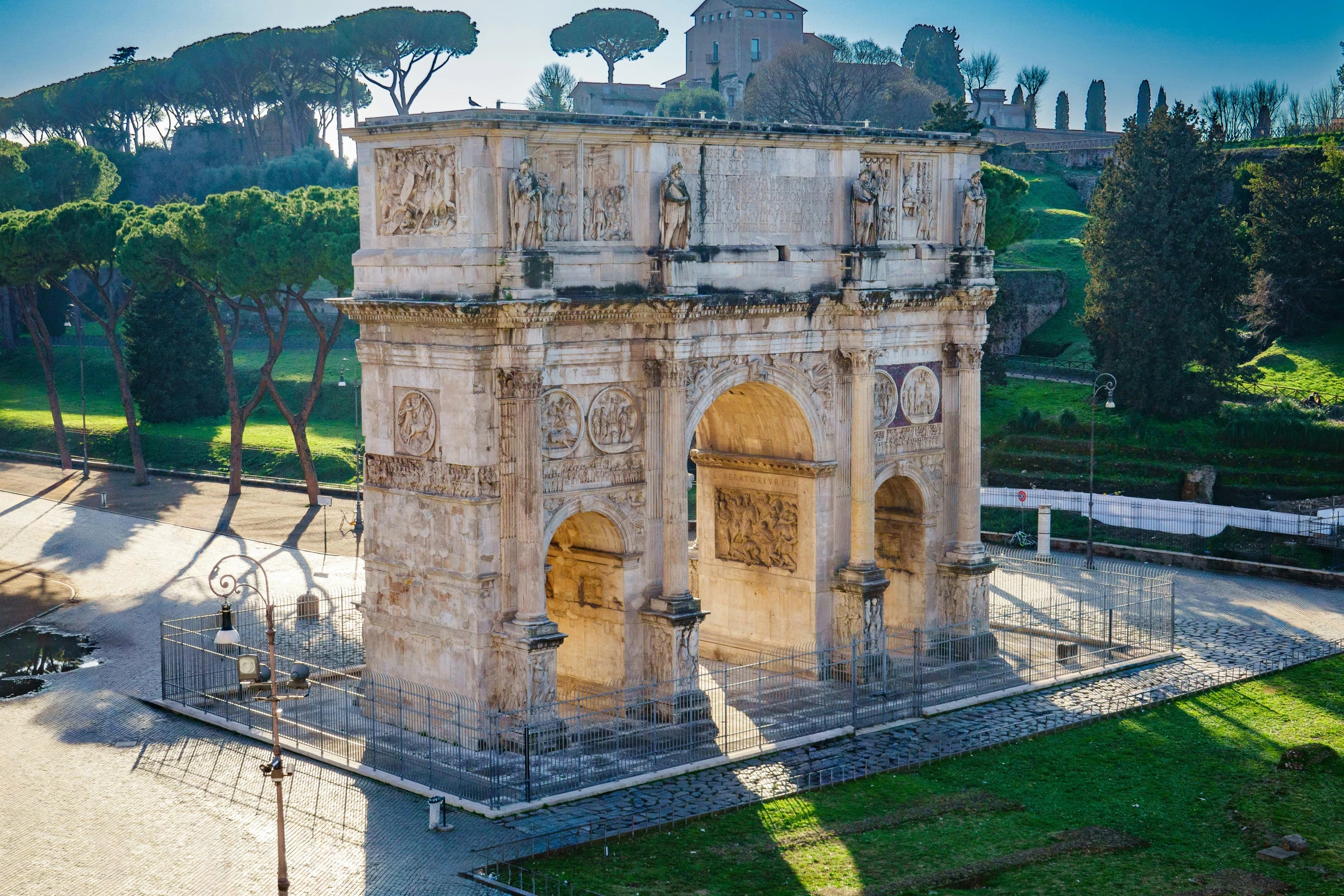
Triumphal arches in antiquity were built to celebrate victories on the battlefield. A famous example is the Arch of Constantine in Rome, which was erected to commemorate Emperor Constantine’s triumphs. During the Renaissance, architects drew inspiration from the language of classical antiquity and brought back elements such as columns, triangular pediments, and triumphal arches.
By using the motif of the arch, one could give a building an expression of triumph and victory, as in this church by the famous Renaissance architect Leon Battista Alberti (1404–1472). Here, it is the triumph of the Christian Church that is celebrated.
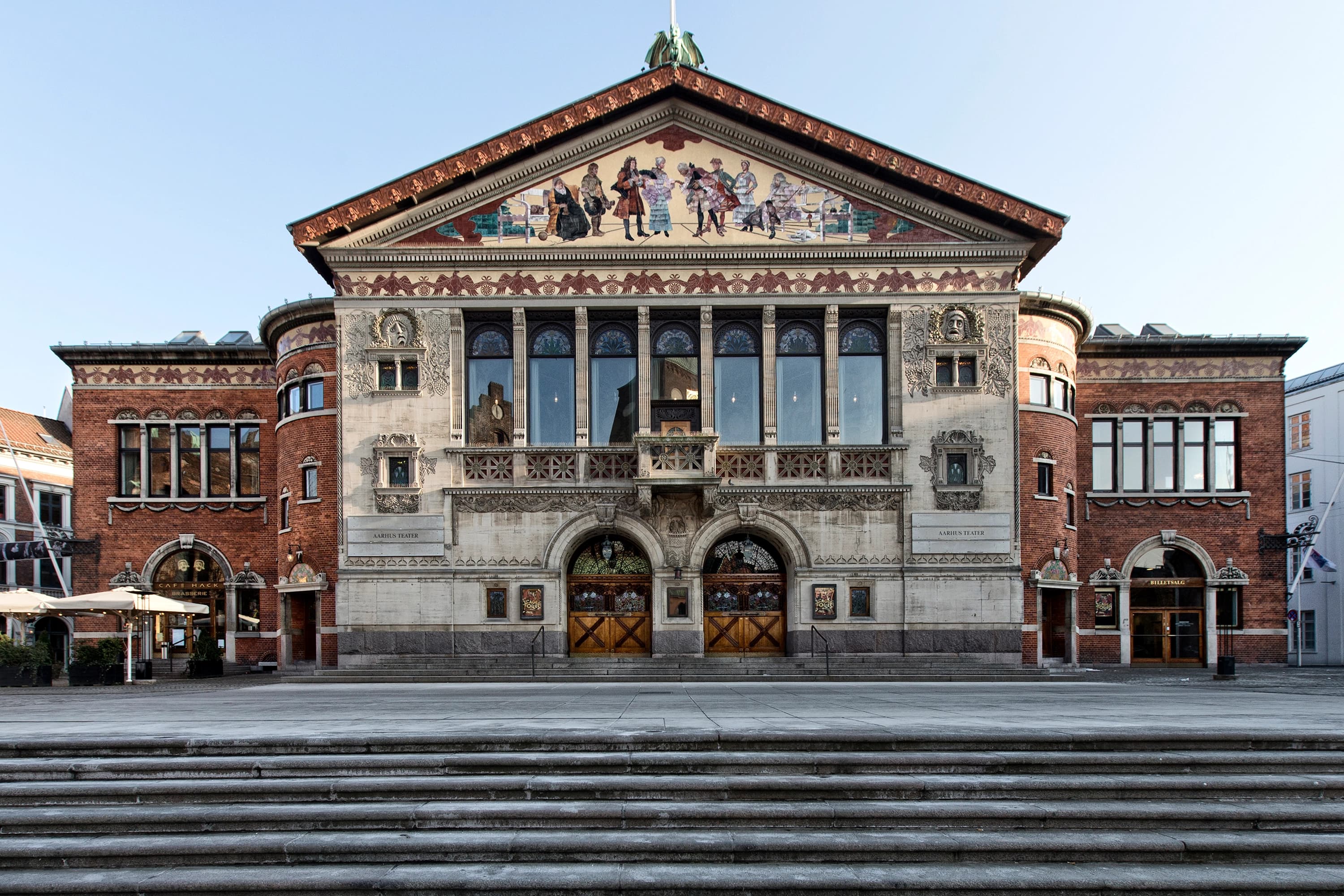
The classical triangular pediment from the Greek temples also became part of the classical architectural language that shaped architecture for centuries. Whereas the classical pediments once showed the Greek gods, they now presented the icons of later times. At Aarhus Theatre, for example, the scene shown is taken from the comedies of Ludvig Holberg. It was designed by the painter Hans Tegner and executed in ceramic mosaic laid into the plastered surface.
During the Renaissance, columns also came to carry different symbolic meanings and became associated with different types of buildings. The Tuscan column, for example, expressed strength and was therefore suitable for fortresses and prisons. The Doric order was to be used for churches dedicated to male saints, and the Ionic for churches dedicated to female saints. The Corinthian and Composite orders were considered the finest and could therefore be used to emphasize the most distinguished floor of a building.
The Romans borrowed many features from Greek architecture. In Greek architecture, columns carried the roof. The Romans placed columns against a wall. They used engaged columns as decoration and allowed the wall to take over the load-bearing function.
This can be seen, for example, in one of the most famous buildings of the Roman Empire—the Colosseum in Rome. On the Colosseum, different column orders are used on the different levels. The columns have different ornamentation. On the ground floor, one sees a Doric engaged column. Here the column is simple and pure, with almost no decoration on the upper part, known as the capital. Next comes an Ionic engaged column, decorated at the top with volutes.
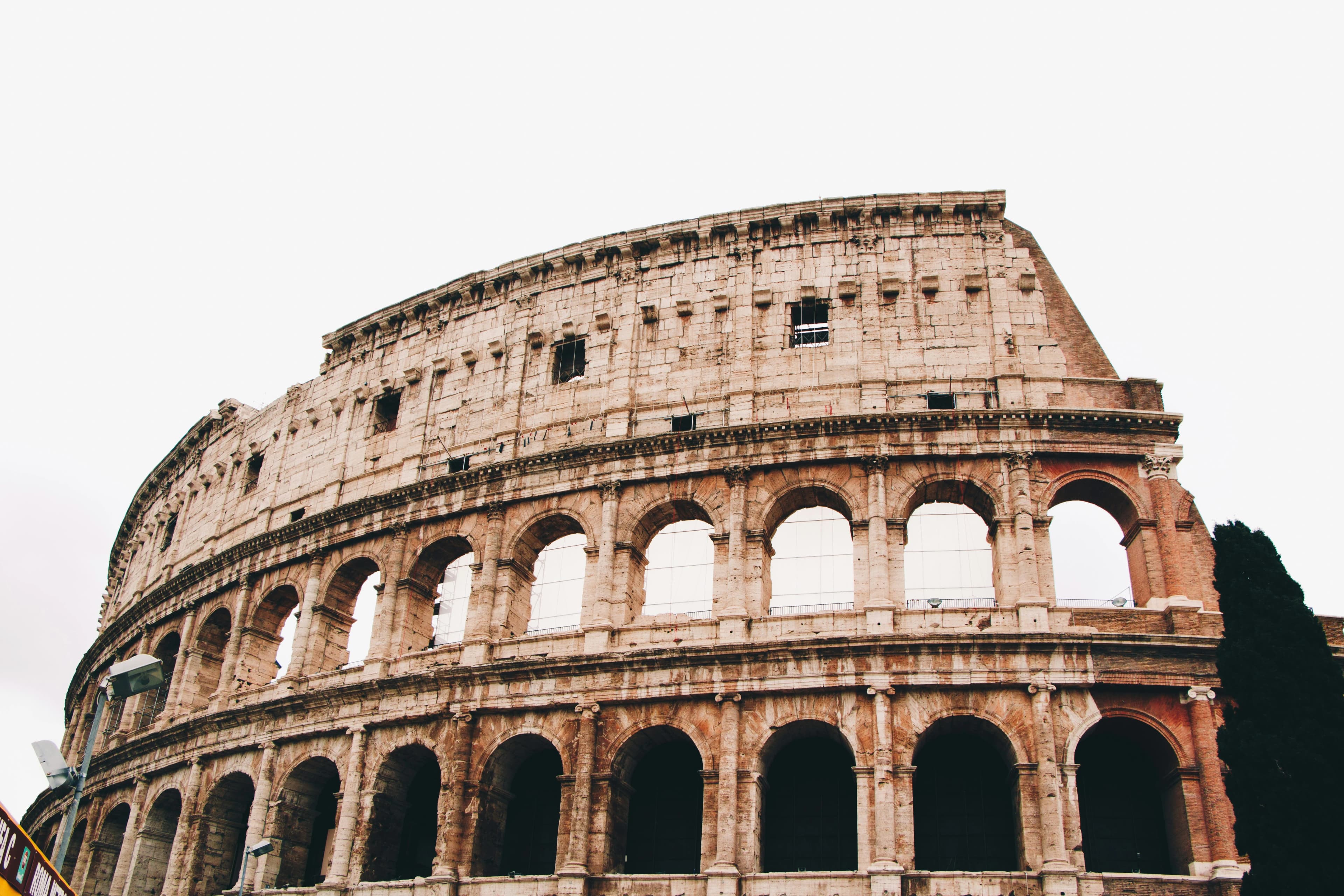
On the third level stands the Corinthian order, decorated with acanthus leaves. Stacking three different column orders on top of one another came to be known after the Colosseum as the theater motif. This motif was often used on princely residences in the Renaissance.
Construction
Can the building’s structure be seen? Does the structure carry symbolic meaning?
The Gothic cathedrals of the thirteenth century are known for their very tall constructions. All the lines in Gothic architecture were meant to strive toward the heavens and emphasize the divine. The forms stretch upward, helping to present the church as a divine space. This upward movement is emphasized by the church spires of St. Elisabeth’s Church in Marburg. In the Gothic church interior, the construction was highlighted, and the lines of the structure lead the viewer toward the altar.
The lines of the church converge there in perspective. At the same time, one’s gaze is led upward—drawn up by the slender columns and pointed arches. The eye is directed up toward the church vaults. The dome is a symbol of the heavens. Entering a church is meant to produce a sense of the heavenly.
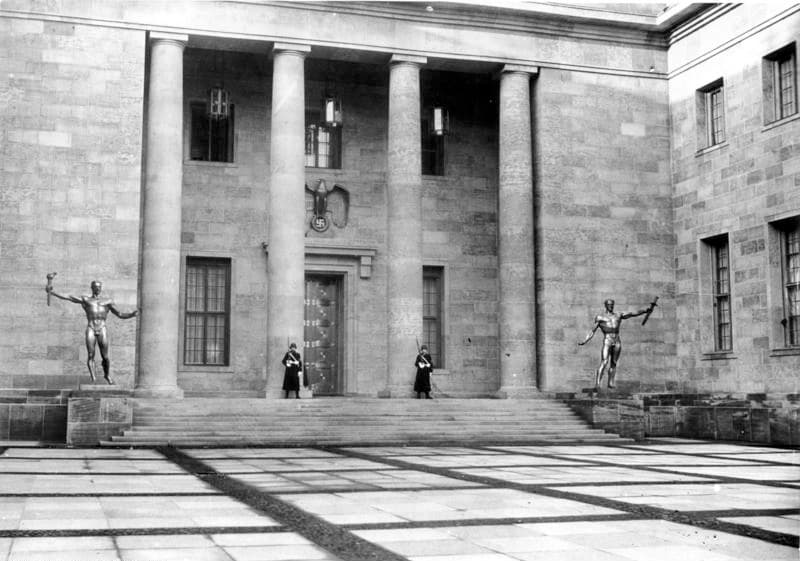
For example, the dome of St. Peter’s Basilica in Rome by Michelangelo and della Porta can be seen across the entire city.
Light
What atmosphere does the light create in the room?
Light is an important part of the Gothic cathedrals. It was meant to be filtered through colored stained-glass windows illustrating biblical narratives. Light became a symbol of heavenly light.
At first glance, the church interior appears dark and dim. But the church wall is pierced by many openings of varying sizes. On the facade, they appear only as small holes. Inside the church, however, they open into white shafts of light that create a rich reflected light in the dim space. Some of the windows contain glass with colored ornaments or inscriptions. The light creates a meditative calm within the room.
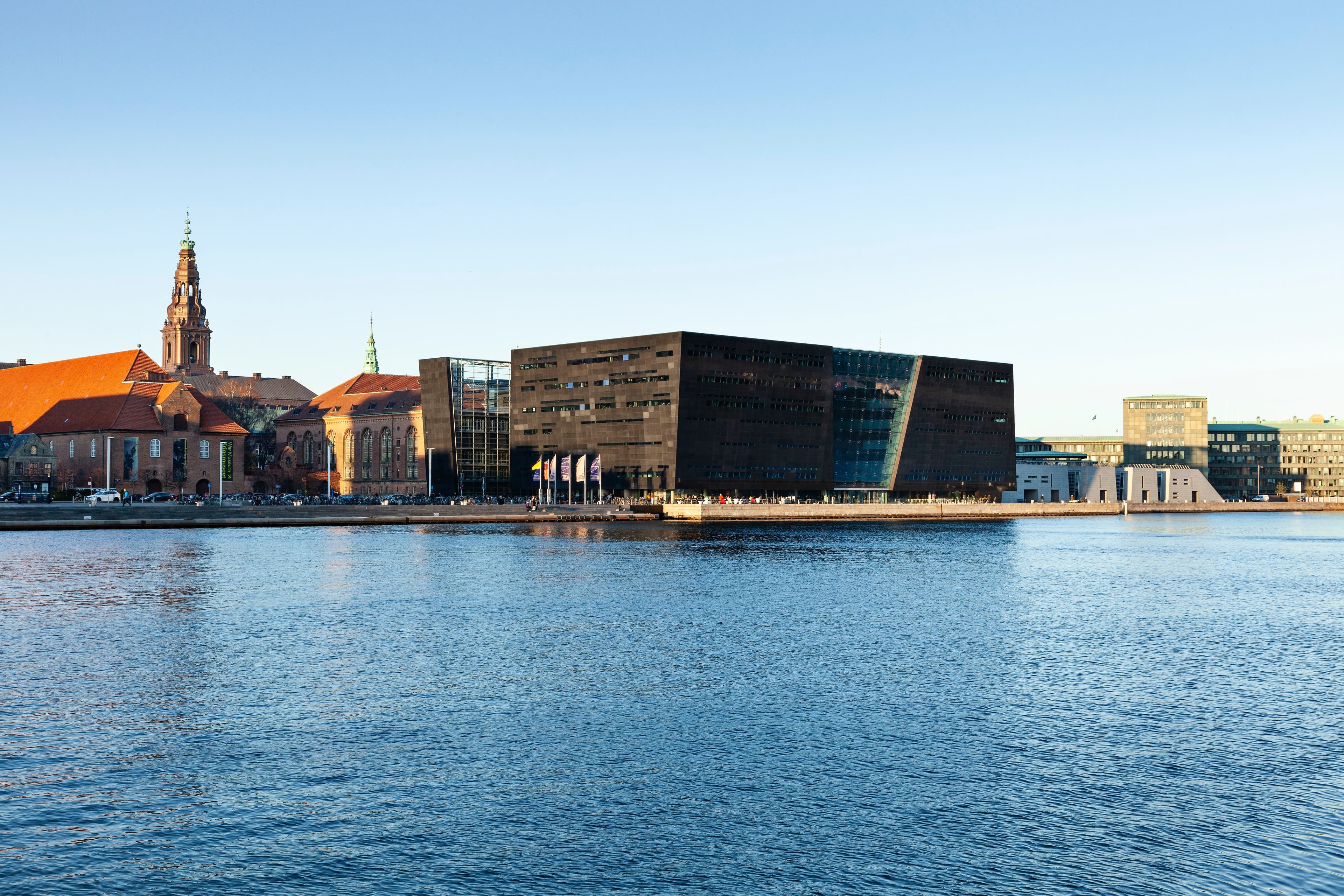
The Royal Danish Library in Copenhagen is nicknamed the Black Diamond. This name points to an essential feature of the building’s expression. Its black glass facade sparkles like a diamond in the light. The light gives the dark surface a vibrating life as the water, the sky, and the surrounding buildings are reflected in it. The sparkling light becomes a symbol of the knowledge contained within the library—a shimmering black treasure chamber.