Vitruvius’ Three Principles of Architecture: Durability, Utility, and Beauty
The fundamental concepts of architectural theory have evolved over time, but many of the criteria we use to evaluate architecture today are still rooted in the ideas and principles of early architectural theorists.
By Dansk Arkitektur Center
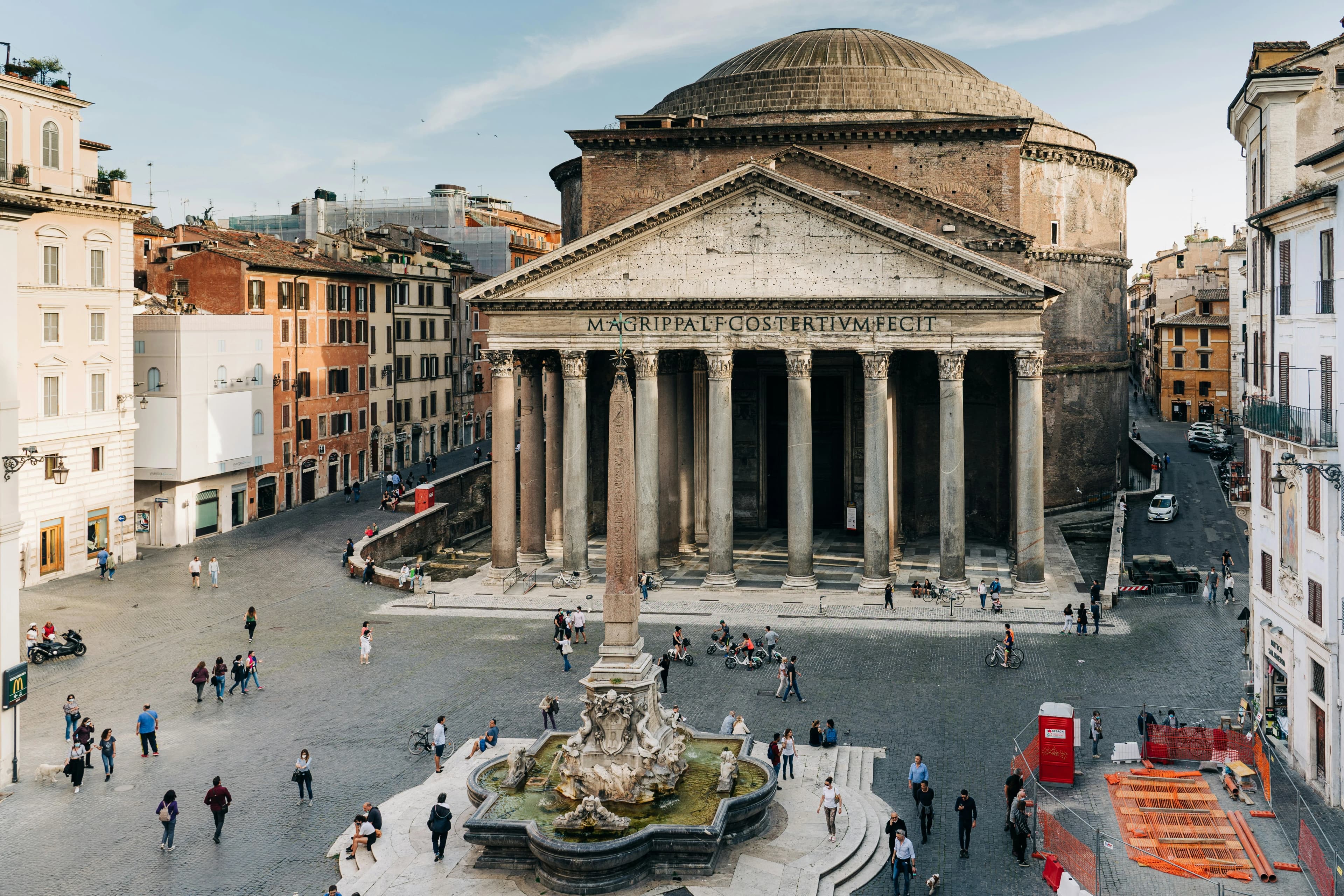
Vitruvius
The Roman author, architect, and architectural theorist Vitruvius (c. 80/70–25 BCE) is the first theorist to establish clear principles for architectural design. In doing so, he laid the foundation for how architecture has been understood and evaluated ever since.
In his architectural treatise "De Architectura", Vitruvius formulates his theory of architecture and introduces a set of concepts for evaluating buildings. His ideas are often summarized in the well-known triad: firmitas, utilitas, and venustas—translated as durability, utility, and beauty.
These three principles have been used to define what constitutes good architecture and architectural quality at its most fundamental level. If a building is neither durable nor useful, it has no functional value and becomes mere art. Without artistic value and beauty, however, it is reduced to simple construction. In this way, architecture exists between building and art—as a form of applied art.
Classical Ideals
Vitruvius’ treatise is the only surviving architectural text from antiquity, and it has therefore had a profound influence on how architecture has been understood and evaluated. From the Renaissance until the 19th century, classical architecture from ancient Greece and Rome served as the ultimate model, interpreted through Vitruvius’ writings. Architects measured and emulated classical precedents in their work.
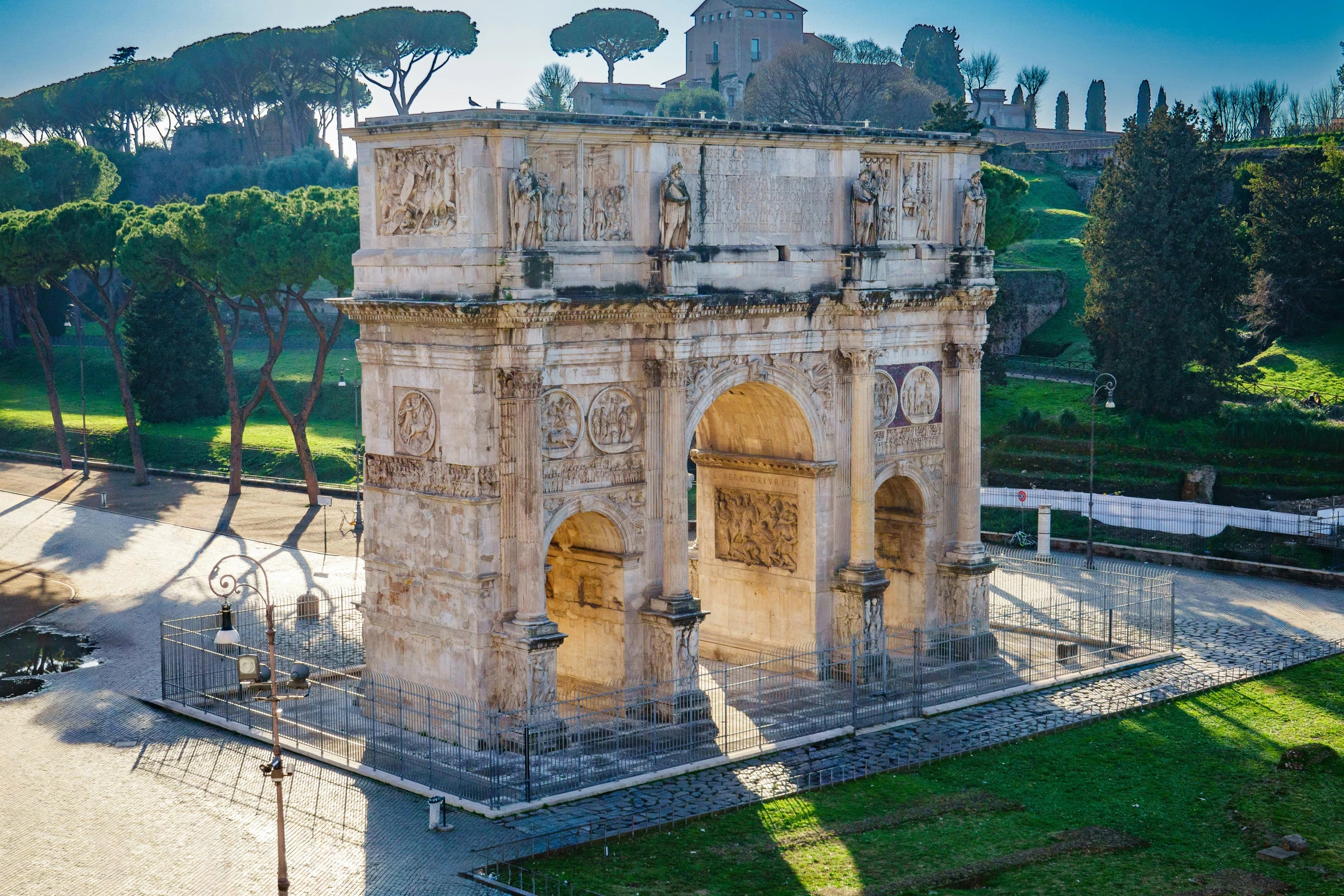
The goal of architecture was to achieve divine harmony, unity, and balance. Strict rules governed how the elements of a building should be proportioned, ensuring a perfect relationship between parts and whole.
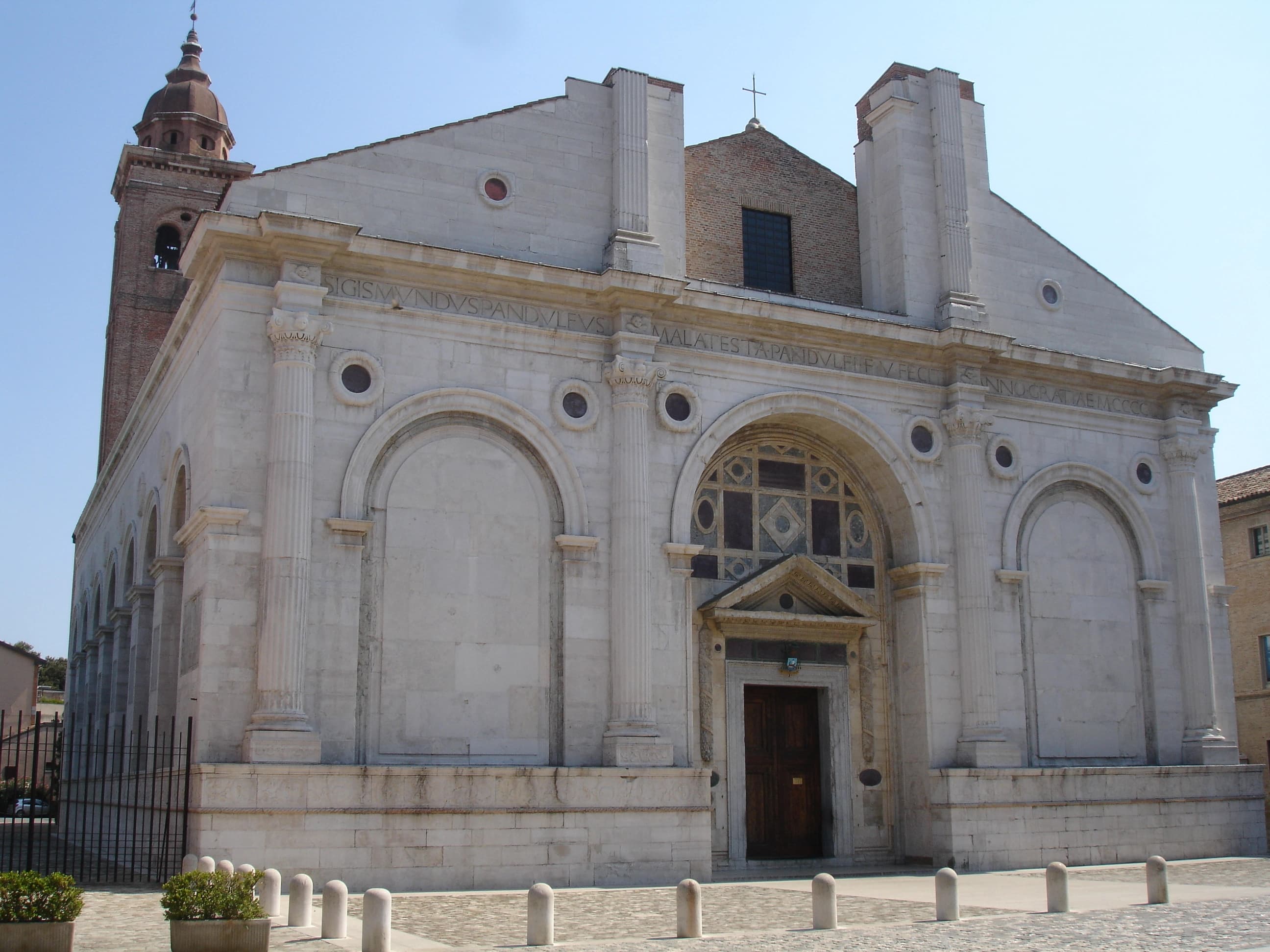
Vitruvius’ architectural theory was revived and developed during the Renaissance by architect Leon Battista Alberti (1404–1472). Alberti argued that good architecture is a perfectly composed and harmonious whole—so complete that nothing can be added, removed, or altered without diminishing it.
New Visions
It was not until the 20th century that architects began to break away from classical rules and develop new visions of architectural quality and modern architecture. Architecture was now expected to reflect the spirit of its time and to be innovative and original.
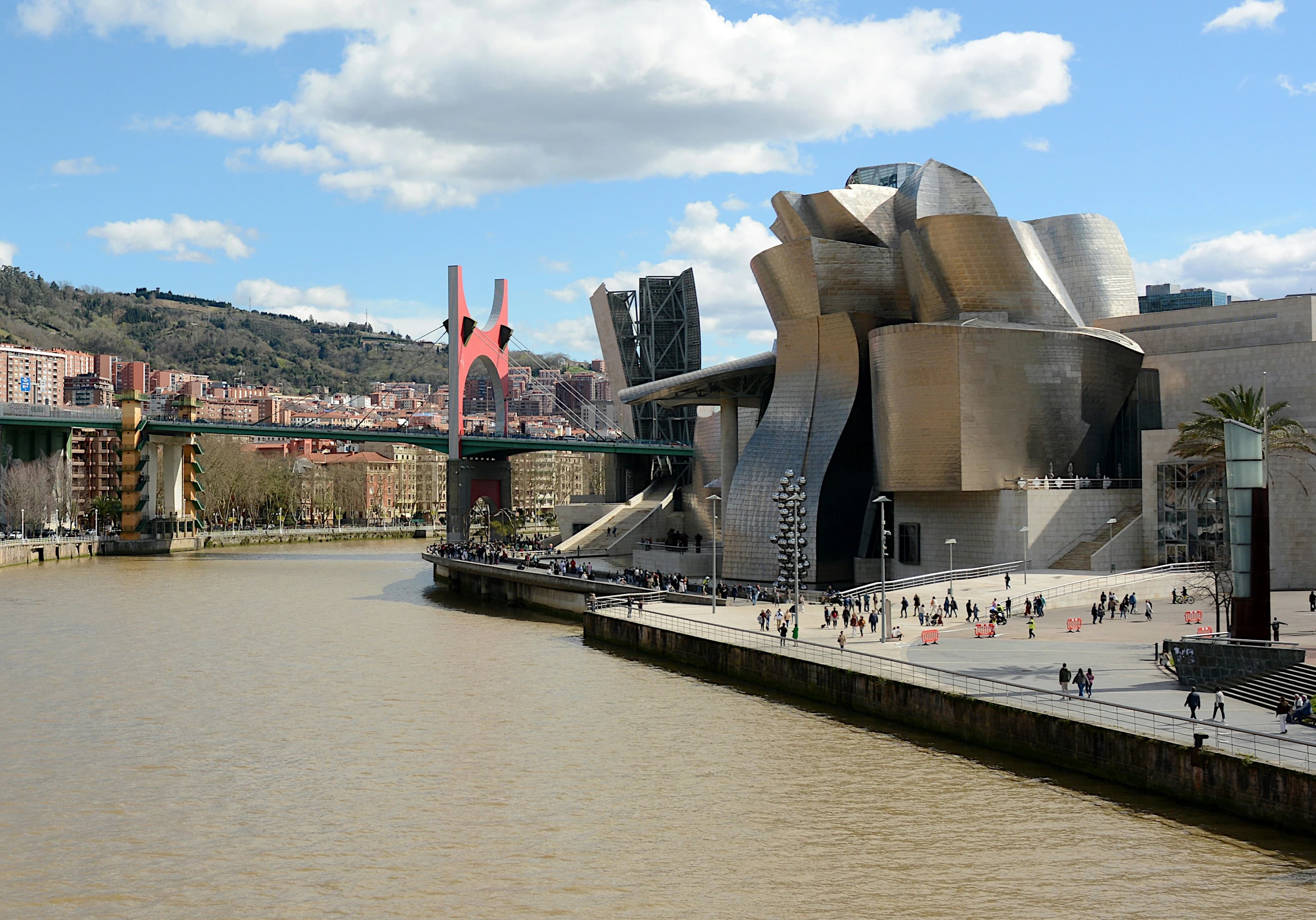
Countless slogans and manifestos shaped 20th-century architecture: Form follows function! or Form follows fantasy! Less is more! or Less is a bore! Different architectural movements spoke in competing voices. Yet most continued to build on Vitruvius’ fundamental principles.
In good architecture, there is always a task to be solved—ensuring that the building performs successfully both functionally and artistically.