Architectural Proportions: Measure, Scale, and the Human Body
A building’s proportions describe the relationship between the sizes of its individual elements – for example, between height and width, or between windows, doors, and the facade.
By Dansk Arkitektur Center
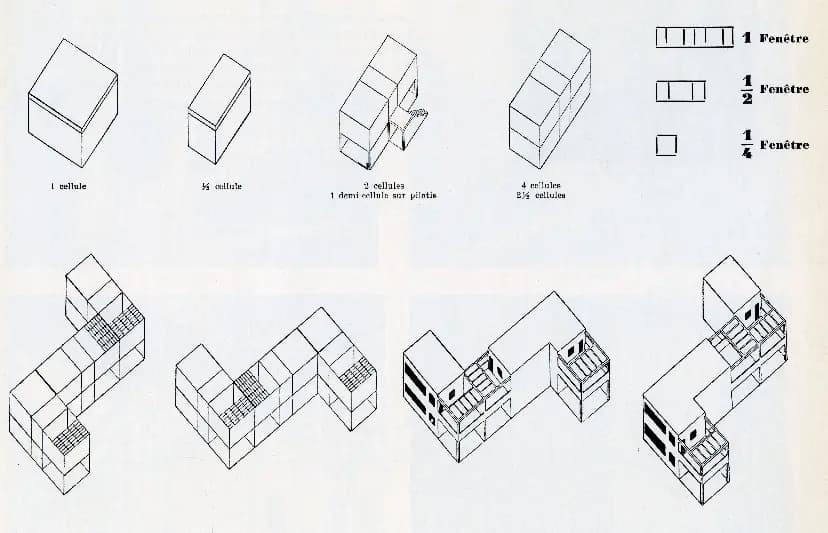
As early as antiquity, rules were developed for how architectural proportions should be designed in order to create buildings that were as harmonious and refined as possible.
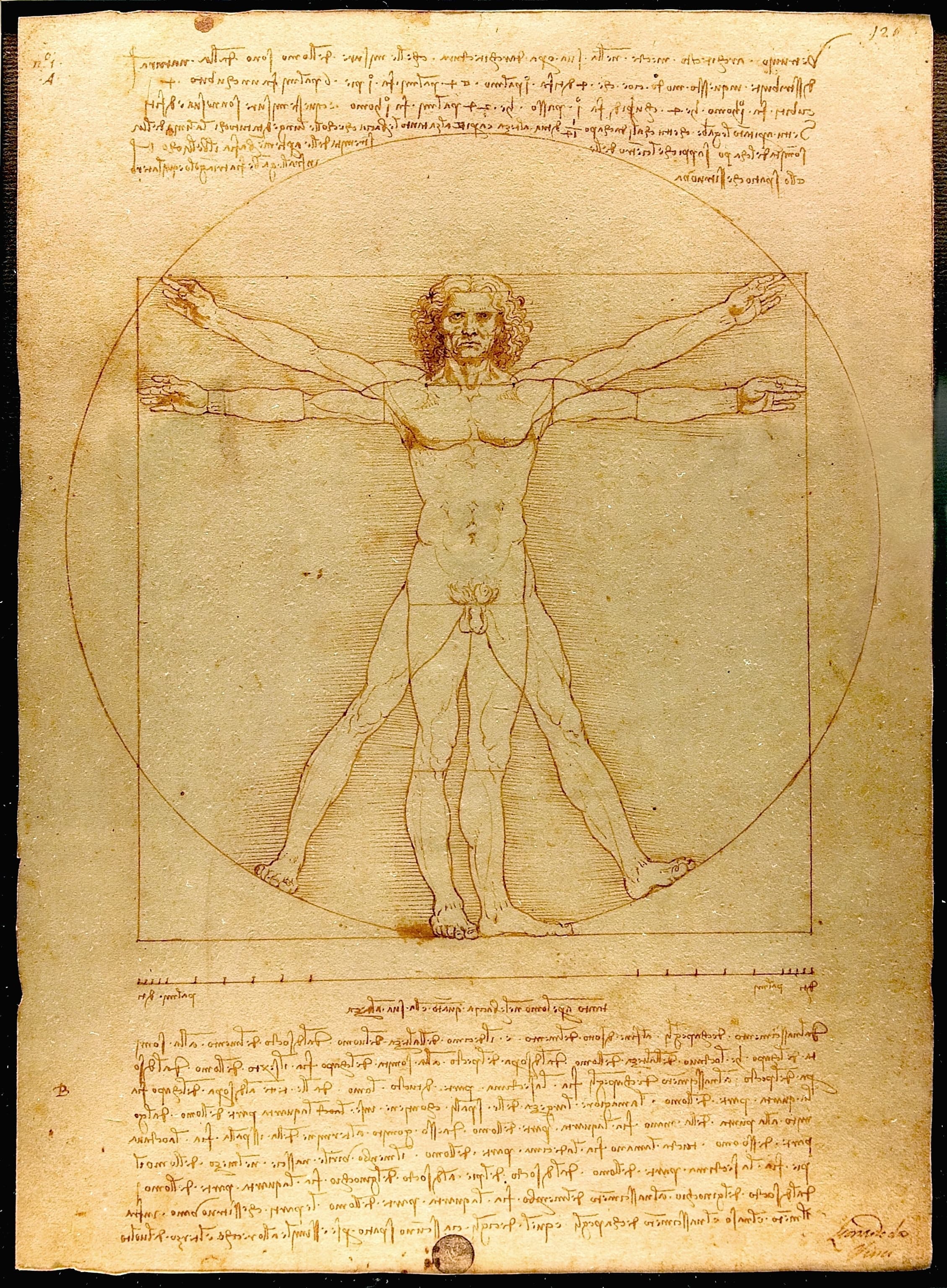
During the Renaissance, the artist and inventor Leonardo da Vinci used the human body as the basis for his studies of ideal proportions.
The architect Le Corbusier, working in the 20th century, also used the human body as a point of reference when developing proportions for his buildings.
He based his system on a standard figure measuring 1.75 meters (about 5 feet 9 inches). From this, he developed Le Modulor, a proportional system intended to define ideal architectural relationships. In this way, he believed that human measurements could be built directly into architecture.
At the same time, his system did not take into account the fact that not all people correspond to this standard figure. Le Corbusier later changed the height to 1.83 meters (6 feet), having realized that average human height had changed over time.

When analyzing architectural proportions, you can ask the following questions:
- Is there balance between the building’s different elements?
- How does the building’s size relate to human scale?
- How do the size and placement of windows and doors affect the experience of the building?
- Is the form shaped by strong contrasts?
Human Scale in Architecture
The relationship between a building’s size and the human body plays a major role in how architecture is experienced.
Does the building feel overwhelming, with proportions many times larger than your own body—for example, very tall and wide doors or rooms with high ceilings—so that you feel small in relation to it?
Or are the dimensions balanced in a way that feels proportionate to your own size?
Or are the measurements so small that the building feels cramped?
Balance
Balance in architecture is created through the relationship between a building’s different parts.
For example, balance may be organized around a symmetrical axis, with the same elements repeated on either side.
Windows and Doors
Are the windows too small, too large, or appropriately scaled in relation to the building?
Is the door too small, too large, or proportionate?

How do the size and placement of windows and doors influence the way we experience the building?
Do they guide you toward the entrance? Do they invite you inside?
Contrast
Are there strong contrasts and transitions—for example, from small rooms to large ones, or through small doorways into larger spaces?
Strong contrasts intensify the experience of a building’s spaces and dimensions and affect how we perceive its different rooms and elements. For example, when you move from a small corridor into a large room, the room will feel even larger because the contrast heightens the experience.