Daniel Libeskind: Architecture of Memory, Loss and Meaning
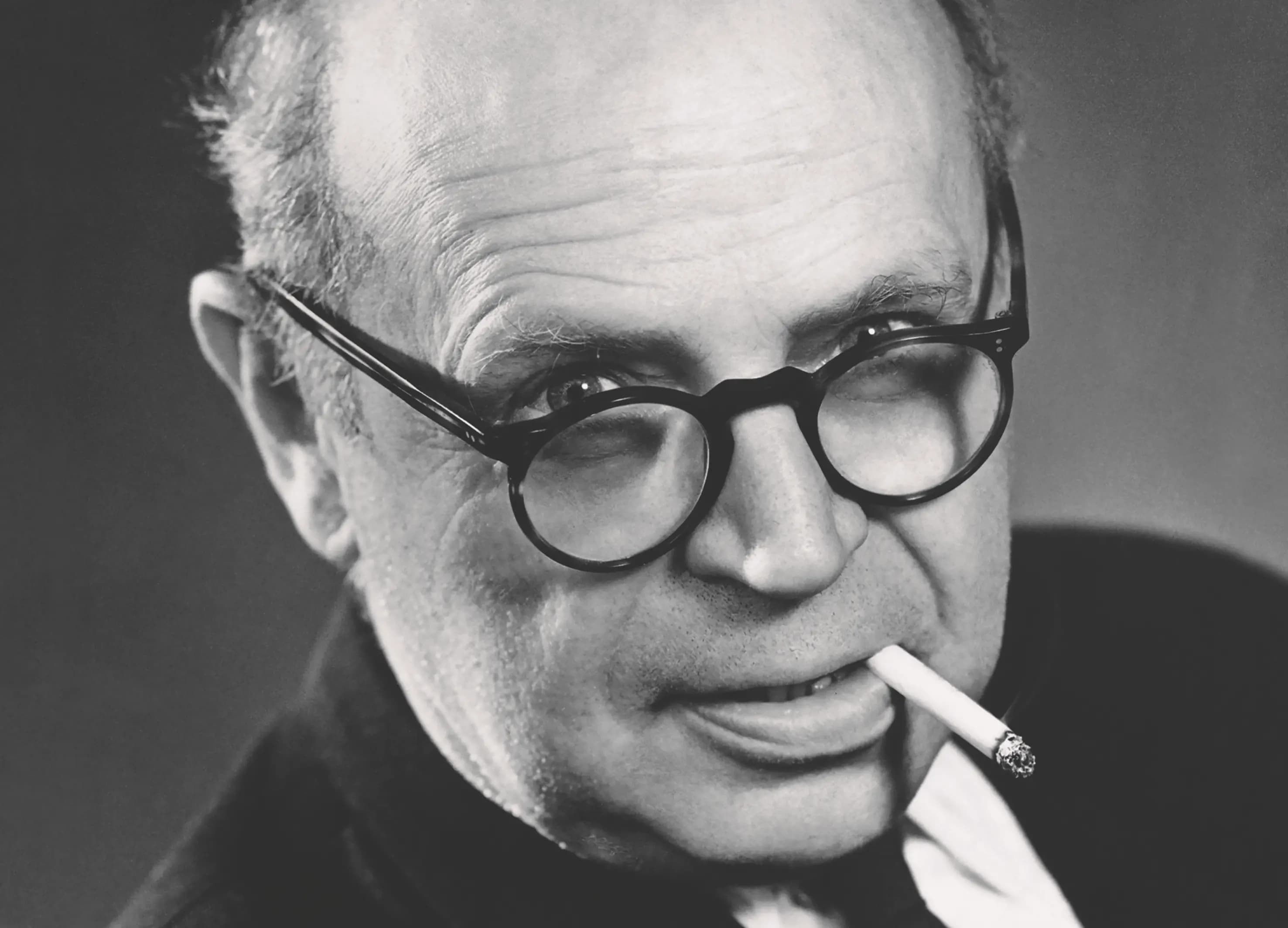
Daniel Libeskind is one of today’s most influential architects and a key figure in deconstructivist architecture. His work connects architecture with memory, the Holocaust, and the Jewish experience.
By Dansk Arkitektur Center
Daniel Libeskind is among the most significant architects of our time. He was born in Poland in 1946 and grew up in a country deeply marked by World War II and the Holocaust, which had a devastating impact on the Jewish population.
Libeskind, who is Jewish, left Poland at the age of 19 and moved to the United States – a land of opportunity. Today, he is an American citizen.
From Music to Architecture
Libeskind initially studied music and was exceptionally talented. However, he chose to leave music behind to pursue a career in architecture – where he also proved to have remarkable abilities.
Music and architecture may not be so far apart. The German philosopher Goethe famously described architecture as “frozen music.”
This idea resonates strongly with Libeskind’s work. His forms are abstract, expressive, and far removed from traditional building design. As in music, the experience itself plays a central role in shaping meaning.
Deconstructivism – Interpreting Meaning
Daniel Libeskind has designed a wide range of projects, from major cultural institutions such as museums and concert halls to urban plans, scenography, and exhibitions. His work is often associated with deconstructivist architecture, where form, meaning, and experience are deliberately shifted and challenged.
A defining trait of Libeskind’s approach is his resistance to routine and conventional building practices.
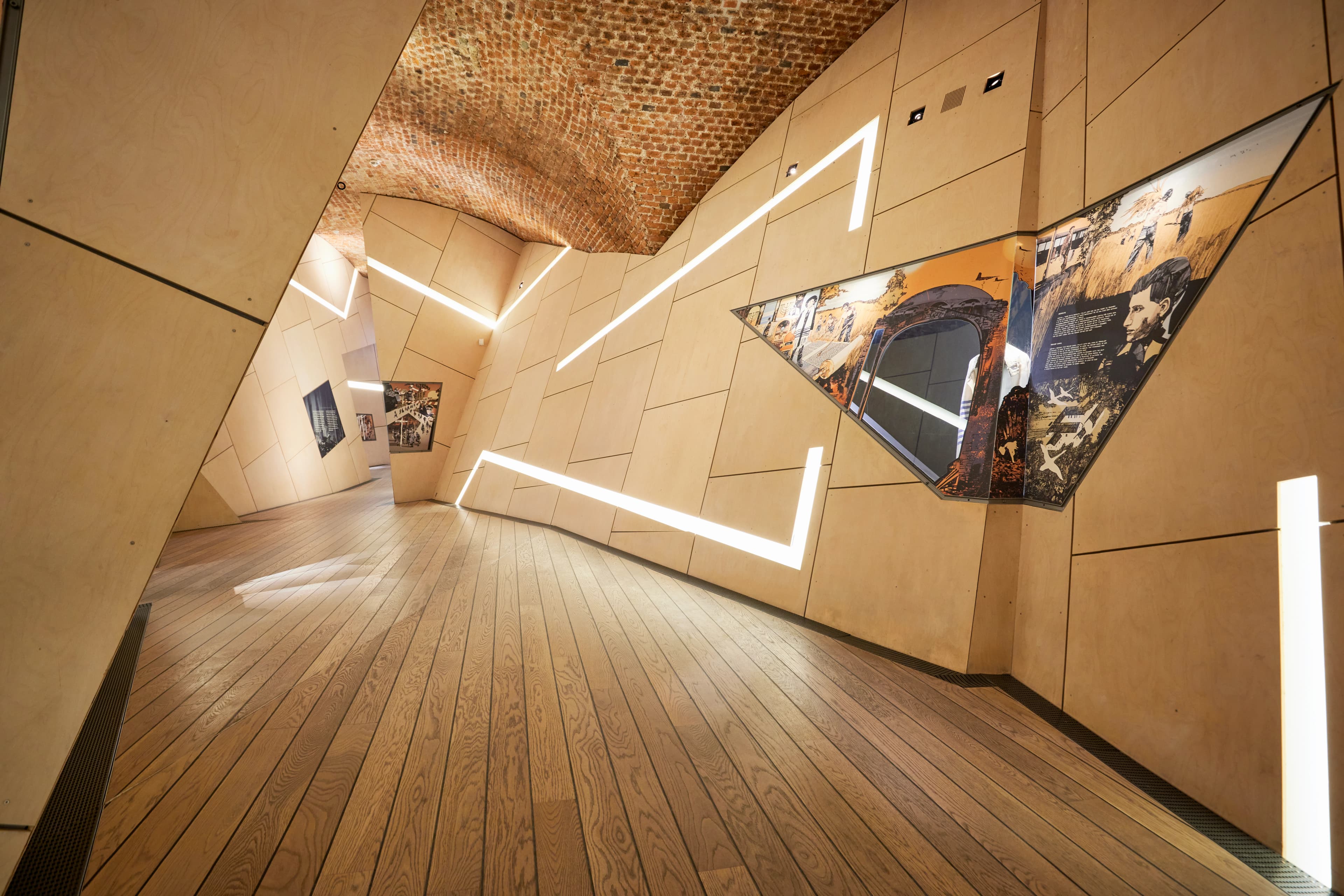
He is also known for embedding complex theoretical ideas into his projects. His buildings are layered with meaning down to the smallest detail. It is up to the viewer to uncover or interpret these meanings.
This approach reflects his connection to deconstruction – a movement in art and architecture where meaning is not fixed but created through interpretation.
Many Ideas – Few Early Buildings
Libeskind won numerous awards and architectural competitions before realising his first built project. His first completed work was the Felix Nussbaum Museum in 1998, dedicated to the Jewish painter.
Jewish Museum Berlin
In 1988, Daniel Libeskind was commissioned to design the Jewish Museum in Berlin, now considered a landmark of deconstructivist architecture. The museum, which opened in 2000, remains his most famous work.
The building’s form is striking and unconventional, defined by sharp angles, fragmented lines, and subdued lighting.
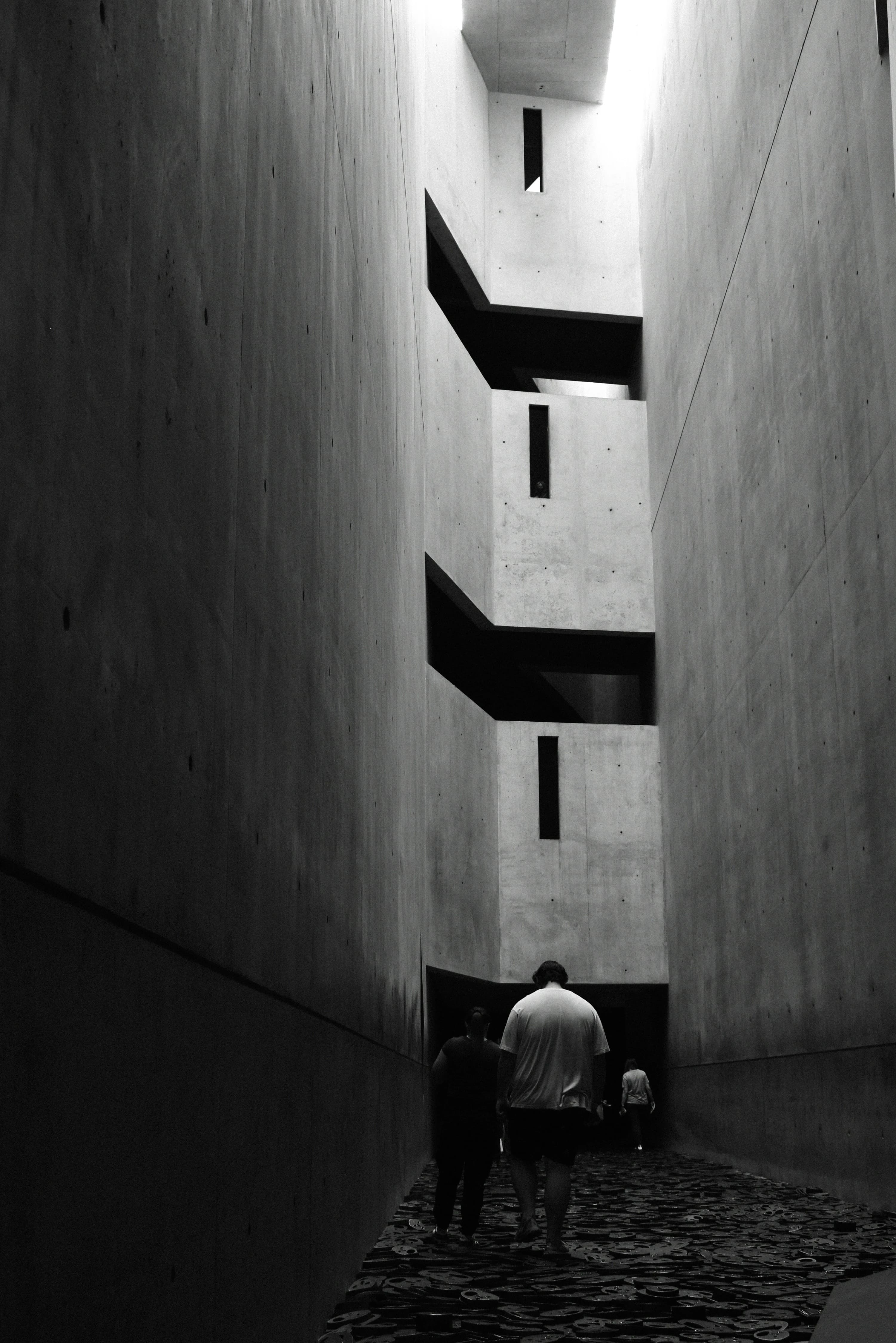
According to Libeskind, the building is about what is not visible – what is absent. It evokes the millions of Jewish lives lost during the Holocaust and the cultural void left behind. This absence is made physically and emotionally tangible through the architecture itself.
The Jewish Museum Berlin is both powerful and deeply sensory. Its architecture makes the history of the Holocaust and the loss of Jewish life present and immediate for visitors. Few leave the building unaffected.
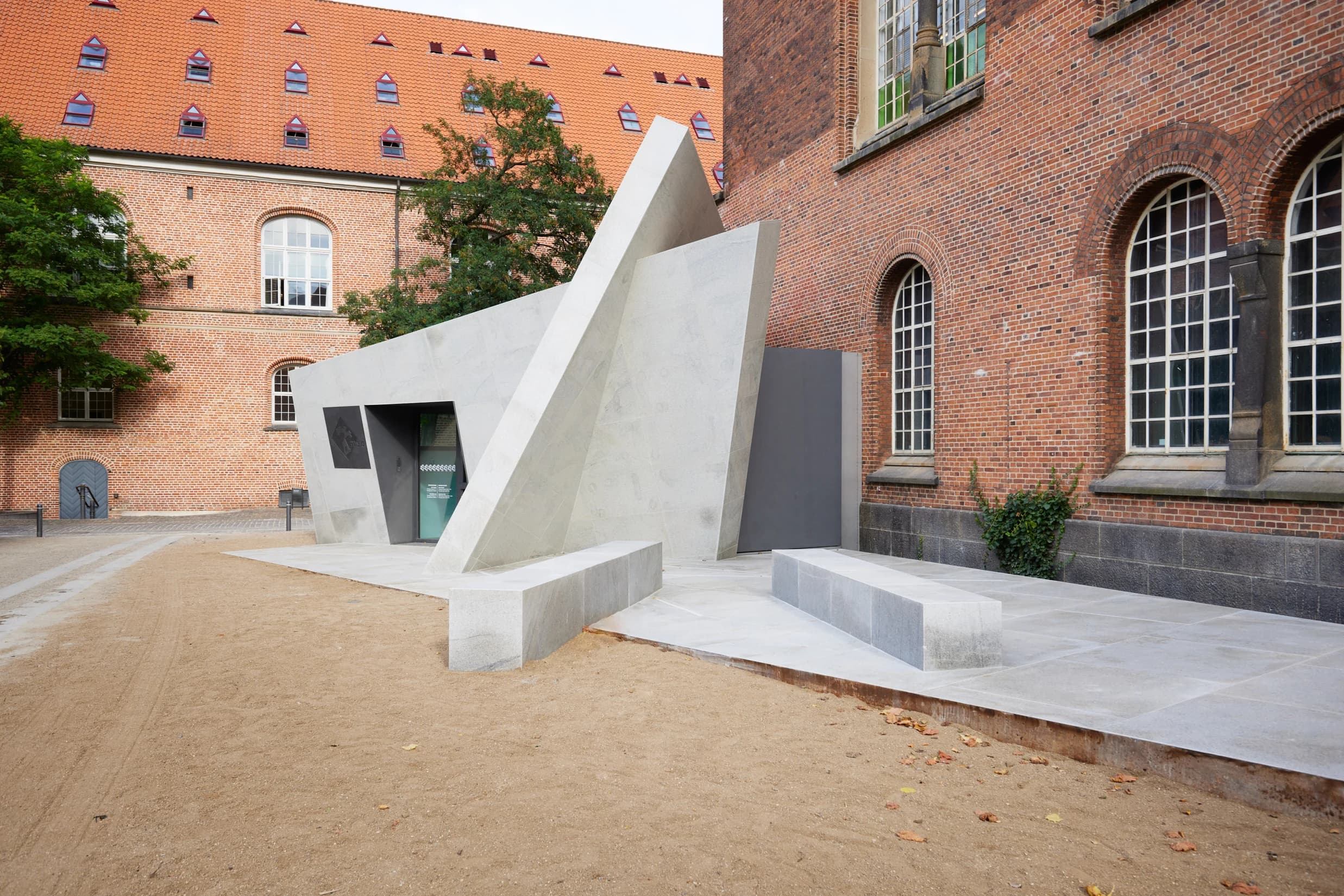
Libeskind later also designed the Jewish Museum in Copenhagen.
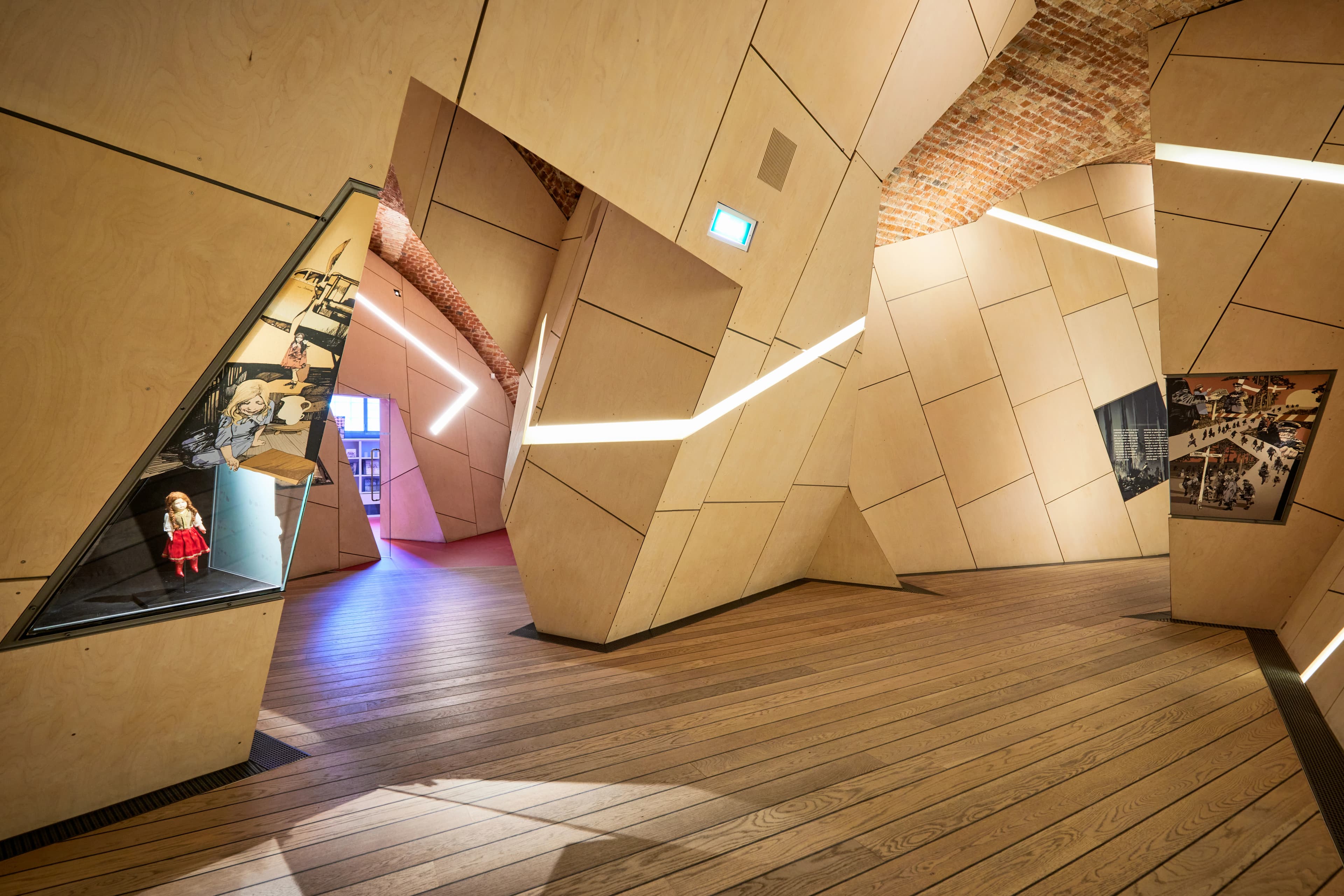
Daniel Libeskind also won the international competition to design the masterplan for the reconstruction of the World Trade Center site in New York after 9/11.
Architecture as Experience
Libeskind’s architecture does not require prior knowledge of its references to be experienced. The narratives embedded in his buildings are meant to be felt as much as understood.
His work demonstrates how architecture can move beyond function to become a medium for memory, emotion, and reflection.