Globalization and Urban Development: How the World Is Becoming More Connected
From agricultural societies to post-industrial cities, globalization, migration, and global trade have transformed urban development and the way we live.
By Dansk Arkitektur Center
In the past, most people lived their entire lives in the area where they were born.
They knew the people who lived nearby, but they knew very few people who lived farther away. Likewise, they knew little about what was happening in the rest of the world.
Few people had traveled. Most were self-sufficient and did not need to trade for many goods.
Today, this way of life is rare, at least in the industrialized world.
Most people no longer spend their entire lives in one place. Many move several times during their lives and travel frequently, whether for vacations, study trips, or business. Some settle and work in other countries.
With today’s advanced technology, we receive news and cultural influences from most parts of the world, and we communicate quickly and easily with people on the other side of the globe. The food we eat, the clothes we wear, and the cars we drive come from many different countries and can be transported from one part of the world to another in a very short time.
This is the age of globalization, and its impact is felt in urban development, trade, and everyday life.
Industrialization and Urbanization
Globalization and urban development are closely linked to the extensive urbanization that has taken place over the past 150 years and that continues to drive the growth of cities around the world.
Before industrialization in the Western world, most people lived in rural areas, and many more people than today worked in agriculture.
When agriculture became industrialized in the nineteenth century, machines took over much of the work people had previously done. As a result, many agricultural workers lost their jobs. At the same time, factories became increasingly prominent in urban landscapes, and unemployed people from the countryside moved into cities in the hope of finding work. This process is known as urbanization.
Where home and work were often located close to each other in rural areas, this is rarely the case in a modern city. A well-functioning infrastructure is therefore essential, allowing people to travel back and forth between home and work.
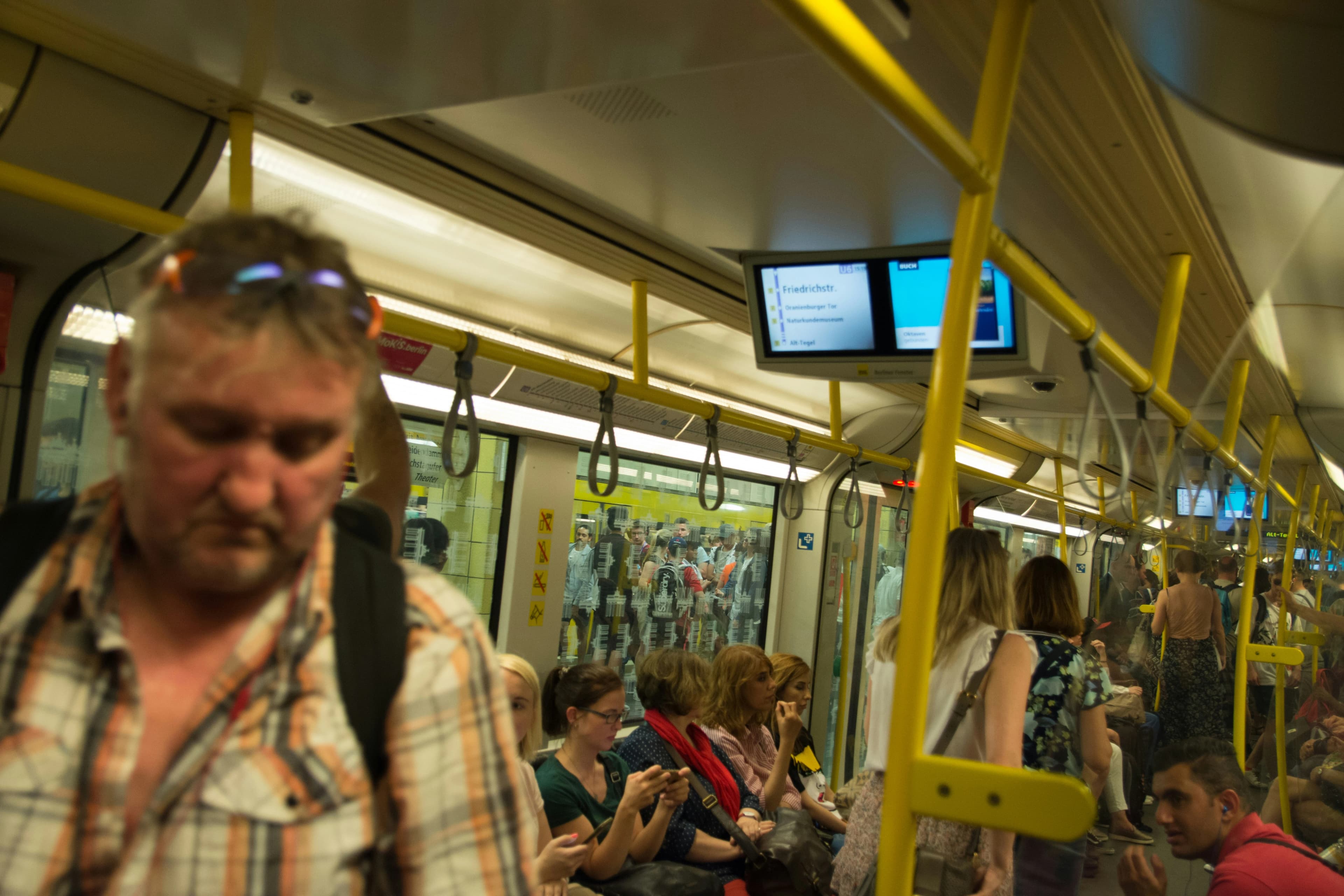
In modern cities, we therefore see extensive highway systems alongside efficient public transportation such as trains, subways, trams, and buses.
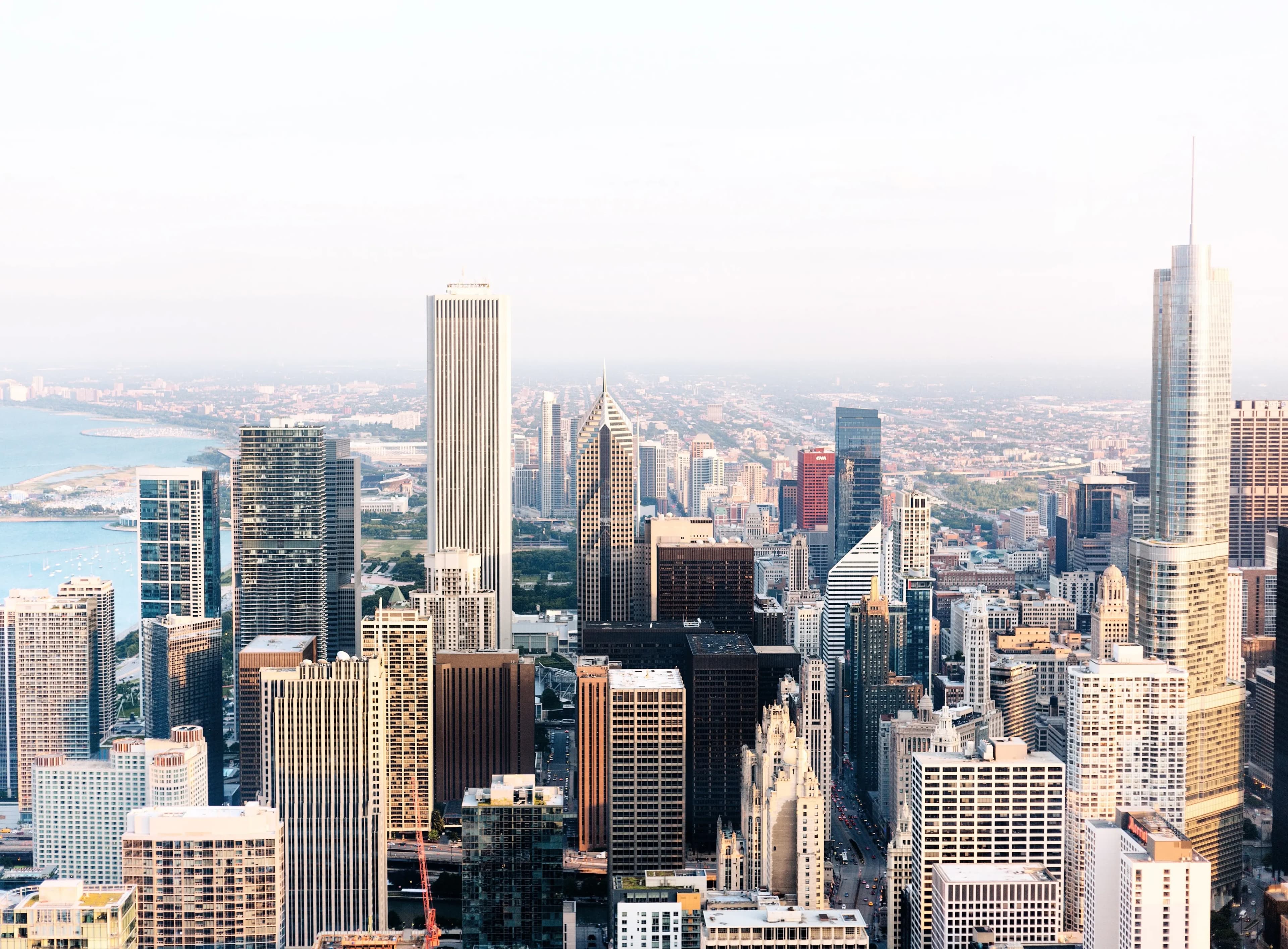
Only when people can travel easily does a city truly begin to grow and spread. At a certain point, population density becomes so high that the city must grow upward rather than outward, which is why many modern cities are characterized by one skyscraper after another.
The Post-Industrial Society
Cities grew alongside industry, and today, with the development of modern technology, we continue to see strong urban growth.
In many Western countries, as well as in a number of others, there has been a shift from an industrial society to a post-industrial society.
This shift represents a move toward a knowledge society, in which knowledge has become a commodity. This is especially evident in the development of computer technology. Industries in which knowledge is a commodity include finance, advertising, computing, and film. These new industries are causing many cities to grow rapidly.
The post-industrial society places greater demands on its citizens. Much higher levels of education are required as modern societies increasingly base their economies on knowledge industries. People therefore need particular qualifications in order to succeed in the post-industrial world.
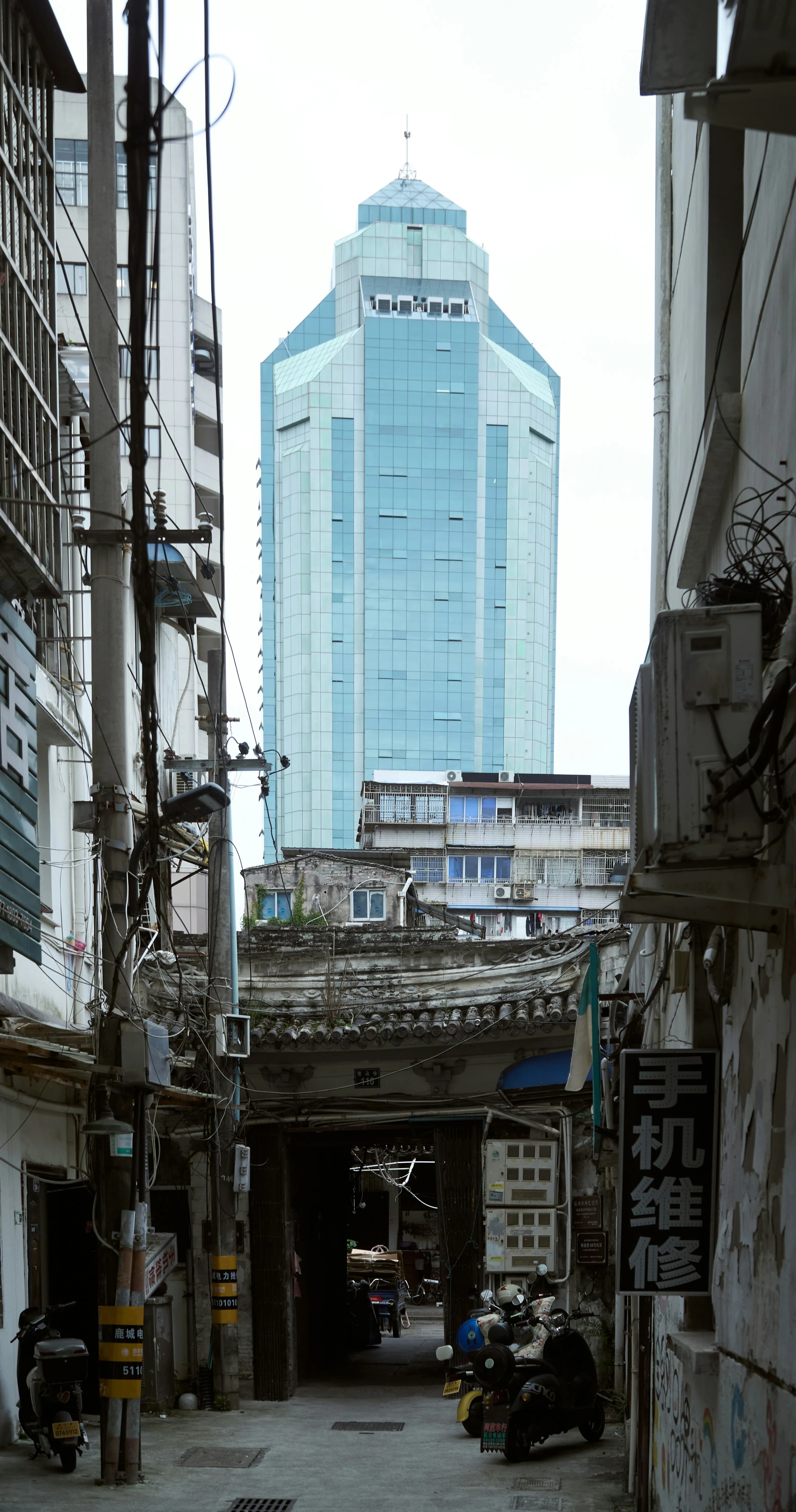
In a post-industrial society, there will always be people who cannot meet these steadily increasing demands and who therefore cannot keep up with change. They may end up at the bottom of society, and if they live in large cities, where competition in the job and housing markets is intense, they often have to settle in the cheapest housing or in slums on the outskirts of the city. Most modern cities therefore contain striking contrasts, which are visible, among other things, in urban housing. There may be everything from luxurious residences to impoverished slum housing.
What Is Globalization?
The term globalization is relatively new, and it can be difficult to define precisely. Still, there are some common features in most descriptions of globalization.
The word “global” comes from “globe” and refers to something that encompasses the whole world.
One of the defining features of globalization is that the world is becoming smaller, in the sense that it has become easier, cheaper, and faster to move people and goods and to communicate across long distances. This aspect of globalization has been made possible by advanced modern technologies such as telephones, mobile phones, computers, the internet, satellite television, and jet aircraft.
People often speak of “the global village,” referring to the fact that television and the internet can bring the whole world into our living rooms—and that we are, to a greater or lesser degree, influenced by what happens across the globe. When millions of people around the world watch live broadcasts of events such as the September 11 attacks on the World Trade Center in New York, the Olympic Games, or the FIFA World Cup, that is part of globalization.
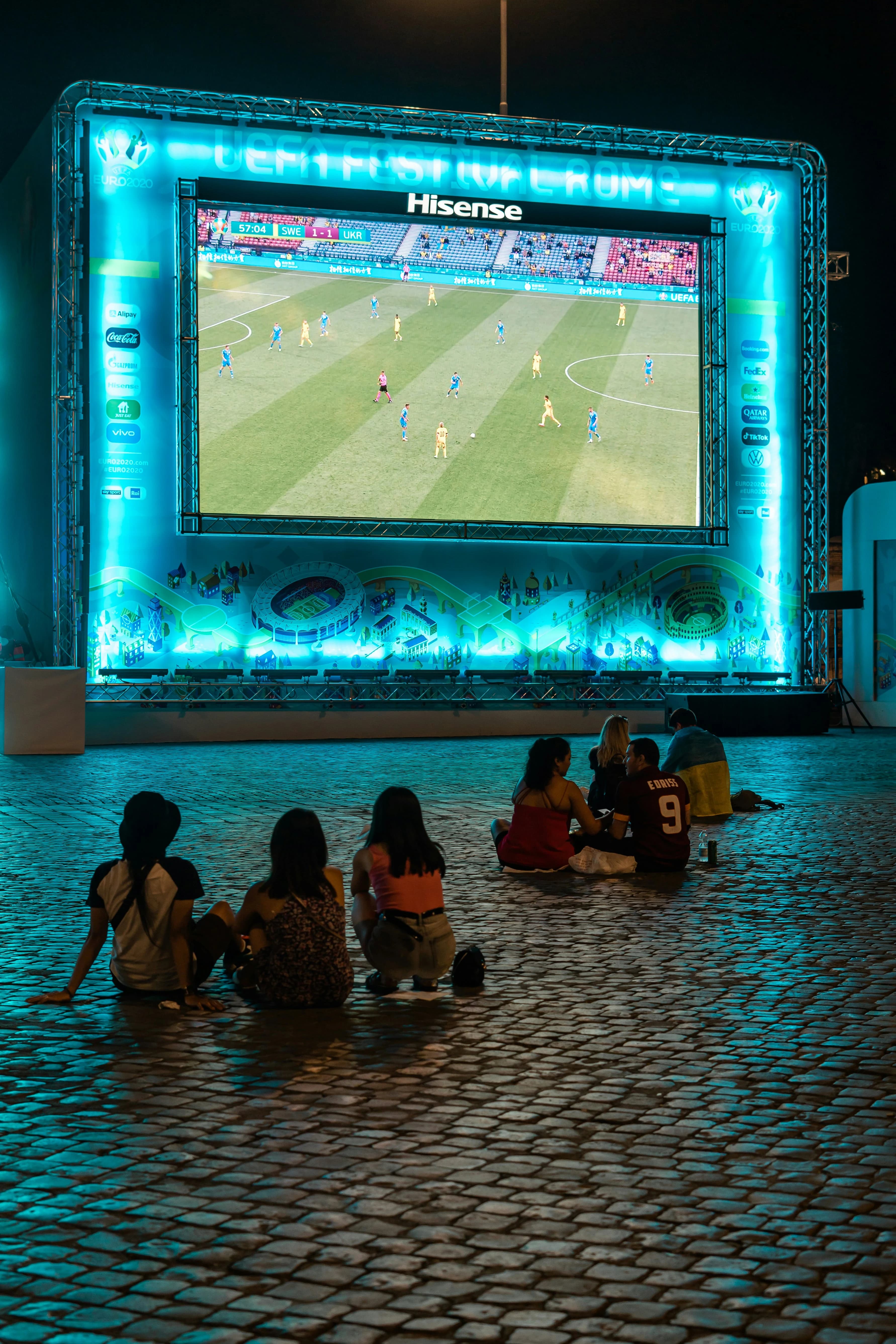
Just as this is true for television news, the pace is also high in the exchange of information, money, goods, ideas, and labor moving back and forth across countries and continents. Part of globalization also involves growing interdependence. We are increasingly affected by what happens around the world.
Something that happens locally can therefore have global significance. At the same time, people are becoming more closely connected in a vast worldwide network. Globalization means, among other things, that information, goods, money, and labor are increasingly exchanged across countries and continents.
Although the term globalization can be difficult to define, we are nonetheless affected by globalization every day in almost everything we do. Through clothing, music, television, news, food, objects, and travel, we come into contact with the rest of the world on a daily basis.
A Global Marketplace
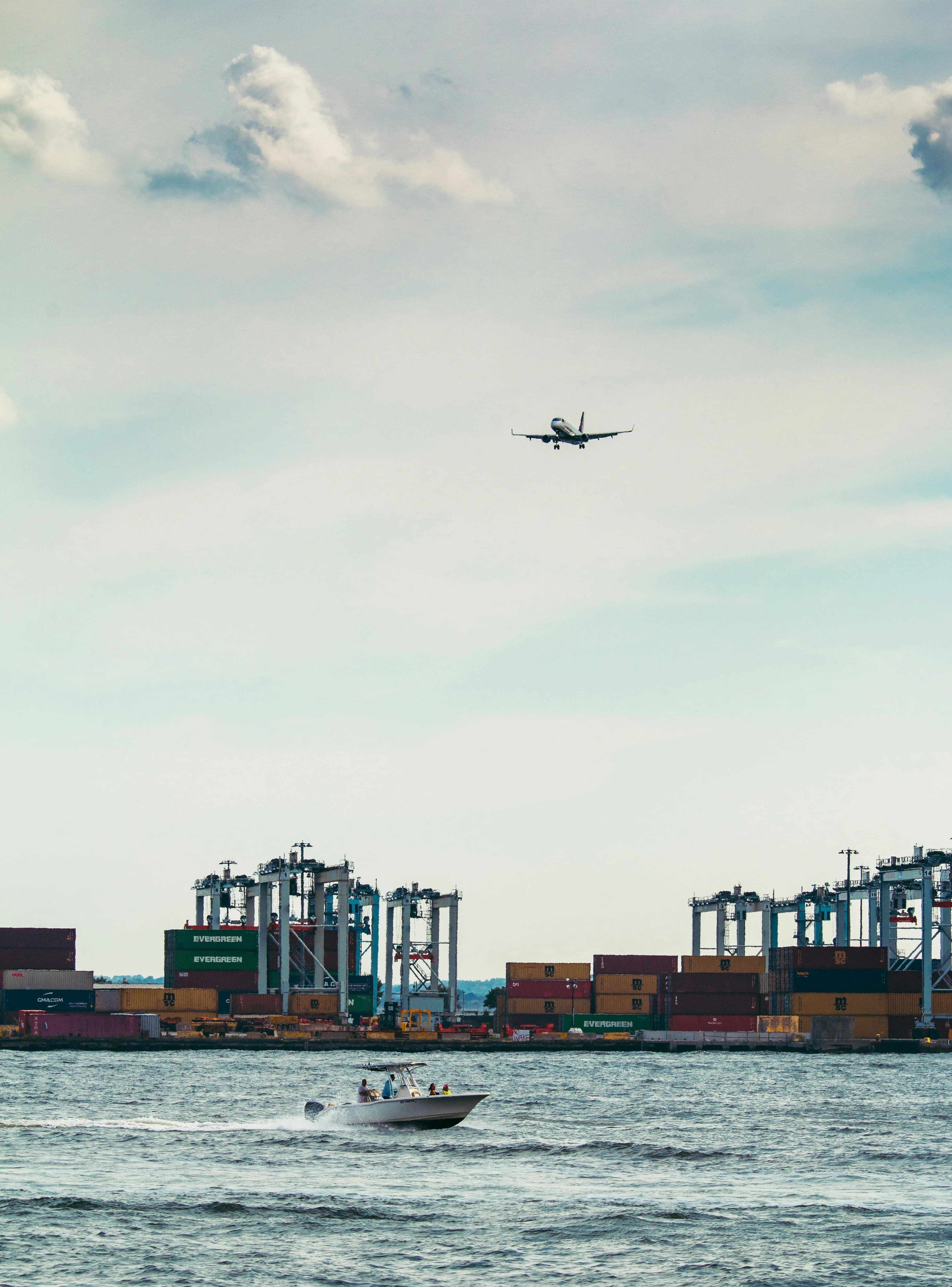
As it has become easier to move goods and money from one place to another, global trade has grown dramatically.
Trade in raw materials and manufactured goods increased twentyfold from the late 1940s to the year 2000.
After World War II, major international organizations such as the United Nations, the World Bank, the International Monetary Fund (IMF), and GATT, later the World Trade Organization (WTO), were established. It was with the establishment of these organizations that what we now call globalization began. Their purpose was to regulate the world market, which has grown enormously since World War II.
Critics of globalization blame it for the steadily growing inequalities between rich and poor countries. The poorest people do not benefit from or gain access to globalization because they lack schooling and education and because they do not have access to even the most basic technology.
Supporters of globalization argue that free global trade will create more jobs and thereby generate greater prosperity for all. They also believe that it will benefit poorer countries by giving them the opportunity to increase exports to other countries.