Has the City Become Too Good for Its Own Good?
Danish cities like Copenhagen and Aarhus have become international symbols of livability, innovative architecture, and recreational havens. But can a city become so desirable that it loses some of the very qualities that once made it vibrant and diverse – while ordinary people struggle to find their place in it? Striking the right balance is essential if a city is to avoid being overwhelmed by its own success.
By Kristina Parkov
In July 2026, Copenhagen was named the world's most livable city for the second year running by the Economist Intelligence Unit's Global Liveability Index (EIU). And as if that weren't enough, the Danish capital also topped the 2026 Happy City Index, with Denmark's second-largest city, Aarhus, known as the City of Smiles, coming in at number 10 on the same international ranking of the world's happiest cities.
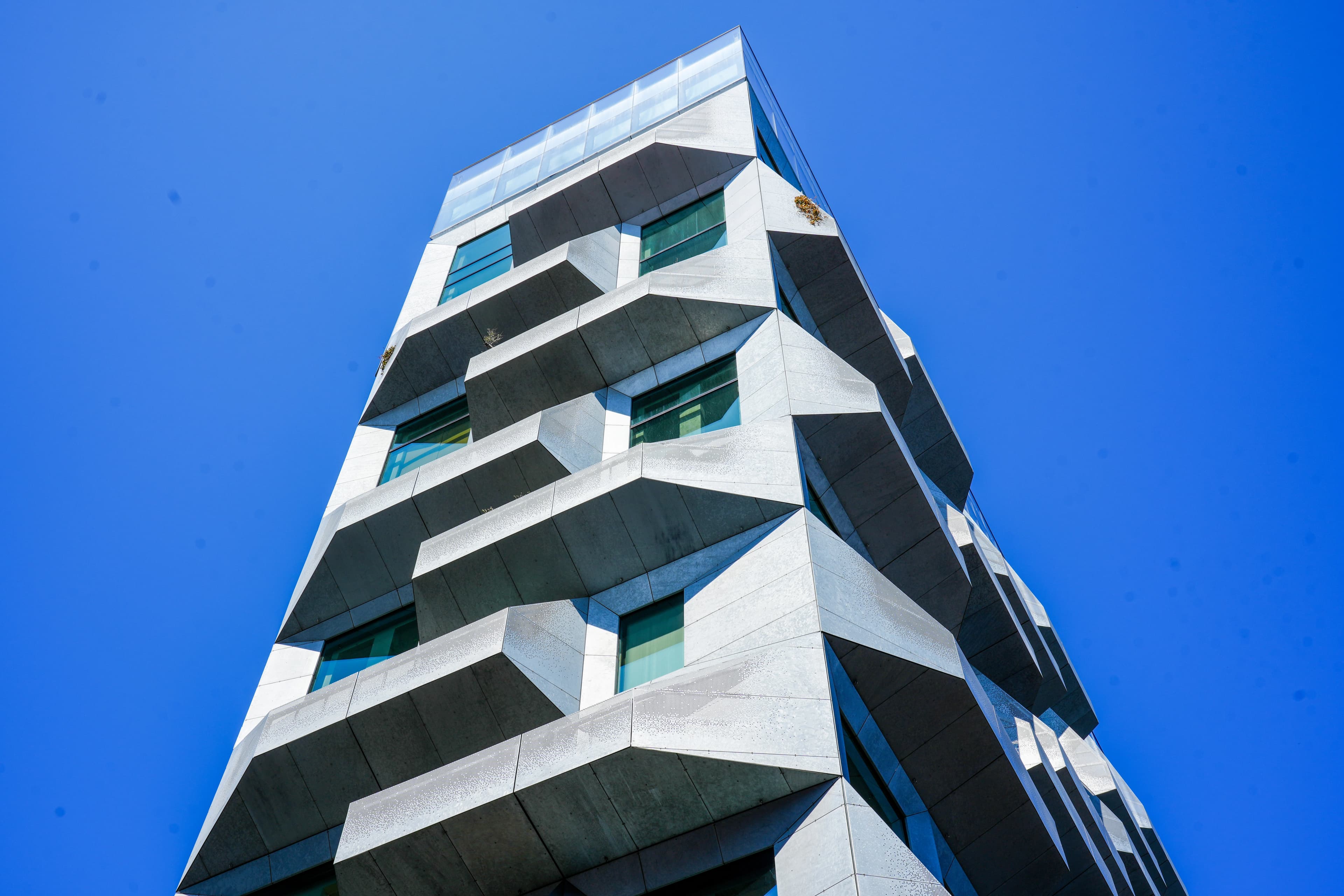
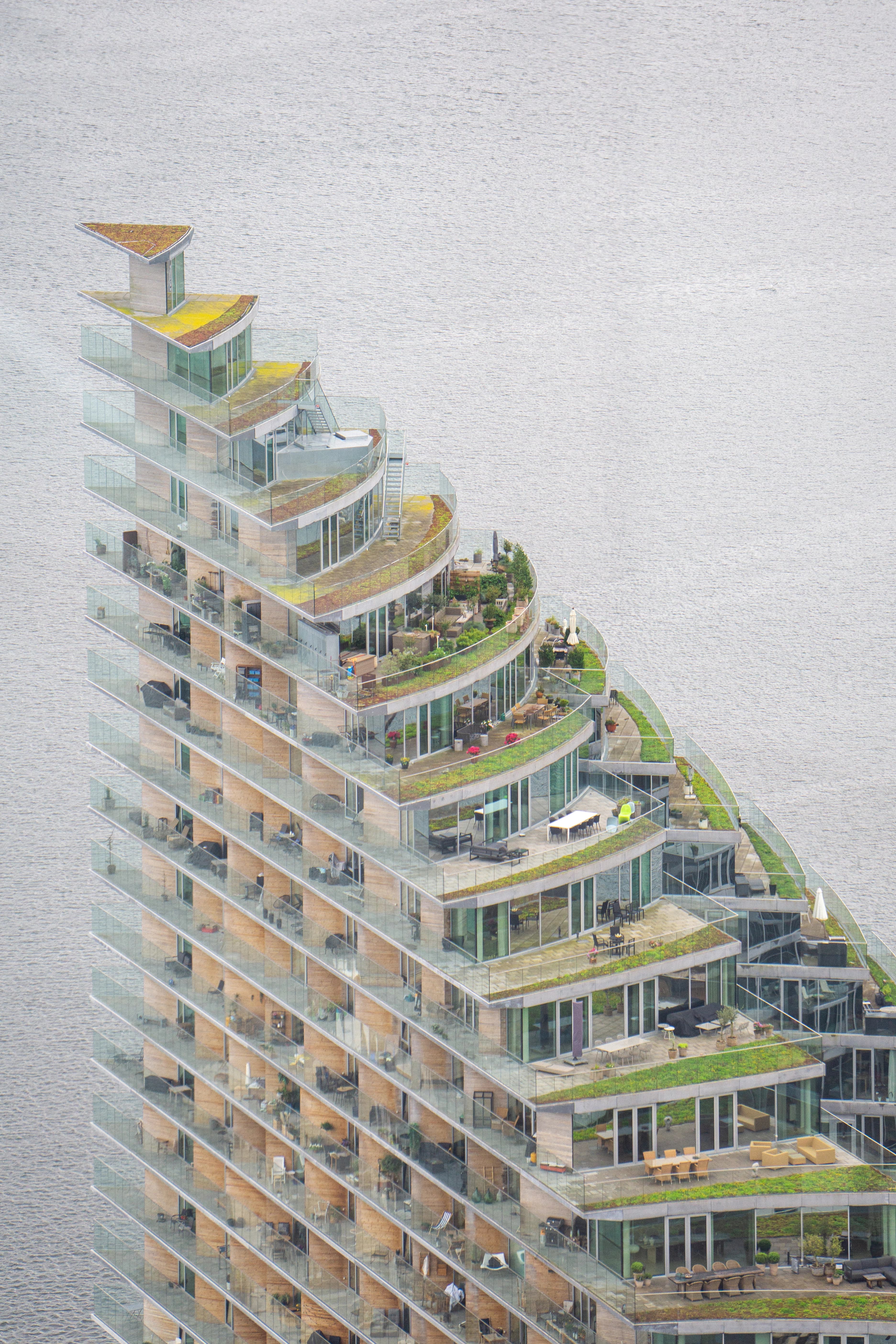
Beyond the high quality of life they offer residents, both Aarhus and Copenhagen are known for their innovative contemporary architecture. And their waterfronts seem to be where much of the action is happening. Take Aarhus Ø, where Denmark's tallest building, Lighthouse, rises an impressive 142 meters above Aarhus Bay. Or Isbjerget (the Iceberg), also on Aarhus Ø, whose jagged blue-and-white silhouette has raised the bar for contemporary residential architecture.
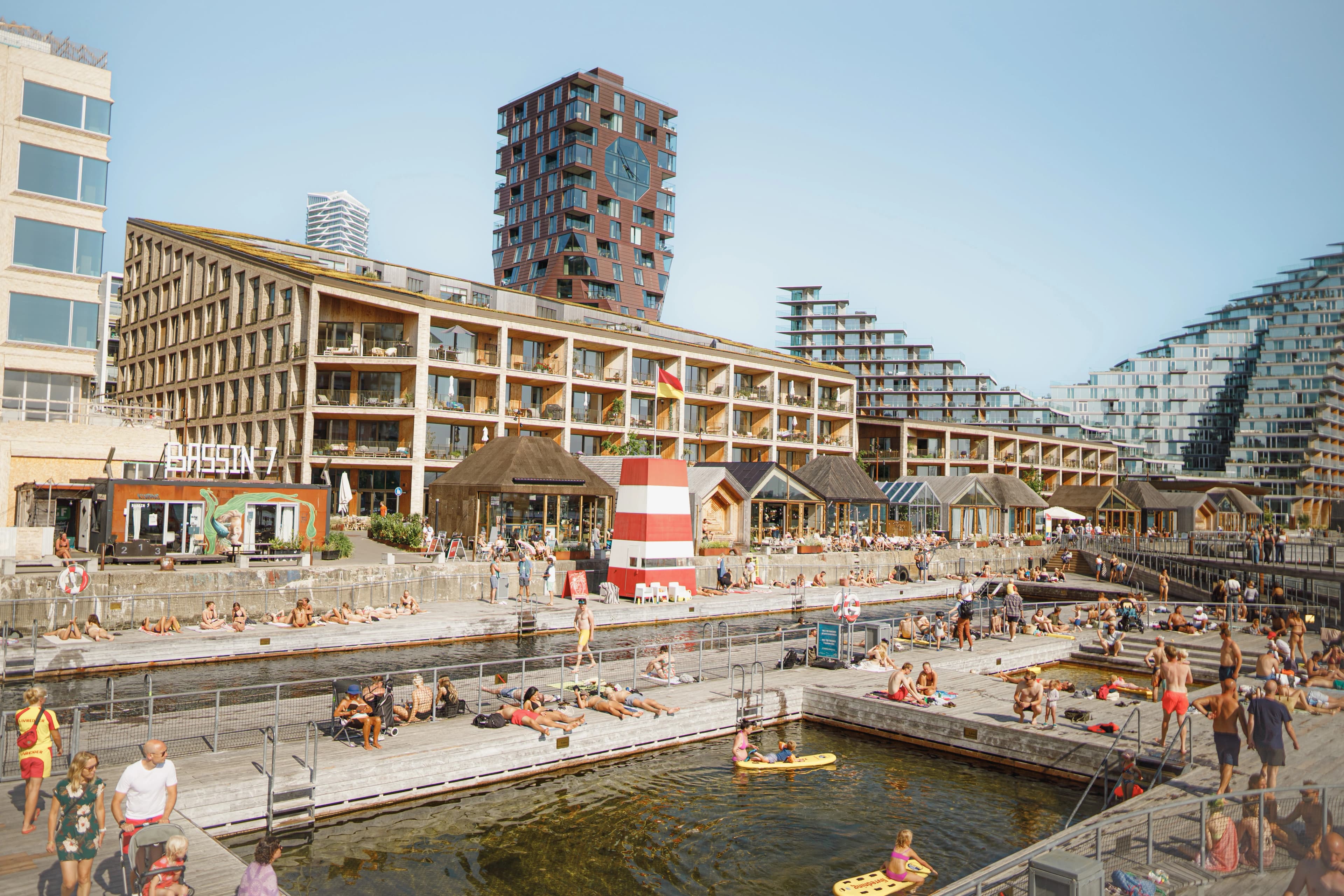
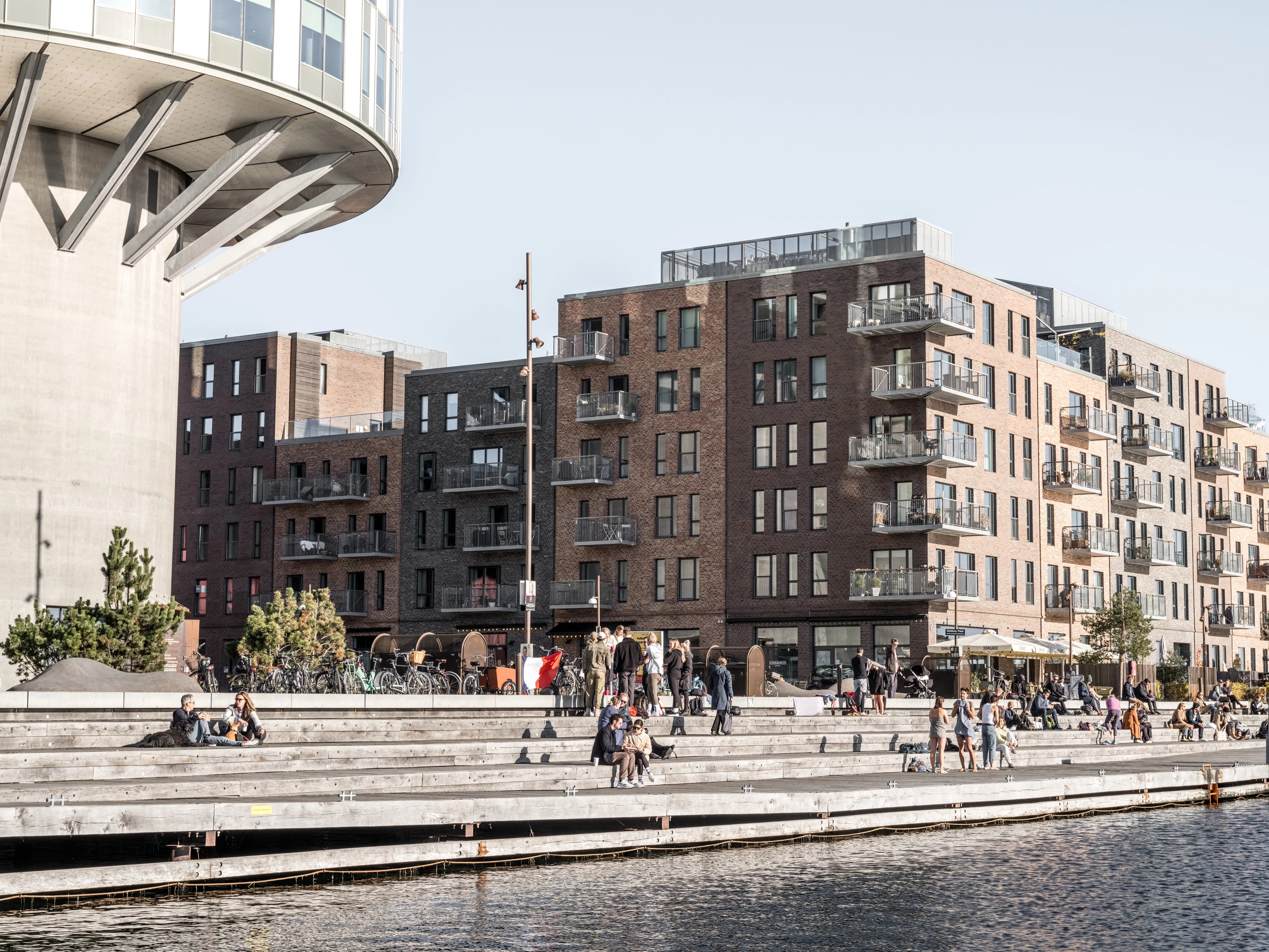
In Copenhagen's posh new Nordhavn district, home to one of Denmark's most expensive postal codes, raw industrial heritage meets contemporary architecture. A former grain silo has been transformed into a steel-clad residential tower, The Silo. Here, residents can enjoy extraordinarily expensive apartments, some with elevators opening directly into their homes, while visitors can dine on Nordic cuisine on the 17th floor, taking in 360-degree views of the city.
And on Papirøen (Paper Island), home to one of Denmark's most expensive apartments, which sold for DKK 70.9 million, another extraordinary project is taking shape: a 5,000-square-meter aquatic center and harbor bath designed by Japanese star architect Kengo Kuma.
Copenhagen and Aarhus have proved remarkably successful at delivering striking architecture and a high quality of life. But are desirable European cities like these at risk of losing the architectural characteristics that made them successful in the first place? Is soaring demand for housing creating wealthy enclaves? And if a city is only livable for a privileged few, can it truly call itself livable?
"Is this still a city with room for old-school dive bars or a mosque tucked away in a backyard?"
From the "Ghetto List" to Instagram-Worthy Croissants
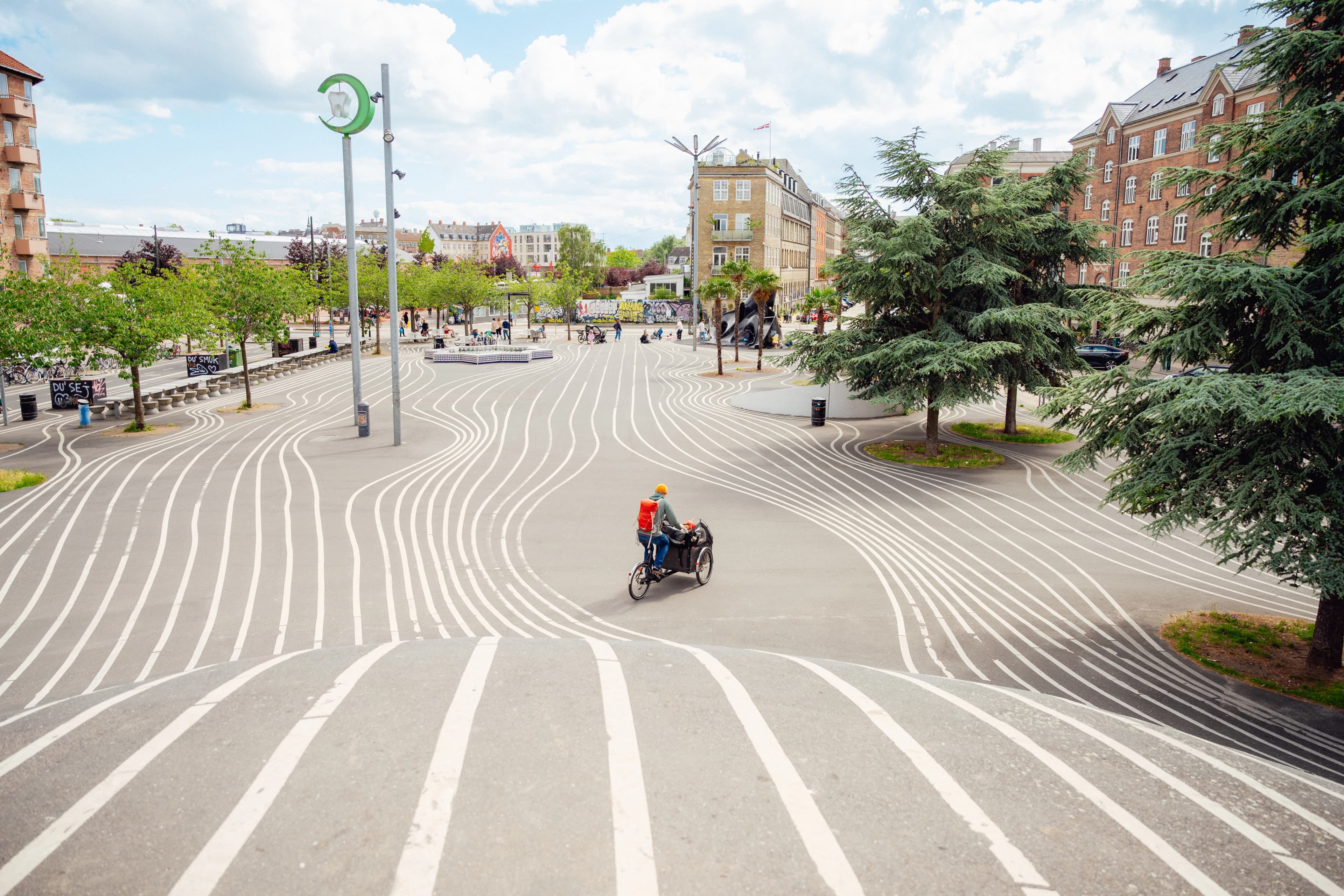
The Mimersgade neighborhood in Copenhagen's Nørrebro district was once a densely built industrial and working-class area. After years of urban renewal, it now boasts green spaces such as Mimersparken, created on a former underused railway site, and Superkilen, a recreational public space featuring sports facilities, chess tables, and a Moroccan fountain.
Many apartments in the neighborhood's older residential blocks remain small, but the architectural transformation has helped turn what was once a working-class part of Copenhagen into a sought-after area with expensive privately owned apartments.
Mjølnerparken, a large social housing development built in the Mimersgade neighborhood in the 1980s, was previously included on the Danish government's so-called "ghetto list." Bo-Vita, the housing association that manages Mjølnerparken, describes the area in the 1980s as follows: “Back then, there was neither Superkilen nor Mimersparken, only railway land and barriers. The architecture was typical of its time, turning inward on itself.”
In 2021, a real estate investment company purchased two residential blocks in Mjølnerparken. And in spring 2026, a newly renovated apartment in the former "ghetto" area was listed for more than DKK 6 million.
But how could improving a neighborhood possibly be a problem?
According to Marie Stender, an anthropologist and senior researcher at BUILD, the Department of the Built Environment at Aalborg University, there is a genuine risk that urban renewal will change the cultural diversity for which the neighborhood is also known.
She points to the area around Mimersparken as an example of the broader gentrification taking place in the neighborhood. Take a walk through the area today, and you might stop by a cocktail bar or an upscale bakery selling expensive croissants.
According to Stender, some of Mjølnerparken's newer residents have mixed feelings about the changes. And the photogenic, Instagram-worthy croissants hold little appeal for many of the neighborhood's original residents.
»The original residents feel that this is no longer their place. And a certain cultural diversity is disappearing,« Stender explains.
The World's 10 Most Livable Cities in 2026
- Copenhagen, Denmark
- Vienna, Austria
- Melbourne, Australia
- Sydney, Australia
- Zurich, Switzerland
- Geneva, Switzerland
- Osaka, Japan
- Adelaide, Australia
- Vancouver, Canada
- Tokyo, Japan
Source: The Economist Intelligence Units Global Liveability Index (EIU).
Livable for hvem?
Både Aarhus og København har mange af de ingredienser, som mange af os forstår som opskriften på den lækre, charmerende og kosmopolitiske by, mener Marie Stender. Men fordi arkitektur ofte går hånd i hånd med penge og byudvikling, så kan man komme til at udsanere alt det skæve, livlige og mangfoldige. Både i Mjølnerparken og en række andre almene boligområder renoverer man, fordi man gerne vil skabe en mere blandet by.
»Det betyder flere attraktive boliger for middelklasseagtige beboere, og nogle af de grupper, der ellers boede der, skubbes længere ud af byen,« siger hun.
Hvis vi vil byudvikle og samtidig sikre, at vi bevarer byens særkender og sociale bæredygtighed, bør vi derfor starte med at spørge os selv, hvem det er, vi laver byen til, mener Marie Stender.
»Altså livable for hvem? Er der plads til mennesker i forskellige livsfaser og fra forskellige sociale grupper?« spørger hun.
Og er der boliger nok til alle? Selvom den enkelte arkitekt ikke direkte kan styre, hvilke boligejerformer, der opføres i en by, så er der mulighed for at påvirke, om der bliver en variation i boligtyperne, mener Marie Stender. Men arkitekter og byudviklere bør også interessere sig for, om forskellige grupper af mennesker har adgang til byrummene og kan sætte deres præg på dem, mener hun.
Det kunne være grønne områder, som er nemme at komme til og bruge, så der ikke udelukkende er smarte og dyre caféer. Steder, hvor man kan opholde sig og deltage i fællesskabet uden at skulle betale en masse penge.
»Arkitekter er rigtig gode til det der med at se de fysiske forbindelser mellem ting, som mange andre fagdiscipliner ikke er så opmærksomme på. Det betyder faktisk noget, hvordan vi placerer tingene i forhold til hinanden,« siger Marie Stender.
»YOU COULD FIND EXAMPLES IN NORDHAVN THAT ARE ALMOST INTIMIDATING BECAUSE THEY PROJECT SO MUCH POWER.«
RUNE KILDEN, URBAN DEVELOPER
Make Room for the Quirky
It's hard to talk about Aarhus Ø without mentioning Rune Kilden. The Aarhus-based urban developer has played a central role in transforming the old piers along the waterfront of Denmark's second-largest city.
His extensive development portfolio includes major projects such as the Lighthouse high-rise, the Pakhusene commercial buildings, and the AARhus residential development.
In his personal life, he has a foot in both Aarhus and Copenhagen.
He lives on Jægergårdsgade, one of Aarhus' liveliest streets, and loves the fact that he has never been able to push a double stroller all the way down the street because there are almost always people sitting outside drinking beer.
He also owns an apartment in Høffdings Tårn, a 100-meter-tall brick building in Copenhagen's exclusive Carlsberg Byen district. Prices for privately owned apartments in Carlsberg Byen often exceed DKK 75,000 per square meter, making the neighborhood an example of the very development trend that has made Copenhagen so attractive – but also an increasingly exclusive place to be.
According to Kilden, urban developers and architects should deliberately make room for unconventional, characterful spaces from the very beginning of the planning process.
In the past, there was no need for a specific strategy, he explains, because emerging creative communities tended to spring up on their own.
»There's an obvious risk that the interesting, quirky places will disappear. You can try to build them into some of the projects.«
He offers two examples.
In one of Kilden's many projects on Aarhus Ø, the AARhus residential development, a theater was incorporated into the building: Teatret Gruppe 38, designed by Bjarke Ingels Group (BIG).
And in Sydhavnen, the southern harbor area of Aarhus, where redevelopment is also underway, there used to be a drop-in center for socially vulnerable people. Today, a group known as Sydhavnspedellerne (the South Harbor caretakers) helps look after the neighborhood.
»I actually think it's been a success. They weren't pushed out, as they themselves had feared. Instead, they've become an important part of a diverse neighborhood,« Kilden says.
A Place's Soul Is Worth Preserving, Too
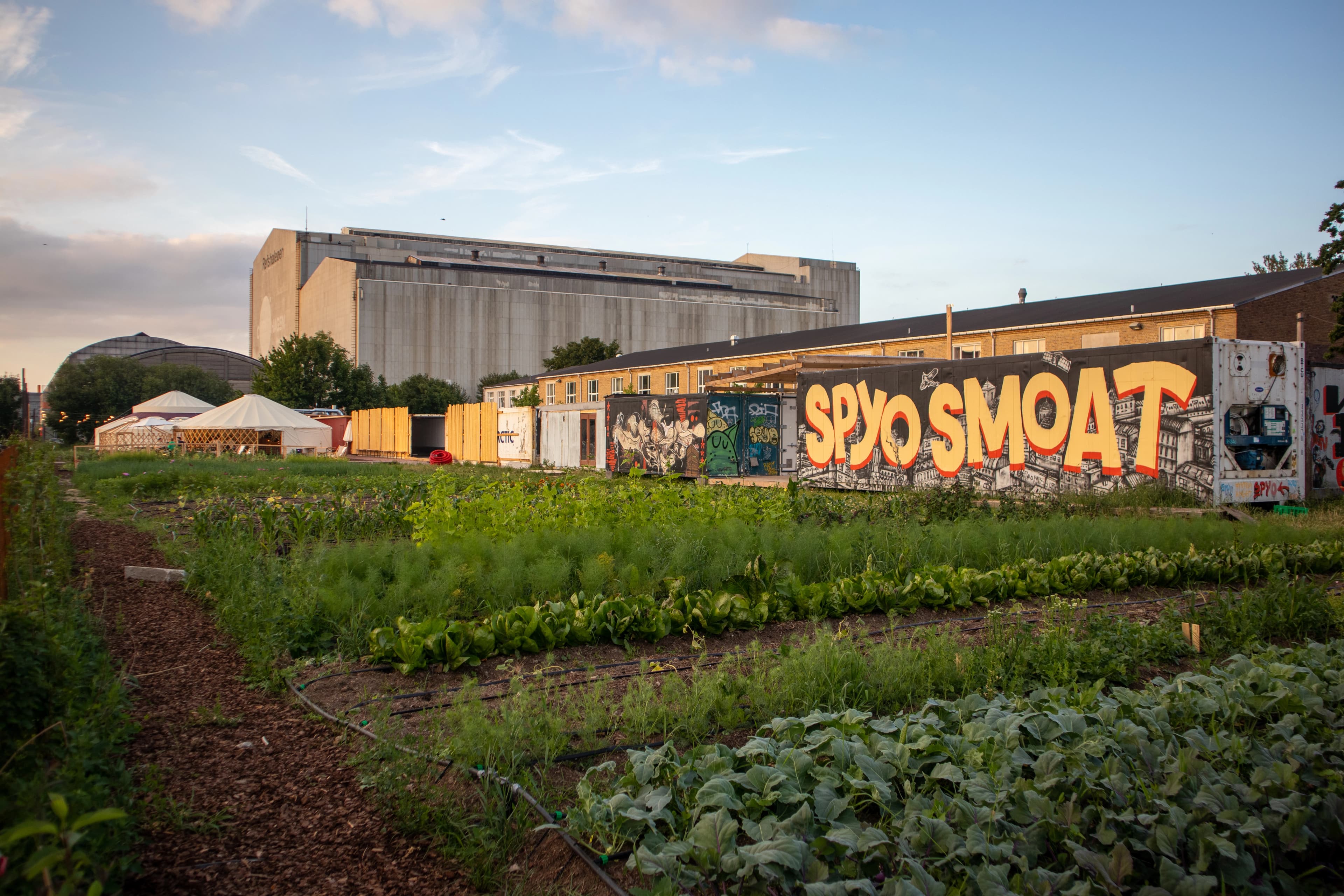
Marie Stender points to Refshaleøen as one of the last largely undeveloped areas remaining in Copenhagen.
At the same time, demand for new housing is enormous. Even so, she isn't convinced that densely packed concrete buildings and new apartments on the former industrial site would necessarily be the best thing for Copenhagen in the long run.
»Isn't there a risk of suffocating the life that's already out there?« she asks, before continuing:
»What's most important for Copenhagen? Is it providing a certain number of new homes, or is it also about protecting some of the things that are possible in places that haven't been built up so much, where there's still room for things to be a little quirky and make a little noise?«
Stender is one of 14 experts invited by Refshaleøen's landowners, Refshaleøens Ejendomsselskab and By & Havn, to offer their perspectives on the area's future.
Another is Rune Kilden.
One of his recommendations is that if you want to preserve something on Refshaleøen, you shouldn't have to justify it. But if you want to demolish something, you should have to explain why. It's an approach known in the industry as "preserve or explain."
Kilden describes Refshaleøen as a valuable "brand." But he also sees it as a place with a soul worth protecting.
»You need to take the cool place you've created and look after it. Then you can add a lot of new things around it,« Kilden says, adding that future residents will find the preserved story of Refshaleøen attractive.
»I've often wondered why we demolish things that have the potential to contribute to urban life. In my view, something can be worth preserving for reasons other than strictly architectural qualities,« he says.
"When we develop a city that's so attractive, we also have to recognize that people will want to move there. And that brings its own challenges."
How Can an Attractive City Work for Everyone?
Copenhagen's City Architect, Lars Jensen, graduated from the Aarhus School of Architecture and has worked with urban architecture in both Aarhus and Copenhagen.
For 15 years, he advised By & Havn on the redevelopment of Copenhagen's Nordhavn district. He has therefore been closely involved in the architectural transformation that turned a raw, inaccessible industrial and free port area into one of the capital's most fashionable neighborhoods, attracting people of all ages who swim in the harbor and eat sushi along the waterfront.
Although apartment prices in the 2150 Nordhavn postal district have reached astronomical levels, in some cases exceeding DKK 100,000 per square meter, calling the neighborhood a potential future gated community would probably be going too far.
Still, Jensen finds it »unfortunate« that high housing prices mean so many people simply cannot afford to buy a home in a neighborhood like Nordhavn.
And he admits that he worries Copenhagen could become less diverse over time.
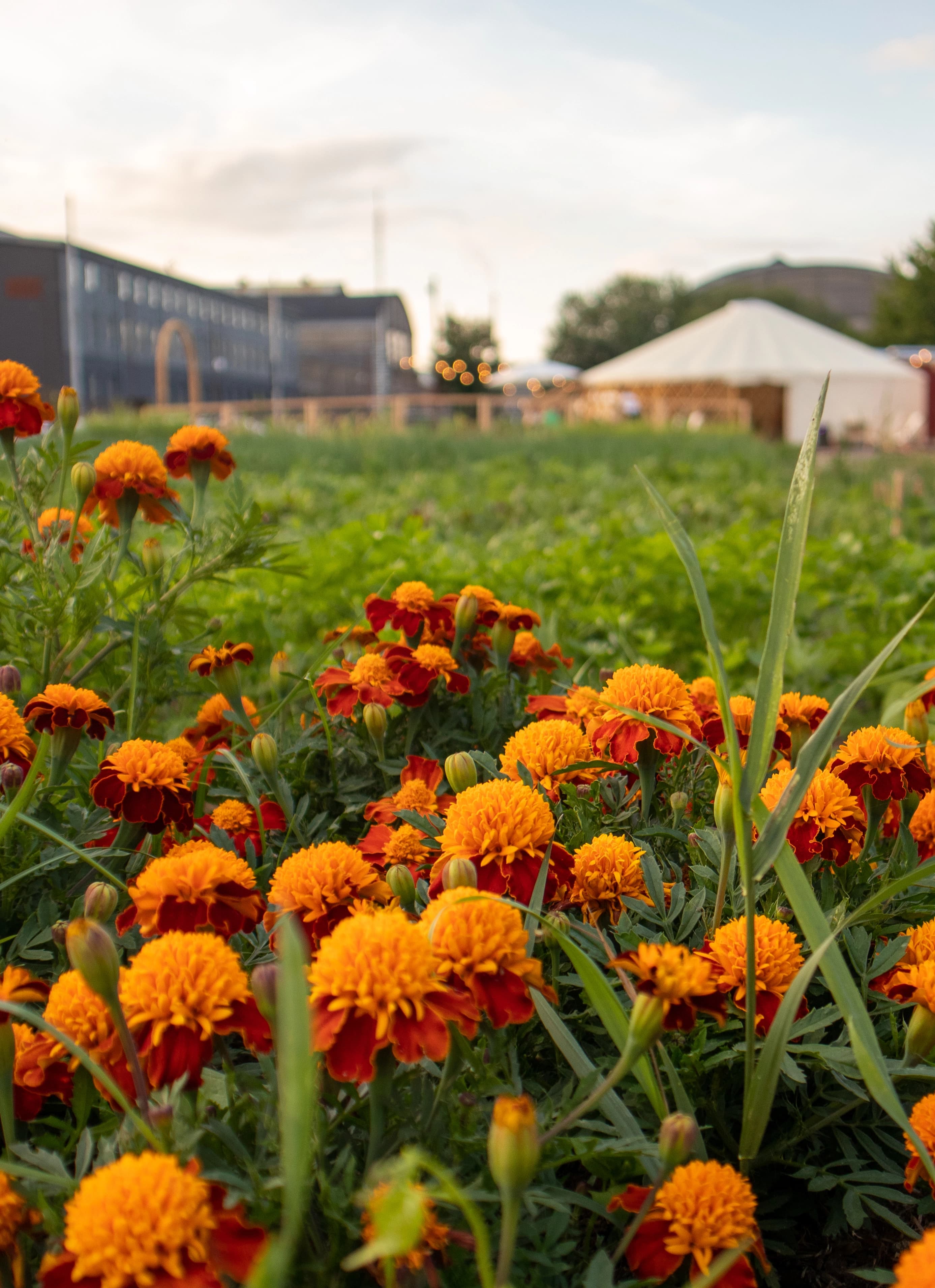
Public Spaces Everyone Can Enjoy
So what can architecture do to help create a more socially mixed city?
Referring to Denmark's Planning Act, Jensen points to the possibility of requiring 25 percent of new housing developments to consist of social housing.
But it's not just about housing, he believes.
Another important factor in creating an inclusive, diverse city is providing attractions and public spaces that everyone can enjoy.
He highlights Kranparken, Nordhavn's first green park, which opened in April 2026, as an example of an attractive destination that people from across the city and surrounding areas can use.
»The harbor bath at Sandkaj, Kranparken, and eventually Nordhavnsparken, which we're developing right out at the tip of the district. These are destinations people will travel to, just as they go to Amager Strandpark or Fælledparken,« Jensen says.
The aim, he explains, is to create high-quality public spaces that benefit everyone.
That includes people who live outside Copenhagen, because everyone has the right to enjoy the city's attractive recreational spaces.
Jensen describes it as a balancing act that requires constant attention, to prevent recreational spaces from becoming something only those who can afford to live nearby can enjoy.
The answer is to insist on creating attractive, more diverse public spaces for the entire city.
»And to make sure the infrastructure is there so people can actually get to them, with bike lanes and the metro,« Jensen adds.
When Everyone Wants to Live in the City, Challenges Follow
According to Jensen, it's a positive thing that Copenhagen has become as attractive as it is today.
But the fact that so many people want to live there isn't just because it's an appealing city. Urbanization is a global trend, with people moving from rural areas into cities all over the world.
And we should continue insisting that our cities become even better.
»Of course it should be a beautiful city – that's what you'd expect an architect to say. But it also needs to be a resilient city that can evolve, where buildings and public spaces can change over time. Our housing needs today may not be the same in 20 years, so the city has to be able to adapt to whatever new needs emerge in the future,« Jensen says.
The challenge, then, isn't to make the city less attractive – but to ensure that more people can continue to share in what makes it great.