Scent in Architecture: How Smell Shapes Our Experience of Space
Our sense of smell is a quiet yet essential part of how we experience the spaces around us. From the familiar scent of our grandparents' home to the carefully crafted fragrances of commercial spaces, it shapes our experiences, memories, and behavior. Yet we rarely talk about it.
By Ida Elva Hagen
You open the front door to your grandparents' house, and the air immediately feels different. Denser. Warmer. The first thing you notice is the scent of wood – old, dark wood from furniture that has stood in the same place for years. A soft, slightly sweet aroma of varnish and well-worn surfaces.
Another scent drifts in from the living room. A gentle hint of sweetness reaches your nose. Cookies from the tin that's always in the same spot. Something with notes of vanilla, rich but familiar, mingling with the smell of curtains and rugs that have absorbed years of sunlight and everyday life.
It's not a single scent but layers of them, gradually built up over time.
You recognize it instantly. Not because you've ever consciously thought about it, but because you've been here before.
Our sense of smell has a remarkable ability to hold on to memories. Yet it's often overlooked when we talk about architecture.
At the same time, researchers and architects point to a growing trend: many modern spaces have become so carefully controlled and standardized that they've lost their unique scent identity.
"Instead of trying to contain, disguise, and standardize the smells around us, perhaps what we really need is to reconnect with the natural world."
Architecture's Blind Spot
A space never smells like nothing.
Wood, paint, and dust all leave their mark on the air. So do the people who inhabit it. Cooking, skin, and moisture mingle with the surrounding materials, giving every place its own distinct character.
According to Alexander Fjældstad, a researcher specializing in the sense of smell, scent plays a far greater role in how we experience our surroundings than most people realize.
"Our sense of smell often helps us navigate everyday life on a subconscious level," he says.
After all, it evolved to detect changes in our environment – allowing us to quickly pick up on warning signs such as spoiled food or smoke. Unlike sight and hearing, the sense of smell is directly connected to the parts of the brain involved in memory and emotion. That's why certain scents can instantly bring back experiences we haven't thought about in years.
Many of our strongest scent memories are also formed early in life. According to Fjældstad, this happens primarily between the ages of five and fifteen, when many of the smells we later associate with comfort, home, and identity become deeply ingrained.
Victoria Linn Lygum, a landscape architect who researches scent in architecture, points out that smell is also central to our emotional connection with places.
"If you've had positive experiences somewhere, the scent of that place becomes associated with those memories," she says.
When we step into a home, we don't just take in the furniture, the floors, or the size of the rooms. We also register its smells.
"When I open the door to my own home, its scent immediately gives me a deep feeling of being home," says Victoria Linn Lygum.
In that way, scent becomes part of a place's identity – something that connects people to specific spaces and makes them instantly recognizable.
From Stench to Scent
As industrialization accelerated and cities expanded, smell became an increasingly important public concern throughout the 19th century.
There was a reason one of Copenhagen's most densely populated neighborhoods was nicknamed Pisrenden ("The Piss Gutter"). The city's streets were filled with the smell of urine, horse manure, sewage, and rotting waste.
The deadly cholera epidemic of 1853 marked a turning point for Copenhagen, accelerating improvements in public sanitation – most notably the construction of sewer systems, the introduction of flush toilets, and access to clean drinking water.
At the same time, interest grew in healthier housing. In 1856, the Workers' Building Association (Arbejdernes Byggeforening) was founded with the goal of improving living conditions through more light, better ventilation, and increased living space.
The smells did not disappear overnight. As late as the 1950s, night soil collectors still made nightly rounds to empty household privies, and some Copenhagen residents continued sharing backyard outhouses with their neighbors well into the 1970s.
Today, a healthy indoor environment is often associated with fresh air, effective ventilation, and the absence of unpleasant odors – ideals rooted in more than 150 years of efforts to rid the city of its stench.
Source: Journal of the Danish Medical Association (Ugeskrift for Læger).
When Scent Disappears
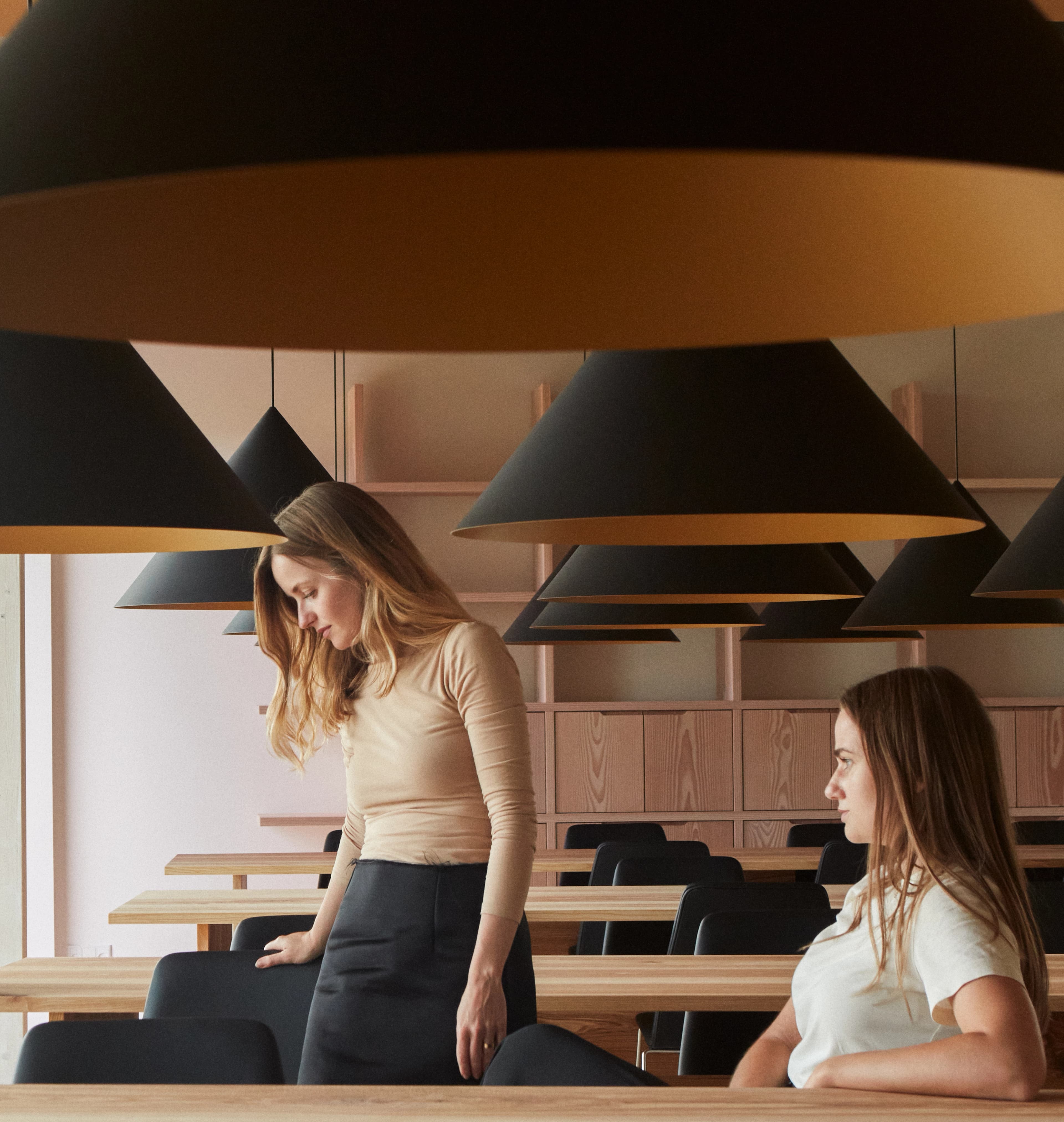
On a quiet side street in Copenhagen's Nørrebro neighborhood is Studio Pneuma, a brand dedicated to exploring the role of scent in the spaces we inhabit.
Step inside the studio and you're greeted by its founders, Diana Lindboe and Camilla Boccardi Christensen – along with a carefully curated selection from their world of fragrances. It doesn't smell like your grandmother's living room or a batch of freshly baked cookies. Yet the space feels calm. Inviting.
According to Diana and Camilla, that's a feeling worth protecting – and one that's becoming increasingly rare in modern buildings. The problem isn't that today's spaces smell bad. Rather, many have become so neutral that they feel almost scentless.
"Instead of trying to contain, disguise, and standardize the smells around us, perhaps what we really need is to reconnect with the natural world," says Camilla Boccardi Christensen.
They point to the old apartment buildings of their childhood in Copenhagen, where every floor – and every apartment – had its own distinct scent. You could smell the families who lived there. The scent told you something about the place and the people who called it home.
Today, they believe many new spaces are designed to be as clean, efficient, and controlled as possible. The result is often environments stripped of the traces of people, materials, and everyday life that once gave places their distinctive character. For Studio Pneuma, this isn't about nostalgia. It's about being present. Fully engaged with the moment.
"The greatest luxury today may simply be the feeling of being grounded in the present," says Camilla Boccardi Christensen.
When every place starts to smell the same – or doesn't seem to smell at all – it also risks losing part of its identity.
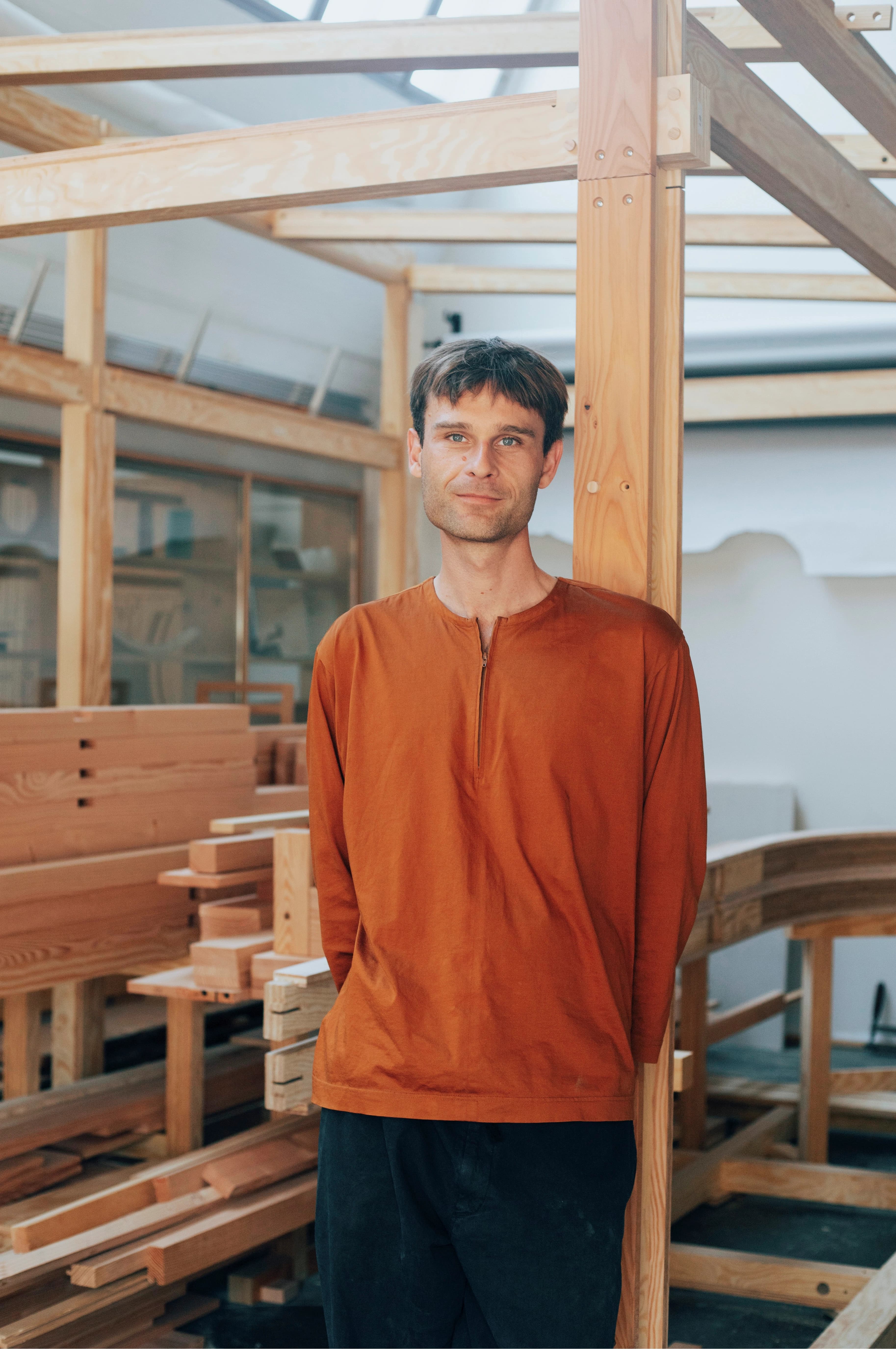
Studio Pneuma is a Copenhagen-based design studio founded in 2019 by architects Diana Lindboe and Camilla Boccardi Christensen. Drawing on their background in architecture, they create scents and objects that explore the relationship between space, the senses, and materials.
From a Sense of Home to a Branding Tool
While some places are losing their distinctive scents, others are becoming increasingly shaped by them.
Retail stores, hotels, and brands now use carefully designed fragrances to influence how we experience a space. The smell of freshly baked bread in a supermarket, signature scents in hotel lobbies, or fragrance-infused retail stores are all designed to make us feel a certain way – and often to encourage us to stay a little longer.
According to Alexander Fjældstad, scents can influence our behavior without us even realizing it.
"You can change people's behavior without them noticing," he says.
This creates an intriguing paradox in the world of scent. On one hand, many of the smells that once emerged naturally from people, materials, and everyday life are disappearing. On the other, scent is increasingly being used as a strategic tool to shape how we experience particular spaces.
Scent is shifting from something that naturally evolves within a place to something deliberately designed for it. And that's precisely why the question of scent is also a question of power.
Exhibition: This Is Not a Forest
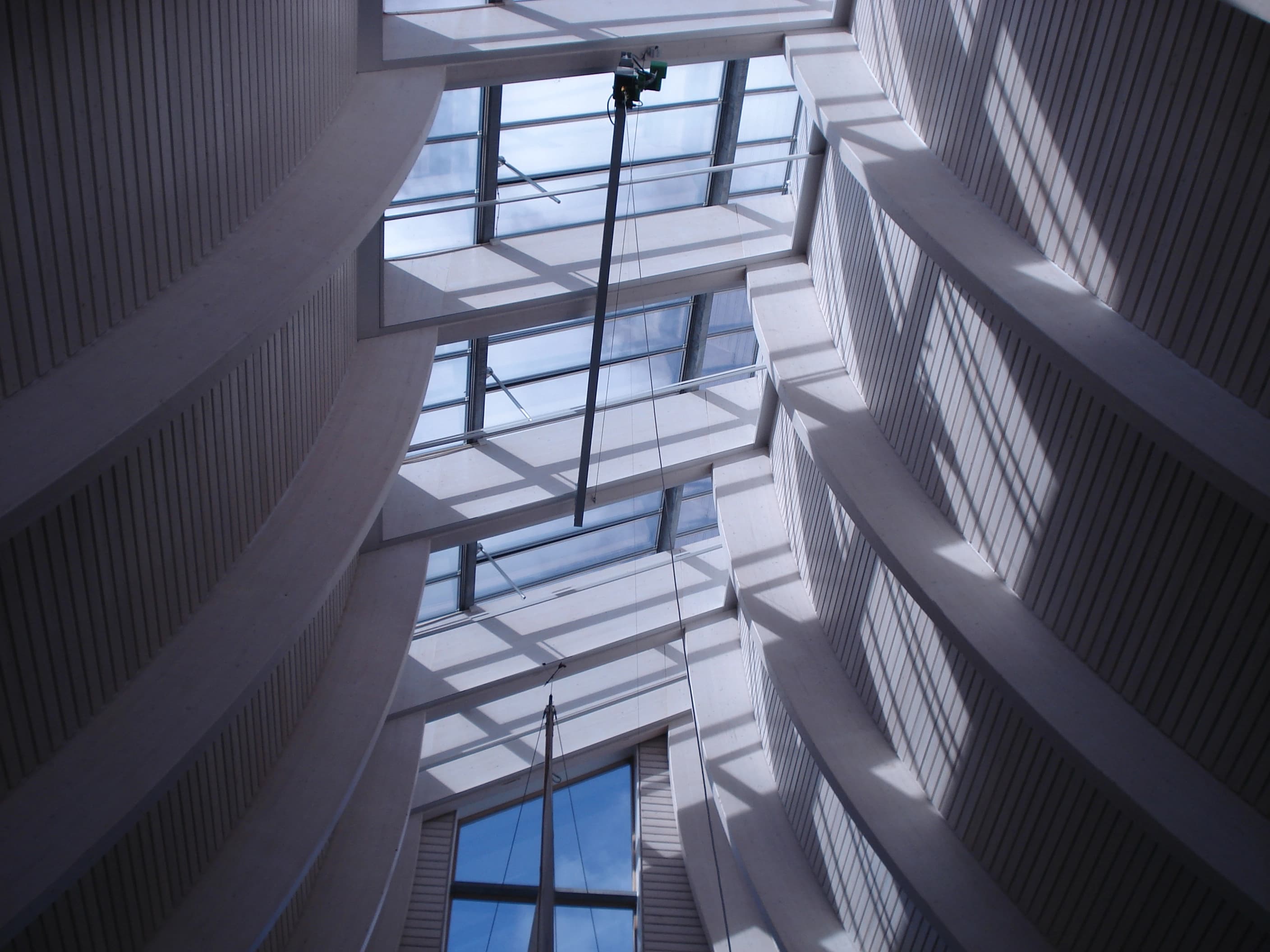
When you visit the Danish Architecture Center (DAC), you can walk through the exhibition This Is Not a Forest, where light, sound, and scent come together to evoke the feeling of being in nature. The installation explores how raw materials are transformed into architecture – and how those choices shape the way we experience space.
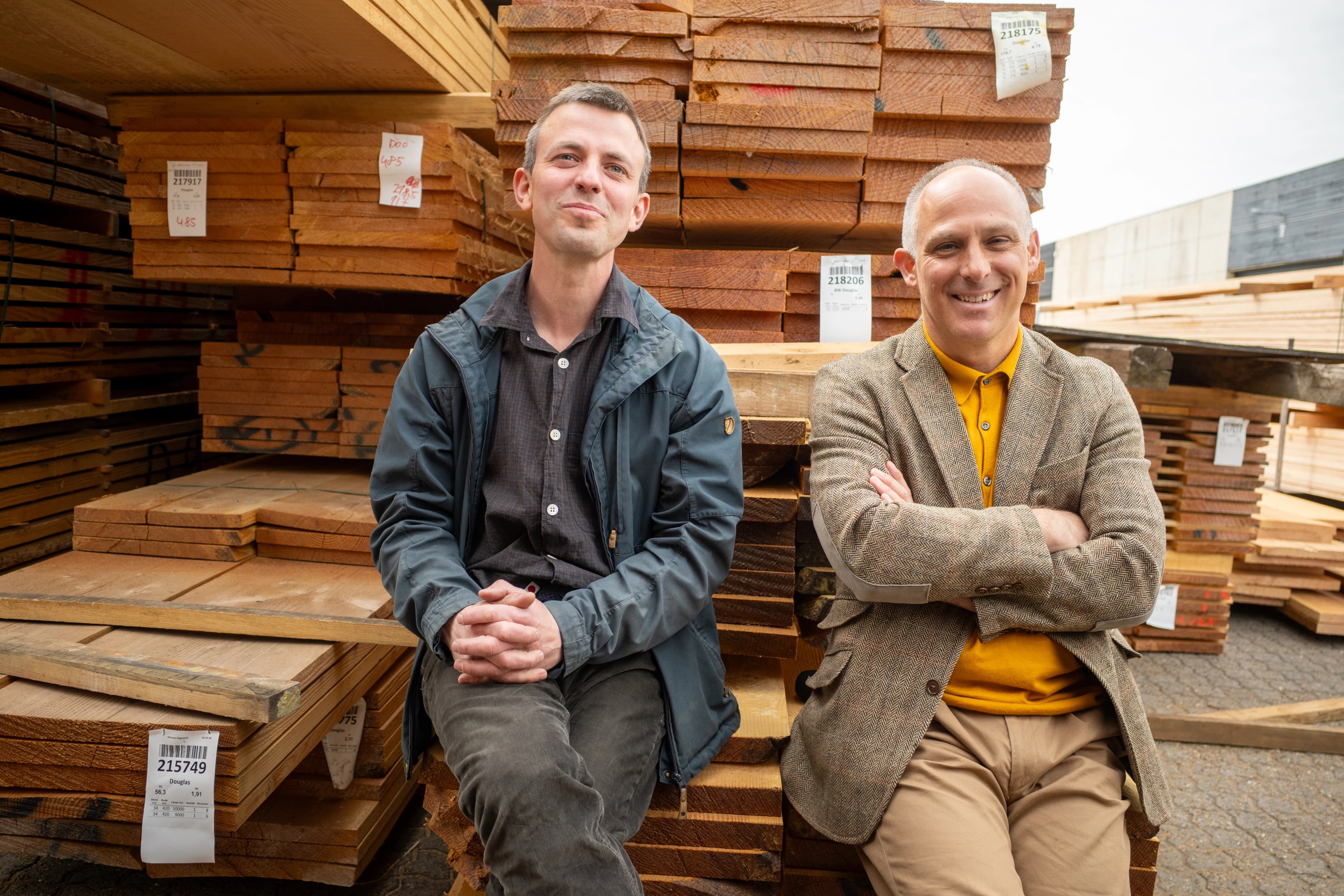
The exhibition was developed by Archival in collaboration with the Danish Architecture Center and Dinesen Lab, part of Dinesen.
Designing Spaces for More Than One Nose
Who gets to decide what a space should smell like? And is it even possible to create a scent that everyone enjoys?
The truth is, people respond very differently to the same smells.
According to Alexander Fjældstad, that's due to both experience and biology. The odor receptors we rely on to detect specific scents vary from person to person. As a result, the same fragrance may feel calming to one person, overwhelming to another, while someone else may even have an allergic reaction.
For Victoria Linn Lygum, good design isn't necessarily about creating the perfect scent. It's about giving people the ability to shape their own sensory environment.
If you don't like the smell in a bakery, perhaps the answer isn't to leave. Maybe it's simply a matter of opening a window – or choosing a different room with a different atmosphere. The ability to open a window, adjust the ventilation, or move away from certain smells therefore becomes a matter of inclusion. The goal isn't to eliminate scent altogether, but to give people the freedom to choose when and how they experience it.
That approach is already finding its way into healthcare design, where fragrance-free environments and improved ventilation are increasingly being incorporated to better support both patients and staff.
At the same time, Victoria Linn Lygum emphasizes that while scents can sometimes be overwhelming, they can also enhance the experiences and behaviors designers hope to encourage.
Research has shown, for example, that the scent of flowers and leaves can lower blood pressure and reduce stress hormones. Smell influences not only our emotions but also our bodies on a physiological level.
Perhaps the architecture of the future isn't about making spaces smell "right." Perhaps it's about creating spaces that leave room for many different noses.
The Scent of a Well-Designed Space
Scent gives places their character. It weaves together memories, people, and materials into a rich sensory tapestry that makes spaces instantly recognizable.
When we talk about scent – and smell – in architecture, we're not just talking about how pleasant a place is to be in. We're also talking about what gives it its identity, who gets to shape that identity, and what we stand to lose if every space ends up smelling the same.
That makes scent something architects need to consider as deliberately as light, sound, and materials.
This is precisely the awareness Studio Pneuma seeks to cultivate through its work with scent. Smell is not simply something to eliminate, conceal, or add. It is an integral part of architecture – a sensory dimension that shapes our relationship with places, often without us even realizing it.