Sacred Buildings: Religious Architecture in Churches, Mosques, Temples, and Synagogues
How are churches, mosques, temples, and synagogues built, and what role does religious architecture play in faith and ritual?
By Dansk Arkitektur Center
Looking back at the history of architecture, the oldest surviving buildings are often sacred buildings and important examples of religious architecture. Pyramids, ancient Persian temples, ziggurats, churches, mosques, and other religious buildings remain from periods in which almost no other structures have been preserved. For example, we do not know how the ancient Egyptians lived, but we do know what their sacred buildings looked like.
The buildings that survive best are often those constructed with the most durable materials and the greatest care. These are buildings that generations have considered worth preserving. In general, they are structures that have held special significance for a people or a religion.
Sacred Buildings Are More Than Just Buildings
The many sacred buildings that remain show how important religion and religious architecture have been to people from ancient times to the present day. Through these grand structures, people honored their gods and believed they could secure their favor. They also found stability in a life in which many basic conditions were uncertain. Would the harvest fail? Would they survive the cold and damp of winter? Would both mother and child survive childbirth? In sacred buildings, people found hope and trust in powers greater than themselves.
In sacred buildings and religious architecture, it becomes clear that architecture is not only about function but also about faith, ritual, and symbolism. Architecture can help us in our search for aspects of life that reach beyond everyday existence. In religious architecture, architects attempt to give physical form to faith, religion, and what is otherwise intangible.
Mosque
The Religious Building of Islam
Mosques are typically richly decorated with patterns and ornamentation. In Islam, depicting human figures is generally not permitted in religious decoration, so geometric patterns and plant motifs are used instead. These are often created as mosaics in glazed tile or colored glass.
The Religious Building of Islam
Mosques are typically richly decorated with patterns and ornamentation. In Islam, depicting human figures is generally not permitted in religious decoration, so geometric patterns and plant motifs are used instead. These are often created as mosaics in glazed tile or colored glass.
The Religious Building of Islam
Mosques are typically richly decorated with patterns and ornamentation. In Islam, depicting human figures is generally not permitted in religious decoration, so geometric patterns and plant motifs are used instead. These are often created as mosaics in glazed tile or colored glass.
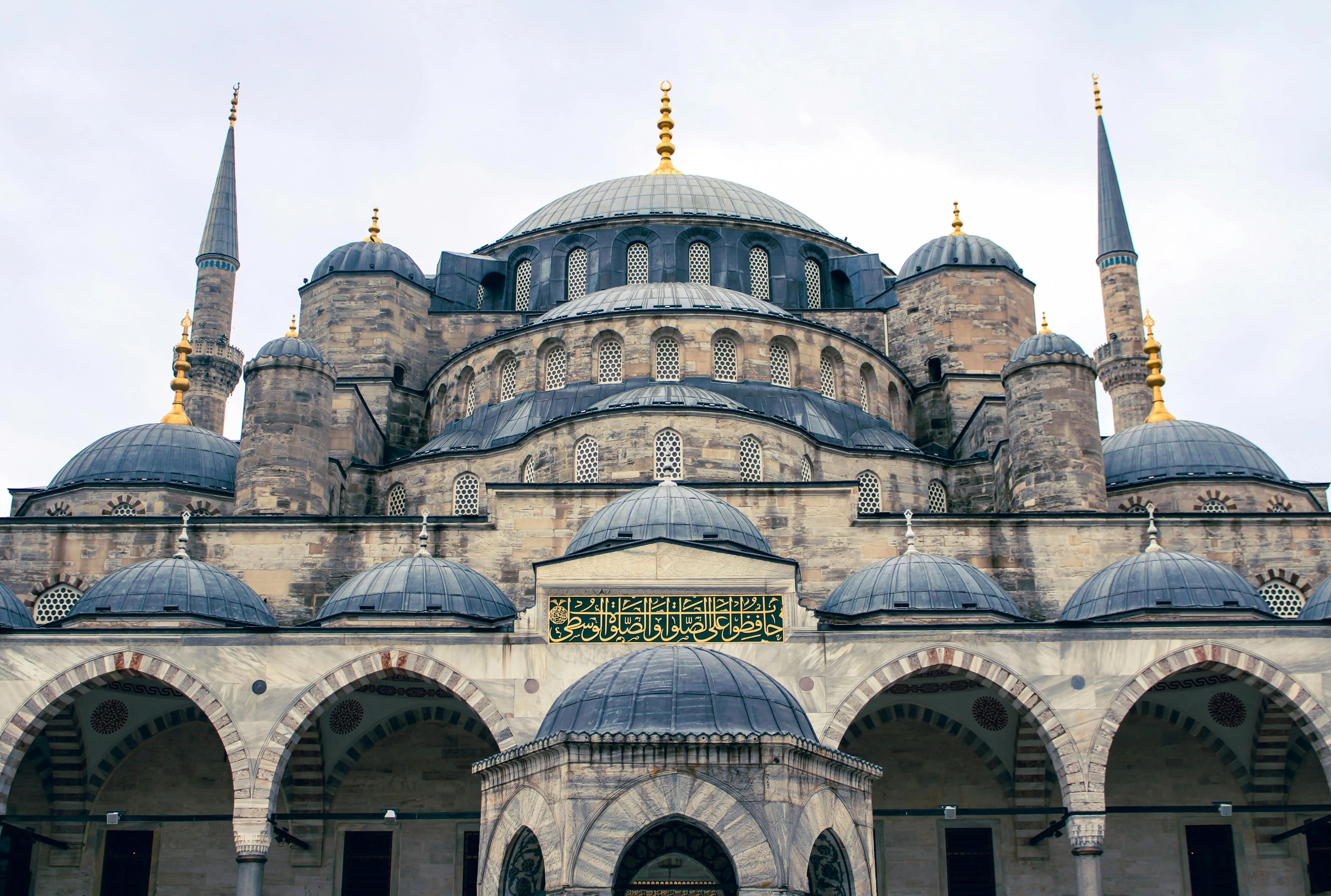
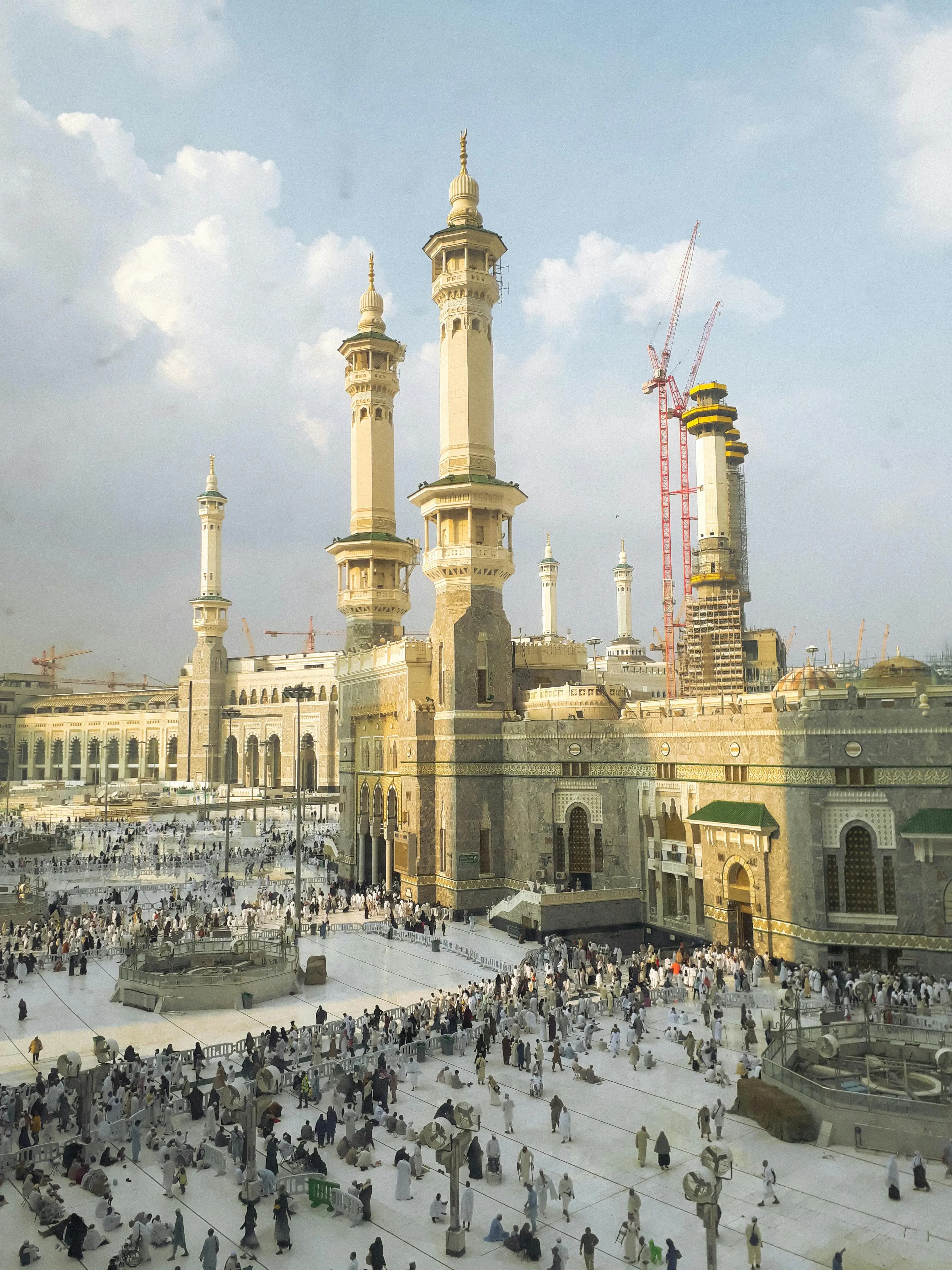
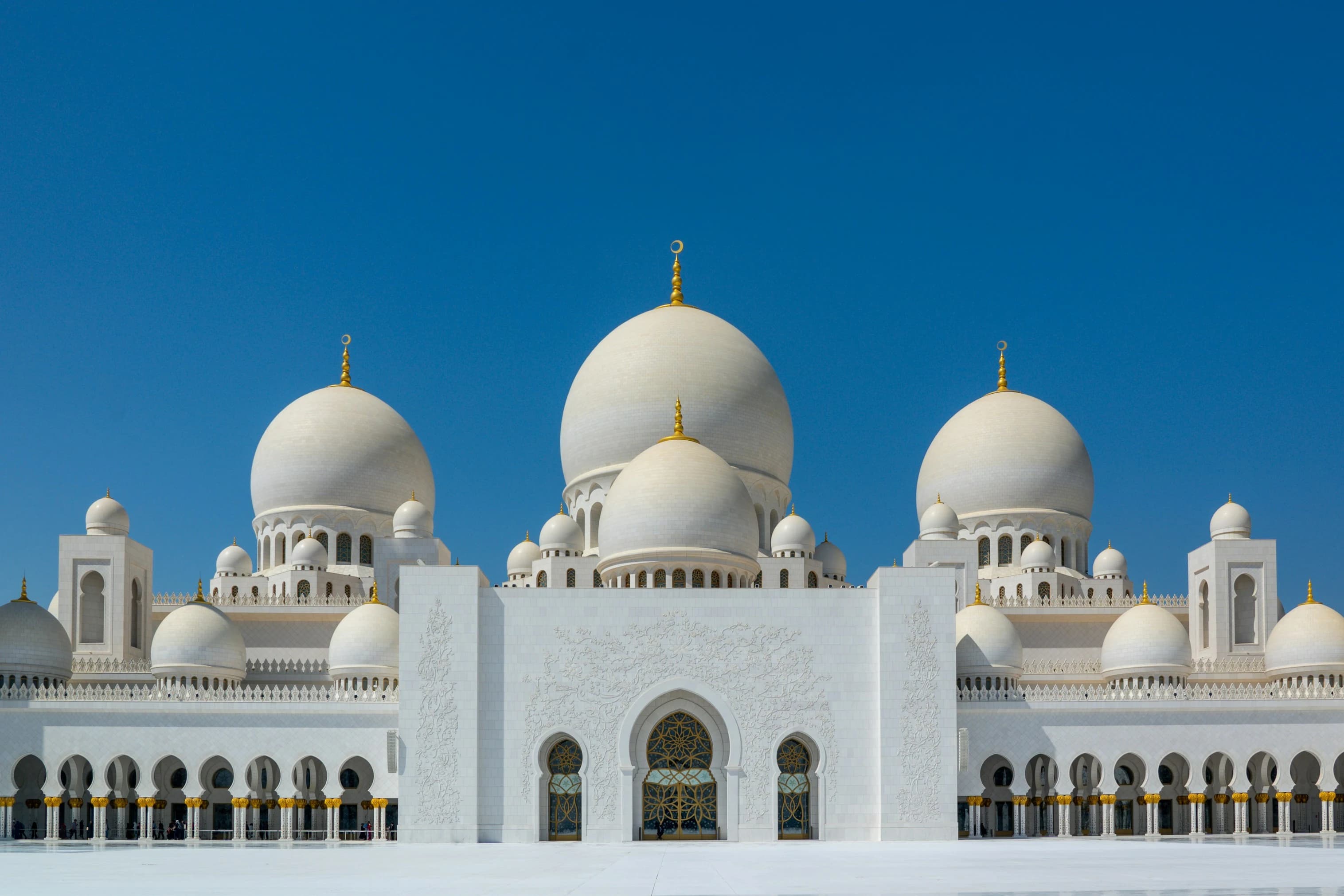
A mosque is Islam’s sacred building and a central example of Islamic architecture.
There are several different types of mosques. One example is the iwan, an elongated rectangular structure with a large vaulted interior space. One end of the iwan is open and faces a courtyard. Often, four iwans are arranged around the same courtyard. The sultan mosque has a large central dome, with smaller half-domes and quarter-domes extending outward from the structure that supports it.
Inside, the mosque consists of an elongated main prayer hall, or haram, which faces Mecca, Islam’s holy city. Along the walls of the haram stand columns or pillars connected by arcades. The arcades run parallel to the qibla wall. The qibla indicates the direction of Mecca and therefore the direction Muslims face during prayer. In the qibla wall is a niche called the mihrab, usually framed by an arch and two columns. Beside the niche stands the minbar, the imam’s pulpit.
In front of the haram there is often a courtyard or a colonnaded forecourt. Here there may be a well or fountain so that worshippers can perform ritual washing in preparation for prayer. This is also where the mosque’s tall tower, the minaret, is located. From the minaret, the call to prayer is made five times a day. Many mosques also include associated buildings for teaching, study groups, and sometimes day care centers and health clinics.
The Great Mosque of Córdoba in Spain was begun in 785–786 and expanded several times during the 9th and 10th centuries. Muslims ruled large parts of Spain for more than 500 years, and the mosque was built during that period. After Christian forces took control of Córdoba in the 13th century, the mosque was converted into a cathedral, which was later built into the center of the complex.
Church
The Religious Building of Christianity
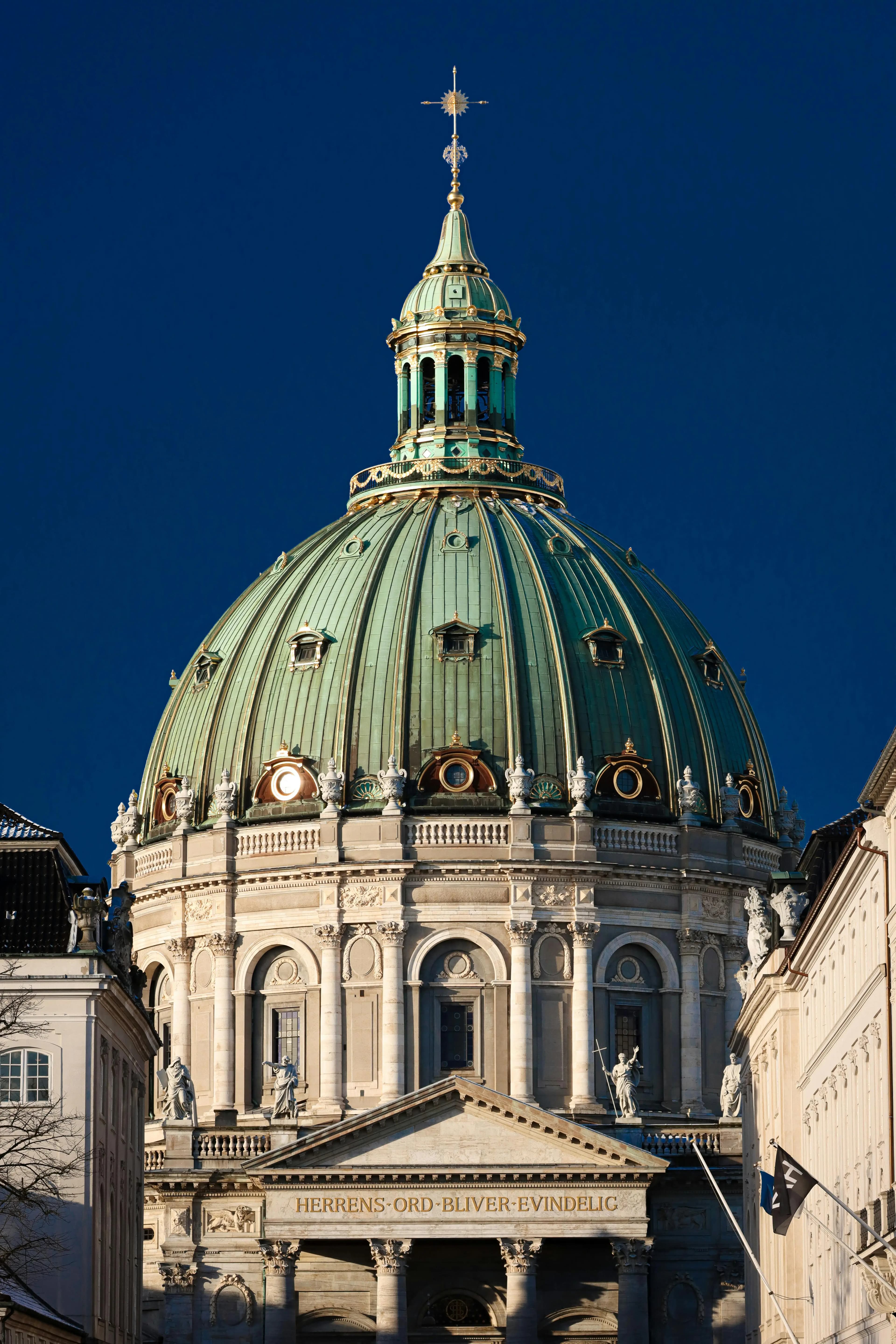
A church is Christianity’s sacred building and an important example of religious architecture. Its design is shaped by the needs of worship, including space for both the congregation and the clergy. Symbolic considerations have also influenced the church’s appearance. For example, the part of the church known as the choir is elevated above the rest of the building because that is where the altar stands. The large windows in Gothic churches emphasized the symbolic role of light: the idea that light is God’s light.
The Religious Building of Christianity
A church is Christianity’s sacred building and an important example of religious architecture. Its design is shaped by the needs of worship, including space for both the congregation and the clergy. Symbolic considerations have also influenced the church’s appearance. For example, the part of the church known as the choir is elevated above the rest of the building because that is where the altar stands. The large windows in Gothic churches emphasized the symbolic role of light: the idea that light is God’s light.
The Religious Building of Christianity
A church is Christianity’s sacred building and an important example of religious architecture. Its design is shaped by the needs of worship, including space for both the congregation and the clergy. Symbolic considerations have also influenced the church’s appearance. For example, the part of the church known as the choir is elevated above the rest of the building because that is where the altar stands. The large windows in Gothic churches emphasized the symbolic role of light: the idea that light is God’s light.
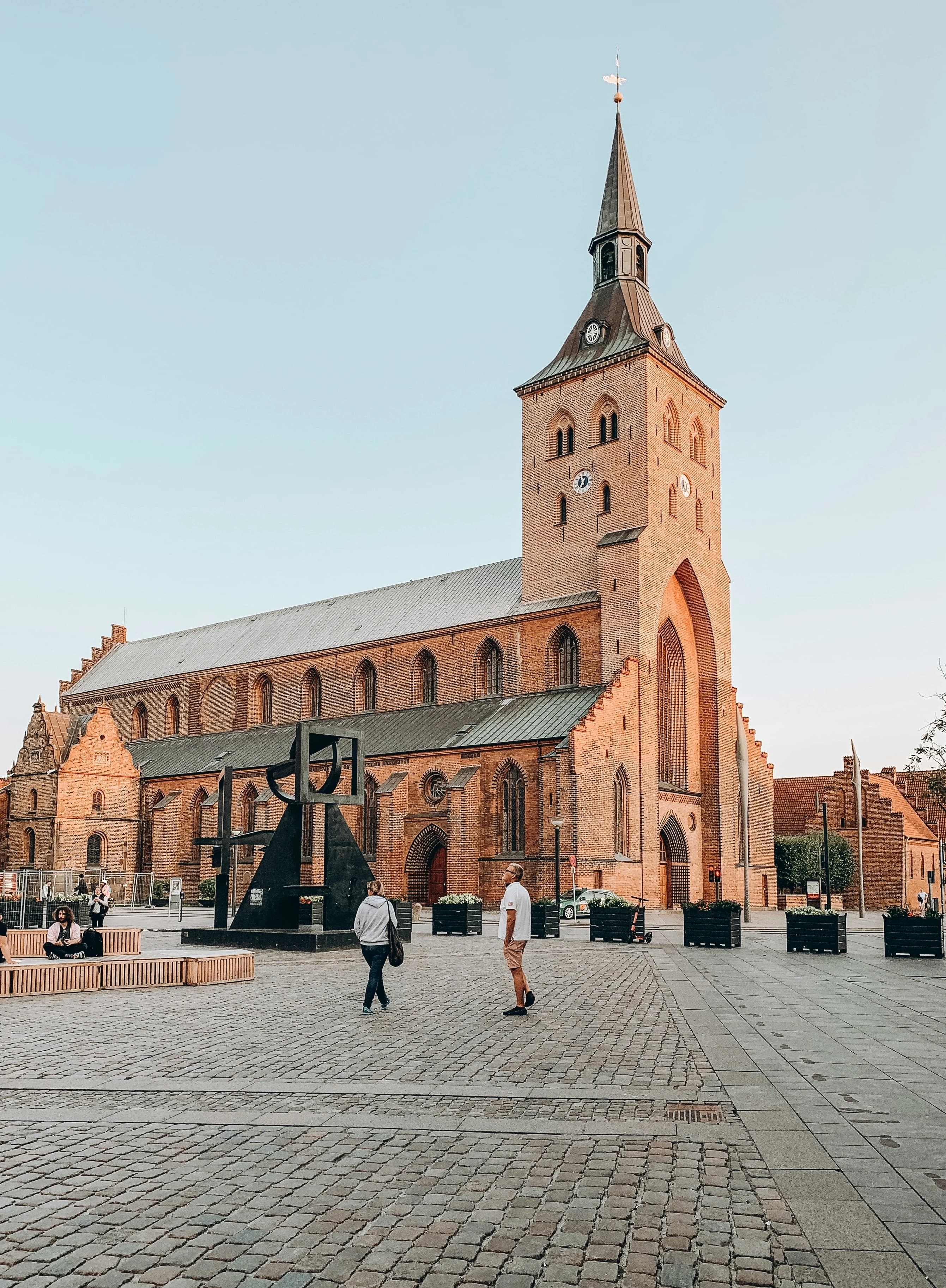
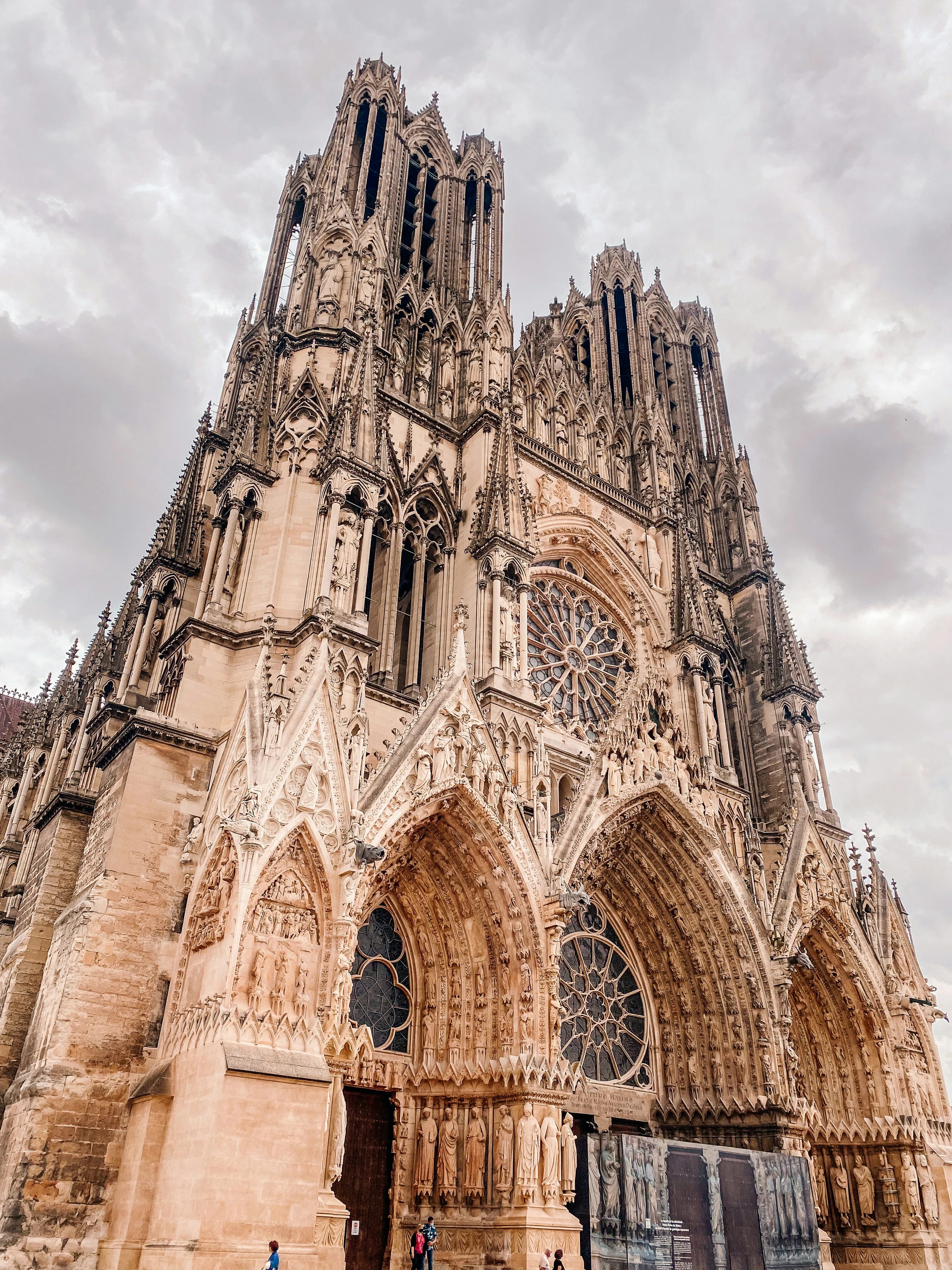
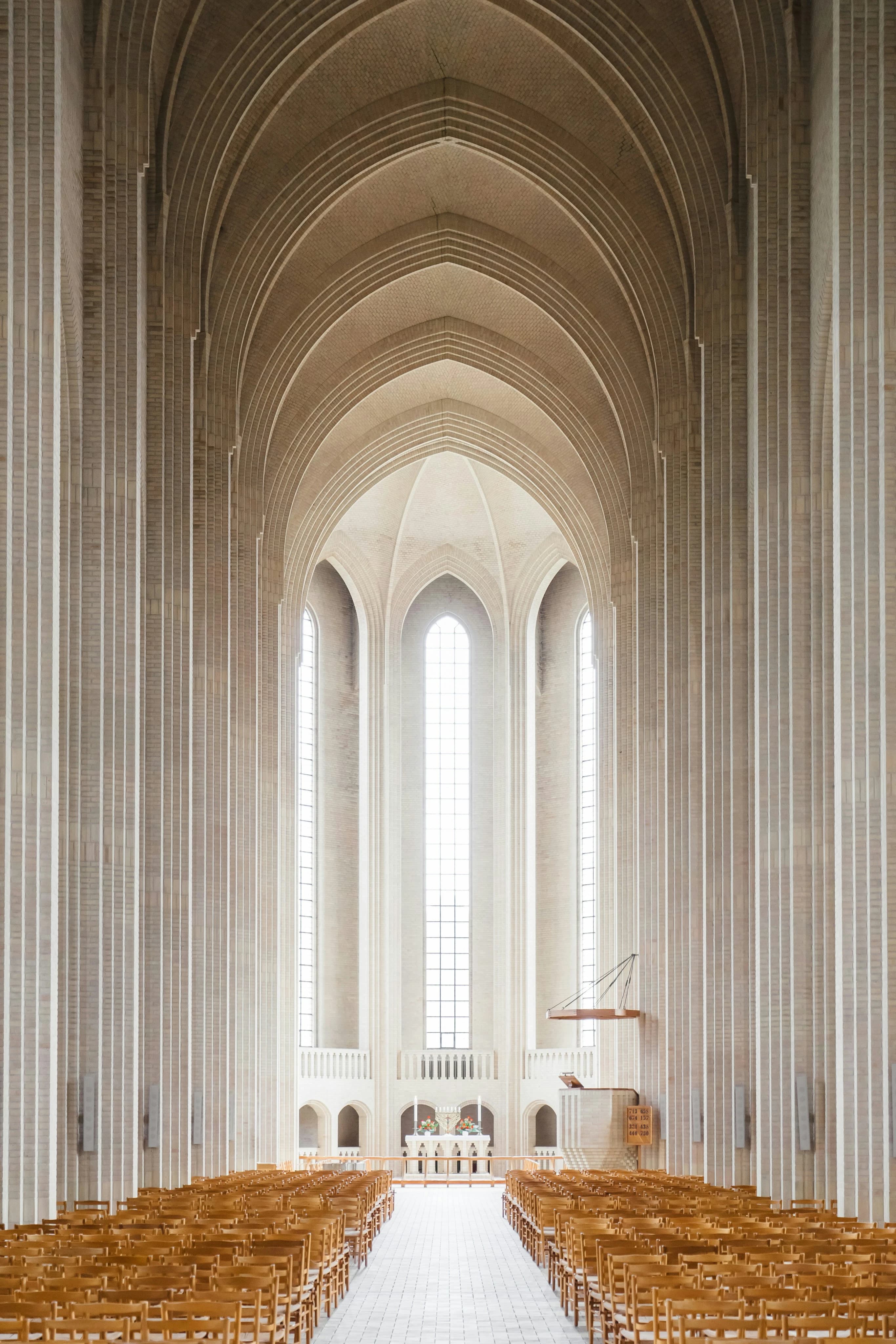
Church architecture has developed in response to available construction techniques and the styles of different periods. Power structures and economic conditions have also played a role. Where the church held great power and wealth, large and beautiful churches were built. It was important for the church building to display the influence and grandeur of religion.
The Structure of a Church: Choir, Apse, Nave, and Sacristy
Church building has changed significantly throughout the history of Christianity, and many different kinds of churches have therefore been built over time. A church does, however, have a number of fixed elements that recur from building to building. All churches have a choir, where the main altar stands. The altar should ideally face east, since east is considered the sacred direction. The choir is where clergy, such as the priest and the parish clerk, remain during the service. It is often raised slightly above the rest of the church interior by a series of steps.
In early churches, the singers stood here, which is how this part of the building got its name. Another niche may extend from the choir. This part of the church is called the apse and is the holiest part of the church. The largest room in the church is called the nave. This is where the congregation sits during the service. Most churches also have a vestibule, a sacristy, and a tower. The vestibule is the first room one enters. In earlier times, men were expected to leave their swords there, which is how the room got its name. The sacristy is a room where items used during the service are kept, such as vestments, altar cloths, candles, and communion vessels. The priest may also stay there before and during the service, for example during hymns. As a rule, the sacristy is located beside the choir.
A church may be built either as a longitudinal church or as a central-plan church. The longitudinal church is organized around the nave and is the oldest church type. It dates back to the earliest church buildings of the 4th century. Later, a transept was added, set at a right angle to the nave, giving the church the shape of a cross. The central-plan church is organized around a circular space covered by a dome. This type of church is especially associated with the Renaissance. During that period, the circle was considered the perfect form. In most cases, however, the circle is combined with an elongated space leading toward the altar.
The Church’s Power, Wealth, and Architectural History
In the Middle Ages and until the end of the Renaissance, the church was the greatest power in Europe. For that reason, much of Europe’s cultural heritage is found in church building. This can be seen clearly in European church architecture, where great Gothic cathedrals emphasize the church’s influence and wealth. In the Baroque period, the Catholic Church was eager to demonstrate that it was more important than the Protestant Church. This led to overwhelming church buildings on a grand scale, with rich decoration. More recent church buildings follow the traditional understanding of which architectural elements a church should contain. Beyond that, however, they adapt to the architectural styles of their own time. Some churches have taken on sculptural forms, while others draw inspiration from older church buildings but use those forms in new ways.
From the 12th century onward, churches in Denmark were built in stone. Before that, there were wooden stave churches, but none of them have survived. The earliest stone churches were built in the Romanesque style, with a nave, choir, and sometimes an apse. Later, in the Gothic period, many of them were given a vestibule, tower, sacristy, and chapels. In some places, the churches’ flat wooden ceilings were replaced with masonry vaults, as was typical of Gothic architecture. The wall paintings in Danish churches also date from this period.
Temple
A Sacred Building in Multiple Religions
A temple is a sacred building found in several religions and plays a central role in religious architecture. Hindus and Buddhists, for example, have temples. Many ancient religions also had temples, including the Aztecs of Mexico.
A Sacred Building in Multiple Religions
A temple is a sacred building found in several religions and plays a central role in religious architecture. Hindus and Buddhists, for example, have temples. Many ancient religions also had temples, including the Aztecs of Mexico.
A Sacred Building in Multiple Religions
A temple is a sacred building found in several religions and plays a central role in religious architecture. Hindus and Buddhists, for example, have temples. Many ancient religions also had temples, including the Aztecs of Mexico.

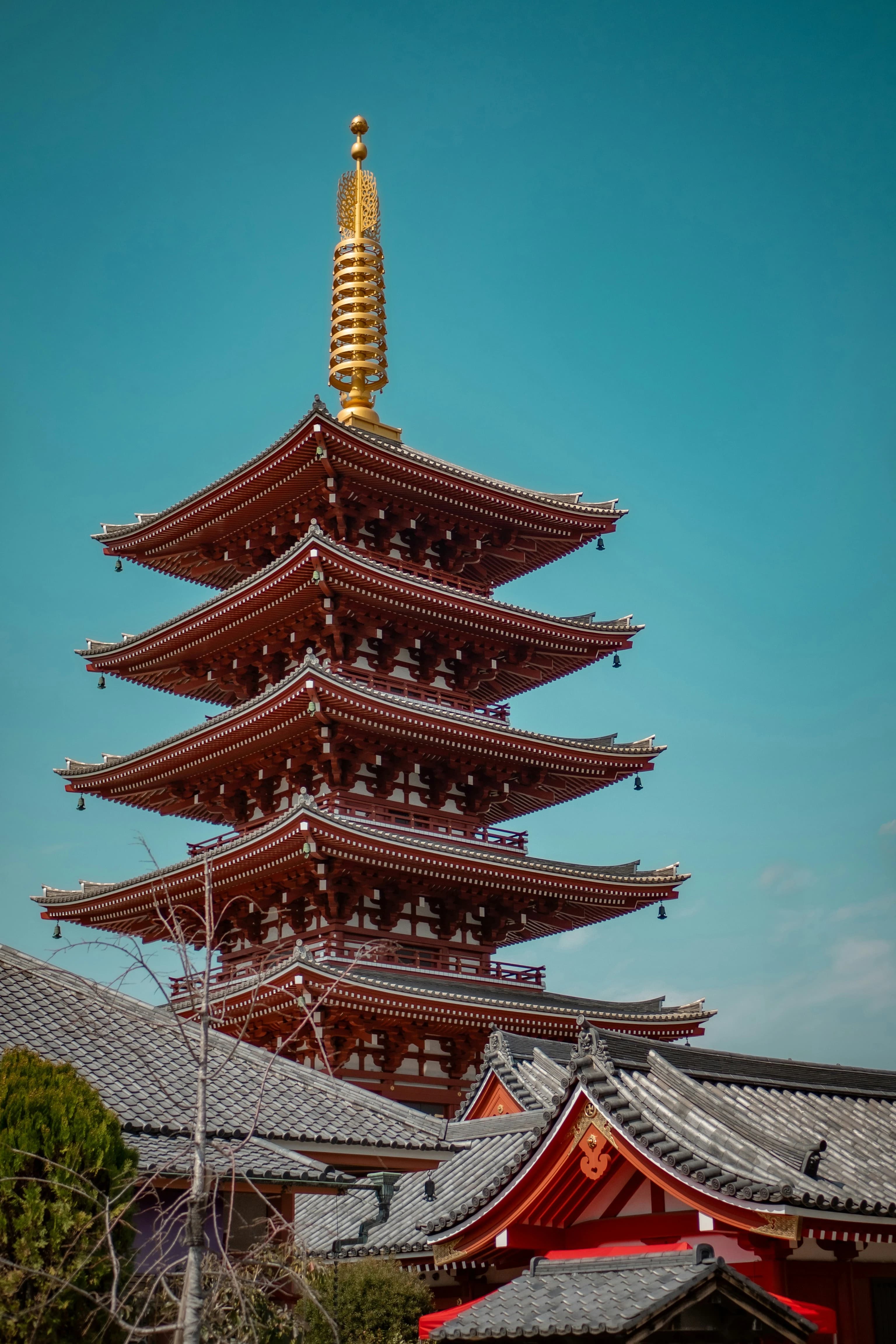
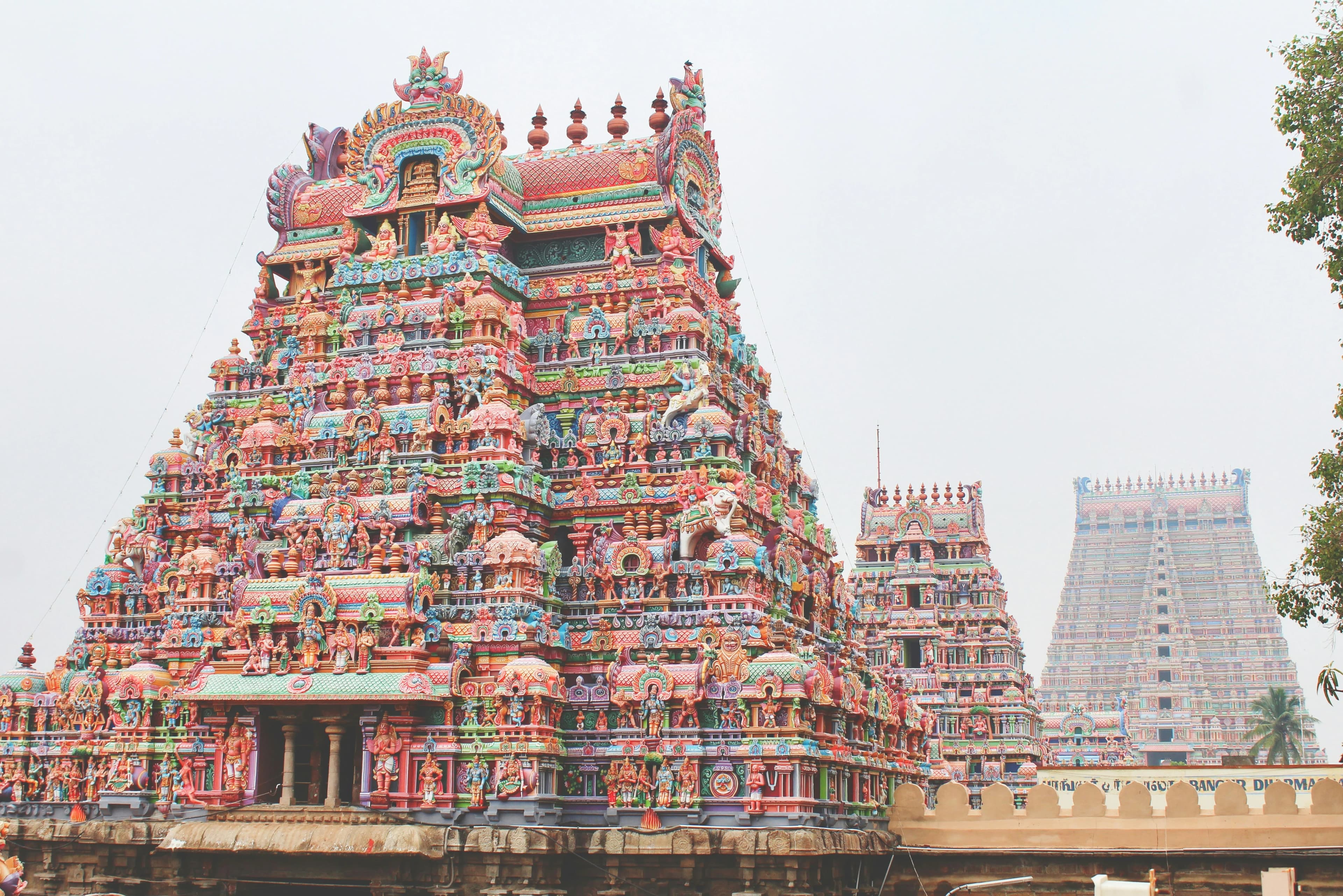
A religion’s sacred ceremonies take place in and around the temple. The temple may also be regarded as the dwelling place of a god or gods. The temple is seen as a link between human beings and gods. Temples are therefore not gathering places for worshippers in the same way as churches, mosques, or synagogues. Instead, they are places for encounters between the individual and the divine.
There are many different kinds of temple buildings. Their form depends on the religion for which the temple was built, the period in which it was built, and the place where it was built. In ancient Greece, the temple was the most important kind of building. Temple architecture was a central part of the ideal of the perfect building, and the task of architecture was to create the perfect temple.
All temples were built with an inner chamber for the god in whose honor they were erected. The temple’s walls consisted of a ring of columns that supported the roof. The pediment, triangular in shape, was decorated with sculptural figures. The Greek temple had no enclosing walls—only columns. There was no need for walls, because the inner room did not carry much importance. No people used it. What mattered was the exterior of the temple.
Hindu and Buddhist Temples
Hindu and Buddhist temples developed from cave temples into large complexes resembling cities, with streets surrounding the temple at the center. The earliest temples were made of wood, and they disappeared long ago. Some temples are tall, square buildings that grow narrower toward the top. Others resemble Greek temples, with columns and roofs. Temples are decorated with ornaments and images of gods.
At the very center of the temple is the holiest room, the god’s chamber. It is a small, dark room with thick stone walls. The temple’s principal god resides here, and statues of that god are therefore placed in the room. Only priests have access to it. Above this room rises the temple tower, which resembles a mountaintop. The tower forms a link between the human world and the world of the gods. It is imagined that the ceremonies taking place in the temple create energy that is carried up to the god through the tower.
The Temple’s Form and Symbolism
The temple’s shape is square. Its four equal sides represent the four cardinal directions and symbolize what is unchanging, in contrast to the circle, which is seen as an expression of movement. This is also why a temple must be built of stone. Stone is a very solid material, and it is used as a symbol of the divine’s eternal presence. Precise astronomical and mathematical calculations are used to give the temple its completely perfected form, one that is meant to correspond to the structure of the universe.
Water is important to a temple. It is necessary for a meeting between humans and gods. Temples are therefore often located by rivers. There may also be a basin within the temple wall or just outside it. Here worshippers can take a cleansing bath before entering the temple. If there is no access to water, three vessels of water are placed in the temple’s innermost room. Around the temple there is often an elongated rectangular courtyard. Here there are small buildings for other divine statues.
Synagogue
The Religious Building of Judaism
A synagogue is Judaism’s sacred building and an important part of both religious architecture and Jewish cultural history. The word synagogue is Greek and means “assembly house.” A synagogue is both a place for the meeting between God and human beings and a place for gathering among worshippers.
The Religious Building of Judaism
A synagogue is Judaism’s sacred building and an important part of both religious architecture and Jewish cultural history. The word synagogue is Greek and means “assembly house.” A synagogue is both a place for the meeting between God and human beings and a place for gathering among worshippers.
The Religious Building of Judaism
A synagogue is Judaism’s sacred building and an important part of both religious architecture and Jewish cultural history. The word synagogue is Greek and means “assembly house.” A synagogue is both a place for the meeting between God and human beings and a place for gathering among worshippers.
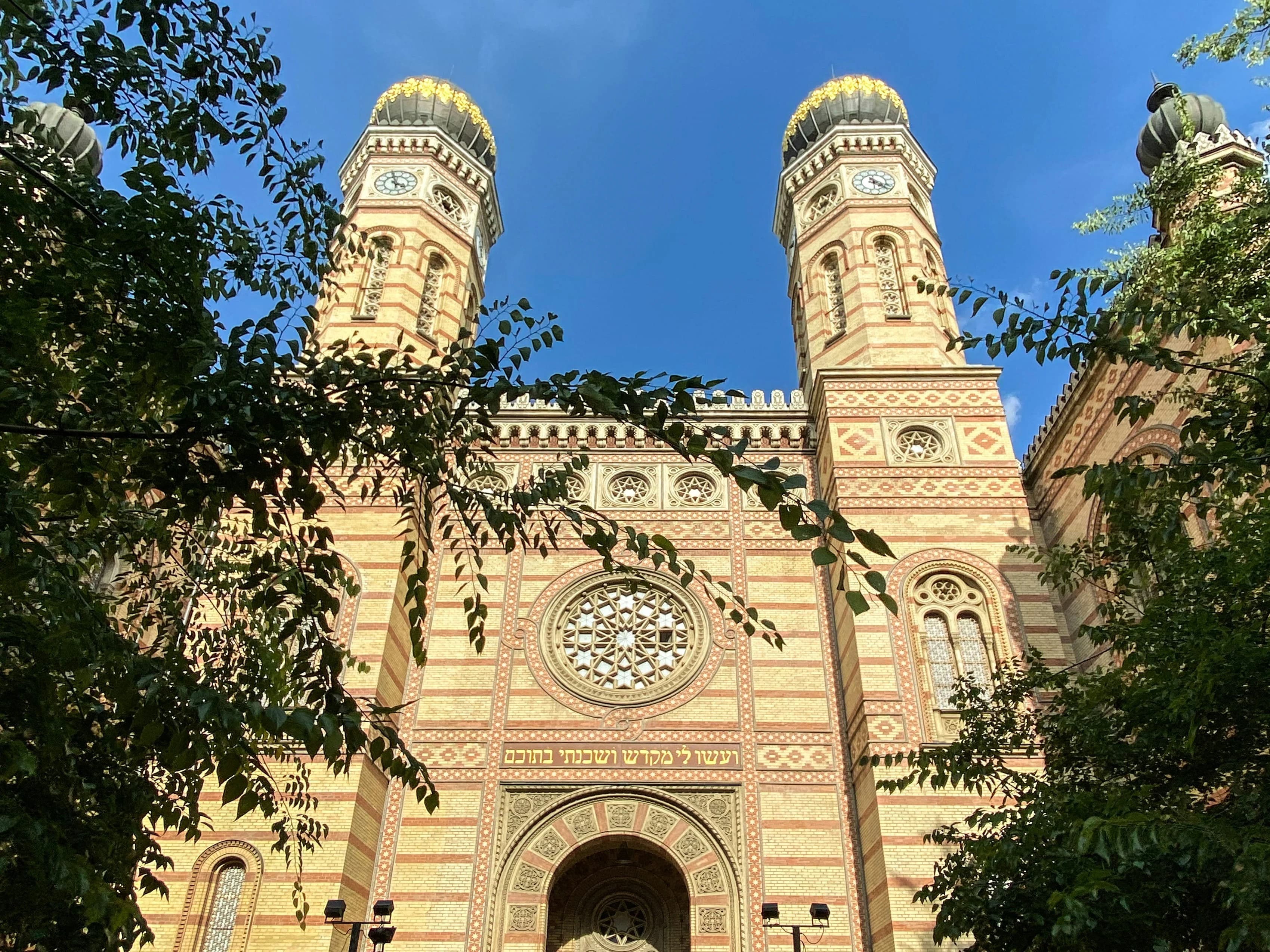
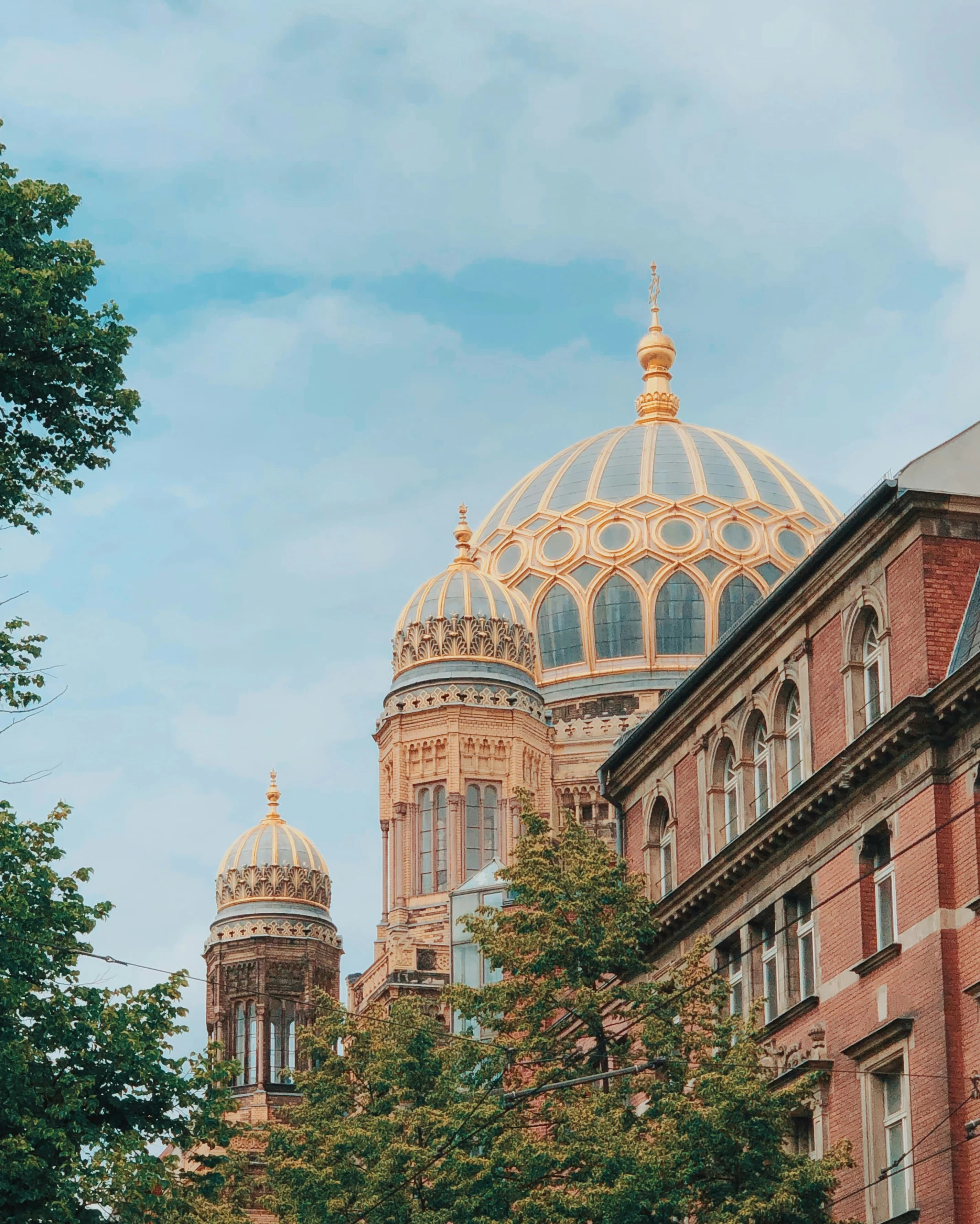
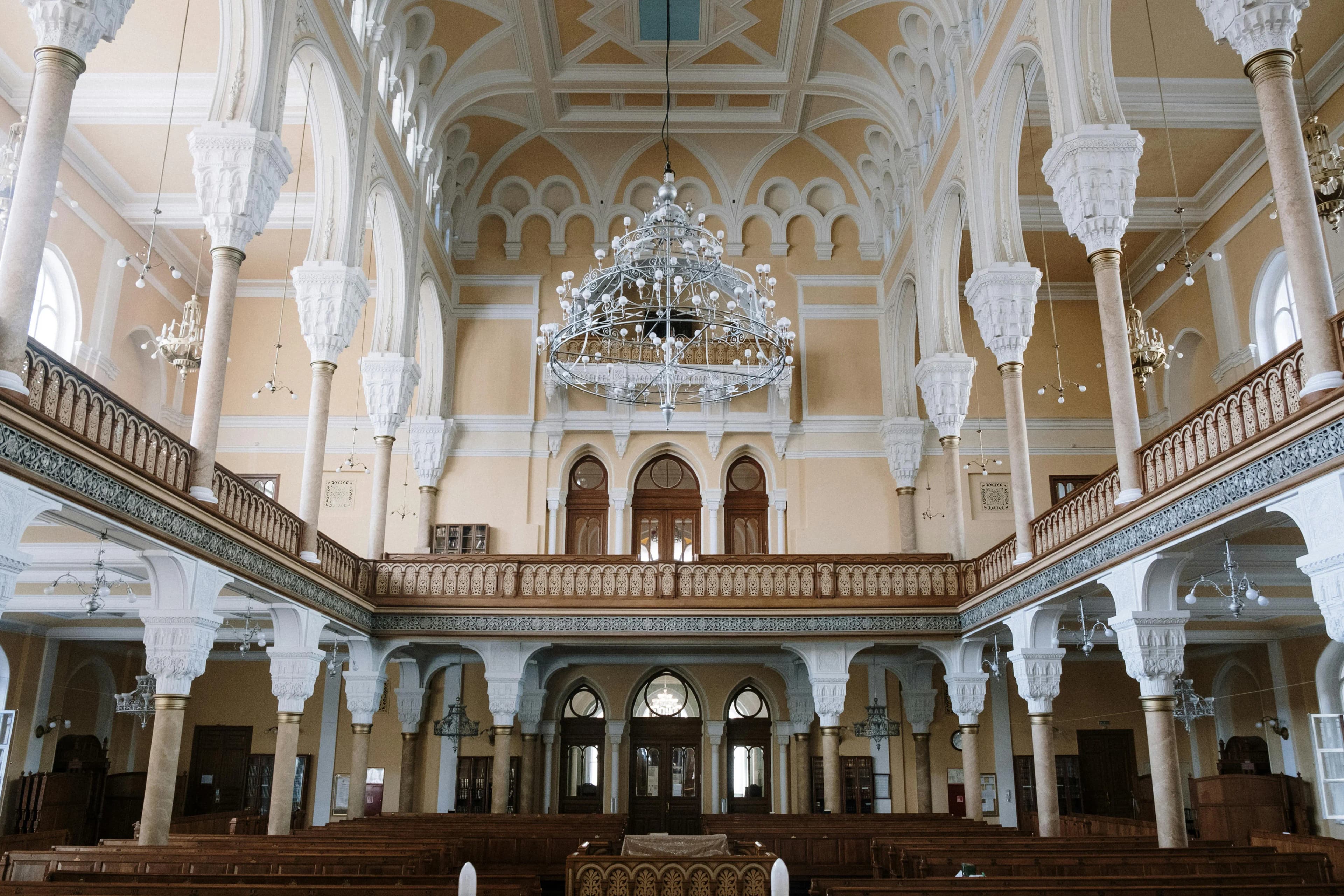
The form of a synagogue often resembles that of a church. This is because Jewish communities around the world have adapted their sacred buildings to the religious architecture of the countries in which they live. Throughout history, Jews have been persecuted in many countries. Synagogues therefore were often designed not to stand out and attract attention.
All synagogues share certain common features. These common elements have more to do with interior arrangement than with the building itself. They include, for example, a cabinet for sacred texts and a reading platform. Jewish communities have often had to establish their synagogues in temporary buildings or rooms because they were so often driven out.
Copenhagen Synagogue: Architecture and History
Copenhagen Synagogue was completed in 1833 and designed by C.F. Hetsch. At that time, Jews still faced significant opposition in Denmark, so the synagogue was not allowed to be too conspicuous. Simply obtaining permission to build it had been problematic for the Jewish congregation. The authorities required the synagogue’s façade to be set back from the other buildings on the street. An important element of the façade is the twelve columns, which symbolize the twelve tribes of Israel—the tribes into which the Jewish people were divided. In addition, the building is a blend of Oriental and Danish culture.