Urban Culture: Freedom, Anonymity, and the Risk of Loneliness
Urban life offers endless possibilities. You can do what you want, be who you want, and live as you choose. Yet the fast pace and anonymity of the city can also lead to loneliness and a sense of rootlessness.
By Dansk Arkitektur Center
In the Middle Ages, city walls or ramparts clearly separated the city from the surrounding countryside, defining what was urban and what was not. Within the city, people made their living through crafts and trade, while agriculture dominated outside the walls.
At the center of the city stood the castle or church, symbolizing the power of the nobility or the clergy over its inhabitants. Around this center, the city was divided into small neighborhoods.
Each neighborhood functioned as a self-contained unit where people worked, traded, and lived their private and social lives.
With industrialization beginning in the late 18th century, this urban structure changed, laying the foundation for modern urban culture. Cities expanded rapidly beyond their walls and gradually became divided into distinct districts with specific functions: work, leisure, housing, transportation, and recreation. The modern metropolis emerged—along with a new way of life and a new culture.
A Wealth of Opportunities
The city seems to contain everything.
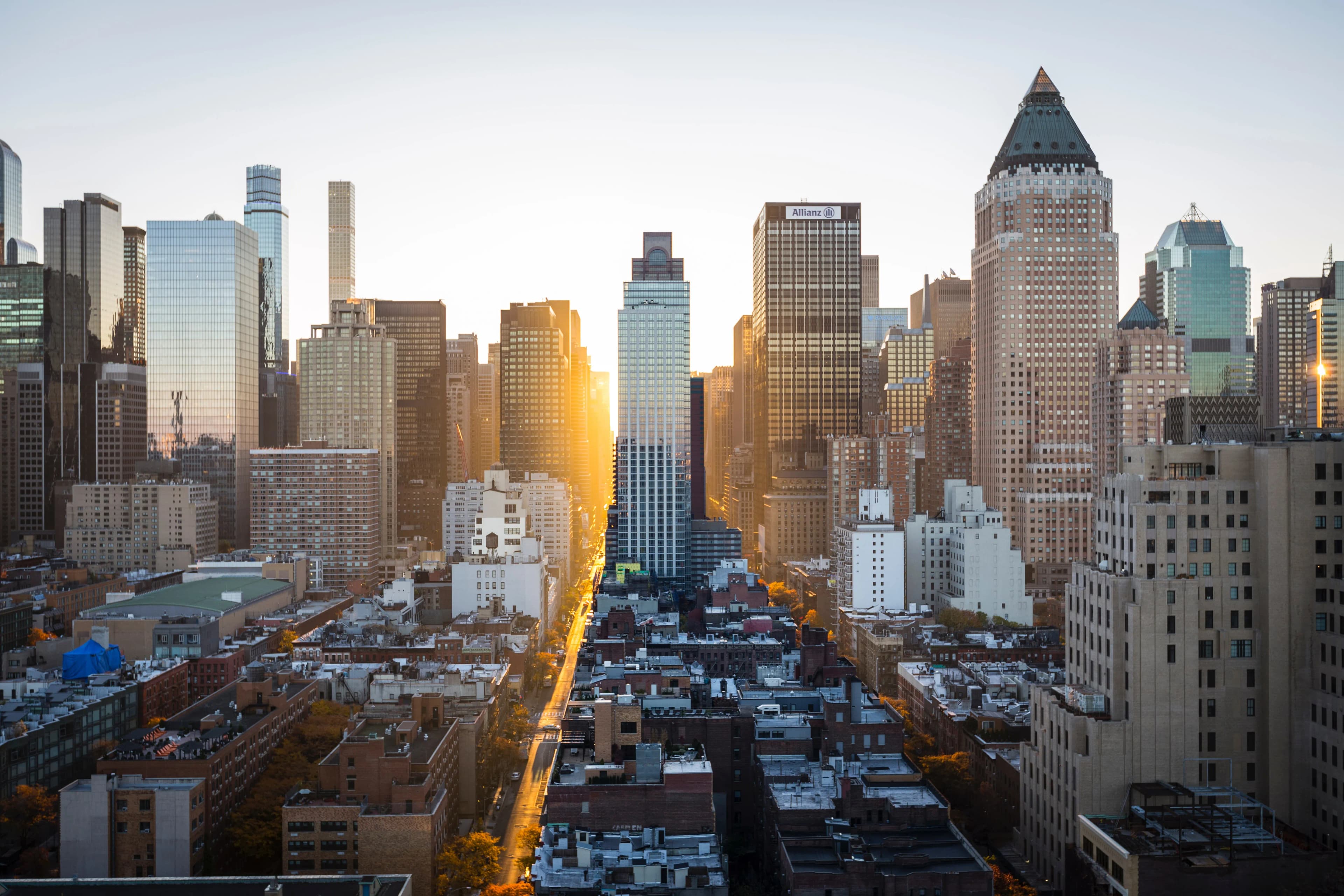
It is where government institutions, political and economic power, industry, working life, traffic, entertainment, fashion, commerce, international exchange, and high-speed living converge. There is no product you cannot find, no type of person you cannot meet, no job you cannot pursue, and no performance you cannot experience. The possibilities seem endless.
Freedom and Rootlessness
In the city, individuals are largely freed from fixed social structures. With so many choices available, people are no longer bound in the same way by tradition or predetermined roles.
Work, housing, social status, and relationships can be selected and changed according to personal preferences.
For many, this freedom is empowering. It allows individuals to define themselves and choose who they want to be. However, this same freedom can also lead to rootlessness and restlessness. Without stable frameworks, relationships may feel temporary and less binding.
Alone in the Crowd
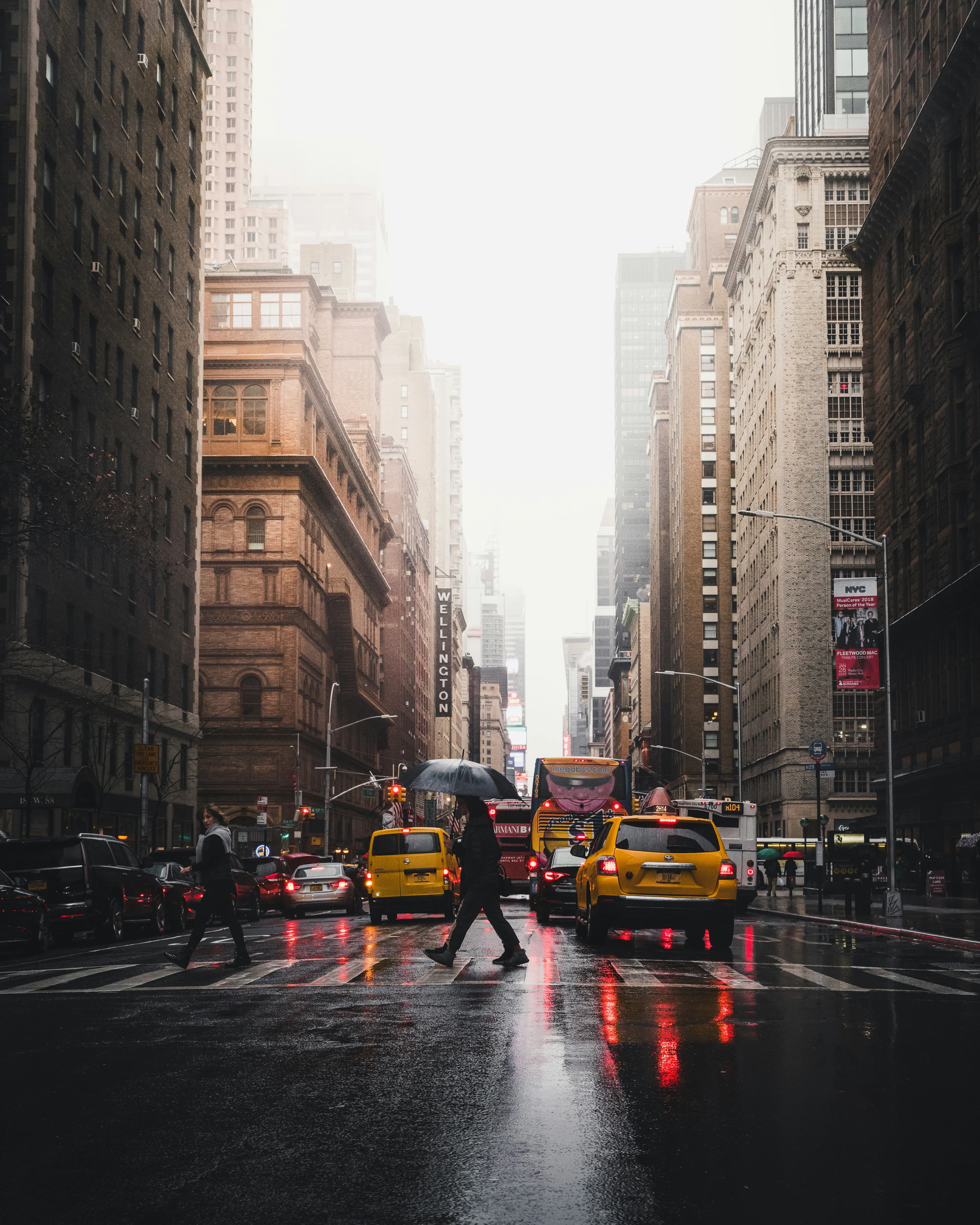
The city is characterized by density: many people live close together without necessarily knowing one another.
Every day, you encounter countless strangers. You may hear your neighbors above, below, and next door, and you are rarely completely alone—even if others are present only as background noise.
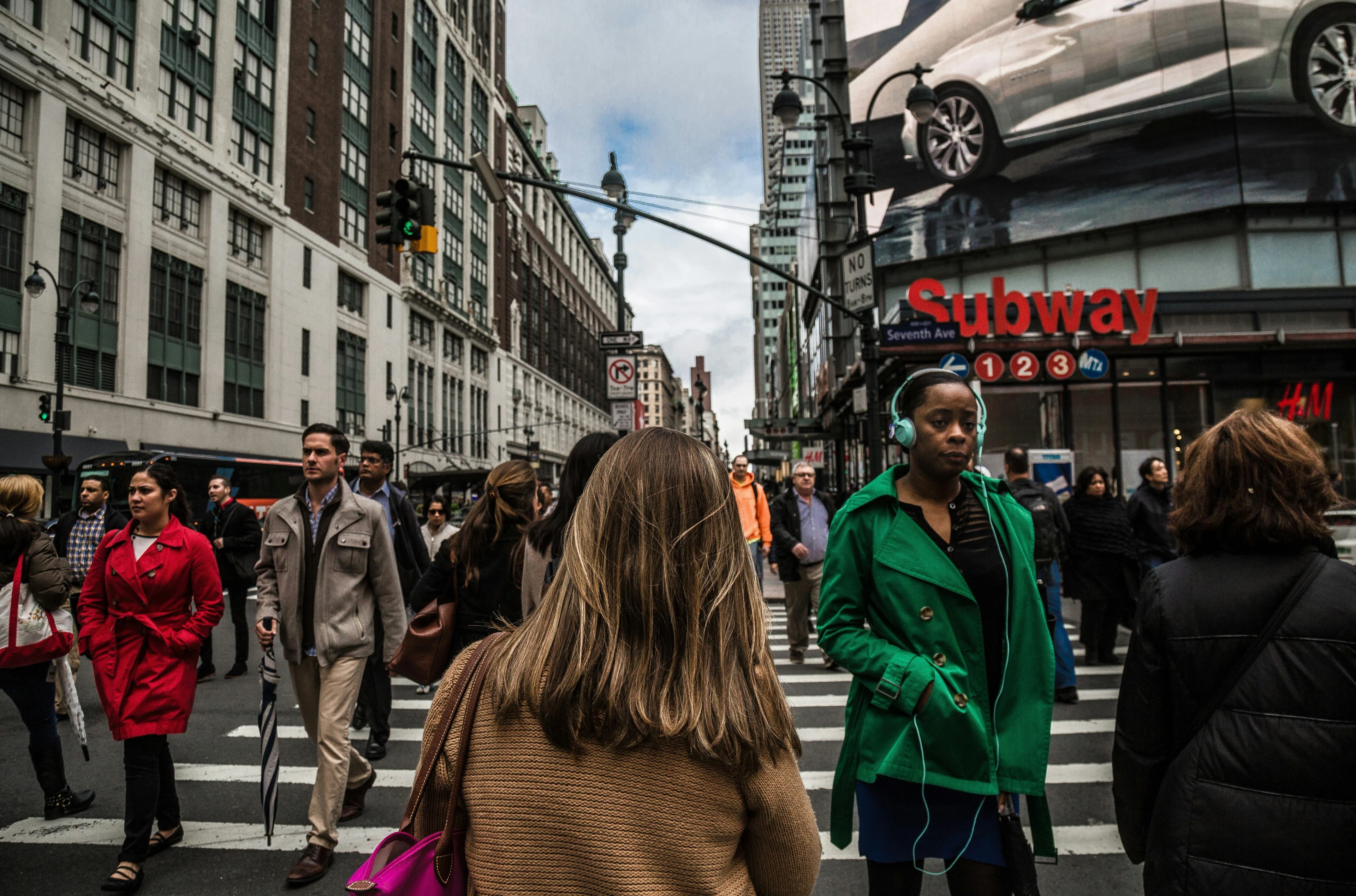
Paradoxically, however, the city is also often seen as a place where loneliness is widespread. You do not know the people you pass on the street, and you may not even know your own neighbors. Likewise, they do not know you, nor do they take an interest in your life. As a result, urban life can create a strong sense of anonymity and isolation within the crowd.
City and Countryside
Life in rural areas traditionally unfolds at a slower pace, where experiences and choices are easier to grasp.
In contrast, urban life overwhelms the individual with sensory impressions. All the senses are constantly stimulated in the intense flow of city life, where one event quickly replaces another.
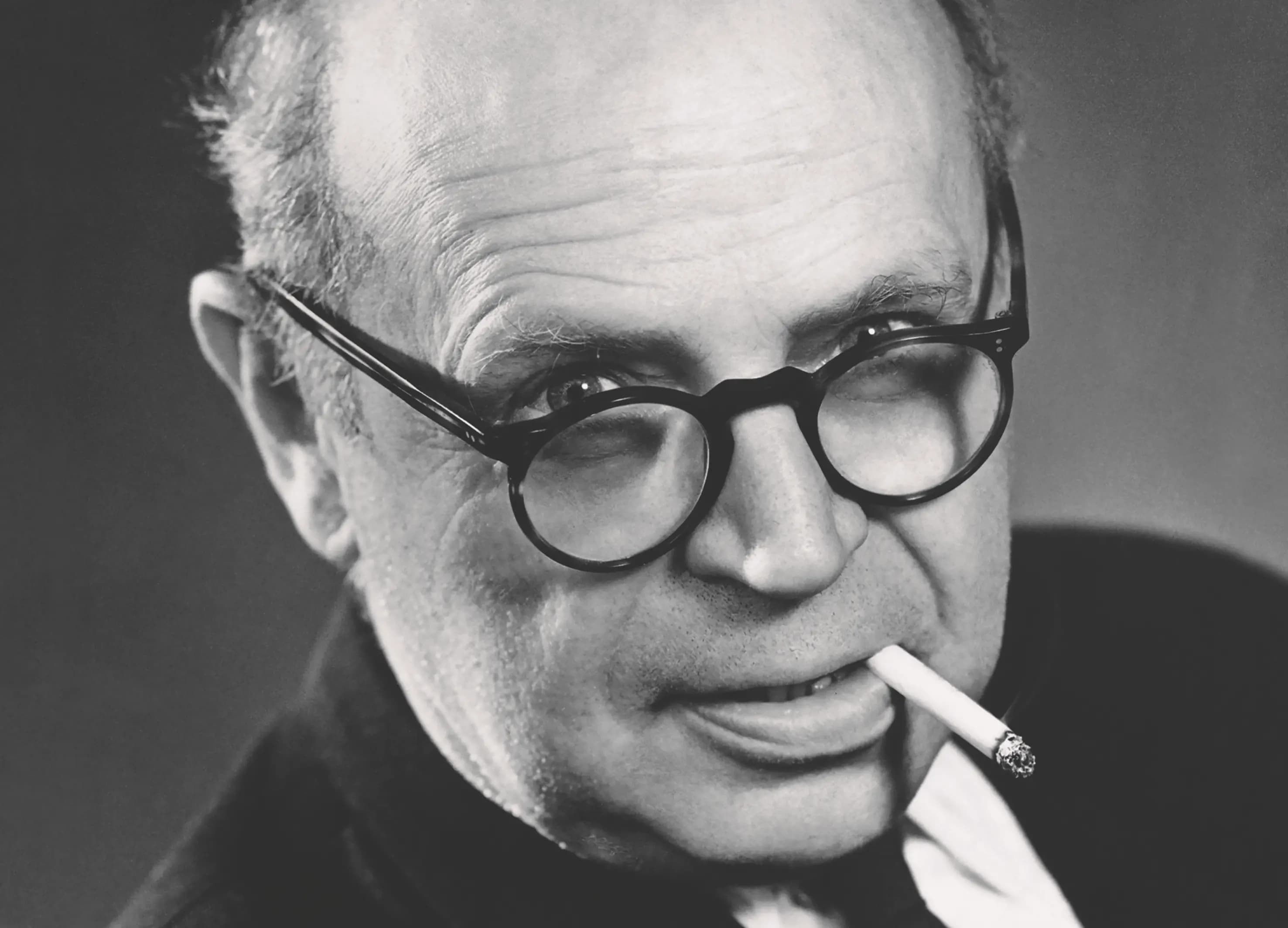
This contrast between city and countryside—and its impact on human psychology—was explored by the German sociologist Georg Simmel (1858–1918). He argued that the constant stream of sensory input in the city makes it difficult for individuals to maintain a sense of personal integrity. As a result, people withdraw into a protective shell.
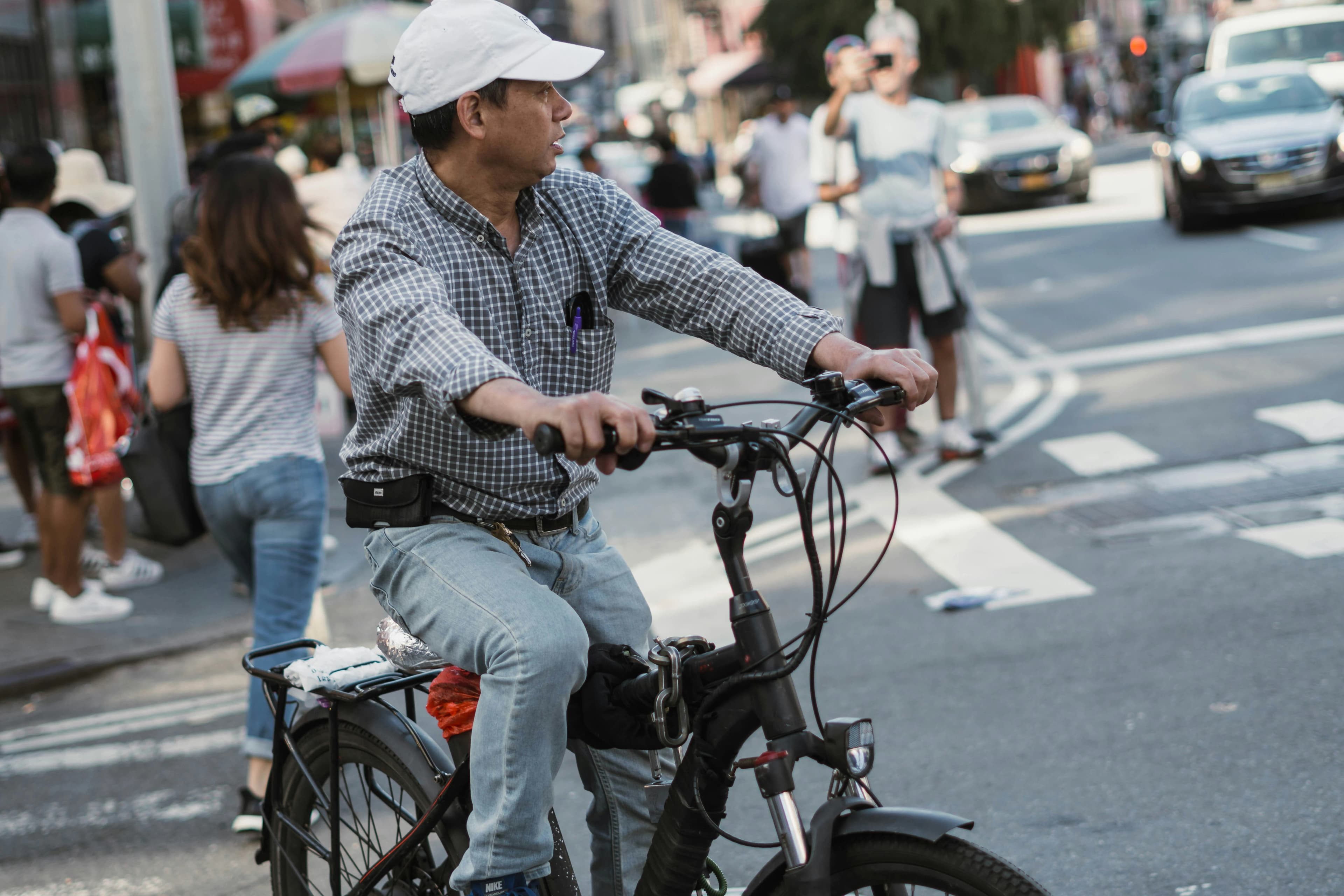
In other words, the complexity of urban life can make it difficult to form deep emotional connections. Anxiety, restlessness, and alienation become defining conditions for people living in the modern metropolis. Literature is filled with portrayals of urban individuals as anonymous, anxious, and rootless—disconnected from both their identity and meaningful human relationships.
The City as a Way of Life
Modern technology, mass media, and advanced communication systems have effectively reduced geographical distances. It can feel as though the entire world has become one vast metropolis—a connected urban network.
You can maintain friendships across continents and shop from global markets. It may even feel as if going to a store across the city is no different from accessing one on the other side of the world.
The city is not just a physical space—it is also a way of living, experiencing, and understanding the world.