So Danish!
Visit DAC in Copenhagen and dive into 1,000 years Of Danish architecture, design, and urban life – featuring iconic works, transformations, and immersive installations for both adults and children.
Step into architecture and discover how buildings, urban spaces and design have shaped Denmark – from Viking ring fortresses and church architecture to the breakthroughs of modernism and new ways of building on what already exists.
So Danish! brings together iconic works and the stories that explain why Danish architecture and design continue to inspire the world. The exhibition unfolds through film, models, original drawings, and spatial installations that make it easy to explore – also with children.
Danish architecture is inseparable from Danish design. Architects have traditionally worked across scales – from buildings and urban spaces to furniture, lighting, and everyday objects.
Meet The Icons
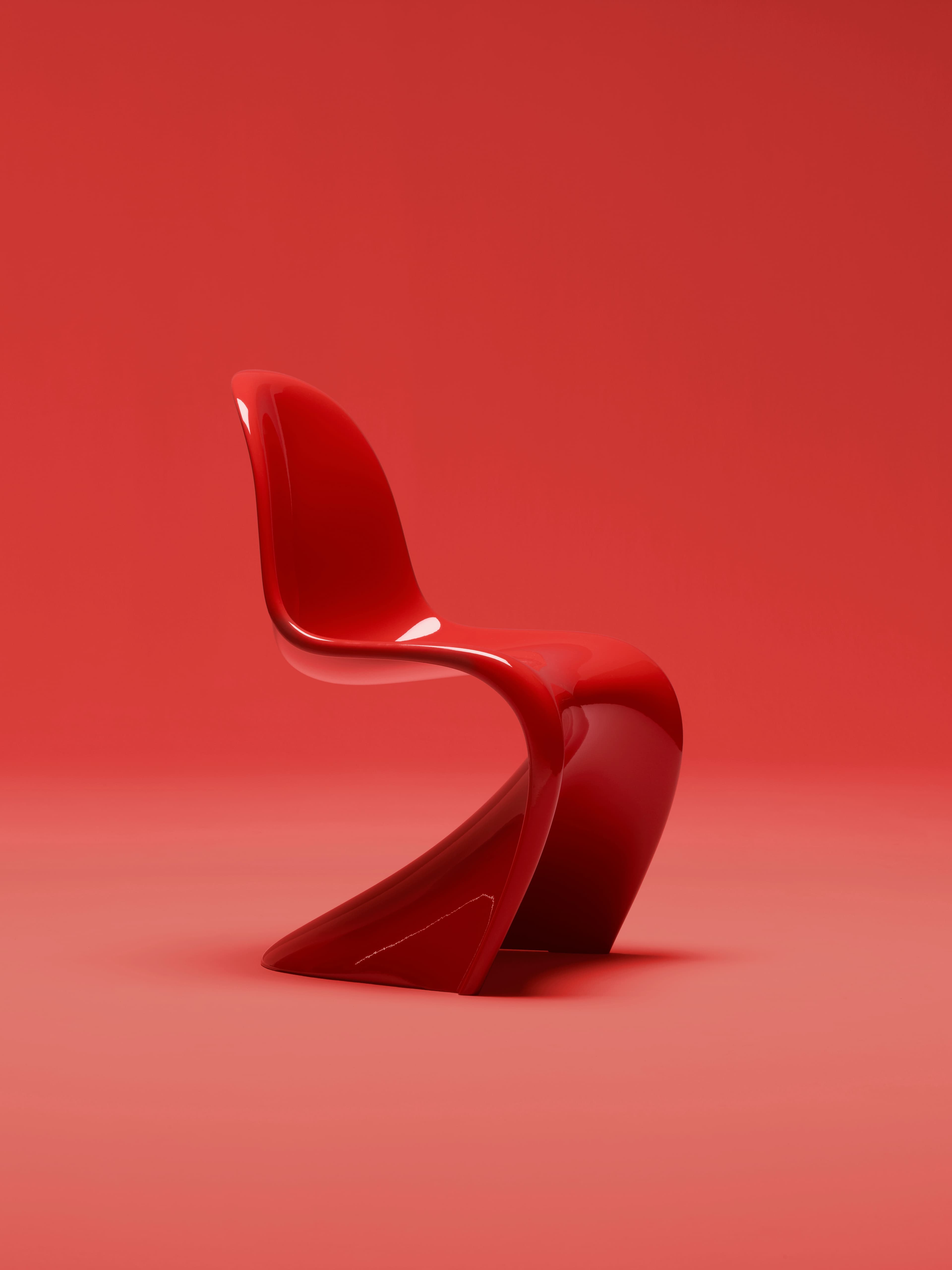
Panton Chair
Verner Panton was a true original in Danish design and one of the most visionary creators of Danish design classics. The Panton Chair from 1967 is an iconic piece made from molded plastic, with an organic, sculptural form that follows the body’s movement and invites a sensory experience.
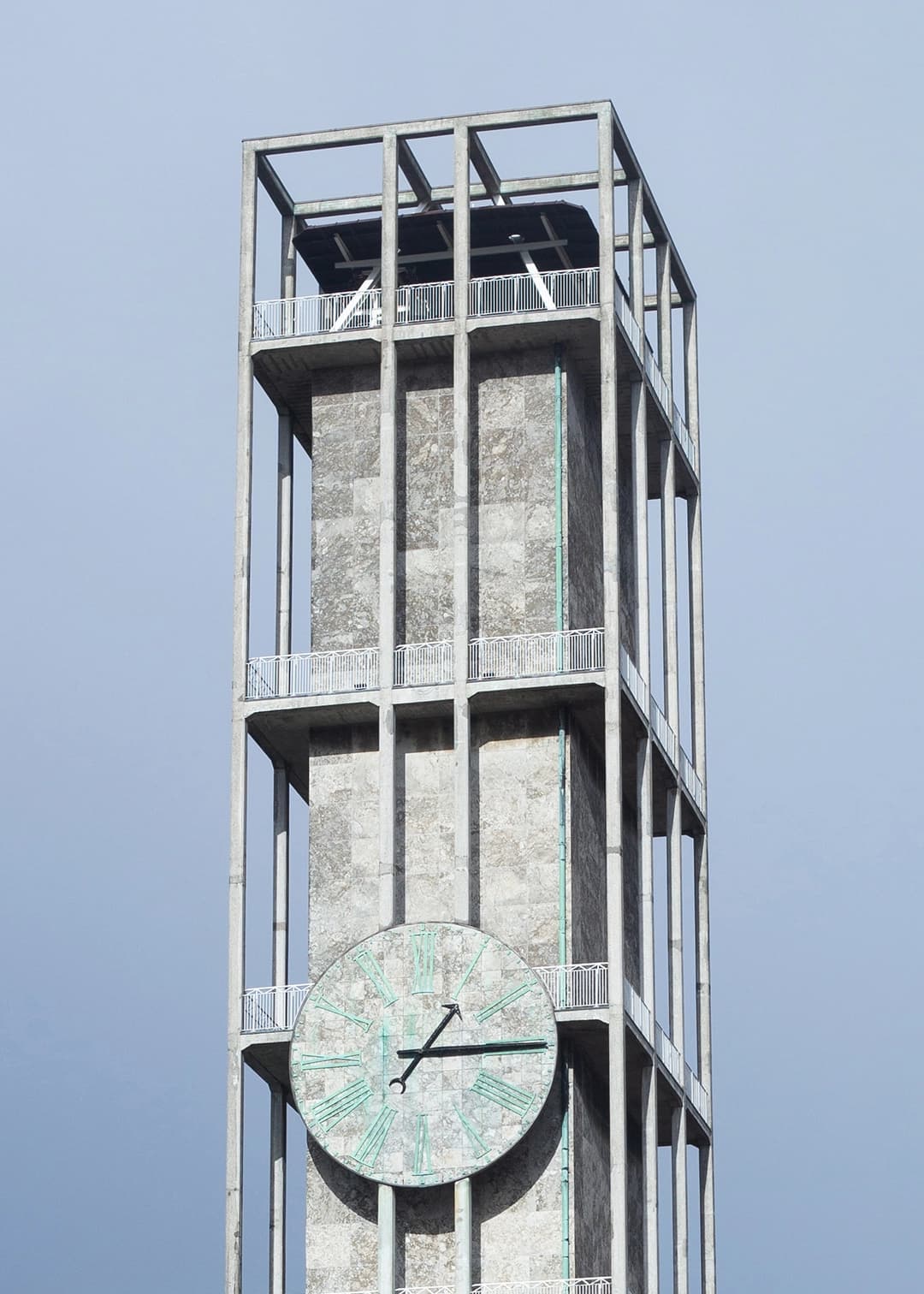
Aarhus City Hall
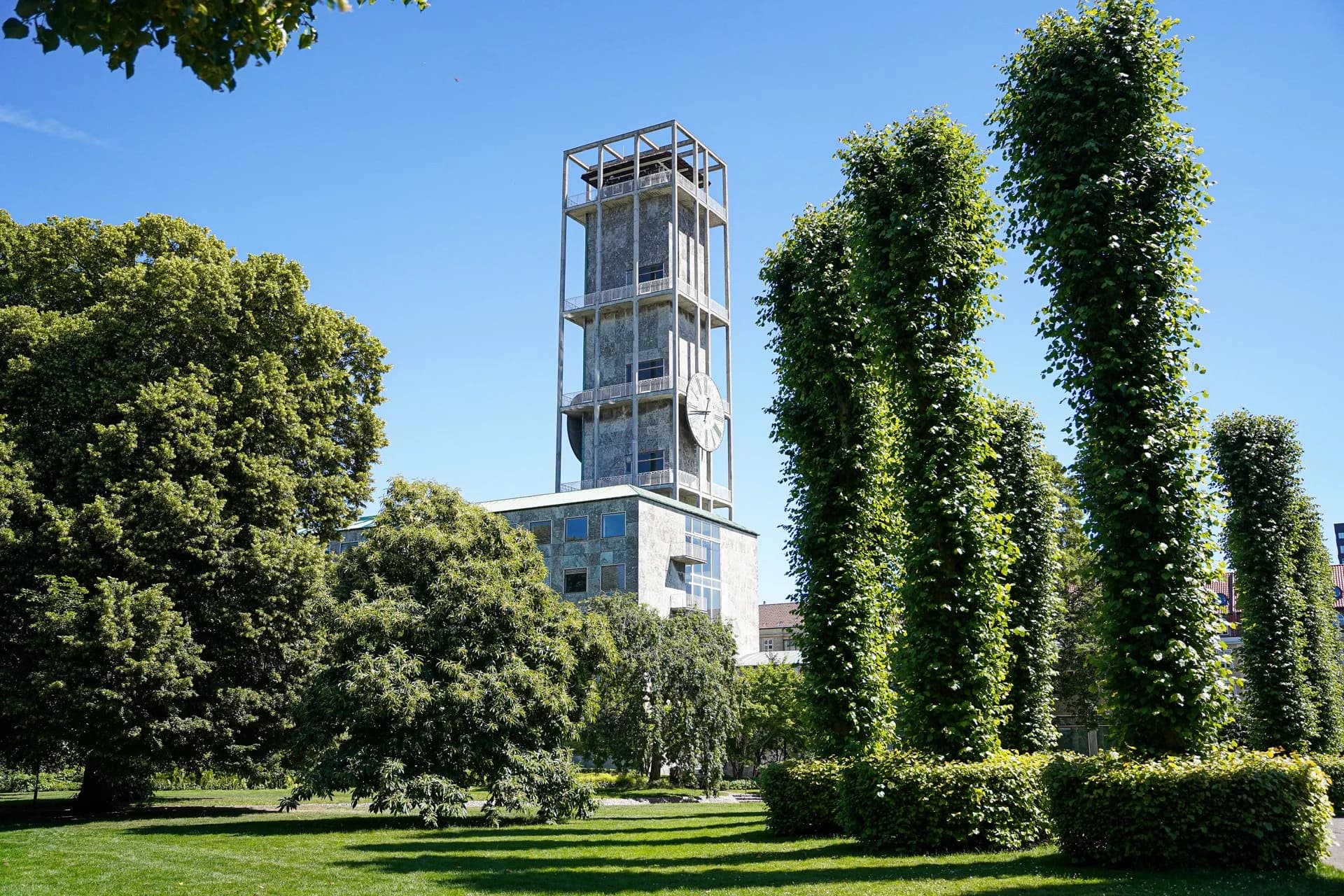
Aarhus City Hall from 1941, designed by Arne Jacobsen and Erik Møller, marks a pivotal shift in Danish architecture toward modernism. The building appears as a cohesive whole, where materials such as Norwegian marble and specially designed details come together in a functionalist design language.
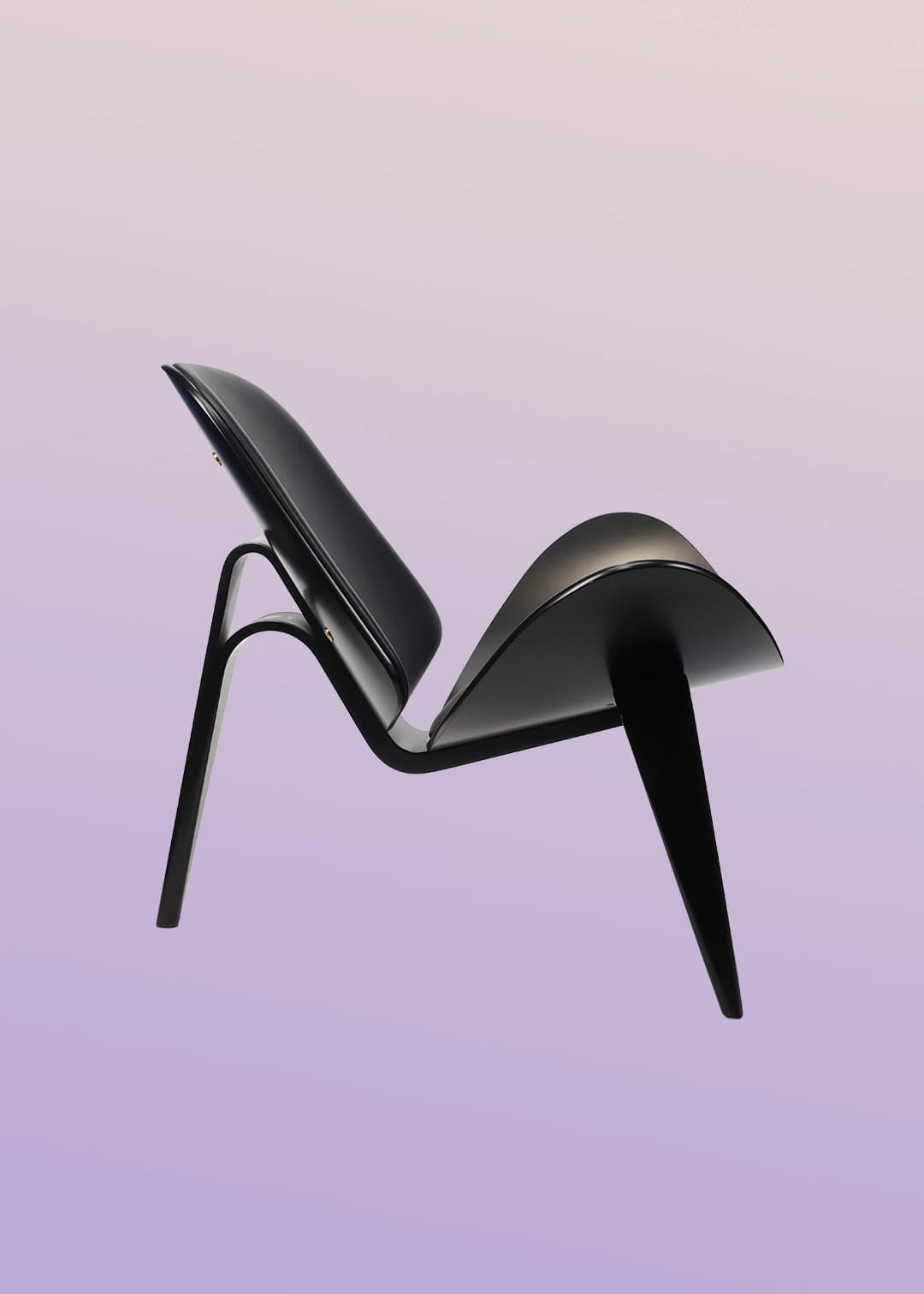
Shell Chair
Hans J. Wegner’s Shell Chair from 1963 is a Danish design classic that challenged the tastes of its time with its organic form language. The light, sculptural shell shape combines comfort and precise craftsmanship – in line with Wegner’s international breakthrough, including the iconic The Chair from the televised debate between Kennedy and Nixon.
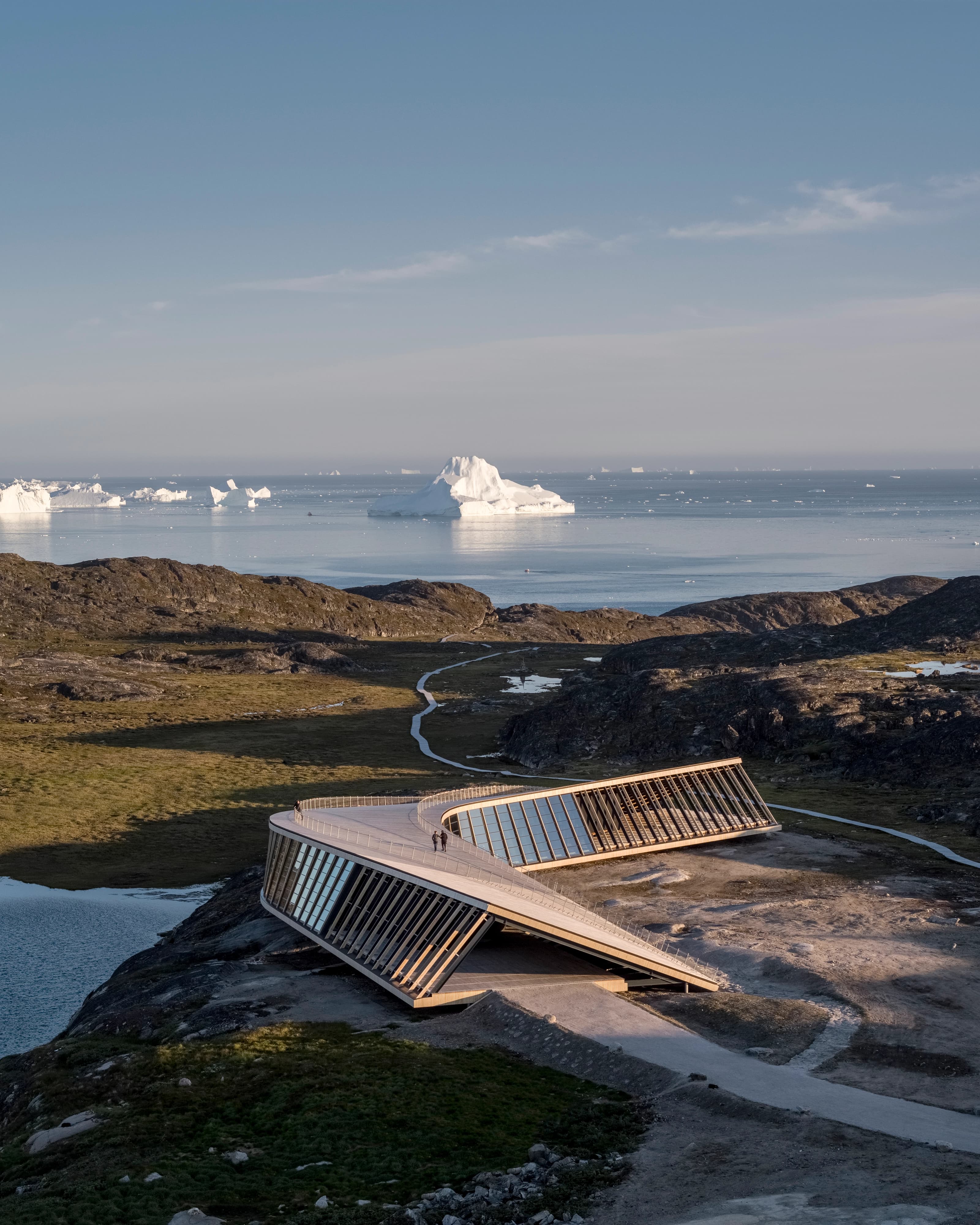
Ilulissat Icefjord Centre
The Ilulissat Icefjord Centre in Greenland, designed by Dorte Mandrup in 2021, is a striking example of modern Danish architecture in an Arctic landscape. The building is defined by its organic, wing-like form that follows the terrain and communicates climate change.
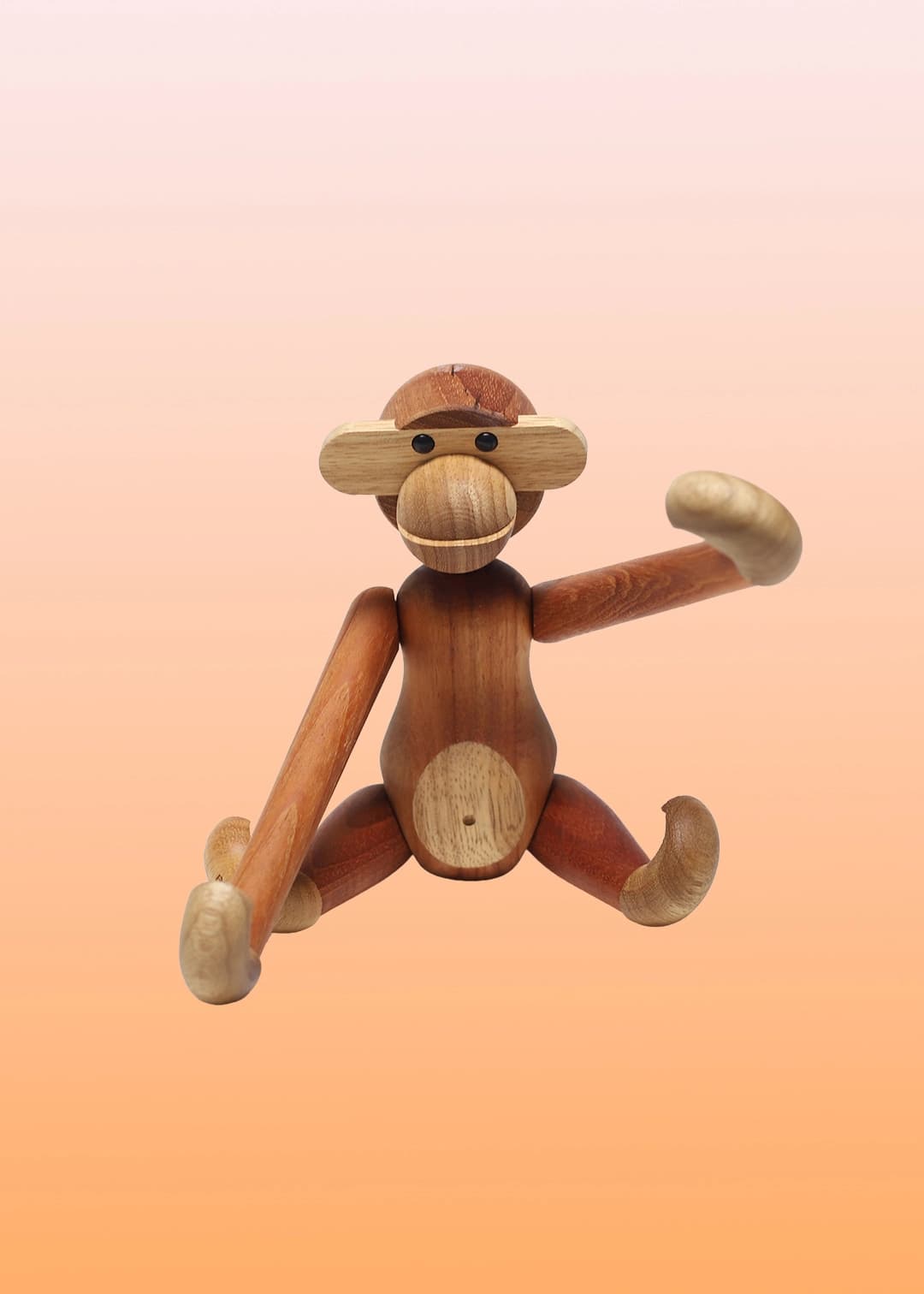
Kay Bojesen Monkey
Kay Bojesen’s Monkey from 1951 is an icon of Danish design, where play, function, and craftsmanship come together seamlessly. The small wooden figure, with its long, movable arms, was created for children but has since found a place in homes with both kids and adults.
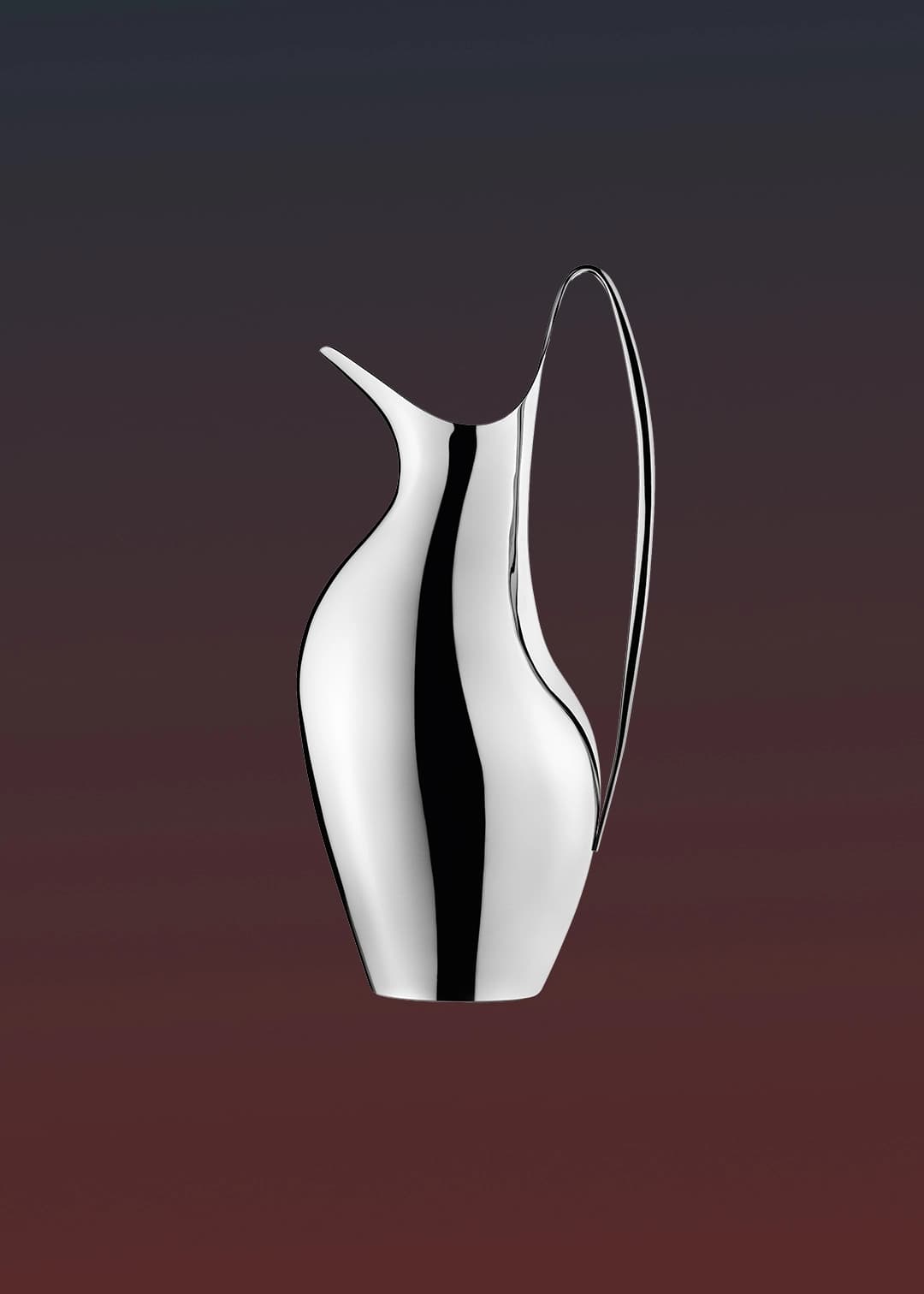
Henning Koppel's Pitcher
Henning Koppel’s pitcher from 1952 is a Danish design classic, where the sculptor’s eye for form clearly comes through. The soft, sculptural lines give the pitcher an organic, almost lifelike expression and renew the tradition of Danish silver.
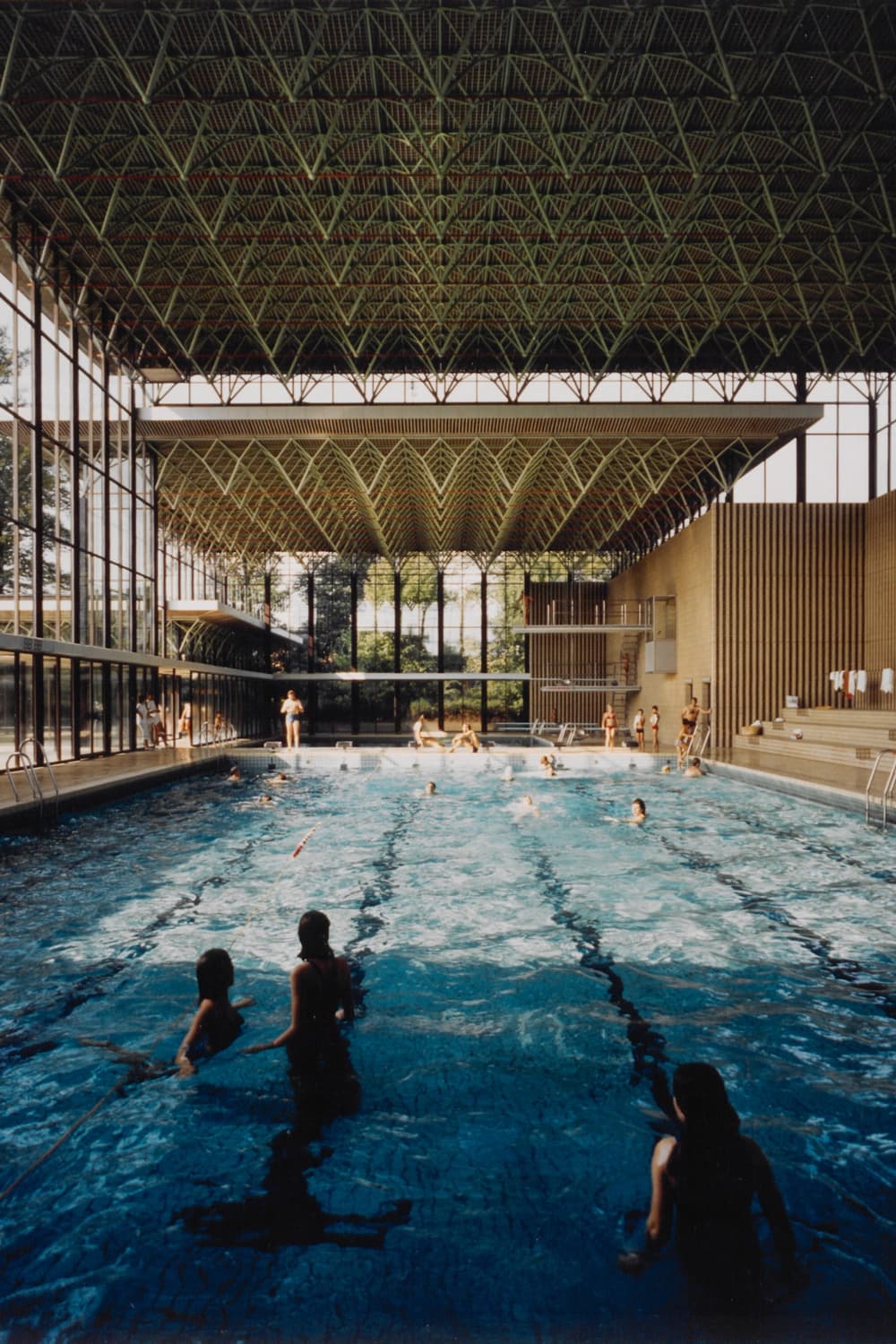
Kildeskovshallen
Kildeskov Hall from 1950, designed by Karen and Ebbe Clemmensen in collaboration with landscape architect Agnete Muusfeldt, is a cohesive work of Danish architecture. Here, building and landscape merge in a light design language, where columns and glass façades dissolve the boundary between indoors and outdoors.
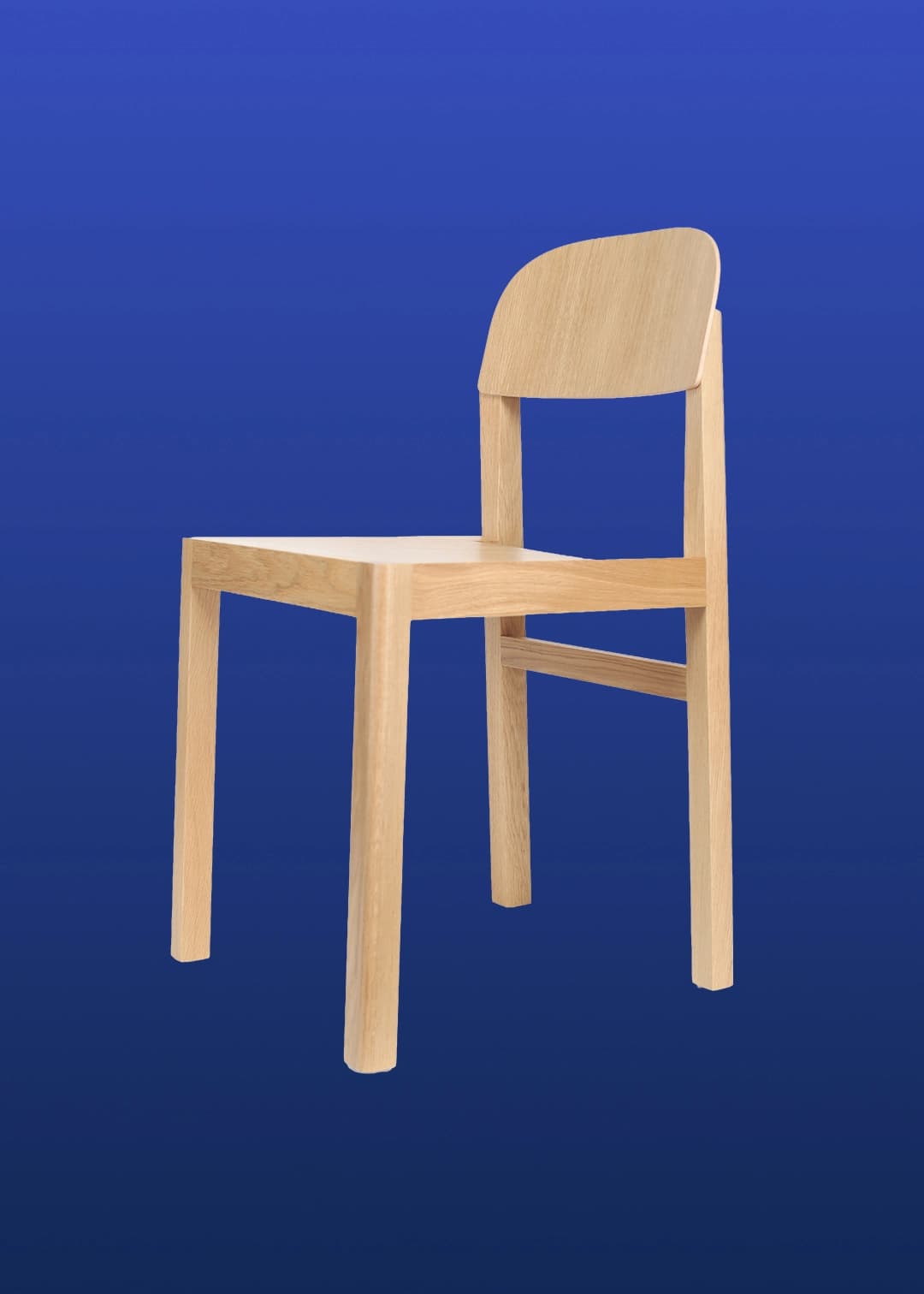
Workshop Chair
Cecilie Manz’s Workshop Chair may appear simple at first, but it reveals a refined balance between a sharp design language and soft, rounded details. Its defining feature is the precise craftsmanship and finely executed joints that carry forward the Nordic tradition of minimalist design.
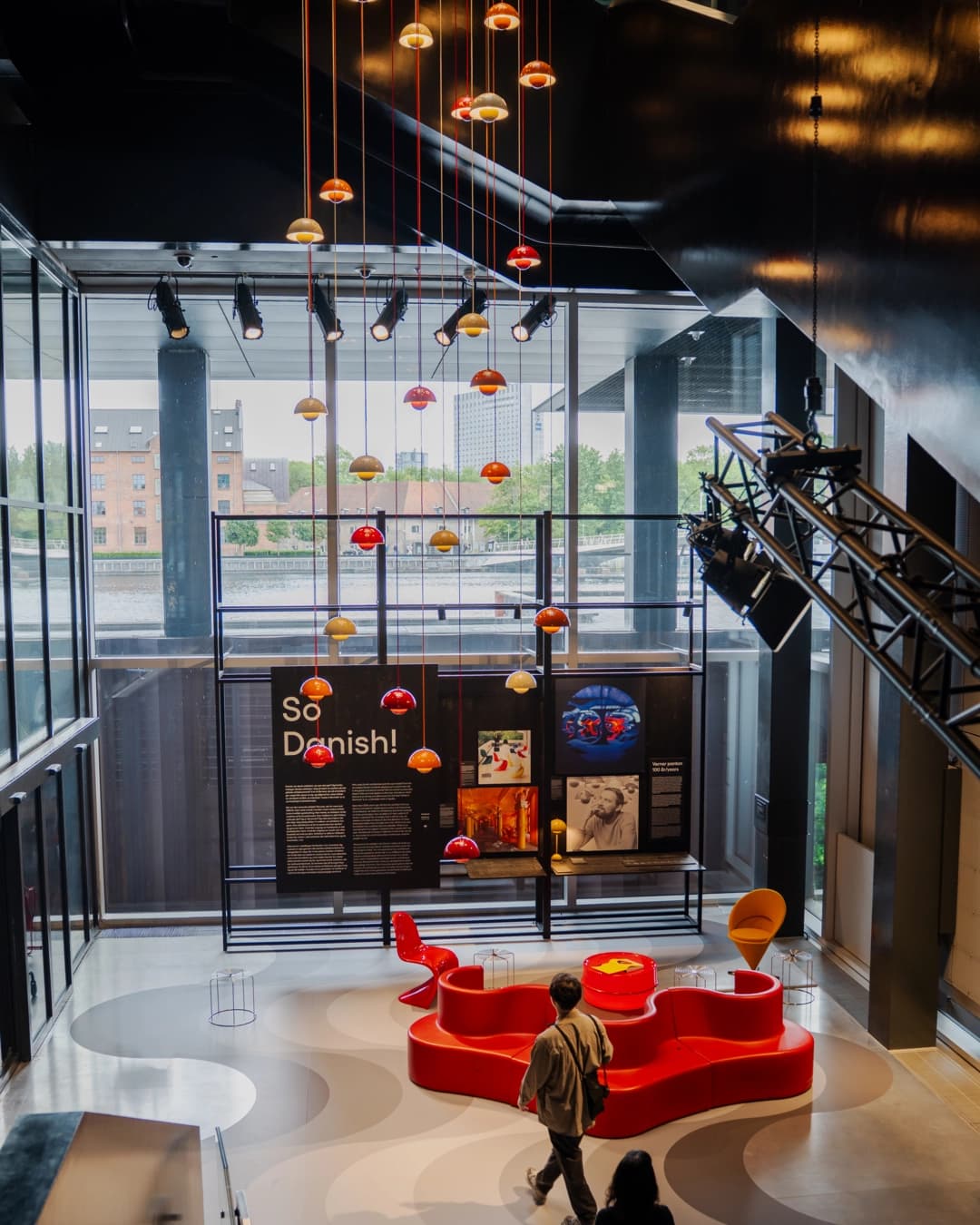
Step into the world of Verner Panton
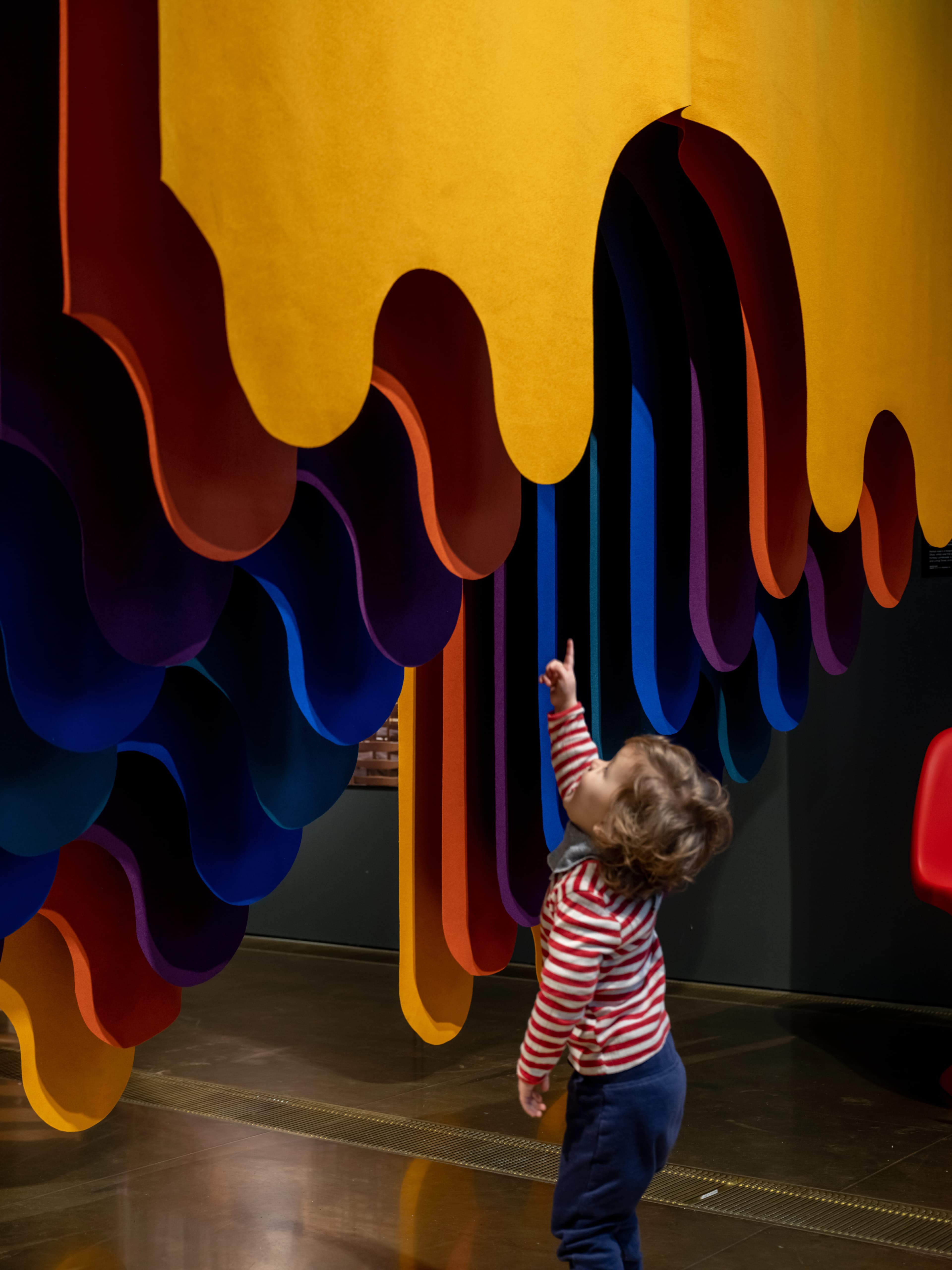
Verner Panton is known for his bold, sensory design language, where light, space, and furniture interact. To mark the 100th birthday, you can experience a new installation in So Danish!.
Here, you encounter several of Panton’s iconic designs—including an installation of 81 Flowerpot pendants clustered in a chandelier-like formation.The installation offers insight into how Panton shaped space through light, form, and color.
Danish Architecture Around The World
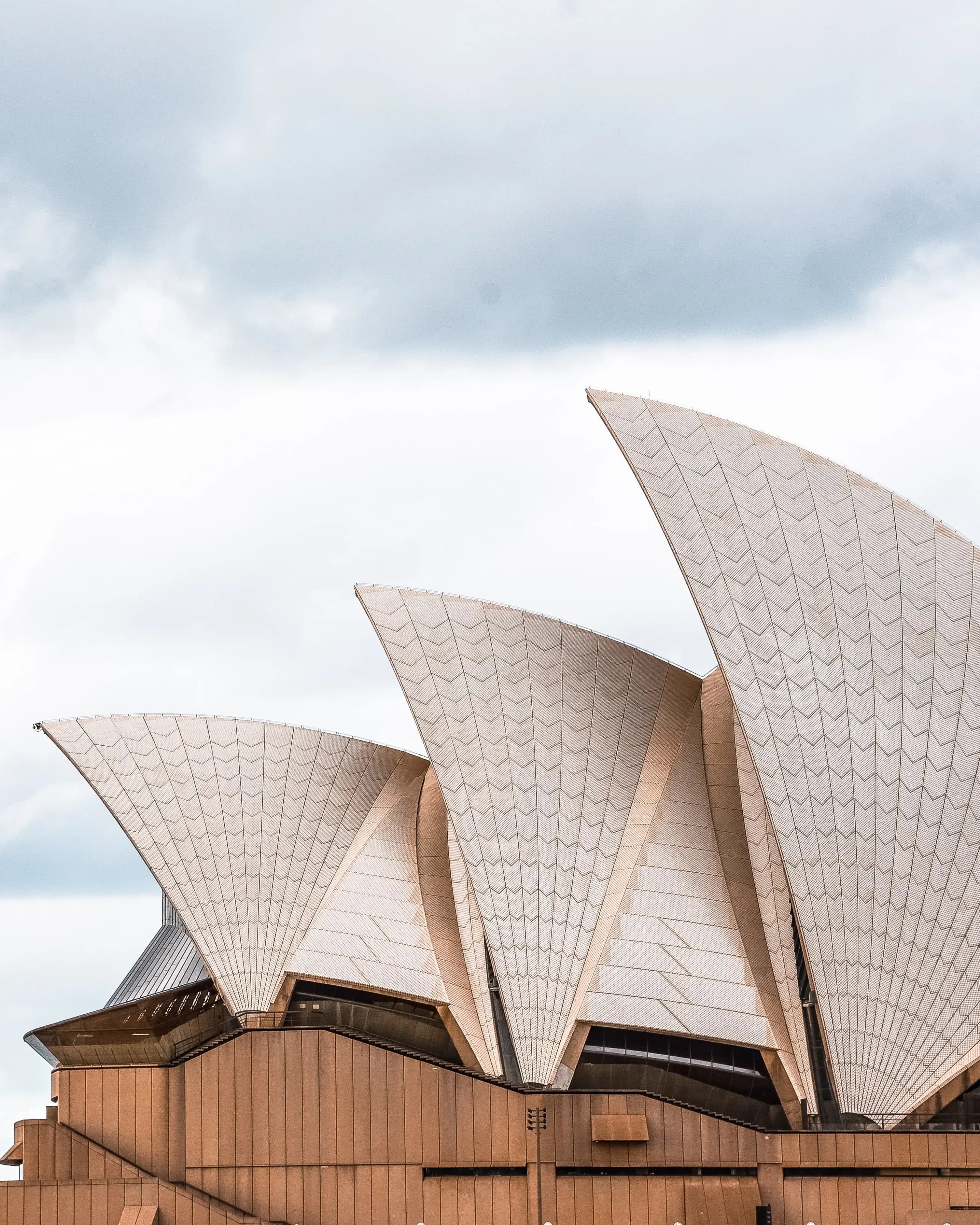
The story also extends beyond Denmark: Jørn Utzon’s Sydney Opera House and Danish contributions such as Henning Larsen’s work in Riyadh and Gehl’s Times Square show how Danish architecture has shaped cities around the world.
The Stories Behind
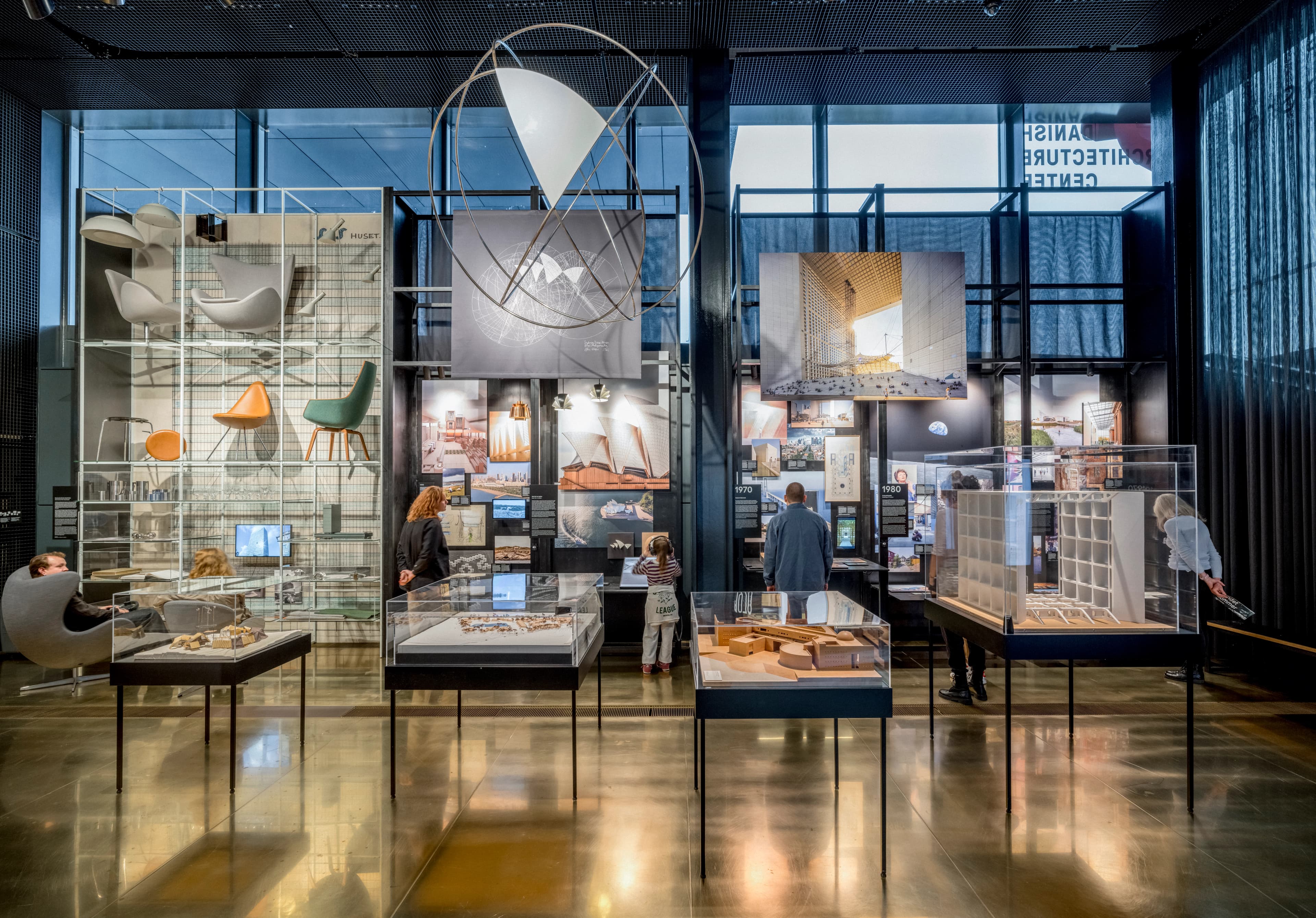
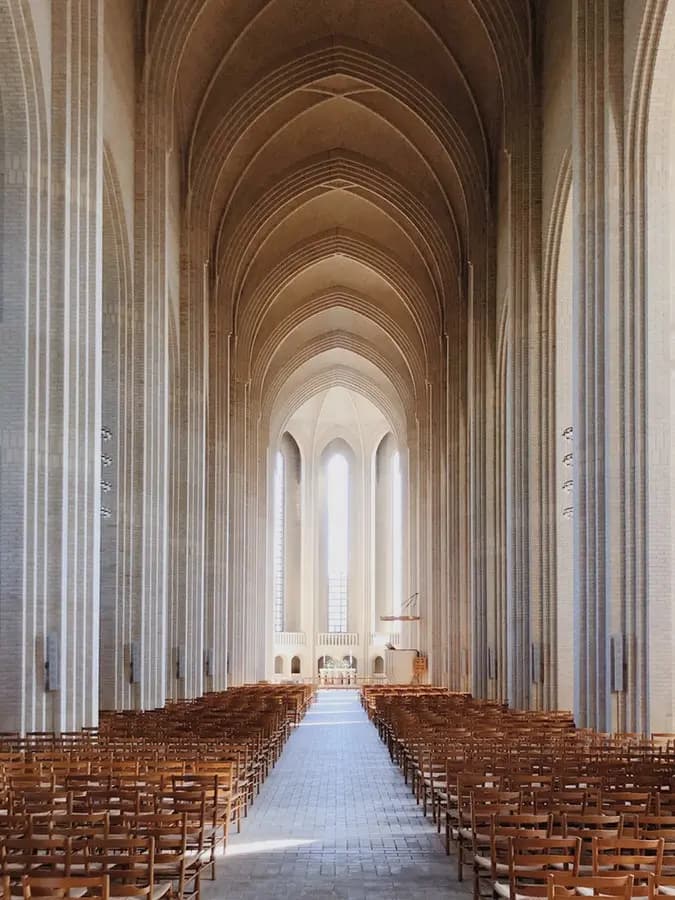
In So Danish!, the highlights of Danish architecture are brought together in one place – from Viking ring fortresses and Eremitage Palace to Grundtvig’s Church and Arne Jacobsen’s Munkegård School.
Through film, models, original drawings and spatial installations, you can get up close to the buildings and urban spaces that have shaped Denmark – and continue to inspire the world today.
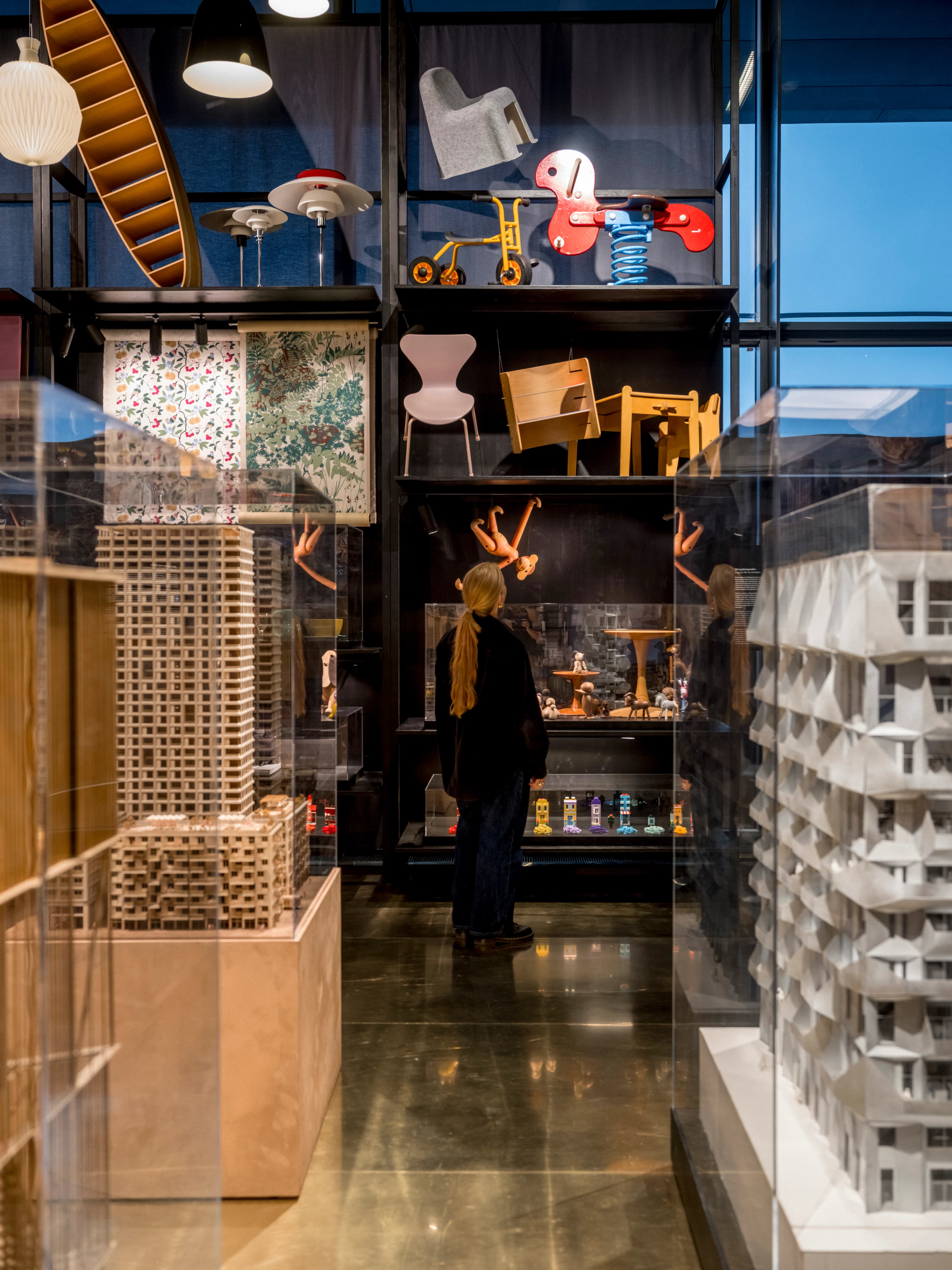
Photo: Rasmus Hjortshøj Cities At A Human Scale
A particular Danish strength is the focus on urban life and the human scale. From social housing and welfare architecture to today’s housing experiments and climate adaptation, architecture has shaped the framework for everyday life and the Danish welfare society.
Read more about "Cities At A Human Scale"
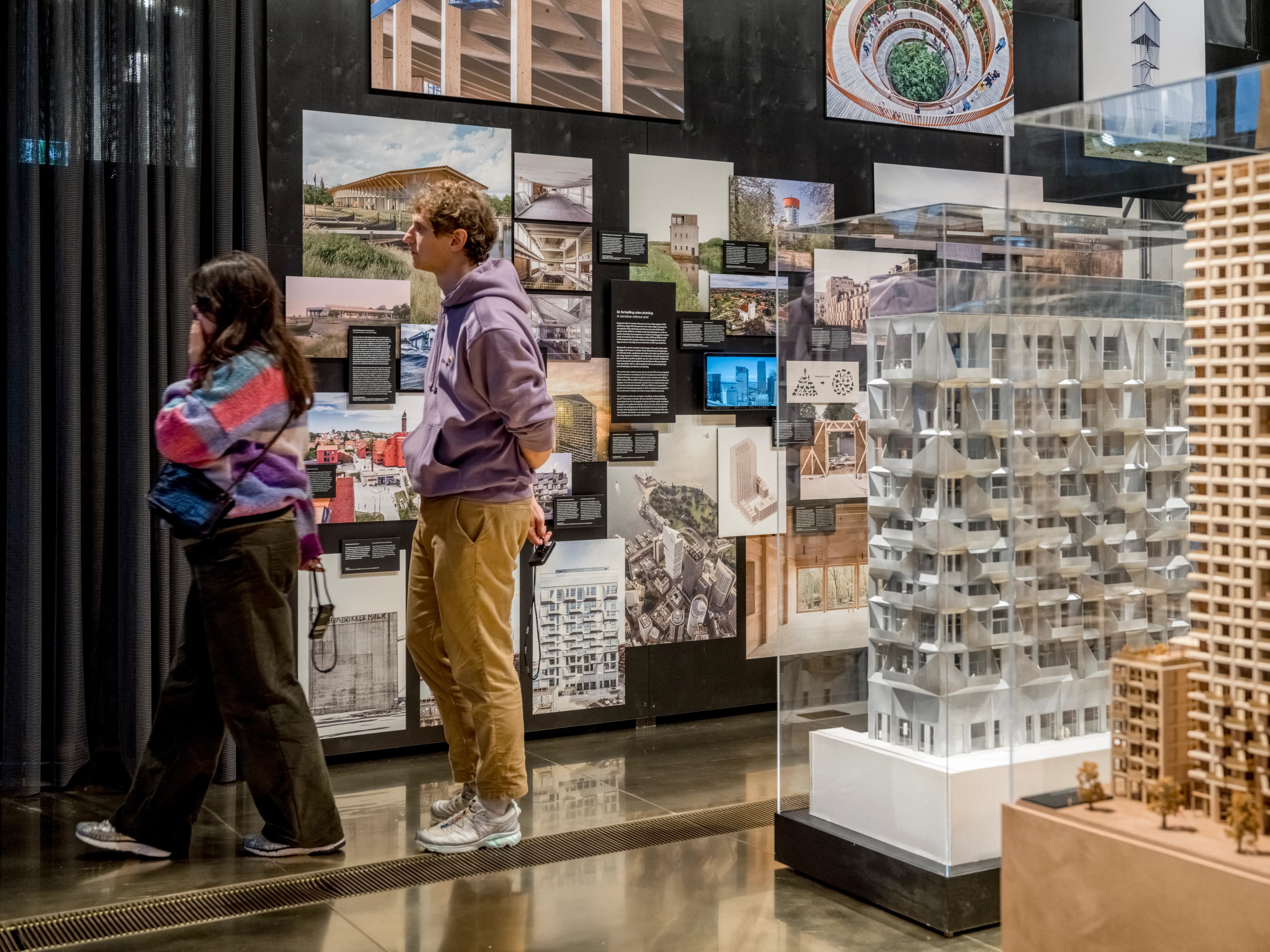
Photo: Rasmus Hjortshøj From New Construction To Transformation
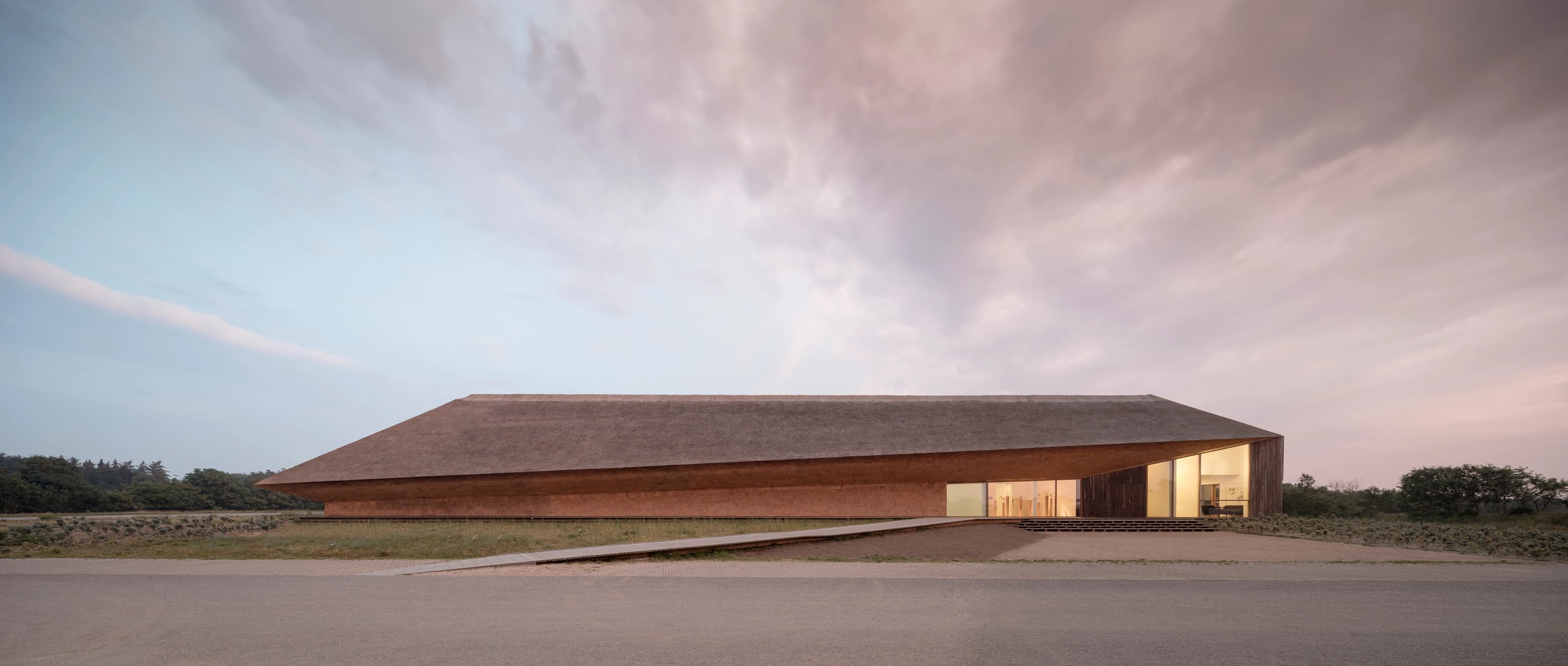
Danish architects don’t just build new – they build on what’s already there. Projects like the Malt Factory, The Silo in Nordhavn, and Jægersborg Water Tower show how buildings can be given new life with respect for materials, resources, and the history of the place.
Cities For People
Experience Architecture With The Whole Family
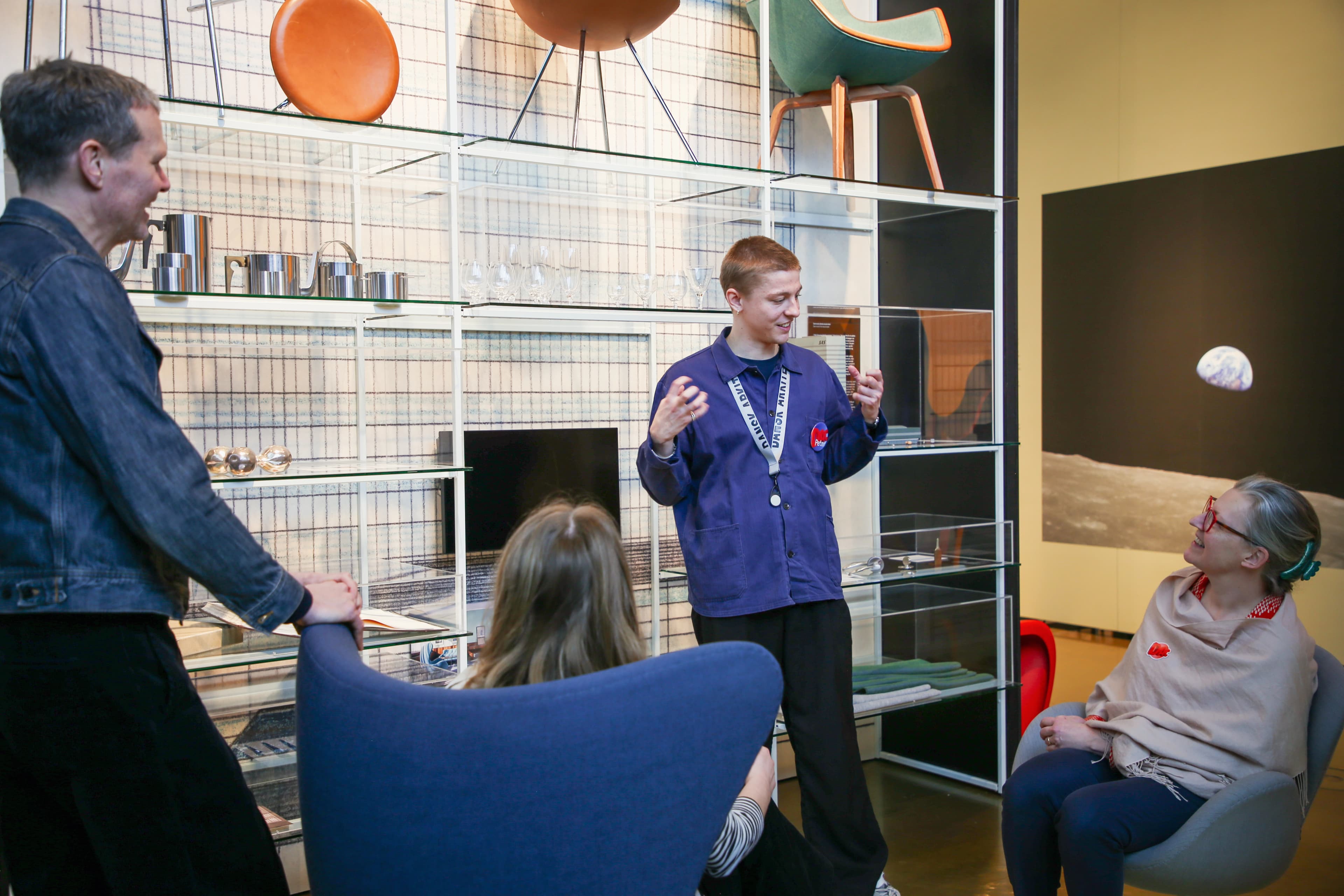
So Danish! is designed as a sensory experience for both adults and children. Through large-scale film projections and spatial installations, you can feel the architecture with your whole body and step inside iconic buildings.
Children can explore models, shapes, and materials, discovering how architecture shapes their everyday lives. The exhibition invites conversation about how we build, live, and coexist – and how the architecture of the future can create better frameworks for both people and nature.
Info
The exhibition offers audio guides in Danish and English.
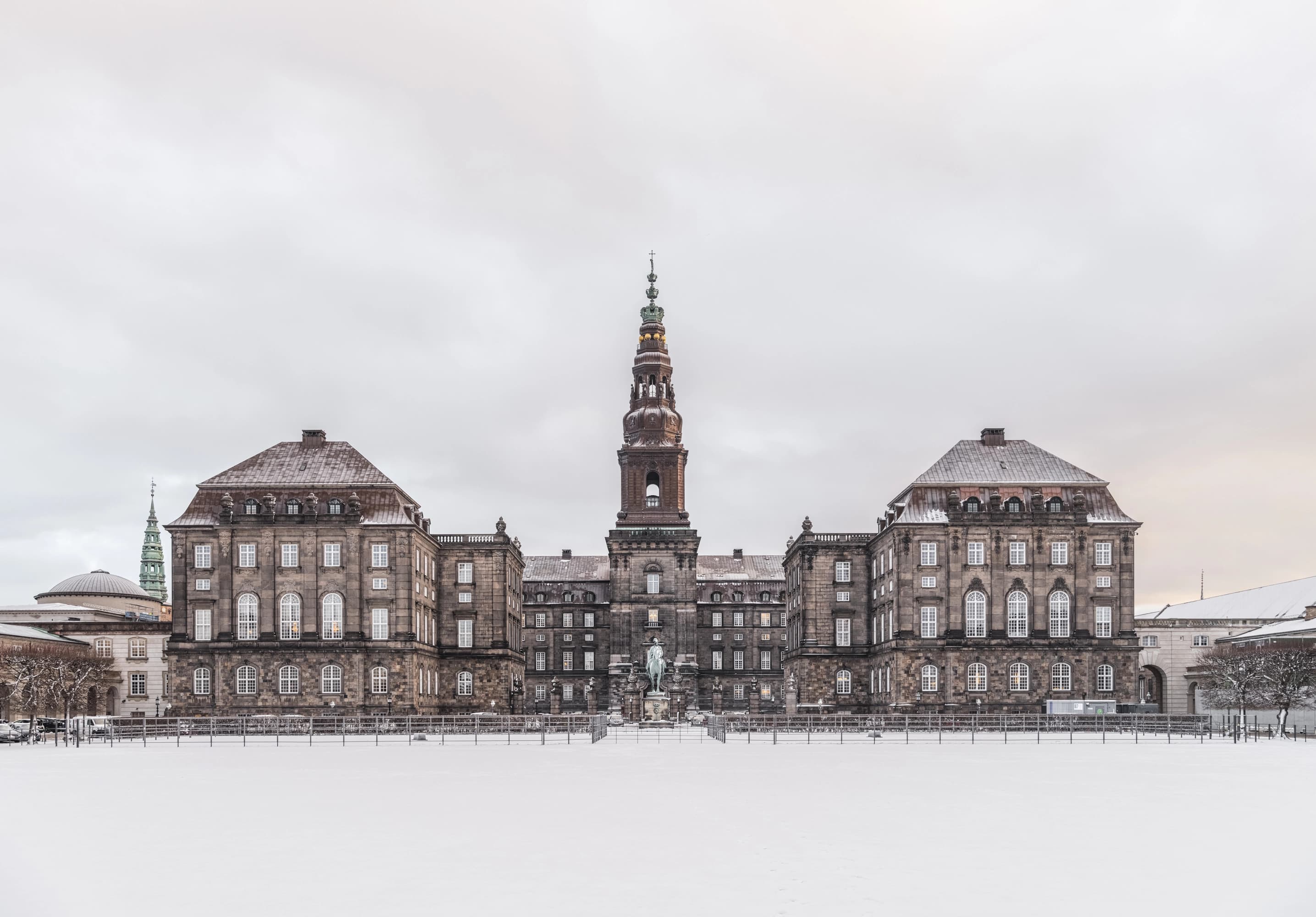
This exhibition is developed by Dansk Arkitektur Center
Thanks to
- Aarhus Teater
- Architectmade
- Arnejacobsen.com
- BIG Architects
- Carl Hansen & Søn
- Carsten Hoff
- C.F. Møller
- Cobe
- Danmarks Kunstbibliotek
- Dissing+Weitling
- dline
- Flemming Skude
- Fritz Hansen
- Gentofte Kommune
Helgi Toftegaard
- Henning Larsen
- House of Finn Juhl
Jan Gehl
- Johansen Skovsted Arkitekter
Kay Xander Mellish
- Kompan
Kristine Virén
- Kvadrat
- Københavns Museum
Lauge Floris
- Louis Poulsen
- Lundgaard & Tranberg
Mads Quistgaard
- Mater
- Muuto
- Nationalmuseet
Ole Hein
- Ole Søndergaard
- Petersen Tegl
- Radisson Collection Royal Hotel
- Realdania By & Byg
- Ringkøbing Fjord Museer
- Roskilde Domsogns Menighedsråd
- Rundetaarn
- Schmidt Hammer Lassen
- Slots- og Kulturstyrelsen
- Takt
Thomas Roland
- Utzon Center
- Vilhelm Lauritzen Arkitekter
- Vola
- &Tradition
- Vitra
- VERPAN
- Verner Panton Design AG